Deceased Decedent Estate With A Will Nab
Description
Get your form ready online
Our built-in tools help you complete, sign, share, and store your documents in one place.
Make edits, fill in missing information, and update formatting in US Legal Forms—just like you would in MS Word.
Download a copy, print it, send it by email, or mail it via USPS—whatever works best for your next step.
Sign and collect signatures with our SignNow integration. Send to multiple recipients, set reminders, and more. Go Premium to unlock E-Sign.
If this form requires notarization, complete it online through a secure video call—no need to meet a notary in person or wait for an appointment.
We protect your documents and personal data by following strict security and privacy standards.

Make edits, fill in missing information, and update formatting in US Legal Forms—just like you would in MS Word.

Download a copy, print it, send it by email, or mail it via USPS—whatever works best for your next step.

Sign and collect signatures with our SignNow integration. Send to multiple recipients, set reminders, and more. Go Premium to unlock E-Sign.

If this form requires notarization, complete it online through a secure video call—no need to meet a notary in person or wait for an appointment.

We protect your documents and personal data by following strict security and privacy standards.
Looking for another form?





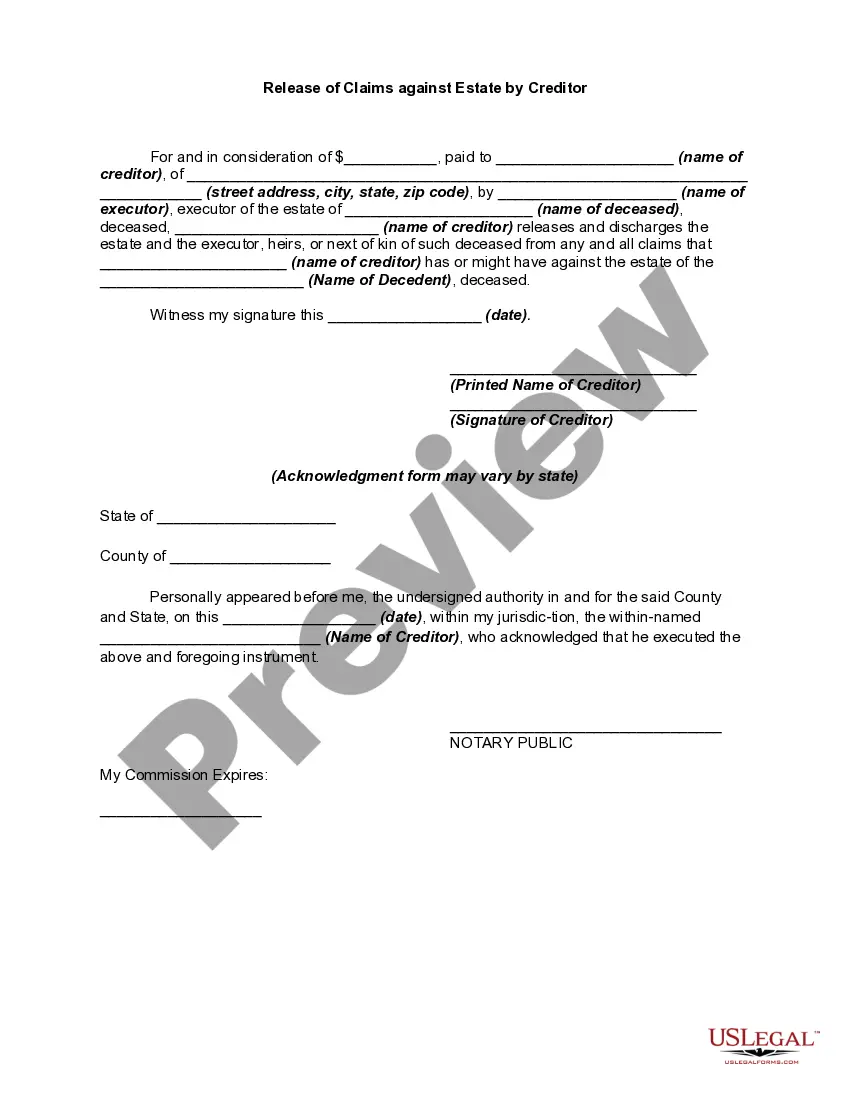
How to fill out Release Of Claims Against Estate By Creditor?
Securing a reliable source for obtaining the most up-to-date and pertinent legal templates is a significant part of navigating bureaucracy.
Identifying the appropriate legal documents requires precision and meticulousness, which is why it is essential to obtain samples of Deceased Decedent Estate With A Will Nab exclusively from trustworthy providers, like US Legal Forms.
Proceed with the registration to finalize your acquisition. Complete your purchase by selecting a payment method (credit card or PayPal). Choose the file format for downloading Deceased Decedent Estate With A Will Nab. Once you have the form on your device, you can modify it using the editor or print it out and fill it in by hand. Eliminate the hassle associated with your legal documentation. Browse the comprehensive US Legal Forms catalog to discover legal templates, assess their applicability to your situation, and download them instantly.
- An incorrect template will squander your time and delay your current situation.
- With US Legal Forms, there is minimal concern to have.
- You can access and review all the details regarding the document's application and significance for your case and in your jurisdiction.
- Follow the outlined steps to finalize your Deceased Decedent Estate With A Will Nab.
- Use the catalog navigation or search bar to locate your template.
- Examine the form's description to determine if it meets the criteria of your state and county.
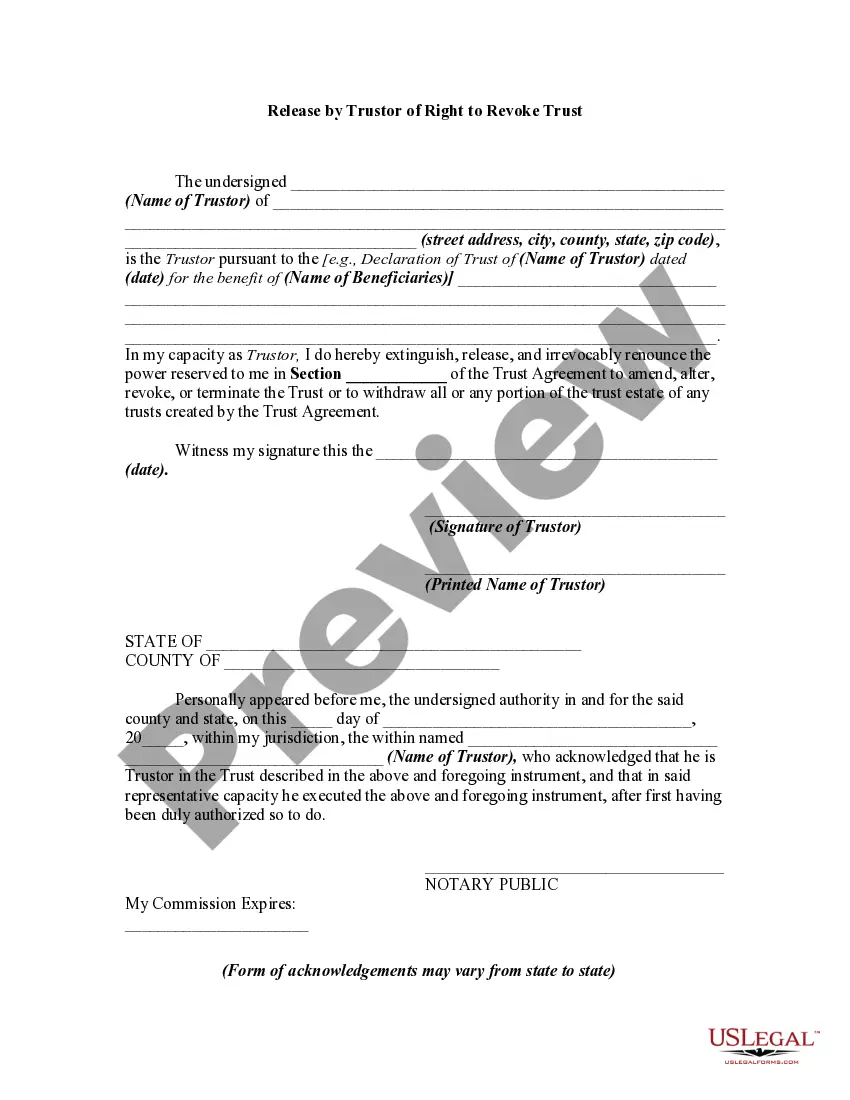
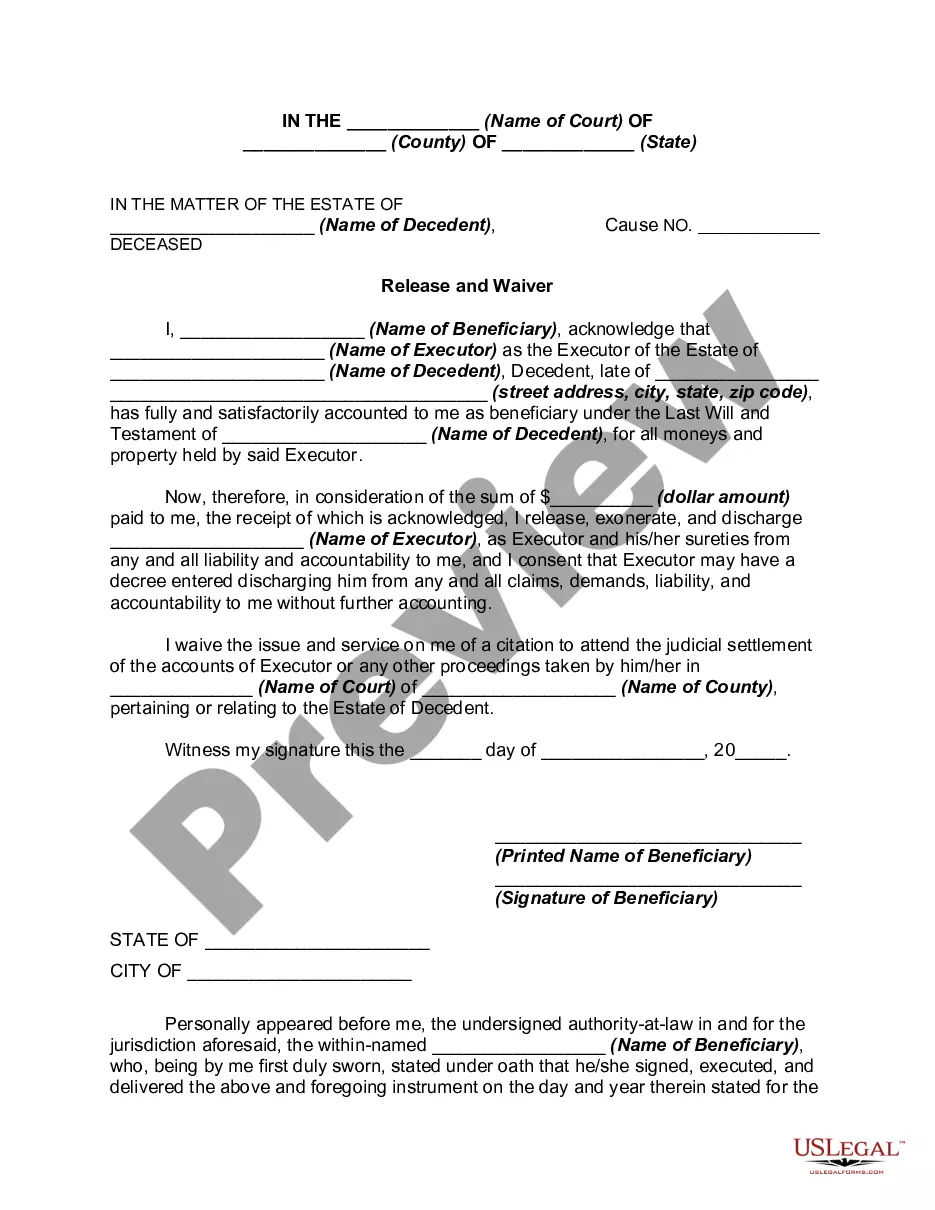
- Check the form preview, if available, to confirm the template is indeed what you are looking for.
- Return to the search and seek the appropriate template if the Deceased Decedent Estate With A Will Nab does not fulfill your needs.
- Once you are confident about the form's suitability, download it.
- If you are a registered customer, click Log in to verify and access your chosen forms in My documents.
- If you don't have an account yet, click Buy now to acquire the form.
- Select the payment plan that meets your requirements.
Form popularity
FAQ
In the United States, the amount you can inherit without paying federal estate taxes is generally $11.7 million as of 2021, but this figure can change. State laws may also impose different thresholds, so it's essential to check the regulations in your state. Understanding these limits is vital when dealing with a deceased decedent estate with a will nab, as it can affect how much you ultimately receive. Using resources like US Legal Forms can provide clarity on tax obligations related to inheritances.
Receiving your inheritance can take several months to over a year, depending on the complexity of the estate and the probate process. Once the will is validated and debts are settled, the executor can distribute the remaining assets. If you are dealing with a deceased decedent estate with a will nab, clear communication with the executor can help keep you informed about the timeline for your inheritance.
The 3 year rule typically refers to the time limit for filing a claim against a deceased person's estate. If you believe you have a claim, you generally must file it within three years of the death. This rule is crucial in managing a deceased decedent estate with a will nab, ensuring that all claims are settled in a timely manner. Understanding these timelines can help avoid complications in the probate process.
To open an estate account for a deceased person, you first need to obtain a copy of the death certificate and the will. Next, visit a bank where the deceased held accounts and provide the necessary documents, including proof of your role as executor. This account will help manage the deceased decedent estate with a will nab, allowing you to settle debts and distribute assets efficiently.
In most cases, you can access the deceased's bank account once probate is initiated. This process usually begins within a few weeks after death, but it can vary depending on state laws. If there is a will, the executor named in the will can help expedite the process of accessing funds. Using the US Legal Forms platform can simplify navigating this process, especially for a deceased decedent estate with a will nab.
To close a bank account of a deceased person with a will, you must first locate the will and identify the executor. The executor has the authority to manage the deceased decedent estate with a will nab, including closing bank accounts. You will typically need to provide a death certificate and the will to the bank. If you require guidance through this process, US Legal Forms can provide the necessary documents and support.
A deceased estate with a will is the legal term for the assets and liabilities left behind by an individual who has passed away, where a valid will outlines the distribution of those assets. This will serves as a guide to ensure that the deceased’s wishes are honored. Understanding this concept is crucial for beneficiaries, as it directly impacts how the estate is settled. For detailed information and resources, check out US Legal Forms.
The 2 year rule for a deceased estate refers to the time limit for claiming assets of a deceased decedent estate with a will nab. Generally, beneficiaries must submit their claims within two years of the decedent's passing. After this period, the estate may become more challenging to manage and distribute. For assistance in navigating these timelines, consider utilizing platforms like US Legal Forms.