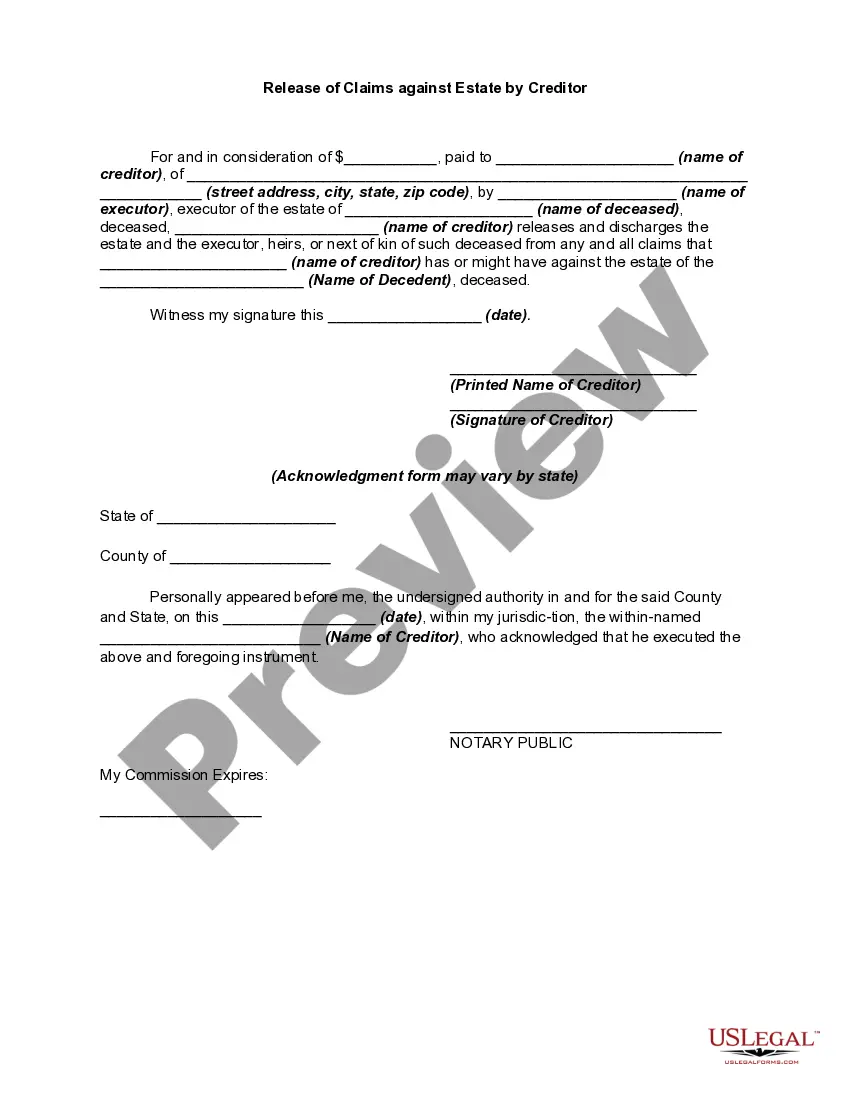
Claims Against Creditor With Balance
Description
Get your form ready online
Our built-in tools help you complete, sign, share, and store your documents in one place.
Make edits, fill in missing information, and update formatting in US Legal Forms—just like you would in MS Word.
Download a copy, print it, send it by email, or mail it via USPS—whatever works best for your next step.
Sign and collect signatures with our SignNow integration. Send to multiple recipients, set reminders, and more. Go Premium to unlock E-Sign.
If this form requires notarization, complete it online through a secure video call—no need to meet a notary in person or wait for an appointment.
We protect your documents and personal data by following strict security and privacy standards.

Make edits, fill in missing information, and update formatting in US Legal Forms—just like you would in MS Word.

Download a copy, print it, send it by email, or mail it via USPS—whatever works best for your next step.

Sign and collect signatures with our SignNow integration. Send to multiple recipients, set reminders, and more. Go Premium to unlock E-Sign.

If this form requires notarization, complete it online through a secure video call—no need to meet a notary in person or wait for an appointment.

We protect your documents and personal data by following strict security and privacy standards.
Looking for another form?

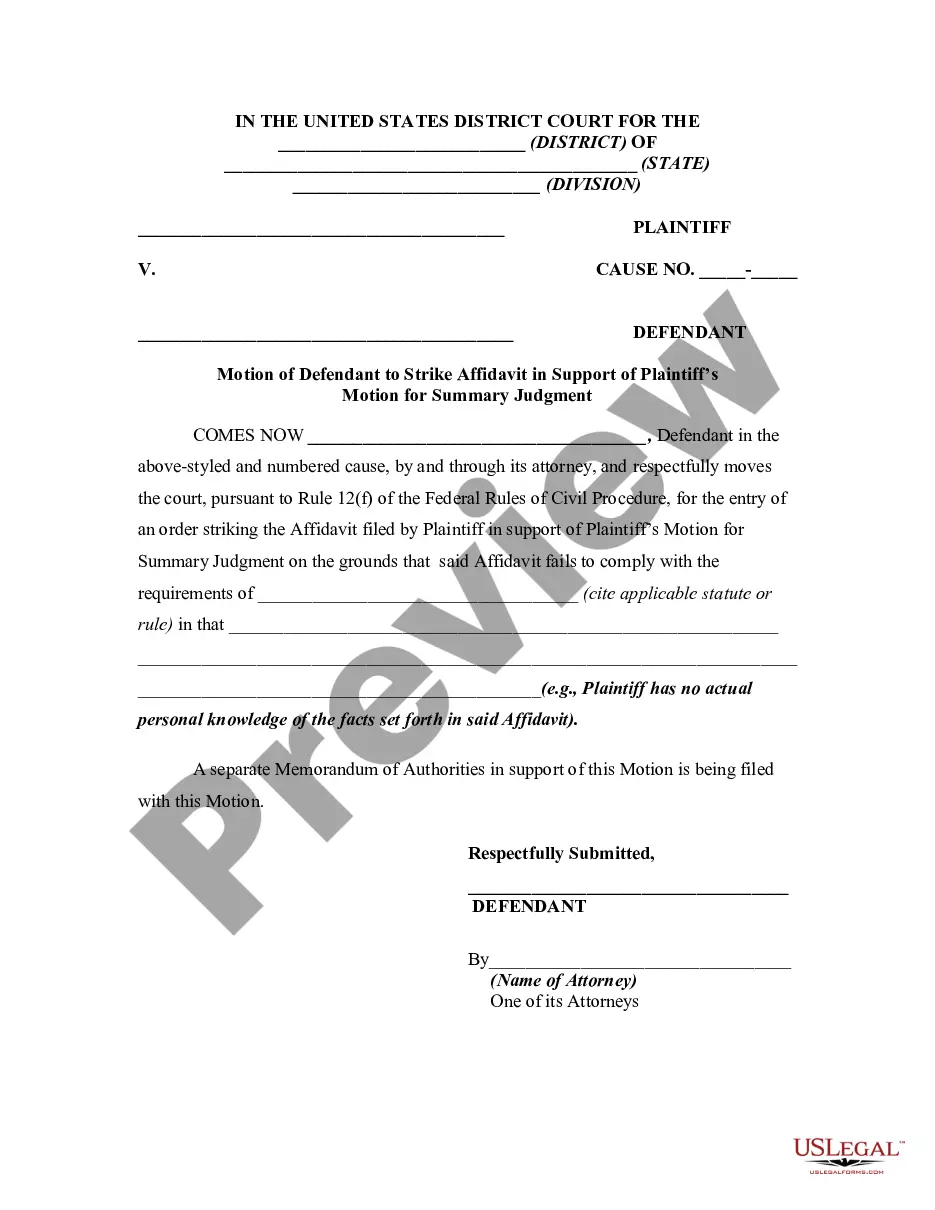



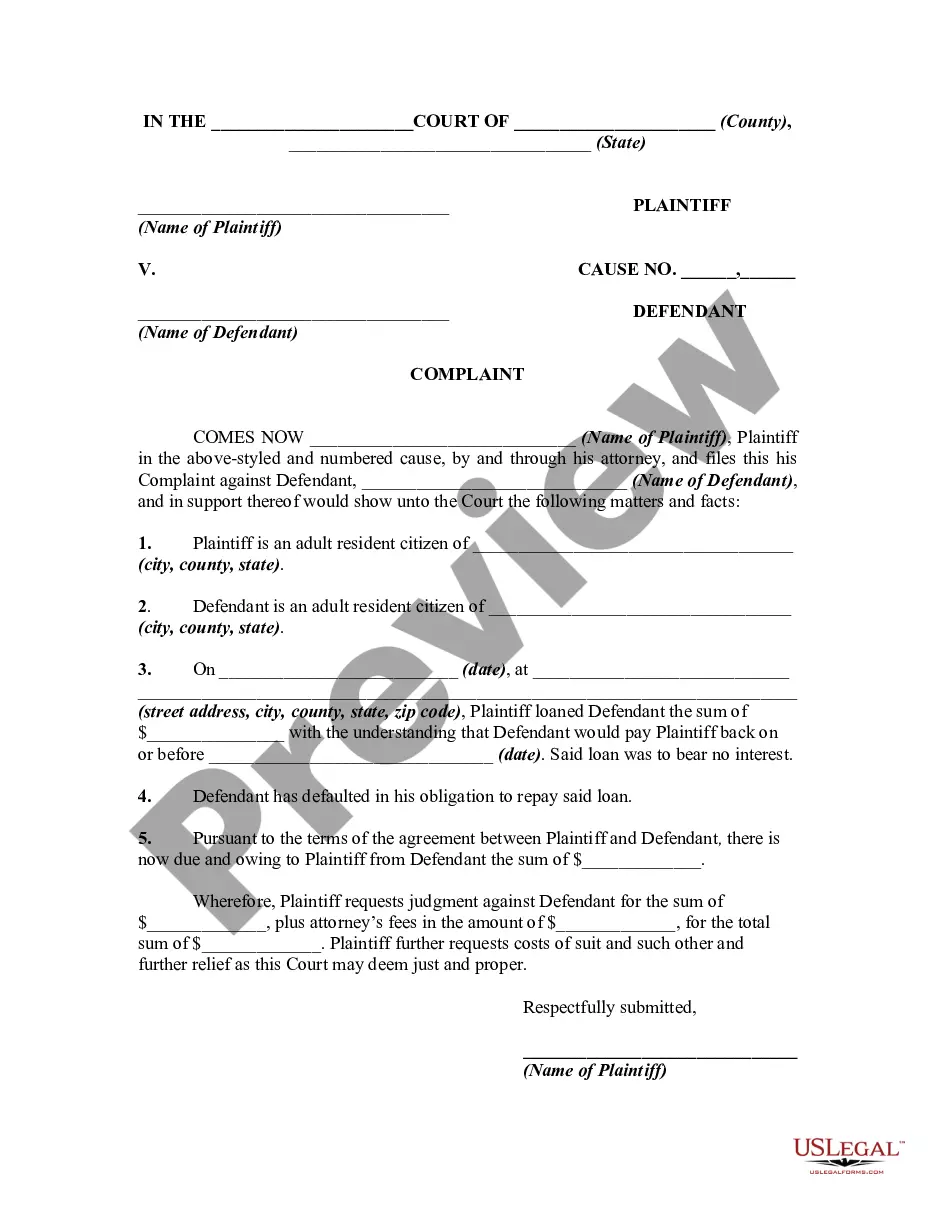



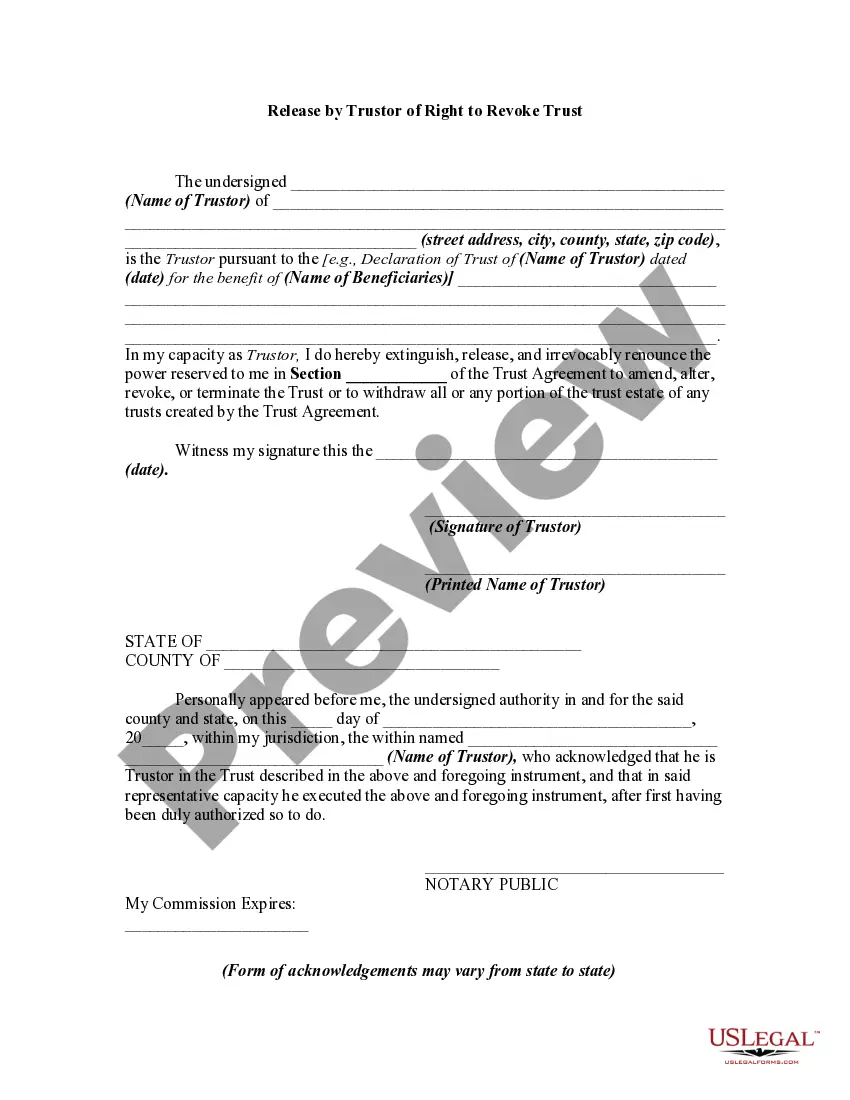
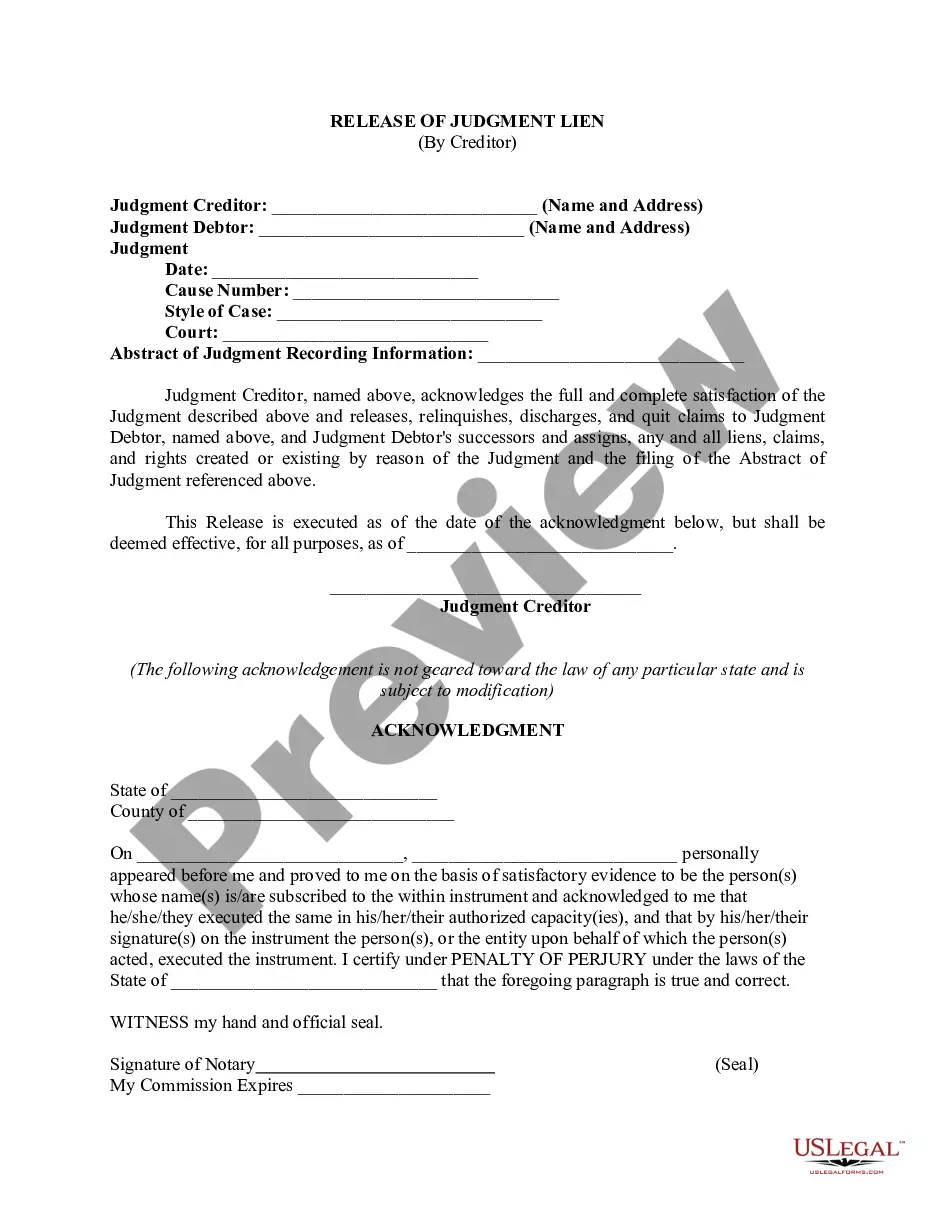
How to fill out Release Of Claims Against Estate By Creditor?
It’s well-known that you cannot become a legal authority in a day, nor can you learn to swiftly prepare Claims Against Creditor With Balance without possessing a certain expertise.
Drafting legal documents is an extensive endeavor that necessitates specific education and capabilities.
So why not entrust the creation of Claims Against Creditor With Balance to the experts.
Review it (if this option is available) and read the accompanying description to determine if Claims Against Creditor With Balance is what you are looking for.
Start your search anew if you require a different template.
- With US Legal Forms, which boasts one of the most extensive collections of legal documents, you can locate everything from court papers to templates for internal communication.
- We understand how vital it is to comply with federal and local laws and regulations.
- That’s why, on our platform, all templates are location-specific and current.
- Here’s how to start on our website and acquire the document you require within minutes.
- Find the document you need using the search feature at the top of the webpage.
Form popularity
FAQ
Creditors' claims against assets are typically referred to as secured claims. These claims arise when a creditor has a legal interest in specific assets, allowing them to pursue those assets in case of non-payment. Understanding secured claims is essential for debtors, as these can lead to significant financial repercussions. Using platforms like US Legal Forms can help you navigate these complexities and protect your assets effectively.
You don't have to run from your creditor because settling your debt is an option. Summary: Working with your original creditor to settle a debt is 100% possible.
Generally, consumer proposal offers of between 20% and 50% of your outstanding debt balances are the norm. A consumer proposal differs from a debt management plan through a credit counsellor in that you can settle debts for less than you owe.
You have two tools you can use to dispute a debt: first, a debt validation letter the debt collector is required to send you, outlining the debt and your rights around disputing it; then, a debt verification letter. You can submit a written request to get more information and temporarily halt collection efforts.
How To Negotiate With the Original Creditor Know What and How You Can Pay. Before you try to negotiate a payment plan or settlement agreement, figure out how much you can pay on your debt. ... Negotiate a Payment Plan or Debt Settlement Agreement. ... Get It in Writing.
If you write a letter, instead of using the tear-off form, the debt dispute letter should include your personal identifying information; verification of the amount of debt owed; the name of the creditor for the debt; and a request the debt not be reported to credit reporting agencies until the matter is resolved or ...