Petition Probate Estates Fort Myers
Description

Get your form ready online
Our built-in tools help you complete, sign, share, and store your documents in one place.
Make edits, fill in missing information, and update formatting in US Legal Forms—just like you would in MS Word.
Download a copy, print it, send it by email, or mail it via USPS—whatever works best for your next step.
Sign and collect signatures with our SignNow integration. Send to multiple recipients, set reminders, and more. Go Premium to unlock E-Sign.
If this form requires notarization, complete it online through a secure video call—no need to meet a notary in person or wait for an appointment.
We protect your documents and personal data by following strict security and privacy standards.

Make edits, fill in missing information, and update formatting in US Legal Forms—just like you would in MS Word.

Download a copy, print it, send it by email, or mail it via USPS—whatever works best for your next step.

Sign and collect signatures with our SignNow integration. Send to multiple recipients, set reminders, and more. Go Premium to unlock E-Sign.

If this form requires notarization, complete it online through a secure video call—no need to meet a notary in person or wait for an appointment.

We protect your documents and personal data by following strict security and privacy standards.
Looking for another form?









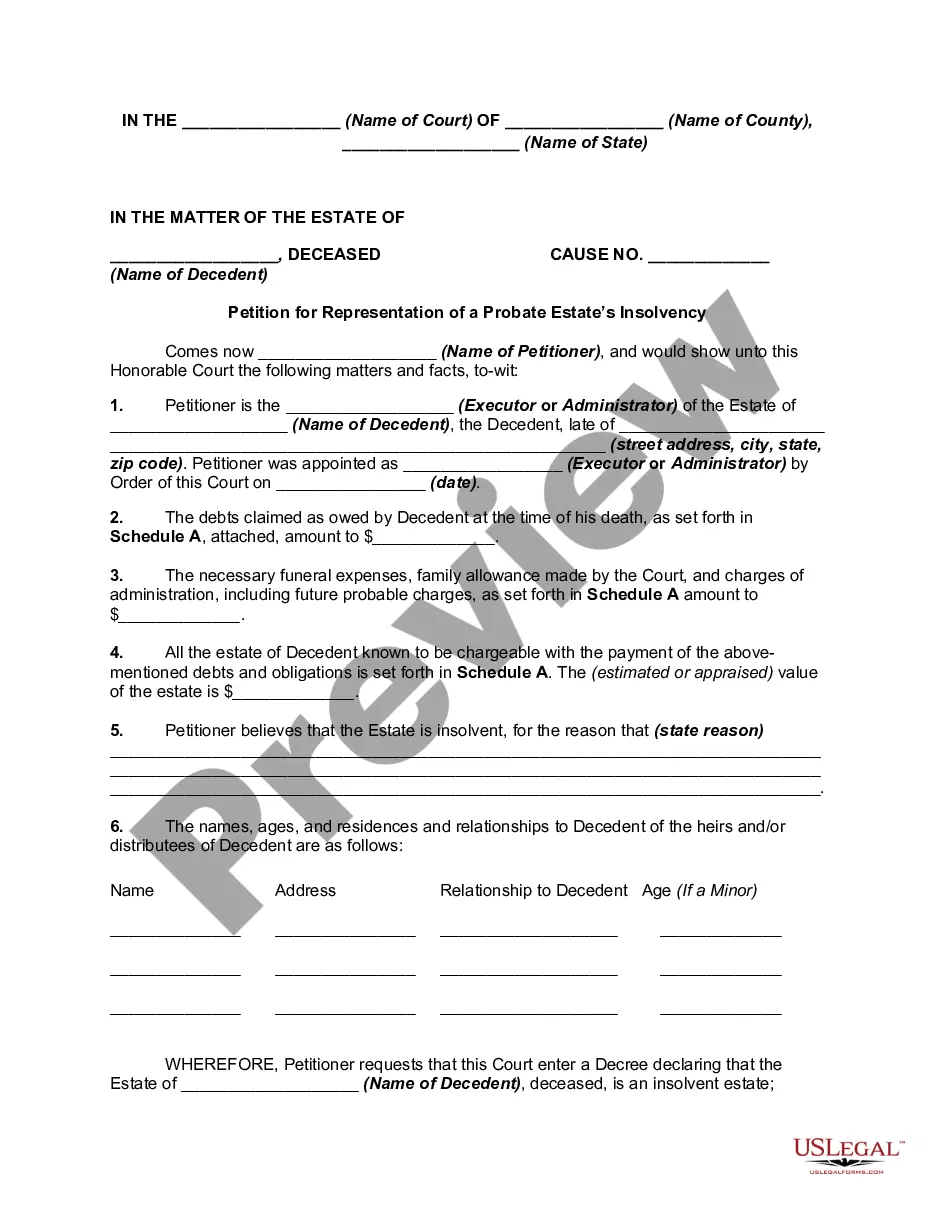
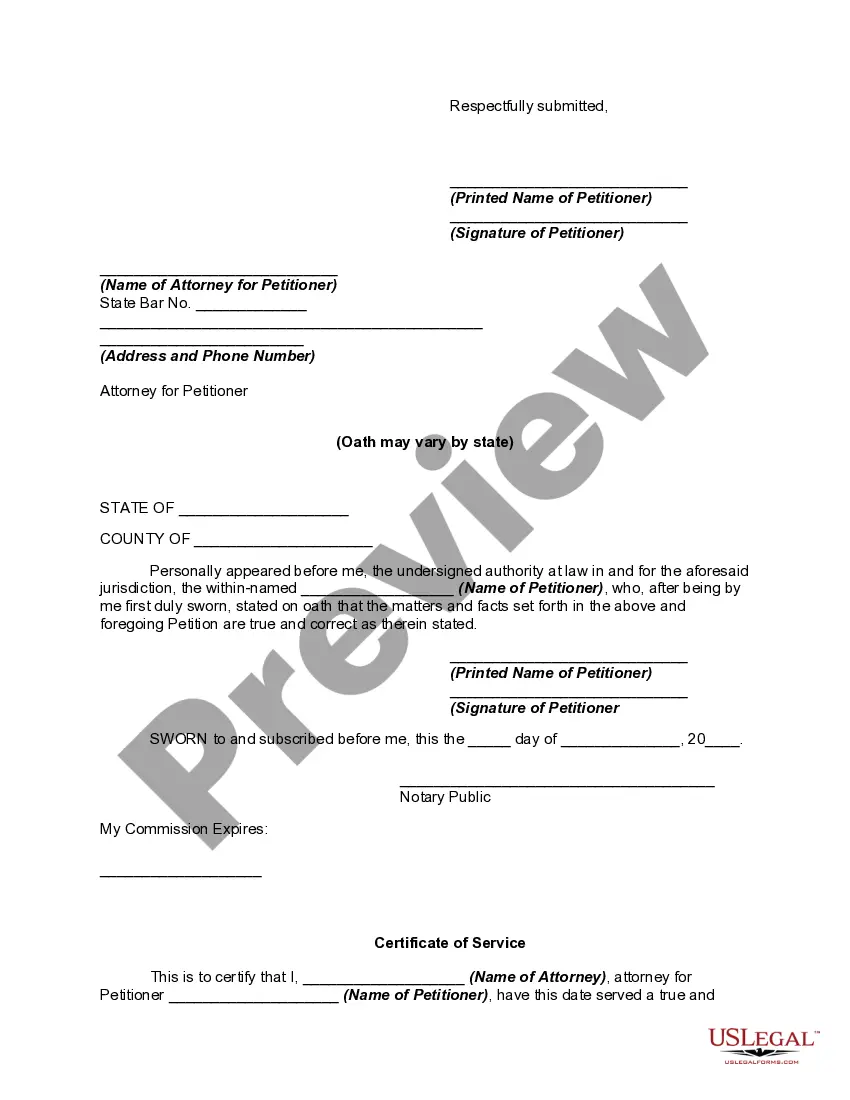
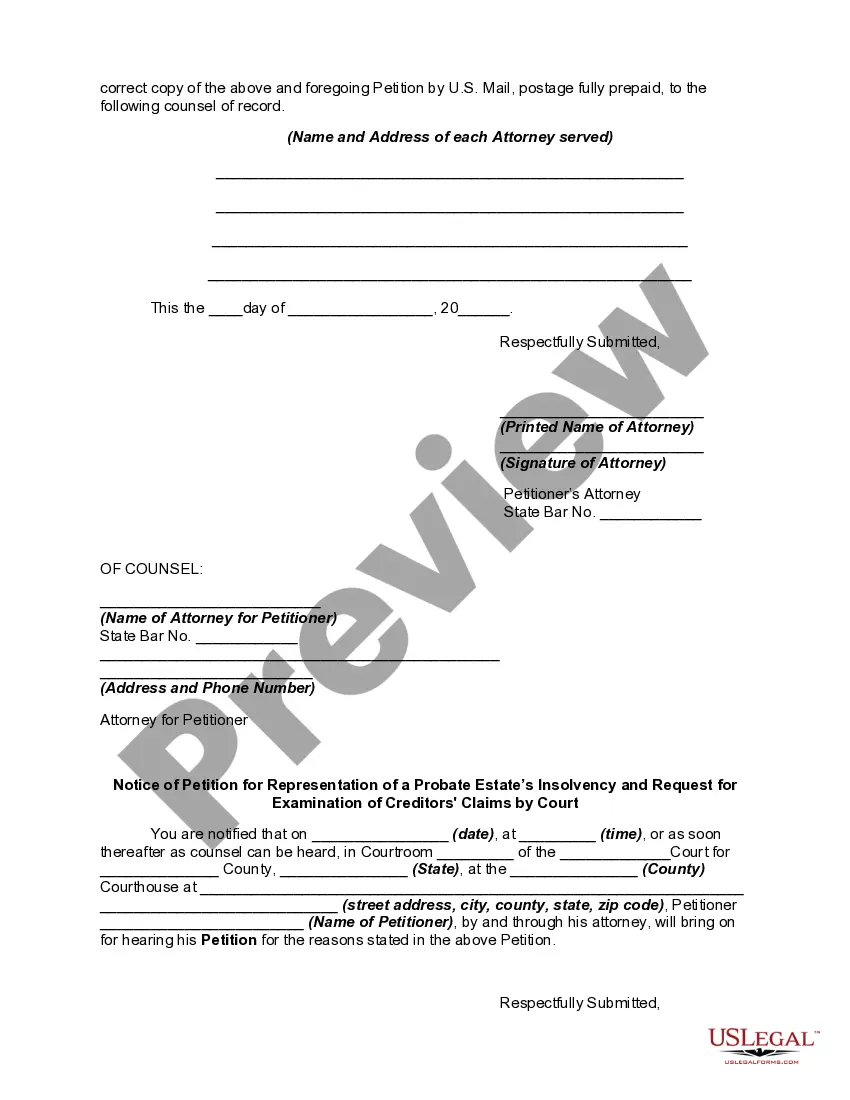
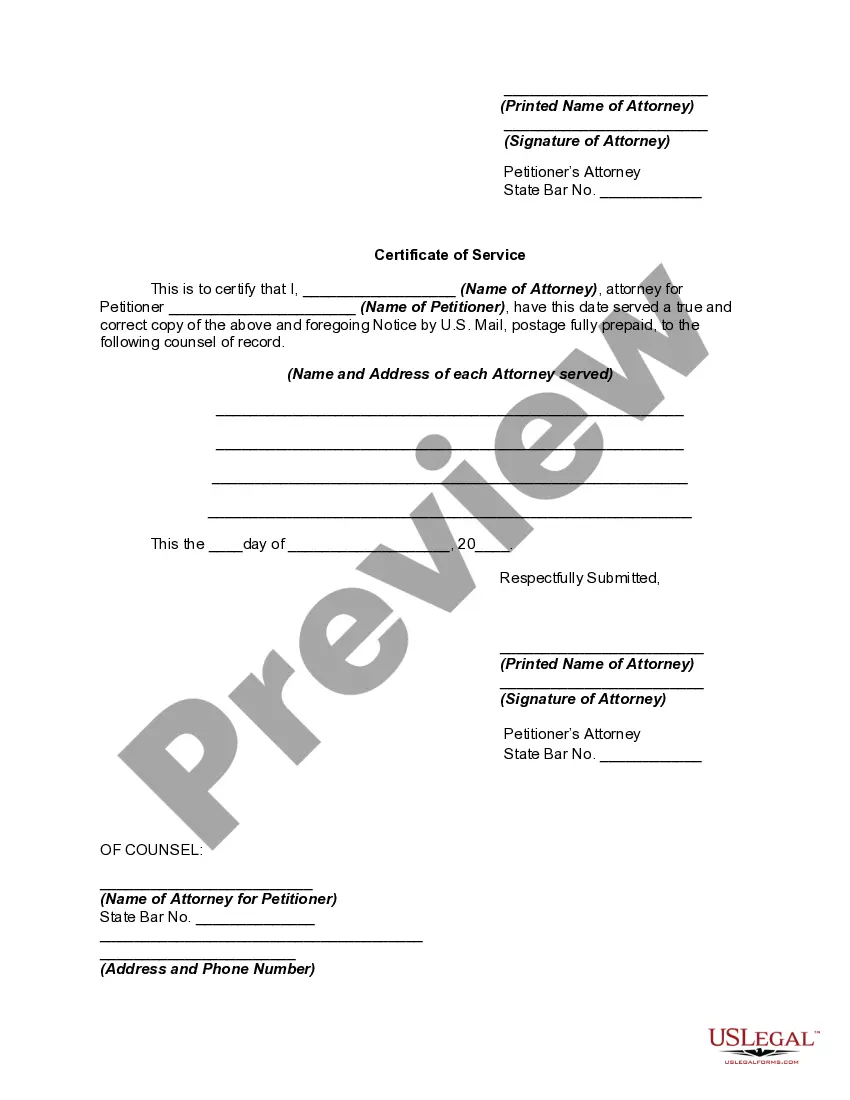
How to fill out Petition For Representation Of A Probate Estate's Insolvency And Request?
Whether for business purposes or for personal matters, everybody has to handle legal situations at some point in their life. Completing legal documents requires careful attention, starting with picking the right form sample. For instance, when you pick a wrong version of a Petition Probate Estates Fort Myers, it will be turned down when you submit it. It is therefore crucial to get a dependable source of legal documents like US Legal Forms.
If you need to obtain a Petition Probate Estates Fort Myers sample, stick to these simple steps:
- Get the template you need by using the search field or catalog navigation.
- Examine the form’s description to make sure it fits your case, state, and county.
- Click on the form’s preview to see it.
- If it is the wrong form, get back to the search function to find the Petition Probate Estates Fort Myers sample you require.
- Get the file when it meets your requirements.
- If you already have a US Legal Forms profile, just click Log in to gain access to previously saved templates in My Forms.
- If you don’t have an account yet, you may download the form by clicking Buy now.
- Select the appropriate pricing option.
- Complete the profile registration form.
- Select your transaction method: you can use a credit card or PayPal account.
- Select the document format you want and download the Petition Probate Estates Fort Myers.
- When it is downloaded, you are able to fill out the form with the help of editing software or print it and complete it manually.
With a substantial US Legal Forms catalog at hand, you do not need to spend time seeking for the right template across the web. Utilize the library’s straightforward navigation to find the correct form for any situation.
Form popularity
FAQ
ALTHOUGH YOU ARE NOT REQUIRED TO HAVE AN ATTORNEY FOR CERTAIN PROBATE PROCEEDINGS, ONLY AN ATTORNEY CAN GIVE LEGAL ADVICE. IF YOU CHOOSE TO PROCEED WITHOUT AN ATTORNEY, AT ANY TIME IN YOUR CASE YOU MAY OPT TO HIRE ONE.
Probate proceedings are filed with the clerk of the circuit court, usually in the county in which the decedent lived at the time of his or her death. A filing fee is required and should be paid to the clerk.
There are two main types of probate in Florida: a formal probate administration and a summary probate administration. There is also a disposition without administration that is available in very limited circumstances. The formal probate administration usually takes 6-9 months under most circumstances - start to finish.
For formal administration, Florida law typically requires you to hire a probate attorney. However, you generally don't need to hire a probate attorney if the estate is very small or if you plan to file for an alternative version of probate, like summary administration or disposition without administration.
If an asset does not have a named beneficiary or rights of survivorship, it will have to go through probate to change ownership pursuant to the Florida Probate Rules (2023). The most common assets that go through this process are bank accounts, real estate, vehicles, and personal property.