Marital Trust With Without Beneficiary
Description
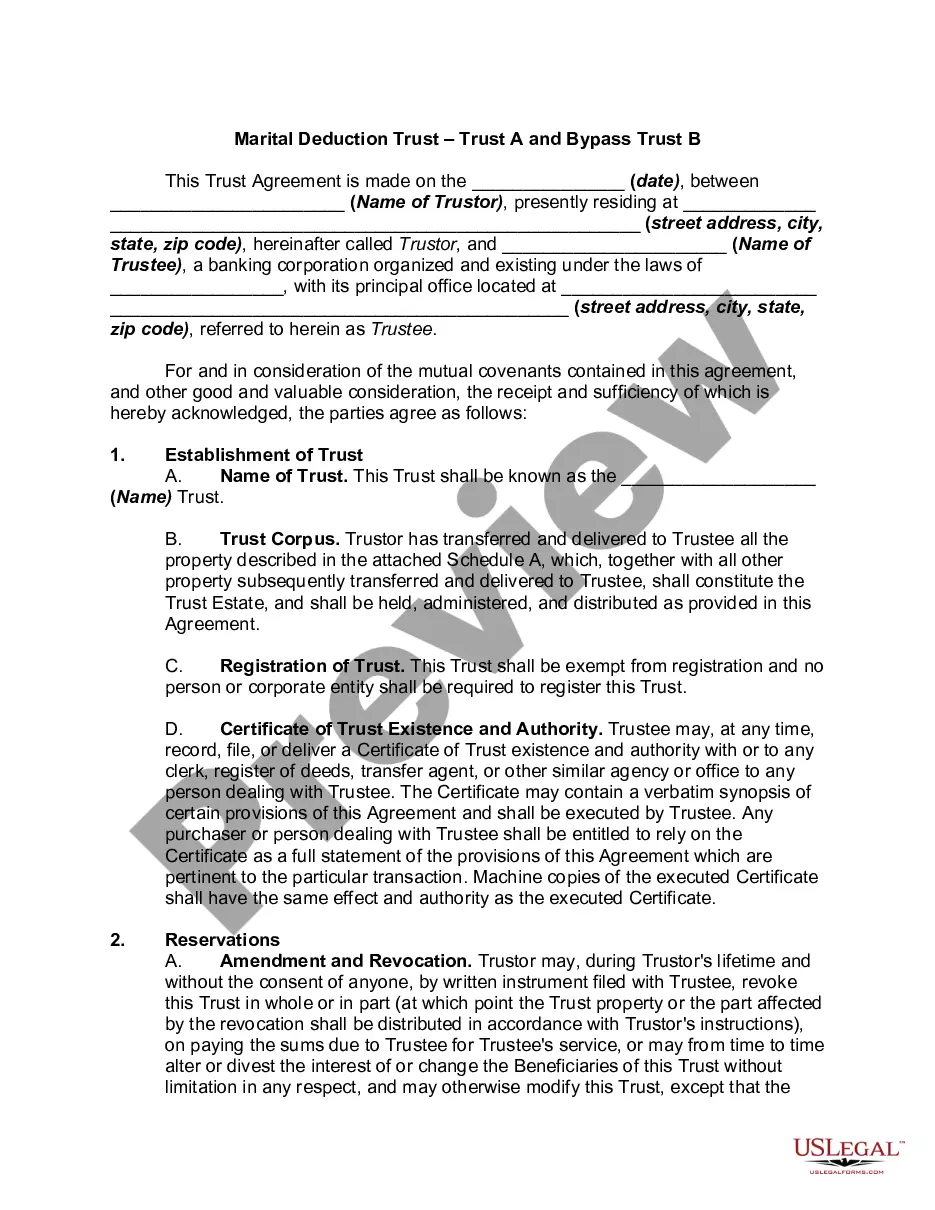
Get your form ready online
Our built-in tools help you complete, sign, share, and store your documents in one place.
Make edits, fill in missing information, and update formatting in US Legal Forms—just like you would in MS Word.
Download a copy, print it, send it by email, or mail it via USPS—whatever works best for your next step.
Sign and collect signatures with our SignNow integration. Send to multiple recipients, set reminders, and more. Go Premium to unlock E-Sign.
If this form requires notarization, complete it online through a secure video call—no need to meet a notary in person or wait for an appointment.
We protect your documents and personal data by following strict security and privacy standards.

Make edits, fill in missing information, and update formatting in US Legal Forms—just like you would in MS Word.

Download a copy, print it, send it by email, or mail it via USPS—whatever works best for your next step.

Sign and collect signatures with our SignNow integration. Send to multiple recipients, set reminders, and more. Go Premium to unlock E-Sign.

If this form requires notarization, complete it online through a secure video call—no need to meet a notary in person or wait for an appointment.

We protect your documents and personal data by following strict security and privacy standards.
Looking for another form?



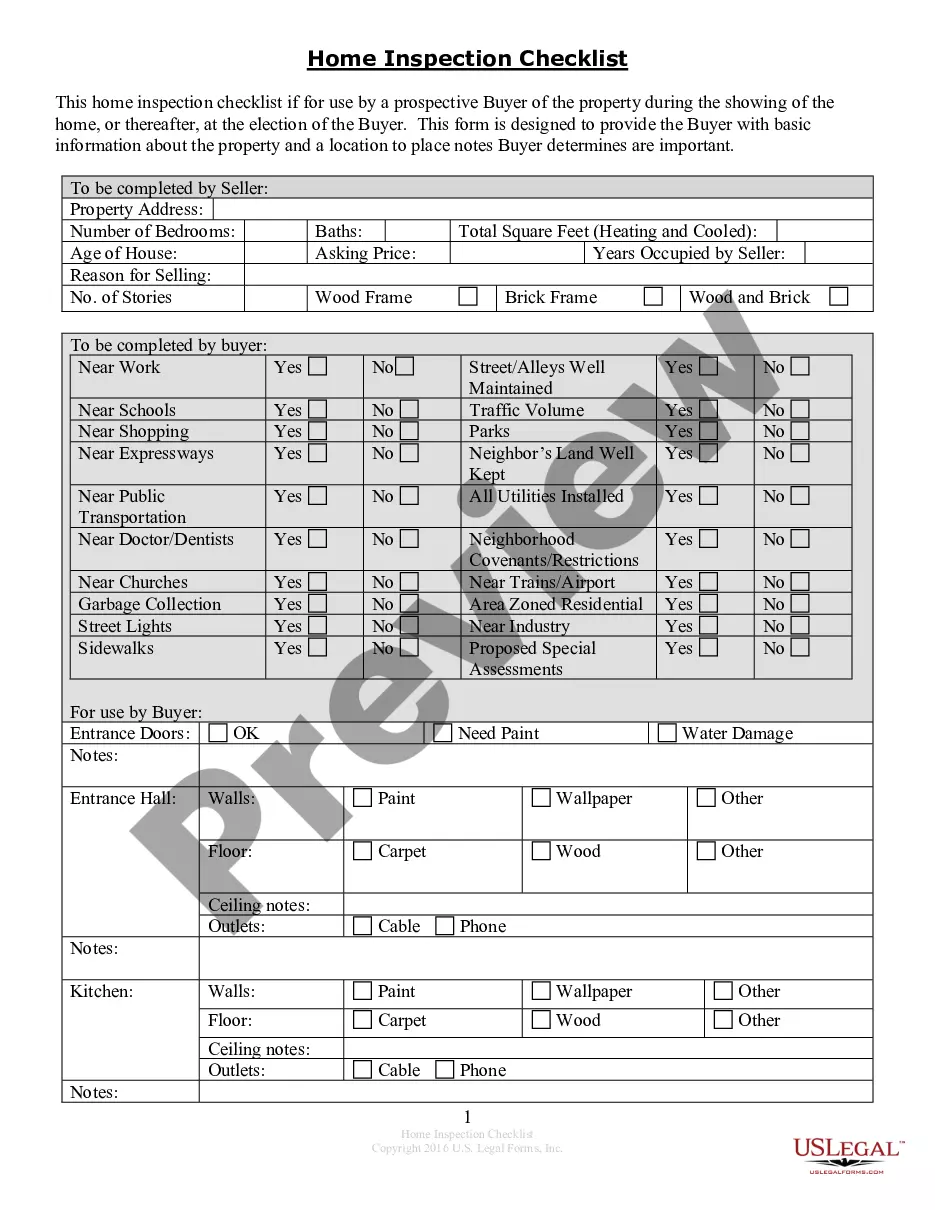



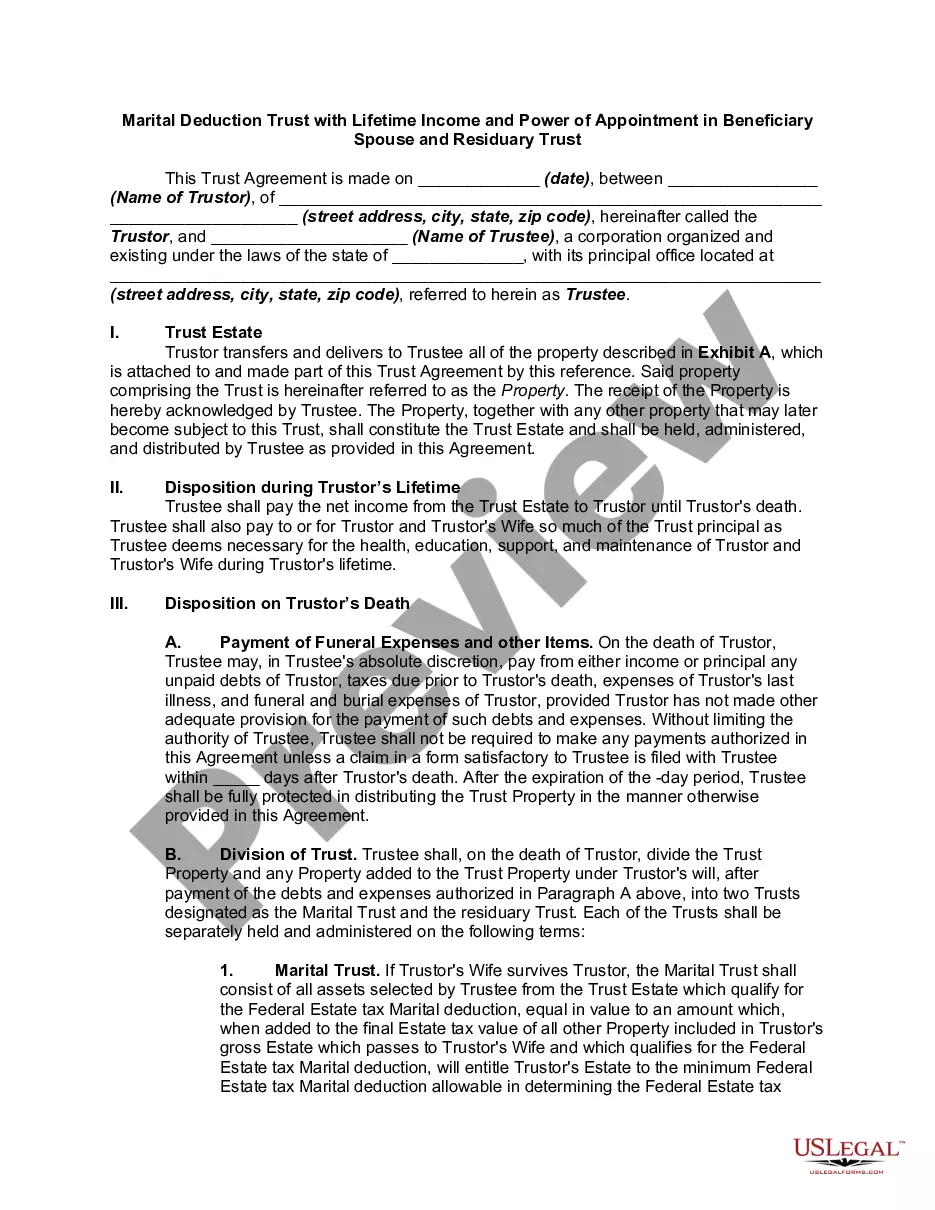
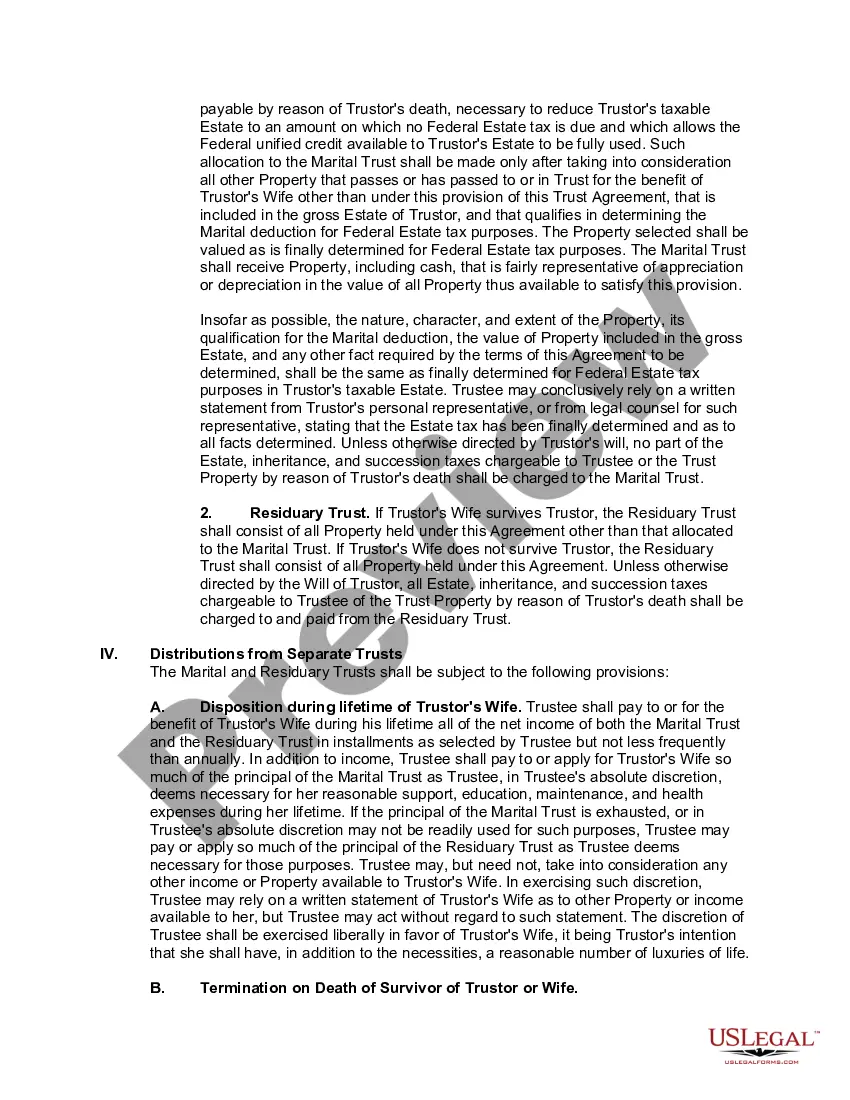
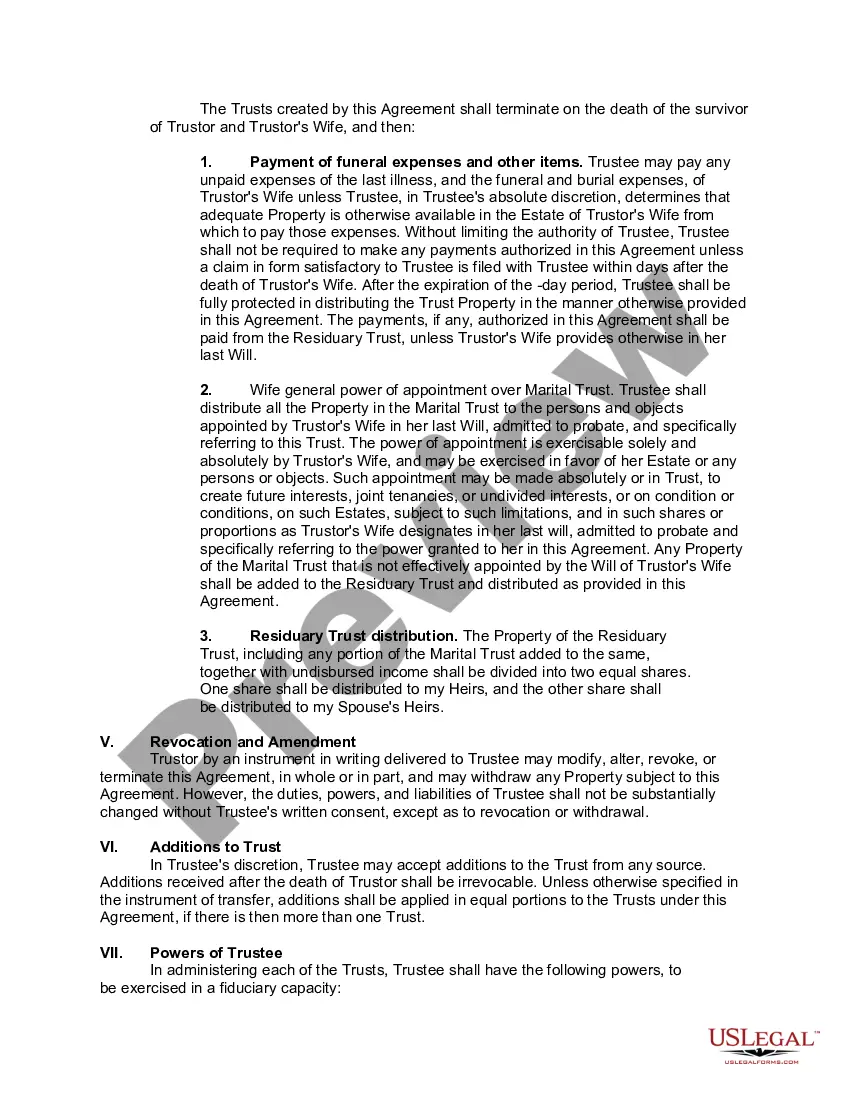
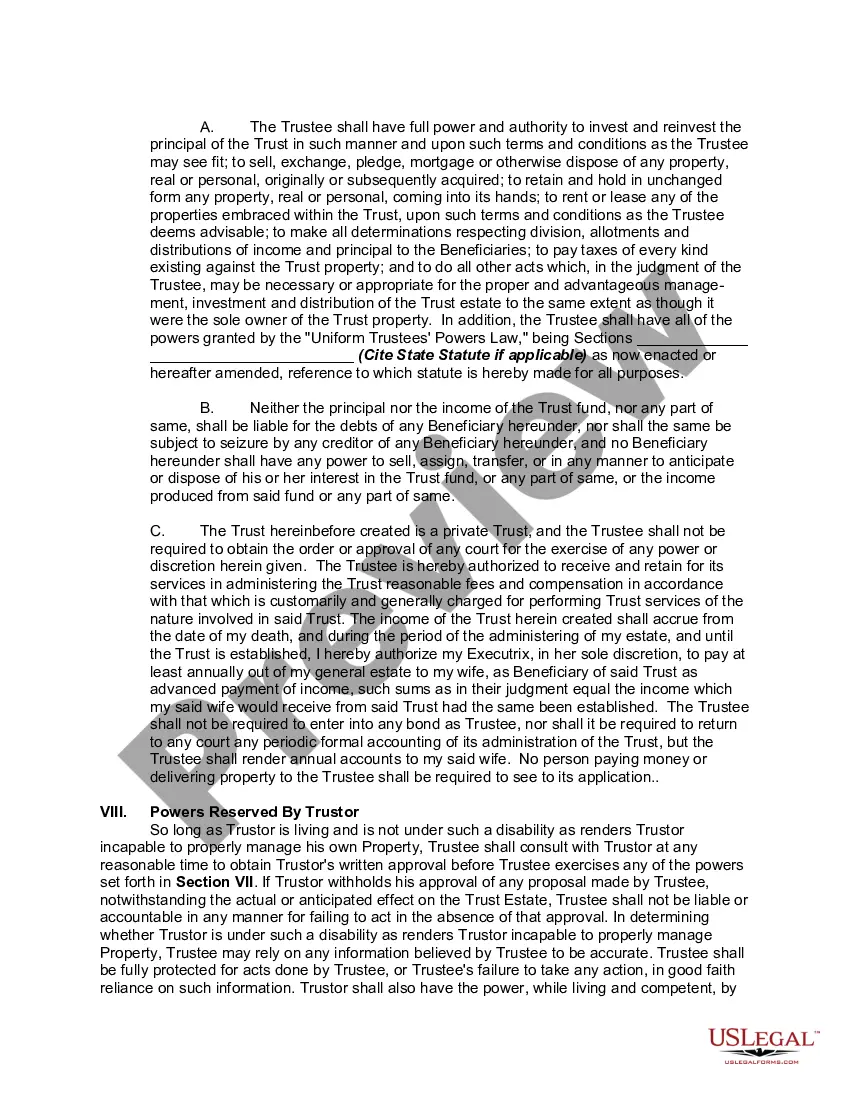
How to fill out Marital Deduction Trust With Lifetime Income And Power Of Appointment In Beneficiary Spouse And Residuary Trust?
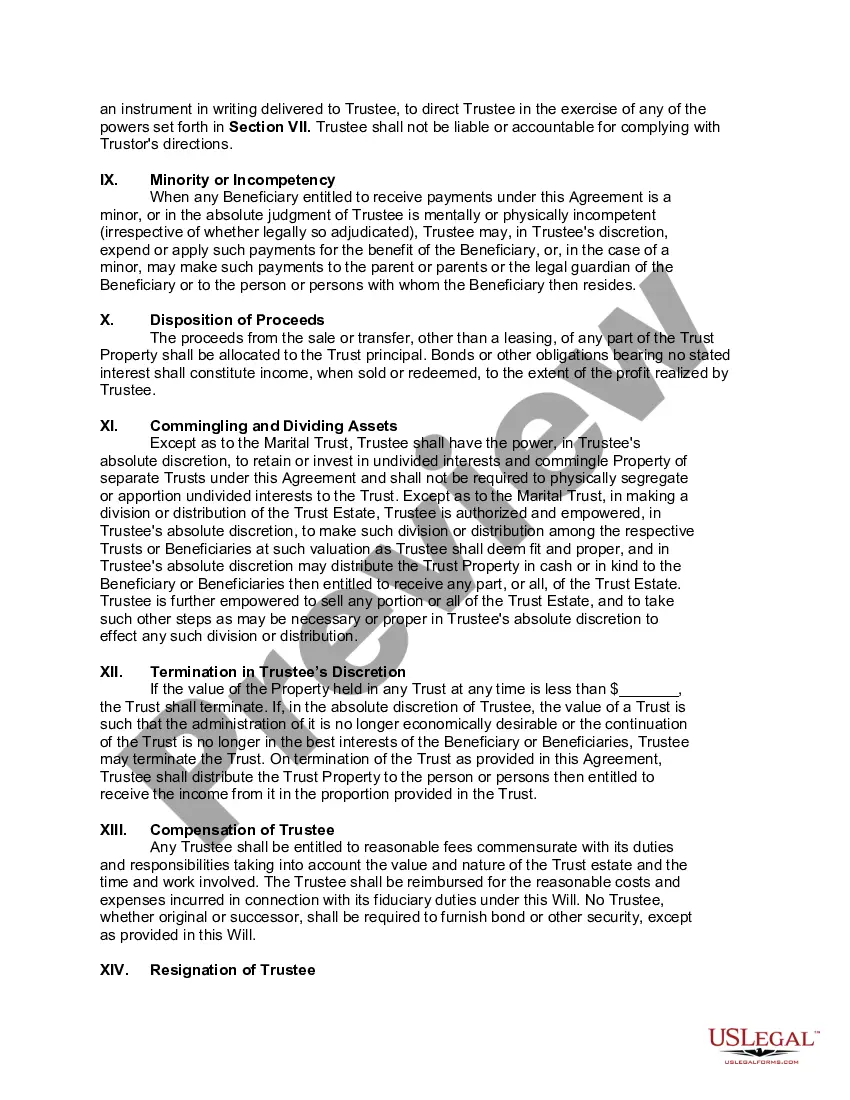
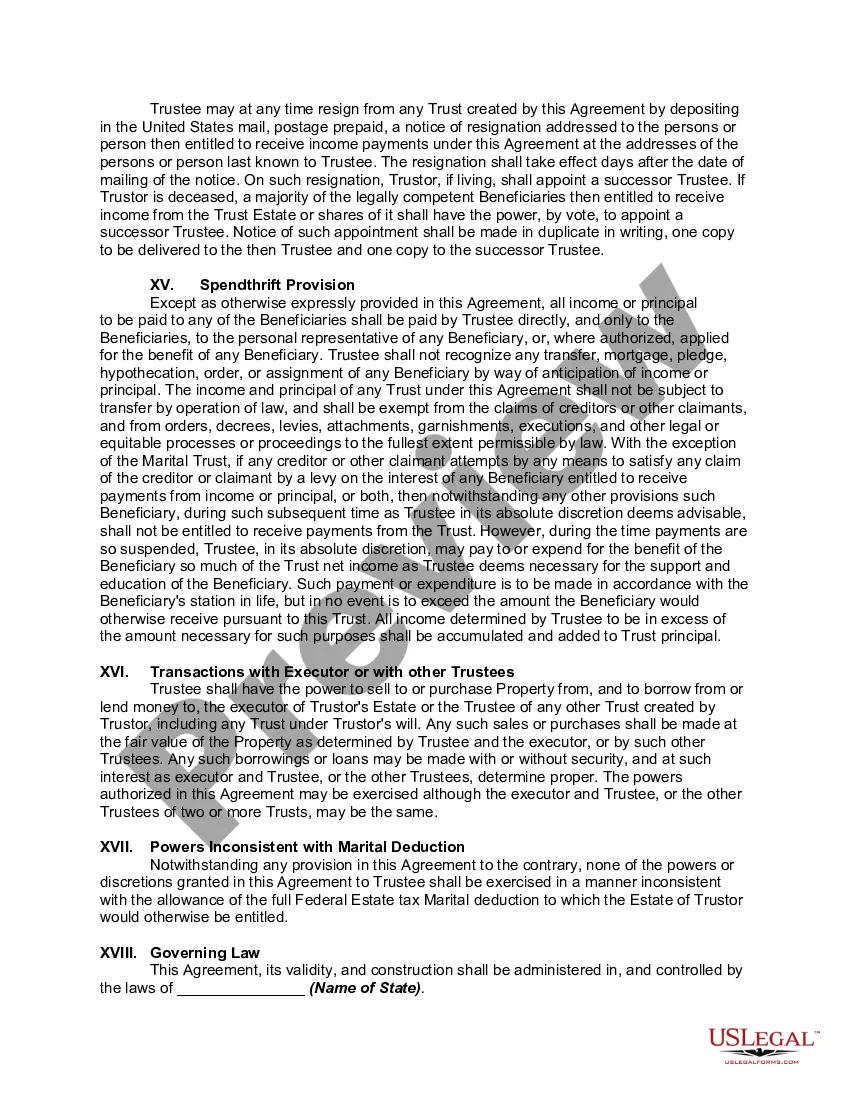
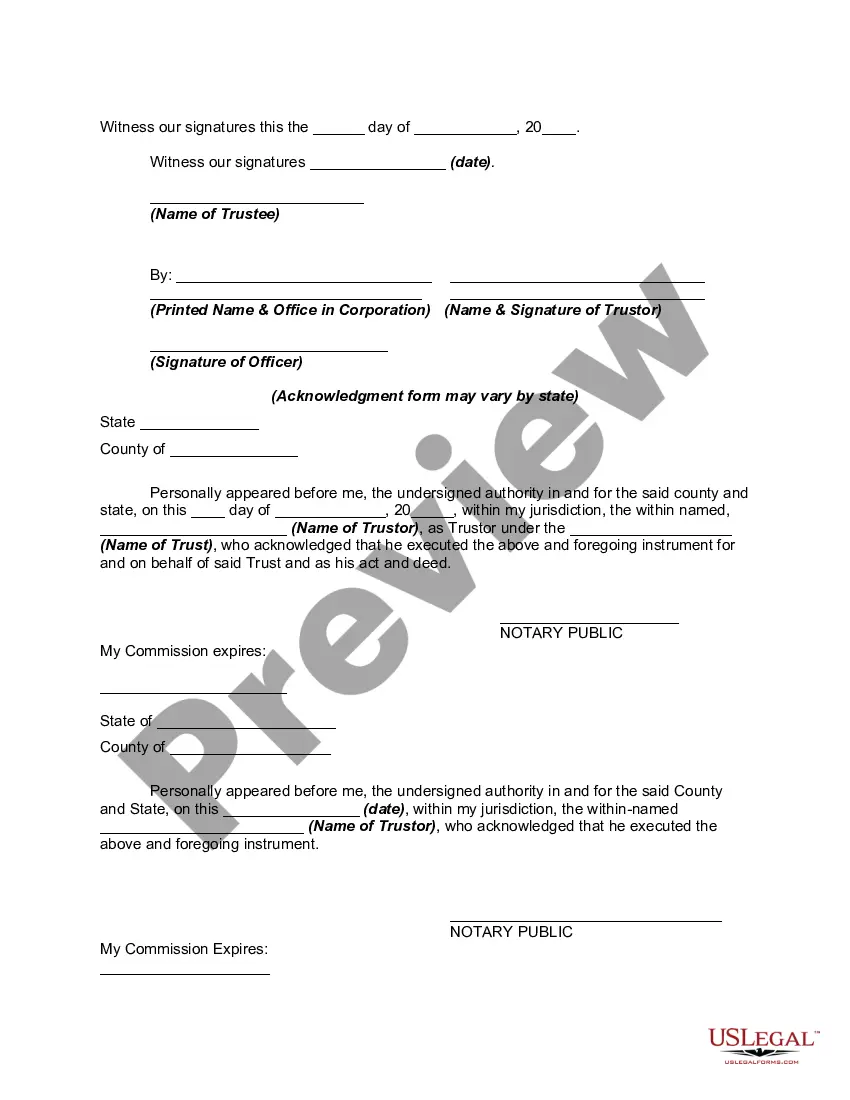
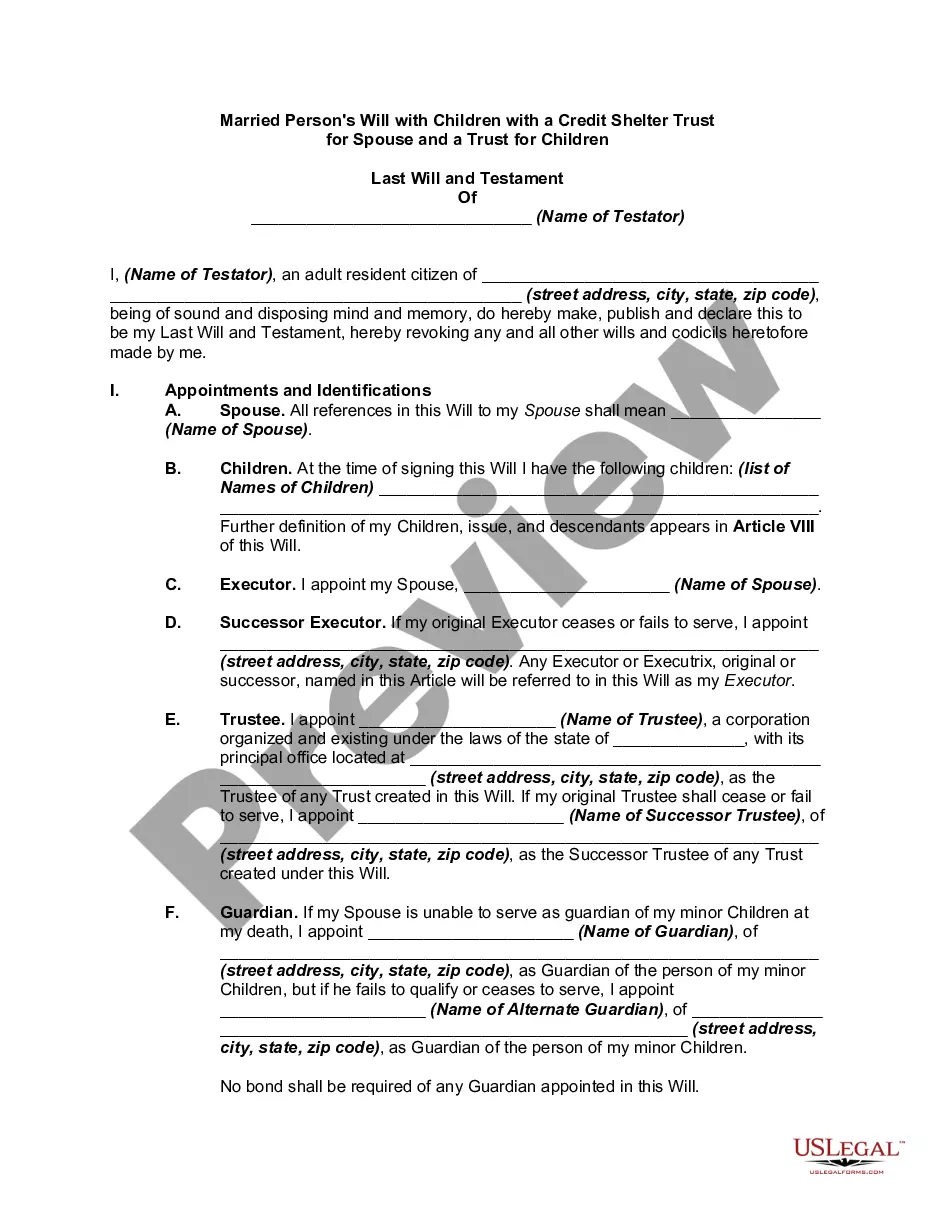
The Marital Trust With Without Beneficiary displayed on this page is a reusable legal framework crafted by qualified attorneys in accordance with federal and state laws.
For over 25 years, US Legal Forms has supplied individuals, organizations, and legal practitioners with more than 85,000 authenticated, state-specific documents for any commercial or personal situation. It’s the quickest, easiest, and most dependable method to secure the paperwork you require, as the service promises bank-grade data security and anti-malware safeguards.
Register with US Legal Forms to have verified legal templates for every situation in life readily available.
- Examine the document you require and review it.
- Browse the sample you requested and look at it or read the form description to ensure it meets your needs. If it does not, use the search feature to discover the correct one. Click Buy Now after you have located the template you want.
- Select and Log In.
- Choose the pricing option that fits you and create an account. Utilize PayPal or a credit card for a swift payment. If you already possess an account, Log In and verify your subscription to continue.
- Acquire the fillable template.
- Select the format you desire for your Marital Trust With Without Beneficiary (PDF, Word, RTF) and download the template onto your device.
- Fill out and sign the document.
- Print the template to fill it out manually. Alternatively, make use of an online multifunctional PDF editor to effortlessly and accurately complete and sign your form with a legally-binding electronic signature.
- Re-download your documents again.
- Utilize the same document again whenever required. Access the My documents tab in your account to re-download any previously acquired documents.
Form popularity
FAQ
A trust cannot exist without beneficiaries. A marital trust with without beneficiary lacks the essential element needed for its legal standing—the designated beneficiaries who benefit from the trust’s terms. Without beneficiaries, the trust cannot effectively serve its purpose of asset distribution or management. If you are considering a marital trust, ensuring that it includes clear beneficiaries is crucial, and platforms like uslegalforms can guide you in creating a compliant and effective trust.
The surviving spouse still serves as the initial beneficiary. But upon the creation of the trust, the trust grantor can designate a specific beneficiary or beneficiaries. This may include children from another marriage, grandchildren or anyone else.
An example of when a marital trust might be used is when a couple has children from a previous marriage and wants to pass all property to the surviving spouse upon death, but also provide for their individual children.
In order to qualify for the unlimited marital deduction, the surviving spouse can be the only beneficiary of the Marital Trust while the surviving spouse is living. The Family Trust is a lot more flexible as there are no restrictions on who can be a beneficiary.
The bottom line. A marital trust minimizes the impact of estate taxes for spouses with high net worth. It keeps estates out of probate (a potentially costly and convoluted legal process), can provide a surviving spouse with financial security, and help support heirs after the surviving spouse dies.
Among the disadvantages are the following: As irrevocable trusts, once formed, they are exceedingly difficult to dissolve or amend. Only provides an estate tax exemption of up to $24.12 million in 2022 (or $25.84 million in 2023) Requires the transfer of assets into the trust, which can be a time-consuming procedure.