Unincorporated Town
Description



Get your form ready online
Our built-in tools help you complete, sign, share, and store your documents in one place.
Make edits, fill in missing information, and update formatting in US Legal Forms—just like you would in MS Word.
Download a copy, print it, send it by email, or mail it via USPS—whatever works best for your next step.
Sign and collect signatures with our SignNow integration. Send to multiple recipients, set reminders, and more. Go Premium to unlock E-Sign.
If this form requires notarization, complete it online through a secure video call—no need to meet a notary in person or wait for an appointment.
We protect your documents and personal data by following strict security and privacy standards.

Make edits, fill in missing information, and update formatting in US Legal Forms—just like you would in MS Word.

Download a copy, print it, send it by email, or mail it via USPS—whatever works best for your next step.

Sign and collect signatures with our SignNow integration. Send to multiple recipients, set reminders, and more. Go Premium to unlock E-Sign.

If this form requires notarization, complete it online through a secure video call—no need to meet a notary in person or wait for an appointment.

We protect your documents and personal data by following strict security and privacy standards.
Looking for another form?
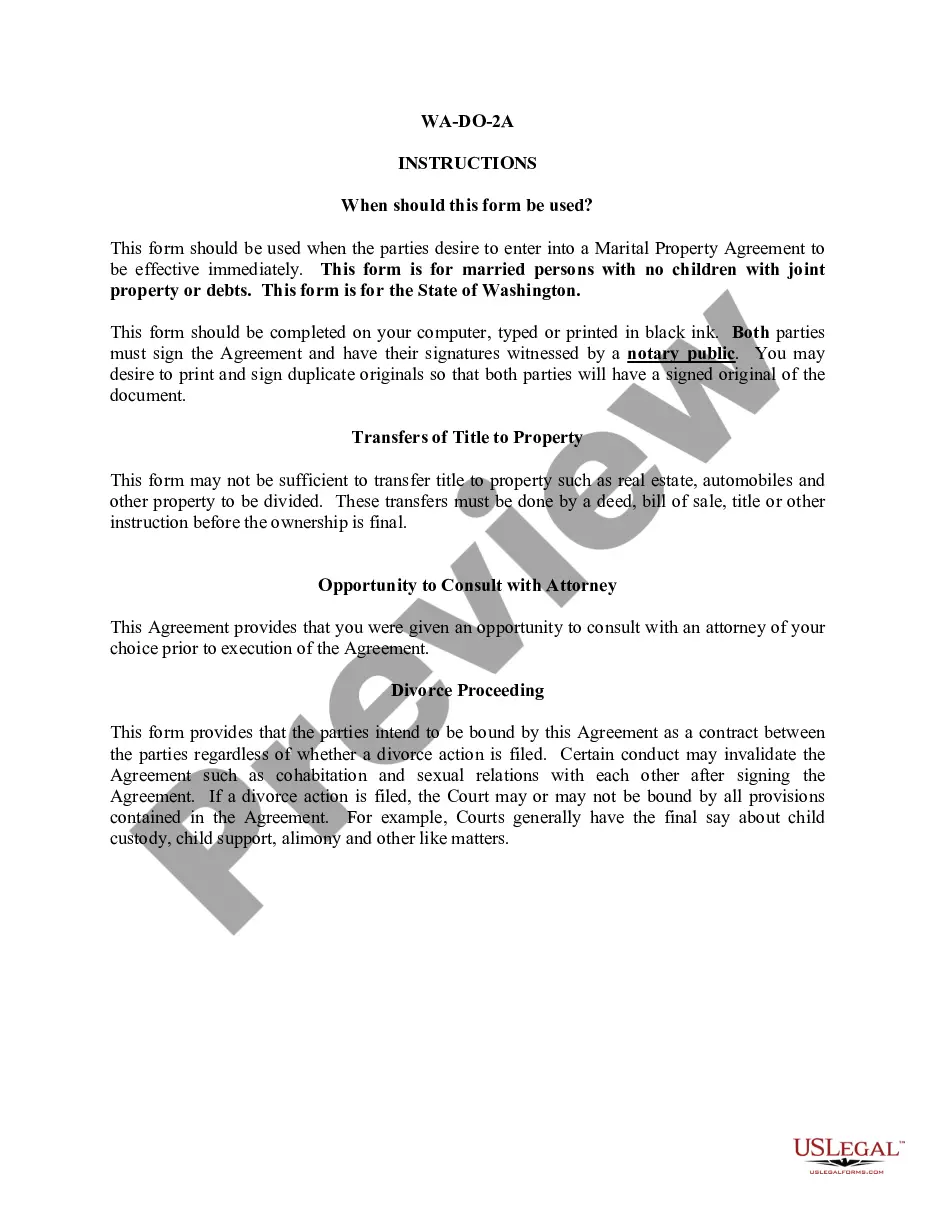



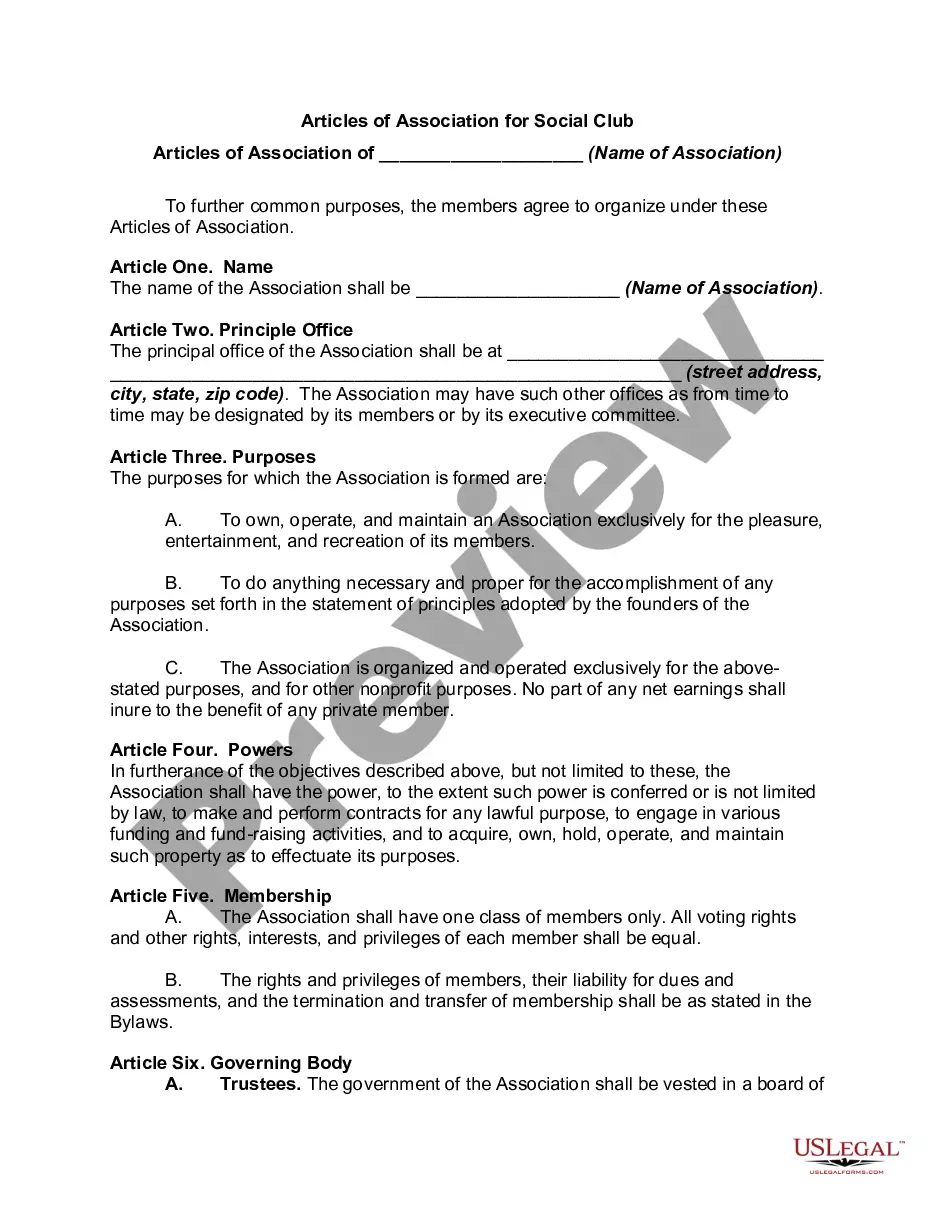
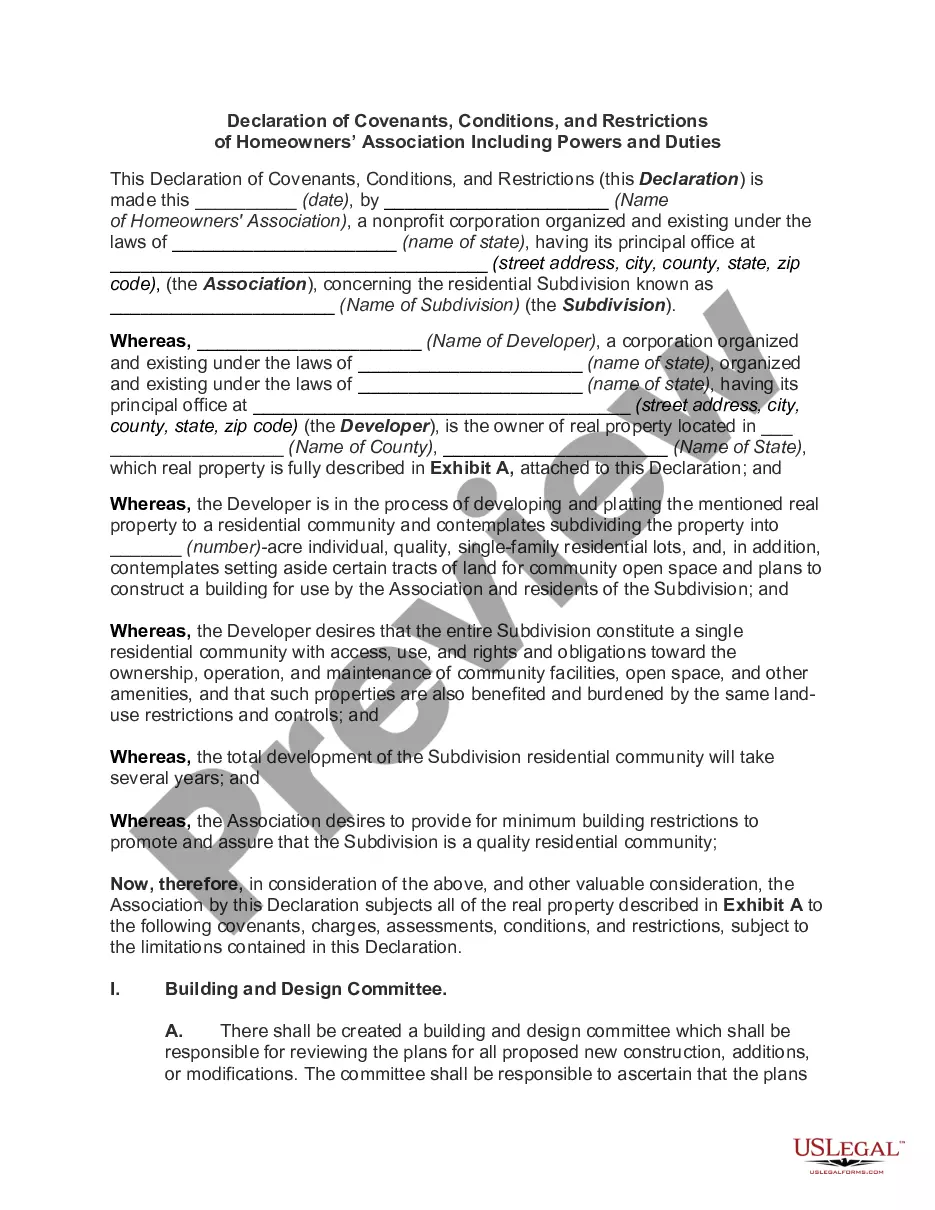
How to fill out Bylaws Of Unincorporated Association Of Subdivision Residents?
- If you're a returning user, log into your account and check your subscription status. Make sure it's valid before downloading the necessary form template by clicking the Download button.
- For first-time users, begin by previewing the form description. Verify that it meets your specific requirements and complies with your local jurisdiction.
- If you find any discrepancies, utilize the Search tab at the top to locate the correct template.
- Once you've selected the right document, click the Buy Now button and select a subscription plan that works for you. Create an account to access the legal form library.
- Proceed to checkout by entering your credit card information or using your PayPal account to complete the payment.
- After purchasing, download the form template to your device. You can access it later through the My documents section of your profile.
Using US Legal Forms can greatly simplify the document preparation process, especially in the context of unincorporated towns. The platform empowers users by providing access to a robust collection of legal forms and expert assistance, ensuring accuracy and compliance.
Start your journey to effortless legal documentation today and experience the benefits of US Legal Forms.
Form popularity
FAQ
An unincorporated town presents unique benefits, including more autonomy and flexibility in how residents manage their properties. Additionally, these towns often experience less government interference in daily life. This can lead to a greater sense of freedom to develop land as desired. It's important to explore the opportunities available and how they align with your lifestyle and future plans.
Yes, there are several benefits to residing in an unincorporated town. Residents often enjoy more space, lower property taxes, and fewer restrictions on land use. This environment can foster a tight-knit community where neighbors understand each other's needs and preferences. However, balancing these advantages with the potential drawbacks can enhance your living experience.
Living in an unincorporated town can have drawbacks, such as limited access to municipal services like garbage collection, road maintenance, and sometimes law enforcement. The lack of a governing body can lead to uncertainty regarding regulations, which may impact property values or development plans. Additionally, residents might face challenges obtaining necessary permits. It’s vital to weigh these factors before moving to or building in such areas.
A town typically becomes unincorporated when residents choose not to establish a formal government structure or when they dissolve an existing one. This often reflects a desire for less regulation, lower taxes, and greater personal freedoms. The process usually involves petitions from the community and considerations from local or state governments. It’s essential to understand the implications of this decision on your living situation.
While unincorporated town status often allows for more flexibility, you still need to adhere to specific local regulations. This means you can't simply place anything you want on your property without potential consequences. Always verify local ordinances and any property deed restrictions that apply to your land. Understanding these factors can save you from unwanted fines or legal issues down the line.
In an unincorporated town, property owners often have more freedom regarding building on their land. However, it is crucial to check local zoning laws and regulations. While an unincorporated area may offer fewer restrictions, certain guidelines still govern construction. To navigate these complexities, consider using resources like USLegalForms to ensure compliance with all relevant laws.
An unincorporated town is a community that does not have its own local government or municipal corporation. Instead, it falls under the jurisdiction of a larger administrative entity, such as a county. This means that the residents of an unincorporated town often rely on county services for law enforcement, zoning, and infrastructure. Understanding the implications of living in an unincorporated town is crucial for residents, as it may affect their taxation, governance, and property rights.
One downside of living in an unincorporated area is the potential lack of essential services. Residents might find themselves without local amenities like public parks or community centers that often enhance quality of life. Additionally, community involvement may be lower, making it harder to connect with neighbors. Consider your lifestyle needs carefully when choosing to settle in an unincorporated town.
While unincorporated areas may seem less regulated, they are not lawless. State and county laws apply, and law enforcement typically covers these regions. However, the level of law enforcement may vary, leading to perceptions of reduced oversight. Always stay informed about local regulations if you choose to live in an unincorporated town.
Living in an unincorporated area can come with several challenges. Since local governance is minimal, residents might experience limited access to services such as public transportation or recreational facilities. Additionally, property taxes could be higher due to fewer services provided. It's vital to weigh these factors against the benefits of living in an unincorporated town.