Estate For Death
Description
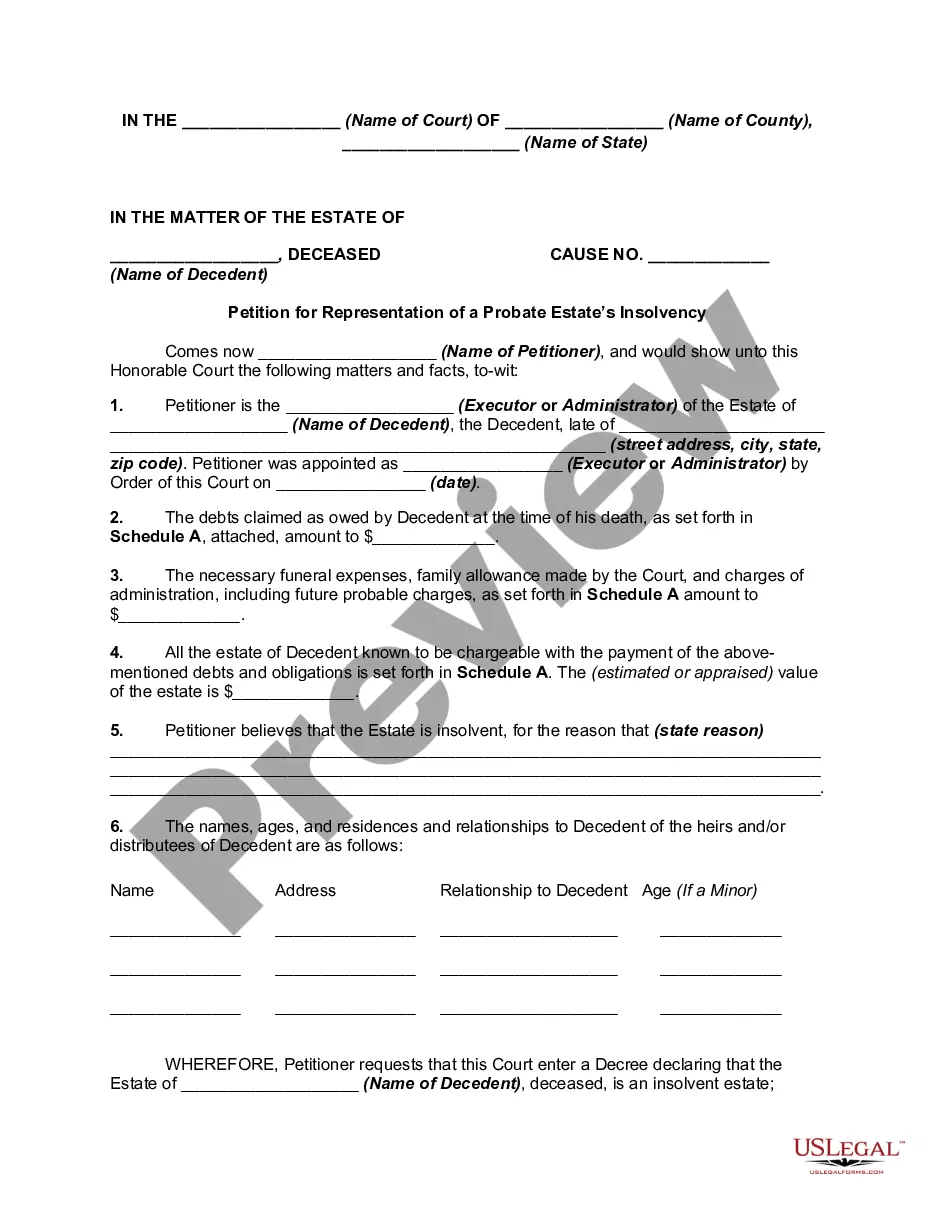
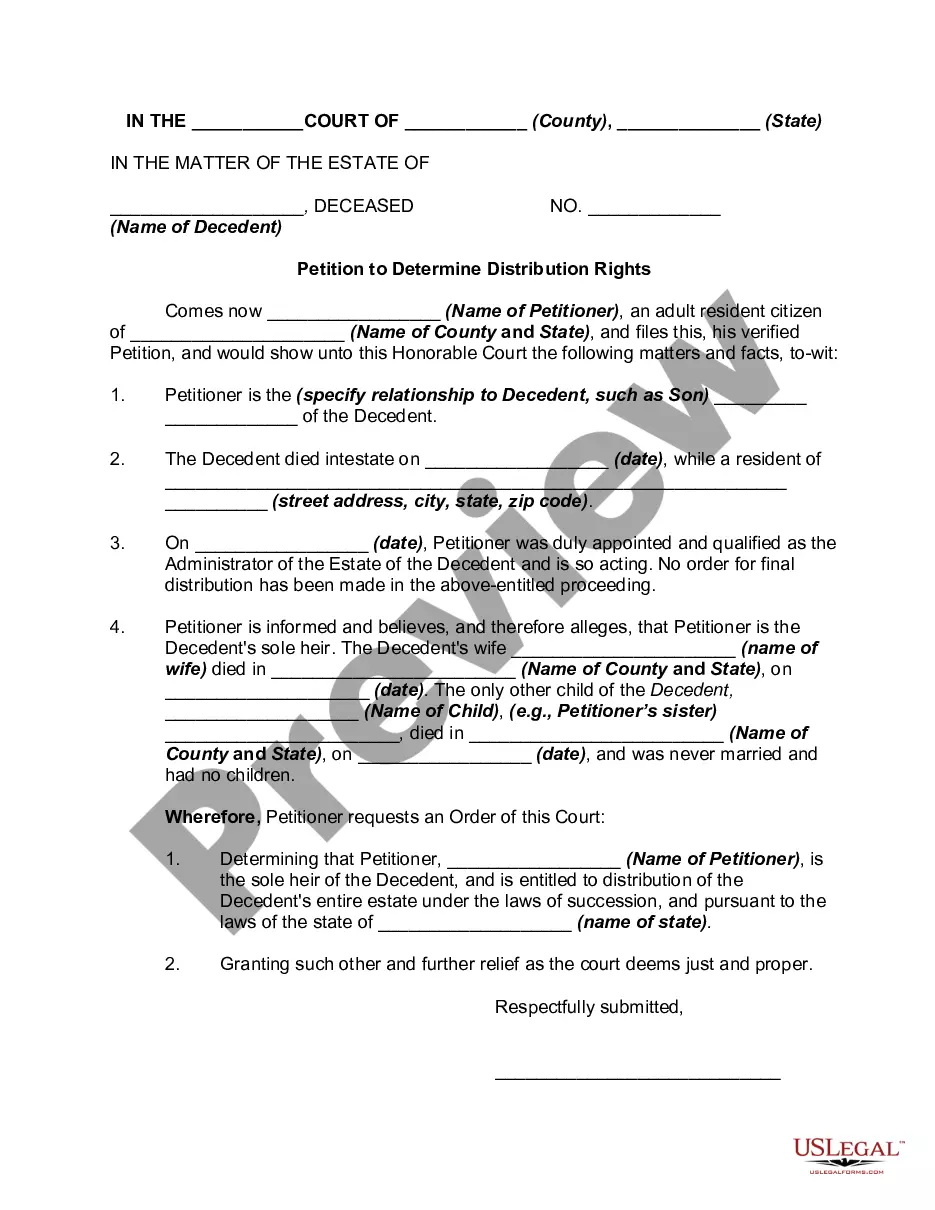
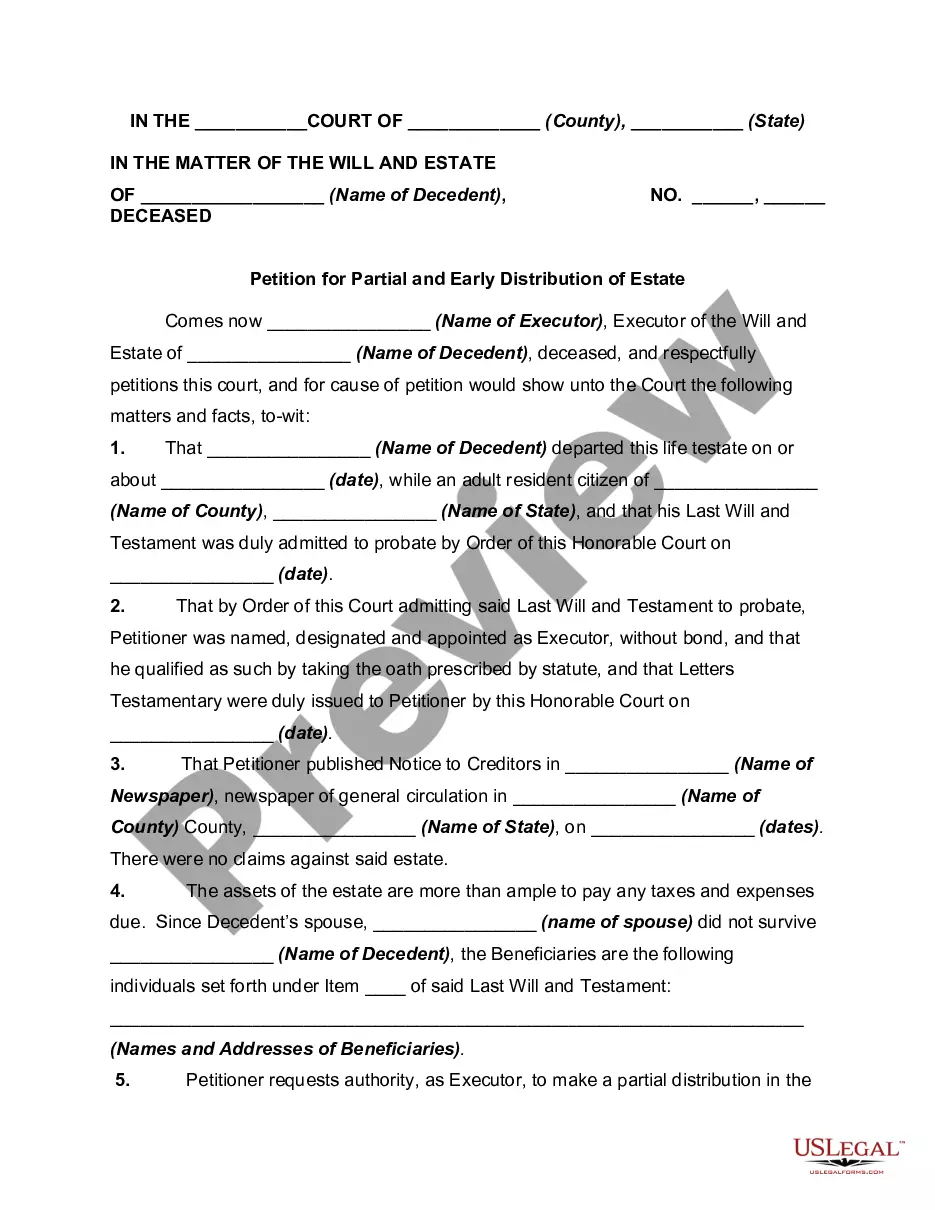
Get your form ready online
Our built-in tools help you complete, sign, share, and store your documents in one place.
Make edits, fill in missing information, and update formatting in US Legal Forms—just like you would in MS Word.
Download a copy, print it, send it by email, or mail it via USPS—whatever works best for your next step.
Sign and collect signatures with our SignNow integration. Send to multiple recipients, set reminders, and more. Go Premium to unlock E-Sign.
If this form requires notarization, complete it online through a secure video call—no need to meet a notary in person or wait for an appointment.
We protect your documents and personal data by following strict security and privacy standards.

Make edits, fill in missing information, and update formatting in US Legal Forms—just like you would in MS Word.

Download a copy, print it, send it by email, or mail it via USPS—whatever works best for your next step.

Sign and collect signatures with our SignNow integration. Send to multiple recipients, set reminders, and more. Go Premium to unlock E-Sign.

If this form requires notarization, complete it online through a secure video call—no need to meet a notary in person or wait for an appointment.

We protect your documents and personal data by following strict security and privacy standards.
Looking for another form?






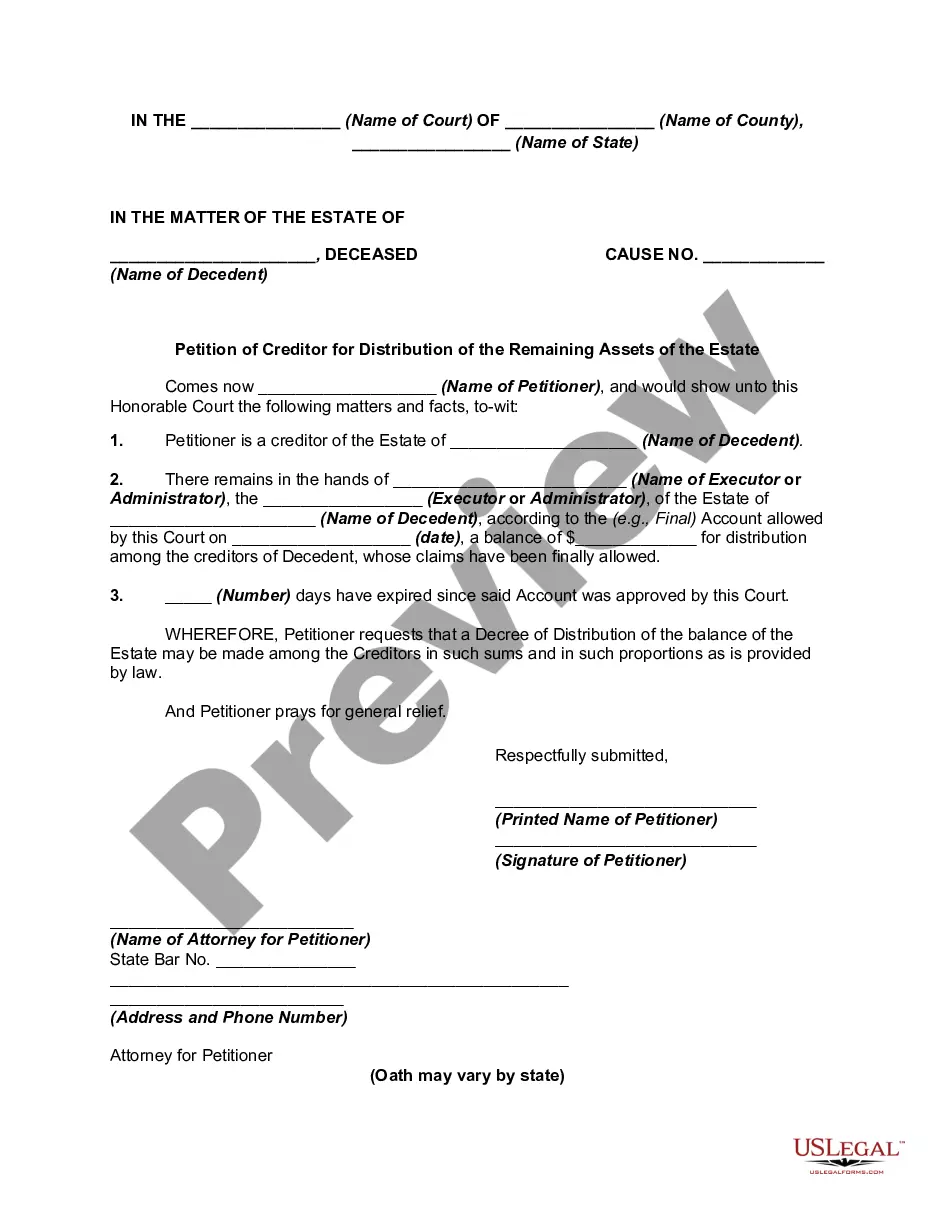
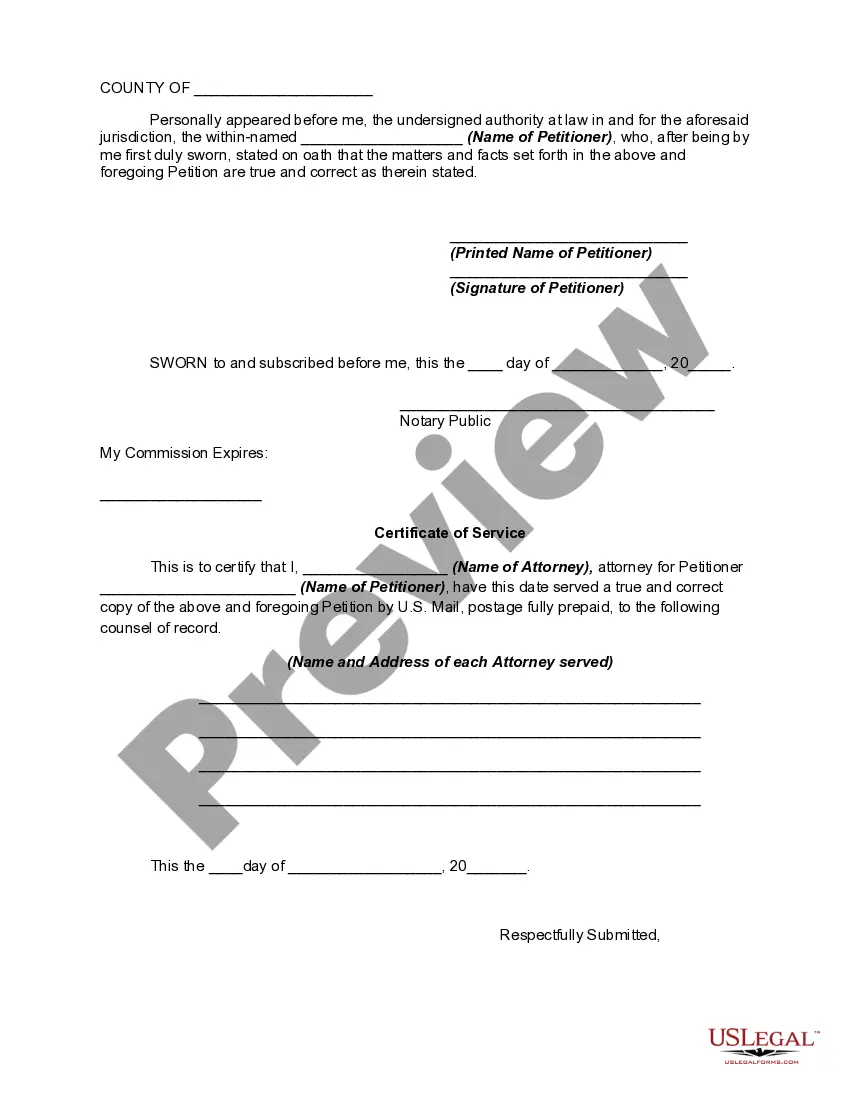
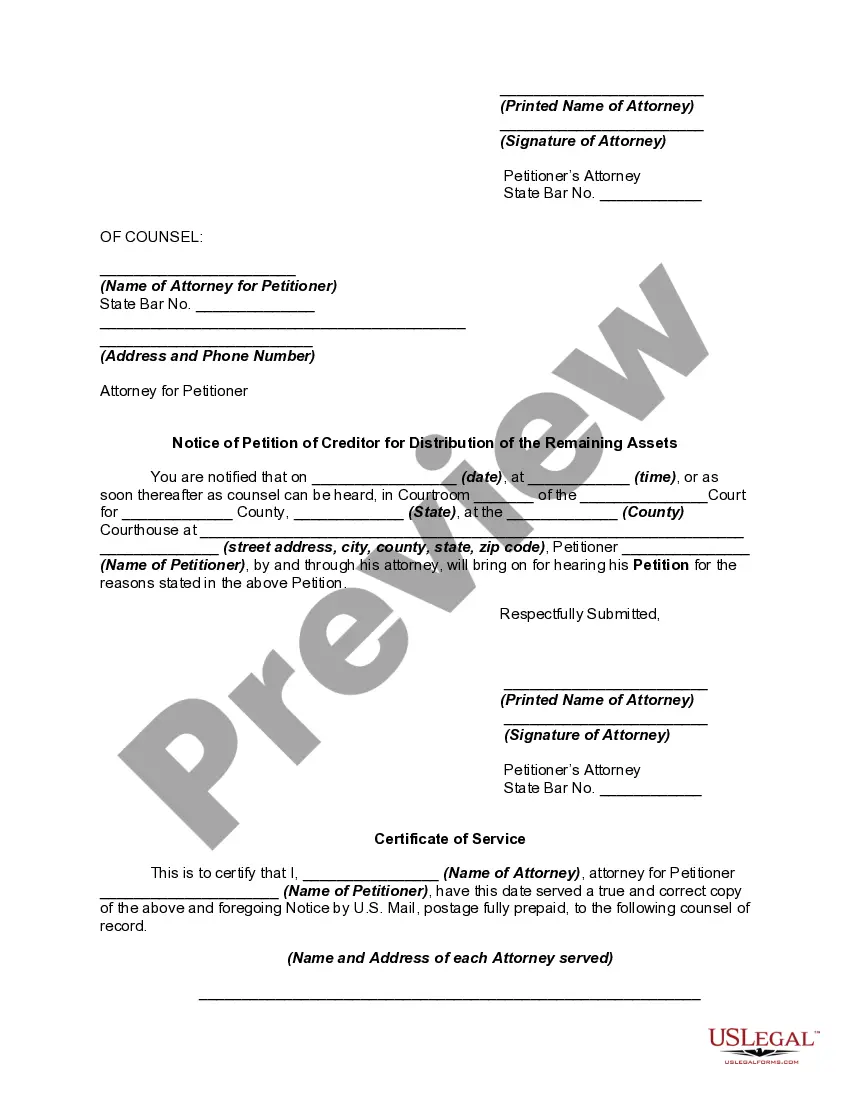
How to fill out Petition Of Creditor Of An Estate Of A Decedent For Distribution Of The Remaining Assets Of The Estate?
Locating a reliable source to obtain the latest and suitable legal templates is a significant part of navigating bureaucratic processes.
Selecting the accurate legal documents necessitates carefulness and meticulousness, which underscores why it's essential to obtain Estate For Death samples solely from trustworthy providers, such as US Legal Forms. An incorrect template will squander your time and delay the situation at hand.
Once you have the document on your device, you may modify it using the editor or print it to complete it manually. Remove the complications that come with your legal paperwork. Explore the extensive US Legal Forms library to discover legal templates, assess their applicability to your situation, and download them immediately.
- Use the library navigation or search bar to locate your template.
- Read the form’s description to determine if it meets your state's and region's requirements.
- View the form preview, if available, to confirm that the template is indeed what you are looking for.
- Return to the search results and locate the appropriate document if the Estate For Death does not meet your requirements.
- Once you are confident about the form’s suitability, proceed to download it.
- If you are a registered user, click Log in to verify your identity and access your selected forms in My documents.
- If you do not yet have an account, click Buy now to acquire the template.
- Select the payment plan that best suits your needs.
- Continue with the registration to finalize your purchase.
- Complete your purchase by choosing a payment method (credit card or PayPal).
- Select the file format for downloading Estate For Death.
Form popularity
FAQ
In the context of death, 'estate' encompasses the total net worth of an individual at the time they passed away. It includes both tangible assets, like real estate and vehicles, and intangible assets, such as bank accounts and stocks. The estate for death is a legal entity that often requires management during the probate process. By clarifying the meaning of estate, you can better understand your rights and responsibilities.
If you received checks for someone who died, you'll need to go through the probate process in order to deposit them into an account or cash them. This may require being named as the executor or administrator of the estate, or getting the check signed by someone who is authorized to do so on behalf of the estate.
The Federal Deposit Insurance Corp. continues to insure accounts for six months after an account holder dies, allowing the surviving account holder to redistribute funds to other accounts to keep them insured. Once the period elapses, FDIC coverage stops.
It is best to think of the decedent's belongings, paperwork, and assets as ?frozen in time? on the date of death. No assets or belongings should be removed from their residence. Their vehicle(s) should not be driven. Nothing should be moved great distances, modified, or taken away.
The estate of a deceased person must be reported to the Master of the High Court within 14 days of the date of death. The death is to be reported by any person having control or possession of any property or documents that is or intends to be a will of the deceased.
Can I Deposit a Check Written to My Deceased Husband? You cannot personally deposit a check written to your dead husband. This is because the check for your deceased husband belongs to his estate, even if you are his spouse. Therefore, the check must be given to the executor of his estate.