Tenants Moved Out Without Paying Rent
Description
Get your form ready online
Our built-in tools help you complete, sign, share, and store your documents in one place.
Make edits, fill in missing information, and update formatting in US Legal Forms—just like you would in MS Word.
Download a copy, print it, send it by email, or mail it via USPS—whatever works best for your next step.
Sign and collect signatures with our SignNow integration. Send to multiple recipients, set reminders, and more. Go Premium to unlock E-Sign.
If this form requires notarization, complete it online through a secure video call—no need to meet a notary in person or wait for an appointment.
We protect your documents and personal data by following strict security and privacy standards.

Make edits, fill in missing information, and update formatting in US Legal Forms—just like you would in MS Word.

Download a copy, print it, send it by email, or mail it via USPS—whatever works best for your next step.

Sign and collect signatures with our SignNow integration. Send to multiple recipients, set reminders, and more. Go Premium to unlock E-Sign.

If this form requires notarization, complete it online through a secure video call—no need to meet a notary in person or wait for an appointment.

We protect your documents and personal data by following strict security and privacy standards.
Looking for another form?

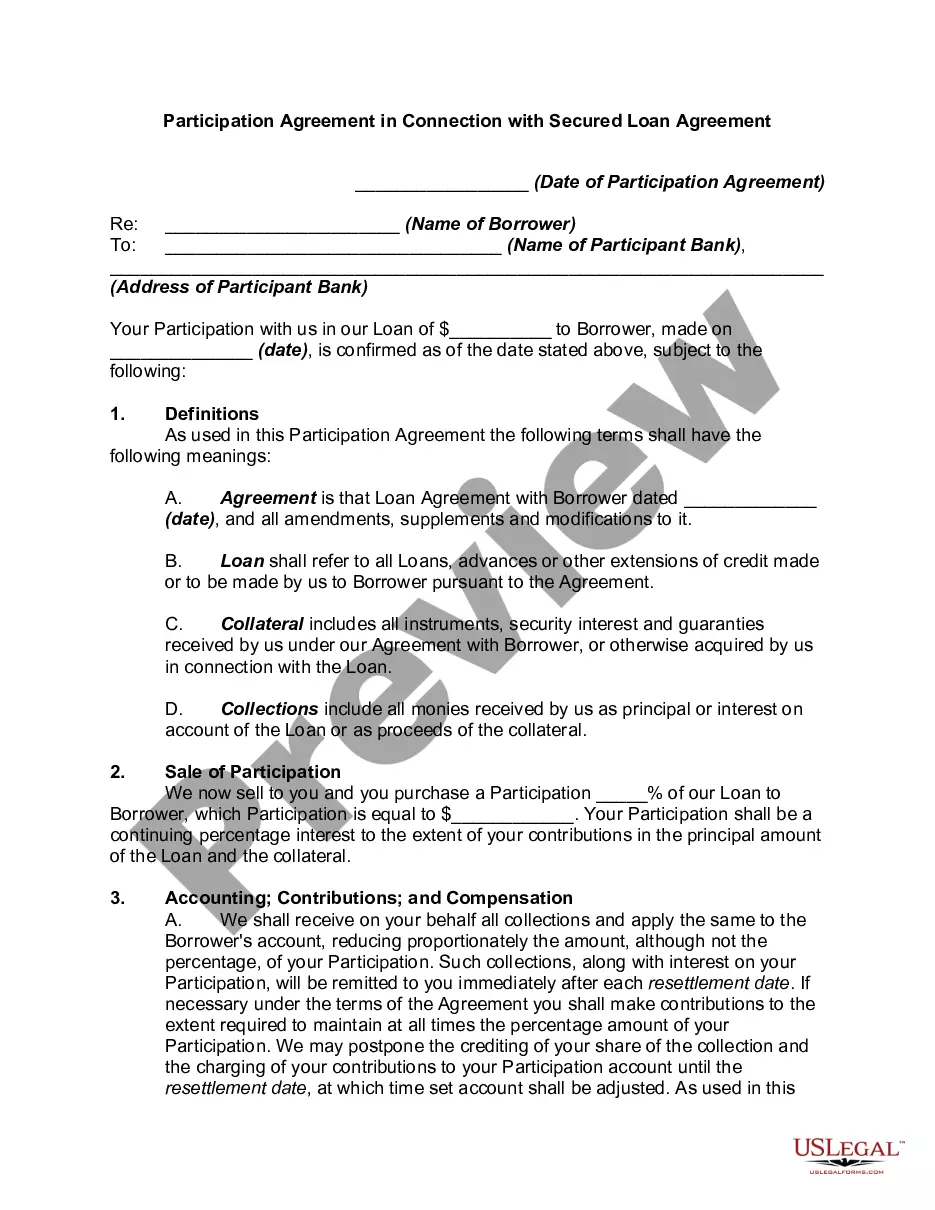







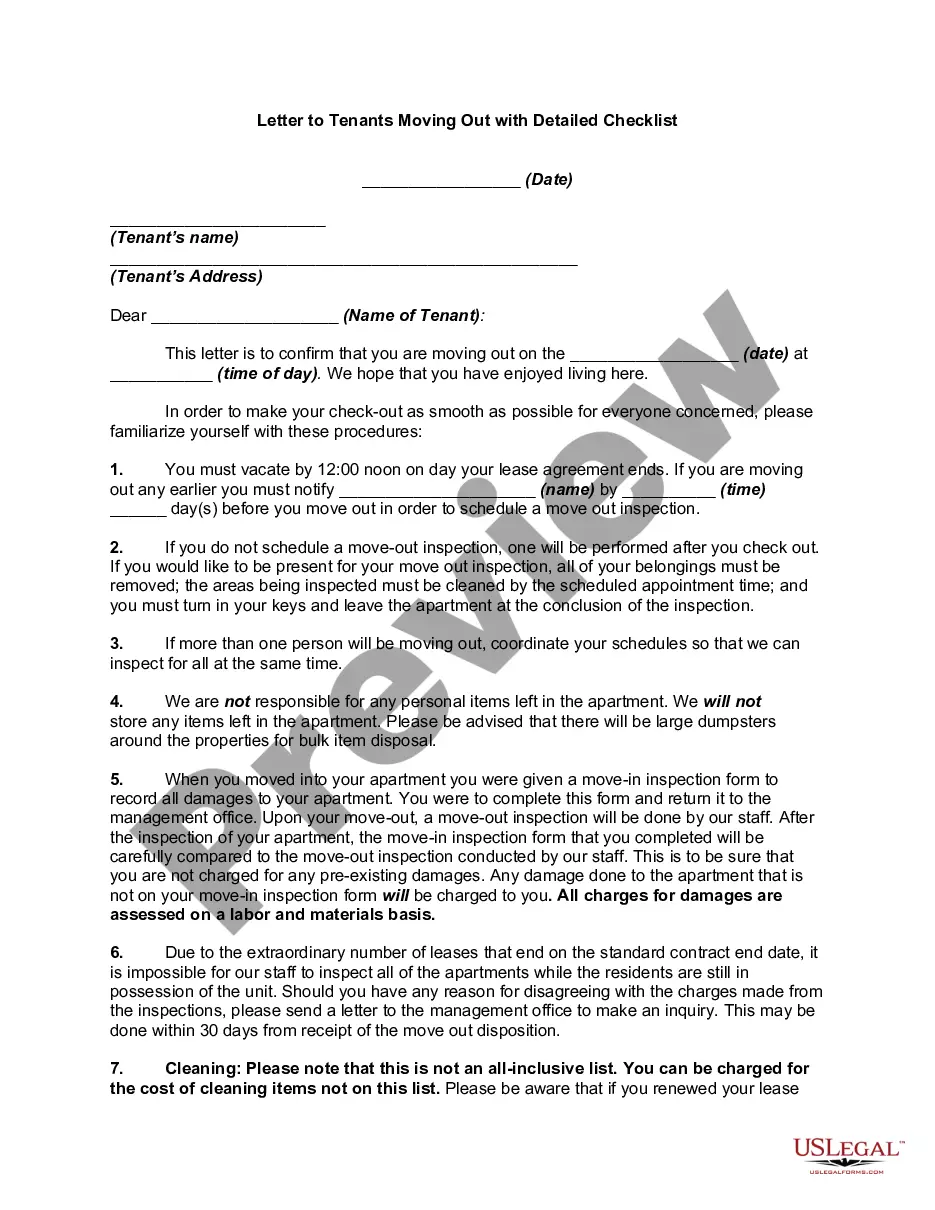
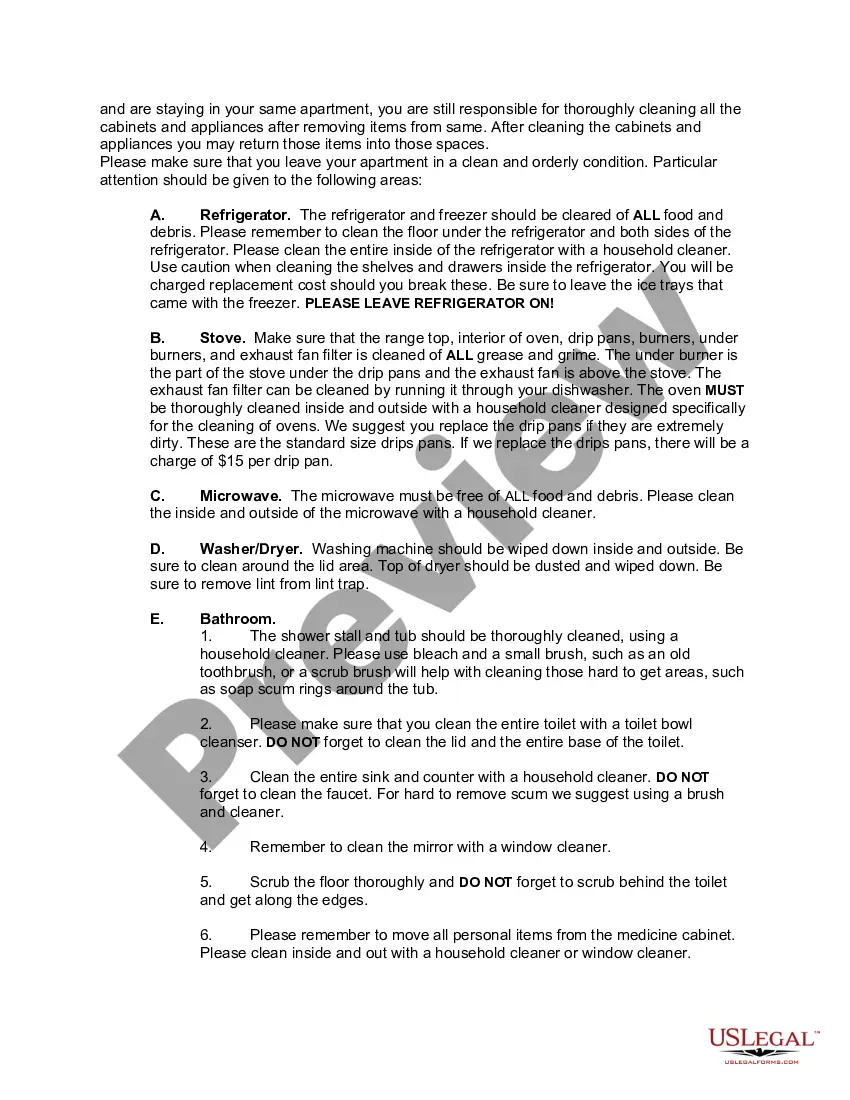
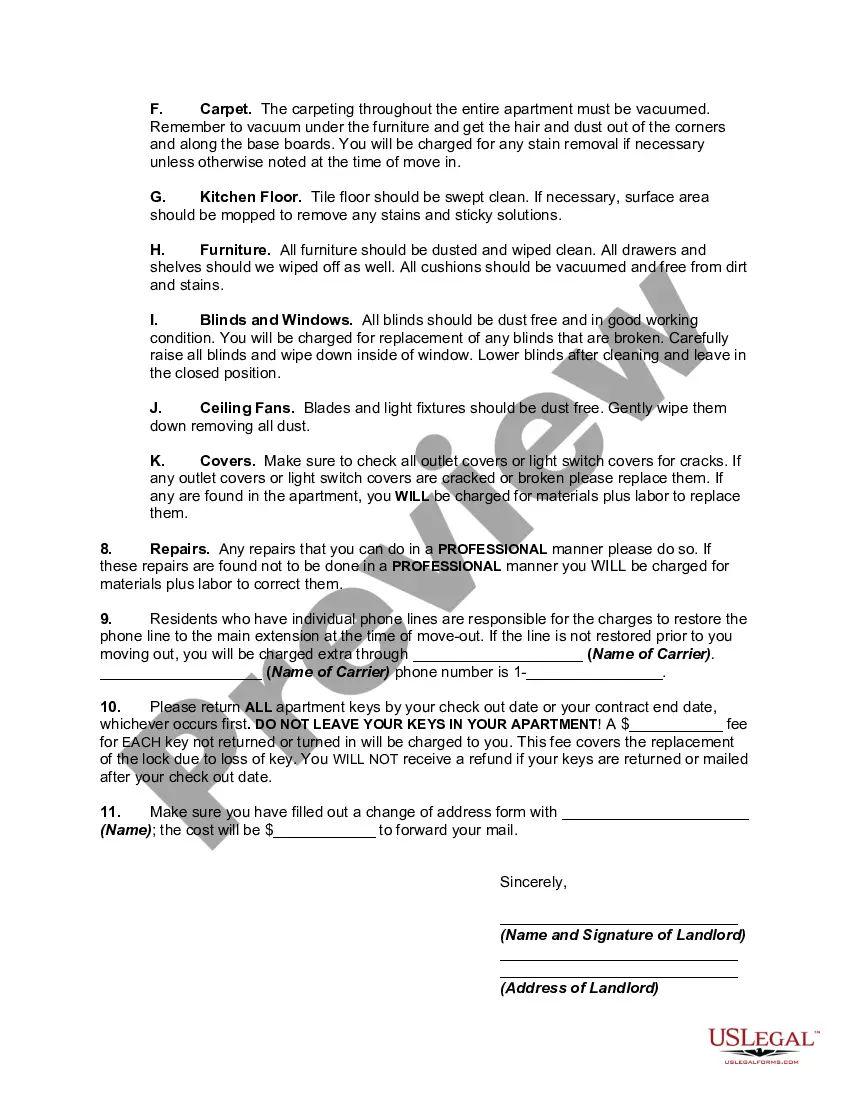
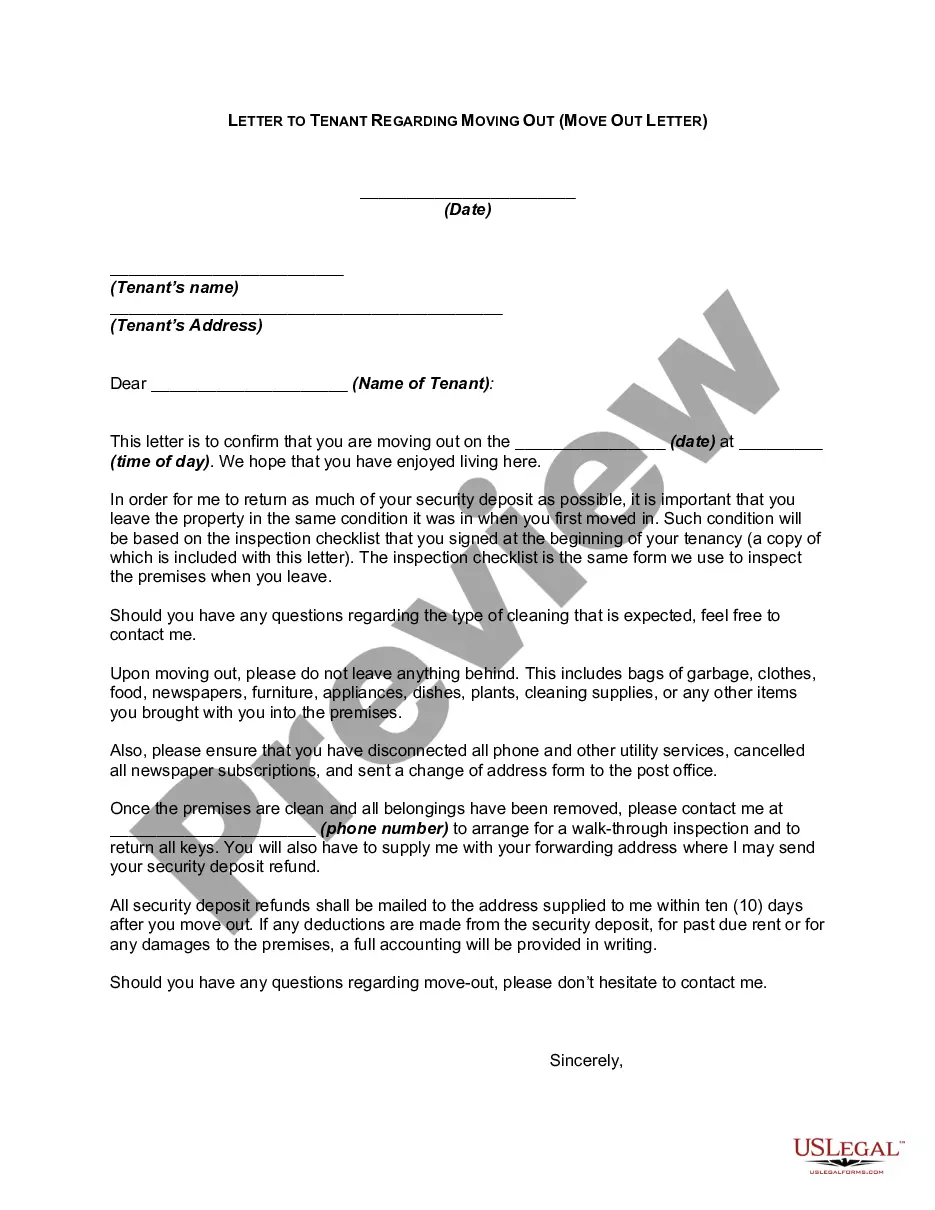
How to fill out Letter To Tenants Moving Out With Detailed Checklist?
Utilizing legal documents that align with federal and local regulations is crucial, and the web presents a multitude of choices to select from.
However, what is the benefit of spending time searching for the accurately composed Tenants Moved Out Without Paying Rent template online when the US Legal Forms digital library already houses such documents in one central location.
US Legal Forms is the largest online legal repository with more than 85,000 fillable templates crafted by lawyers for any professional and personal scenario.
Review the template using the Preview option or through the text description to ensure it meets your requirements.
- They are easy to navigate with all documents categorized by state and intended use.
- Our experts keep abreast of legal changes, ensuring that your documents are always current and compliant when obtaining a Tenants Moved Out Without Paying Rent from our site.
- Acquiring a Tenants Moved Out Without Paying Rent is straightforward and fast for both existing and new users.
- If you already possess an account with an active subscription, Log In and download the required document sample in the appropriate format.
- If you are new to our platform, follow the steps outlined below.
Form popularity
FAQ
Suing a tenant for unpaid rent can be worth it if the amount owed justifies the legal costs involved. Determine whether you are likely to recover the funds before proceeding with a lawsuit. If you face a scenario where tenants moved out without paying rent, exploring all your legal options with a professional can help you decide the best course of action.
To evict someone who isn't paying rent, you need to follow the legal eviction process in your state, starting with proper documentation. Provide the tenant with a formal notice outlining the unpaid rent and the requirement to vacate. This process is essential, especially in cases where tenants moved out without paying rent, as it protects your financial interests.
If someone won't leave your house, first attempt to negotiate a solution directly with them. If conversations fail, check your state laws regarding eviction notices and procedures. In cases where tenants moved out without paying rent, it is often beneficial to consult with professionals who can guide you through the eviction steps.
When a tenant doesn't move out, start by reviewing your lease agreement to understand your rights. Next, provide them with a formal written notice to vacate, as required by law. If they continue to stay and you have a situation where tenants moved out without paying rent, consider contacting a legal expert to discuss your options.
If someone refuses to leave your home, it is crucial to remain calm and informed about your legal rights. First, communicate clearly with the individual about their need to vacate. If they still refuse, it may be time to initiate the eviction process, particularly if you find yourself dealing with tenants moved out without paying rent.
To get someone out of your house immediately, you must first provide proper notice according to your local laws. If they refuse to leave, seek legal advice to start the eviction process. Remember, if you face situations where tenants moved out without paying rent, being informed about legal options can greatly help.
The quickest way to evict someone typically involves following your state's legal eviction process. Generally, this means providing notice to the tenant, filing an action in court, and obtaining an eviction order. Keep in mind that if tenants moved out without paying rent, ensuring you follow legal procedures protects your rights and helps prevent future issues.
Yes, a landlord can send you to collections for unpaid rent, especially if tenants moved out without paying rent. This action typically occurs after attempts to collect the debt directly have failed. The collections agency will then attempt to recover the owed amount on the landlord's behalf. Be aware that this can affect your credit score and future renting opportunities.
To sue a former tenant for unpaid rent, first gather all relevant documentation, including lease agreements and payment records. If tenants moved out without paying rent, consider sending a demand letter before filing the suit. You’ll likely file in small claims court if the amount is below a certain threshold. Using US Legal Forms can simplify this process by providing the necessary paperwork to initiate your claim.
The quickest way to get someone out of your house involves following your local eviction laws. Generally, you must provide a notice before starting an eviction process. If tenants moved out without paying rent, look into filing an eviction for non-payment of rent. It's beneficial to ensure you have documentation to support your case, as this will expedite the process.