Agreement Graphic Design Sample With Price
Description
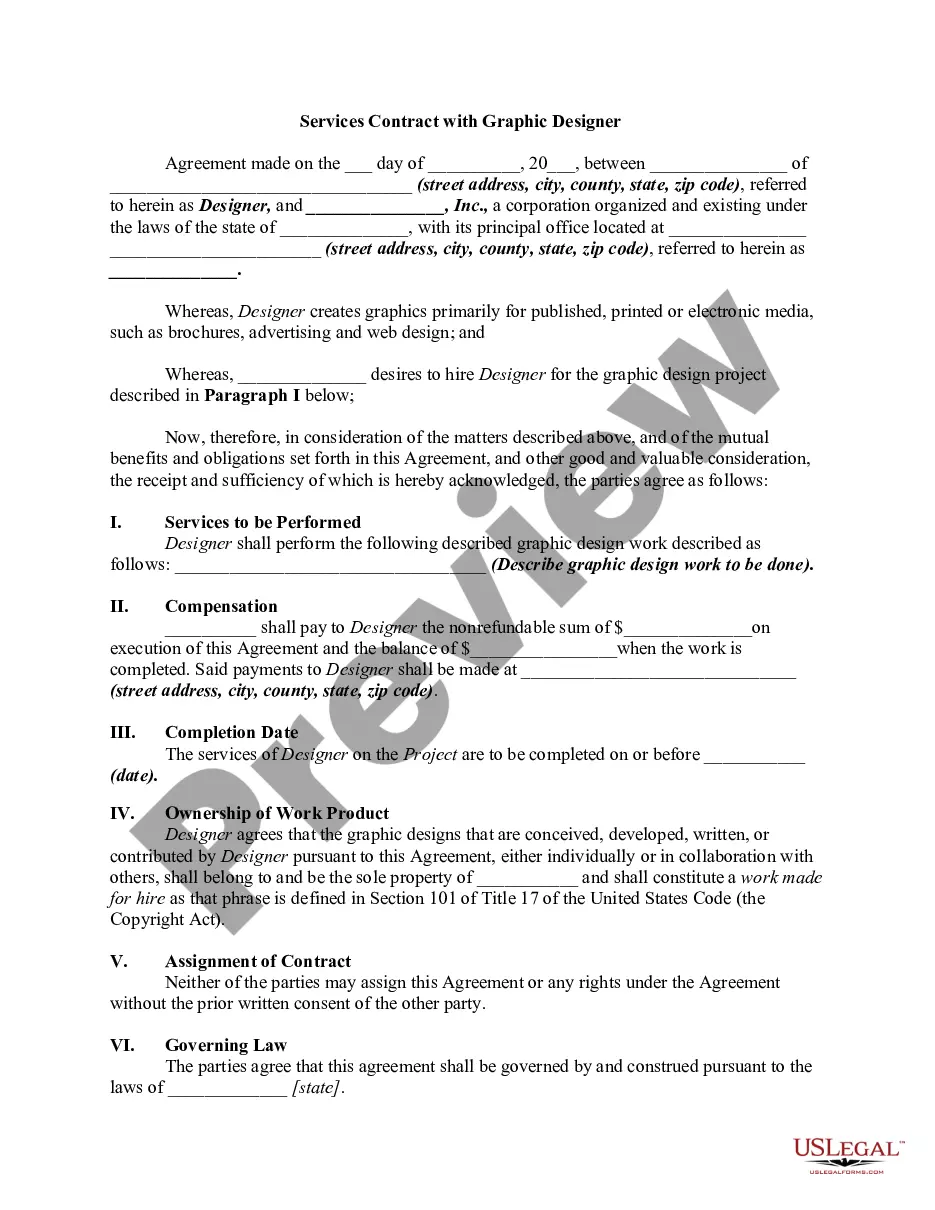
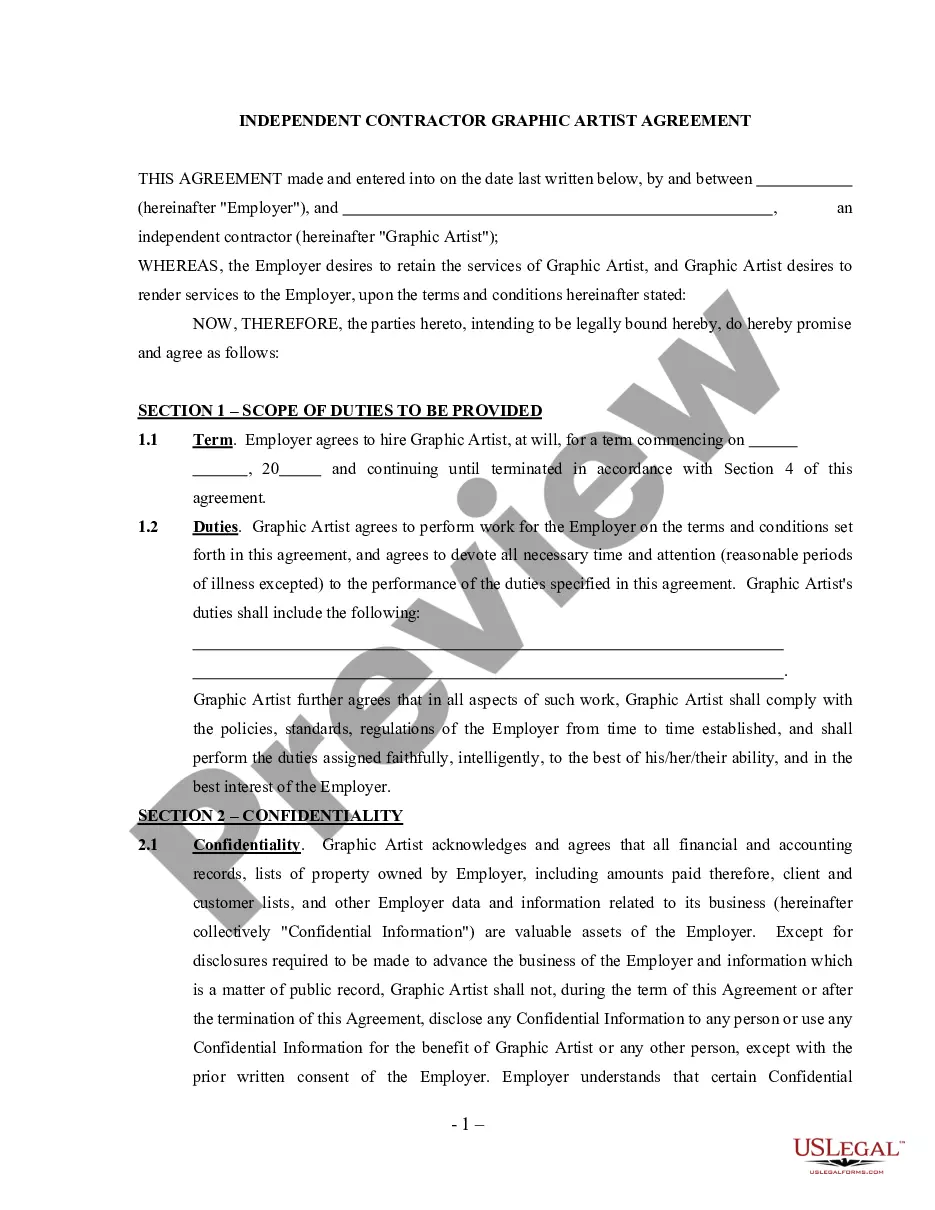
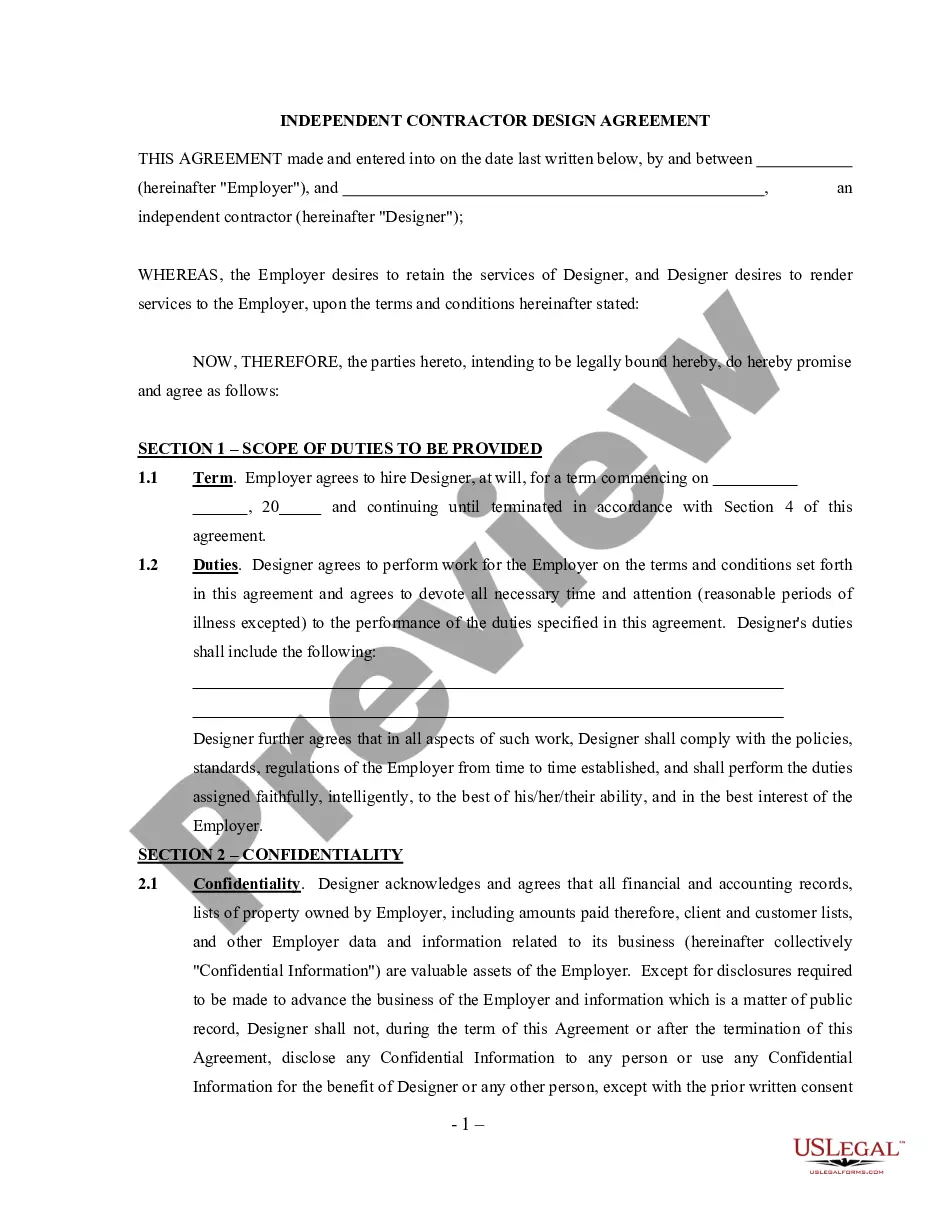
Get your form ready online
Our built-in tools help you complete, sign, share, and store your documents in one place.
Make edits, fill in missing information, and update formatting in US Legal Forms—just like you would in MS Word.
Download a copy, print it, send it by email, or mail it via USPS—whatever works best for your next step.
Sign and collect signatures with our SignNow integration. Send to multiple recipients, set reminders, and more. Go Premium to unlock E-Sign.
If this form requires notarization, complete it online through a secure video call—no need to meet a notary in person or wait for an appointment.
We protect your documents and personal data by following strict security and privacy standards.

Make edits, fill in missing information, and update formatting in US Legal Forms—just like you would in MS Word.

Download a copy, print it, send it by email, or mail it via USPS—whatever works best for your next step.

Sign and collect signatures with our SignNow integration. Send to multiple recipients, set reminders, and more. Go Premium to unlock E-Sign.

If this form requires notarization, complete it online through a secure video call—no need to meet a notary in person or wait for an appointment.

We protect your documents and personal data by following strict security and privacy standards.
Looking for another form?
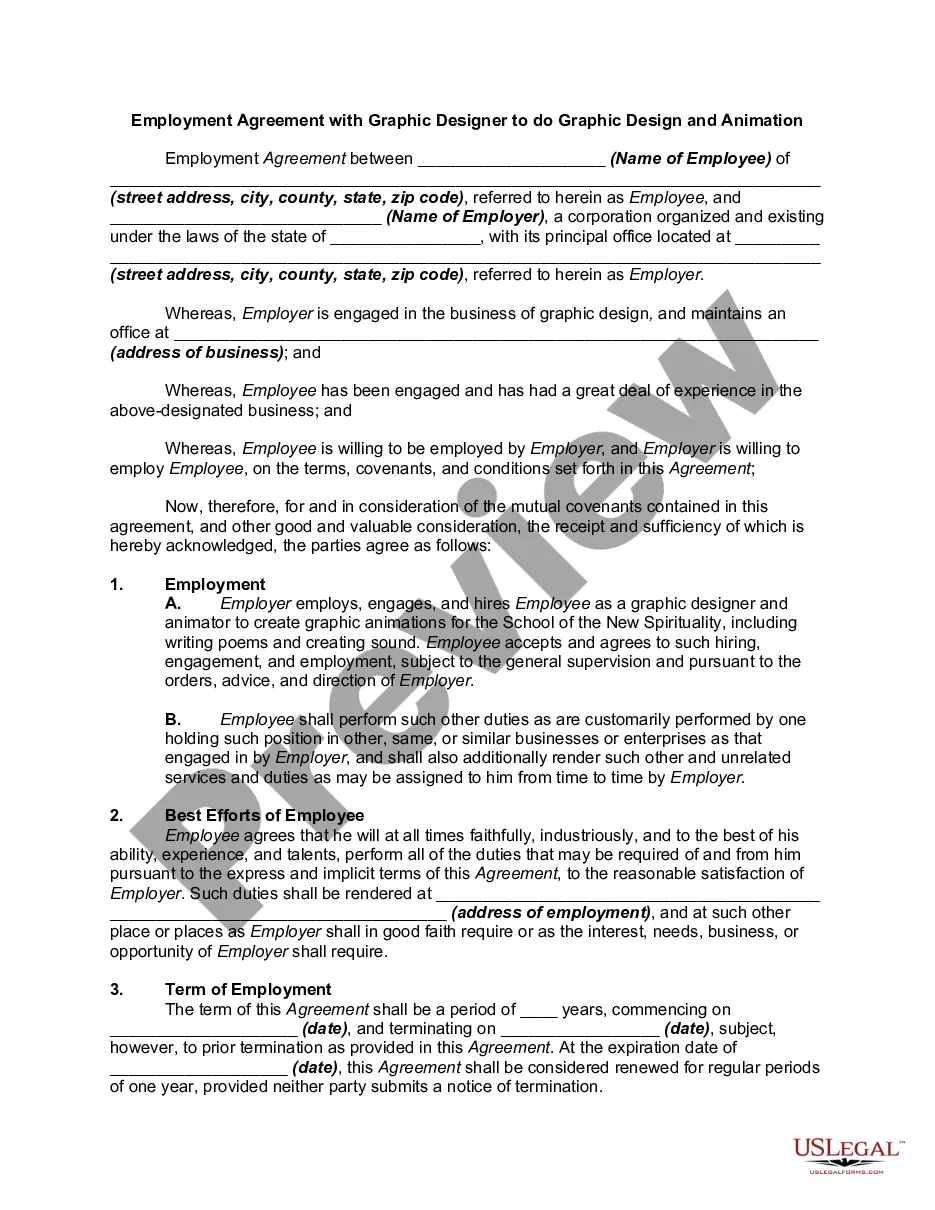
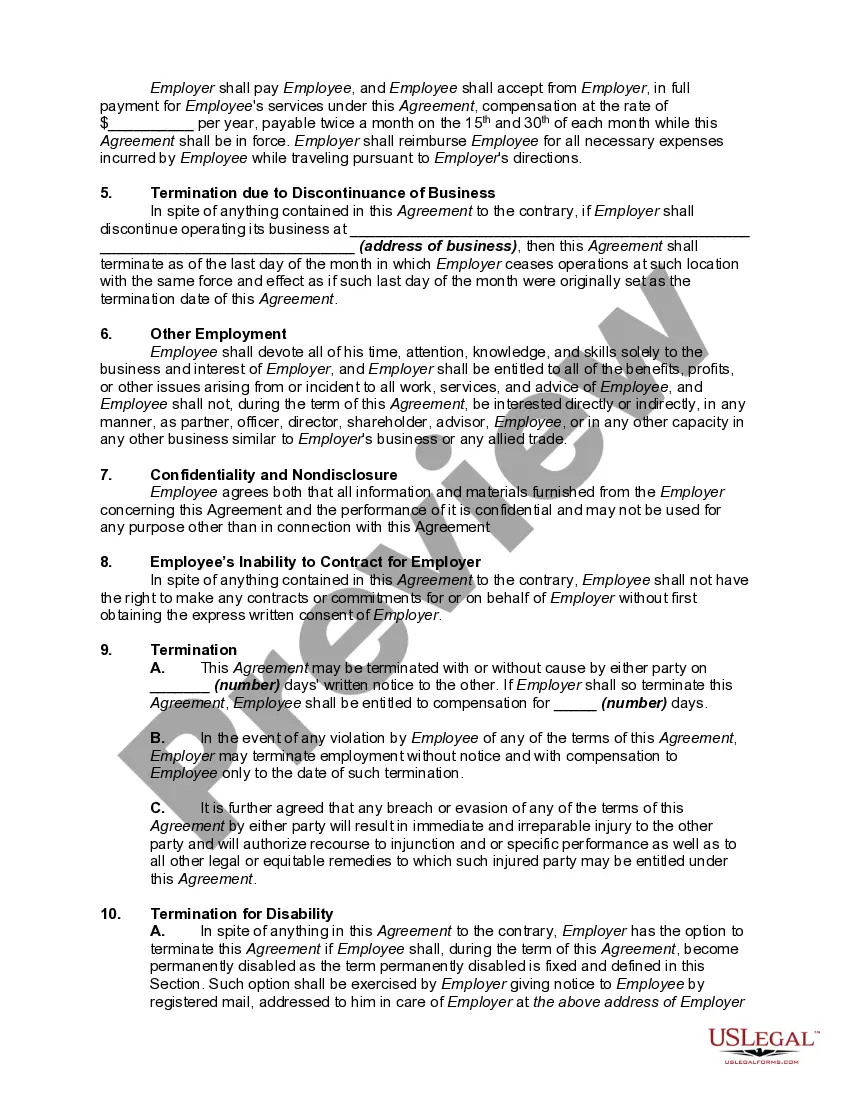
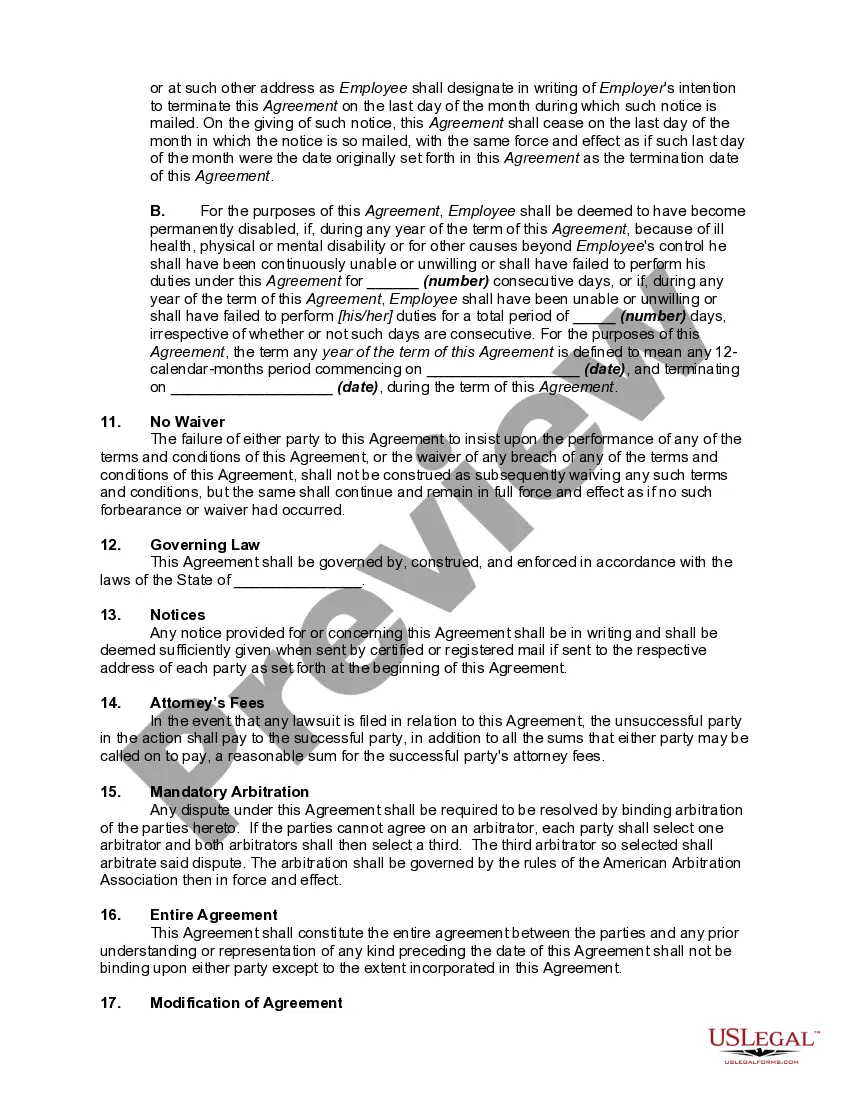
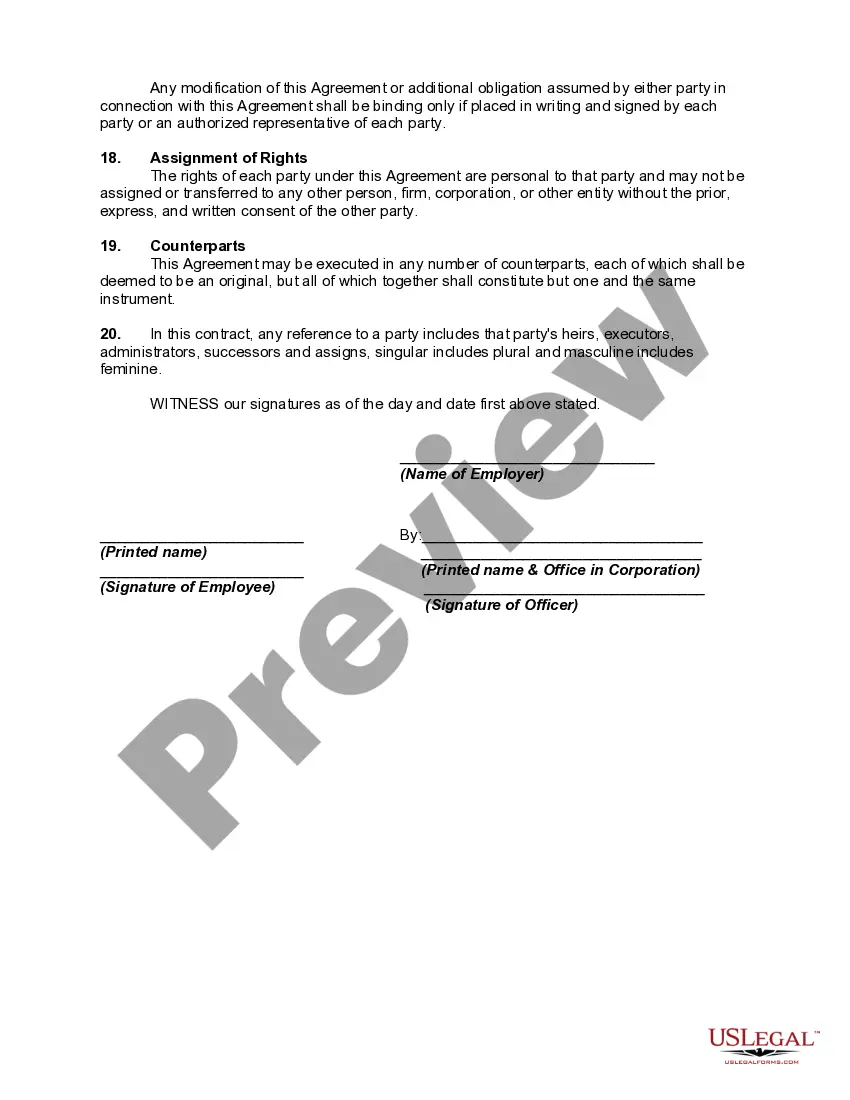
How to fill out Employment Agreement With Graphic Designer To Do Graphic Design And Animation?
Whether for corporate purposes or personal matters, everyone must confront legal circumstances at some point in their life. Completing legal paperwork requires meticulous attention, starting from selecting the appropriate form template.
For example, when you choose an incorrect version of an Agreement Graphic Design Sample With Price, it will be declined upon submission. Thus, it is crucial to have a reliable source of legal documents like US Legal Forms.
With an extensive US Legal Forms catalog available, you never have to waste time hunting for the correct template online. Use the library’s straightforward navigation to find the ideal template for any circumstance.
- Locate the template you require by utilizing the search bar or catalog navigation.
- Review the form’s description to confirm it aligns with your situation, state, and area.
- Click on the form’s preview to inspect it.
- If it is the incorrect form, return to the search feature to find the Agreement Graphic Design Sample With Price template you need.
- Download the document if it suits your requirements.
- If you already possess a US Legal Forms account, simply click Log in to access previously saved templates in My documents.
- In the case you do not have an account yet, you can obtain the document by clicking Buy now.
- Select the suitable pricing option.
- Complete the account registration form.
- Choose your payment method: you can utilize a credit card or PayPal account.
- Select the document format you desire and download the Agreement Graphic Design Sample With Price.
- Once it is saved, you can fill out the form with the assistance of editing tools or print it out and complete it manually.
Form popularity
FAQ
So, you might try to save money by writing your own contract instead of consulting with a professional. While your own contract may work well for some of your clients, it can also open the door to legal challenges. That's because contracts are legal documents and are often written in very precise legal terms.
What needs to be included in your freelance graphic design contract? Basic description of the project. ... Project scope description. ... Details about the deliverables. ... Client responsibilities. ... Payment details. ... Copyright ownership terms. ... Revision details. ... Client approval process.
The most common pricing structures in the freelance graphic design world are hourly and fixed/flat rate fees. Both have their advantages and disadvantages. You may even find that you charge an hourly rate for one type of project while you price others per project.
Here are a few good rates to start off with: Beginner freelance designer (<1 year - 3 years): $20 - $35 / hour. Intermediate freelance designer (3 years - 5 years): $35 - $50 / hour. Advanced freelancer (5+ years): $50 - $150 / hour.
Before you start negotiating, you need to know your worth as a graphic designer. This means researching the market rates, the scope and complexity of the project, and your skills and experience. You also need to factor in your overhead costs, such as software, equipment, taxes, and insurance.