Memorandum Of Trust
Description
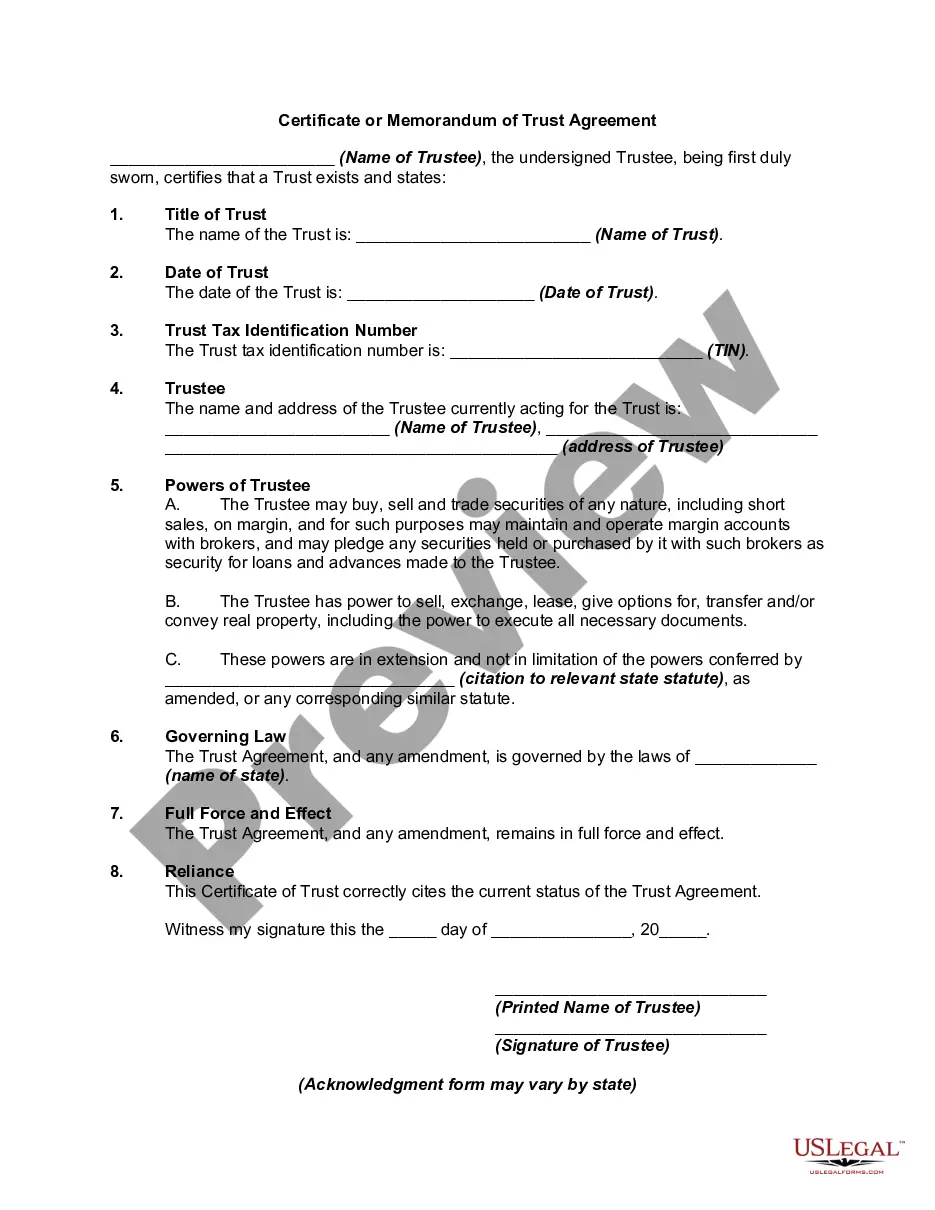
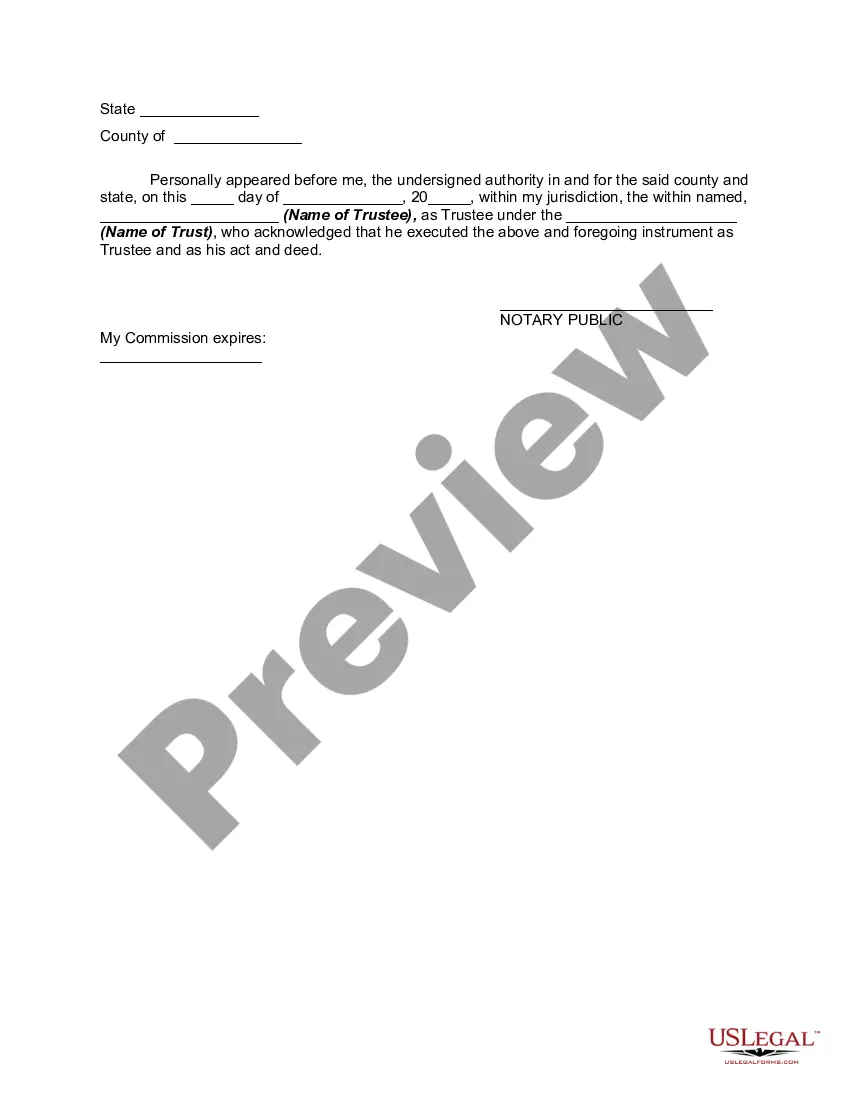
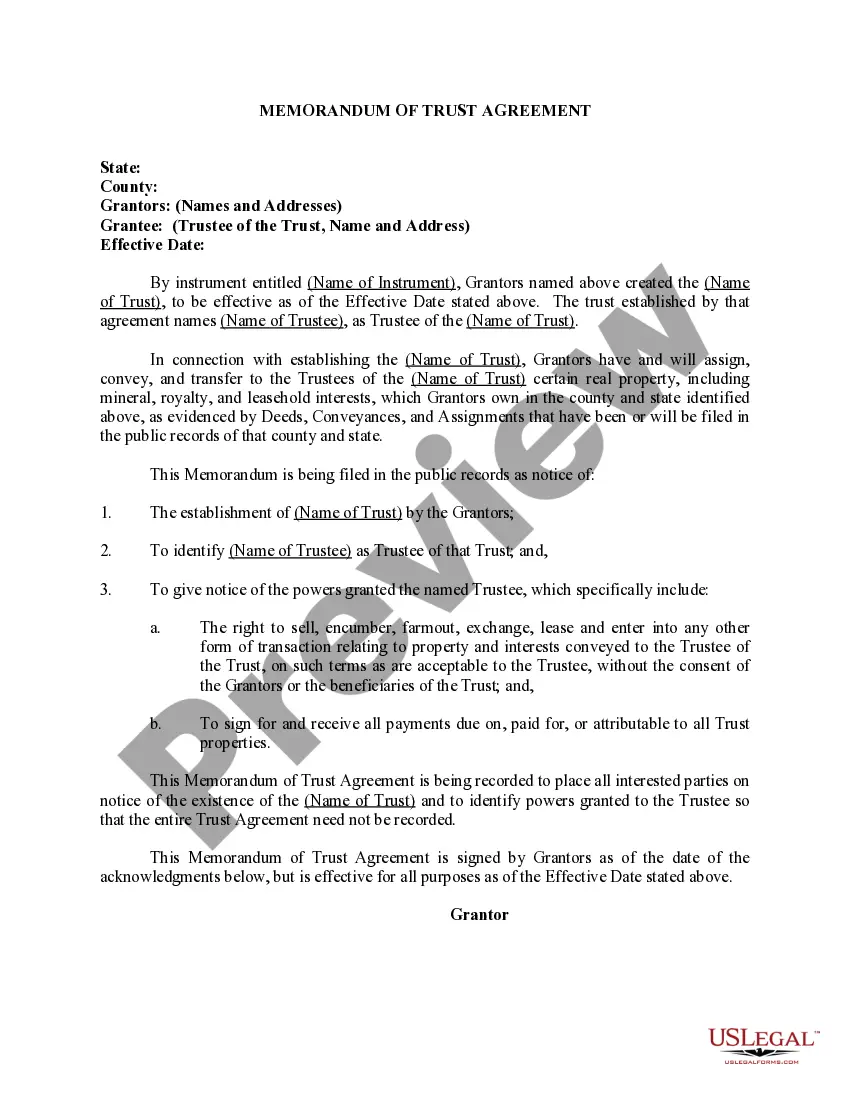
Get your form ready online
Our built-in tools help you complete, sign, share, and store your documents in one place.
Make edits, fill in missing information, and update formatting in US Legal Forms—just like you would in MS Word.
Download a copy, print it, send it by email, or mail it via USPS—whatever works best for your next step.
Sign and collect signatures with our SignNow integration. Send to multiple recipients, set reminders, and more. Go Premium to unlock E-Sign.
If this form requires notarization, complete it online through a secure video call—no need to meet a notary in person or wait for an appointment.
We protect your documents and personal data by following strict security and privacy standards.

Make edits, fill in missing information, and update formatting in US Legal Forms—just like you would in MS Word.

Download a copy, print it, send it by email, or mail it via USPS—whatever works best for your next step.

Sign and collect signatures with our SignNow integration. Send to multiple recipients, set reminders, and more. Go Premium to unlock E-Sign.

If this form requires notarization, complete it online through a secure video call—no need to meet a notary in person or wait for an appointment.

We protect your documents and personal data by following strict security and privacy standards.
Looking for another form?






How to fill out Certificate Or Memorandum Of Trust Agreement?
Whether for commercial reasons or for personal matters, everyone must deal with legal scenarios at some point in their lives.
Filling out legal documents requires meticulous attention, starting with selecting the correct form template.
With an extensive US Legal Forms catalog available, you don’t have to waste time searching for the right template online. Utilize the library’s easy navigation to find the suitable template for any circumstance.
- Obtain the template you require using the search bar or catalog browsing.
- Review the form’s details to ensure it aligns with your circumstances, state, and locality.
- Click on the form’s preview to examine it.
- If it is the incorrect form, return to the search feature to locate the Memorandum Of Trust template you need.
- Download the document if it meets your criteria.
- If you have an existing US Legal Forms account, simply click Log in to access previously saved templates in My documents.
- If you do not possess an account yet, you can download the form by selecting Buy now.
- Select the appropriate pricing option.
- Complete the account registration form.
- Choose your payment method: use a credit card or PayPal account.
- Select the file format you wish and download the Memorandum Of Trust.
- After downloading, you can fill out the form using editing software or print it and complete it manually.
Form popularity
FAQ
The primary purpose of the memorandum of trust is to clarify the trust's operational structure and provide guidance on its management. This document helps prevent disputes by ensuring that all parties understand their rights and responsibilities. Furthermore, it can serve as a reference point for trustees and beneficiaries alike. By having a well-documented memorandum of trust, you foster transparency and trust among all stakeholders involved.
In Florida, a memorandum of trust serves as a simplified document that outlines the essential details of a trust without revealing the entire trust agreement. This includes information such as the name of the trust, the trustee's identity, and the powers granted to the trustee. The memorandum of trust allows for easier management and administration of the trust while ensuring privacy for the trust's beneficiaries. Utilizing uslegalforms can help you create a compliant memorandum of trust tailored to Florida's laws.
In most cases, a memorandum of trust does not require notarization to be valid. However, certain jurisdictions may have specific requirements that mandate notarization for legal recognition. It is always advisable to check local laws and consult with a legal professional to ensure compliance. Using a platform like uslegalforms can simplify the process of creating a memorandum of trust that meets your jurisdiction's requirements.
A MOA, or memorandum of agreement, for a trust is similar to a standard memorandum of agreement but specifically tailored to trust arrangements. It outlines the key details regarding the trust, including its purpose, the assets it holds, and the roles of the trustee and beneficiaries. This document serves to enhance transparency and accountability within the trust. By utilizing a MOA, you can ensure that all parties are on the same page concerning the trust's management.
The purpose of a memorandum of trust is to clarify the terms and intentions of a trust arrangement. It details how the trust operates, the assets involved, and the responsibilities of the trustee. This document can provide peace of mind to beneficiaries by ensuring that everyone understands how the trust will function. A well-prepared memorandum of trust can help maintain harmony among family members and stakeholders.
A memorandum of agreement is essential for establishing mutual understanding among parties involved in a project or venture. It helps prevent misunderstandings by clearly outlining each party's obligations and expectations. In the context of a memorandum of trust, it can specify how the trust will be managed and the duties of the trustee. This clarity can save you time and effort in the long run.
A memorandum of agreement is a document that outlines the terms and conditions of a partnership or collaboration between parties. It serves as a foundational agreement that details the responsibilities and expectations of each party involved. While it is not legally binding like a contract, it provides a clear understanding that can be referenced later. If you are considering a memorandum of trust, this document can help define the roles concerning the trust's management.
In real estate, a memorandum refers to a written document that outlines the key terms of an agreement or contract. This can include details about the property, the parties involved, and any relevant obligations. When it comes to a memorandum of trust, it serves a similar purpose, encapsulating the essential information about the trust's assets and beneficiaries.
A memorandum for a trust provides a brief overview of the trust's terms and is often used to clarify the trust's intent. This document helps in managing the trust assets effectively and can be presented to financial institutions or other parties. Using a memorandum of trust streamlines communication and ensures that everyone understands the trust's provisions.
In general, a memorandum to a will does not need to be notarized, but it must comply with state laws. Depending on your situation, a memorandum of trust may require certain formalities to be effective. It’s wise to check local regulations or consult legal resources to ensure that your documents are valid and enforceable.