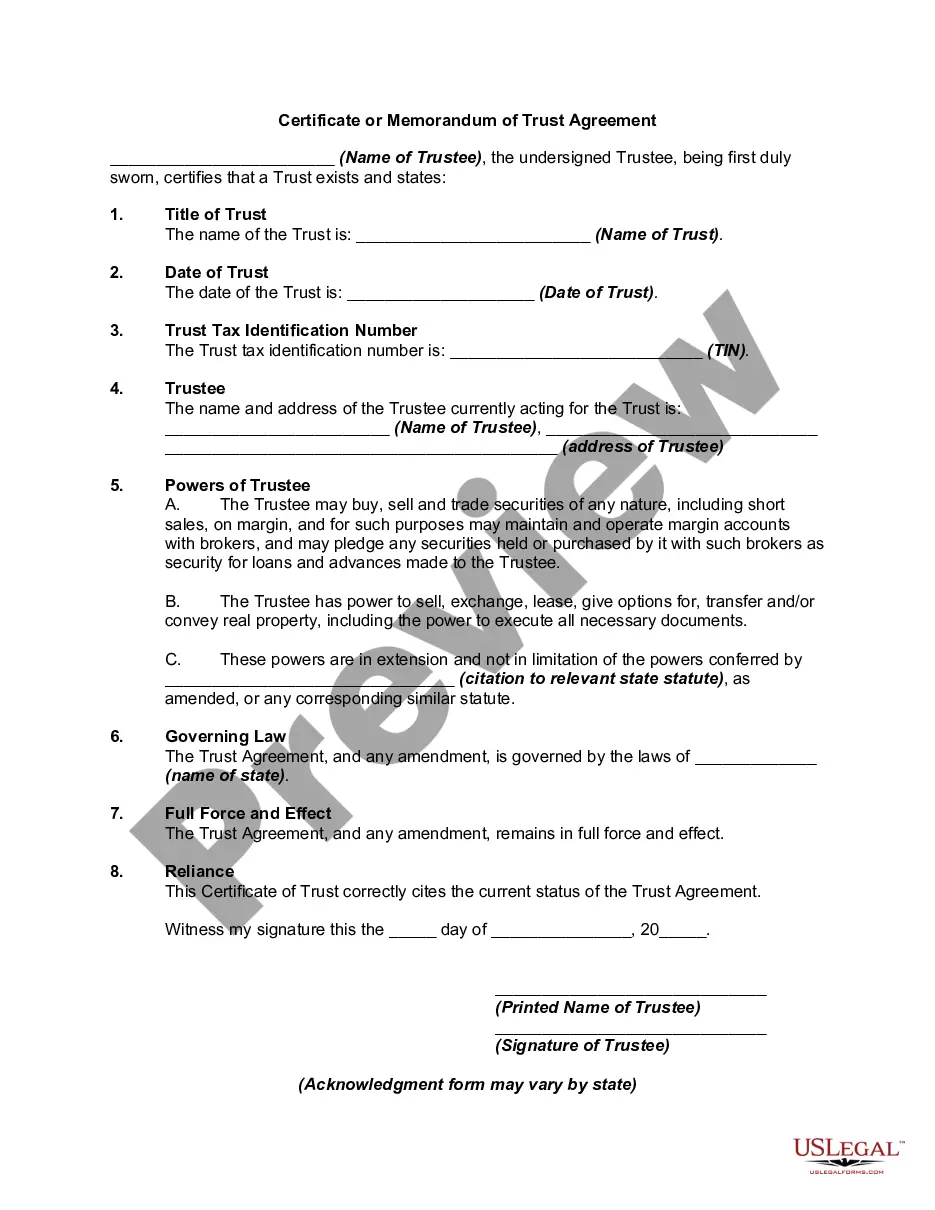
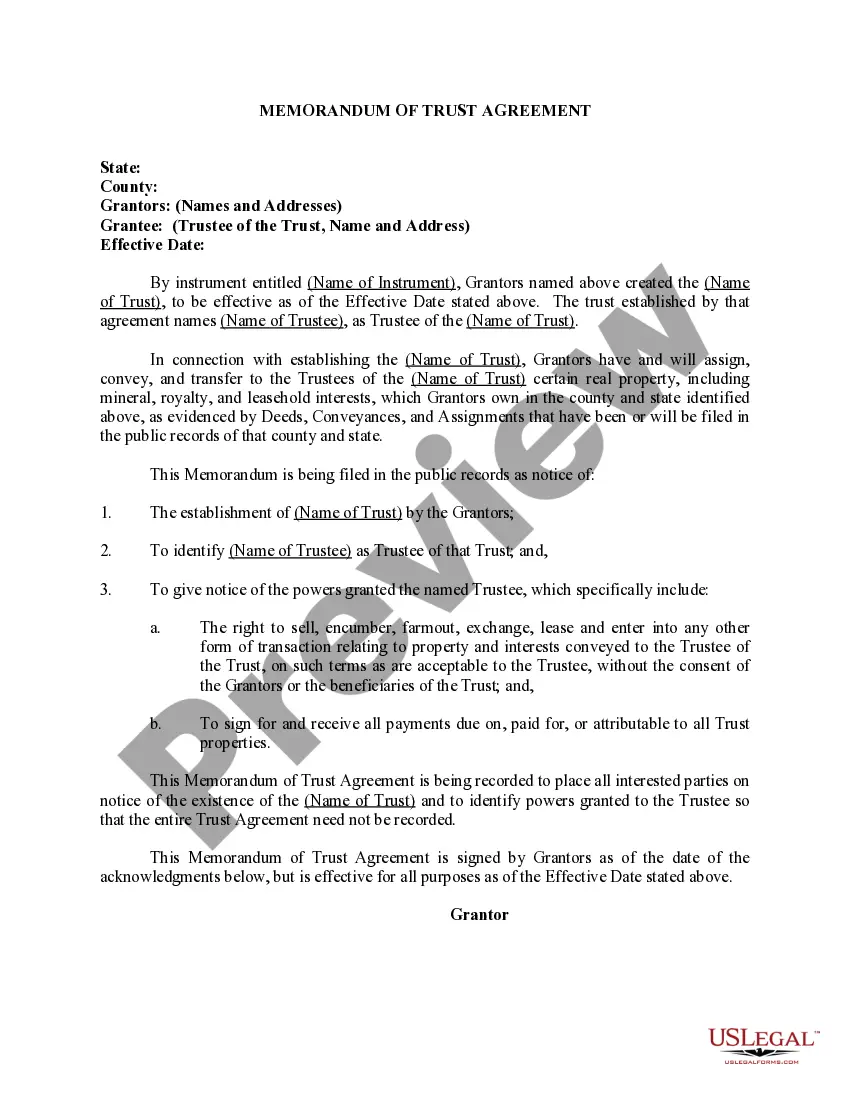
Certificates Agreement With Origin
Description
Get your form ready online
Our built-in tools help you complete, sign, share, and store your documents in one place.
Make edits, fill in missing information, and update formatting in US Legal Forms—just like you would in MS Word.
Download a copy, print it, send it by email, or mail it via USPS—whatever works best for your next step.
Sign and collect signatures with our SignNow integration. Send to multiple recipients, set reminders, and more. Go Premium to unlock E-Sign.
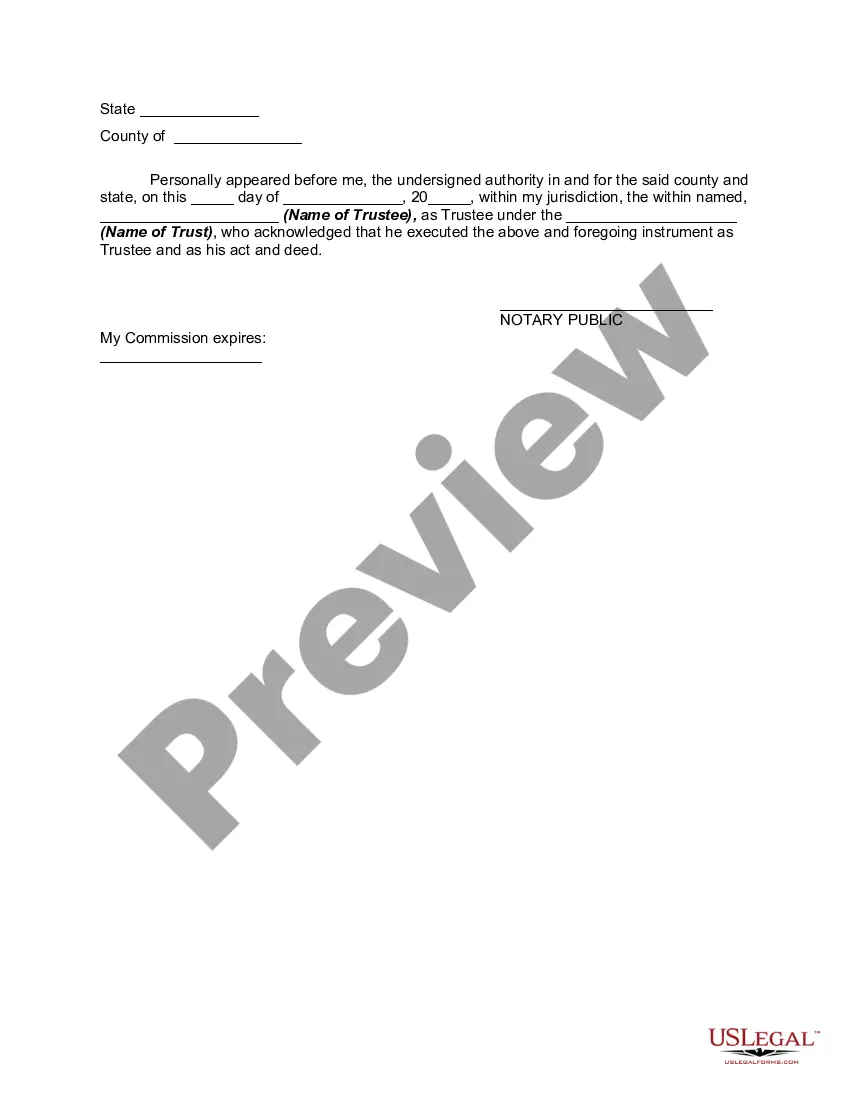
If this form requires notarization, complete it online through a secure video call—no need to meet a notary in person or wait for an appointment.
We protect your documents and personal data by following strict security and privacy standards.

Make edits, fill in missing information, and update formatting in US Legal Forms—just like you would in MS Word.

Download a copy, print it, send it by email, or mail it via USPS—whatever works best for your next step.

Sign and collect signatures with our SignNow integration. Send to multiple recipients, set reminders, and more. Go Premium to unlock E-Sign.

If this form requires notarization, complete it online through a secure video call—no need to meet a notary in person or wait for an appointment.

We protect your documents and personal data by following strict security and privacy standards.
Looking for another form?

How to fill out Certificate Or Memorandum Of Trust Agreement?
Legal administration can be perplexing, even for the most adept experts.
When you are seeking a Certificates Agreement With Origin and lack the time to search for the correct and current version, the processes can be daunting.
US Legal Forms meets any needs you may have, from personal to corporate paperwork, all in one location.
Utilize cutting-edge tools to complete and manage your Certificates Agreement With Origin.
Here are the steps to follow after acquiring the form you need: Verify it is the correct document by previewing it and reviewing its description. Ensure that the template is approved in your state or county. Choose Buy Now when you are ready. Select a subscription plan. Choose the format you require, and Download, complete, eSign, print, and send your documents. Take advantage of the US Legal Forms online library, backed by 25 years of experience and reliability. Transform your daily document management into a seamless and user-friendly process today.
- Access a valuable resource library of articles, guides, and materials pertinent to your situation and needs.
- Save time and effort searching for the documents you require, and employ US Legal Forms’ advanced search and Review tool to find Certificates Agreement With Origin and download it.
- If you have a monthly subscription, Log In to your US Legal Forms account, search for the form, and download it.
- Check your My documents tab to view the documents you have previously saved and manage your folders as you see fit.
- If it’s your first experience with US Legal Forms, create a free account to gain unlimited access to all the library’s benefits.
- An extensive online form library could be transformative for anyone looking to manage these situations effectively.
- US Legal Forms is a frontrunner in online legal documents, featuring over 85,000 state-specific legal forms accessible at any time.
- With US Legal Forms, you can access state- or county-specific legal and business documents.
Form popularity
FAQ
FTA certifications are optional, and not required for shipments to clear customs. However, goods shipped without one may be assessed standard tariff rate, so be sure to include an FTA certification of origin.
Field-By-Field Guide On Filling Out The Certificate Of Origin Field 1 - Certifier. ... Field 2 - Certifier Details. ... Filed 3 - Exporter Details (if different than Certifier) ... Field 4 - Producer Details. Field 5 - Importer Details (if known) ... Field 6a - HS Tariff Classification (6-digit level)
* Origin criteria include not only the definition of originating goods but also other provisions such as 'accumulation' (considering originating goods of a party as that of another party) and 'de minimis' (allowing the use of non-originating material(s) up to a certain limit).
How to Complete a Certificate of Origin Box 1: Consignor. This box must give the name and address of the exporter. ... Box 2: Consignee. ... Box 3: Country of Origin. ... Box 4: Transport. ... Box 5: Remarks. ... Box 6: Description of Goods. ... Box 7: Quantity. ... Box 8: Chamber Stamp/Applicant Declaration.
Customs authorities do not typically require it to be signed by the exporter, but if it is, it does require the signature to be notarized.