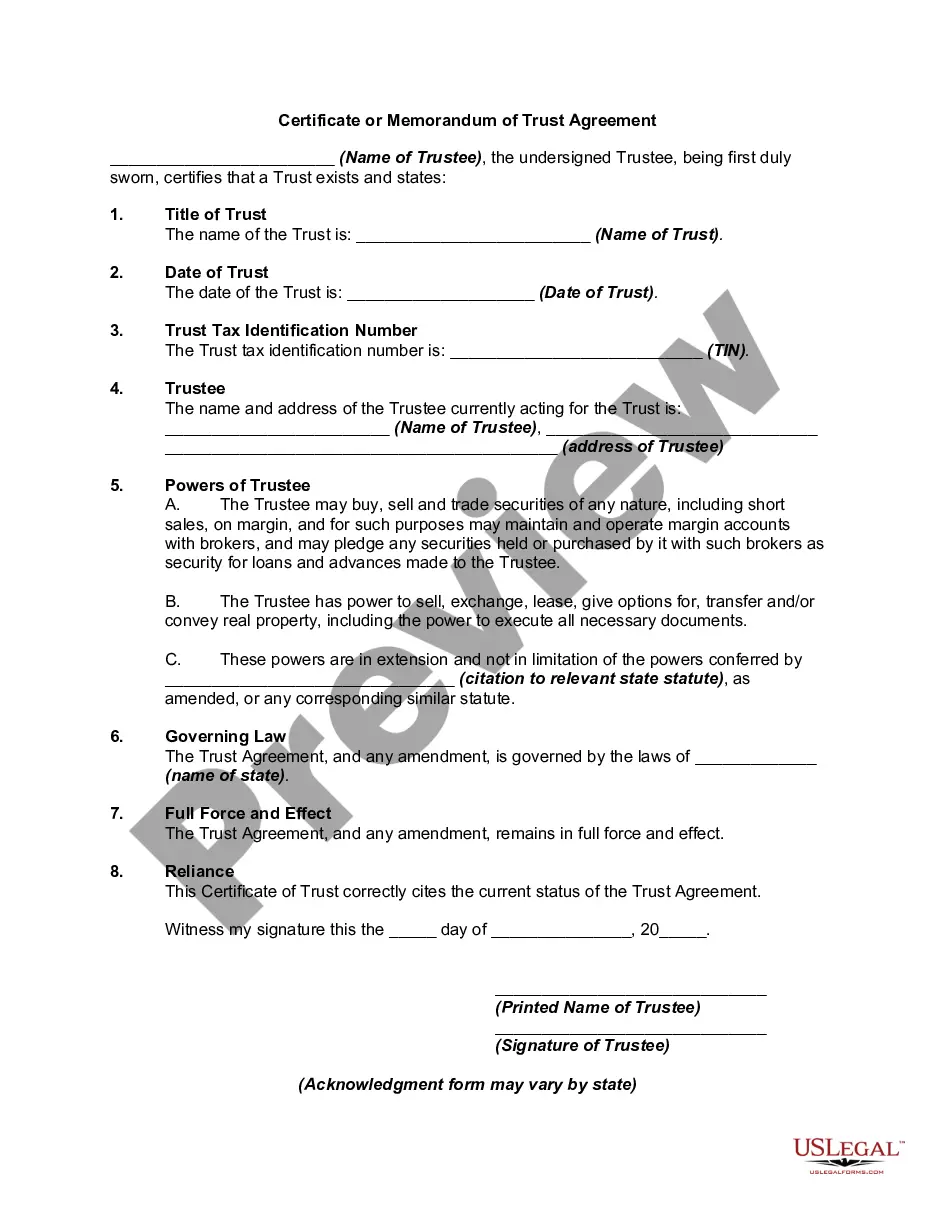
Certificate Of Trust In Michigan
Description
Get your form ready online
Our built-in tools help you complete, sign, share, and store your documents in one place.
Make edits, fill in missing information, and update formatting in US Legal Forms—just like you would in MS Word.
Download a copy, print it, send it by email, or mail it via USPS—whatever works best for your next step.
Sign and collect signatures with our SignNow integration. Send to multiple recipients, set reminders, and more. Go Premium to unlock E-Sign.
If this form requires notarization, complete it online through a secure video call—no need to meet a notary in person or wait for an appointment.
We protect your documents and personal data by following strict security and privacy standards.

Make edits, fill in missing information, and update formatting in US Legal Forms—just like you would in MS Word.

Download a copy, print it, send it by email, or mail it via USPS—whatever works best for your next step.

Sign and collect signatures with our SignNow integration. Send to multiple recipients, set reminders, and more. Go Premium to unlock E-Sign.

If this form requires notarization, complete it online through a secure video call—no need to meet a notary in person or wait for an appointment.

We protect your documents and personal data by following strict security and privacy standards.
Looking for another form?
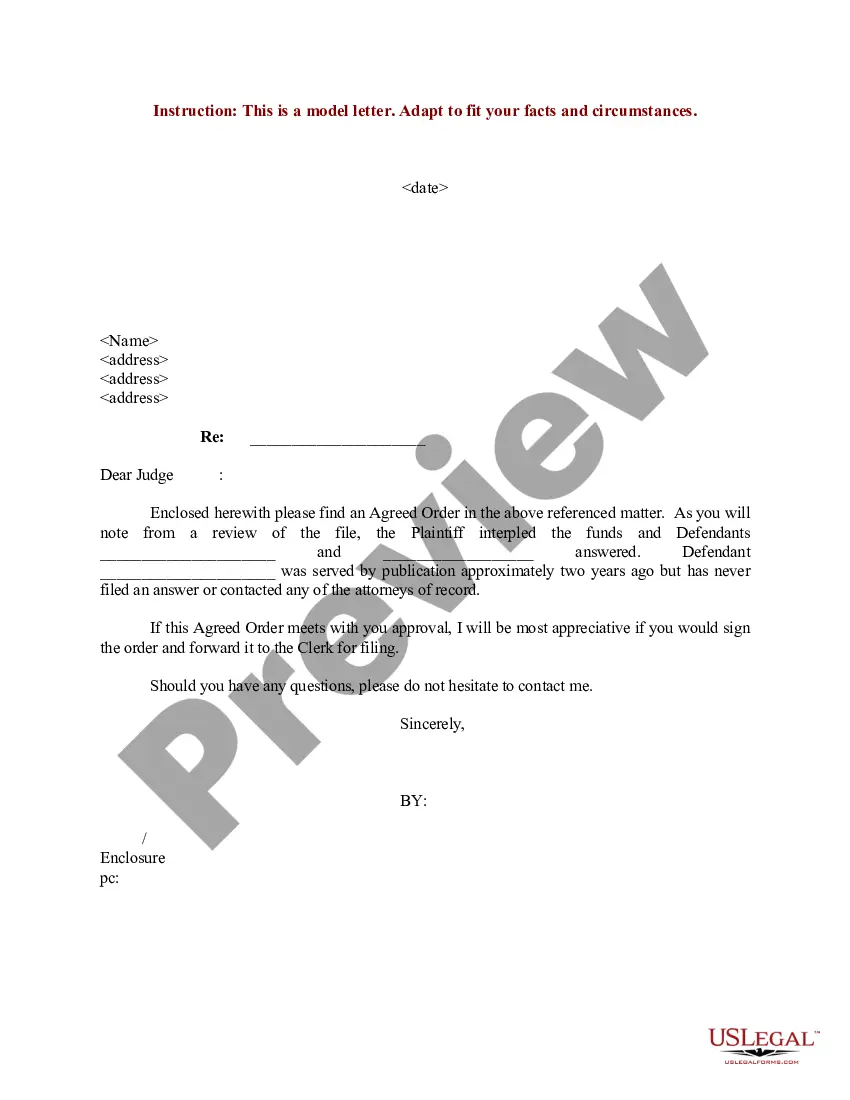
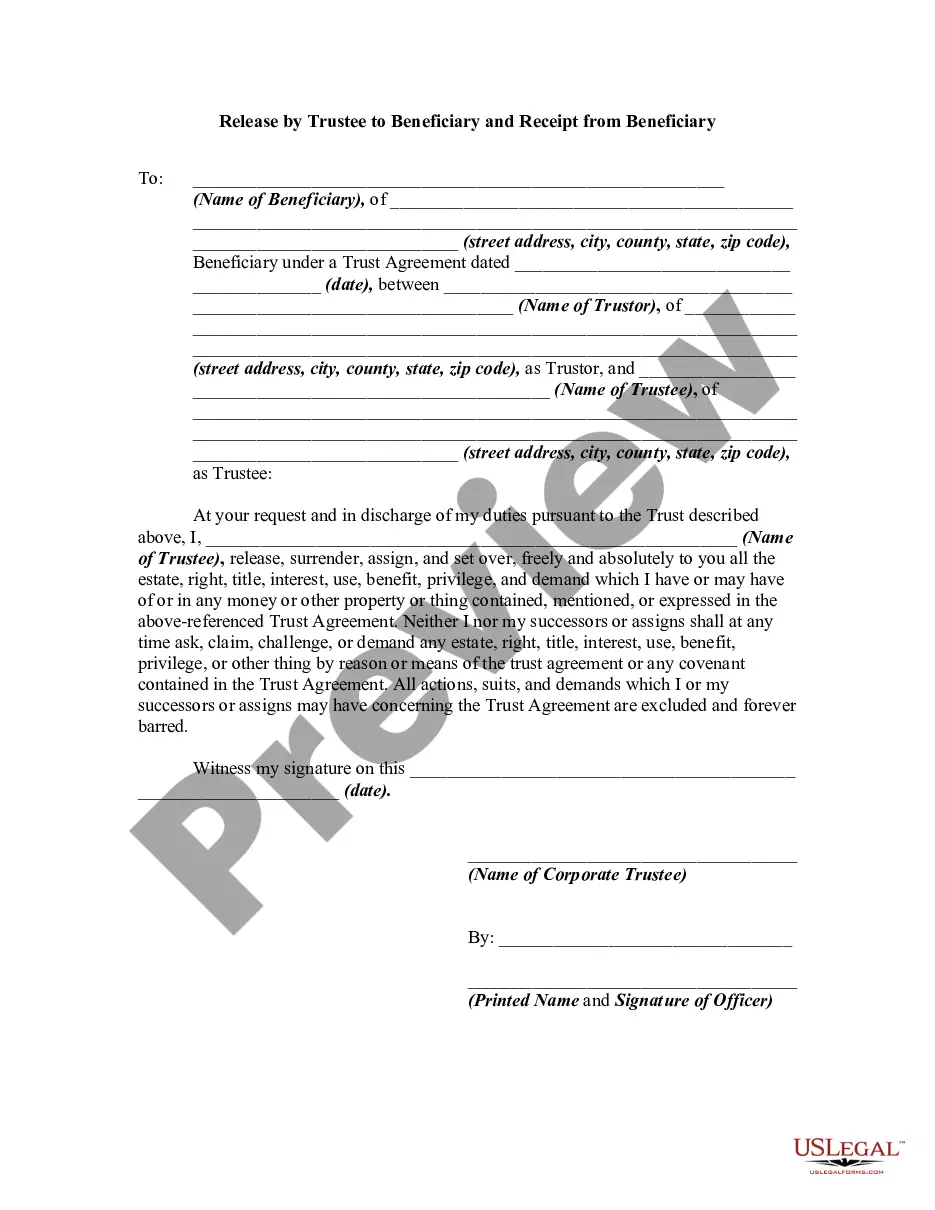
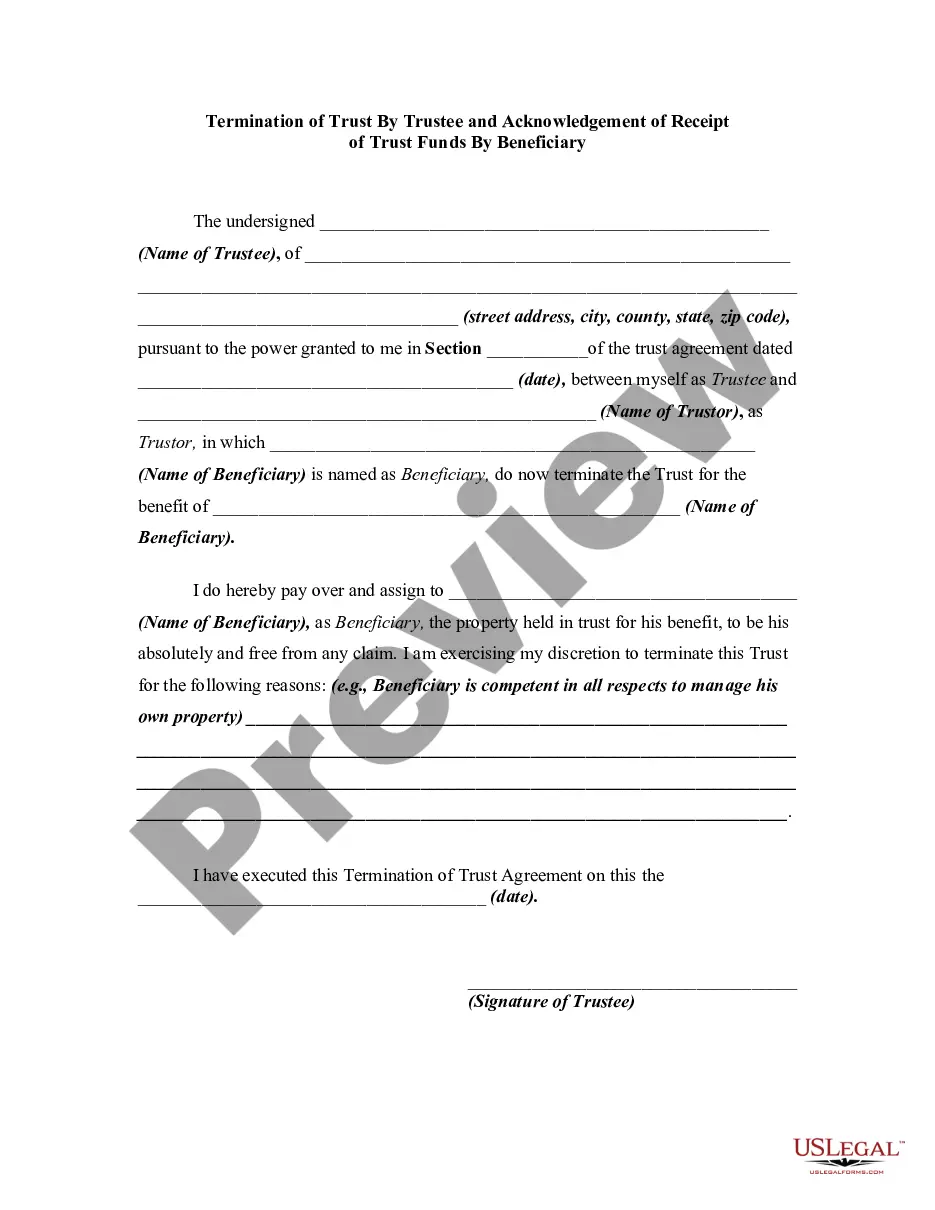
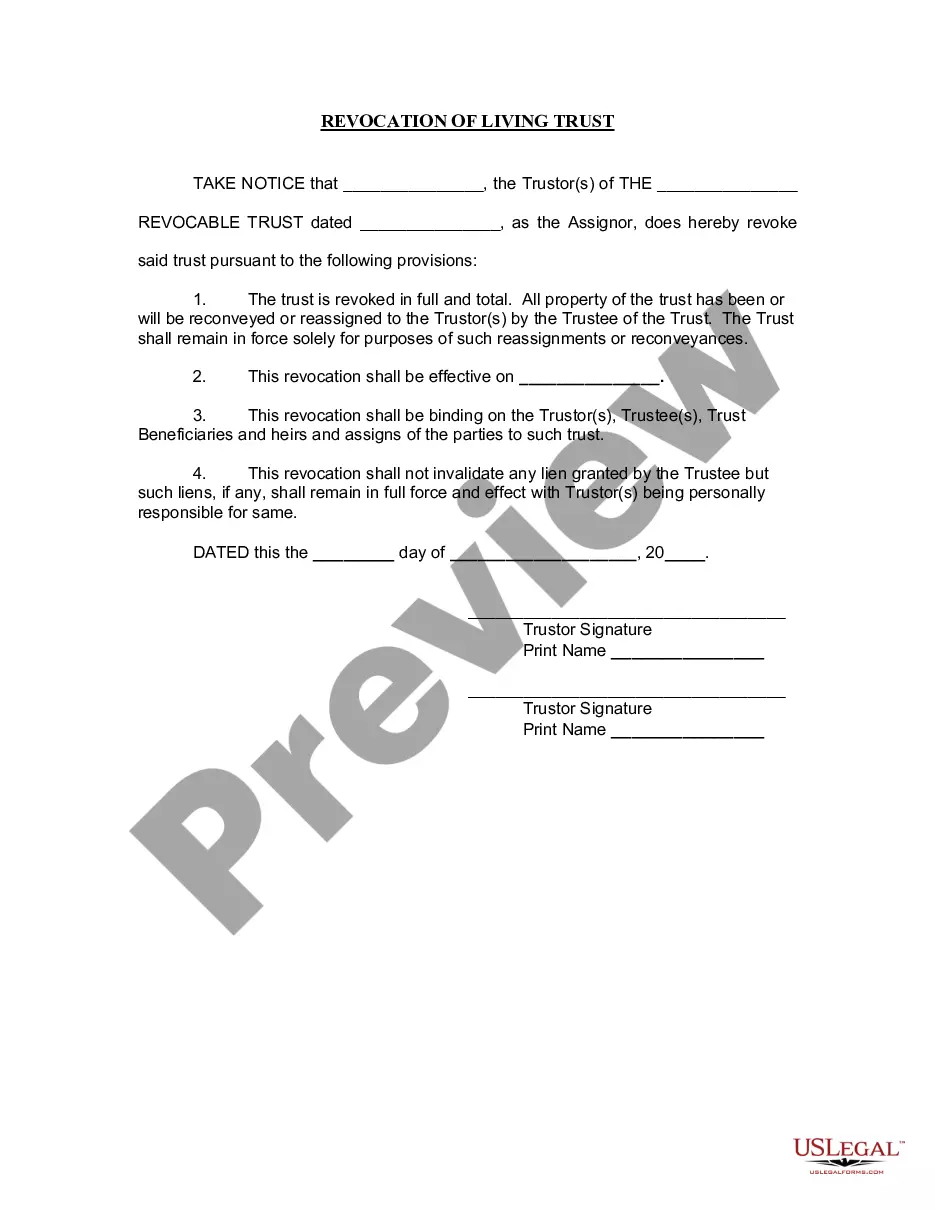
How to fill out Certificate Or Memorandum Of Trust Agreement?
It’s common knowledge that you cannot instantly become a legal authority, nor can you swiftly draft a Certificate Of Trust In Michigan without possessing a specialized skill set.
Assembling legal documents is a labor-intensive task that necessitates specific training and expertise. So why not entrust the creation of the Certificate Of Trust In Michigan to the professionals.
With US Legal Forms, one of the most extensive legal document repositories, you can find everything from court documents to templates for in-office communication.
You can access your documents from the My documents section at any time. If you are an existing client, you can simply Log In and find and download the template from the same section.
Regardless of the purpose of your documentation—whether for financial, legal, or personal matters—our website has everything you need. Give US Legal Forms a try today!
- Identify the document you require using the search feature at the top of the page.
- Review it (if this option is available) and examine the accompanying description to decide if the Certificate Of Trust In Michigan meets your needs.
- Start your search anew if you require a different document.
- Create a free account and choose a subscription plan to acquire the template.
- Select Buy now. Once the payment is finalized, you can download the Certificate Of Trust In Michigan, complete it, print it, and forward or mail it to the relevant individuals or organizations.
Form popularity
FAQ
Income generated by a trust in Michigan is usually reported on the trust’s tax return. The trustee must file Form 1041 with the IRS, detailing all income, deductions, and distributions made throughout the year. Beneficiaries may also have to report distributions they receive on their personal tax returns. For more information on tax-related documents, US Legal Forms offers valuable resources.
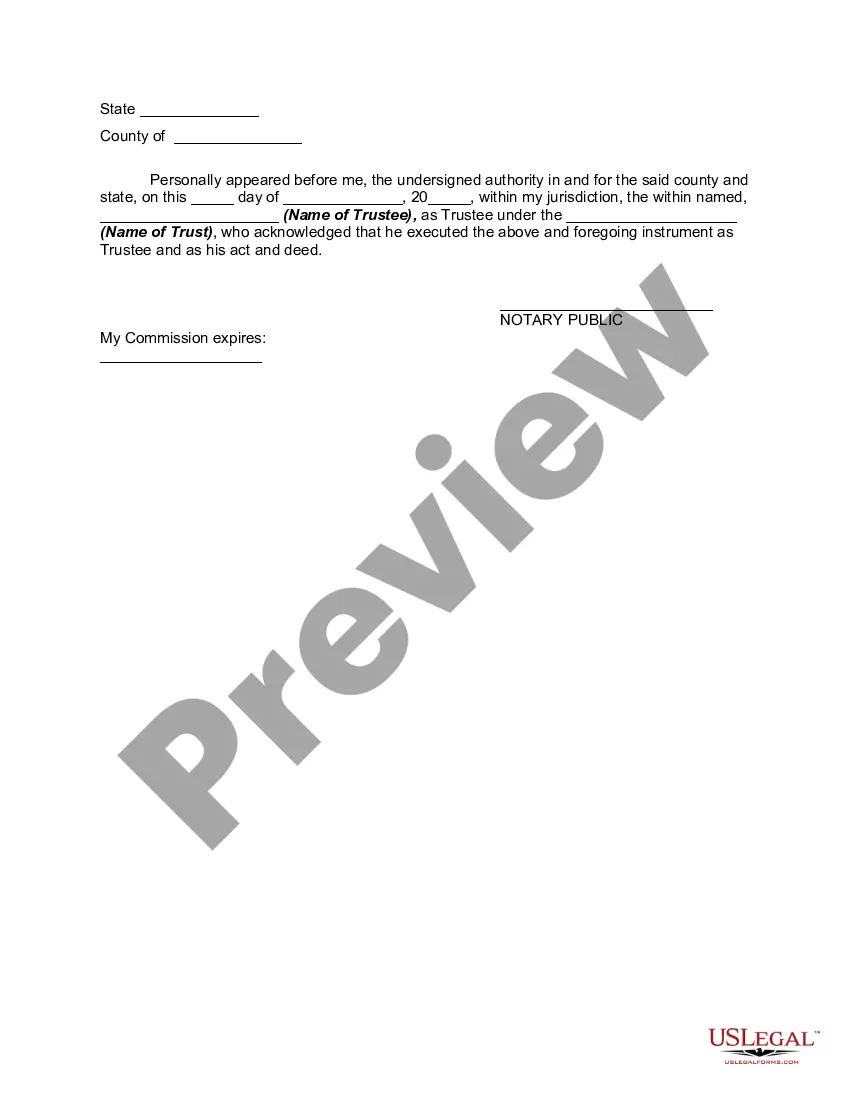
Recording a certificate of trust in Michigan typically isn’t required, but you can share it with relevant entities like banks or real estate agents when necessary. If you're dealing with property that requires validation, presenting the certificate can streamline the process. It’s wise to keep the original in a secure location. To ensure you handle this correctly, consider using templates from US Legal Forms.
In Michigan, a trust does not need to be filed with the court unless it becomes contested or requires court involvement. The creation of a trust generally remains a private matter between the trustor and trustee. However, if your trust holds specific assets that may need court oversight, consulting legal advisors is beneficial. US Legal Forms can help you understand when court involvement might be necessary.
Typically, a certification of trust is prepared by the trustee or an attorney specializing in estate planning. The document requires specific details about the trust, including the trust’s name, date of establishment, and trustee's powers. It is essential to ensure accuracy to avoid issues later. If you need guidance, US Legal Forms provides professional templates for crafting your certification.
You do not need to file a certificate of trust in Michigan. Instead, you should keep it in a safe place, as it serves to provide proof of the trust’s validity. You may need to show this certificate during financial or legal transactions involving the trust. To simplify the creation of your certificate of trust, US Legal Forms offers tailored templates.
In Michigan, a certificate of trust does not have to be recorded with the county clerk's office. However, if you wish to use the certificate of trust for certain transactions, like real estate, you may need to present it to relevant parties. Keeping a copy readily available is advisable to prove the existence of the trust. For assistance with any documentation, consider using the services at US Legal Forms.
In Michigan, trusts do not require formal registration to be effective. However, if a trust holds real estate or certain other assets, it may need to be funded correctly to be valid. Although registration is not necessary, maintaining proper documentation is essential for managing the trust effectively. Utilizing platforms like USLegalForms can help ensure that all paperwork is organized and compliant with state laws.
A trust serves as a comprehensive legal arrangement to manage and distribute assets, while a certification of trust is a document that verifies the trust’s existence and provides key information about it. The trust contains the full set of rules governing the management of assets, while the certification offers a concise summary for third parties without disclosing more sensitive details. This distinction can be crucial for privacy and legal transactions.
To create a certificate of trust in Michigan, you need to provide specific information, including the name of the trust, the name of the trustee, and their powers. Additionally, the certificate should state whether the trust is revocable or irrevocable. It may also need to be signed by the trustee and possibly notarized for verification. Consulting a legal professional or using services like USLegalForms can help you gather all necessary details efficiently.
One significant mistake parents often make when establishing a trust fund is failing to communicate their intentions clearly to their beneficiaries. Without proper guidance, beneficiaries might have unrealistic expectations or misunderstand the trust's purpose. It’s vital to provide transparency and engage in open discussions about the trust's management and the expectations surrounding its distribution, ensuring everyone is on the same page.