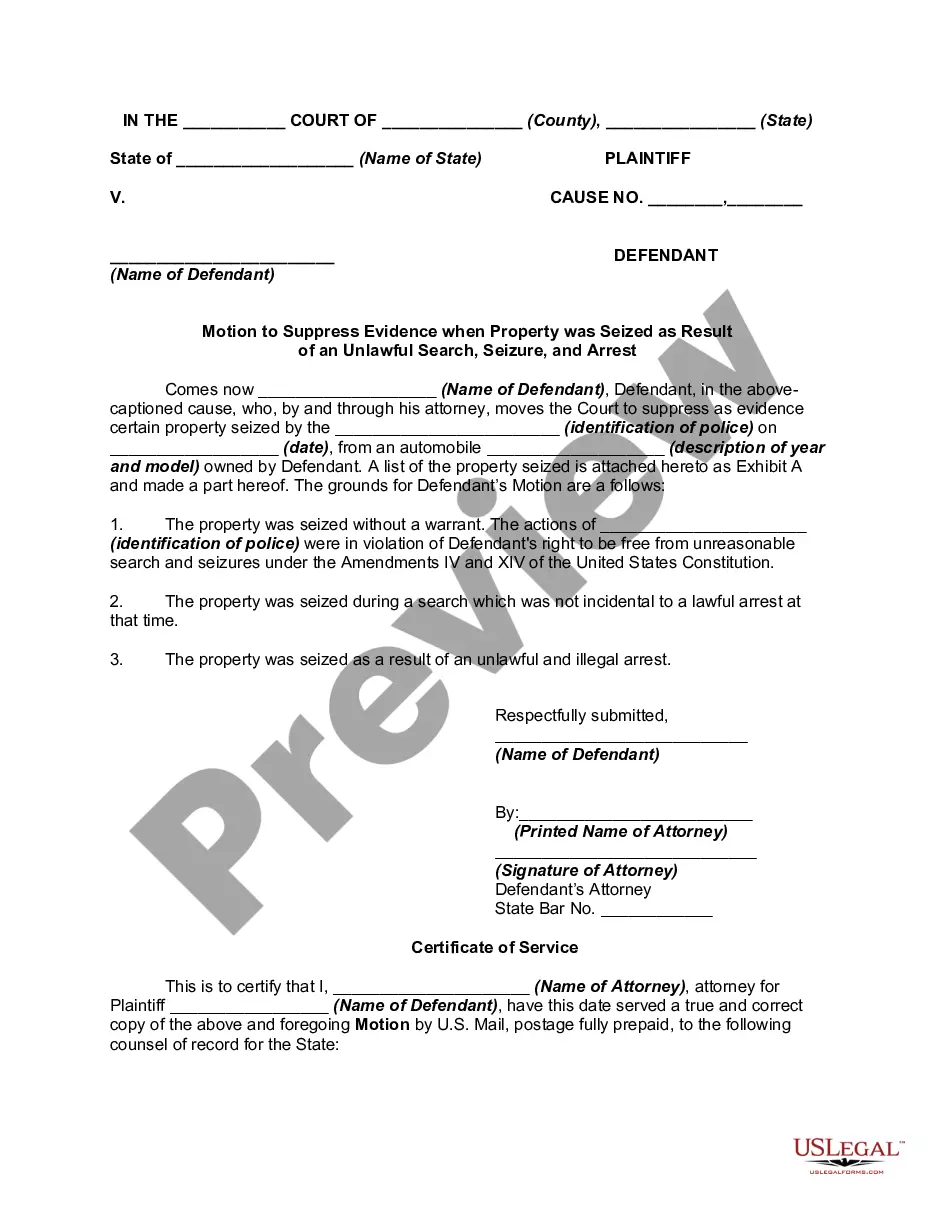
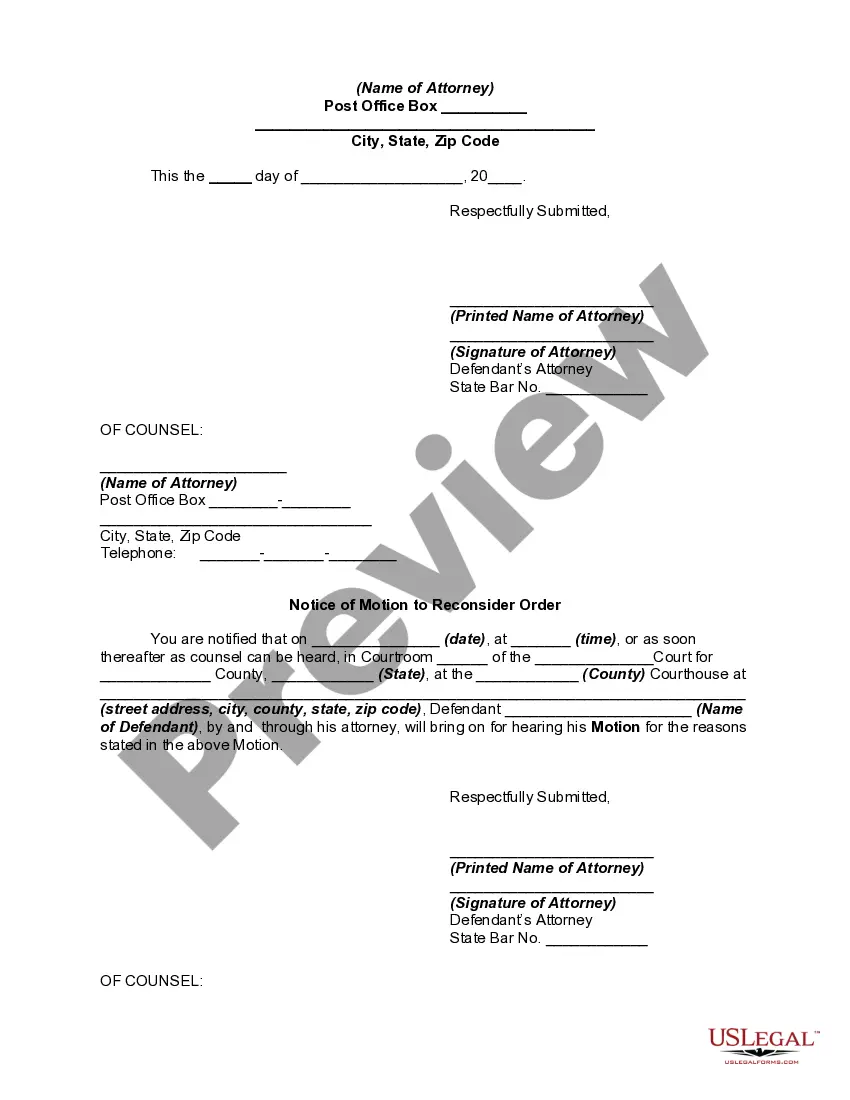
Suppress Evidence Without Consent
Description
Get your form ready online
Our built-in tools help you complete, sign, share, and store your documents in one place.
Make edits, fill in missing information, and update formatting in US Legal Forms—just like you would in MS Word.
Download a copy, print it, send it by email, or mail it via USPS—whatever works best for your next step.
Sign and collect signatures with our SignNow integration. Send to multiple recipients, set reminders, and more. Go Premium to unlock E-Sign.
If this form requires notarization, complete it online through a secure video call—no need to meet a notary in person or wait for an appointment.
We protect your documents and personal data by following strict security and privacy standards.

Make edits, fill in missing information, and update formatting in US Legal Forms—just like you would in MS Word.

Download a copy, print it, send it by email, or mail it via USPS—whatever works best for your next step.

Sign and collect signatures with our SignNow integration. Send to multiple recipients, set reminders, and more. Go Premium to unlock E-Sign.

If this form requires notarization, complete it online through a secure video call—no need to meet a notary in person or wait for an appointment.

We protect your documents and personal data by following strict security and privacy standards.
Looking for another form?

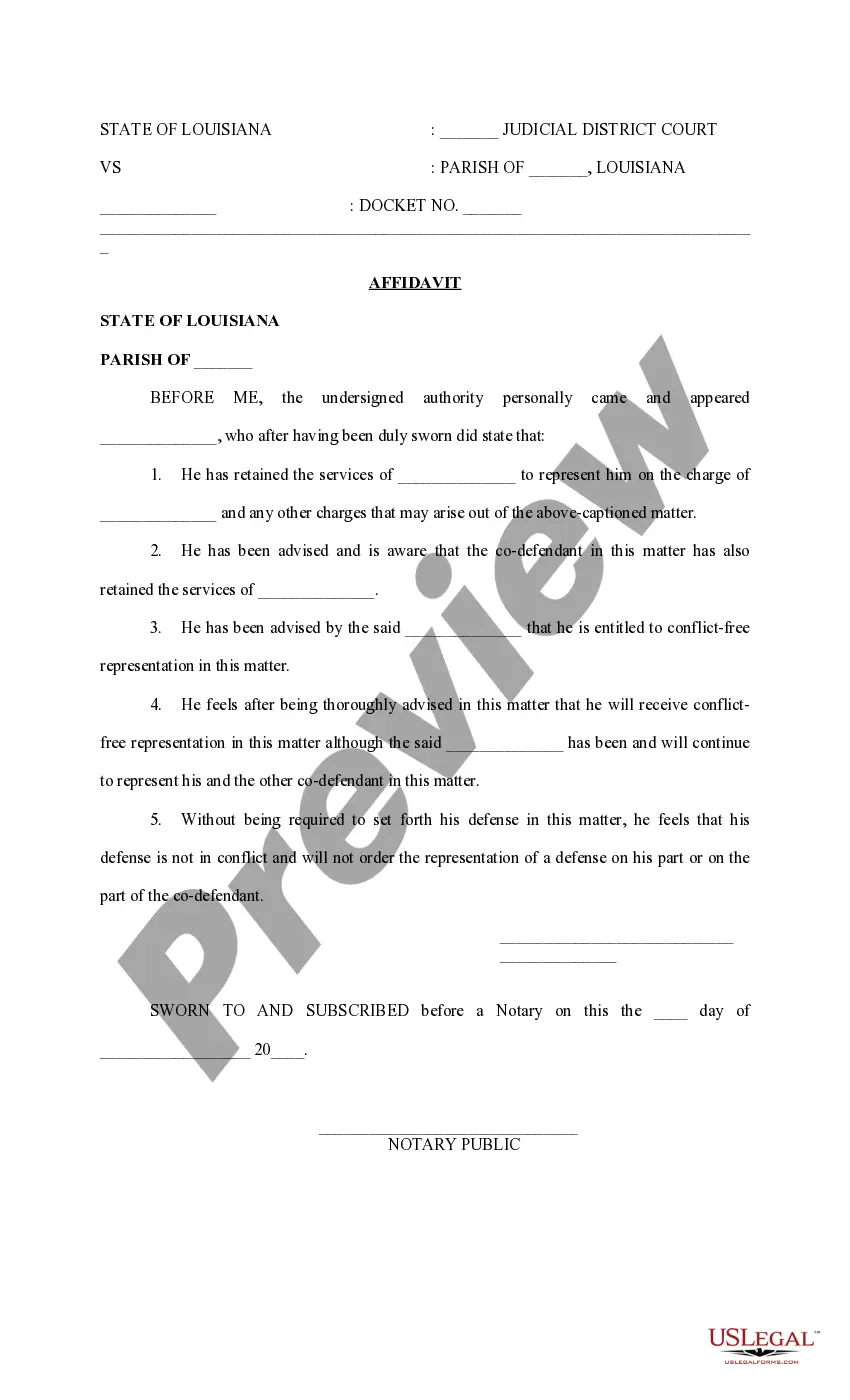
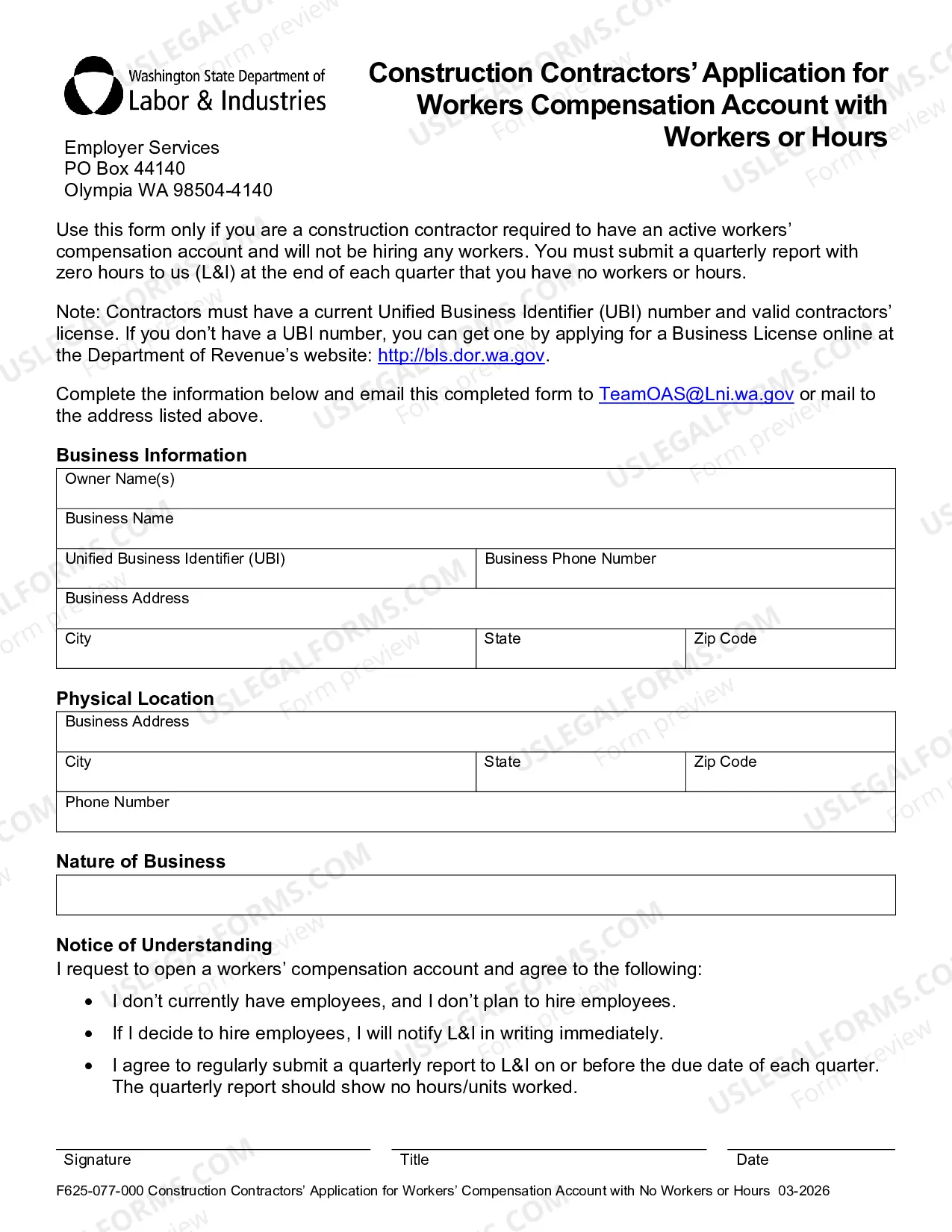
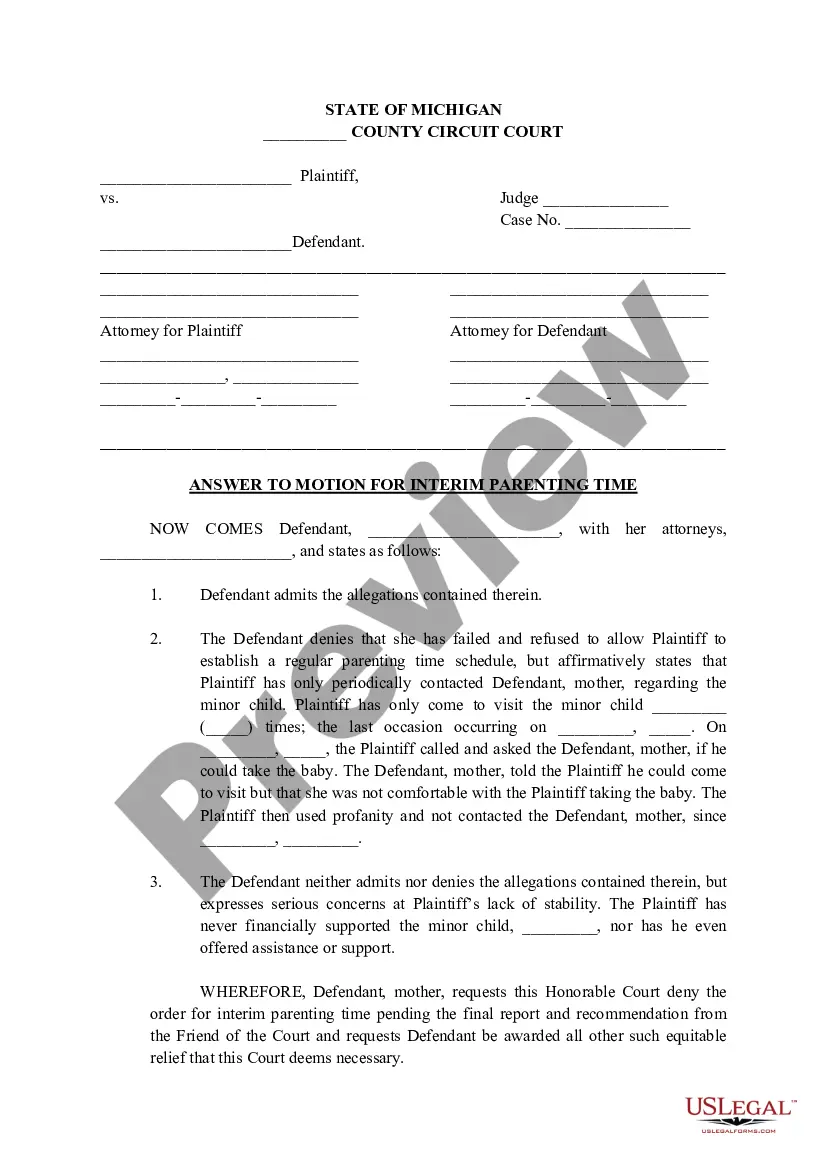
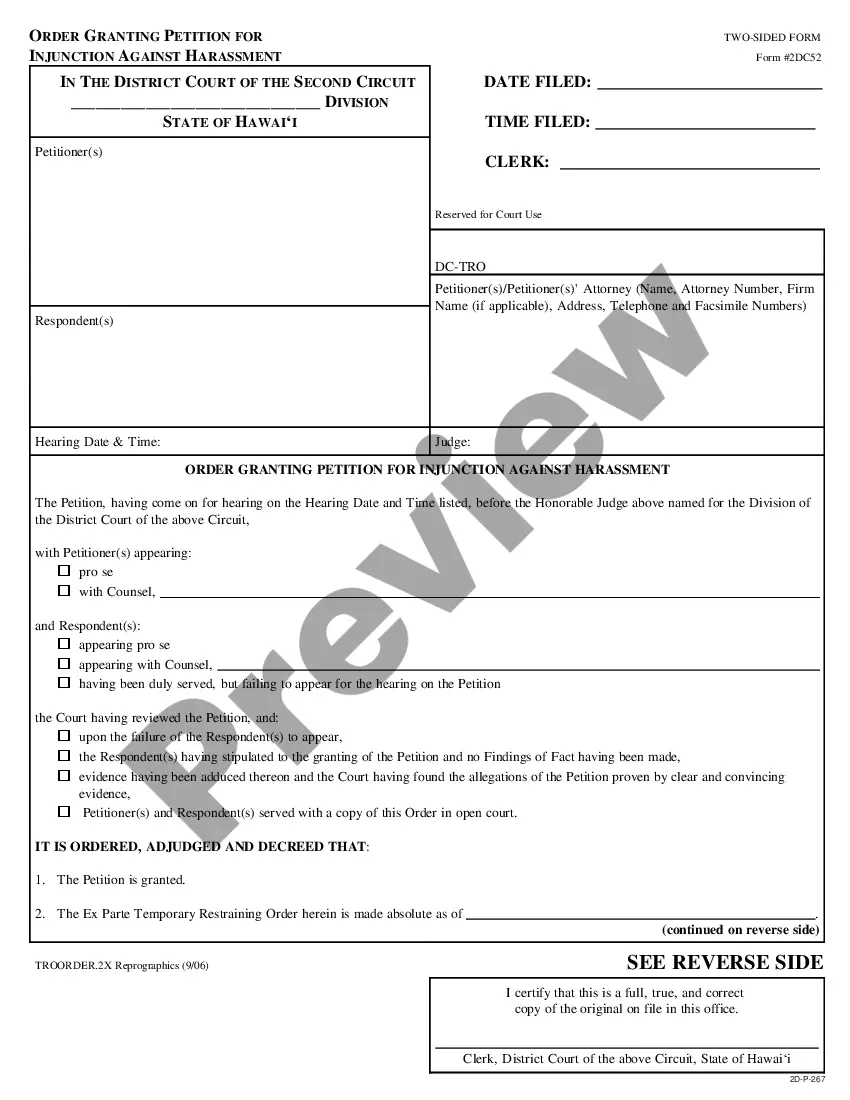
How to fill out Motion To Suppress Evidence When Property Was Seized As Result Of An Unlawful Search, Seizure, And Arrest?
Engaging with legal documents and procedures can be a lengthy addition to your whole day.
Suppress Evidence Without Consent and similar forms frequently necessitate that you locate them and navigate the path to complete them efficiently.
Consequently, whether you are managing financial, legal, or personal issues, utilizing a comprehensive and functional online catalog of forms at your convenience will prove beneficial.
US Legal Forms is the premier online platform for legal templates, featuring over 85,000 state-specific forms and a range of resources that will assist you in finalizing your documents swiftly.
Is this your first experience with US Legal Forms? Sign up and create a free account in a matter of minutes and you’ll gain access to the form catalog and Suppress Evidence Without Consent. After that, follow the steps outlined below to complete your form: Make sure you have the correct form using the Preview feature and reviewing the form description. Select Buy Now when prepared, and choose the subscription plan that suits your requirements. Click Download, then fill out, eSign, and print the form. US Legal Forms has twenty-five years of expertise helping users manage their legal documents. Acquire the form you need today and simplify any procedure without undue effort.
- Explore the collection of relevant documents available to you with just a single click.
- US Legal Forms offers state- and county-specific forms available for download at any time.
- Protect your document handling processes with a high-quality service that enables you to prepare any form in minutes without incurring additional or hidden charges.
- Simply Log In to your account, locate Suppress Evidence Without Consent, and obtain it immediately from the My documents section.
- You can also access previously saved forms.
Form popularity
FAQ
An example of a suppressed evidence fallacy occurs when a lawyer presents only the evidence that supports their case, while ignoring evidence that contradicts it. For instance, if a prosecutor fails to disclose exculpatory evidence, this practice can lead to a wrongful conviction. Understanding how to suppress evidence without consent can illuminate the ethical responsibilities of legal professionals.
The fallacy of presumption includes cases where arguments are based on incomplete evidence, often dismissing critical facts. When someone suppresses evidence without consent, they may presume guilt or innocence based on the selected information presented. Such reasoning undermines the integrity of any legal argument and highlights the importance of examining all evidence thoroughly.
Three exceptions to the exclusionary rule are "attenuation of the taint," "independent source," and "inevitable discovery."
While in general, on a motion to suppress, the defendant has the burden of proving, by a preponderance of the evidence, that the material in question was seized in violation of his constitutional rights, there are several situations where the burden shifts to the government. United States v.
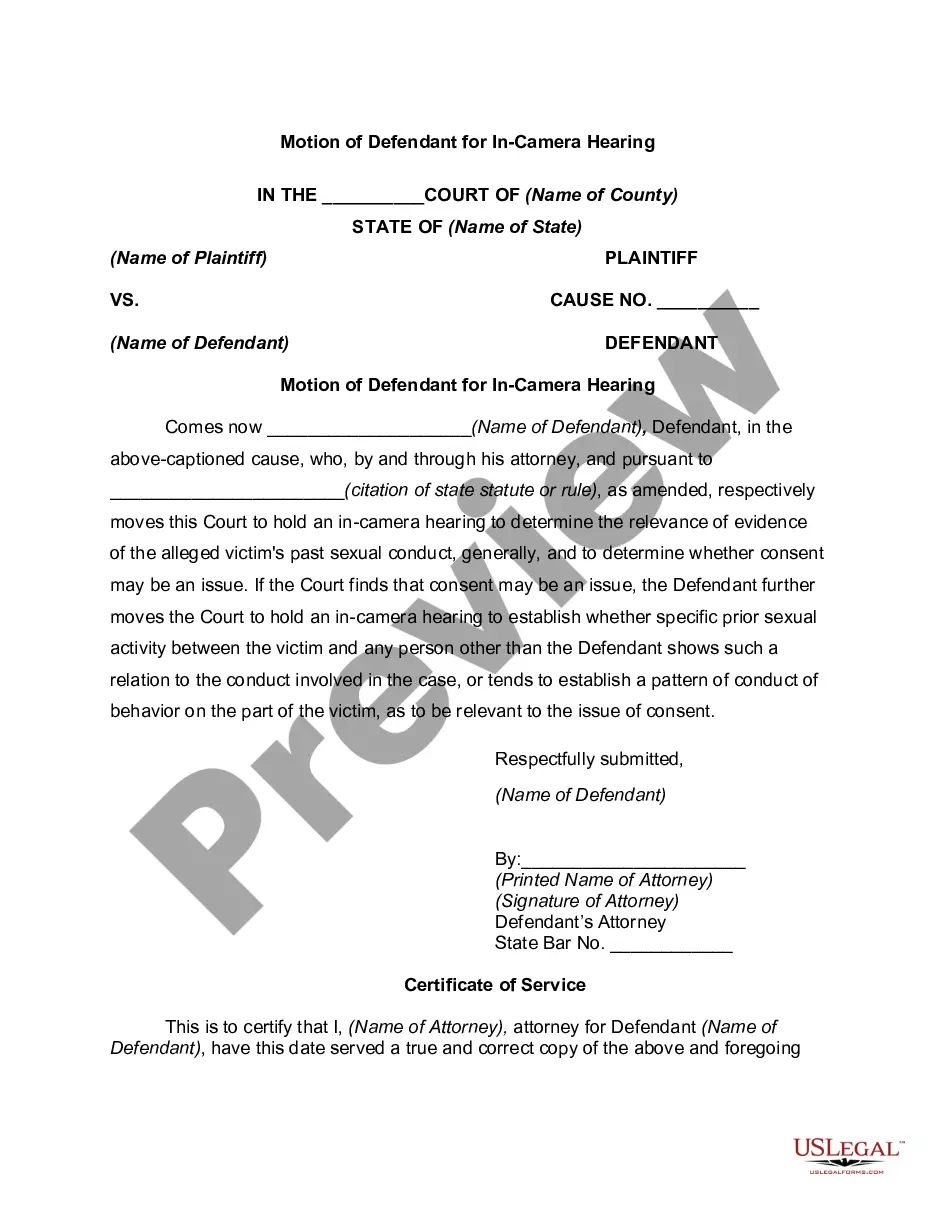
Here are some common legal grounds or reasons to file a motion to suppress: The evidence was obtained from an unlawful arrest or traffic stop. The law enforcement officers obtained evidence or testimonies from the offender through Miranda rights violations. The evidence was obtained through unlawful search or seizure.
The concept of a motion to suppress is based on the ?exclusionary rule.? The exclusionary rule, grounded in the Fourth Amendment, excludes from trial evidence obtained in violation of a defendant's constitutional rights and protects citizens from unlawful searches and seizures.
Your attorney can request to argue the motion to suppress during a pretrial hearing (e.g., arraignment). However, arguments will be limited to pieces of evidence that the prosecution is likely to introduce during that specific hearing.