Washington State Irrevocable Trust Laws
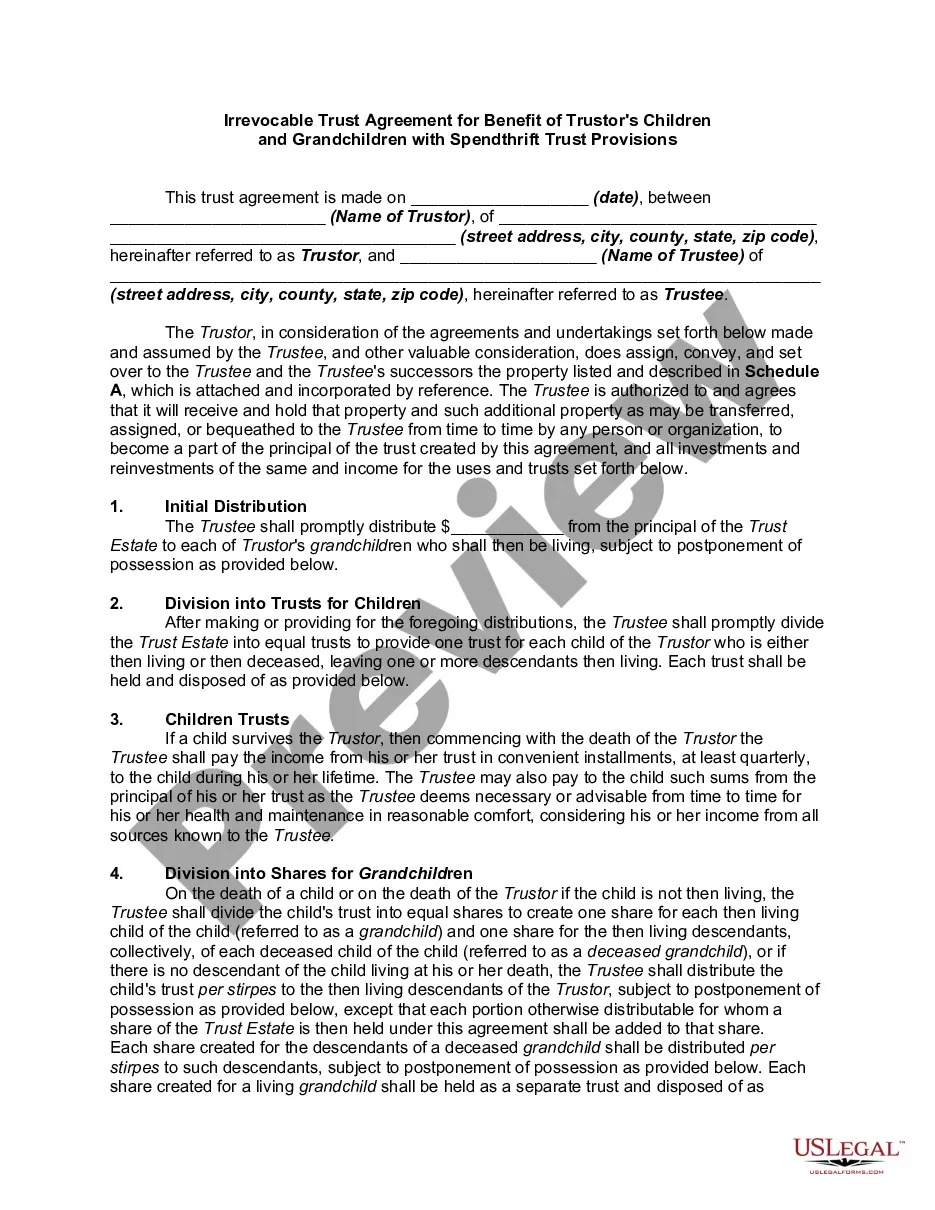
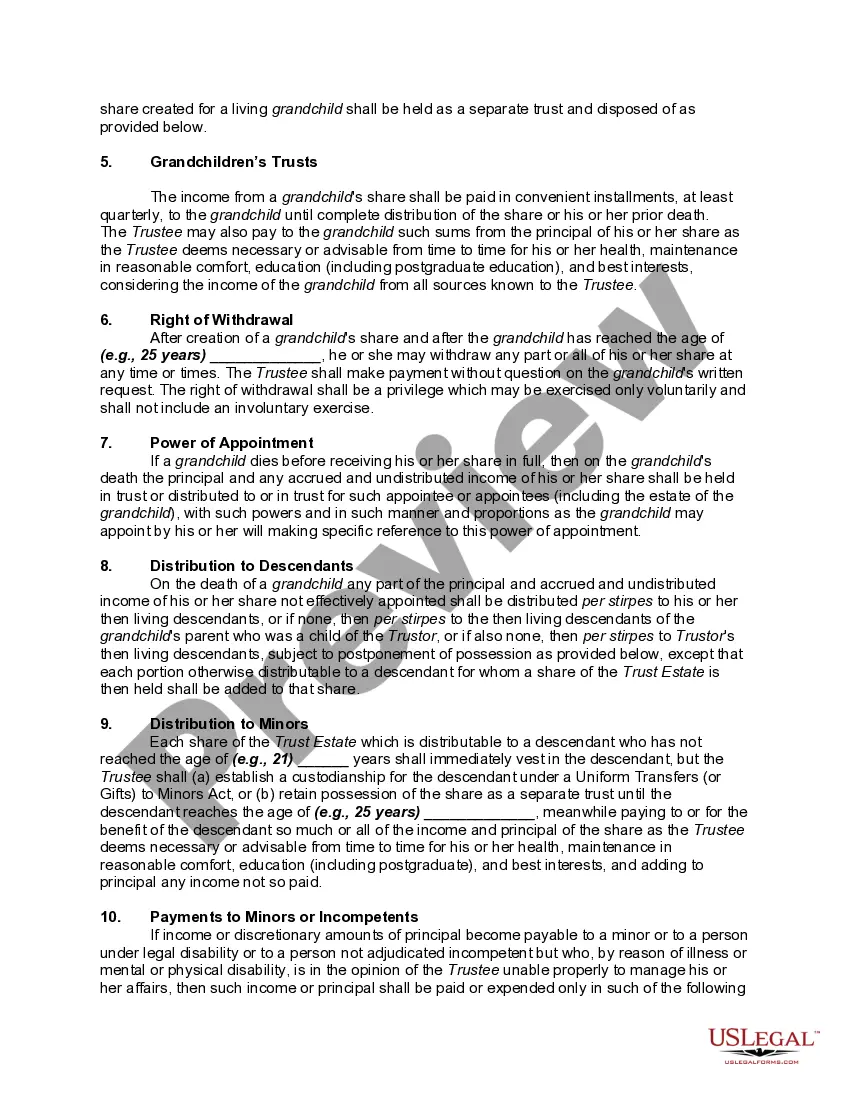
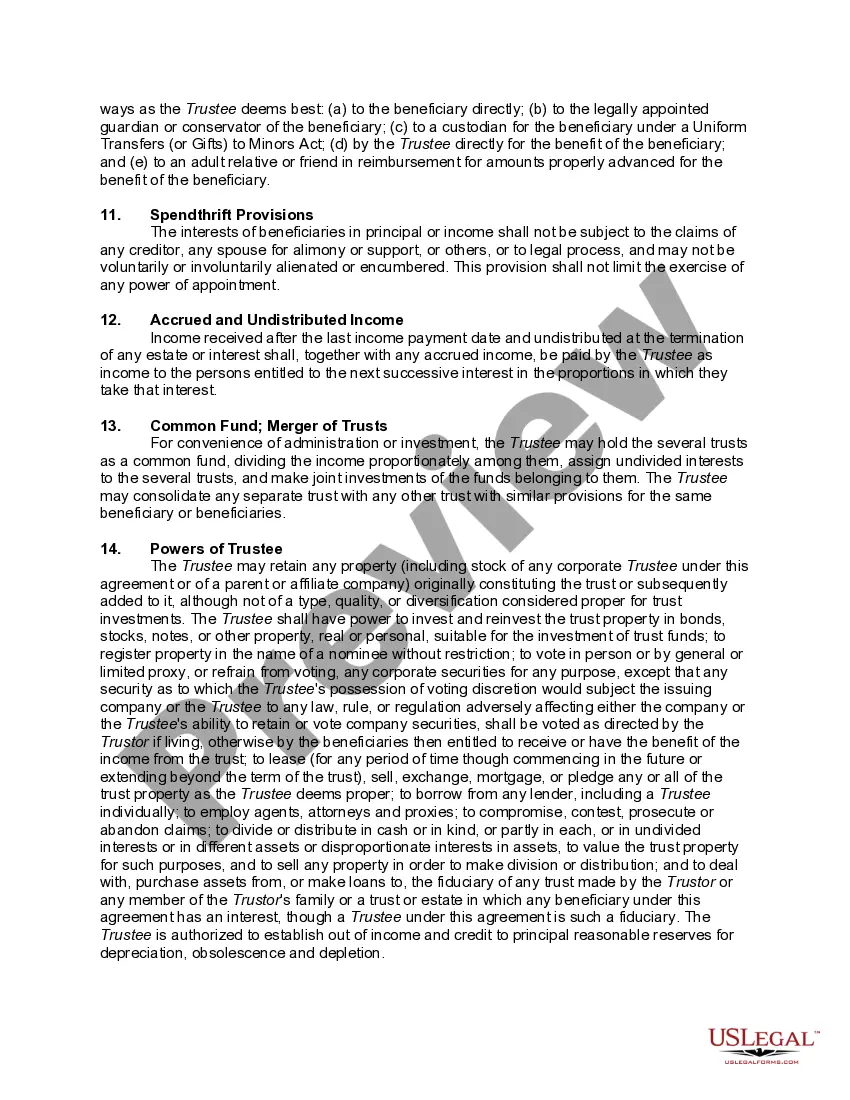
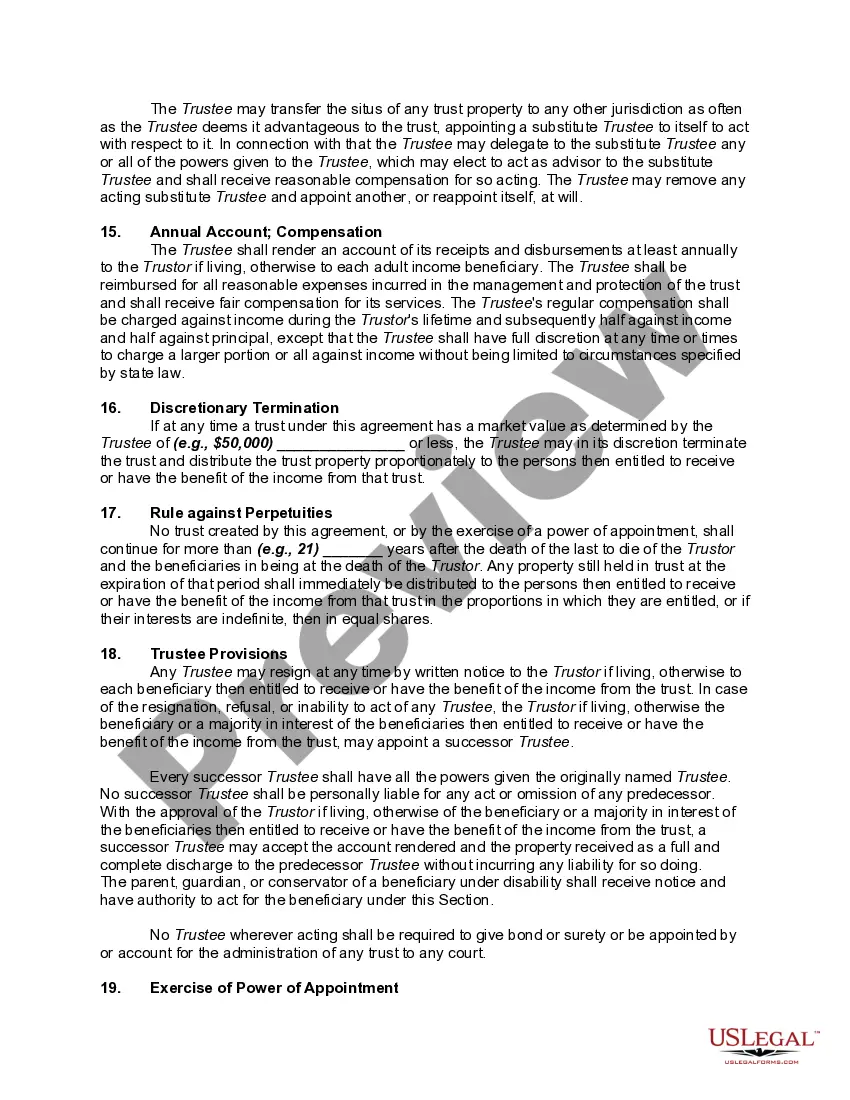
Description
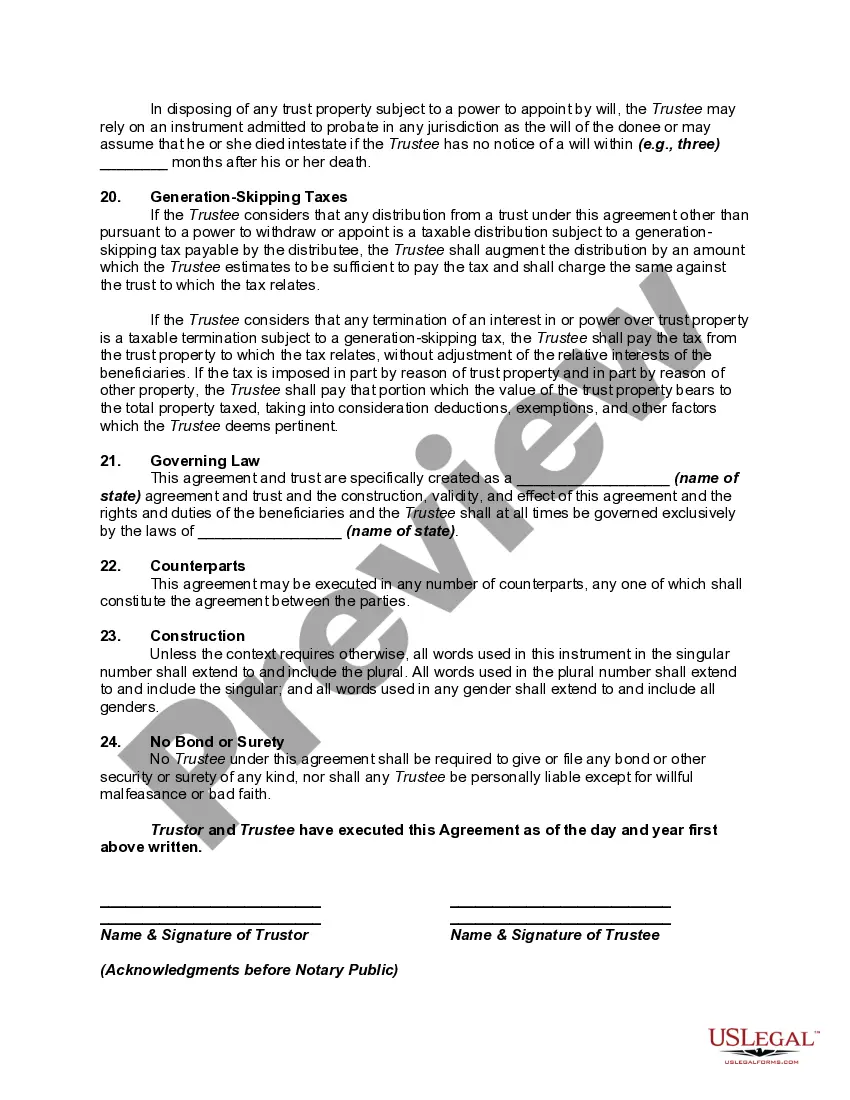


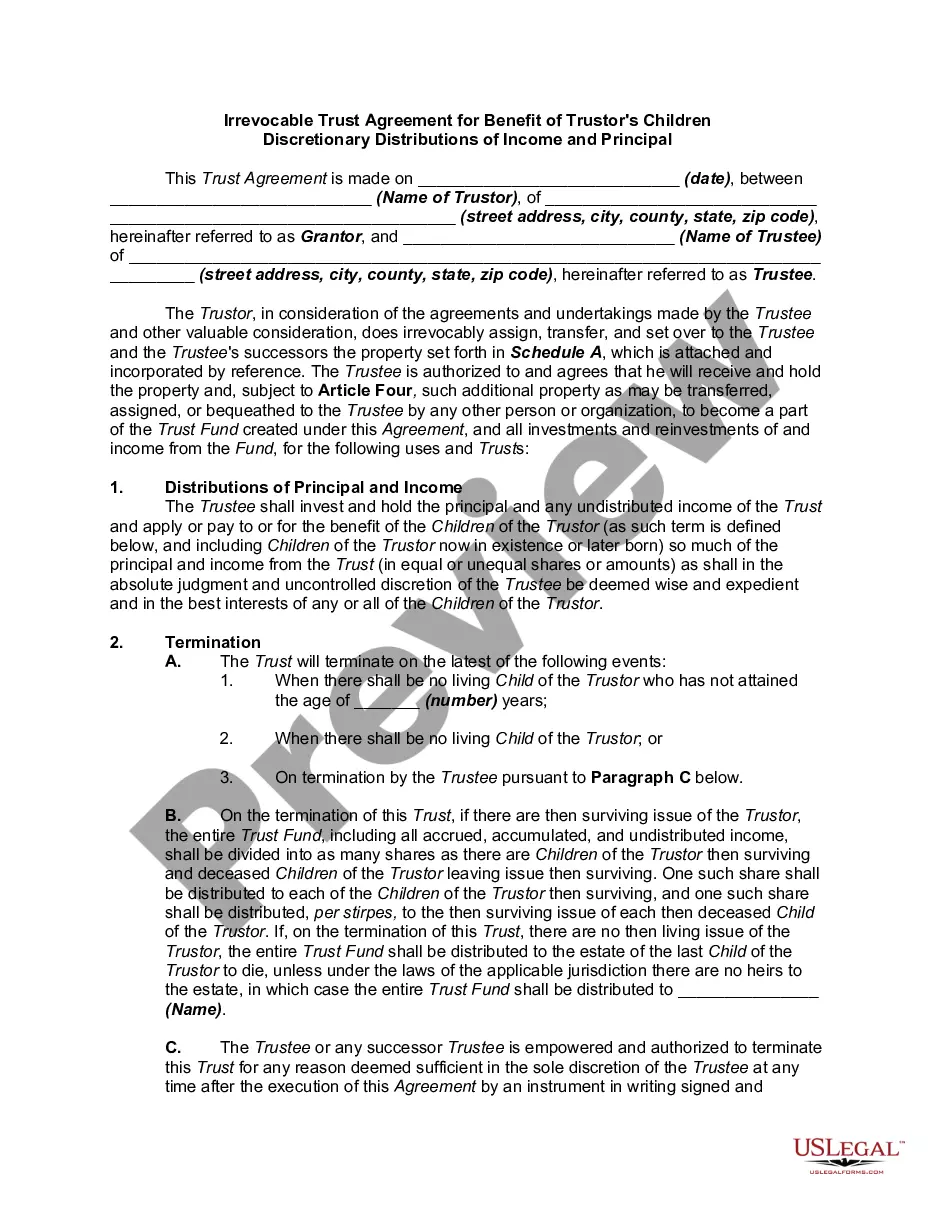
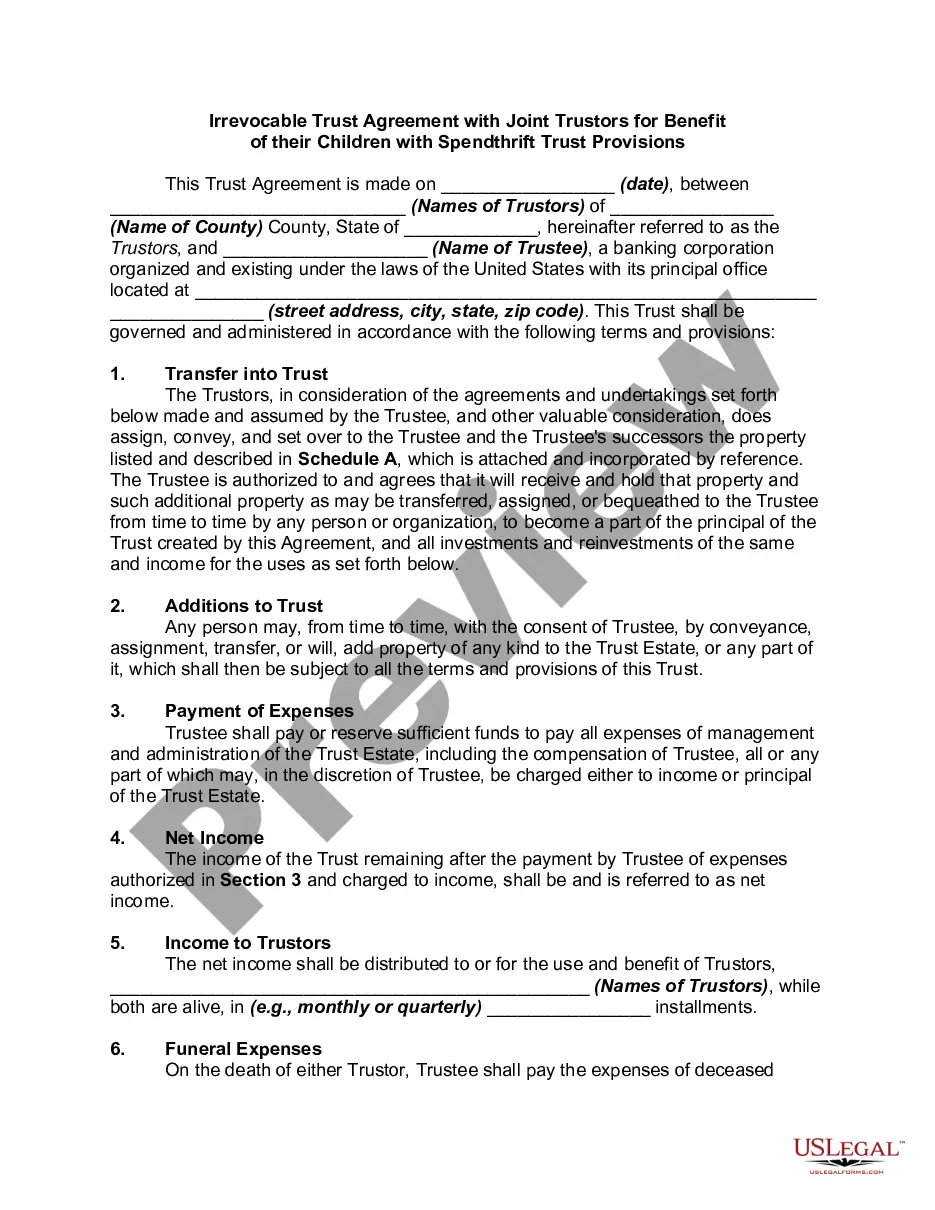
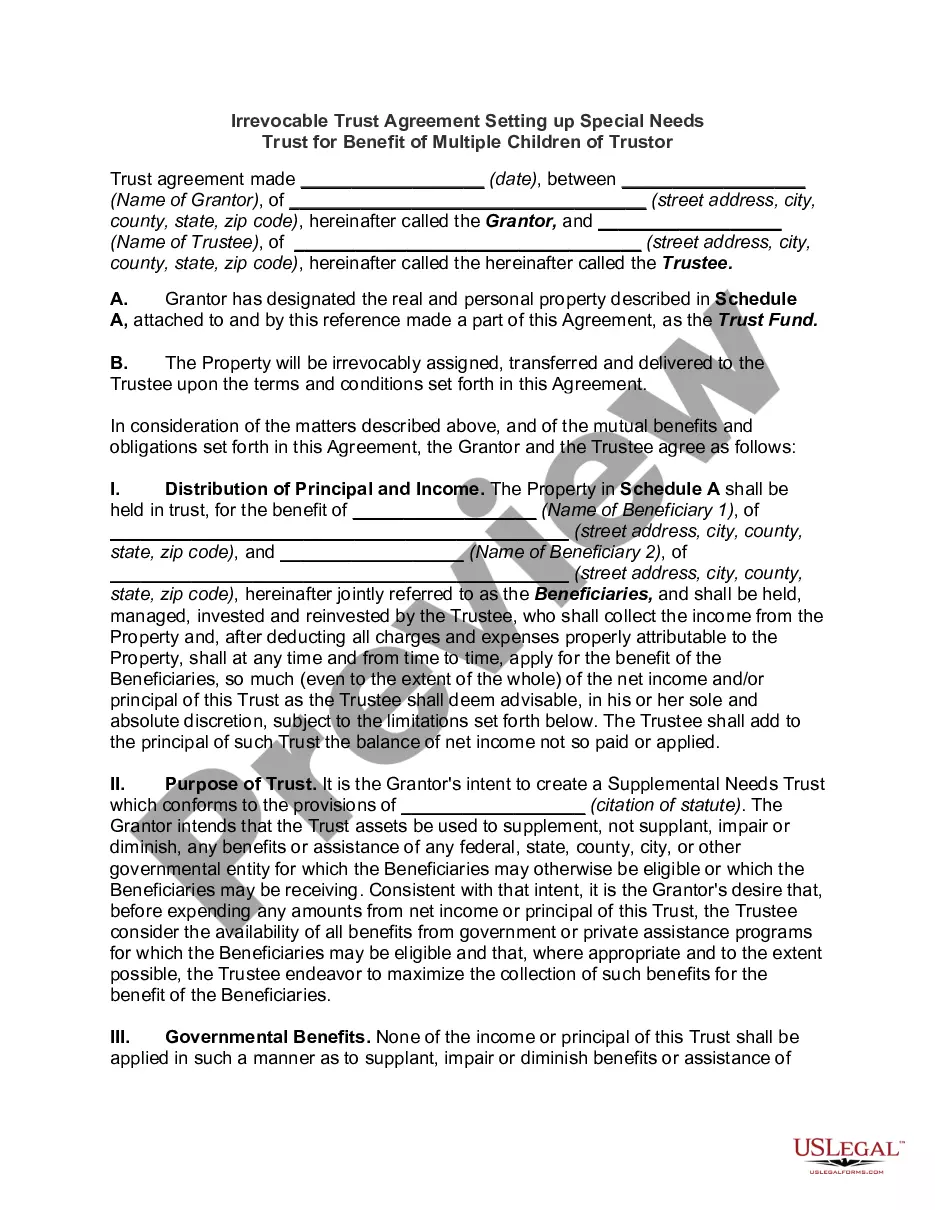
Get your form ready online
Our built-in tools help you complete, sign, share, and store your documents in one place.
Make edits, fill in missing information, and update formatting in US Legal Forms—just like you would in MS Word.
Download a copy, print it, send it by email, or mail it via USPS—whatever works best for your next step.
Sign and collect signatures with our SignNow integration. Send to multiple recipients, set reminders, and more. Go Premium to unlock E-Sign.
If this form requires notarization, complete it online through a secure video call—no need to meet a notary in person or wait for an appointment.
We protect your documents and personal data by following strict security and privacy standards.

Make edits, fill in missing information, and update formatting in US Legal Forms—just like you would in MS Word.

Download a copy, print it, send it by email, or mail it via USPS—whatever works best for your next step.

Sign and collect signatures with our SignNow integration. Send to multiple recipients, set reminders, and more. Go Premium to unlock E-Sign.

If this form requires notarization, complete it online through a secure video call—no need to meet a notary in person or wait for an appointment.

We protect your documents and personal data by following strict security and privacy standards.
Looking for another form?
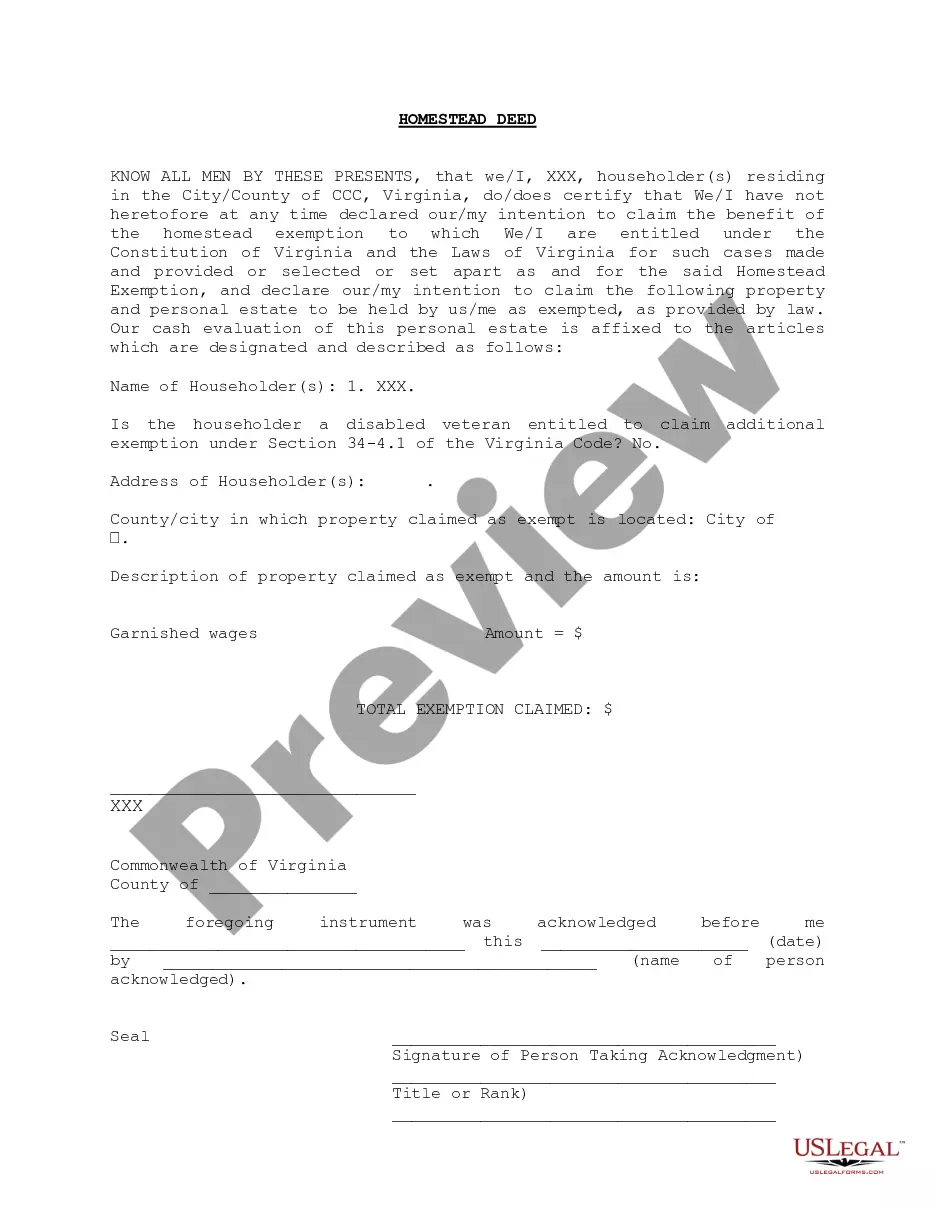
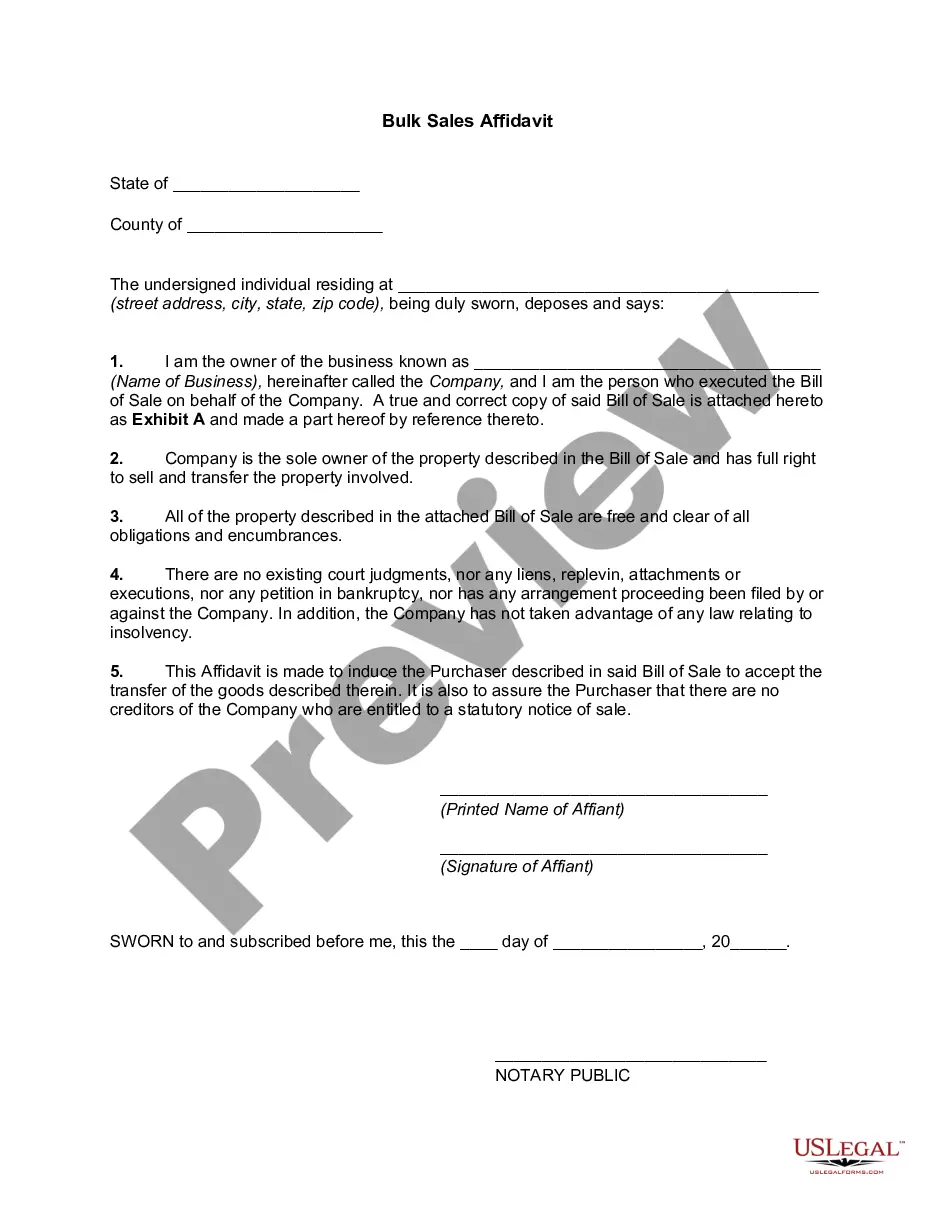
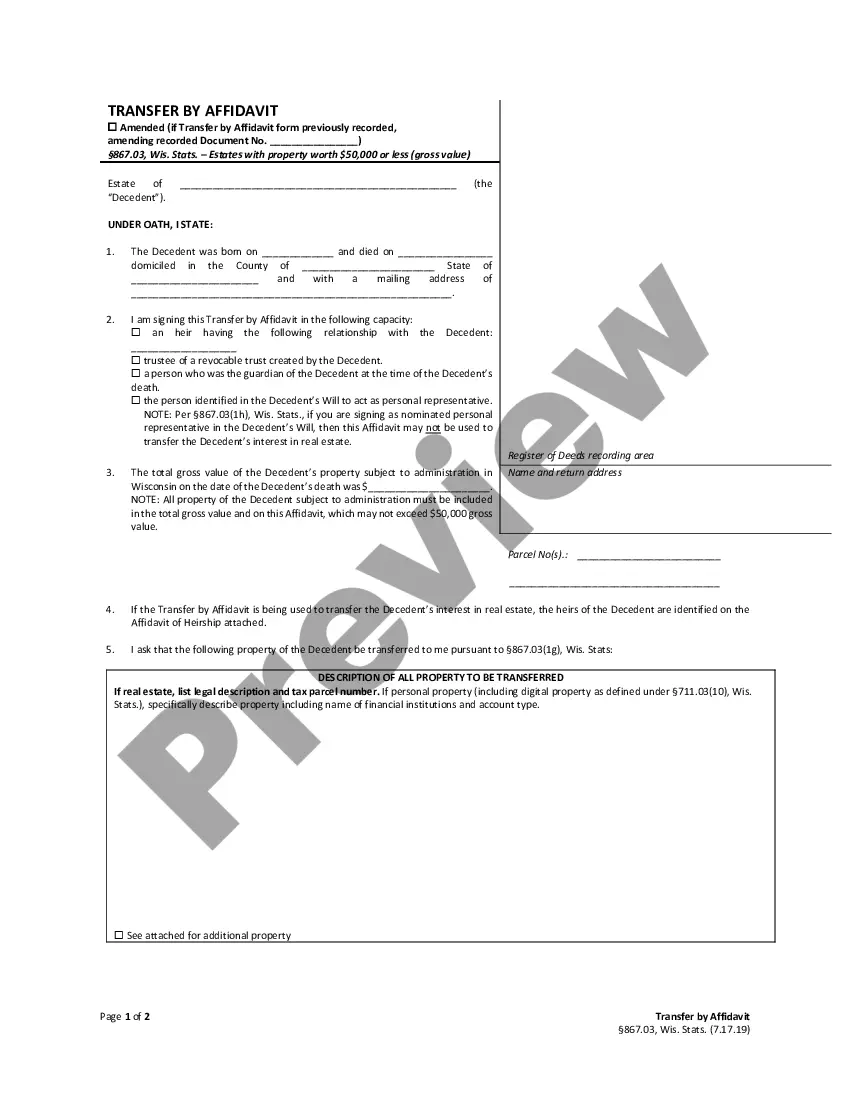




How to fill out Irrevocable Trust Agreement For Benefit Of Trustor's Children And Grandchildren With Spendthrift Trust Provisions?
Creating legal documents from scratch can frequently feel daunting.
Certain cases might require extensive research and substantial financial investment.
If you're searching for a more straightforward and cost-effective method of crafting Washington State Irrevocable Trust Laws or any other documents without unnecessary complications, US Legal Forms is always available to assist you.
Our online repository containing over 85,000 contemporary legal documents encompasses nearly every facet of your financial, legal, and personal affairs. With just a few clicks, you can effortlessly access state- and county-compliant forms expertly designed for you by our legal professionals.
Examine the document preview and descriptions to ensure you are on the correct form. Verify if the form you choose meets the standards of your state and county. Select the most appropriate subscription option to acquire the Washington State Irrevocable Trust Laws. Download the file. Then fill it out, sign it, and print it. US Legal Forms has a solid reputation and over 25 years of experience. Join us now and make form execution an effortless and streamlined process!
- Utilize our website whenever you require dependable and trustworthy services through which you can easily find and download the Washington State Irrevocable Trust Laws.
- If you are familiar with our services and have previously created an account with us, simply Log In to your account, choose the form, and download it or re-download it at any time later in the My documents section.
- Don't have an account? No worries. Setting it up takes just a few minutes, and you can navigate the library easily.
- However, before diving directly into downloading the Washington State Irrevocable Trust Laws, consider these suggestions.
Form popularity
FAQ
Protecting your assets from Medicaid requires strategy and understanding of Washington state irrevocable trust laws. An irrevocable trust can shield assets from being counted towards Medicaid eligibility. It’s advisable to consult with a legal expert to ensure compliance with regulations while safeguarding your financial future.
Disadvantages of a trust deed If you do not cooperate with the trustee, they can try to make you bankrupt. You cannot continue to be the director of a limited company unless your trustee agrees and unless the rules of the limited company allow you to enter into a trust deed.
A trust deed is a legal document that sets out the rules for establishing and operating your fund. It includes such things as the fund's objectives, who can be a member and whether benefits can be paid as a lump sum or income stream. The trust deed and super laws together form the fund's governing rules.
Law shall not prevent a person (not holding himself out as a practicing attorney) from writing a deed, mortgage, or will.
However, preparation of deeds and mortgages constitutes the practice of law and must be prepared by an attorney.
The main difference between a deed and a deed of trust is that a deed is a transfer of ownership, while a deed of trust is a security interest. A deed of trust is used to secure a loan, while a deed is used to transfer ownership of a property.