Trust Domains
Description
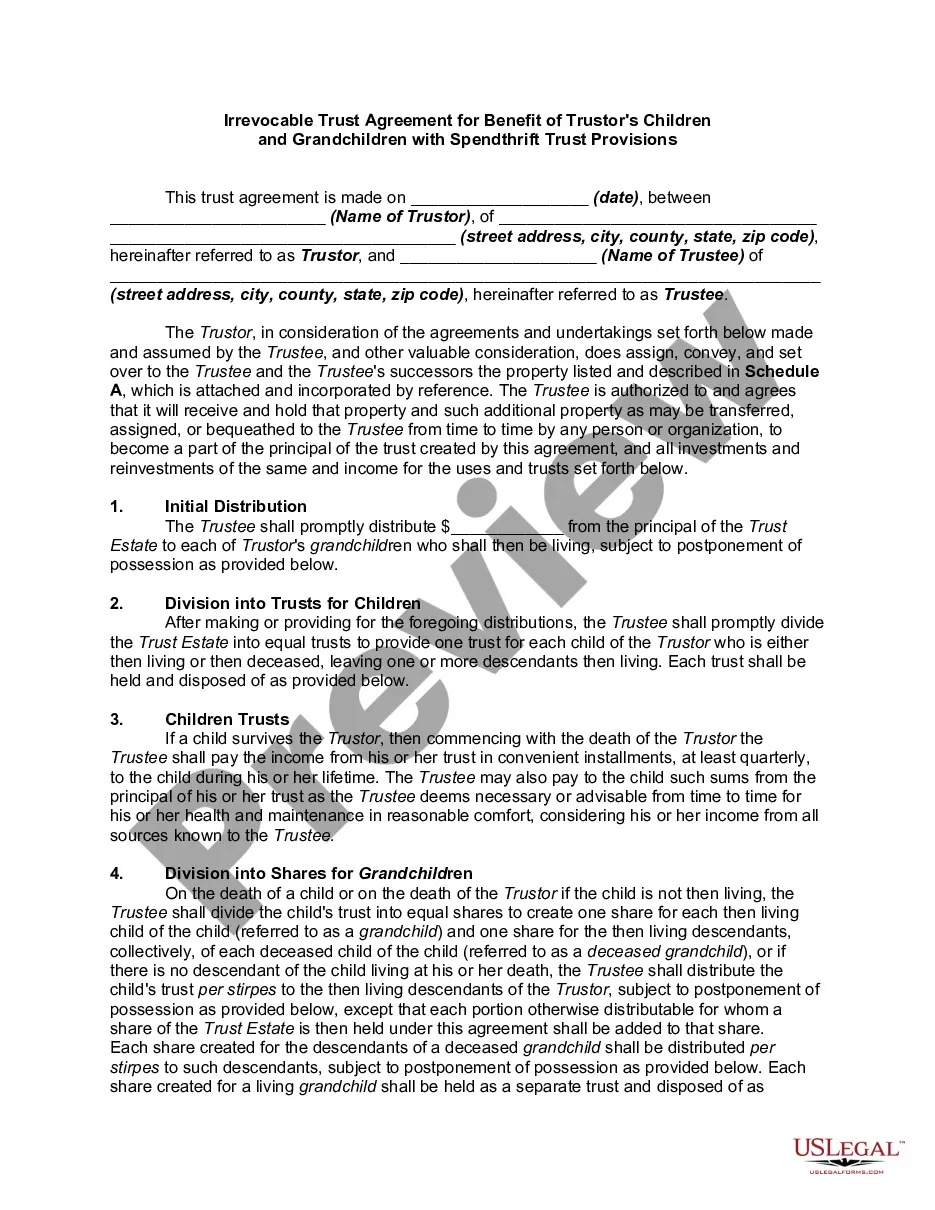
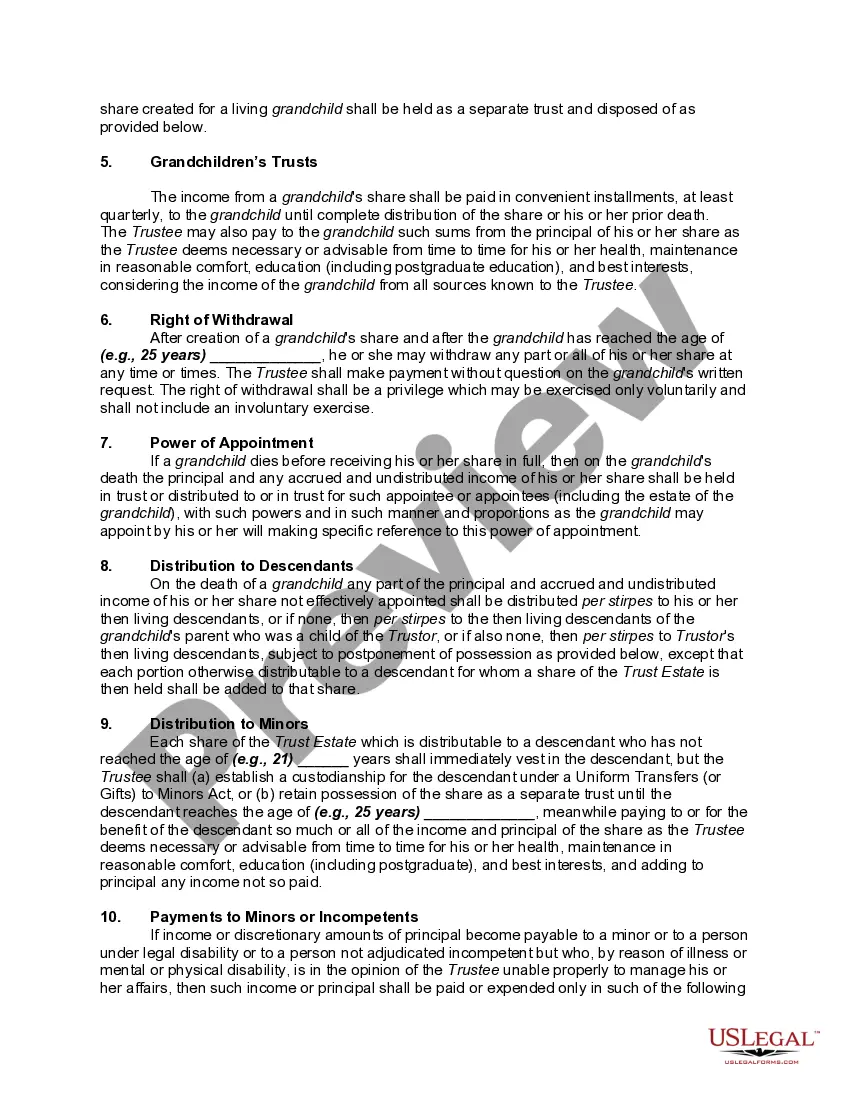
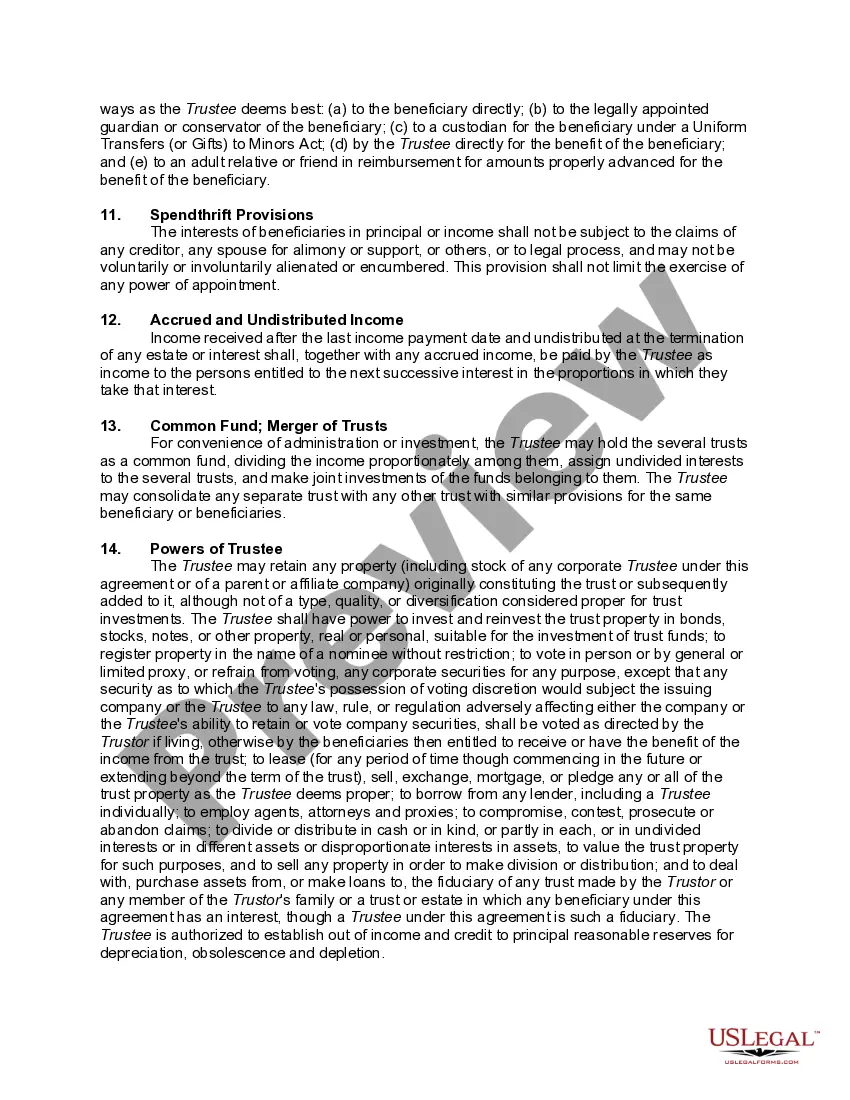
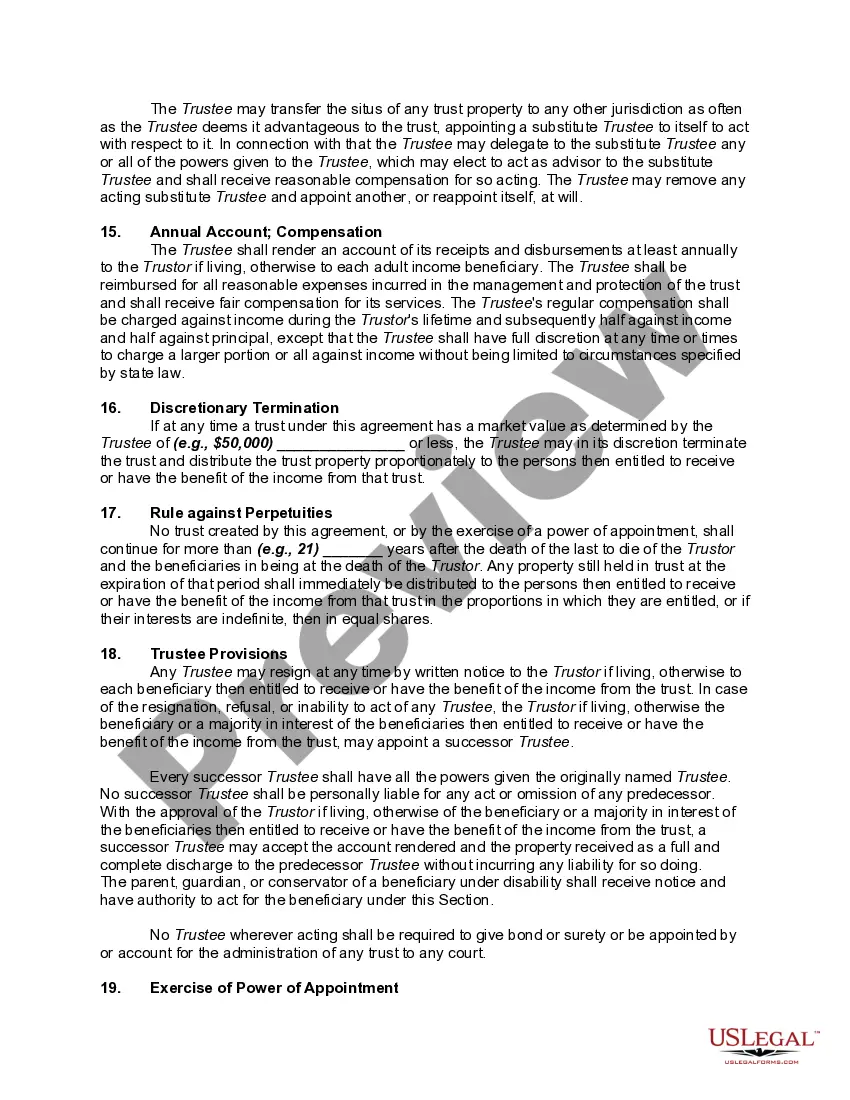
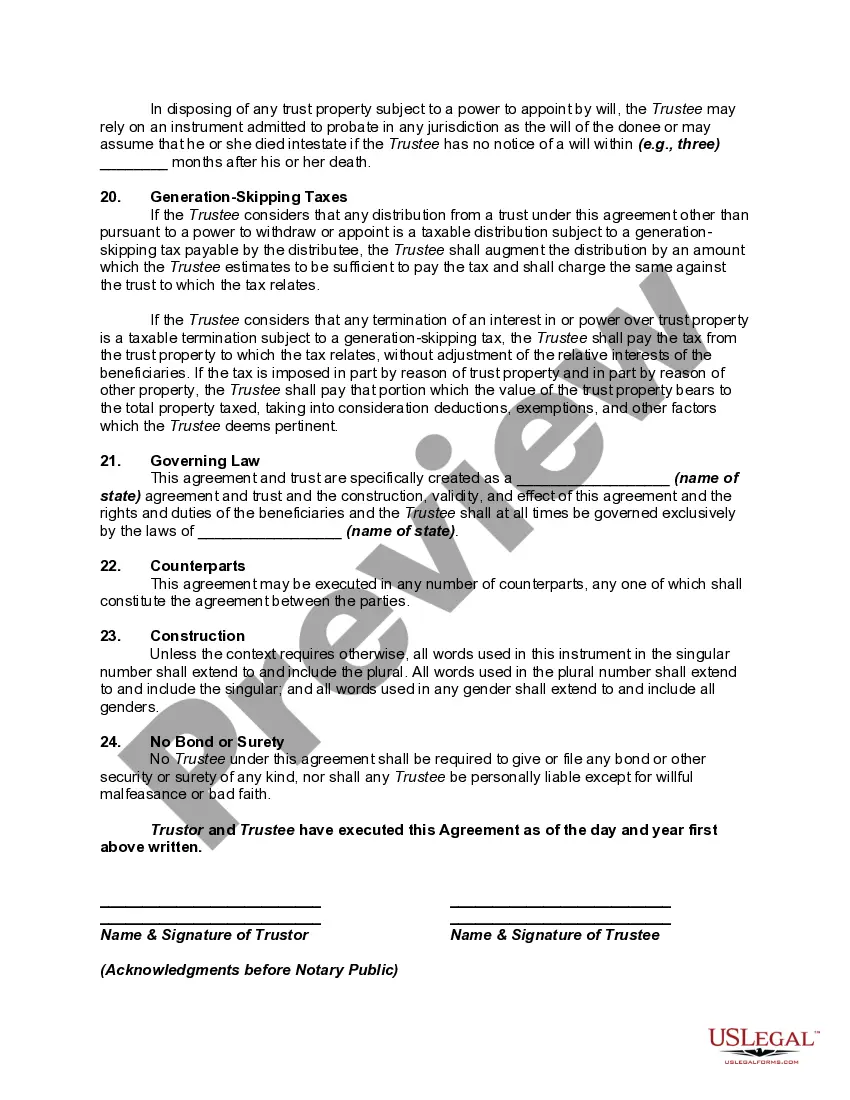

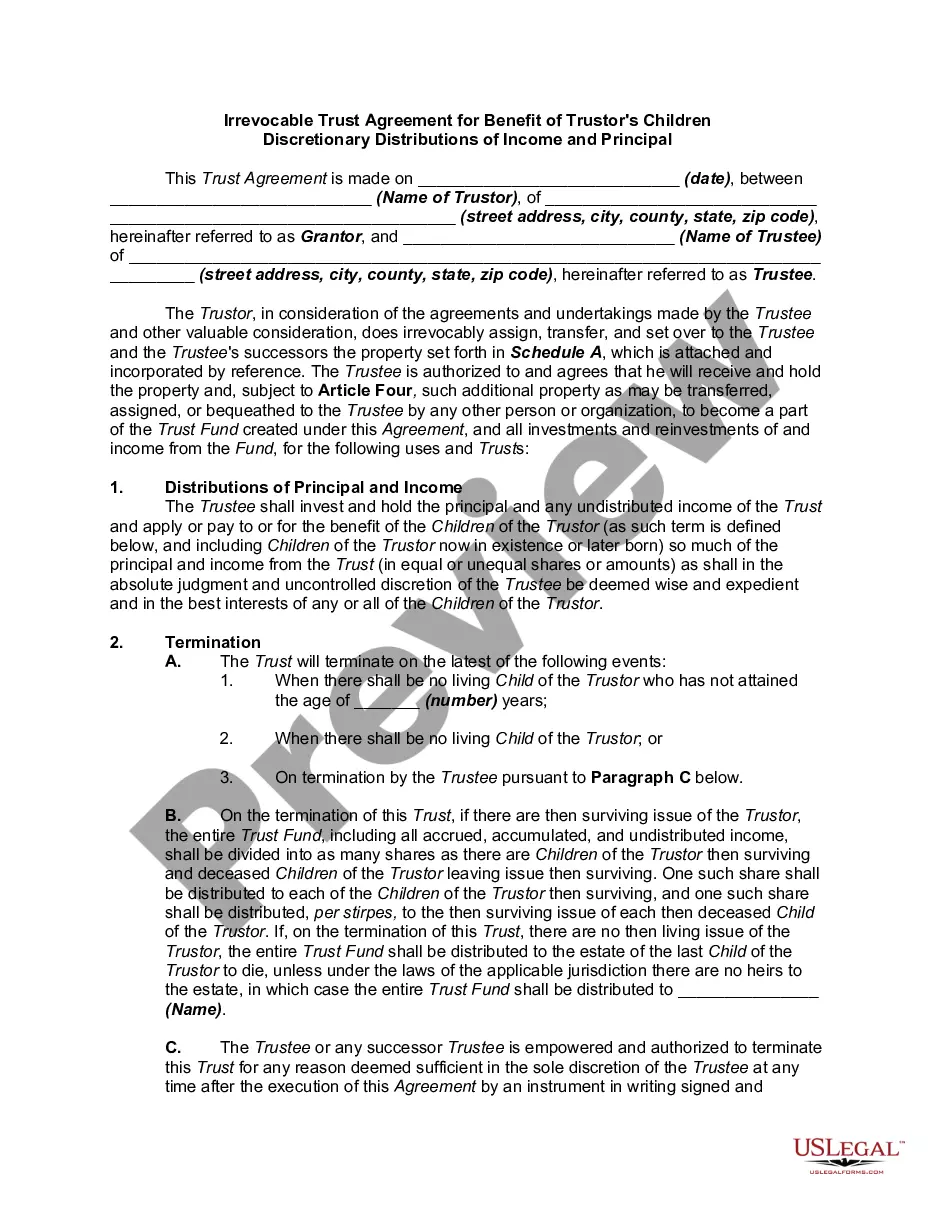
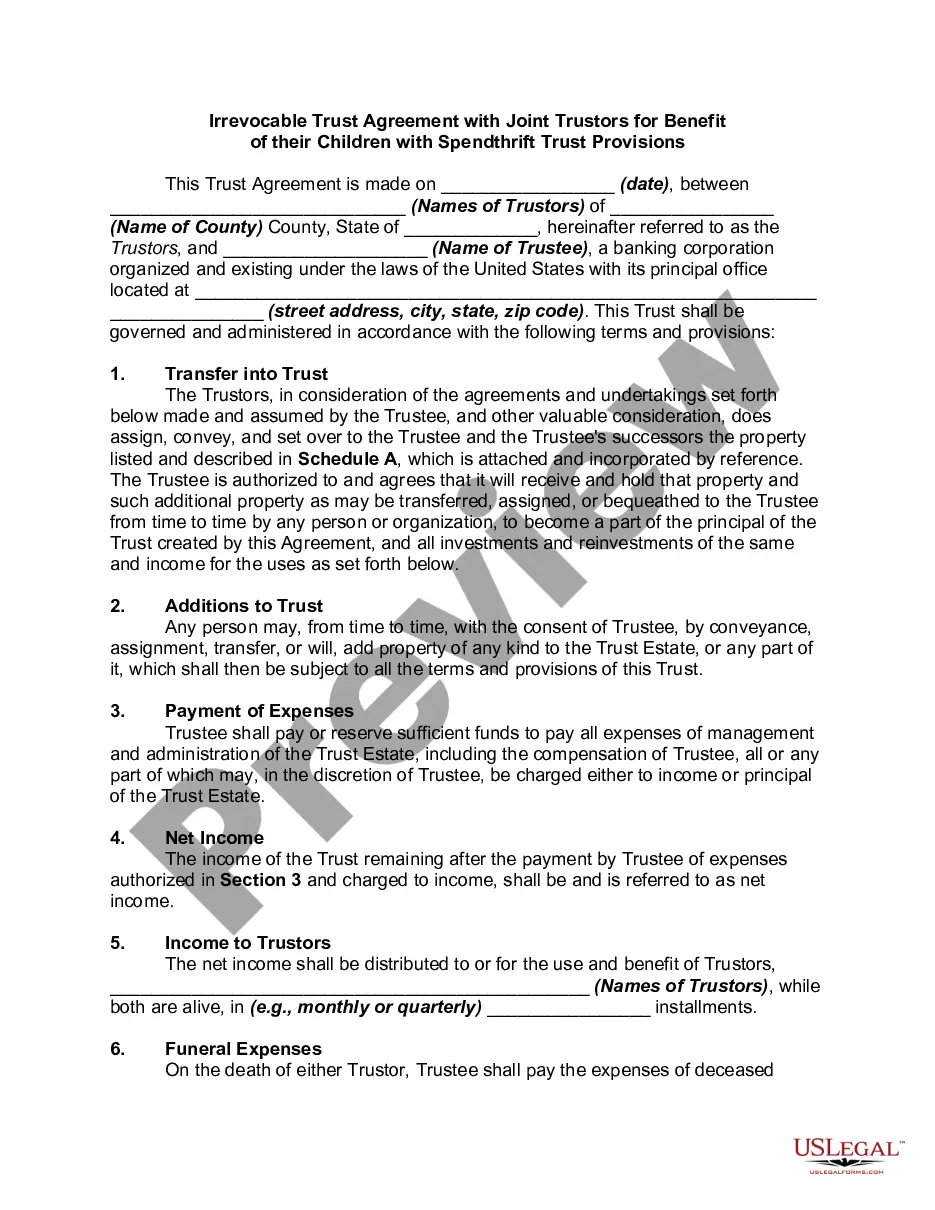
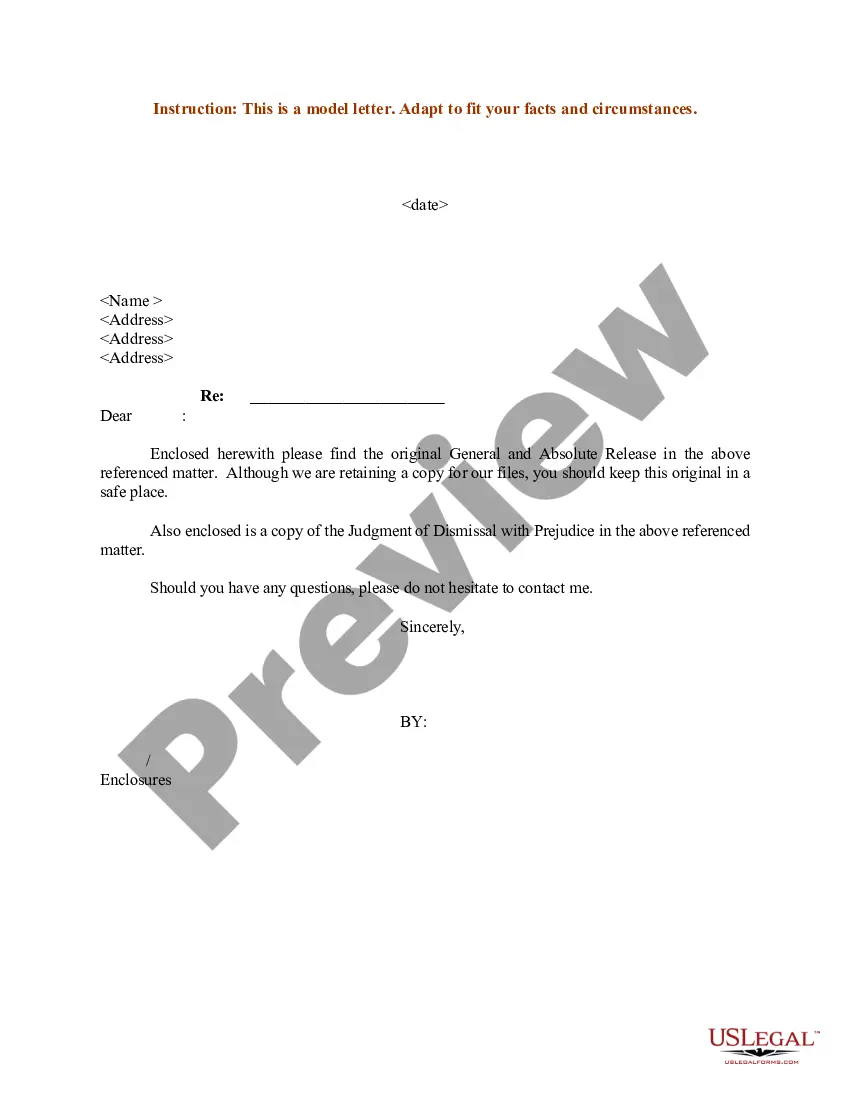
Get your form ready online
Our built-in tools help you complete, sign, share, and store your documents in one place.
Make edits, fill in missing information, and update formatting in US Legal Forms—just like you would in MS Word.
Download a copy, print it, send it by email, or mail it via USPS—whatever works best for your next step.
Sign and collect signatures with our SignNow integration. Send to multiple recipients, set reminders, and more. Go Premium to unlock E-Sign.
If this form requires notarization, complete it online through a secure video call—no need to meet a notary in person or wait for an appointment.
We protect your documents and personal data by following strict security and privacy standards.

Make edits, fill in missing information, and update formatting in US Legal Forms—just like you would in MS Word.

Download a copy, print it, send it by email, or mail it via USPS—whatever works best for your next step.

Sign and collect signatures with our SignNow integration. Send to multiple recipients, set reminders, and more. Go Premium to unlock E-Sign.

If this form requires notarization, complete it online through a secure video call—no need to meet a notary in person or wait for an appointment.

We protect your documents and personal data by following strict security and privacy standards.
Looking for another form?








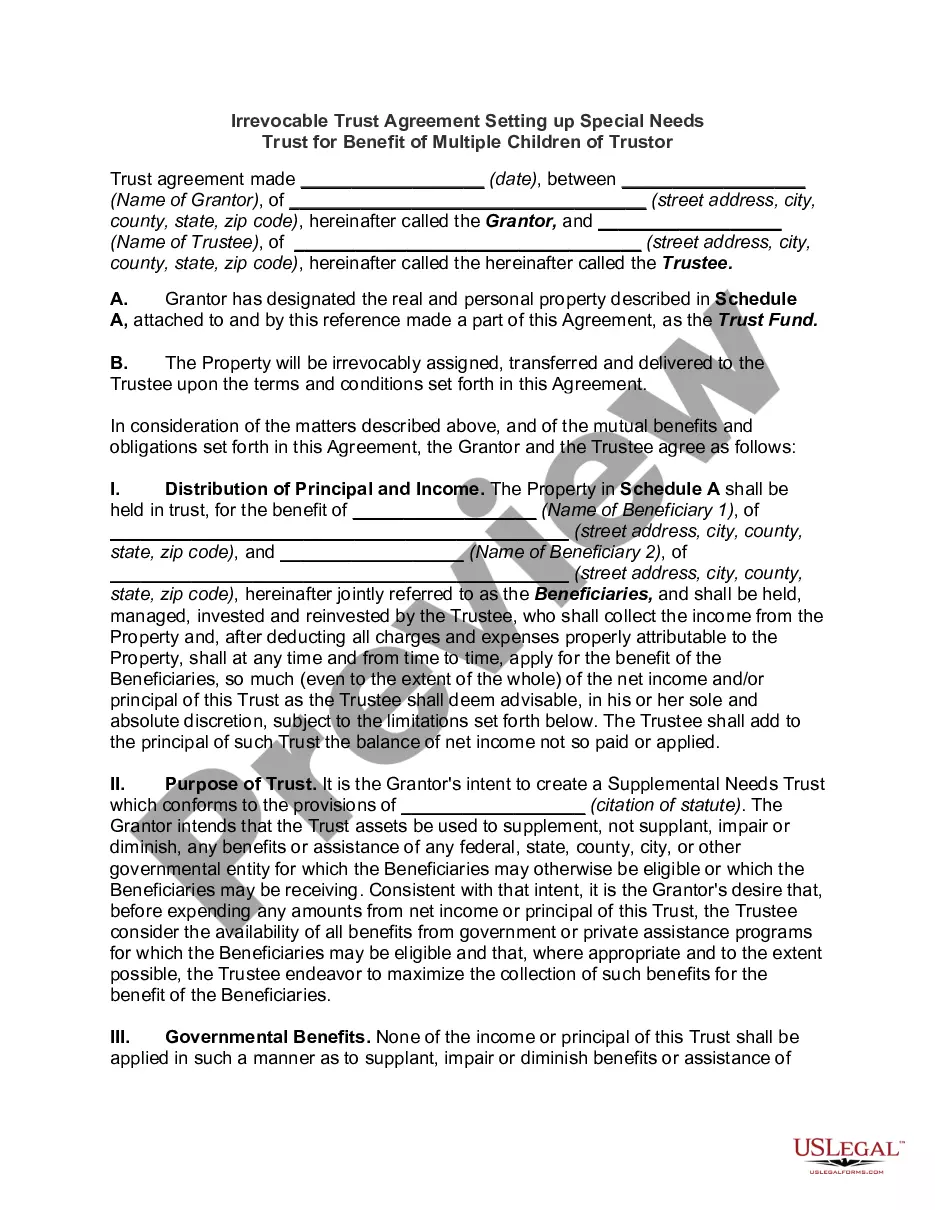
How to fill out Irrevocable Trust Agreement For Benefit Of Trustor's Children And Grandchildren With Spendthrift Trust Provisions?
- If you're an existing user, log in to your account and ensure your subscription is active. Click on the Download button to retrieve your required form template.
- For first-time users, start by browsing the extensive library. Check the preview mode and description of each template to confirm it meets your jurisdiction and needs.
- Utilize the Search tab if you need a different form. Explore other options until you find one that fits your requirements.
- Once you find the right document, click on the Buy Now button to select your preferred subscription plan. You'll need to create an account for full access.
- Complete the purchase by entering your payment information. You can use either a credit card or a PayPal account.
- Finalize by downloading your form. Save it securely on your device; you can also revisit it later in the My Forms section of your profile.
With over 85,000 fillable and editable legal forms, US Legal Forms not only offers a wider selection than competitors but also provides access to premium experts to ensure your documents are precise and legally sound.
Unlock the power of trust domains today with US Legal Forms and make handling legal matters simpler than ever. Start your journey towards seamless document execution now!
Form popularity
FAQ
While both and domains hold value, domains often carry a greater perception of trust. This is because domains are typically associated with nonprofit organizations that focus on public benefit. However, domains can also be trustworthy when used by reputable businesses. Ultimately, the trustworthiness of a domain depends more on its credibility and transparent practices than its extension.
Credibility often aligns closely with government and educational domains, as they are regularly scrutinized for their integrity and performance. These domains typically possess a wealth of data and resources that back their claims. By associating with reputable trust domains, you can also bolster your own credibility. Building strong partnerships with credible entities can lead to increased consumer confidence.
Generally, nonprofit organizations and educational institutions are perceived as the most trustworthy domains. They often prioritize ethical practices and community benefit over profit. Consumers feel more secure interacting with these types of domains because of their established reputations. To enhance your own trust domains, consider adopting similar values and practices that promote integrity and transparency.
To establish trust between two domains, focus on clear communication and shared values. Both domains should demonstrate competence and reliability in their operations. Encouraging transparency and engaging in collaborative efforts can further enhance mutual trust. Utilizing platforms like US Legal Forms can provide a structured way to formalize agreements and ensure aligned interests between the domains.
The most trusted domains often include government, educational institutions, and well-known nonprofit organizations. These domains typically exhibit transparency, reliability, and a strong commitment to ethical practices. Trust domains gain credibility through years of demonstrated service and community involvement. Therefore, choosing to associate with these types of domains can strengthen your own trustworthiness.
The four domains of trust include competence, integrity, benevolence, and reliability. These domains help establish trusting relationships between people and organizations. When stakeholders perceive a high level of these domains, they are more likely to trust domains effectively. Building credibility in these areas positively impacts your interactions with consumers and enhances your brand's reputation.
To fix domain trust relationship issues, start by verifying the configurations and permissions between the domains. You may need to reset or recreate trust relationships if problems persist. Utilizing professional resources like US Legal Forms can assist in preparing the necessary documentation and agreements for resolving these issues effectively.
The duration of a domain trust relationship depends on the configurations and settings established by the administrators. While some trusts can last indefinitely, periodic reviews and updates are crucial for security. Maintaining clear documentation helps ensure trust relationships remain valid and effective over time.
Setting up domain trusts involves accessing your domain management tools and configuring trust options based on your organizational needs. Ensure that all domains involved meet the necessary security protocols for authentication. Incorporating legal agreements utilizing US Legal Forms can further enhance the security and clarity of these trusts.
A trust domain is a specialized network domain that facilitates secure interactions with other domains. This setup allows for controlled access and resource sharing, promoting cooperation while safeguarding information. Understanding the dynamics of trust domains is essential for effective network management.