Terminating An Irrevocable Trust In Texas
Description




Get your form ready online
Our built-in tools help you complete, sign, share, and store your documents in one place.
Make edits, fill in missing information, and update formatting in US Legal Forms—just like you would in MS Word.
Download a copy, print it, send it by email, or mail it via USPS—whatever works best for your next step.
Sign and collect signatures with our SignNow integration. Send to multiple recipients, set reminders, and more. Go Premium to unlock E-Sign.
If this form requires notarization, complete it online through a secure video call—no need to meet a notary in person or wait for an appointment.
We protect your documents and personal data by following strict security and privacy standards.

Make edits, fill in missing information, and update formatting in US Legal Forms—just like you would in MS Word.

Download a copy, print it, send it by email, or mail it via USPS—whatever works best for your next step.

Sign and collect signatures with our SignNow integration. Send to multiple recipients, set reminders, and more. Go Premium to unlock E-Sign.

If this form requires notarization, complete it online through a secure video call—no need to meet a notary in person or wait for an appointment.

We protect your documents and personal data by following strict security and privacy standards.
Looking for another form?




How to fill out Irrevocable Trust Agreement For Benefit Of Trustor's Children And Grandchildren With Spendthrift Trust Provisions?
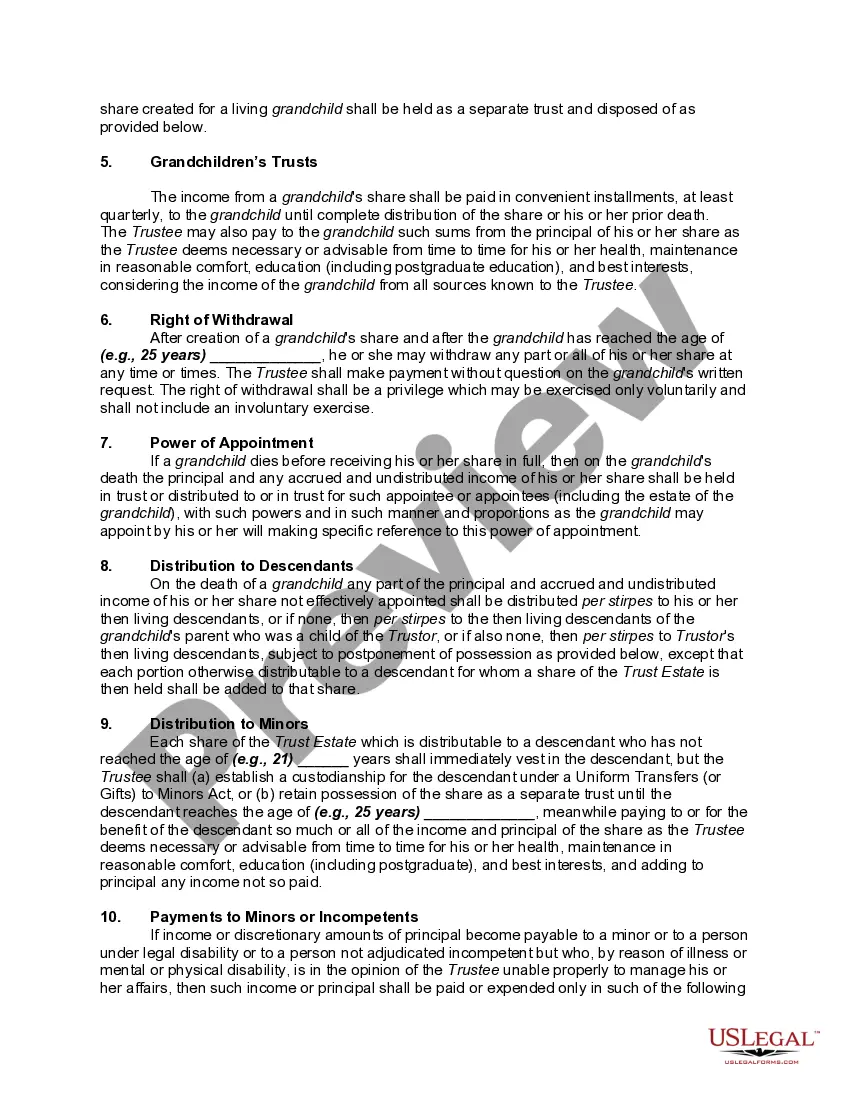
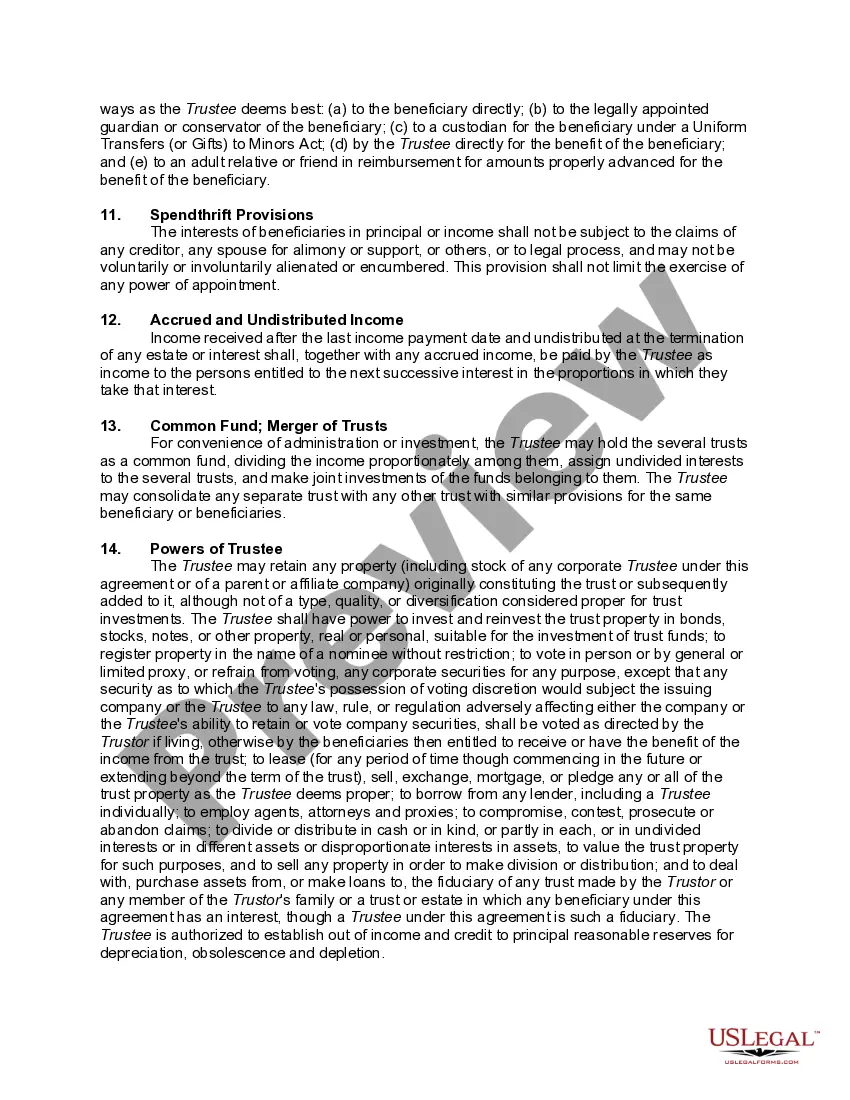
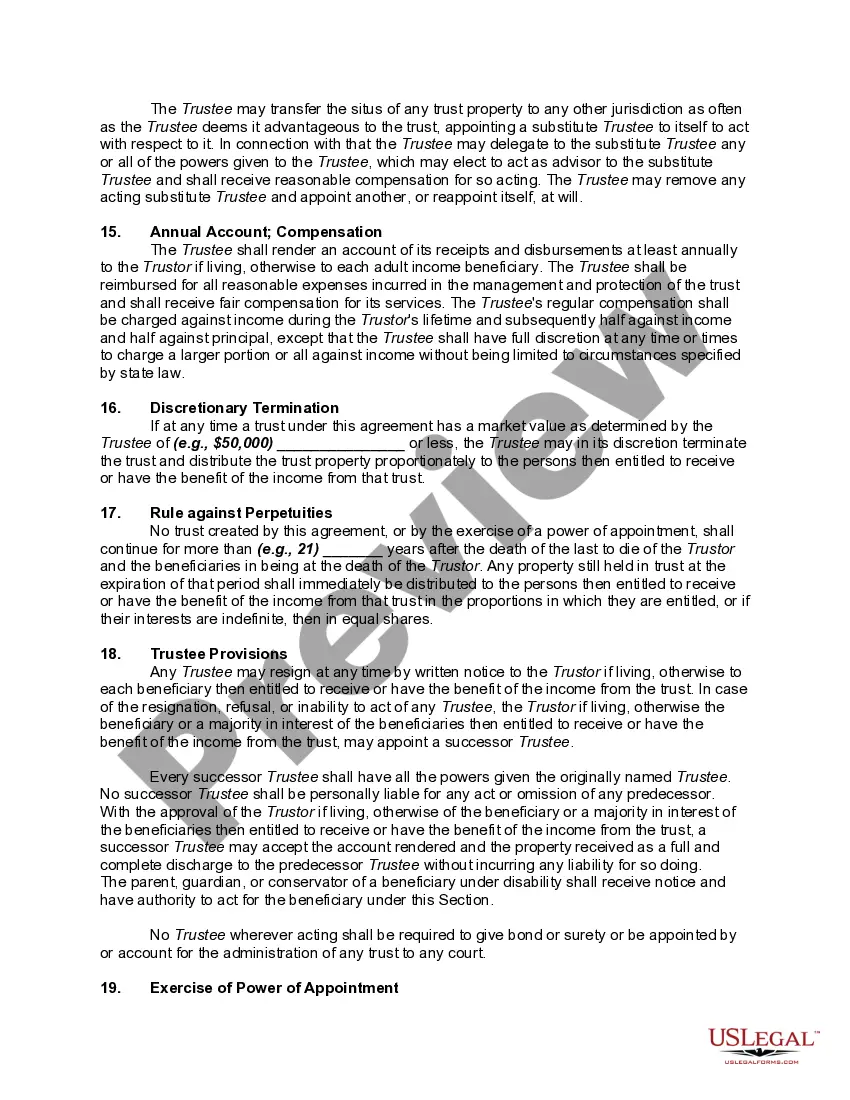
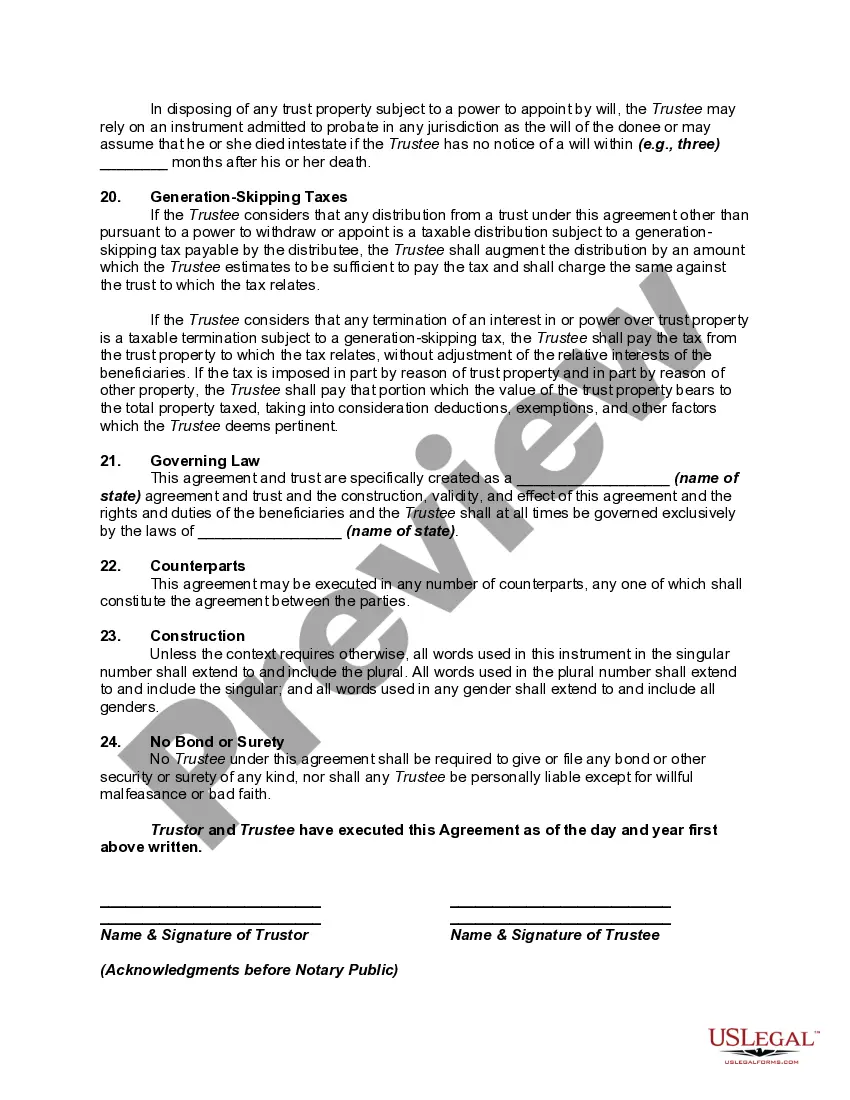
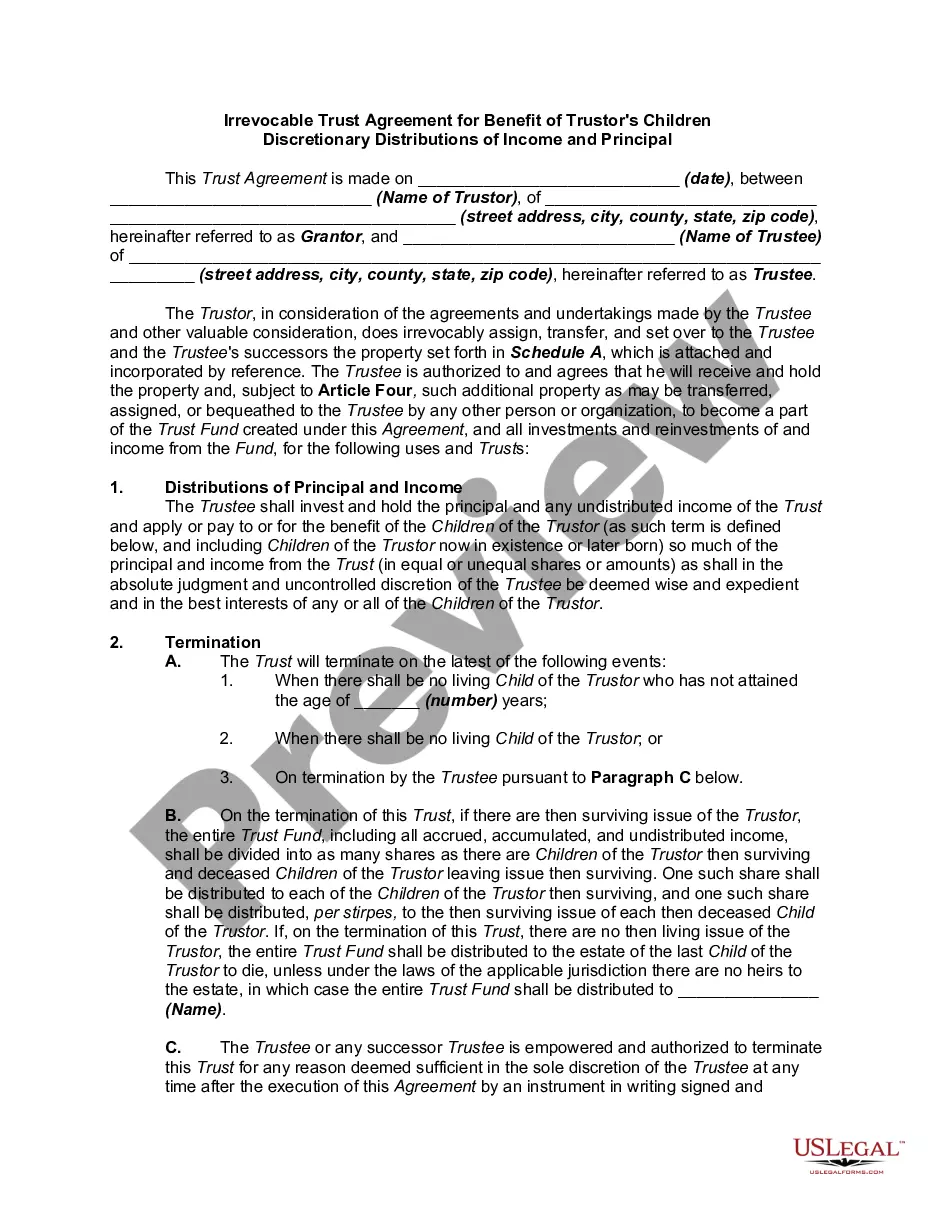
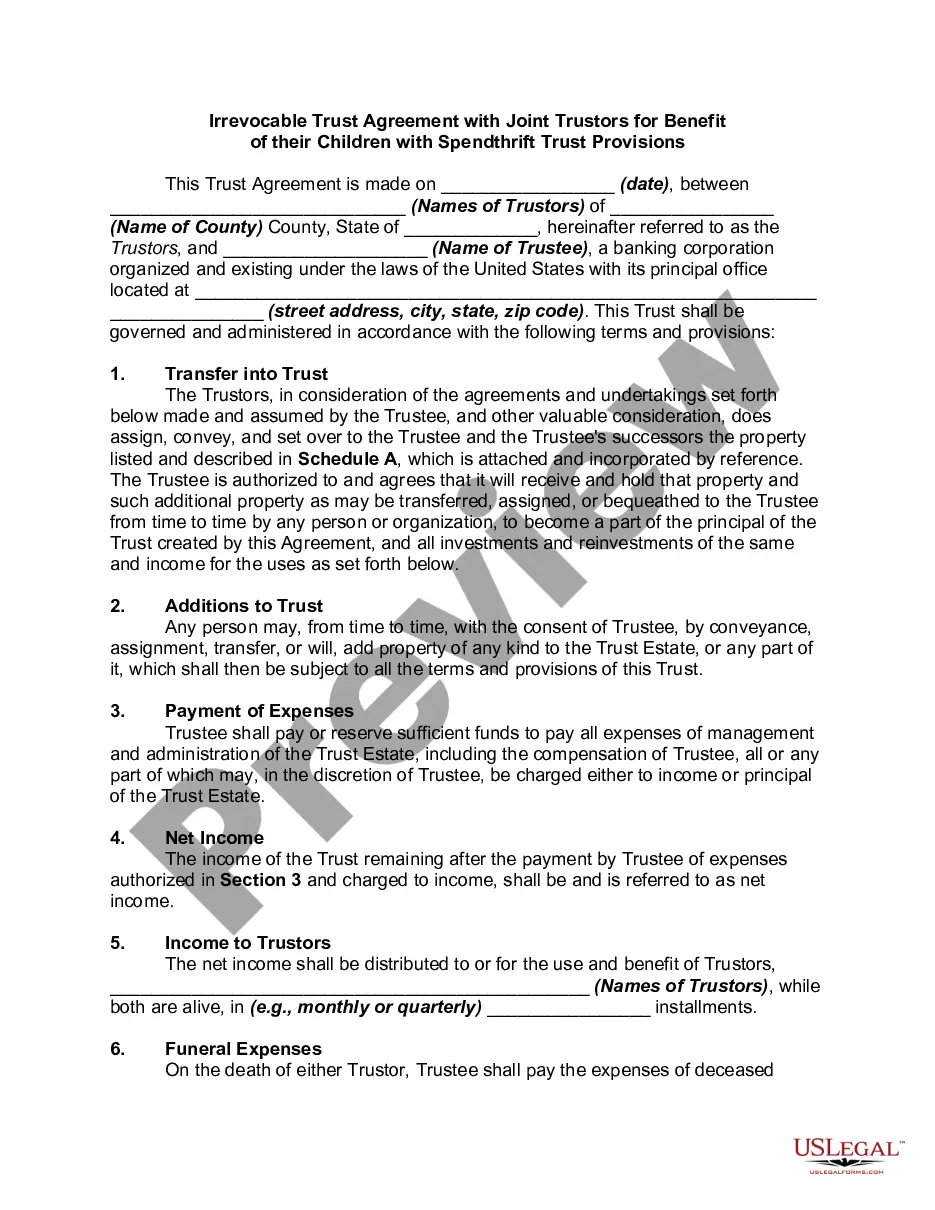
The Dissolution Of A Non-Revokeable Trust In Texas you see on this page is a reusable formal template created by expert attorneys in accordance with federal and state regulations.
For over 25 years, US Legal Forms has offered individuals, companies, and lawyers more than 85,000 authenticated, state-specific documents for any business and personal situation. It’s the fastest, easiest, and most reliable method to acquire the paperwork you need, as the service ensures the utmost level of data safety and anti-malware protection.
Select the format you prefer for your Dissolution Of A Non-Revokeable Trust In Texas (PDF, Word, RTF) and save the document to your device. Complete the paperwork by printing it out for manual completion, or use an online multifunctional PDF editor to quickly and accurately fill out and sign your form electronically.
- Search for the document you require and examine it.
- Look through the example you searched for and preview it or check the form description to ensure it meets your needs. If it doesn’t, use the search feature to find the correct one. Click Buy Now when you have located the document you need.
- Choose a subscription plan and Log In.
- Select the pricing option that works for you and create an account. Use PayPal or a credit card for quick payment. If you already possess an account, Log In and verify your subscription to proceed.
- Obtain the editable template.
Form popularity
FAQ
Getting out of an irrevocable trust in Texas can be complex. The process often involves petitioning the court for approval to terminate it or modifying the trust under particular circumstances. Consulting with a qualified attorney can provide clarity on your rights and options when terminating an irrevocable trust in Texas.
The two most common ways to terminate and/or modify an irrevocable trust is to 1) argue that there has been a change of circumstances not anticipated by the settlors at the time they created the trust (for example changes in tax law, and 2) argue that all beneficiaries consent to the proposed termination and or ...
Instead, in most cases, an irrevocable trust can only be dissolved by court order. The details of dissolving an irrevocable trust differ widely between states and jurisdictions. However, typically you will need to get approval from the trust's beneficiaries and potentially its trustees as well.
Instead, in most cases, an irrevocable trust can only be dissolved by court order. The details of dissolving an irrevocable trust differ widely between states and jurisdictions. However, typically you will need to get approval from the trust's beneficiaries and potentially its trustees as well.
Irrevocable trusts cannot be modified, amended, or terminated without permission from the grantor's beneficiaries or by court order. The grantor transfers all ownership of assets into the trust and legally removes all of their ownership rights to the assets and the trust.
To revoke and/or terminate an irrevocable trust, the settlor and all beneficiaries must express consent. If one party seeks modification of the trust against the interest of another party, the petition will need to be brought before a court to decide.