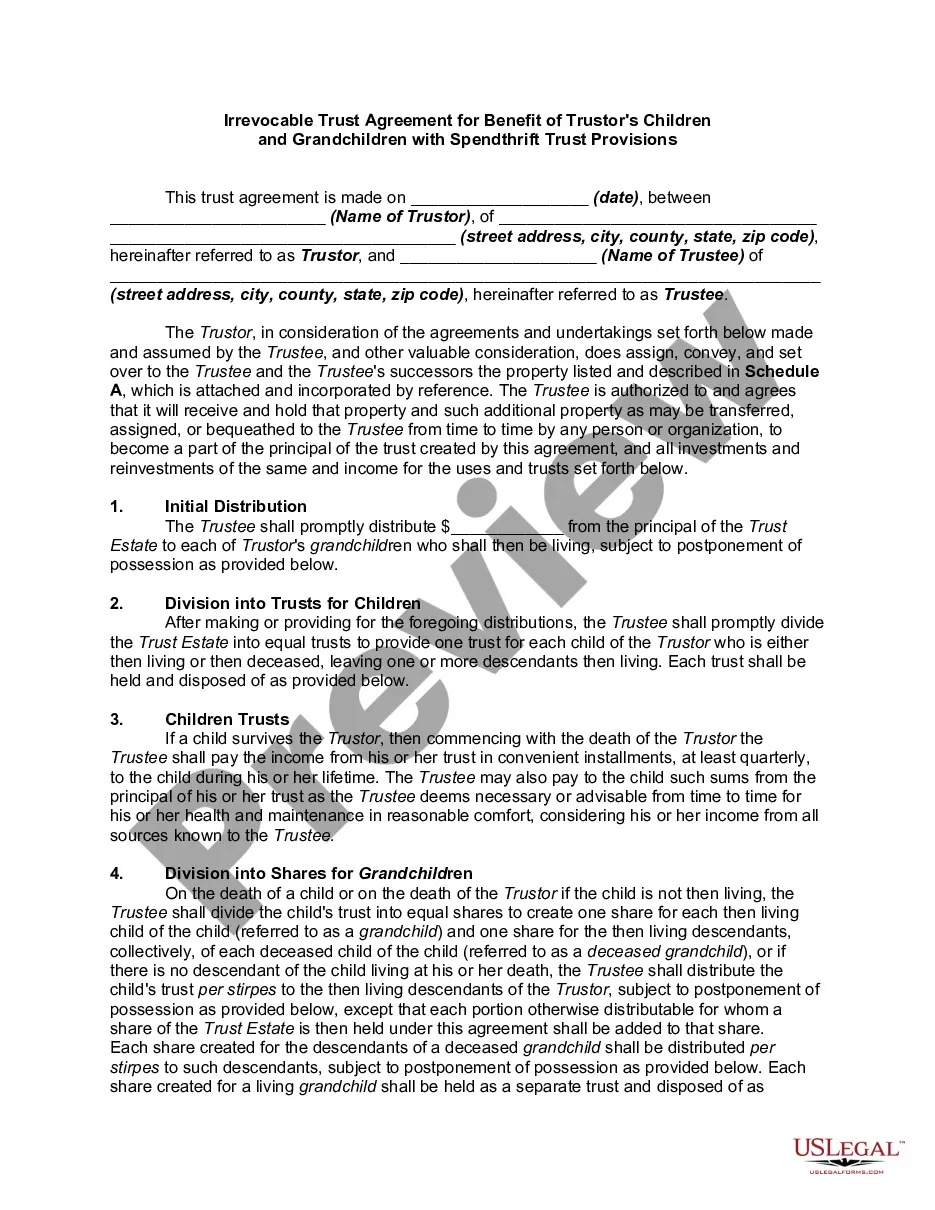
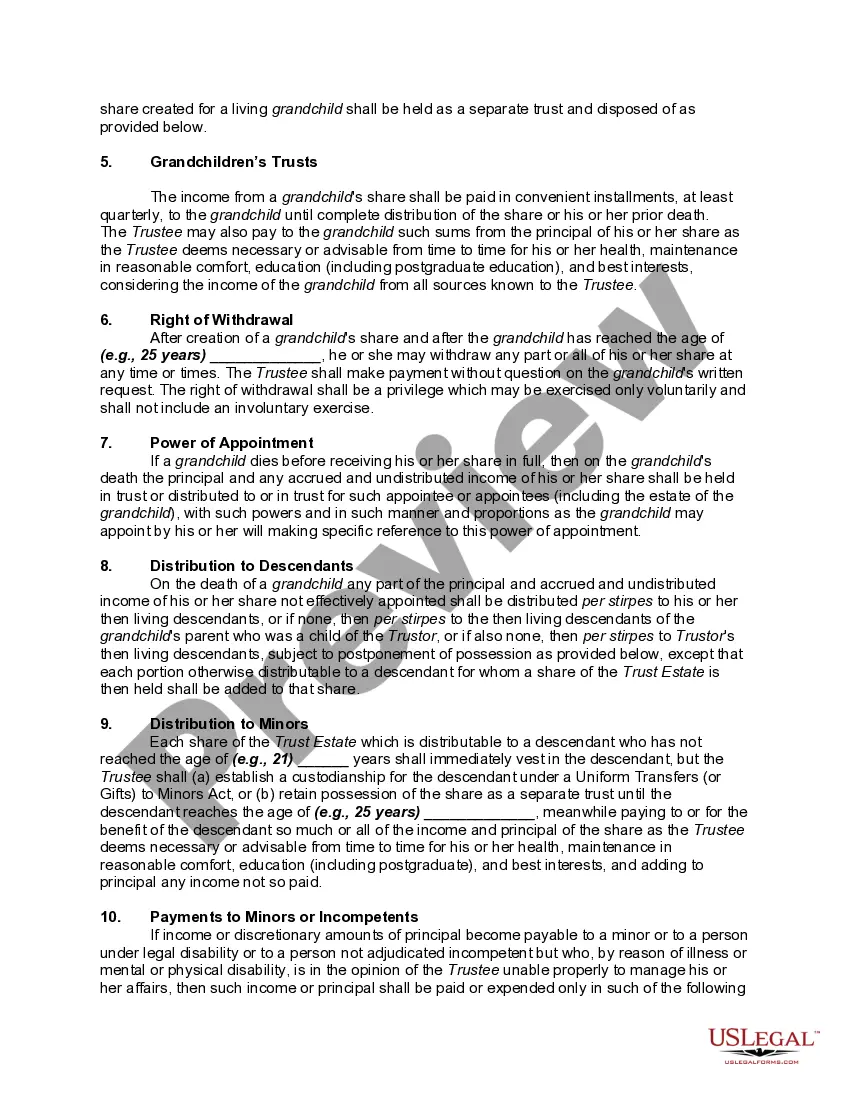
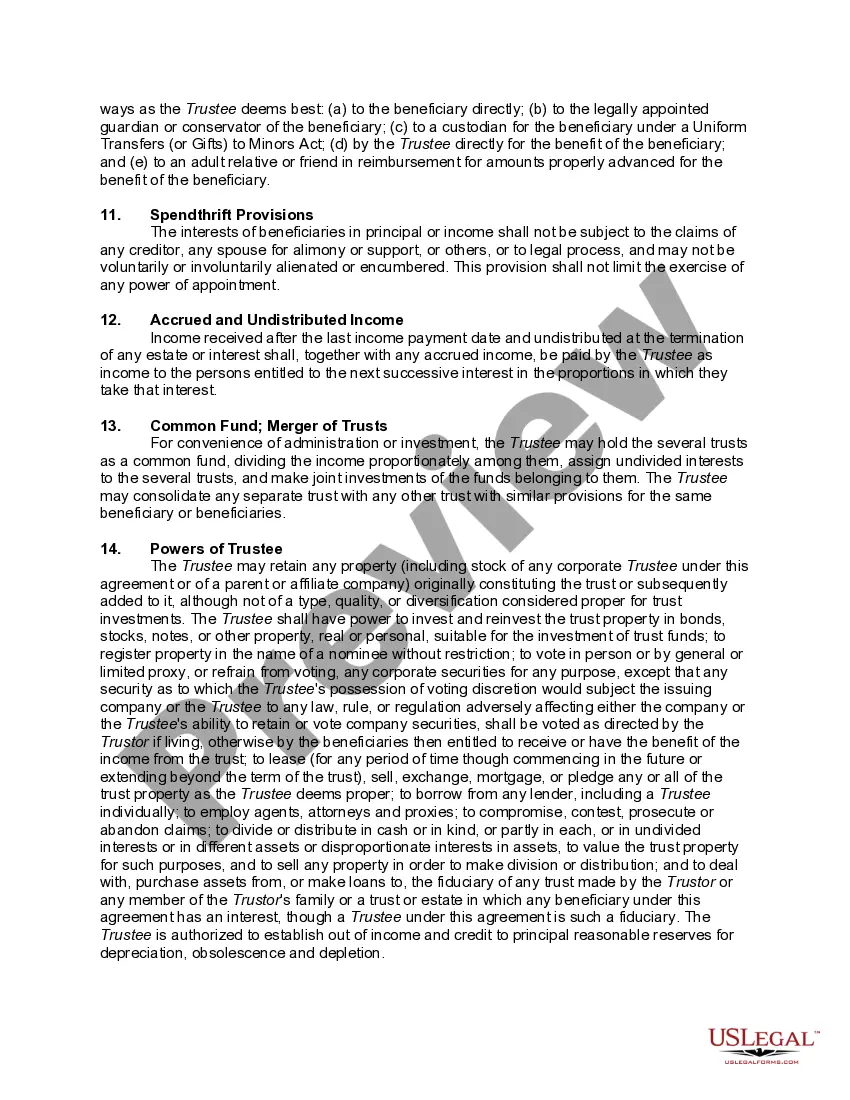
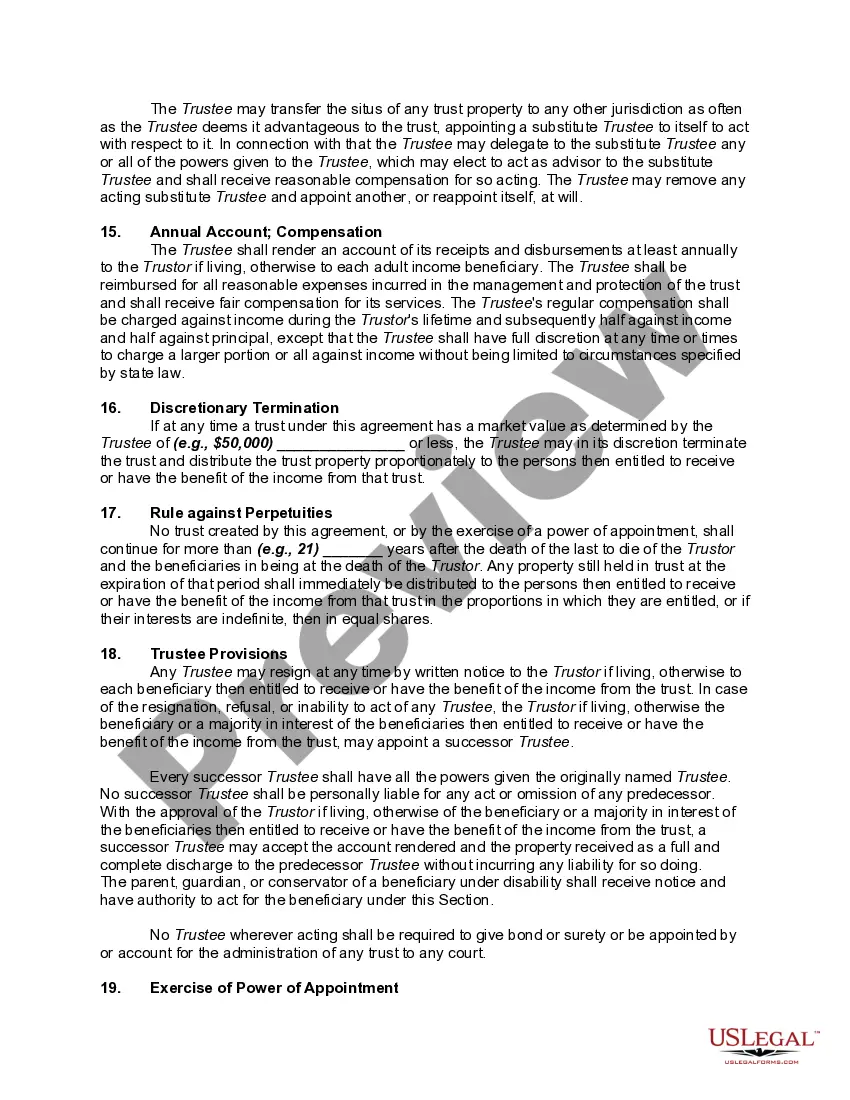
Medicaid Irrevocable Grantor Trust With Multiple Grantors
Description



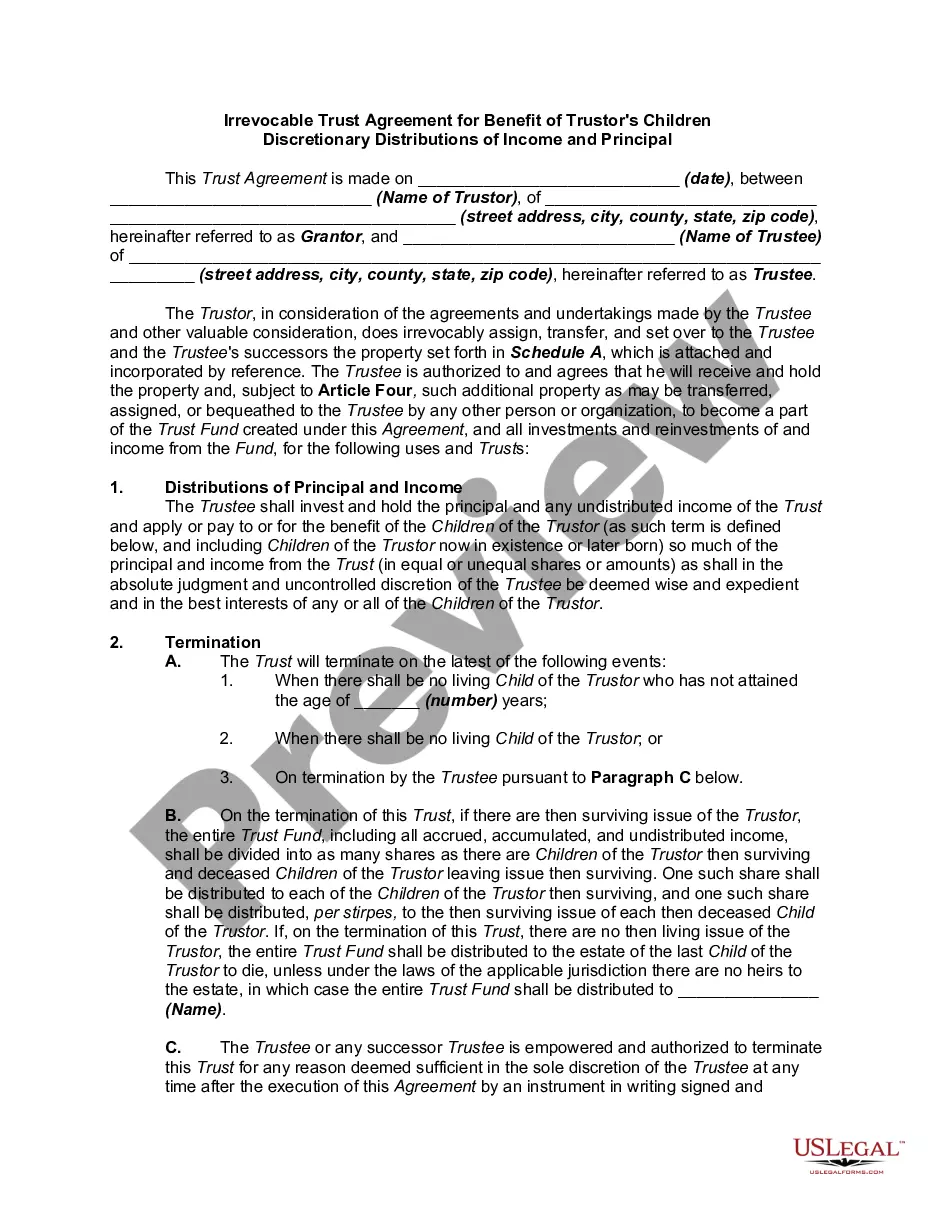
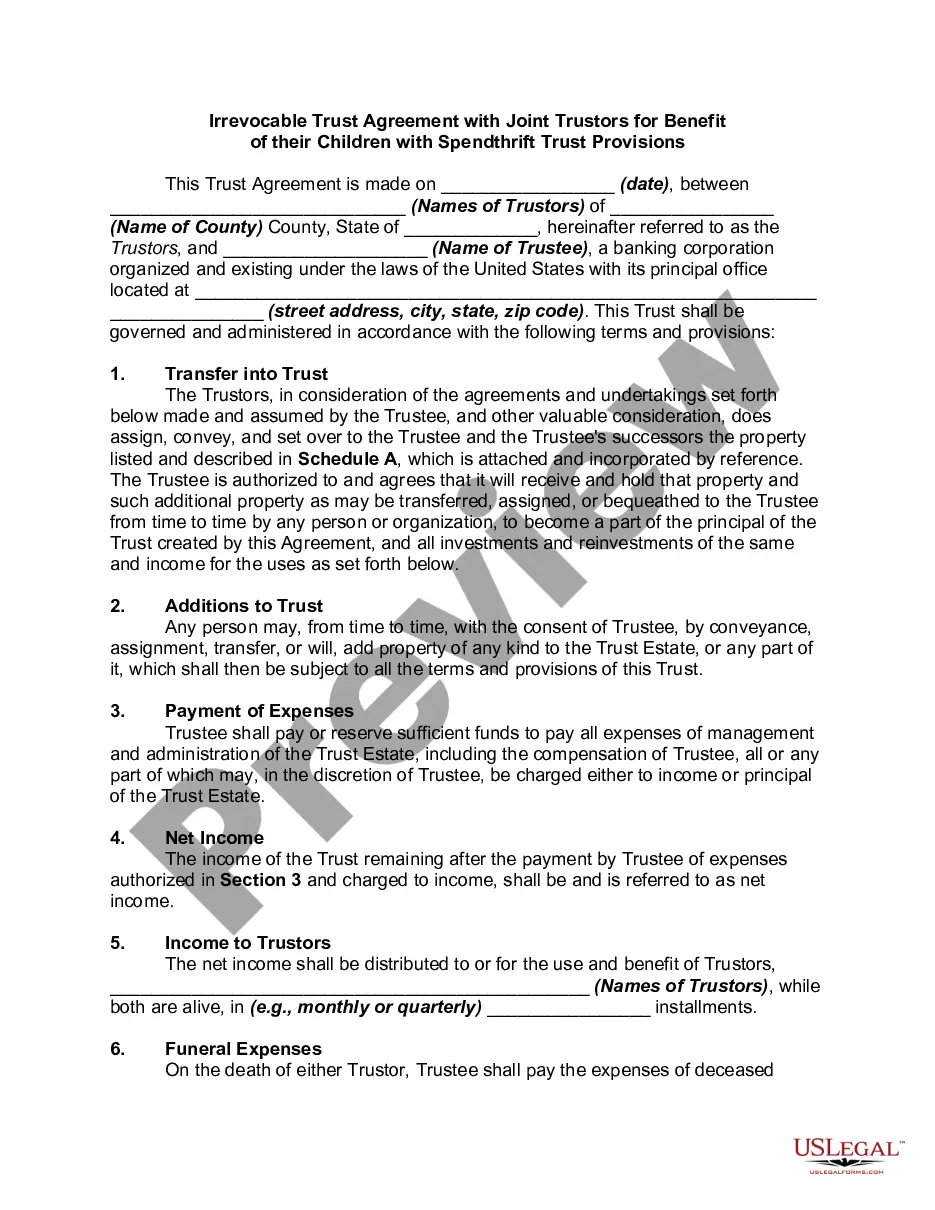
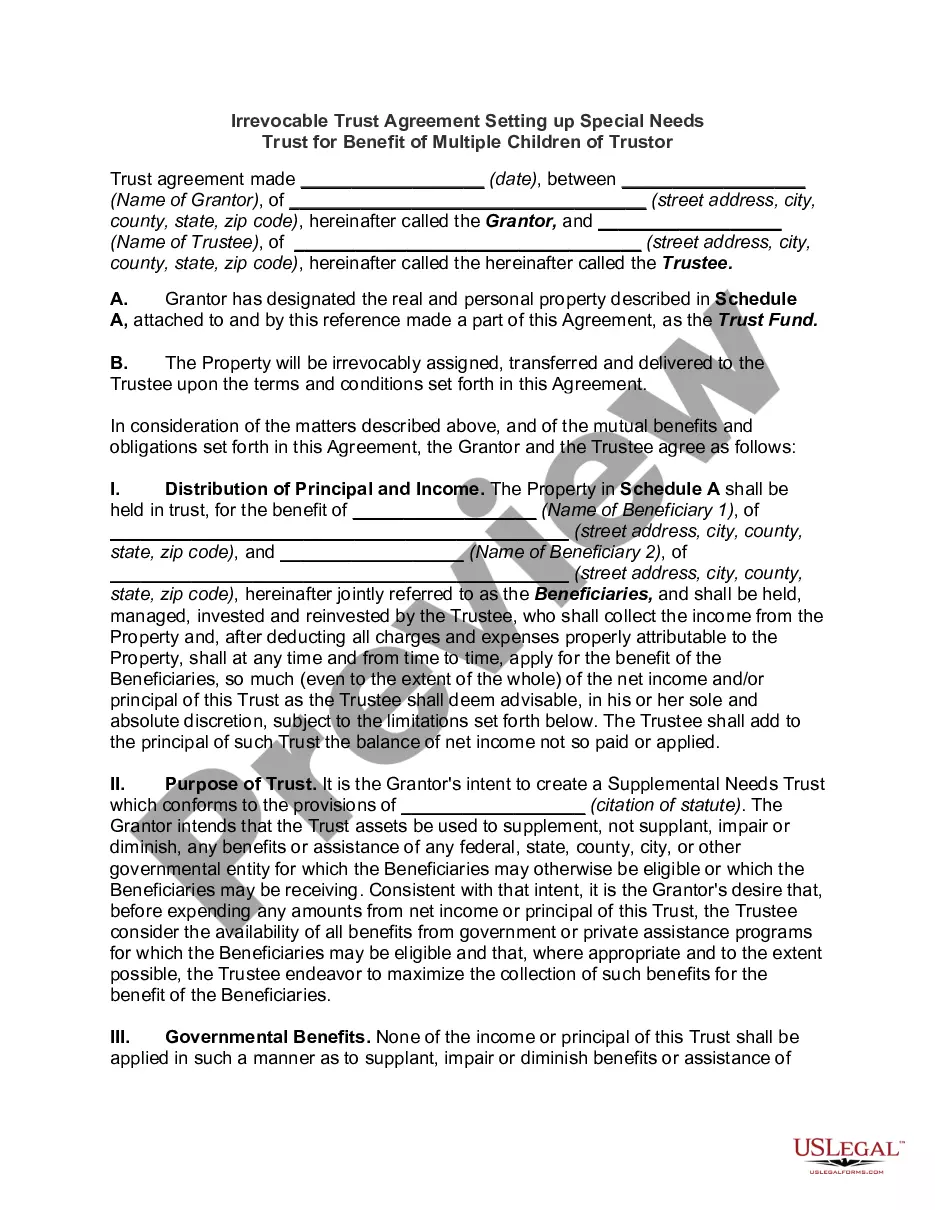
Get your form ready online
Our built-in tools help you complete, sign, share, and store your documents in one place.
Make edits, fill in missing information, and update formatting in US Legal Forms—just like you would in MS Word.
Download a copy, print it, send it by email, or mail it via USPS—whatever works best for your next step.
Sign and collect signatures with our SignNow integration. Send to multiple recipients, set reminders, and more. Go Premium to unlock E-Sign.
If this form requires notarization, complete it online through a secure video call—no need to meet a notary in person or wait for an appointment.
We protect your documents and personal data by following strict security and privacy standards.

Make edits, fill in missing information, and update formatting in US Legal Forms—just like you would in MS Word.

Download a copy, print it, send it by email, or mail it via USPS—whatever works best for your next step.

Sign and collect signatures with our SignNow integration. Send to multiple recipients, set reminders, and more. Go Premium to unlock E-Sign.

If this form requires notarization, complete it online through a secure video call—no need to meet a notary in person or wait for an appointment.

We protect your documents and personal data by following strict security and privacy standards.
Looking for another form?







How to fill out Irrevocable Trust Agreement For Benefit Of Trustor's Children And Grandchildren With Spendthrift Trust Provisions?
Legal oversight can be exasperating, even for proficient professionals.
When seeking a Medicaid Irrevocable Grantor Trust With Multiple Grantors and lacking the time to search for the appropriate and current version, the tasks may be overwhelming.
Access a repository of articles, guides, and materials pertinent to your situation and requirements.
Save time and effort searching for the documents you require, and use US Legal Forms' advanced search and Review feature to find Medicaid Irrevocable Grantor Trust With Multiple Grantors and obtain it.
Select your desired file format, then Download, complete, eSign, print, and send your documents. Enjoy the US Legal Forms online library, supported by 25 years of expertise and dependability. Streamline your daily document management into a straightforward and user-friendly process today.
- If you have a subscription, Log In to your US Legal Forms account, search for the form, and download it.
- Check the My documents tab to view the documents you previously saved and to manage your folders as needed.
- If this is your first time using US Legal Forms, create an account for unlimited access to all library benefits.
- After acquiring the desired form, verify that it is the correct one by previewing it and reviewing its details.
- Make sure the template is recognized in your state or county.
- Select Buy Now when you are ready.
- Choose a subscription plan.
- Access state- or county-specific legal and business documents.
- US Legal Forms caters to any demands you may have, from individual to corporate paperwork, all in one place.
- Utilize innovative tools to complete and manage your Medicaid Irrevocable Grantor Trust With Multiple Grantors.
Form popularity
FAQ
Under the law a trust is considered its "own person", and may own assets. While the irrevocable trust owns the assets, it's the trustee who exercises control over them, e.g. their investment, distribution or other - while the designated beneficiaries benefit.
A trust can have more than one grantor. For instance, if more than one person funded the trust, they will each be treated as grantor in proportion to the value of the cash or property that they transferred to the trust.
A person who creates a trust but makes no gratuitous transfers to the trust is not treated as an owner of any portion of the trust under Code Sections 671-677. Reg. 1.671-2(e)(1). A trust can have multiple grantors.
Anyone other than the grantor may be named as a beneficiary of the Trust. Different family circumstances may dictate the need to structure the trust for different beneficiaries.
Grantor trust rules are guidelines within the Internal Revenue Code (IRC) that outline certain tax implications of a grantor trust. Under these rules, the individual who creates a grantor trust is recognized as the owner of the assets and property held within the trust for income and estate tax purposes.