Irrevocable Trust With Life Estate
Description

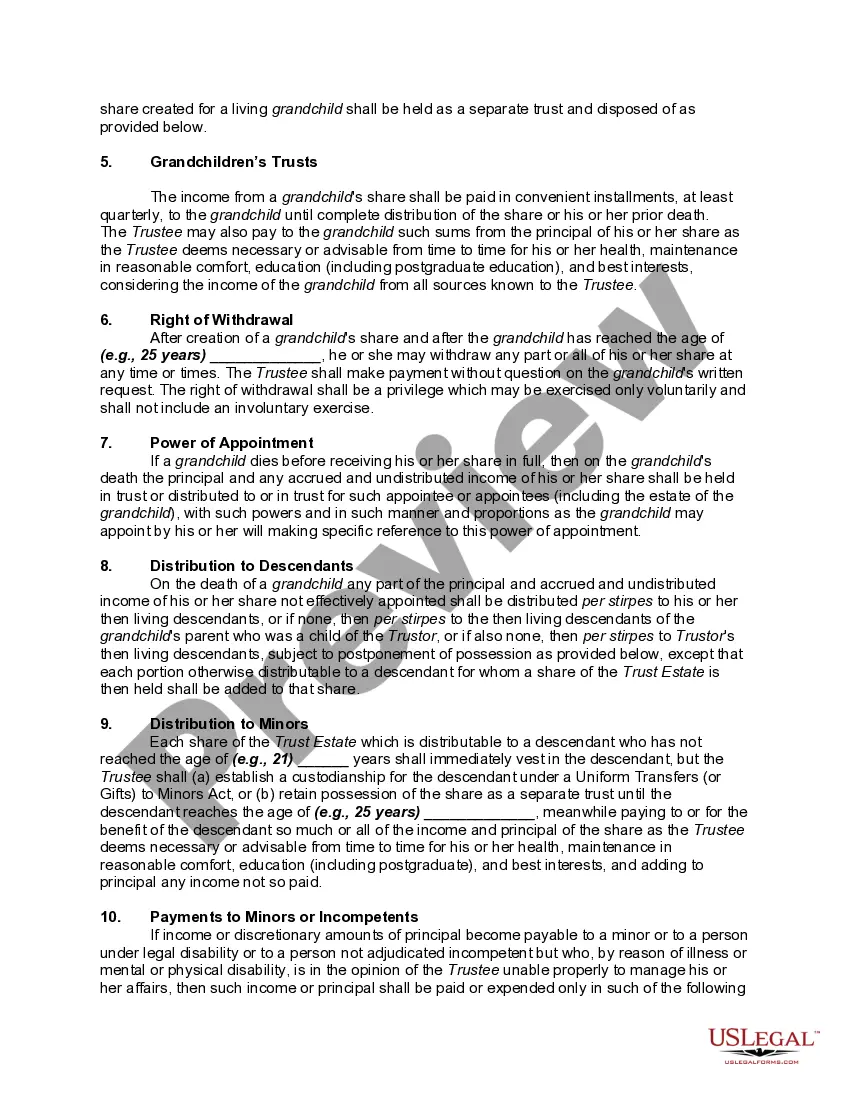
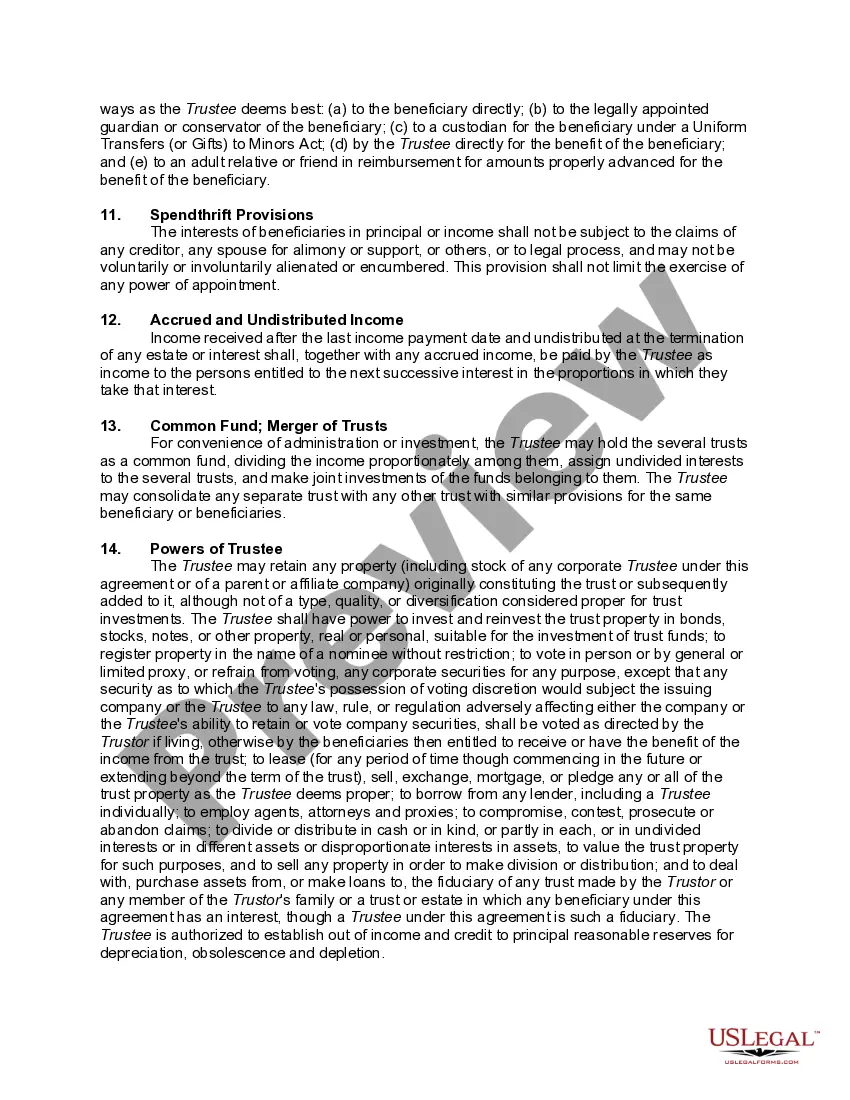
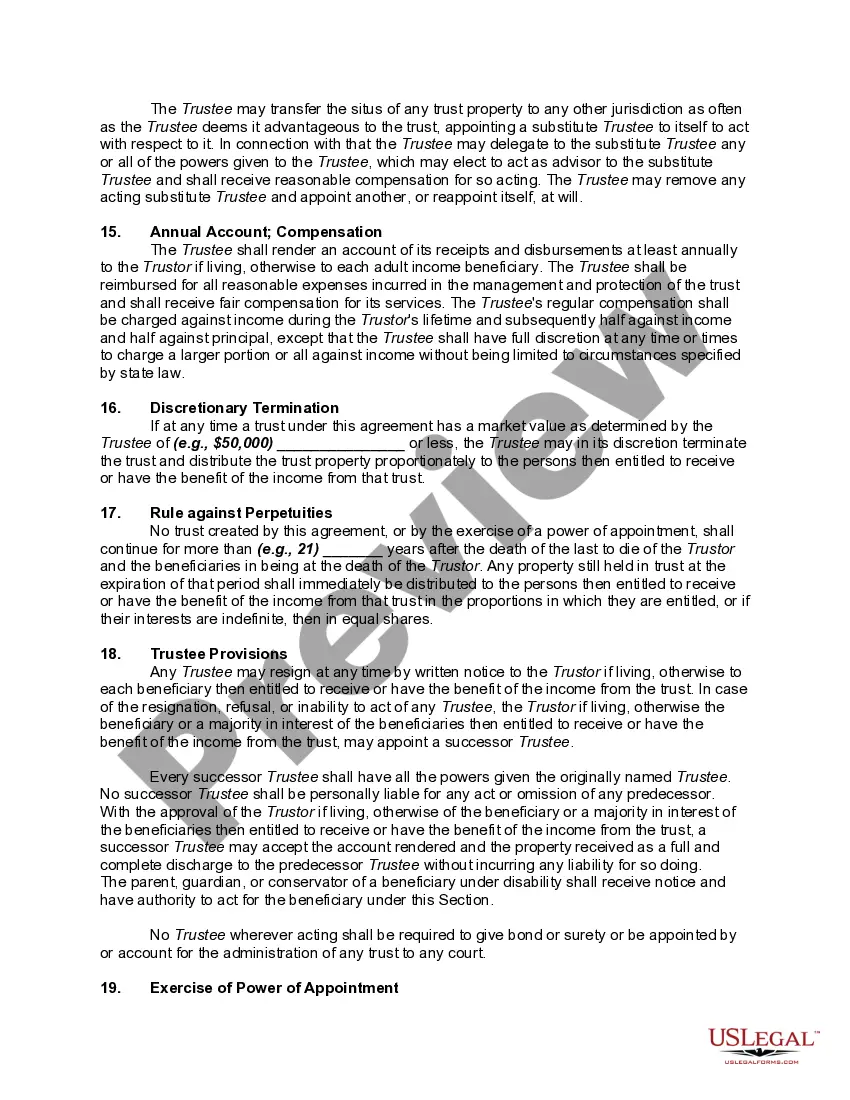
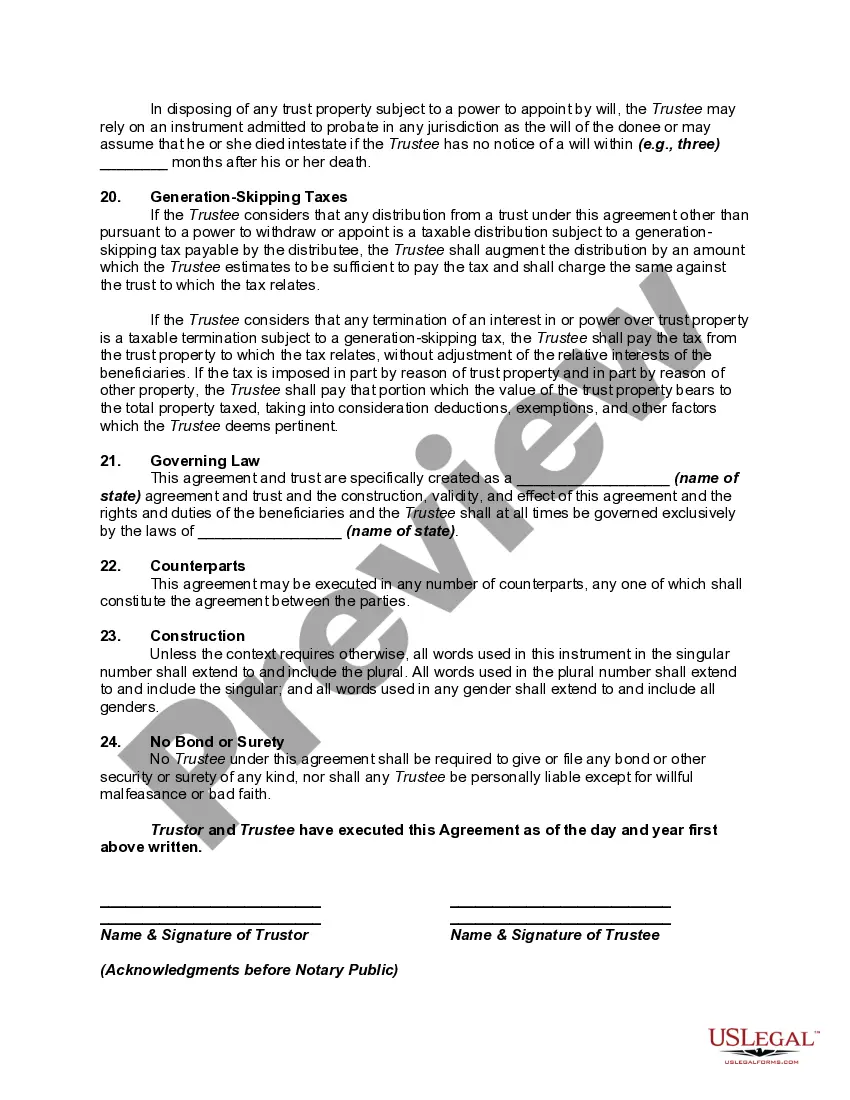



Get your form ready online
Our built-in tools help you complete, sign, share, and store your documents in one place.
Make edits, fill in missing information, and update formatting in US Legal Forms—just like you would in MS Word.
Download a copy, print it, send it by email, or mail it via USPS—whatever works best for your next step.
Sign and collect signatures with our SignNow integration. Send to multiple recipients, set reminders, and more. Go Premium to unlock E-Sign.
If this form requires notarization, complete it online through a secure video call—no need to meet a notary in person or wait for an appointment.
We protect your documents and personal data by following strict security and privacy standards.

Make edits, fill in missing information, and update formatting in US Legal Forms—just like you would in MS Word.

Download a copy, print it, send it by email, or mail it via USPS—whatever works best for your next step.

Sign and collect signatures with our SignNow integration. Send to multiple recipients, set reminders, and more. Go Premium to unlock E-Sign.

If this form requires notarization, complete it online through a secure video call—no need to meet a notary in person or wait for an appointment.

We protect your documents and personal data by following strict security and privacy standards.
Looking for another form?








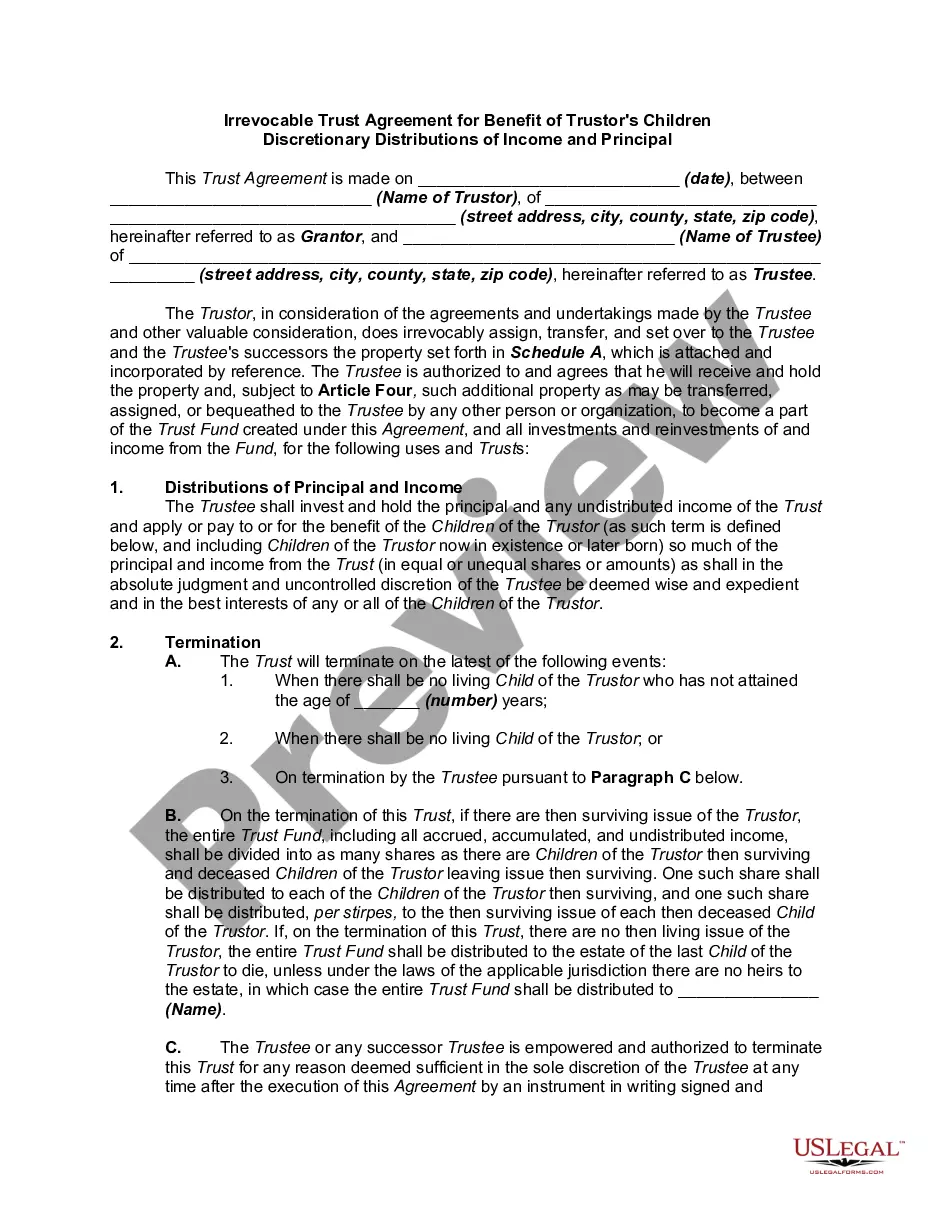
How to fill out Irrevocable Trust Agreement For Benefit Of Trustor's Children And Grandchildren With Spendthrift Trust Provisions?
- Check your account status. If you’re a returning user, log into your account to verify your subscription is active and ready for use.
- Preview the form. Begin by browsing the extensive library and selecting the irrevocable trust with life estate template that matches your specific needs.
- Search for alternatives if necessary. If the first form doesn’t suit you, use the Search tab to locate the correct template representing your requirements.
- Make your purchase. Click the Buy Now button, select your desired subscription plan, and create an account to access the complete resources.
- Complete your payment. Enter your payment details securely, using credit/debit cards or your PayPal account to finalize the transaction.
- Download your document. Access and save the form from the My Forms section at any time for easy reference.
In conclusion, US Legal Forms simplifies the process of obtaining critical legal documents such as an irrevocable trust with life estate. With its vast collection and user-friendly interface, you can ensure compliance with local laws while protecting your assets.
Start your journey in estate planning today by accessing US Legal Forms and secure your future.
Form popularity
FAQ
Some negatives of a life estate in an irrevocable trust include limitations on asset use and the potential complexities of property management. If life circumstances change, you may find it challenging to adapt without consent from the remainderman. Estate tax implications can also arise if the value of the property significantly increases. Planning with a legal professional can guide you in mitigating these concerns.
Certain assets might not be suitable for inclusion in an irrevocable trust with life estate, such as your personal vehicle or assets requiring frequent management. Furthermore, if you have debts or liabilities, keeping them outside the trust can prevent complications for the beneficiaries. It’s wise to evaluate liquidity and control over various asset types before making any decisions.
One significant disadvantage of a life estate in an irrevocable trust is the potential loss of control over the property. Once you assign a life estate, you cannot sell or refinance the property without the consent of the remainderman. Also, if the property value increases, the life tenant misses out on benefiting from that increased equity. This may influence overall financial planning and estate distribution.
When establishing an irrevocable trust with life estate, it’s important to avoid including assets that you may want to control or access in the future. Typically, personal assets like your primary residence or retirement accounts might be better kept outside the trust. Additionally, assets that generate significant income could be more beneficial if held individually. This way, you maintain greater financial flexibility.
A life estate is not the same as an irrevocable trust, but they can work together. An irrevocable trust with life estate allows you to transfer property while retaining the right to use it during your lifetime. This structure helps avoid probate and can provide tax benefits. Understanding how these concepts interact can ensure your estate plan meets your goals, so exploring credible resources is vital.
Creating an irrevocable trust with life estate can be challenging for someone without legal expertise. While you can find templates and information online, it's essential to understand the legal implications involved. A mistake in the process may lead to unintended consequences regarding asset distribution and tax liabilities. For a smooth and legally sound setup, consider using platforms like US Legal Forms, which provide resources and guidance tailored to your needs.
Yes, a life estate can indeed be transferred to an irrevocable trust with life estate. This process allows you to maintain your rights to use the property during your lifetime, while effectively passing ownership to the trust. By doing so, you can protect your assets and potentially avoid probate. Consider using the US Legal Forms platform to navigate this process smoothly and ensure all documentation is properly handled.
To fill out an irrevocable trust, you'll start by gathering the necessary information about the trust's assets, beneficiaries, and life estate terms. It's essential to clearly outline the roles and expectations for each party involved. For optimal results, consider using services like US Legal Forms, which can provide guidance and templates to simplify the process.
Selling a house in a life estate is generally challenging, as the life estate holder usually requires permission from the remainder beneficiaries to proceed. This situation can lead to delays or disputes if the beneficiaries do not agree with the sale. It’s wise to seek professional advice through platforms like US Legal Forms to navigate these complexities effectively.
The step-up in basis of an irrevocable trust at death refers to the adjustment of the property’s value for tax purposes to its market value at the time of the life estate holder's death. This process can significantly reduce capital gains taxes for the beneficiaries when they eventually sell the property. Understanding this concept is critical when navigating the complexities of estate planning.