Irrevocable Trust For Property
Description

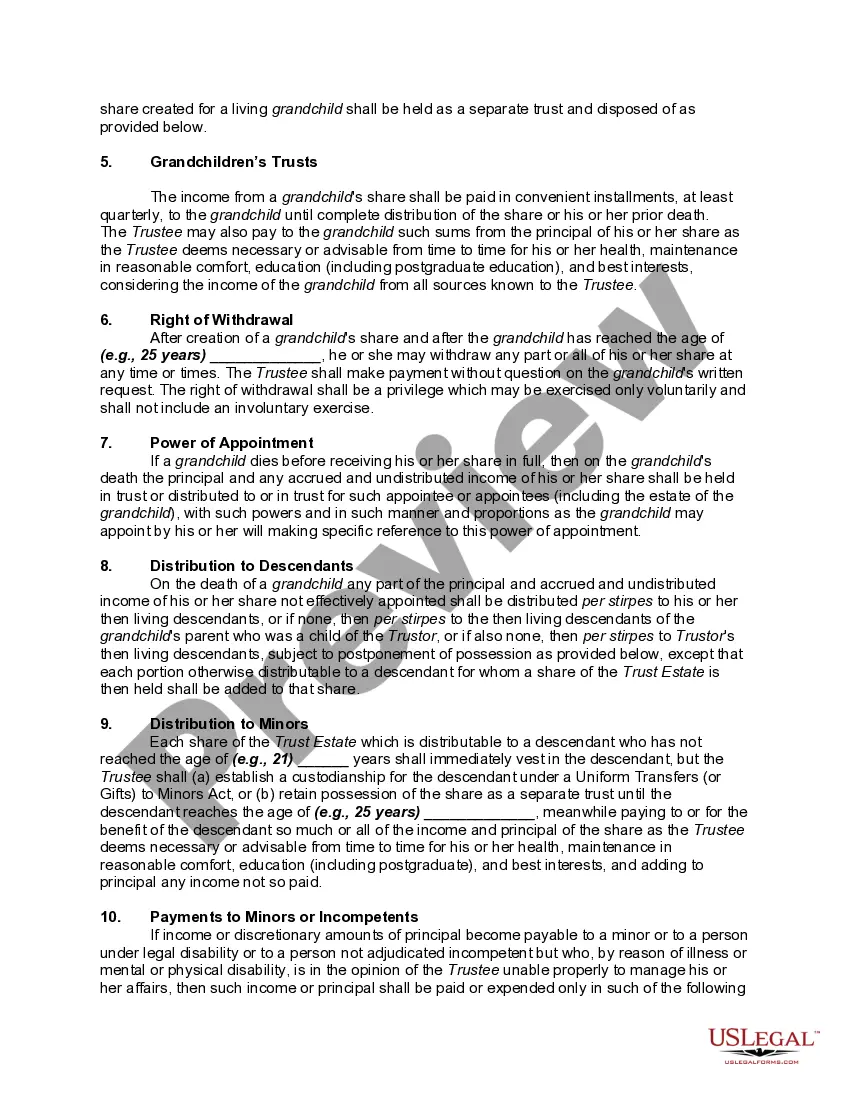
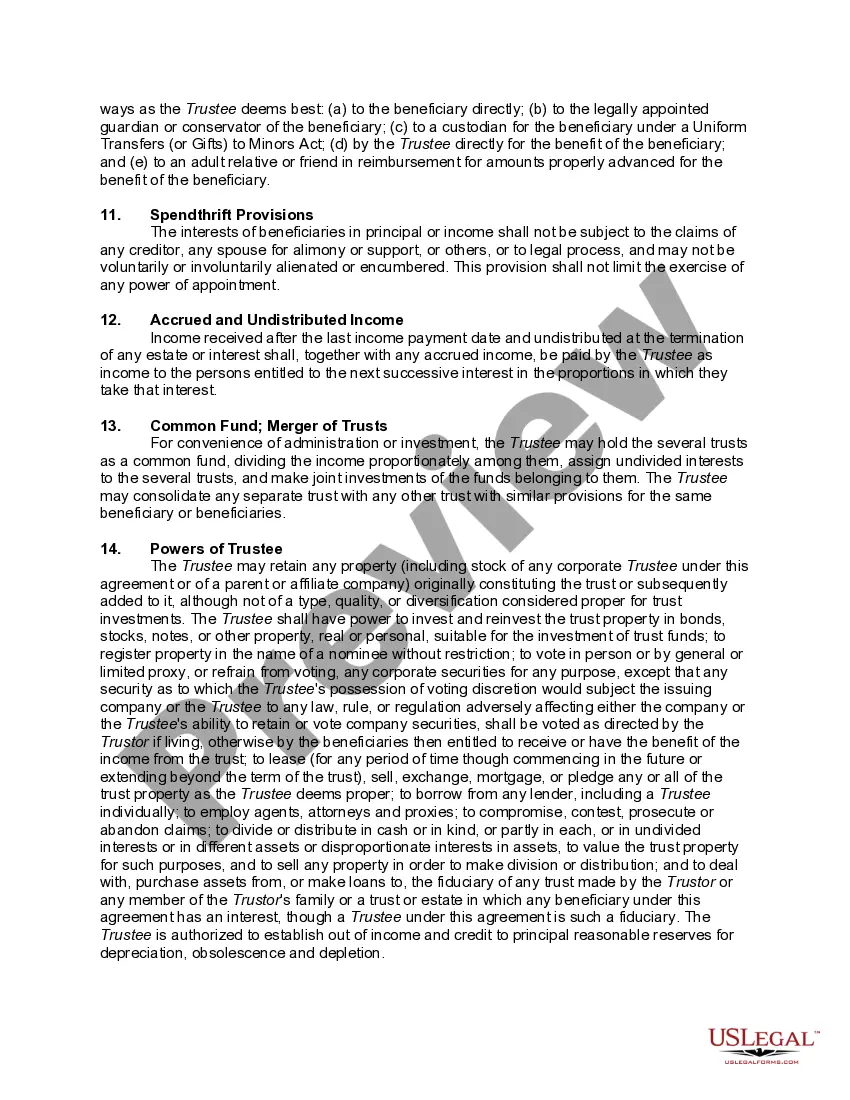
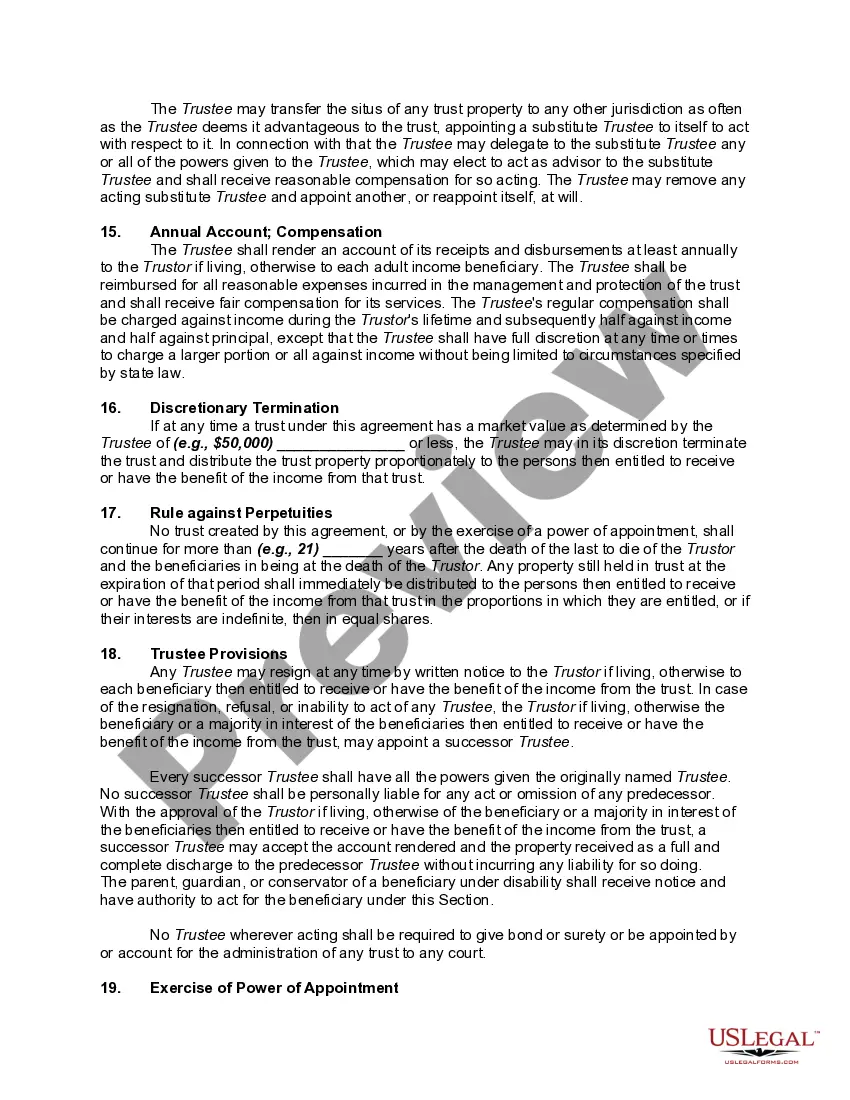
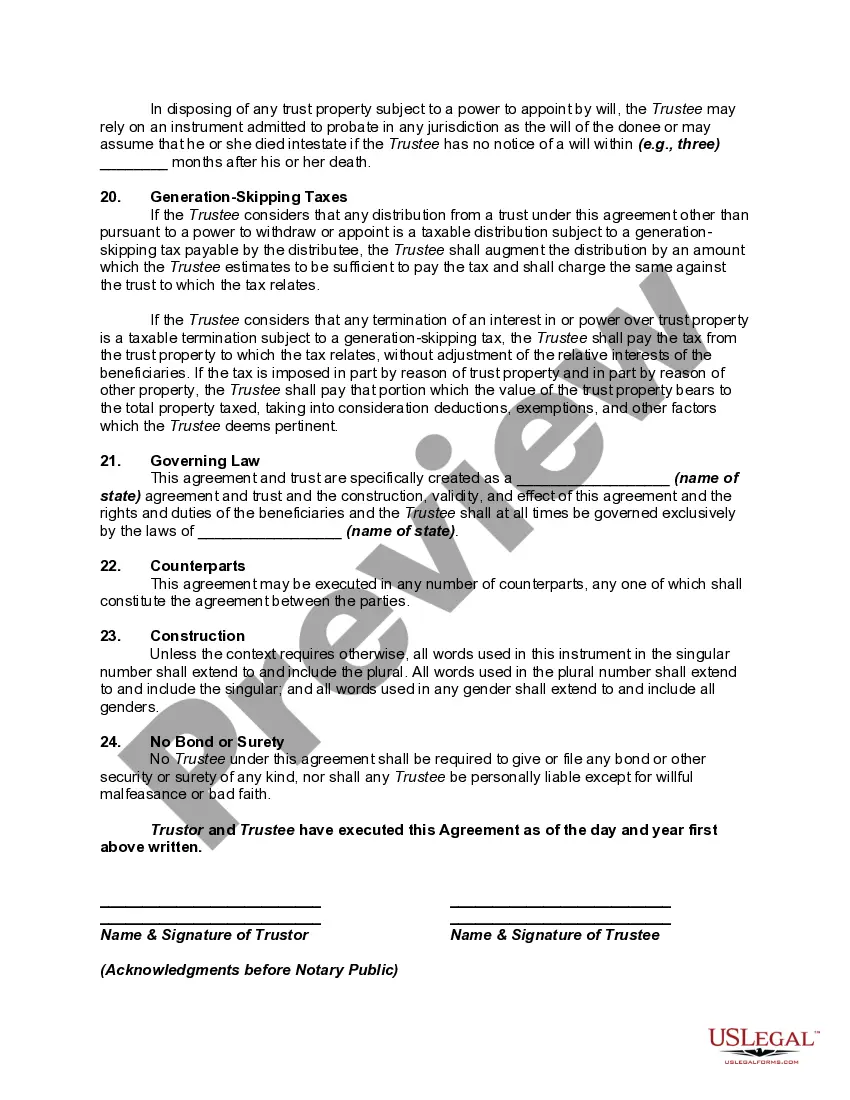



Get your form ready online
Our built-in tools help you complete, sign, share, and store your documents in one place.
Make edits, fill in missing information, and update formatting in US Legal Forms—just like you would in MS Word.
Download a copy, print it, send it by email, or mail it via USPS—whatever works best for your next step.
Sign and collect signatures with our SignNow integration. Send to multiple recipients, set reminders, and more. Go Premium to unlock E-Sign.
If this form requires notarization, complete it online through a secure video call—no need to meet a notary in person or wait for an appointment.
We protect your documents and personal data by following strict security and privacy standards.

Make edits, fill in missing information, and update formatting in US Legal Forms—just like you would in MS Word.

Download a copy, print it, send it by email, or mail it via USPS—whatever works best for your next step.

Sign and collect signatures with our SignNow integration. Send to multiple recipients, set reminders, and more. Go Premium to unlock E-Sign.

If this form requires notarization, complete it online through a secure video call—no need to meet a notary in person or wait for an appointment.

We protect your documents and personal data by following strict security and privacy standards.
Looking for another form?







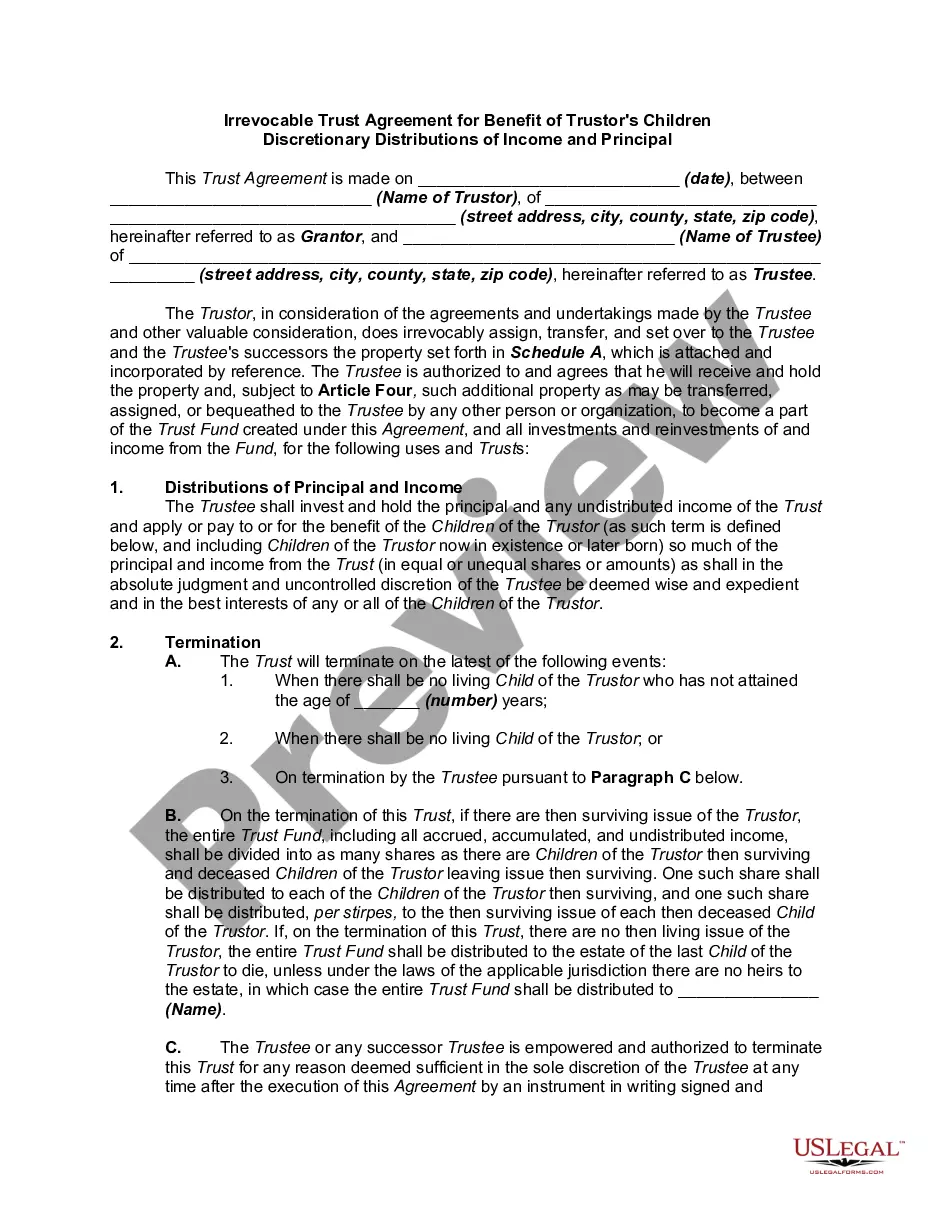
How to fill out Irrevocable Trust Agreement For Benefit Of Trustor's Children And Grandchildren With Spendthrift Trust Provisions?
- Log into your US Legal Forms account if you’re a returning user. Make sure your subscription is active, or renew it if necessary.
- Preview the available forms and descriptions to select the one that fits your needs, ensuring it complies with your local laws.
- If you need a different template, utilize the search function to find alternatives that suit your legal requirements.
- Purchase the selected document by hitting the Buy Now button and select a subscription plan that works for you. Registration is required to access the entire library.
- Complete your purchase by entering your payment information, either through a credit card or PayPal.
- Download the completed form directly to your device and find it in the My Forms section of your account for future access.
US Legal Forms empowers users with an extensive collection of over 85,000 legal forms, enabling seamless document creation tailored to individual needs. Additionally, premium expert support is available to enhance the accuracy and legality of your forms.
Take the first step towards securing your property with an irrevocable trust today. Visit US Legal Forms to browse our comprehensive library and start your legal journey.
Form popularity
FAQ
The key disadvantages of an irrevocable trust involve the loss of control and the complexity of setting it up. Once assets are transferred into the trust, you cannot modify or revoke it without the consent of all beneficiaries. Furthermore, establishing this trust can require considerable legal assistance, which may increase costs. It's essential to consult with professionals like uslegalforms to navigate these challenges effectively.
Choosing between a revocable or irrevocable trust depends on your needs. A revocable trust allows you to change or dissolve it as your circumstances shift, offering flexibility. Conversely, an irrevocable trust for property provides stronger asset protection and tax benefits, but you cannot modify it after creation. Consider your long-term goals when deciding the best option for you.
Yes, putting your house in an irrevocable trust for property can provide multiple benefits, such as protecting your home from estate taxes and creditors. It ensures that your property is distributed according to your wishes after your passing, rather than through probate. However, keep in mind that once your house is in the trust, you lose control over it, so you should weigh this decision carefully.
The three primary reasons for establishing an irrevocable trust for property include asset protection, estate tax reduction, and Medicaid planning. First, this trust helps safeguard your assets from creditors and legal claims. Second, it can significantly lower estate taxes, allowing you to keep more of your wealth within your family. Finally, by placing assets in this type of trust, you may qualify for Medicaid benefits without depleting your savings.
People choose an irrevocable trust for various reasons, including asset protection and estate planning. This trust offers security by ensuring that your property is managed as you intended after your passing. Using an irrevocable trust for property can also help with Medicaid planning, making it an appealing option for those looking to qualify for government assistance. Ultimately, it provides clarity and control over asset distribution.
In an irrevocable trust, the trust itself owns the house, not you personally. The trustee manages the property on behalf of the beneficiaries. This arrangement ensures that the home is handled according to your instructions laid out in the trust document. Utilizing our platform simplifies the process of designating the trustee and establishing the terms.
Putting your house in an irrevocable trust offers several advantages. It can protect your property from creditors and may reduce your estate taxes. Additionally, an irrevocable trust for property can provide peace of mind, knowing that your assets are safely managed according to your wishes. It also simplifies the inheritance process for your beneficiaries.
Yes, you can create your own irrevocable trust for property. However, doing so requires a clear understanding of legal requirements and implications. Many people find it beneficial to use a platform like uslegalforms, which provides the necessary documents and guidance to help you set up an effective irrevocable trust. This ensures that your trust meets state laws and effectively protects your assets.
While many assets can benefit from an irrevocable trust for property, certain items often cannot be included. For example, assets that you still wish to use or retain control over, like your primary residence, are typically excluded. Moreover, any asset that does not have a clear legal title might also pose challenges in being placed into the trust. Understanding these limitations can help you make informed decisions.
One major mistake parents often make when establishing a trust fund is failing to communicate their intentions clearly with their heirs. This lack of communication can lead to misunderstandings and conflicts later on. Additionally, not consulting with a legal professional may result in poorly structured terms in the irrevocable trust for property. Engaging experts can help you avoid these pitfalls and create a more effective plan.