Irrevocable Trust For Funeral Expenses
Description
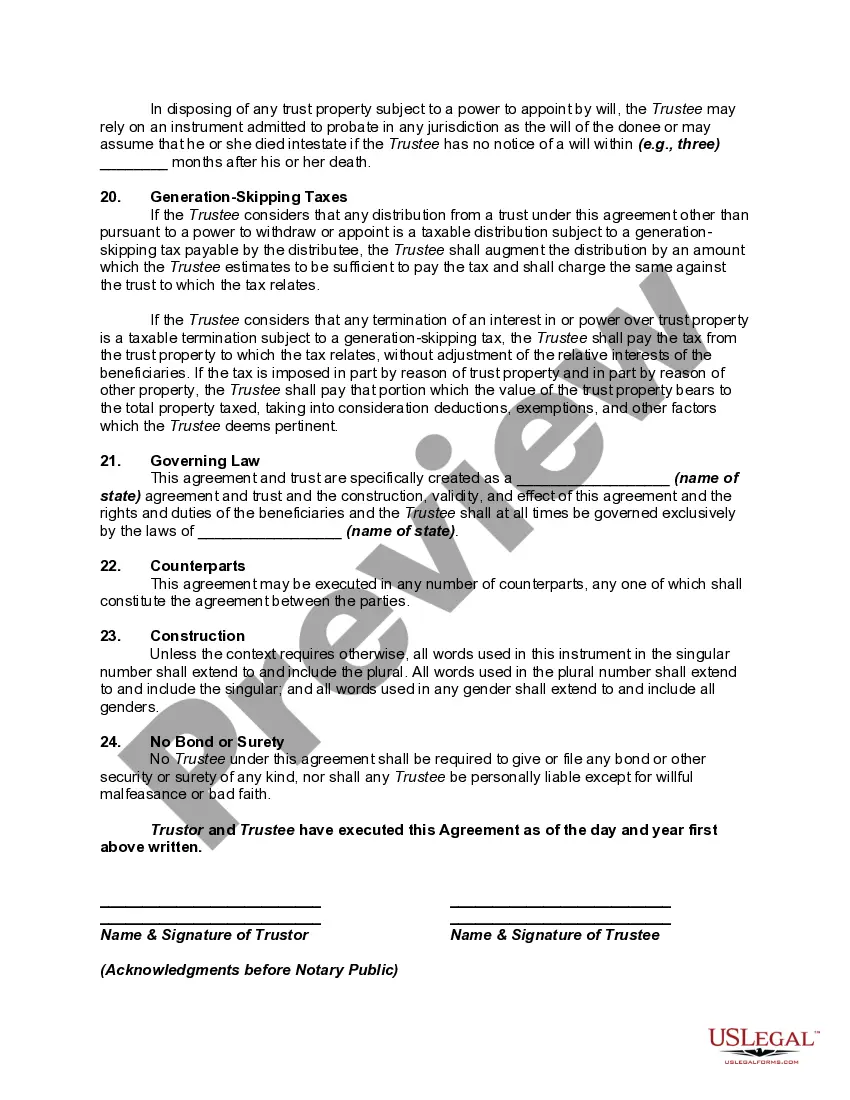


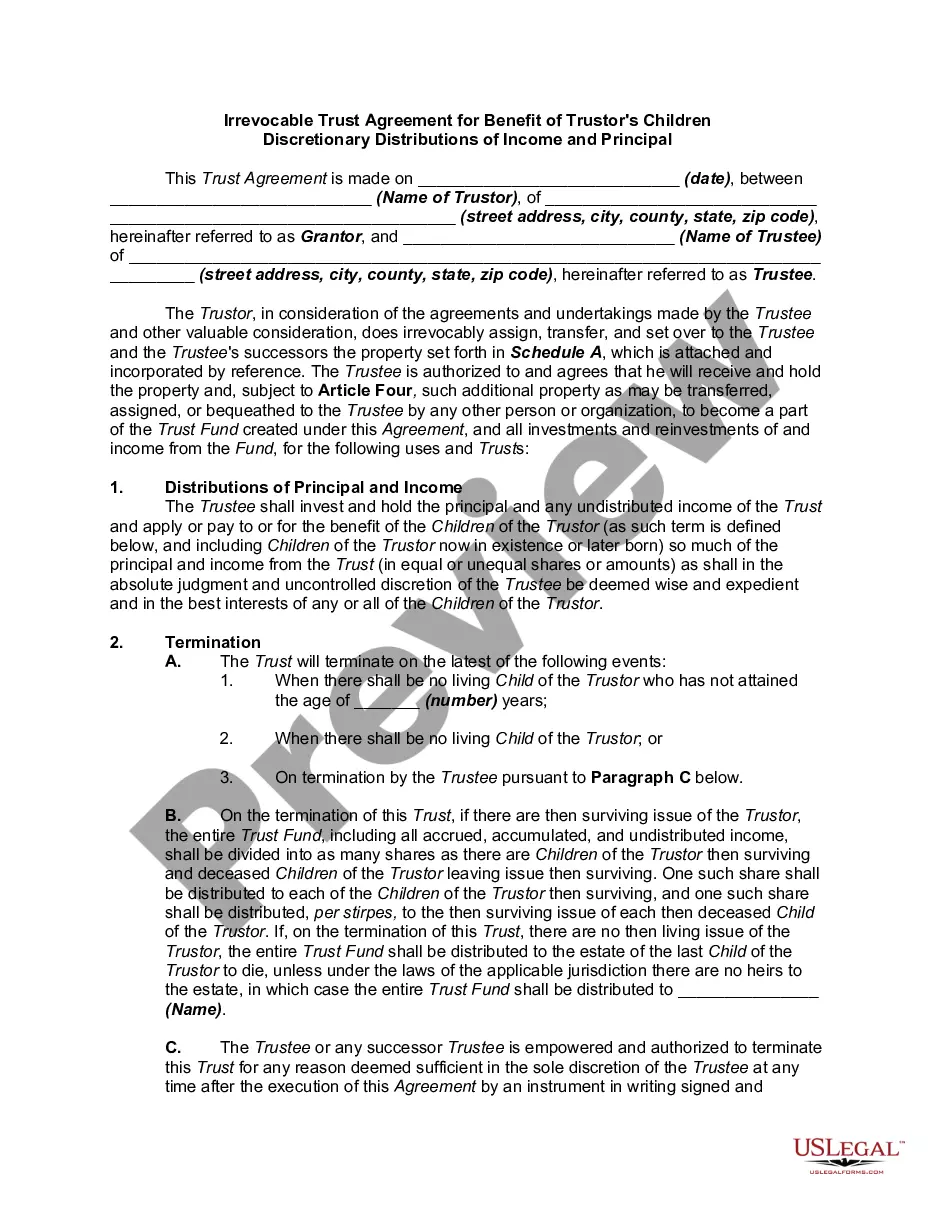
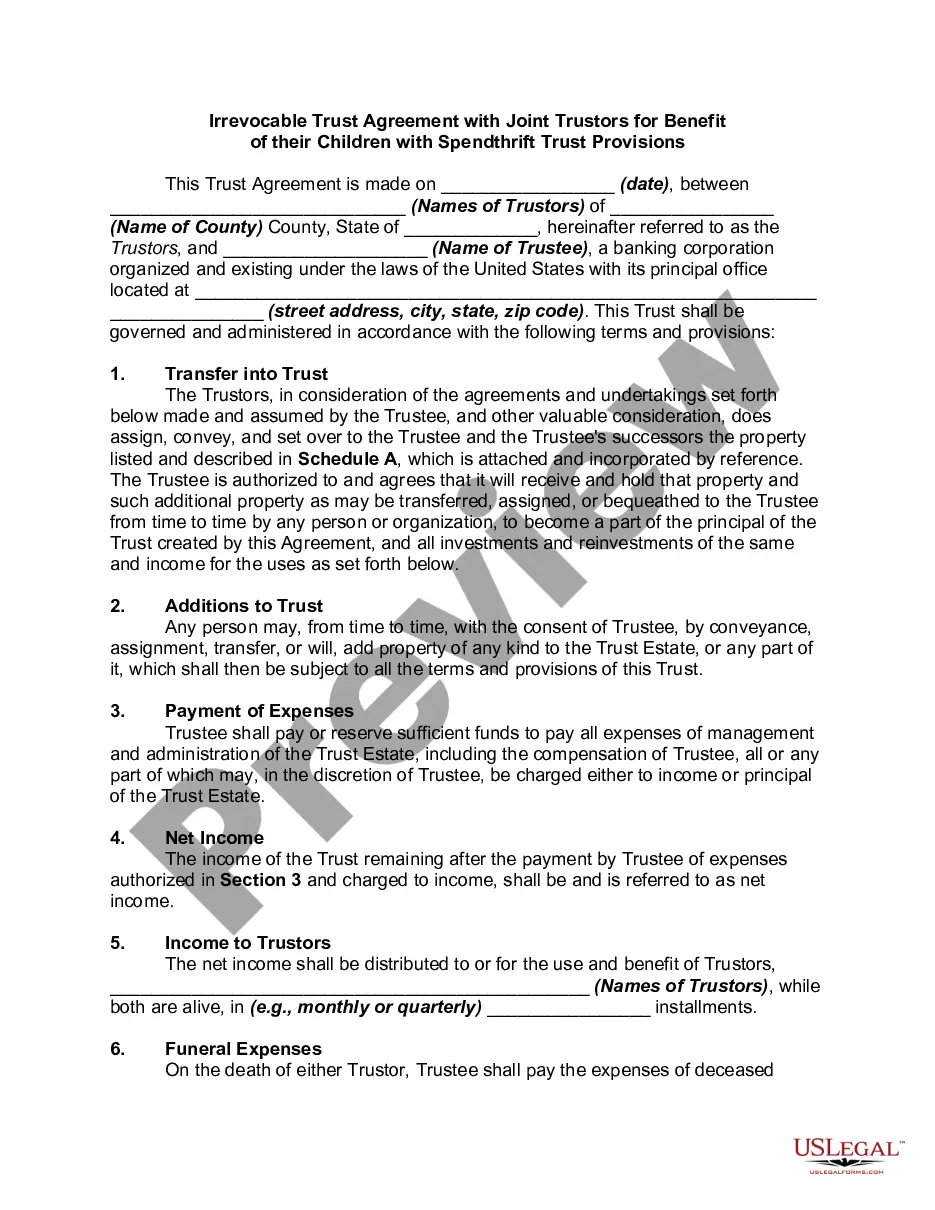
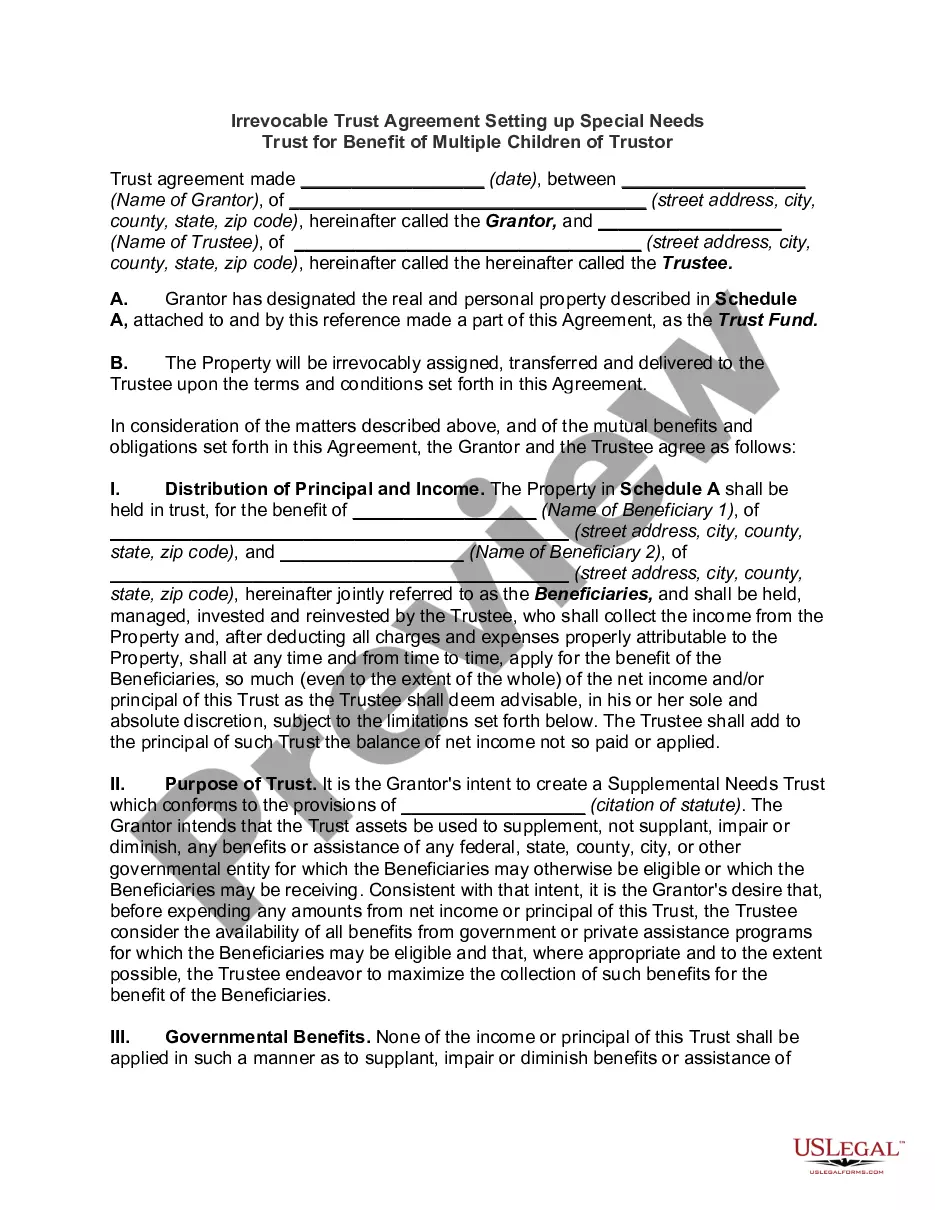
Get your form ready online
Our built-in tools help you complete, sign, share, and store your documents in one place.
Make edits, fill in missing information, and update formatting in US Legal Forms—just like you would in MS Word.
Download a copy, print it, send it by email, or mail it via USPS—whatever works best for your next step.
Sign and collect signatures with our SignNow integration. Send to multiple recipients, set reminders, and more. Go Premium to unlock E-Sign.
If this form requires notarization, complete it online through a secure video call—no need to meet a notary in person or wait for an appointment.
We protect your documents and personal data by following strict security and privacy standards.

Make edits, fill in missing information, and update formatting in US Legal Forms—just like you would in MS Word.

Download a copy, print it, send it by email, or mail it via USPS—whatever works best for your next step.

Sign and collect signatures with our SignNow integration. Send to multiple recipients, set reminders, and more. Go Premium to unlock E-Sign.

If this form requires notarization, complete it online through a secure video call—no need to meet a notary in person or wait for an appointment.

We protect your documents and personal data by following strict security and privacy standards.
Looking for another form?








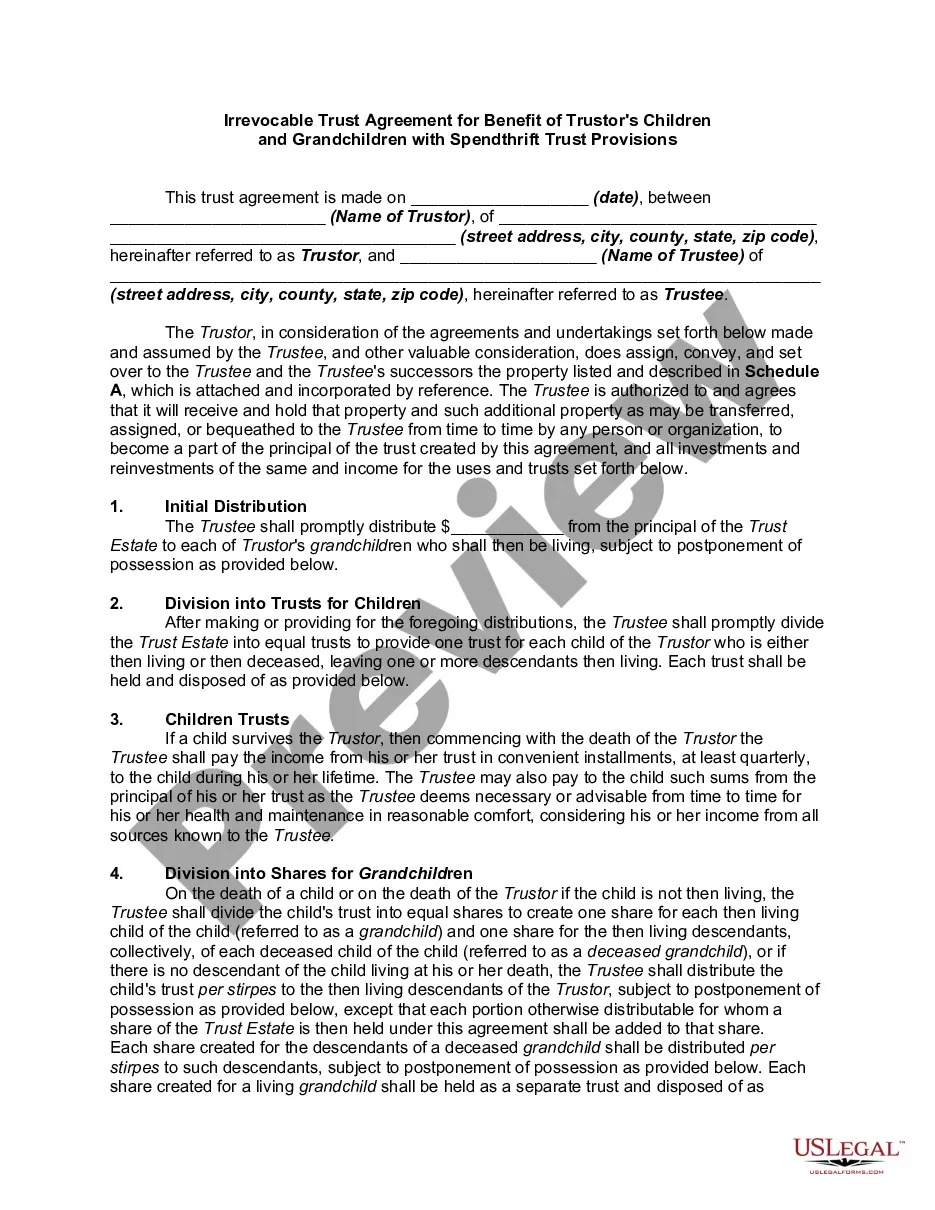
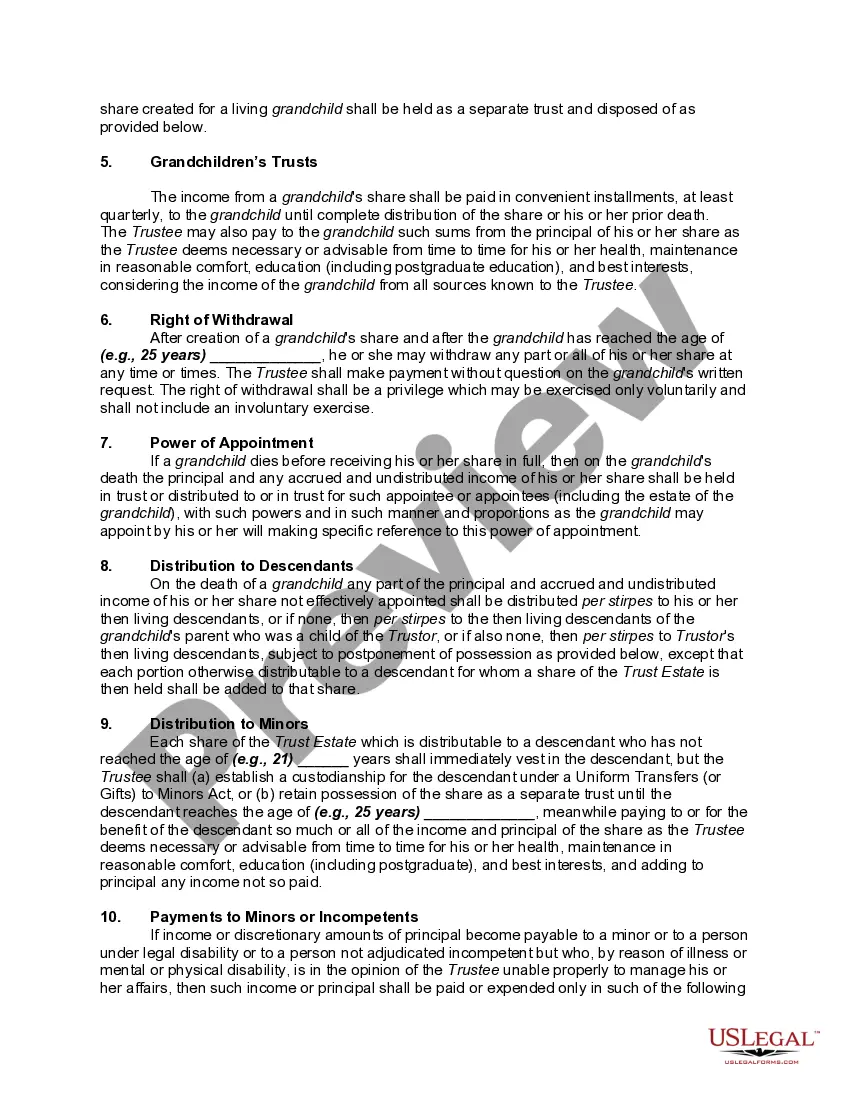
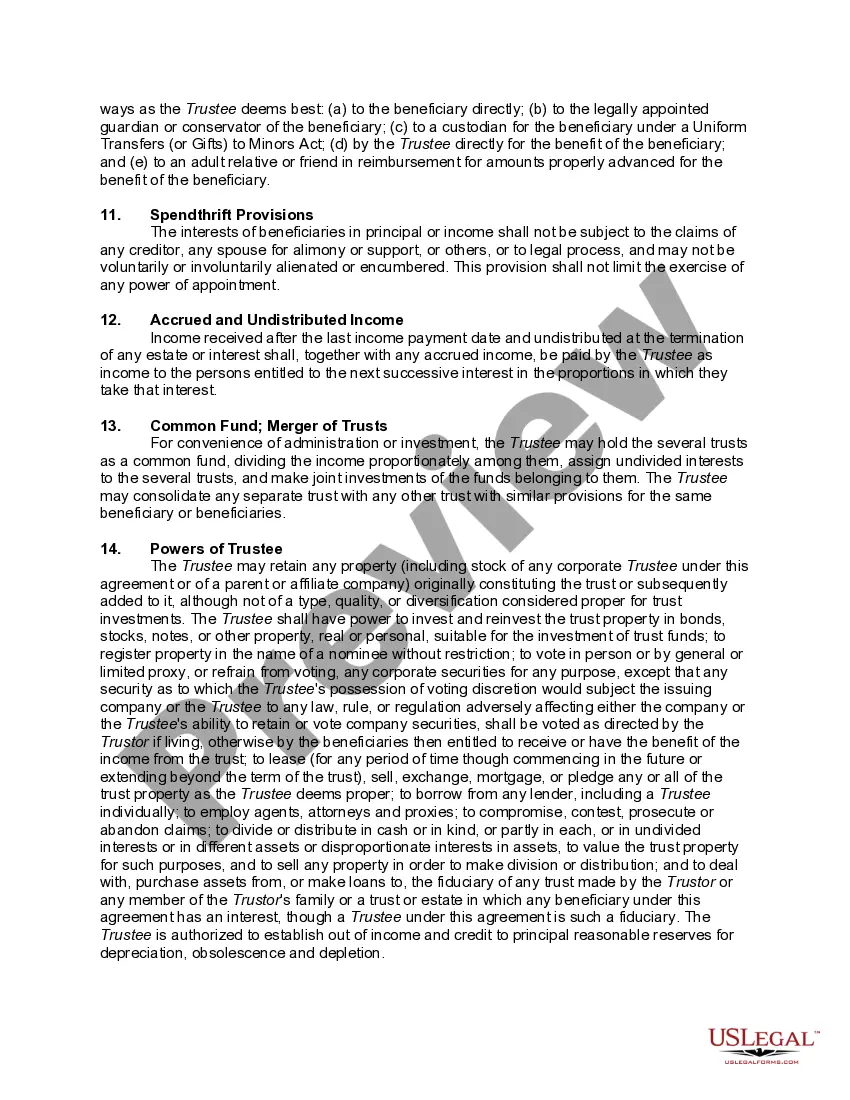
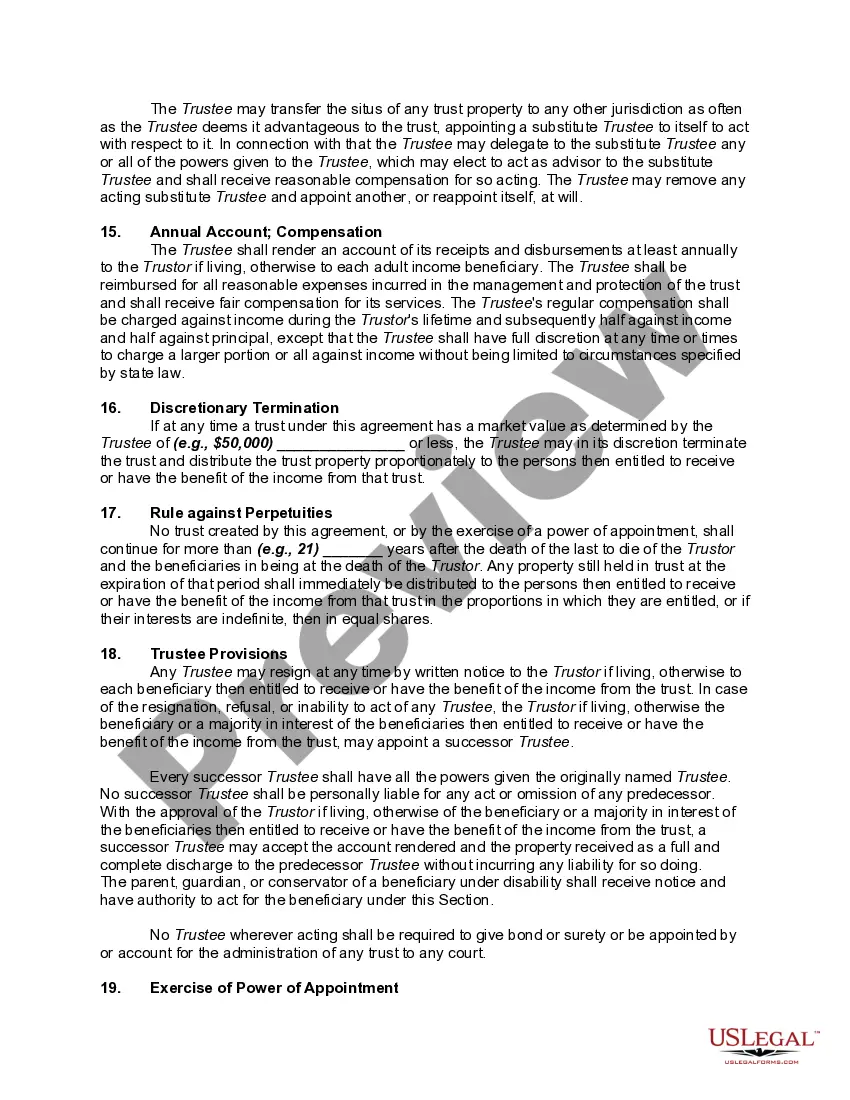
How to fill out Irrevocable Trust Agreement For Benefit Of Trustor's Children And Grandchildren With Spendthrift Trust Provisions?
- If you are a returning user of US Legal Forms, visit the website and log in to access your account. Once logged in, locate the desired form and download it by clicking the Download button. Ensure your subscription remains valid; if it has lapsed, renew according to your payment plan.
- For first-time users, start by browsing the US Legal Forms library and checking the preview mode for the irrevocable trust for funeral expenses. Confirm that the form meets your requirements and complies with your local jurisdiction.
- Should you need a different form, utilize the Search tab to find the correct template, ensuring no discrepancies affect your choice.
- Once you've found the form that meets your needs, proceed to purchase it. Click the Buy Now button and select a subscription plan that suits your needs, including creating an account for full library access.
- Enter your payment information to finalize your purchase, using either your credit card or PayPal account.
- Finally, download the form and save it to your device for easy access. You can always return to the My Forms menu to retrieve it anytime in the future.
In conclusion, utilizing US Legal Forms simplifies the process of setting up an irrevocable trust for funeral expenses. With a vast collection of legal documents and expert assistance at your fingertips, you can ensure everything is taken care of with precision and ease. Don't wait—start your journey towards peace of mind today!
Form popularity
FAQ
When the person who established an irrevocable trust for funeral expenses passes away, the assets in the trust are released for the specified purposes outlined in the trust document. This typically means that the funds will be used directly to cover funeral expenses, avoiding the financial burden on the family. The trust ensures that the deceased's wishes regarding their funeral are fulfilled, providing peace of mind during a difficult time. It is important for beneficiaries to understand the terms, so they can smoothly navigate the process.
Filling out an irrevocable trust for funeral expenses requires careful attention to detail. First, you need to identify the trust's purpose and beneficiaries, ensuring all necessary parties are included. Next, you must list the assets you wish to place in the trust and clearly outline how these funds will be used for funeral expenses. To simplify the process, consider using platforms like US Legal Forms, which offer templates and guidance tailored to creating irrevocable trusts.
The main downside of an irrevocable trust for funeral expenses is that once you establish it, you cannot change or cancel it. This means you relinquish control over the assets placed in the trust. Additionally, this type of trust may limit your financial flexibility, as the funds are committed to specific uses. Some individuals may prefer more control over their assets, which is an important consideration.
An irrevocable trust for funeral expenses becomes essential after death as it holds and manages funds specifically designated for your funeral costs. Upon your passing, the trustee can directly access these funds to cover expenses, ensuring your wishes are honored without unnecessary delays. This structure protects the assets from probate, allowing your loved ones to focus on grieving rather than financial hassles. Using uslegalforms, you can set up your irrevocable trust efficiently, simplifying the process and ensuring peace of mind for you and your family.
Funeral expenses can be tax deductible when incurred by an irrevocable trust for funeral expenses. The trust must be properly established to ensure these deductions are valid under IRS regulations. By setting up your trust correctly with the right guidance, you can optimize financial benefits for the beneficiaries, making it a viable solution for managing funeral expenses efficiently.
Yes, an irrevocable trust can deduct qualified medical expenses incurred on behalf of a beneficiary. These expenses must be necessary, reasonable, and related to the beneficiary’s medical care. By utilizing an irrevocable trust for funeral expenses, you may also address medical costs efficiently within the overall estate planning framework.
When managing an irrevocable trust for funeral expenses, certain costs can be deducted from the trust income. These may include ongoing trust administration costs, property taxes on the trust property, and necessary expenses related to managing trust assets. Remember, these deductions can help reduce taxable income, ultimately benefiting the trust and its beneficiaries.
A trust may be able to cover funeral expenses, but it generally cannot write off these costs for tax purposes. However, an irrevocable trust for funeral expenses ensures that the funds allocated for your funeral are utilized exclusively for that purpose. It's important to consult with a tax advisor to understand any tax implications related to funeral trusts.
Funeral trusts can be a wise decision for many individuals. By setting up an irrevocable trust for funeral expenses, you can guarantee that your funeral costs are covered, alleviating financial pressures on your family. This pre-arrangement also allows you to make decisions about your funeral services, ensuring it aligns with your preferences.
To set up a funeral trust, begin by consulting with a financial advisor who understands irrevocable trusts for funeral expenses. Next, decide on the amount you wish to allocate for your funeral costs and select a trusted provider. The setup will involve signing agreements that specify how the funds should be managed and disbursed when needed, ensuring your family is taken care of during a difficult time.