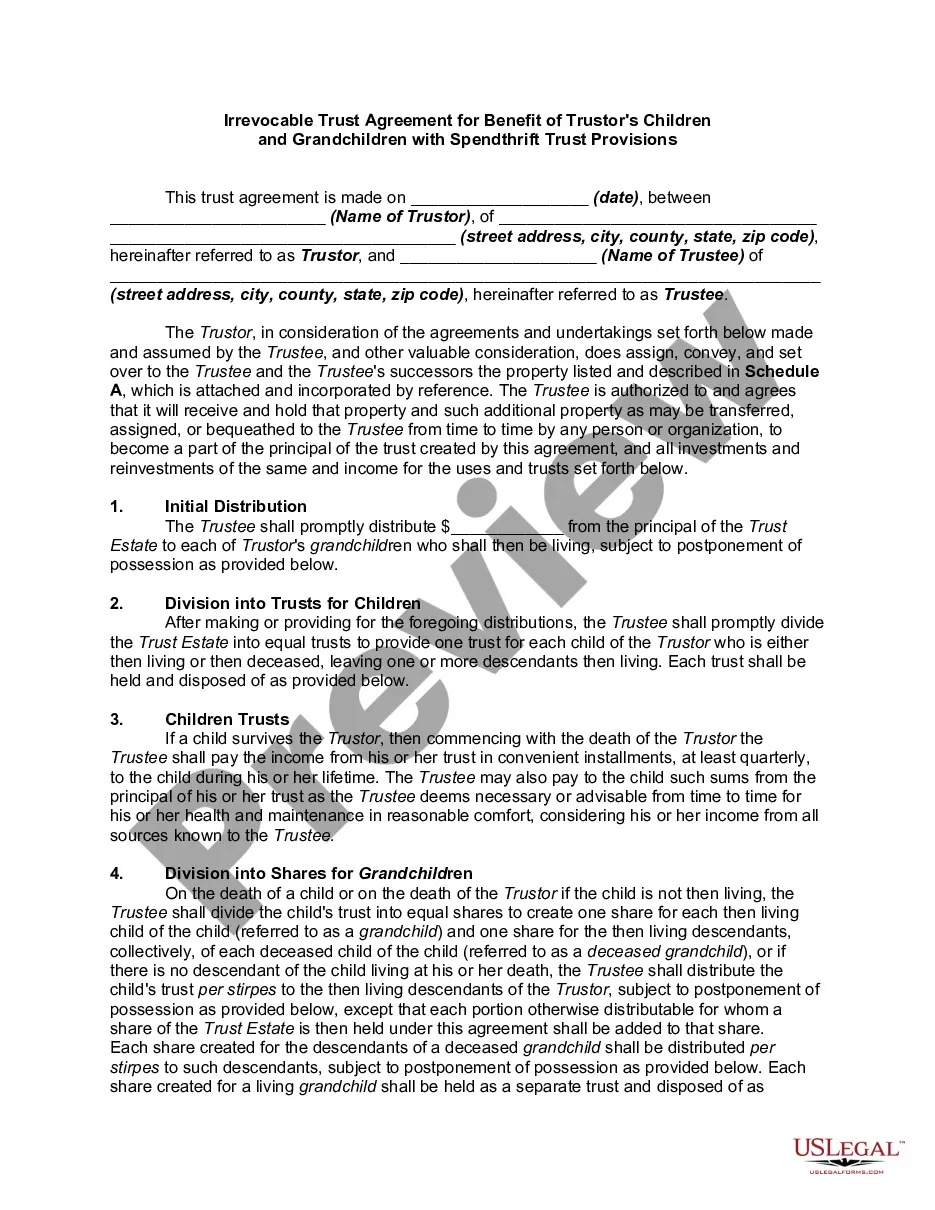
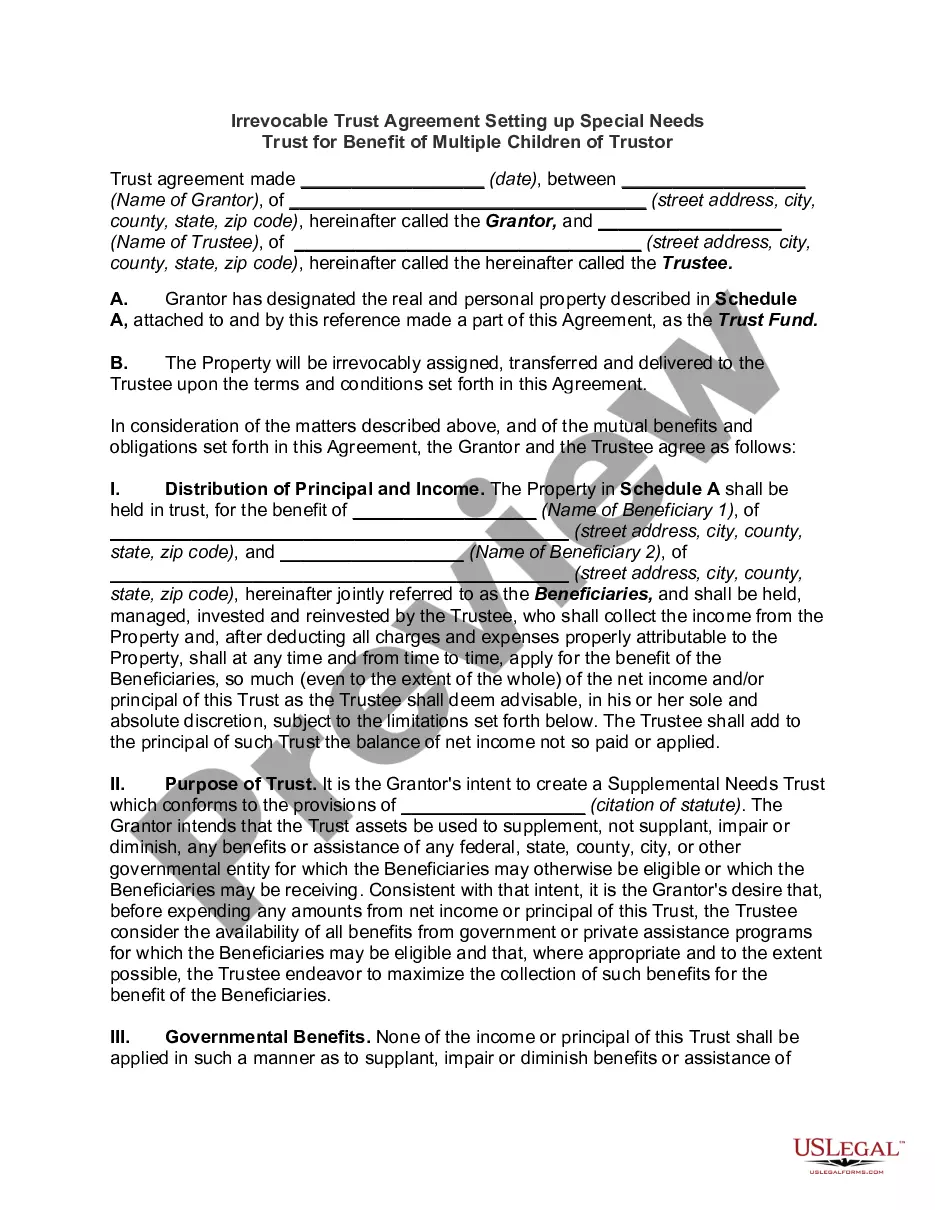
Irrevocable Spendthrift Trust Form For Estate
Description
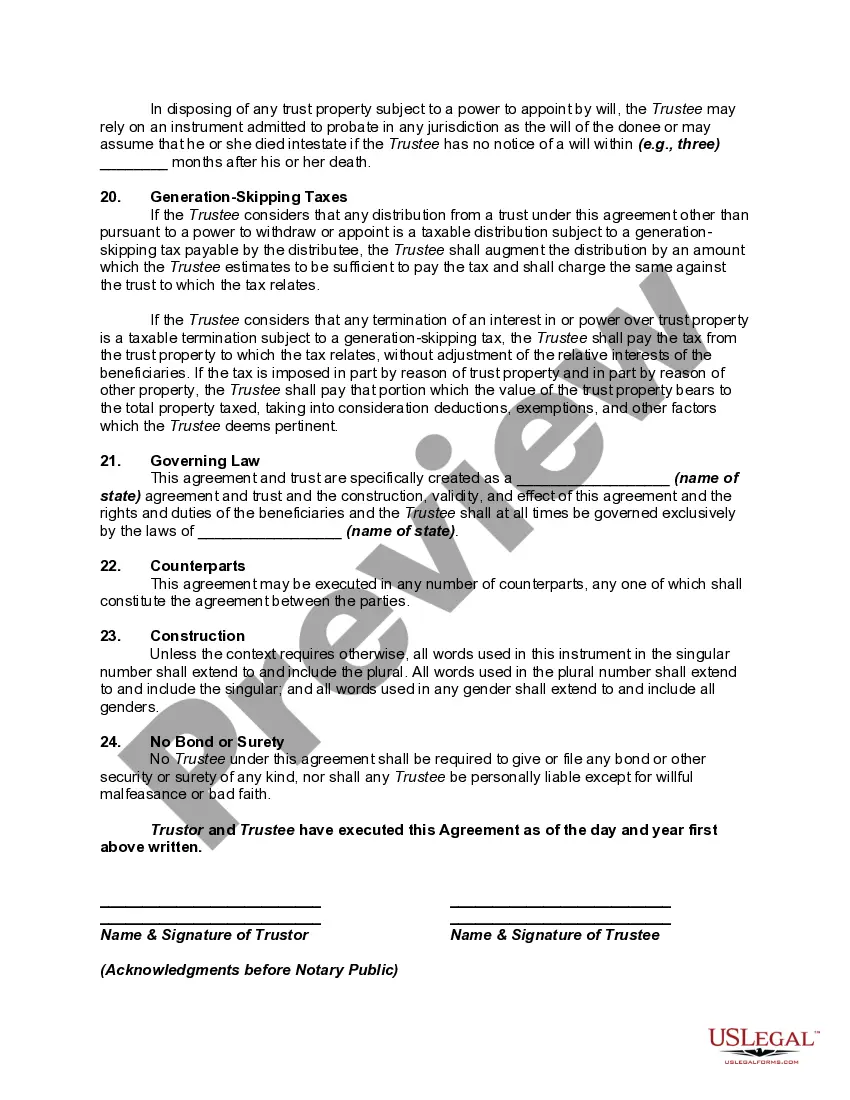

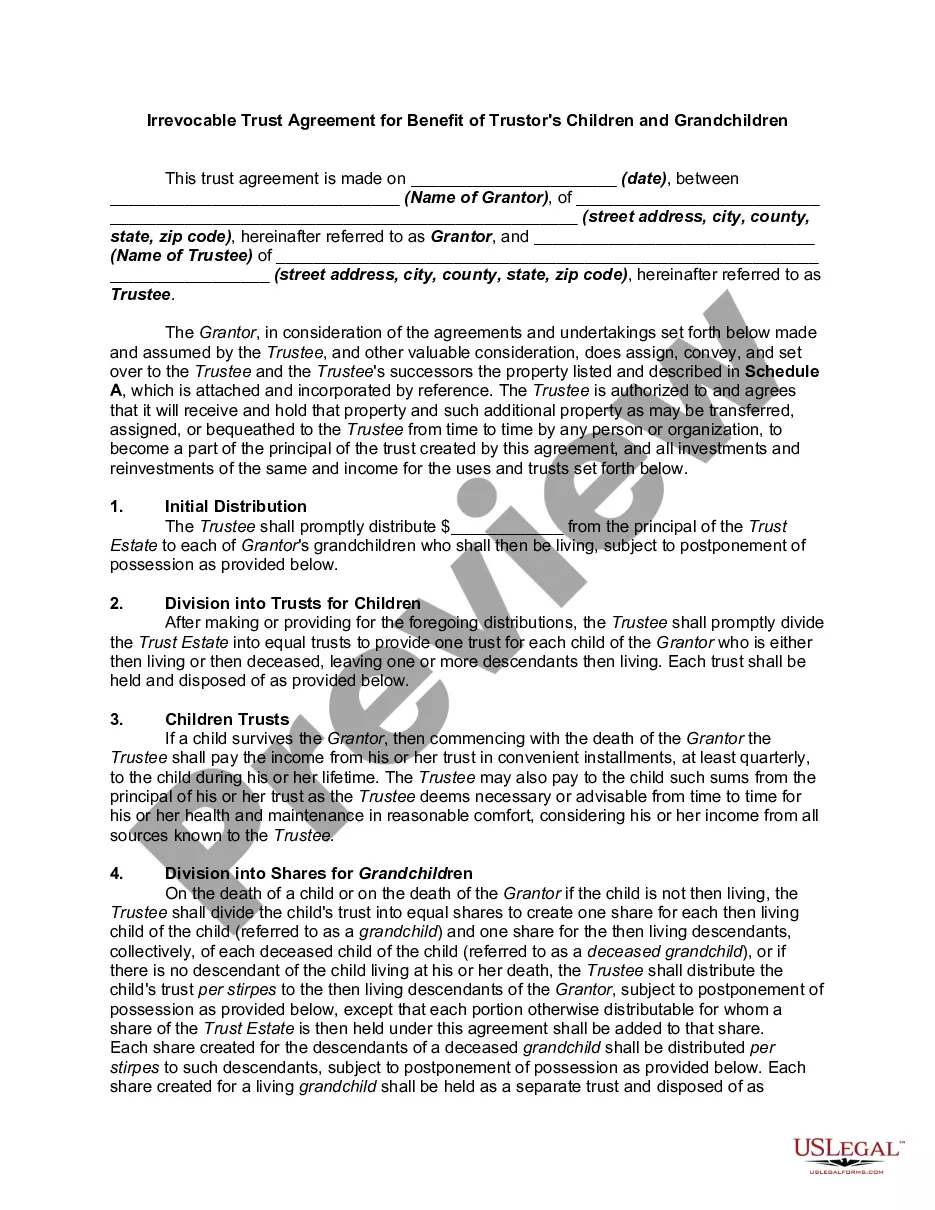
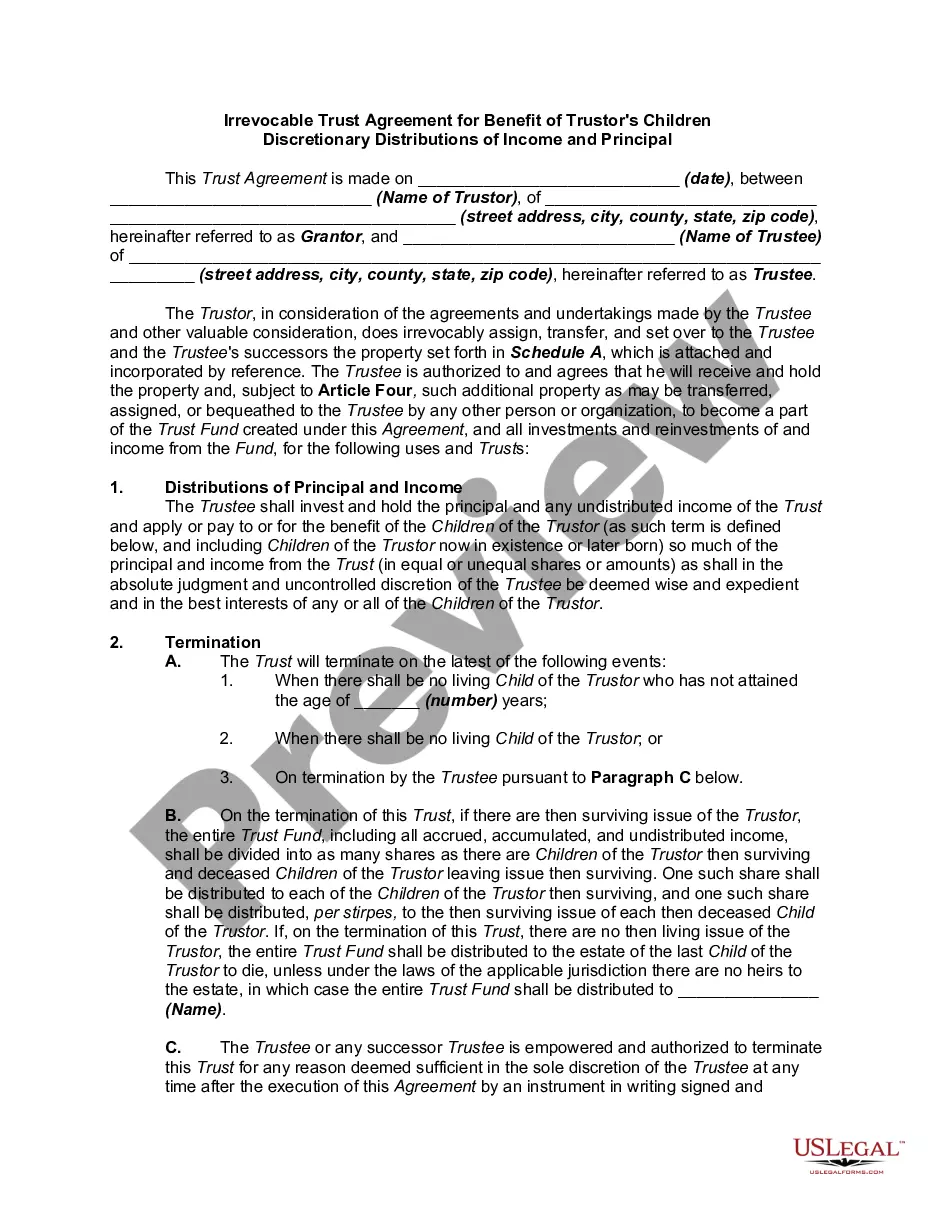
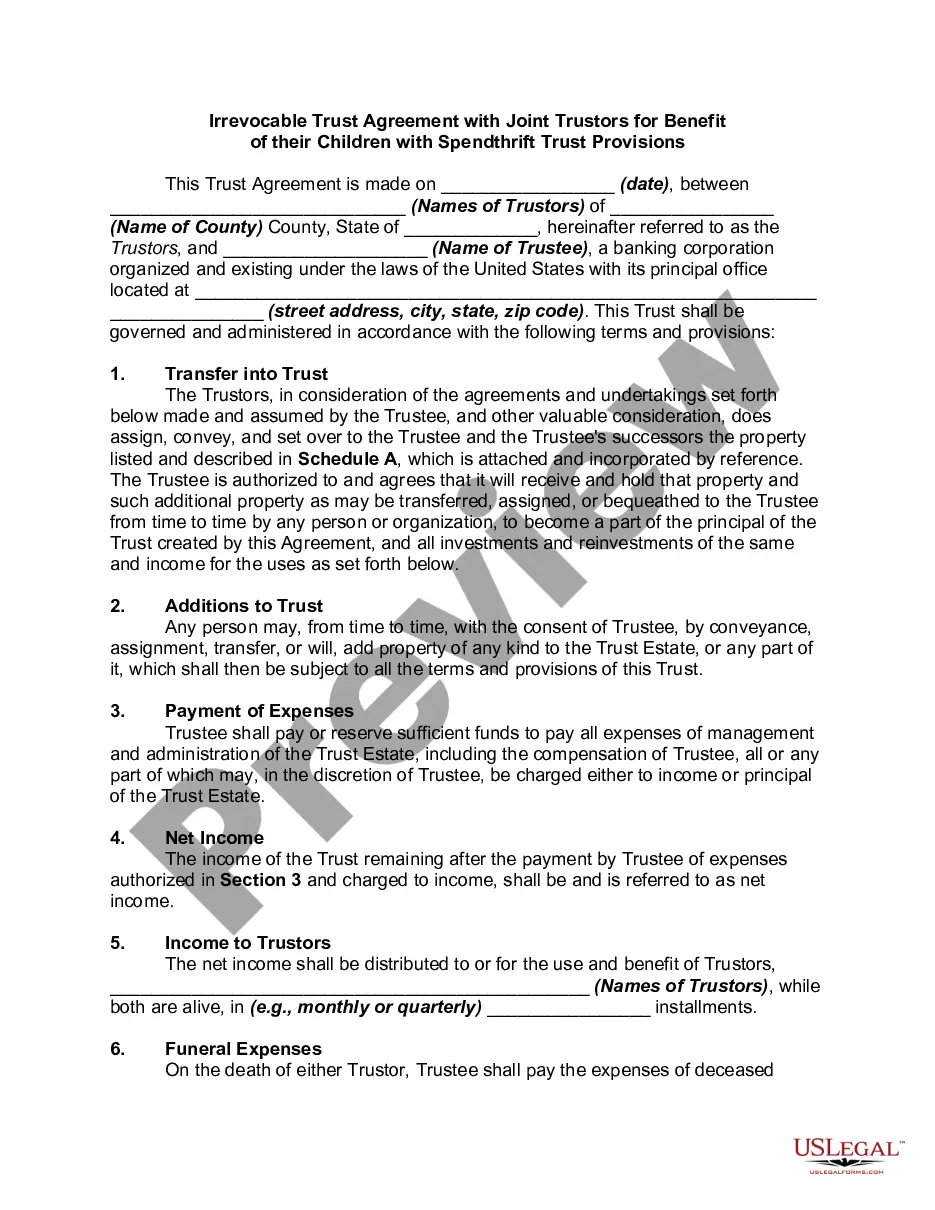
Get your form ready online
Our built-in tools help you complete, sign, share, and store your documents in one place.
Make edits, fill in missing information, and update formatting in US Legal Forms—just like you would in MS Word.
Download a copy, print it, send it by email, or mail it via USPS—whatever works best for your next step.
Sign and collect signatures with our SignNow integration. Send to multiple recipients, set reminders, and more. Go Premium to unlock E-Sign.
If this form requires notarization, complete it online through a secure video call—no need to meet a notary in person or wait for an appointment.
We protect your documents and personal data by following strict security and privacy standards.

Make edits, fill in missing information, and update formatting in US Legal Forms—just like you would in MS Word.

Download a copy, print it, send it by email, or mail it via USPS—whatever works best for your next step.

Sign and collect signatures with our SignNow integration. Send to multiple recipients, set reminders, and more. Go Premium to unlock E-Sign.

If this form requires notarization, complete it online through a secure video call—no need to meet a notary in person or wait for an appointment.

We protect your documents and personal data by following strict security and privacy standards.
Looking for another form?


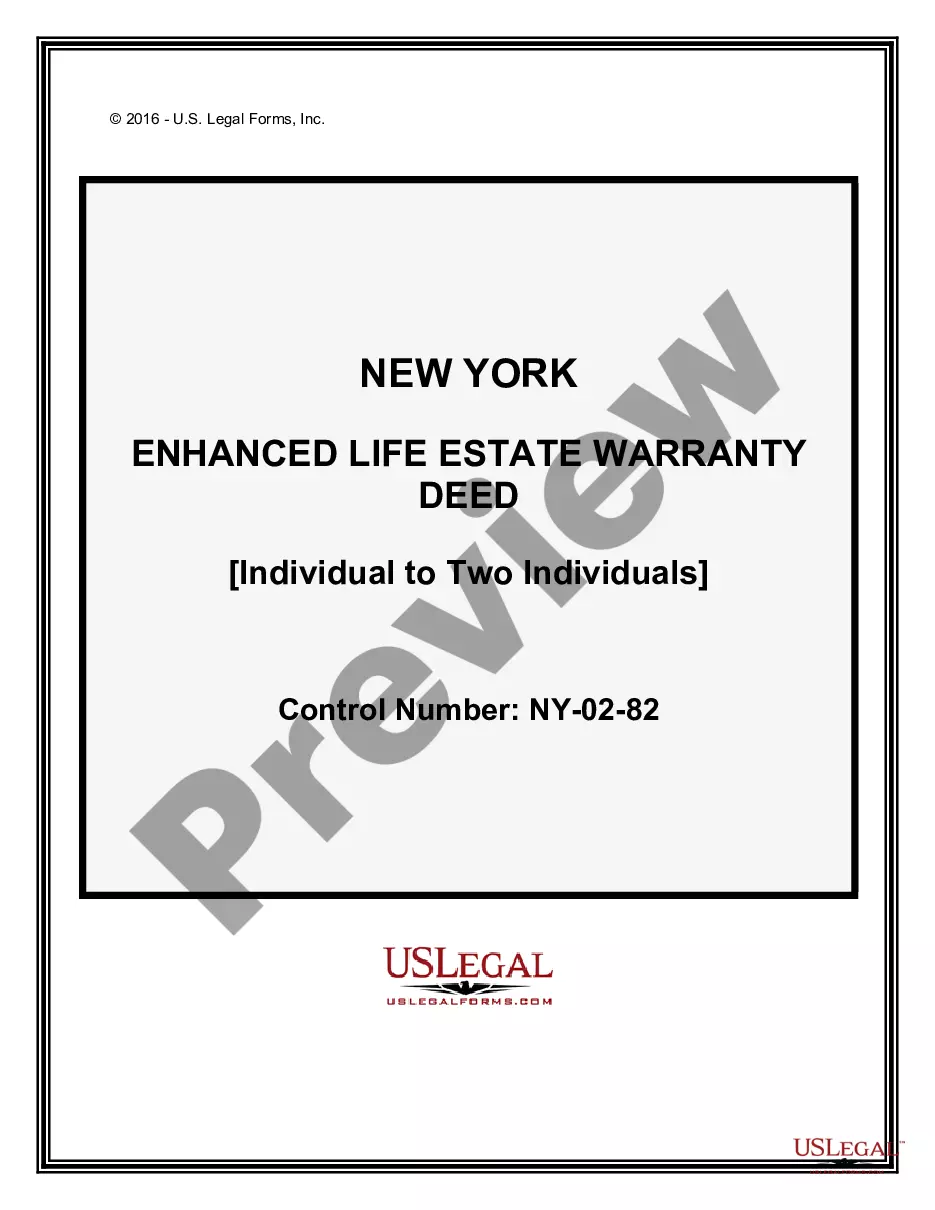





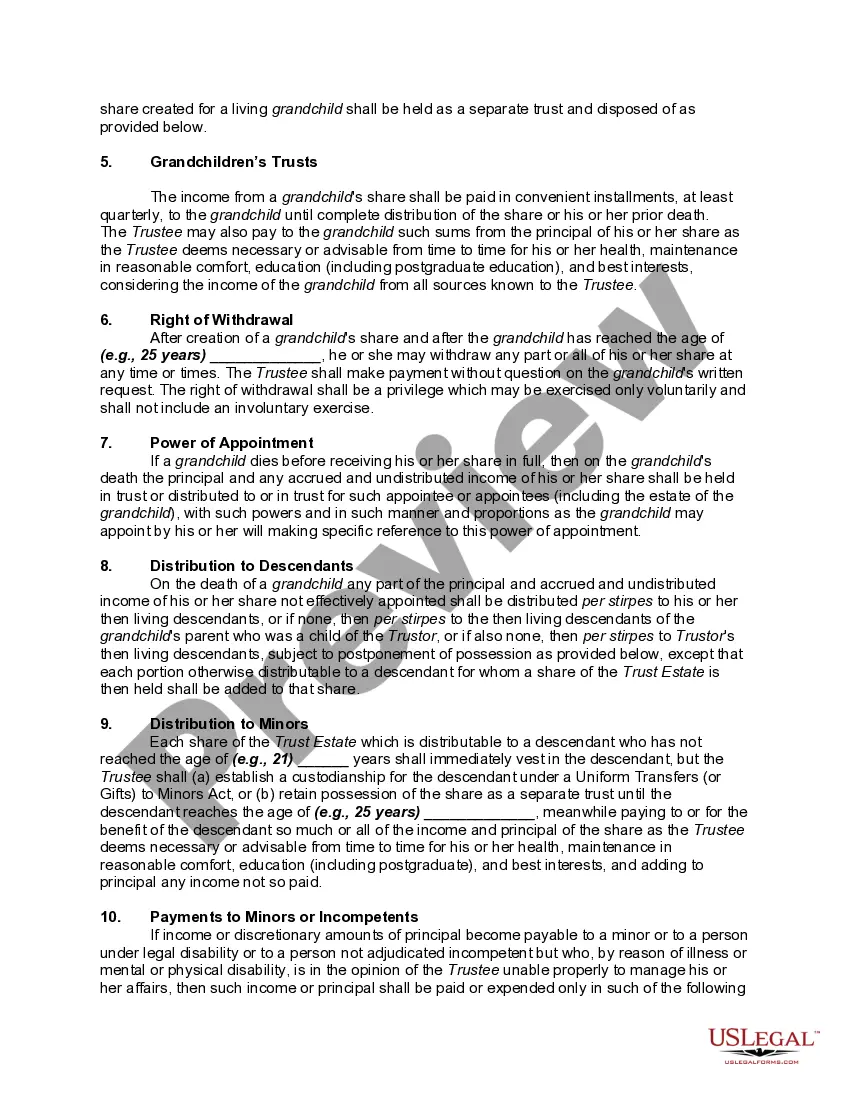
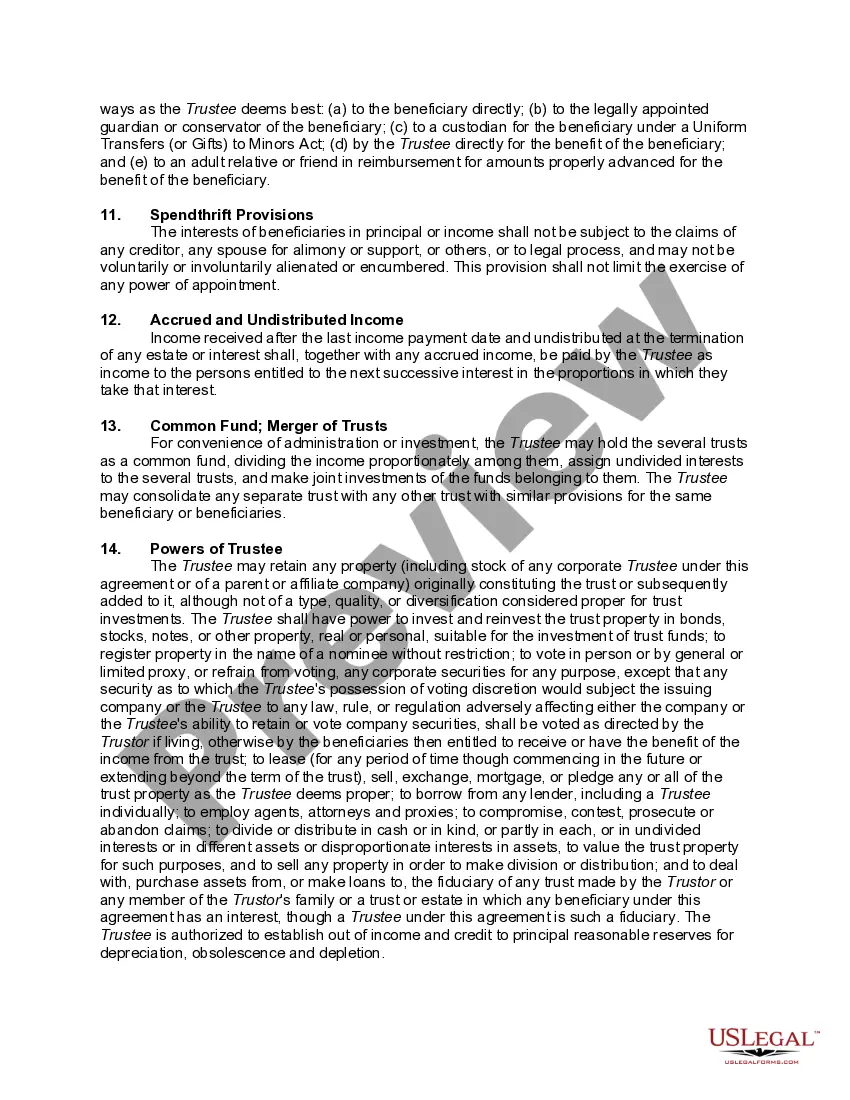
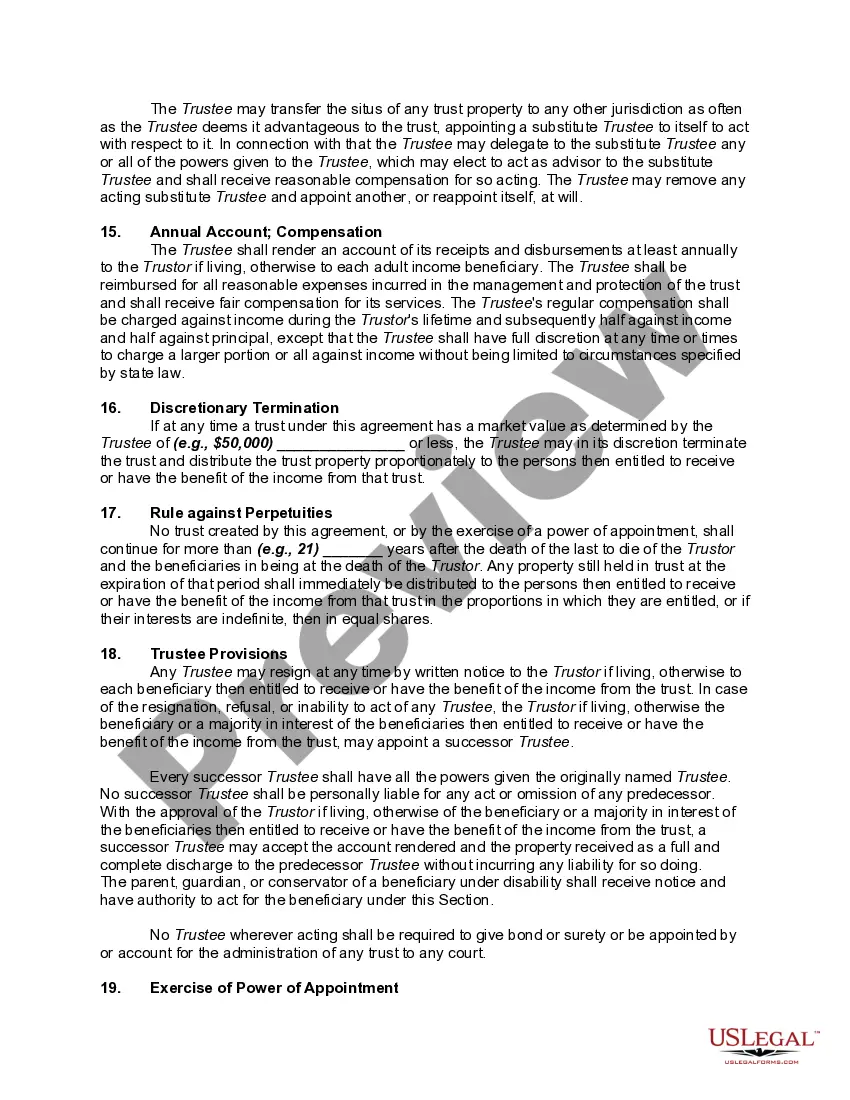
How to fill out Irrevocable Trust Agreement For Benefit Of Trustor's Children And Grandchildren With Spendthrift Trust Provisions?
The Irrevocable Spendthrift Trust Template For Estate that you view on this page is a reusable official format crafted by qualified attorneys in accordance with federal and state regulations.
For over 25 years, US Legal Forms has supplied individuals, entities, and legal experts with more than 85,000 authenticated, state-specific documents for any business and personal situation. It’s the quickest, easiest, and most reliable method to acquire the forms you need, as the service assures the utmost level of data protection and anti-malware security.
Join US Legal Forms to have authenticated legal templates for every life situation readily available.
- Search for the document you require and verify it.
- Select the pricing option that fits you and create an account. Utilize PayPal or a credit card for a swift payment. If you already possess an account, Log In and check your subscription to proceed.
- Choose the format you desire for your Irrevocable Spendthrift Trust Template For Estate (PDF, Word, RTF) and save the document on your device.
- Print the template to complete it by hand. Alternatively, utilize an online versatile PDF editor to quickly and accurately fill out and sign your document with a legally-binding electronic signature.
- Use the same document again whenever required. Access the My documents section in your profile to redownload any previously purchased documents.
Form popularity
FAQ
The trustee can write the beneficiary a check, give them cash, and transfer real estate by drawing up a new deed or selling the house and giving them the proceeds.
When an irrevocable trust disburses funds, the trust takes a taxable deduction for the amount distributed and issues a tax form to the beneficiary. This form, known as a K-1, shows the total disbursement received and includes a breakdown of the amount that is attributed to interest income versus principal balance.
A spendthrift trust can be irrevocable or revocable. A revocable trust can be modified, whereas an irrevocable trust cannot. Although some grantors might prefer the flexibility of a revocable trust, irrevocable trusts offer more protection against taxes and probate.
What Should I Avoid with My Irrevocable Trust? Use trust funds to pay for personal expenses. Use trust funds to pay for monthly bills, such as phone bills or utilities. Use trust assets to purchase vehicles. Gift assets from the trust to beneficiaries. Transfer assets into the trust without consulting your lawyer.
Spendthrift trusts can be revocable or irrevocable and include the same key elements as other types of trusts, including: A grantor who establishes the trust (that's you) A trustee who manages the trust. A beneficiary or beneficiaries who receive the assets held in the trust.