Irrevocable Grantor Trusts With A Will
Description


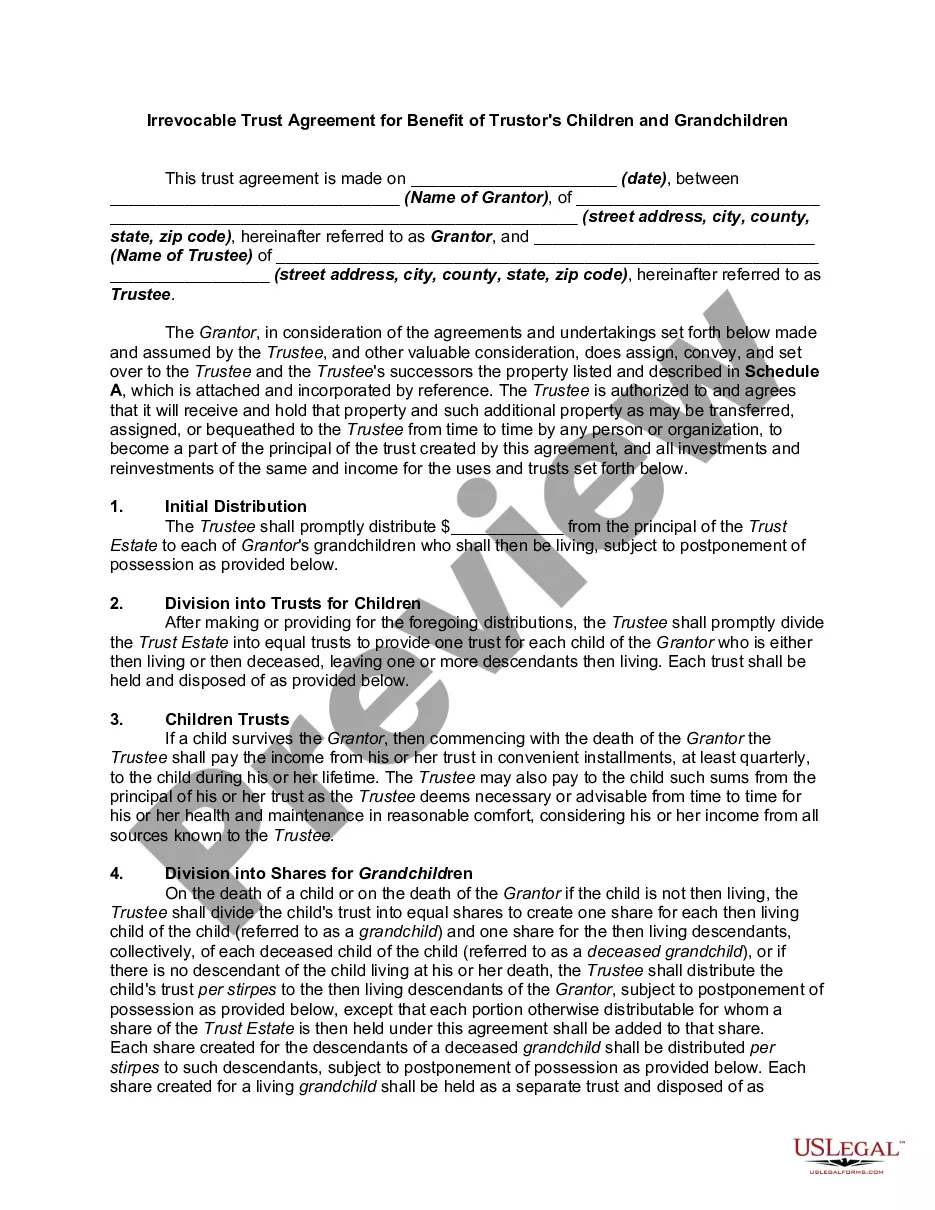
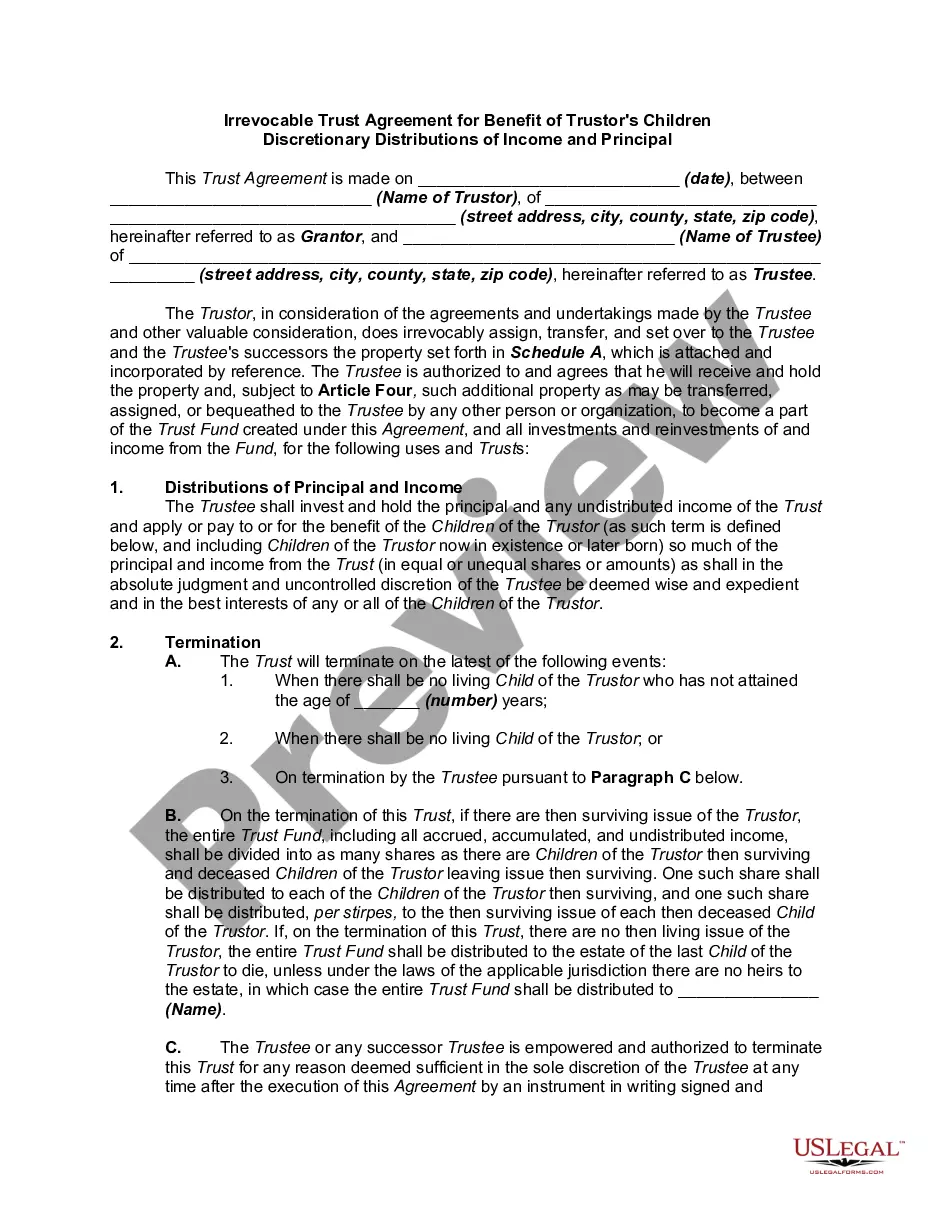
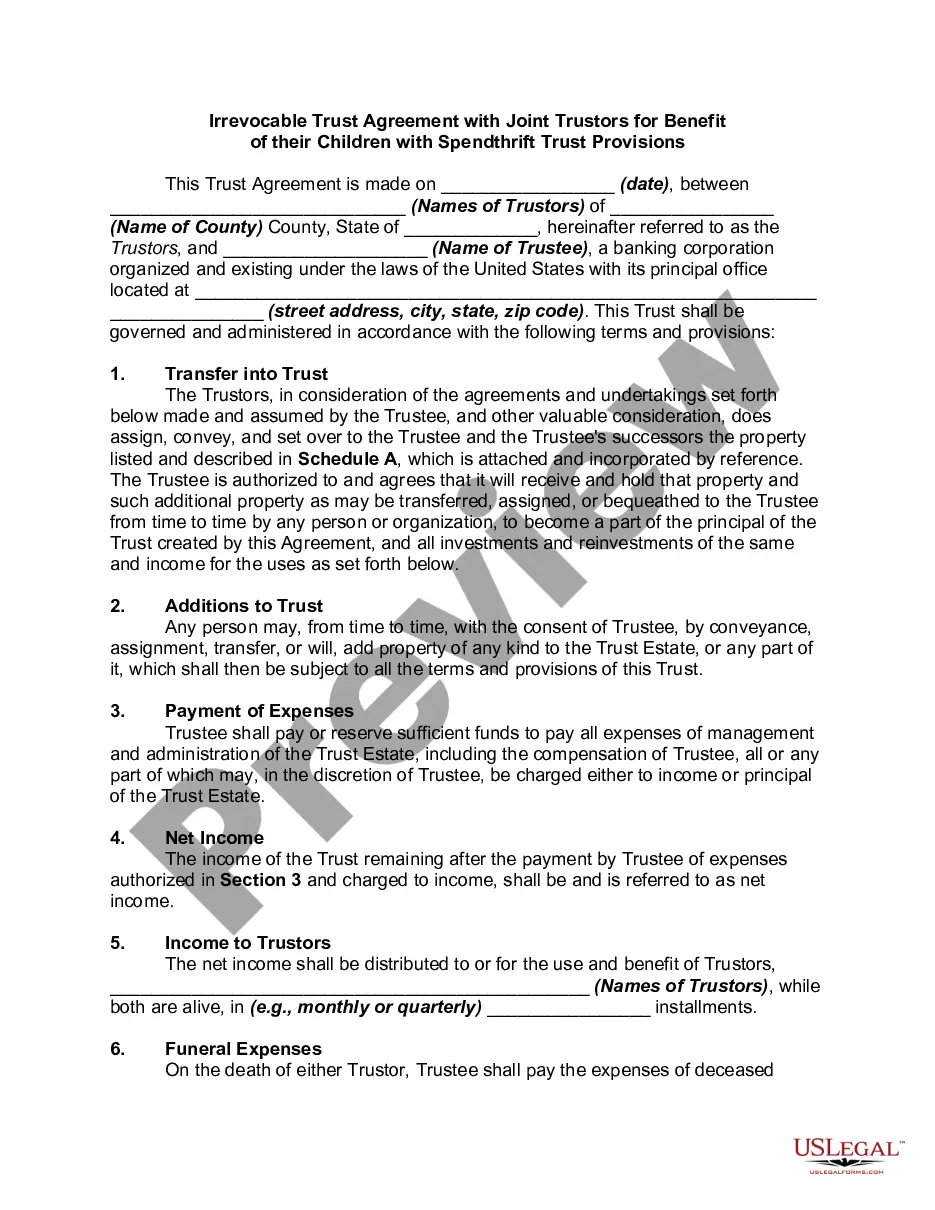
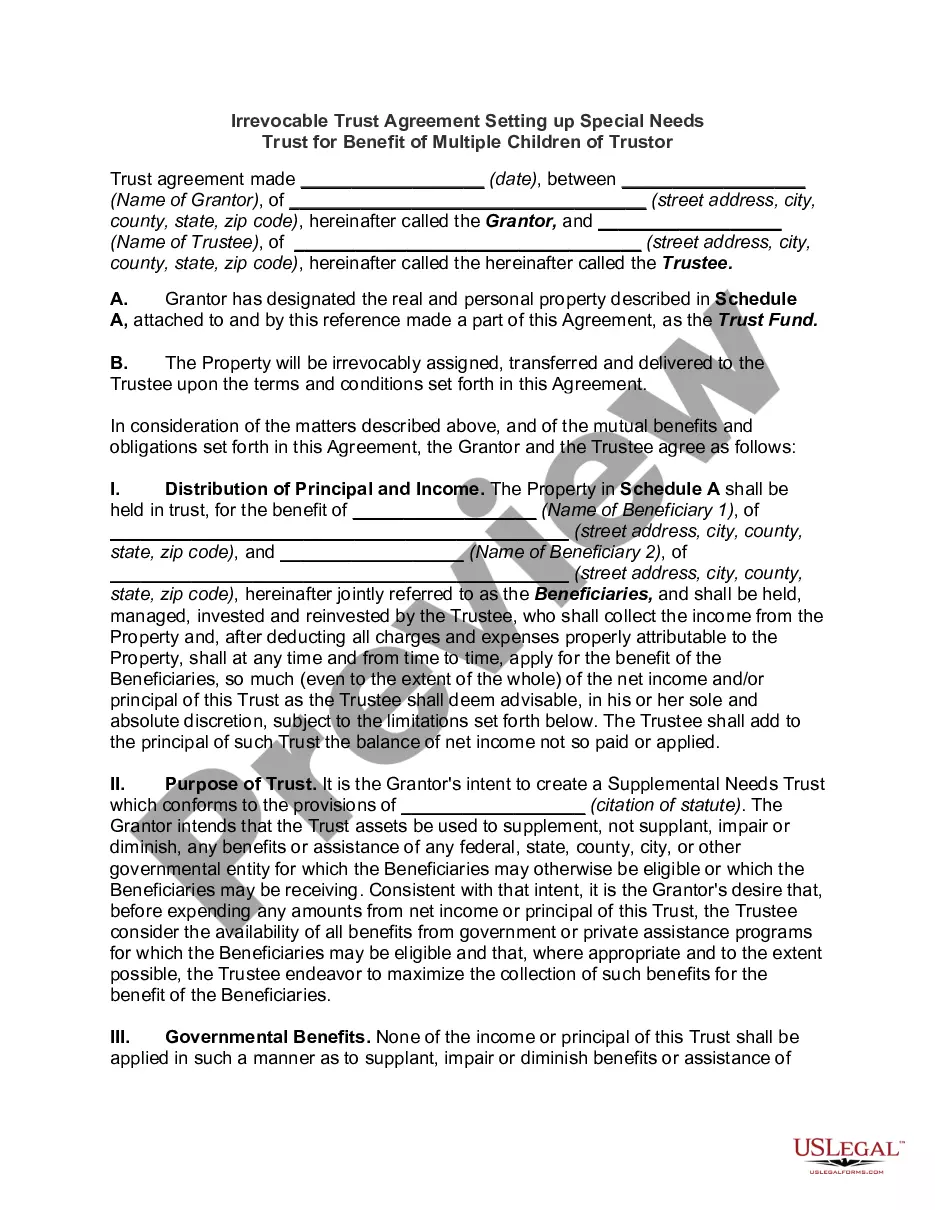
Get your form ready online
Our built-in tools help you complete, sign, share, and store your documents in one place.
Make edits, fill in missing information, and update formatting in US Legal Forms—just like you would in MS Word.
Download a copy, print it, send it by email, or mail it via USPS—whatever works best for your next step.
Sign and collect signatures with our SignNow integration. Send to multiple recipients, set reminders, and more. Go Premium to unlock E-Sign.
If this form requires notarization, complete it online through a secure video call—no need to meet a notary in person or wait for an appointment.
We protect your documents and personal data by following strict security and privacy standards.

Make edits, fill in missing information, and update formatting in US Legal Forms—just like you would in MS Word.

Download a copy, print it, send it by email, or mail it via USPS—whatever works best for your next step.

Sign and collect signatures with our SignNow integration. Send to multiple recipients, set reminders, and more. Go Premium to unlock E-Sign.

If this form requires notarization, complete it online through a secure video call—no need to meet a notary in person or wait for an appointment.

We protect your documents and personal data by following strict security and privacy standards.
Looking for another form?

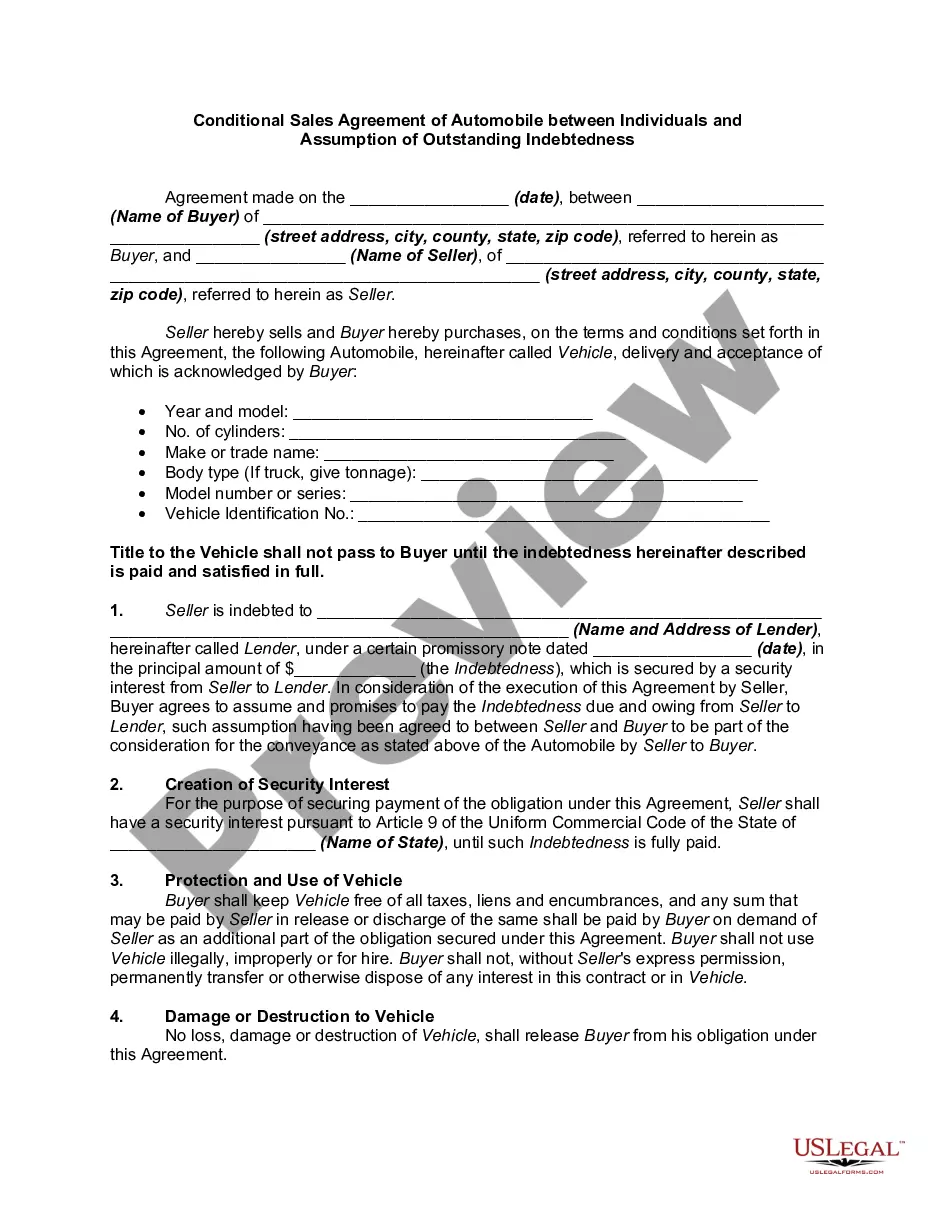




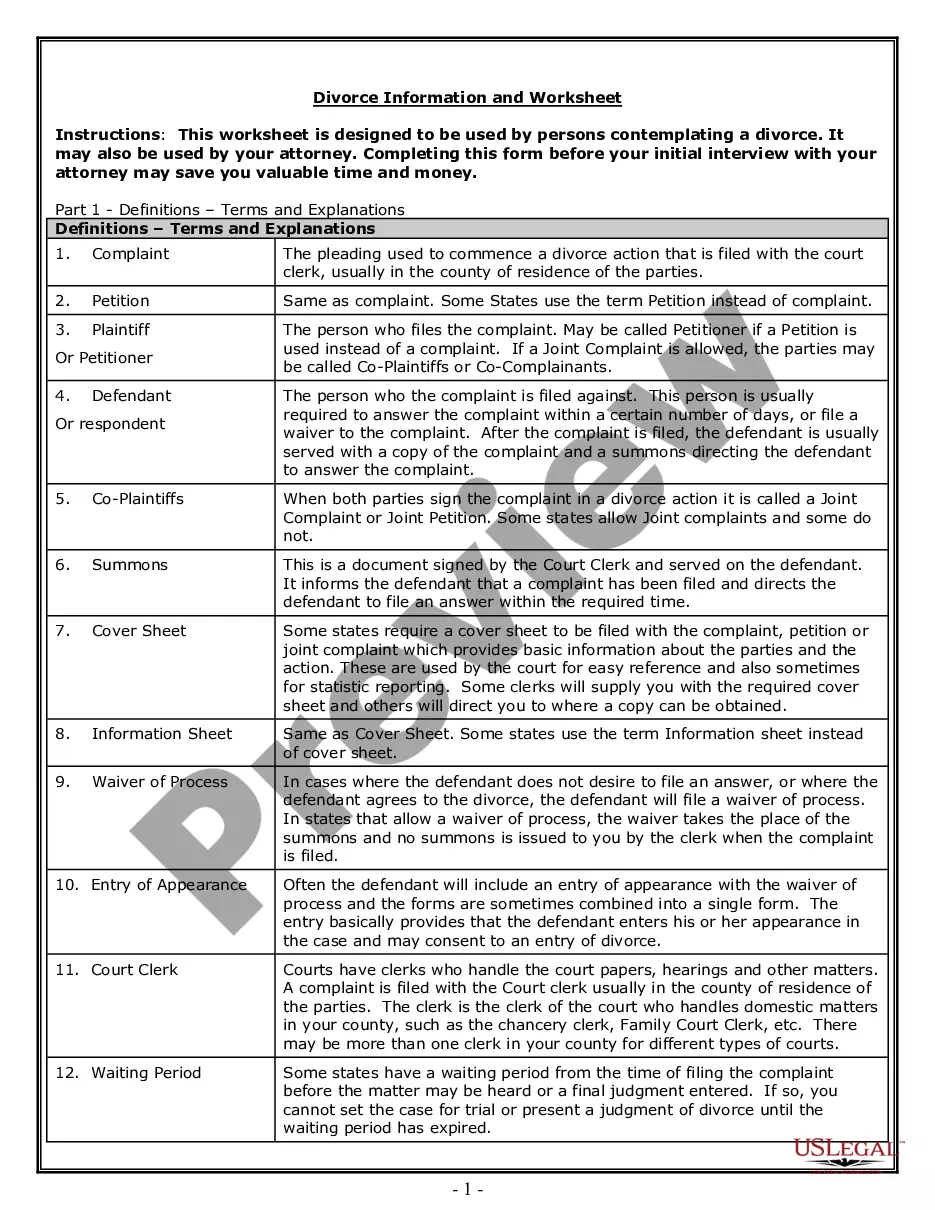

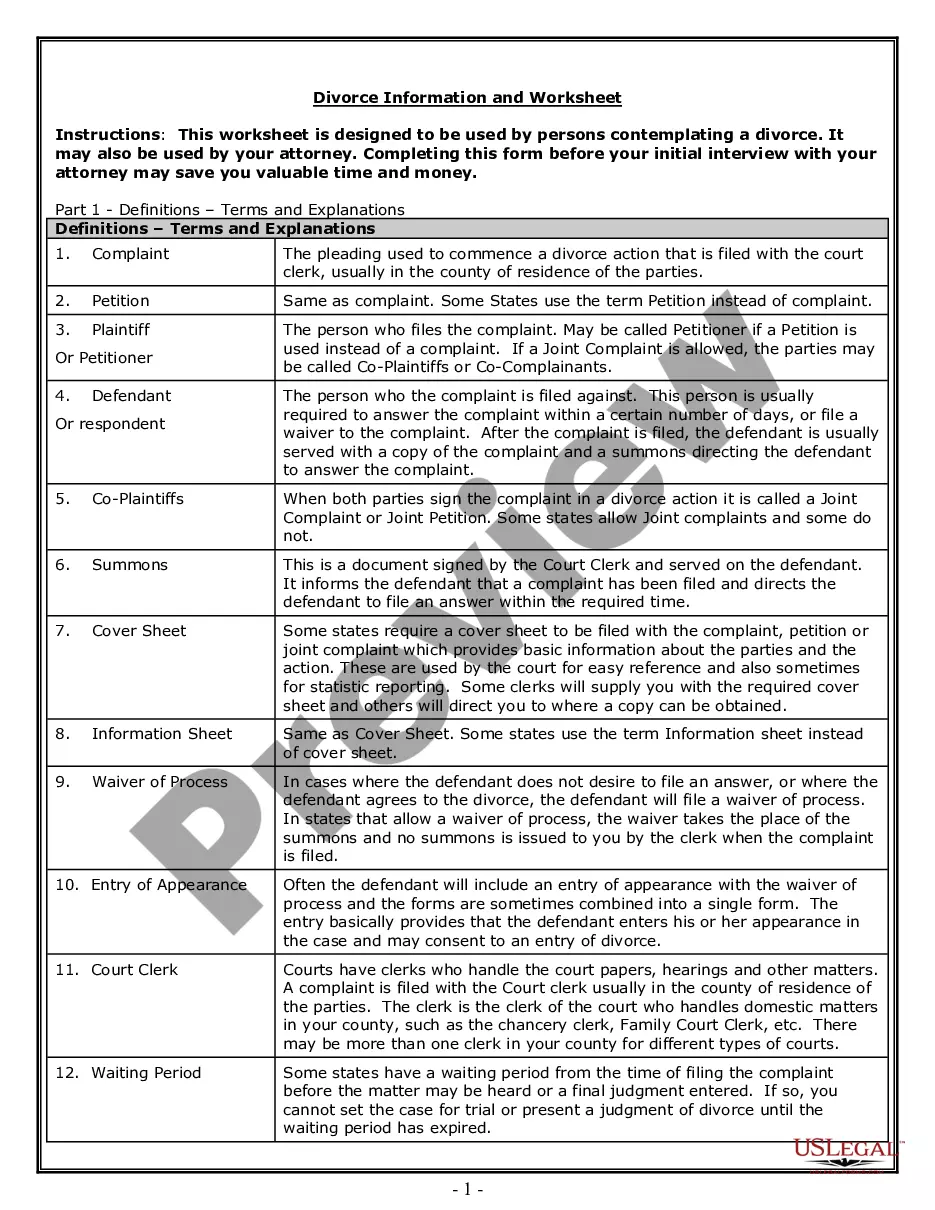
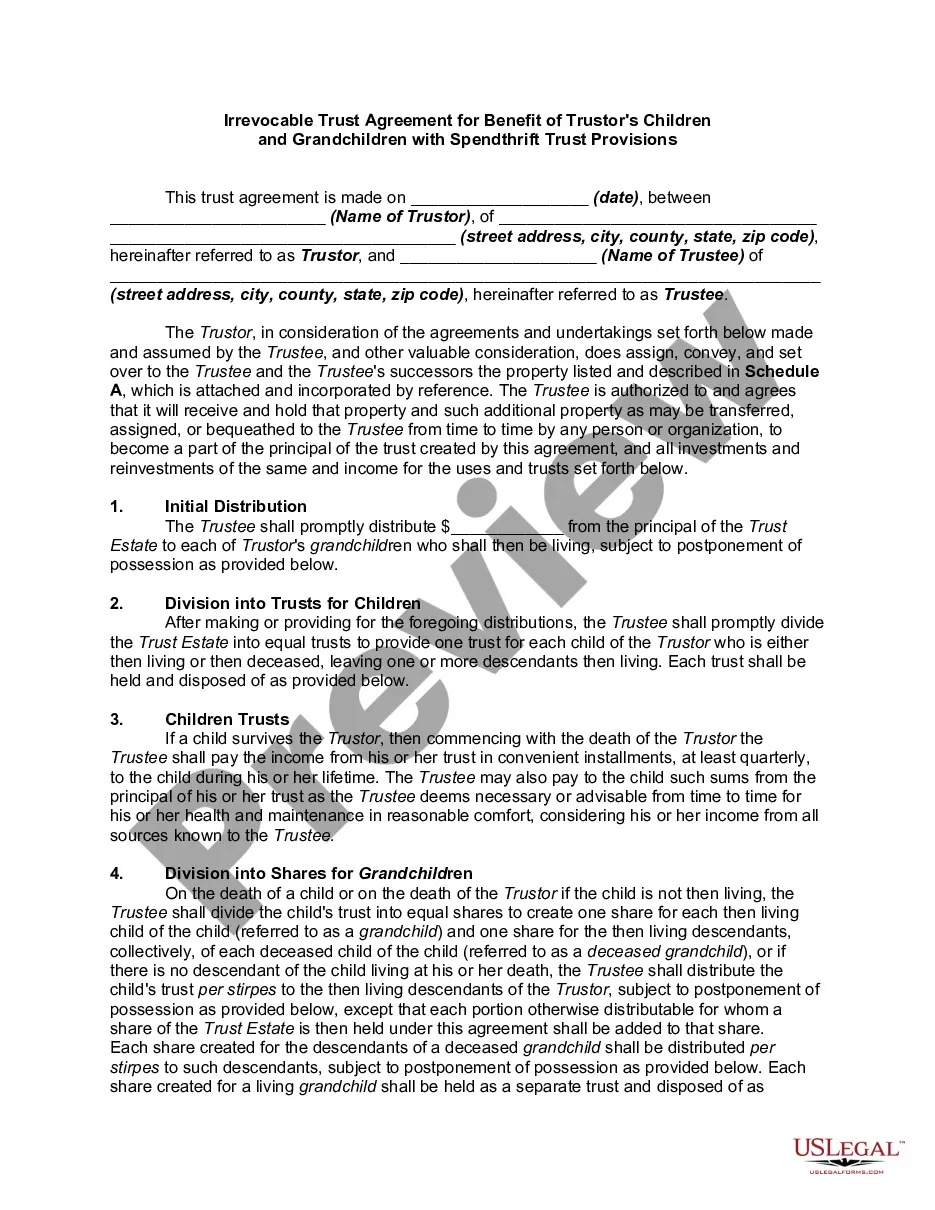
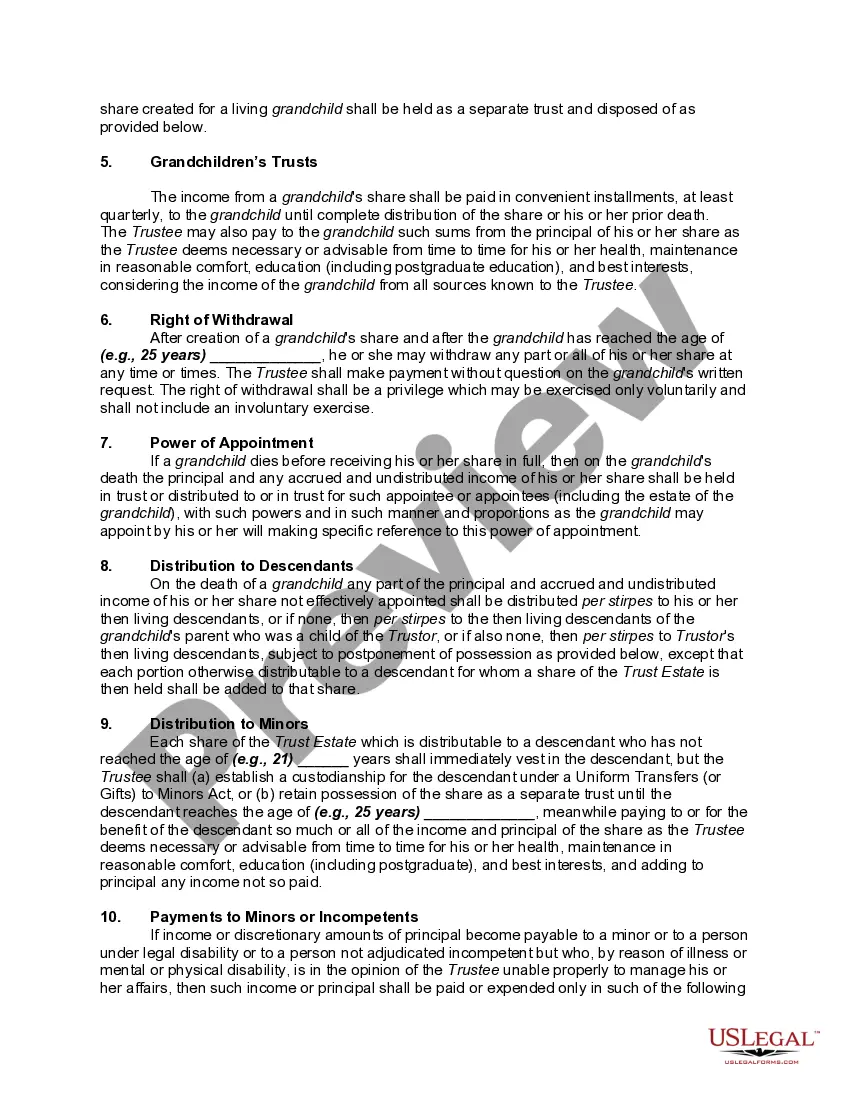
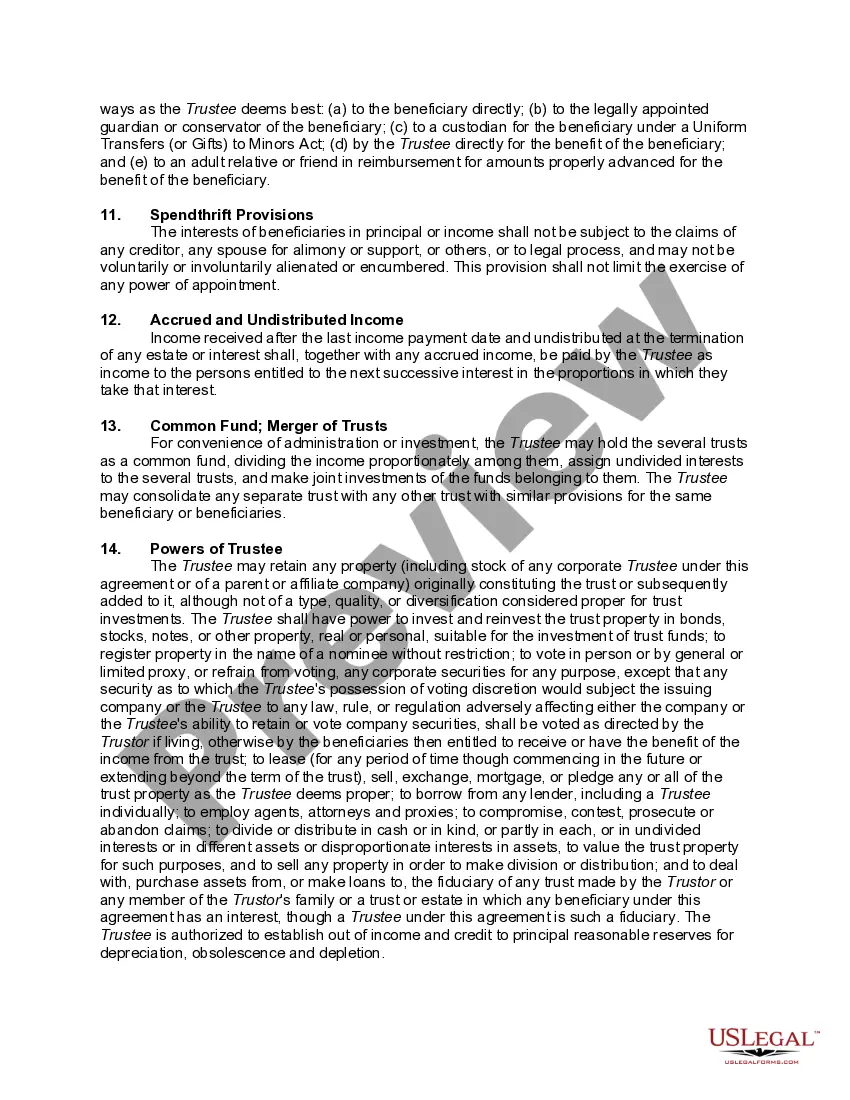
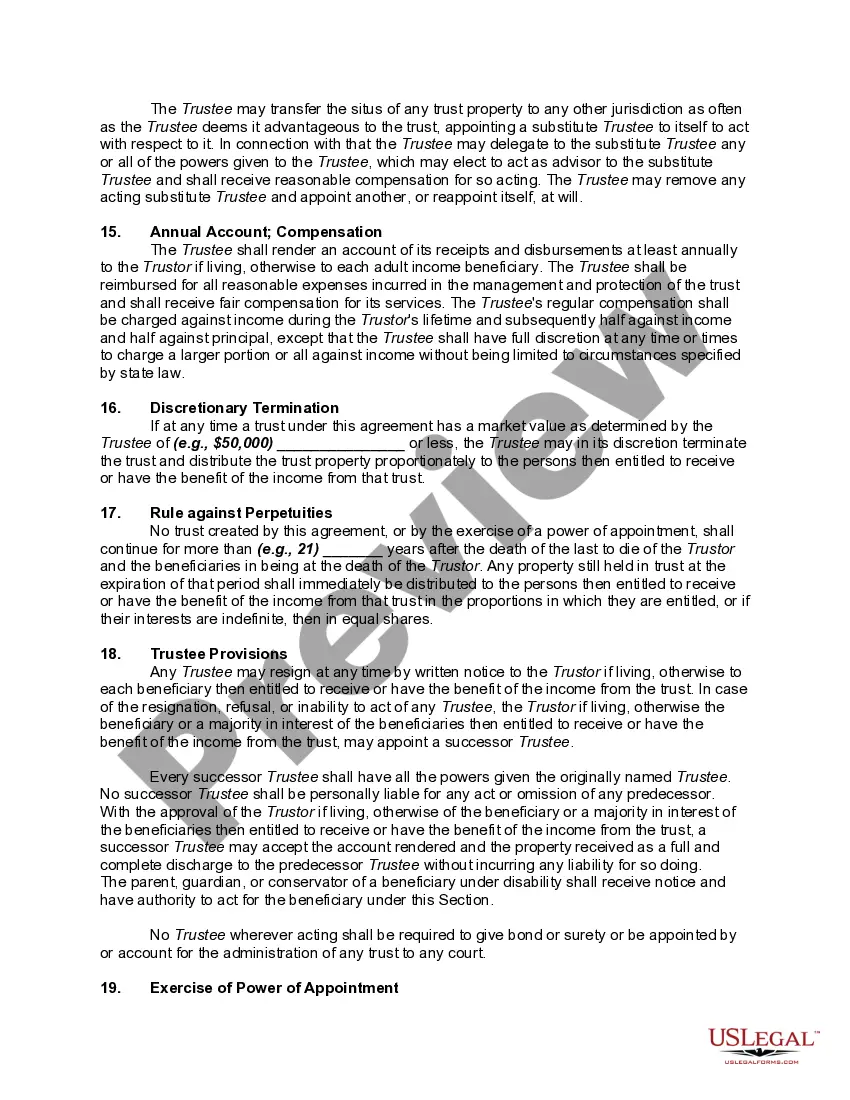
How to fill out Irrevocable Trust Agreement For Benefit Of Trustor's Children And Grandchildren With Spendthrift Trust Provisions?
- If you're already a member, log in to your account and download the necessary form by clicking the Download button. Ensure your subscription is active; if it's lapsed, renew it as per your payment plan.
- For first-time users, begin by examining the Preview mode and the form description to ensure you've selected the right document that meets your needs.
- If the initial document doesn't align with your requirements, utilize the Search tab to find a compatible template. Proceed when you find the correct form.
- Purchase the required document by selecting the Buy Now option and choosing your preferred subscription plan. Registration is necessary for accessing the full library.
- Complete your purchase by entering your credit card information or using your PayPal account for payment.
- Once the payment is confirmed, download your form. You can access it later in the My Forms section of your profile.
By leveraging the resources at US Legal Forms, you will save time and reduce the hassle of drafting legal documents. Their extensive library includes over 85,000 fillable forms with expert support available.
Start your journey to creating legal documents with confidence today. Explore US Legal Forms and streamline your legal process!
Form popularity
FAQ
Filling out an irrevocable grantor trust with a will requires careful attention to detail. Start by gathering essential information about your assets, beneficiaries, and your intentions for the trust. Next, utilize a trusted platform like US Legal Forms to access templates and guidance tailored for your specific needs. This resource can simplify your process and ensure accuracy in your trust documentation.
Certain assets may not be suitable for irrevocable grantor trusts with a will. For instance, personal property, such as your primary home, might be better kept outside the trust to maintain flexibility. Additionally, assets with significant appreciation potential can face tax disadvantages when placed in these trusts. It's wise to evaluate your assets carefully before making decisions about trust placement.
In the case of irrevocable grantor trusts with a will, the tax responsibility typically falls on the grantor during their lifetime. This means that the income generated by the trust is reported on the grantor's tax return. However, beneficiaries may be liable for taxes on distributions received after the grantor's death. It's advisable to consult a tax professional to navigate these complexities.
The new IRS rule regarding irrevocable grantor trusts, including those with a will, involves stricter reporting requirements. It aims to ensure clarity in how these trusts are managed and taxed. Under these rules, grantors must disclose detailed financial information related to the trust's assets and income. Understanding this change is essential for anyone considering the establishment of an irrevocable trust.
If your irrevocable grantor trust generates income, you will need to file IRS Form 1041. This form reports the income, deductions, and tax obligations of the trust. It is vital to uphold your tax responsibilities to avoid penalties. Services like US Legal Forms can assist you in understanding and completing this tax requirement.
Yes, an irrevocable grantor trust must file a tax return using IRS Form 1041 if it generates income. The trust is treated as a separate taxable entity for tax purposes. It’s essential to maintain thorough records to accurately report income and expenses. If you seek assistance, US Legal Forms can provide helpful templates and guides.
You will need to file IRS Form 1041 to report the income generated by your irrevocable trust. Additionally, if your trust has any assets situated in specific jurisdictions, local forms may be required as well. Keep this in mind to ensure compliance with both federal and state regulations. Accessing resources on US Legal Forms can help you find the necessary documentation.
To set up an irrevocable trust, you need a clear understanding of your assets, the beneficiaries, and your specific goals for the trust. You will also require a trust document that outlines the terms. Working with an attorney or using services like US Legal Forms can simplify this process and ensure everything is legally sound.
When the grantor of an irrevocable trust dies, the assets typically do not become part of the grantor’s estate. Instead, they are distributed according to the terms outlined in the trust document. This arrangement can provide significant tax benefits and protect assets from probate. Understanding these aspects can be easier with resources like US Legal Forms.
Irrevocable grantor trusts with a will generally use IRS Form 1041 to report income and tax obligations. This form details the income generated by the trust and any deductions that apply. It's crucial to complete this accurately to avoid any potential penalties. If you're unsure about the process, consider using US Legal Forms for guidance.