State Garnishment Garnishee With A Criminal Record
Description
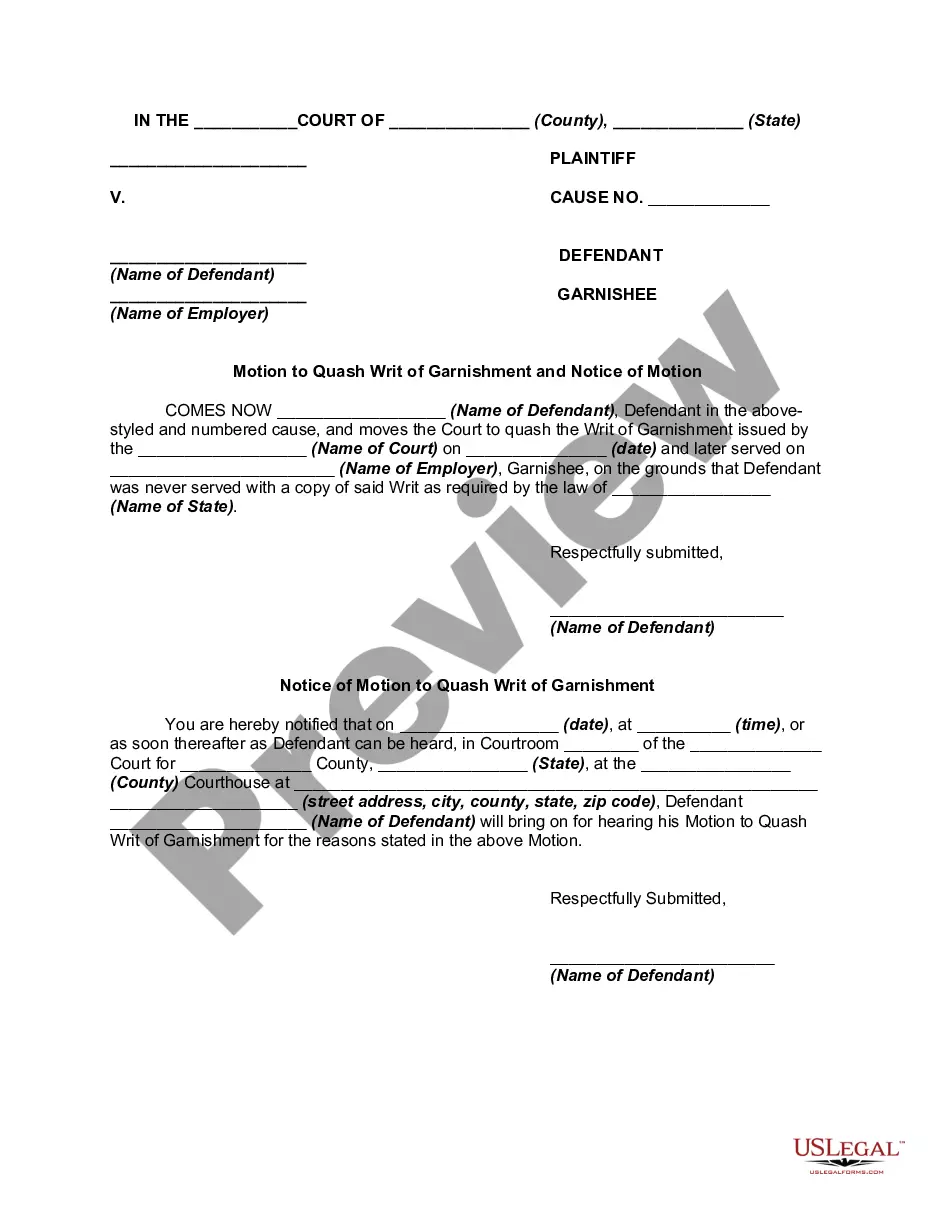
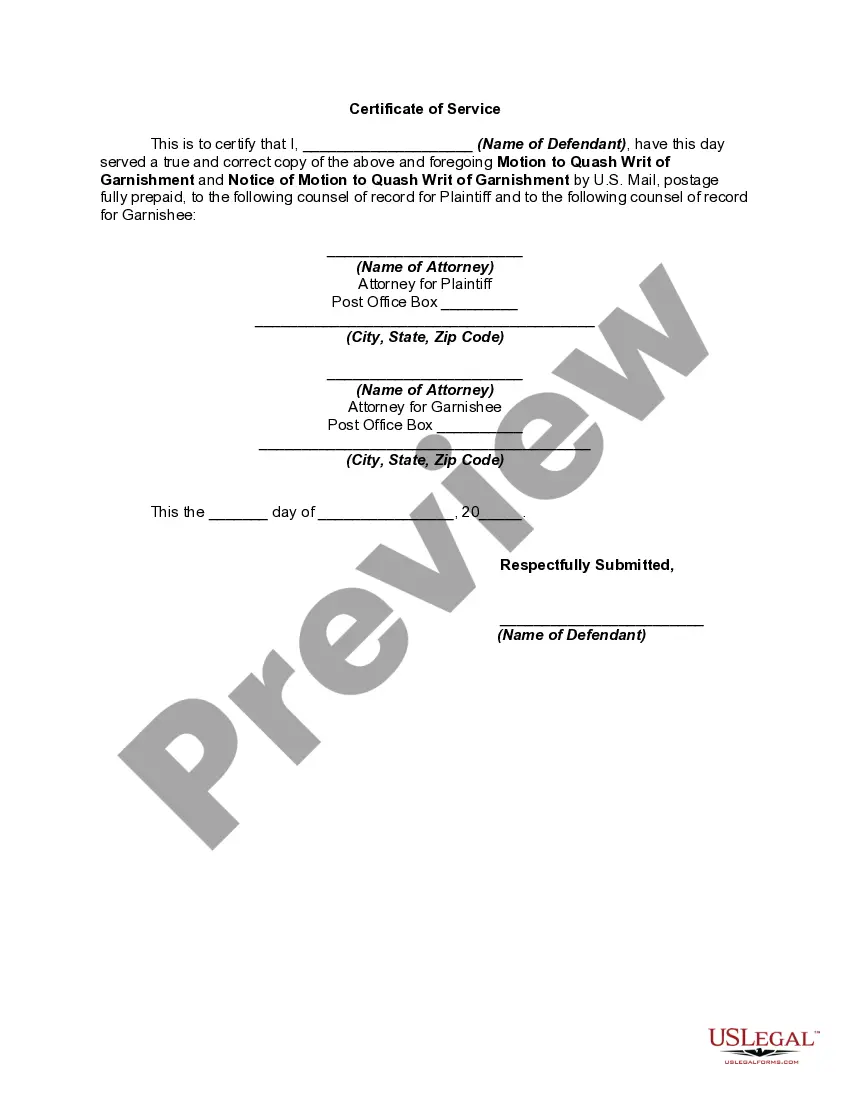
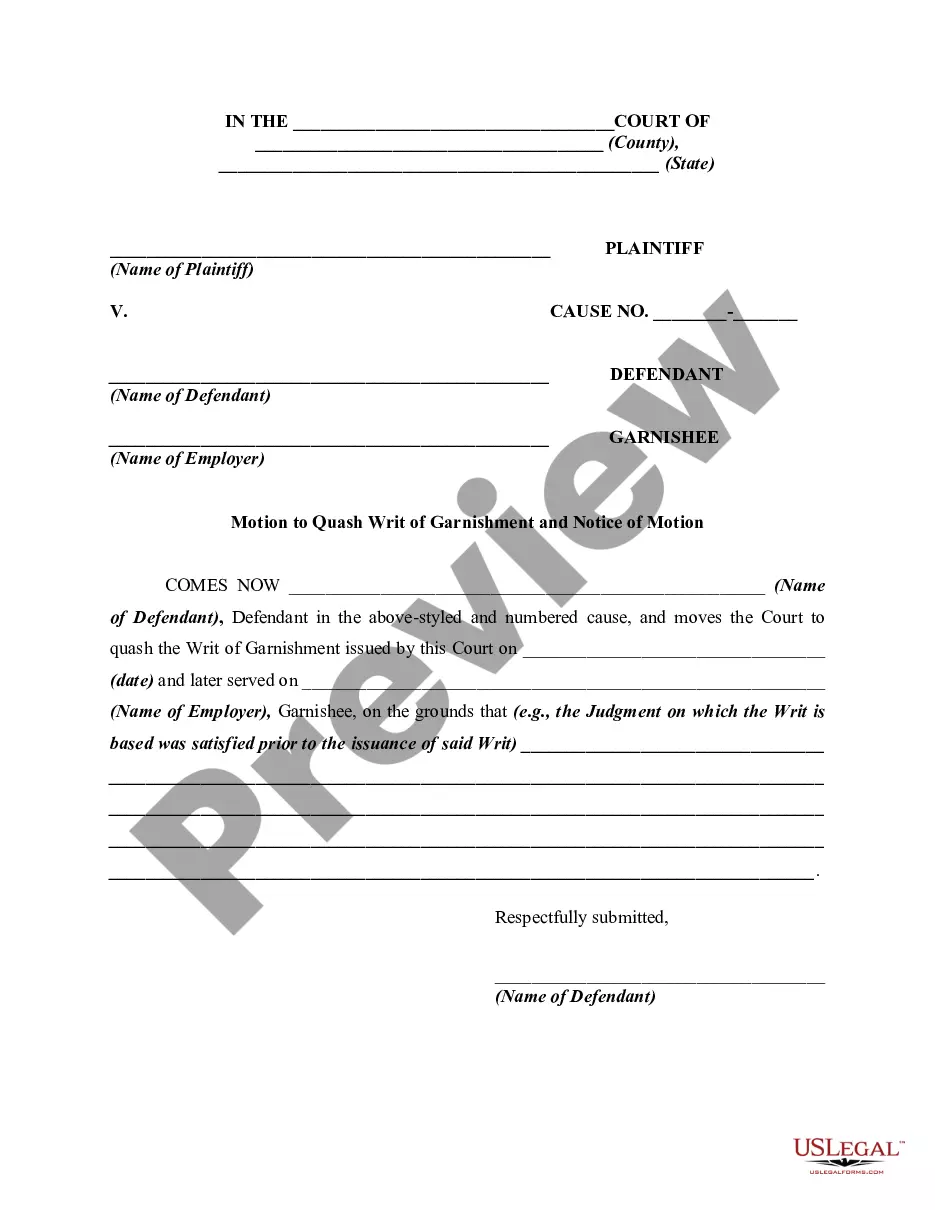
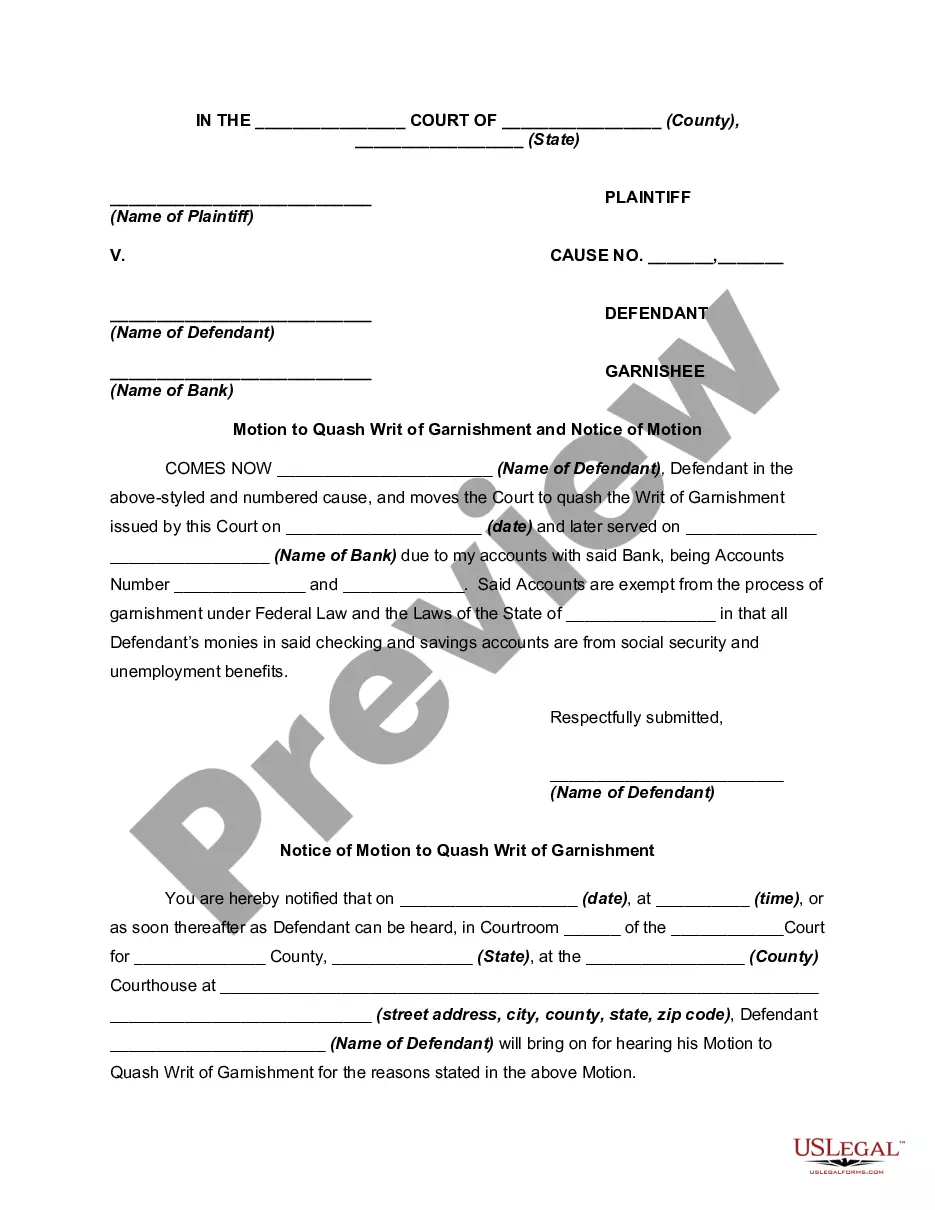
Get your form ready online
Our built-in tools help you complete, sign, share, and store your documents in one place.
Make edits, fill in missing information, and update formatting in US Legal Forms—just like you would in MS Word.
Download a copy, print it, send it by email, or mail it via USPS—whatever works best for your next step.
Sign and collect signatures with our SignNow integration. Send to multiple recipients, set reminders, and more. Go Premium to unlock E-Sign.
If this form requires notarization, complete it online through a secure video call—no need to meet a notary in person or wait for an appointment.
We protect your documents and personal data by following strict security and privacy standards.

Make edits, fill in missing information, and update formatting in US Legal Forms—just like you would in MS Word.

Download a copy, print it, send it by email, or mail it via USPS—whatever works best for your next step.

Sign and collect signatures with our SignNow integration. Send to multiple recipients, set reminders, and more. Go Premium to unlock E-Sign.

If this form requires notarization, complete it online through a secure video call—no need to meet a notary in person or wait for an appointment.

We protect your documents and personal data by following strict security and privacy standards.
Looking for another form?










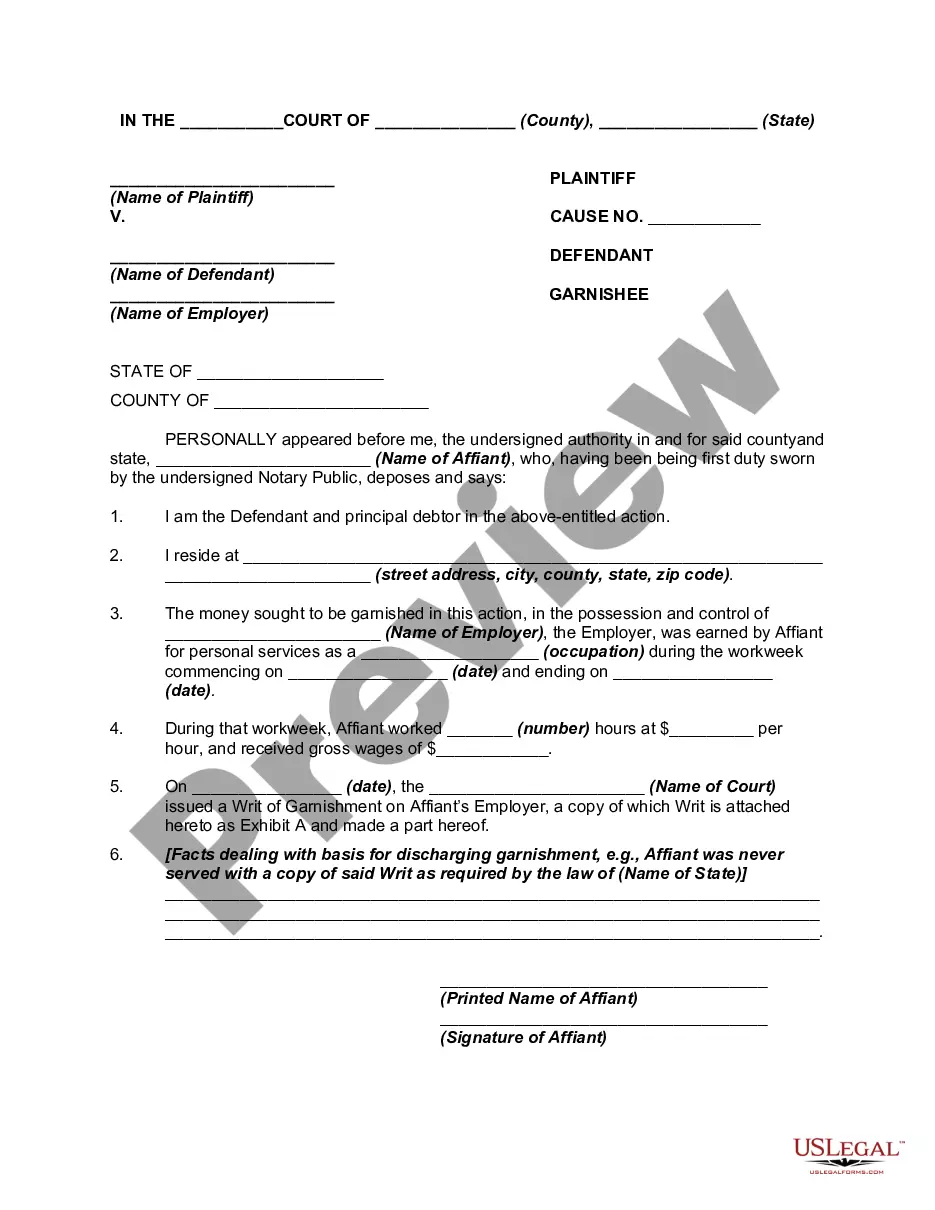
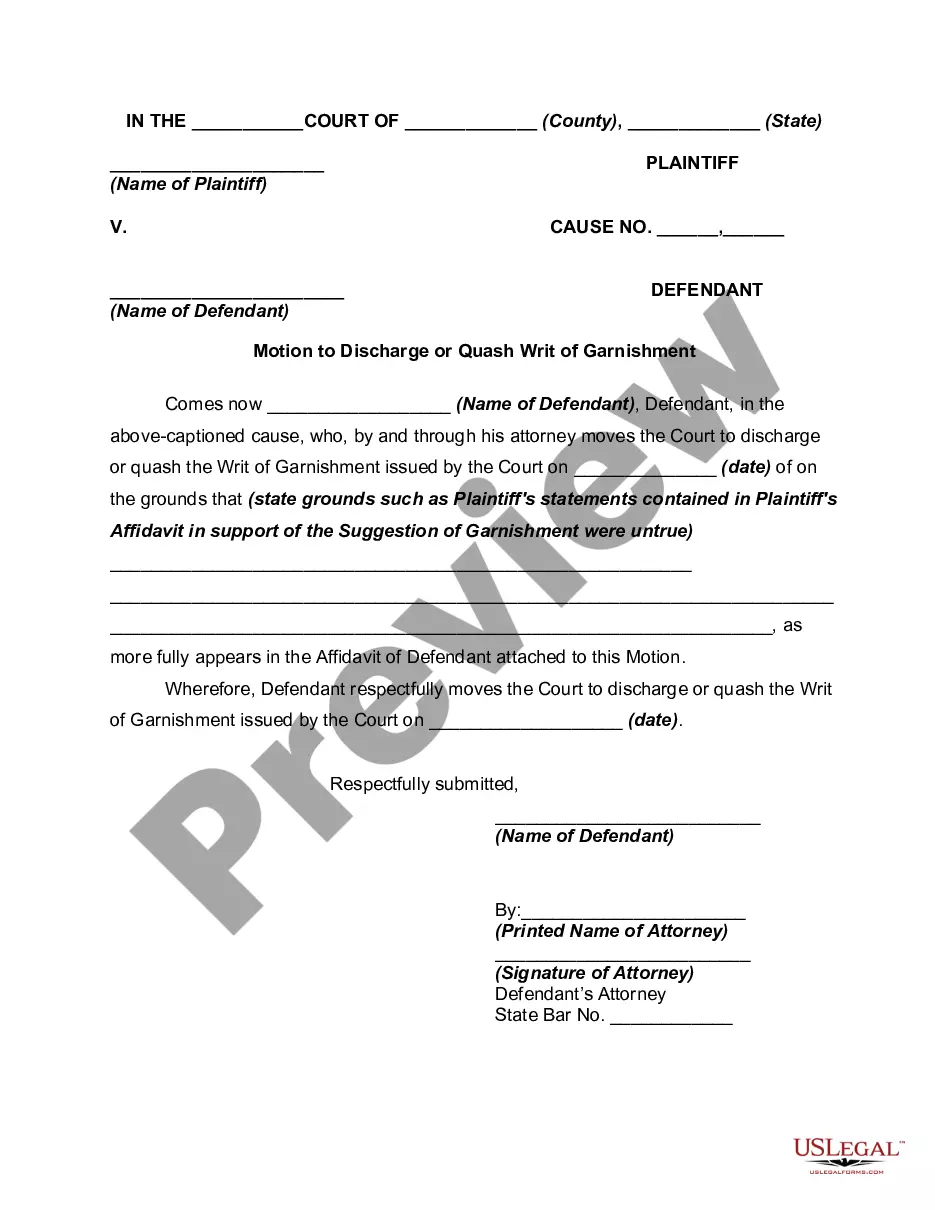
How to fill out Motion Of Defendant To Discharge Or Quash Writ Of Garnishment For Failure To Serve Copy Of Writ On Defendant And Notice Of Motion?
- If you're a returning user, log in to your account and locate your required form template. Ensure that your subscription is active—renew it if it has expired.
- If you're new to US Legal Forms, start by checking the Preview mode and form descriptions to pick the document that fits your needs and jurisdiction requirements.
- Utilize the Search tab to find alternative forms if your initial choice is not suitable. Proceed when you are confident you've selected the correct template.
- Click the Buy Now button to select your desired subscription plan. An account registration is necessary for full access to the form library.
- Complete your purchase by entering your credit card information or utilizing your PayPal account to secure your subscription.
- After completing the payment, download the selected form. You can save it directly to your device and access it later in the My Forms section of your account.
Utilizing US Legal Forms empowers both individuals and attorneys to rapidly complete legal documentation with confidence. With a vast library of over 85,000 editable legal forms, you can find the precise forms necessary for your situation, especially when dealing with garnishment cases.
Don’t wait any longer to get the legal help you need. Start accessing the essential forms today with US Legal Forms and ensure your documents are accurate and compliant!
Form popularity
FAQ
Yes, creditors can garnish your wages without prior notice once they obtain a court order. In many instances, you may only learn about the garnishment when you see the reduced amount in your paycheck. However, if you have a garnishee with a criminal record, there are additional legal considerations that might impact the process. It’s advisable to stay informed about your rights and consider consulting legal resources to address any garnishment concerns.
Several states offer protections against wage garnishment, including Texas, North Carolina, and Pennsylvania, where state laws limit or entirely prohibit garnishment in certain circumstances. These protections may vary based on individual financial situations, such as having a garnishee with a criminal record. Researching your specific state laws is essential to understanding what safeguards are in place. If you find yourself in a complex situation, seeking help through platforms like USLegalForms can clarify your legal standing.
A garnishment can be deemed invalid for several reasons, such as improper notification or violation of state laws regarding garnishment. For instance, if your income falls below a certain threshold set by state guidelines, the garnishment should not occur. In cases involving a garnishee with a criminal record, certain legal protections may apply. It's crucial to understand your rights and seek assistance to challenge any invalid garnishment.
To stop a wage garnishment immediately in New Jersey, you can file a motion with the court that ordered the garnishment. This motion must include your reasons for stopping the garnishment, such as financial hardship. Additionally, consider consulting with a legal professional who can guide you through this process effectively. Utilizing platforms like USLegalForms can also provide the necessary documents and information to help you navigate this situation.
Wage garnishments may show up on certain background checks, especially those focusing on financial history. If a prospective employer checks for financial stability, a garnishment could raise concerns. If you're navigating a situation involving state garnishment garnishee with a criminal record, seeking advice can greatly assist in understanding the potential repercussions.
Yes, wage garnishments are typically considered public records. This means they can show up in various public databases that creditors and others may access. If you are managing a garnishment situation with a criminal record, knowing this can help you take proactive steps to address your financial matters.
A background check usually reveals any criminal history, credit reports, and employment records. Financial issues, including wage garnishments, may also be visible depending on the type of check performed. If you're concerned about how a criminal record might impact your garnishment situation, it's essential to be prepared.
In Maryland, garnishment rules are particular about how much of your wages can be taken. Generally, creditors can only garnish your wages after obtaining a court judgment. If you have a criminal record, understanding these rules can help you navigate your financial obligations and protect your rights.
Yes, your employer will be informed if your wages are garnished because they must comply with the court order. They will need to withhold a certain percentage of your wages and send it directly to the garnishee. This can also be important if you have a criminal record, as it may influence your standing at work.
Getting around wage garnishment can be challenging, but there are legitimate ways to manage the situation. You might consider filing for exemptions that protect a portion of your income or exploring programs that can assist in settling your debt. Seeking guidance from legal platforms like US Legal Forms can provide you with useful insights tailored to your specific needs.