Noun For Expunge
Description
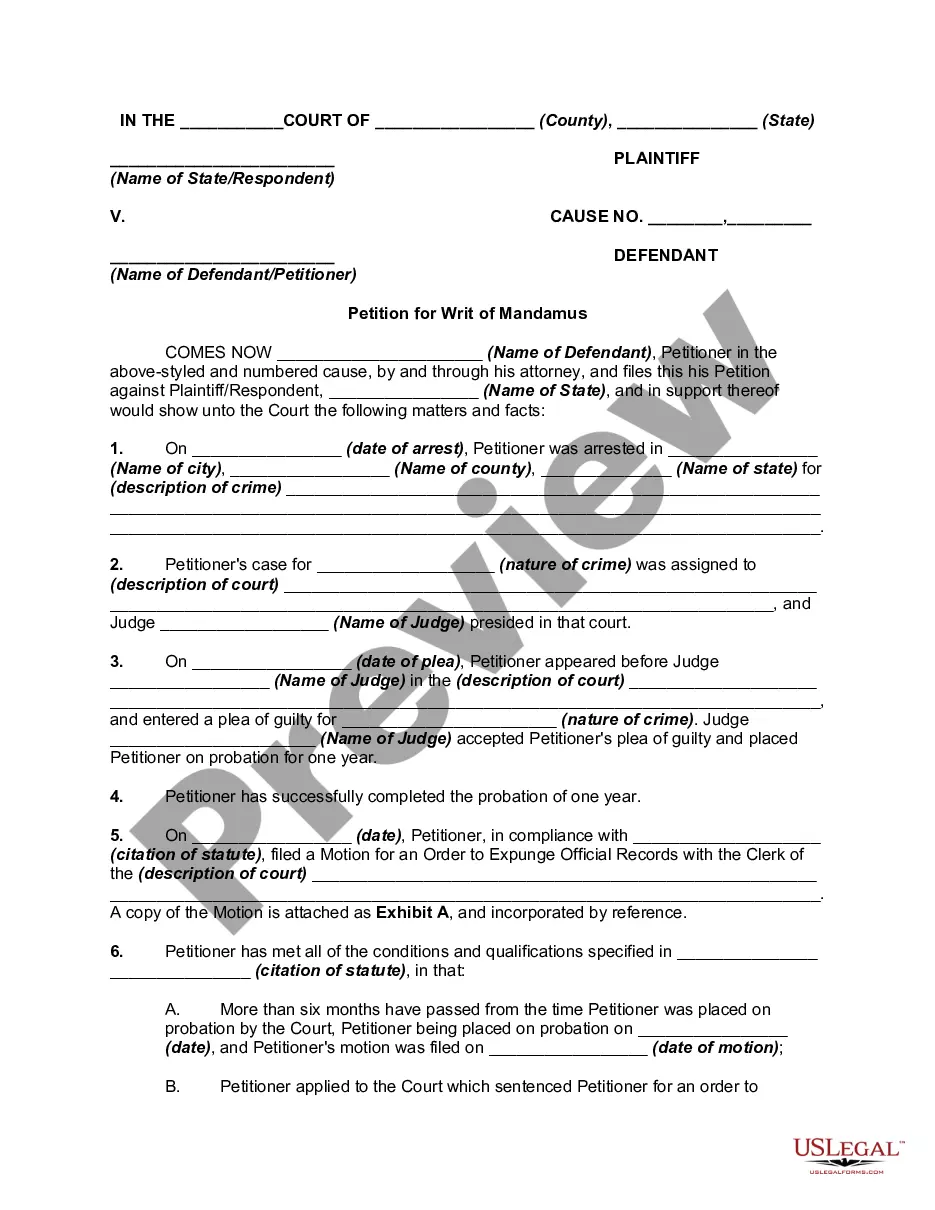
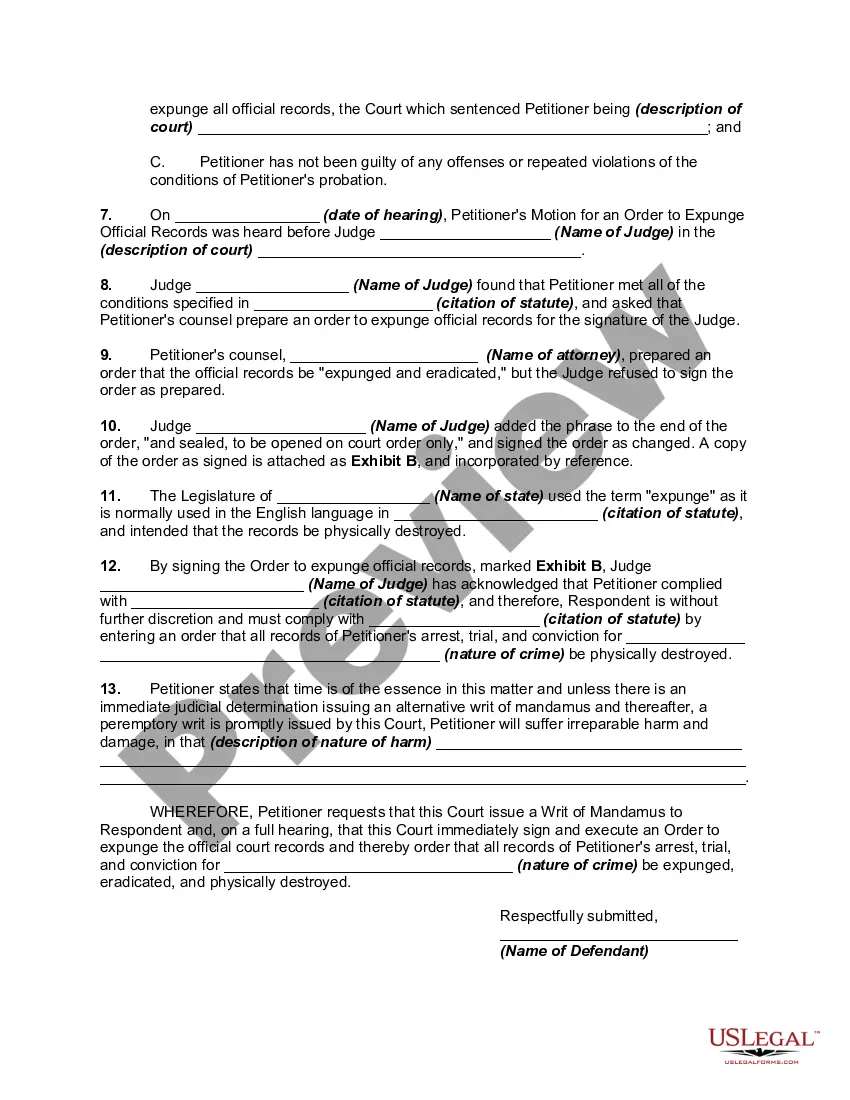
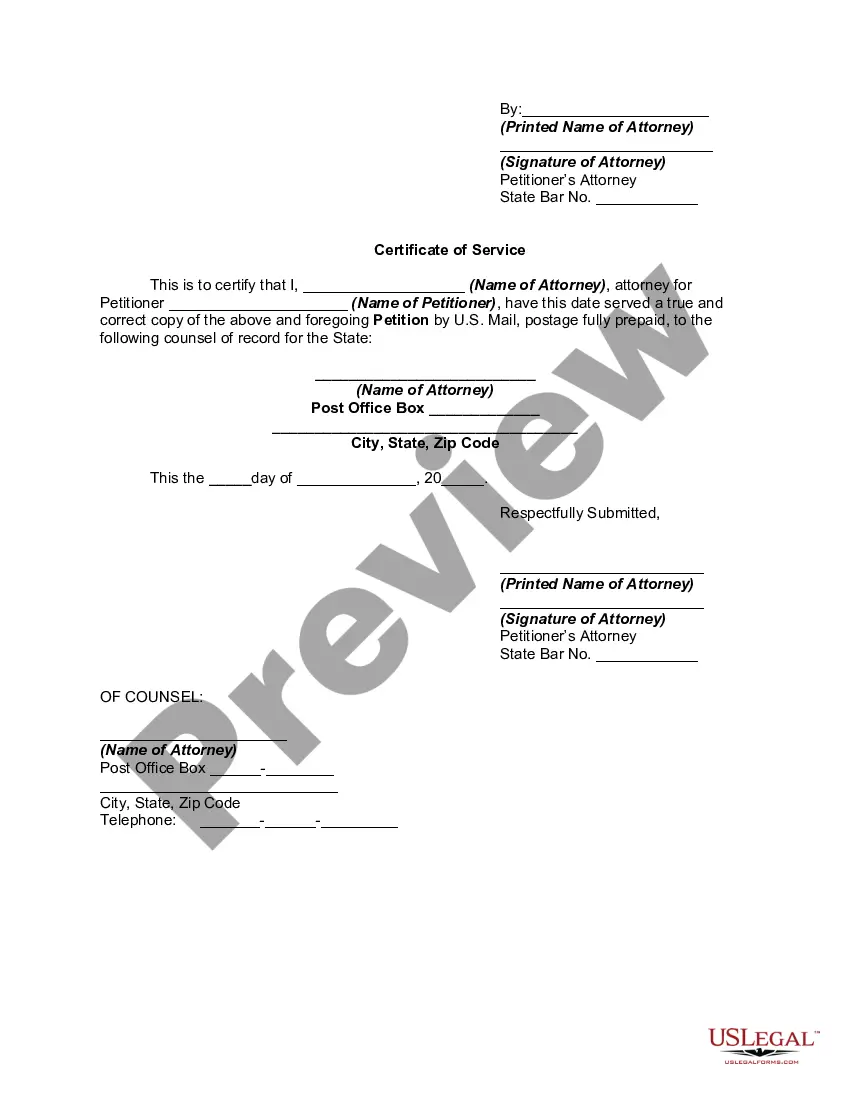
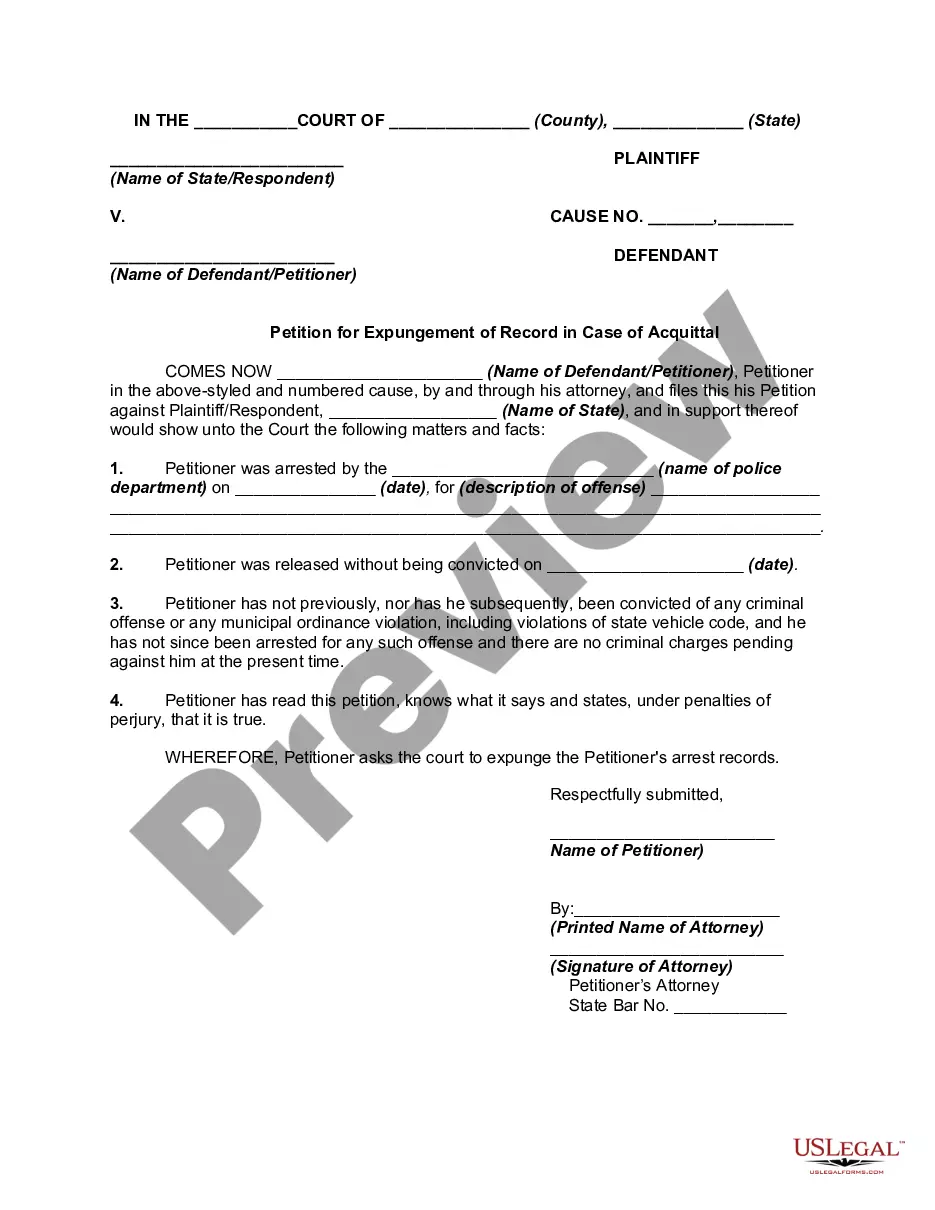
Get your form ready online
Our built-in tools help you complete, sign, share, and store your documents in one place.
Make edits, fill in missing information, and update formatting in US Legal Forms—just like you would in MS Word.
Download a copy, print it, send it by email, or mail it via USPS—whatever works best for your next step.
Sign and collect signatures with our SignNow integration. Send to multiple recipients, set reminders, and more. Go Premium to unlock E-Sign.
If this form requires notarization, complete it online through a secure video call—no need to meet a notary in person or wait for an appointment.
We protect your documents and personal data by following strict security and privacy standards.

Make edits, fill in missing information, and update formatting in US Legal Forms—just like you would in MS Word.

Download a copy, print it, send it by email, or mail it via USPS—whatever works best for your next step.

Sign and collect signatures with our SignNow integration. Send to multiple recipients, set reminders, and more. Go Premium to unlock E-Sign.

If this form requires notarization, complete it online through a secure video call—no need to meet a notary in person or wait for an appointment.

We protect your documents and personal data by following strict security and privacy standards.
Looking for another form?







How to fill out Petition For Writ Of Mandamus Or Mandate To Compel Court To Expunge Record Of Arrest, Trial, And Conviction - Expungement?
- Log in to your US Legal Forms account if you are a returning user and click the Download button to retrieve your form template. Ensure your subscription is active; if it isn't, renew it based on your payment plan.
- If you're new to the service, start by checking the Preview mode and read the form description carefully to select the right template that meets your needs and local jurisdiction requirements.
- If adjustments are needed, utilize the Search tab to find an alternate template. Once you find the correct one, proceed to the next step.
- Purchase your document by clicking the Buy Now button and selecting your preferred subscription plan. An account registration is necessary for full access to the resource library.
- Complete your purchase by entering your credit card or PayPal details to finalize the subscription. Make sure to keep your transaction details for future reference.
- Download your chosen form to your device. You can access it anytime under the My Forms section in your profile, allowing you to complete and use it as required.
In conclusion, US Legal Forms simplifies the process of obtaining legal documents like a noun for expunge. The platform not only provides a vast collection of forms at competitive prices but also ensures users can seek expert assistance for added precision.
Start your hassle-free journey with US Legal Forms today!
Form popularity
FAQ
In Minnesota, a felony conviction typically stays on your record indefinitely unless you take steps to expunge it. The timeline for expunging a felony varies based on the nature of the crime and any subsequent behavior. Generally, the waiting period can range from five to ten years after completing your sentence, depending on your specific case. For clarity on using a noun for expunge, consult uslegalforms for streamlined assistance.
Minnesota law specifies several categories of offenses that are not subject to expungement. Serious offenses, like first-degree violent crimes and specific sexual offenses, are excluded from expunge. Additionally, individuals convicted of felony-level crimes against children often face restrictions. Explore the limits of expunge options with uslegalforms to navigate your pathway to a clean record.
In Minnesota, certain crimes remain ineligible for expungement despite the desire to remove them. Violent crimes, such as murder and sexual offenses, are typically not eligible for expungement. Additionally, felony-level criminal sexual conduct and some offenses against children may not qualify for expunge. Understanding what cannot be expunged in Minnesota will clarify your options for utilizing a noun for expunge.
An example of expunge is when a person applies to have a previous conviction removed from their criminal record. This process allows individuals to move forward without the burden of past mistakes. Expungement can significantly improve a person's opportunities in employment and housing. Platforms like US Legal Forms can aid in navigating the complexities associated with filing for expungement.
To write a strong character reference for court, focus on the individual's positive traits and behaviors, while being specific. Share instances where you have seen these traits in action, as concrete examples carry weight. Maintain a respectful tone throughout, and conclude by reinforcing your support for the person’s character. This approach effectively communicates the individual's integrity to the court.
When writing a character letter for expungement, begin with a polite introduction that states your relationship to the individual. Follow with specific examples that illustrate the person's positive contributions to society since the incident. Highlight the changes they have made in their life to demonstrate growth. A well-structured letter can significantly influence a judicial decision.
To write an expungement, begin by compiling all necessary information about the legal matter you wish to expunge. Clearly outline reasons for the expungement in a respectful and factual tone. It's often helpful to provide supporting documents, such as court records or evidence of rehabilitation. You can also utilize platforms like US Legal Forms to streamline the process.
A judge looks for honesty and clarity in a character letter. They want to see a genuine portrayal of the individual's character and reputation in the community. It's crucial that the letter addresses the subject's conduct, showing evidence of positive personal growth or rehabilitation. Including specific examples can strengthen your credibility.
Another word for expunge is erase. This term implies the act of removing something completely, whether it’s a mark, record, or memory. In a legal context, individuals often seek to erase their criminal records to facilitate a fresh start. Understanding the connection between these terms can assist you in discussing your expungement options more clearly, particularly when utilizing resources like uslegalforms.
The noun form of disassociate is disassociation. This term refers to the act of separating oneself from a situation, person, or group. In legal terms, disassociation can relate to distancing oneself from past legal issues or affiliations. Recognizing this noun alongside the noun for expunge can provide clarity for individuals looking to distance themselves from their previous records.