Civil Case Motion To Suppress
Description
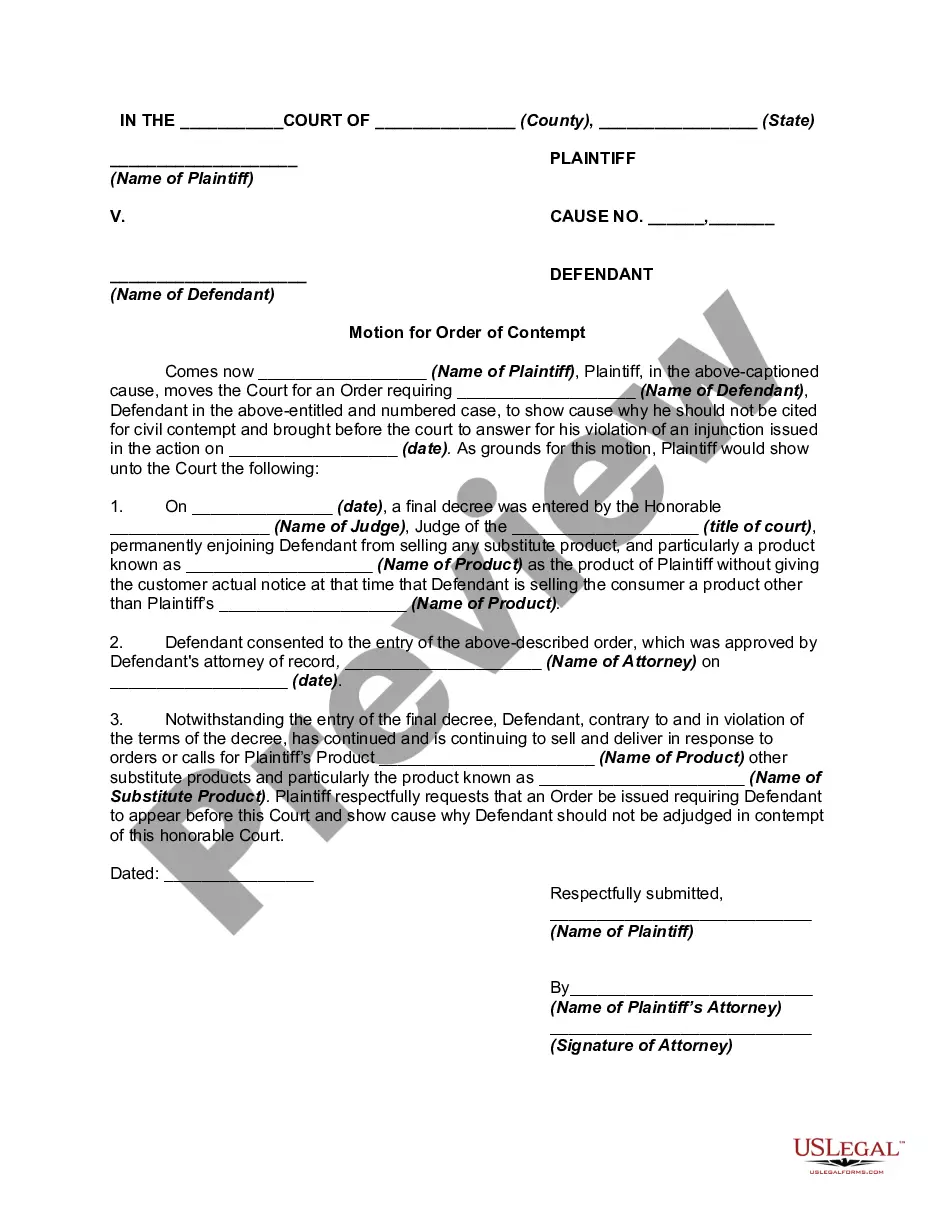
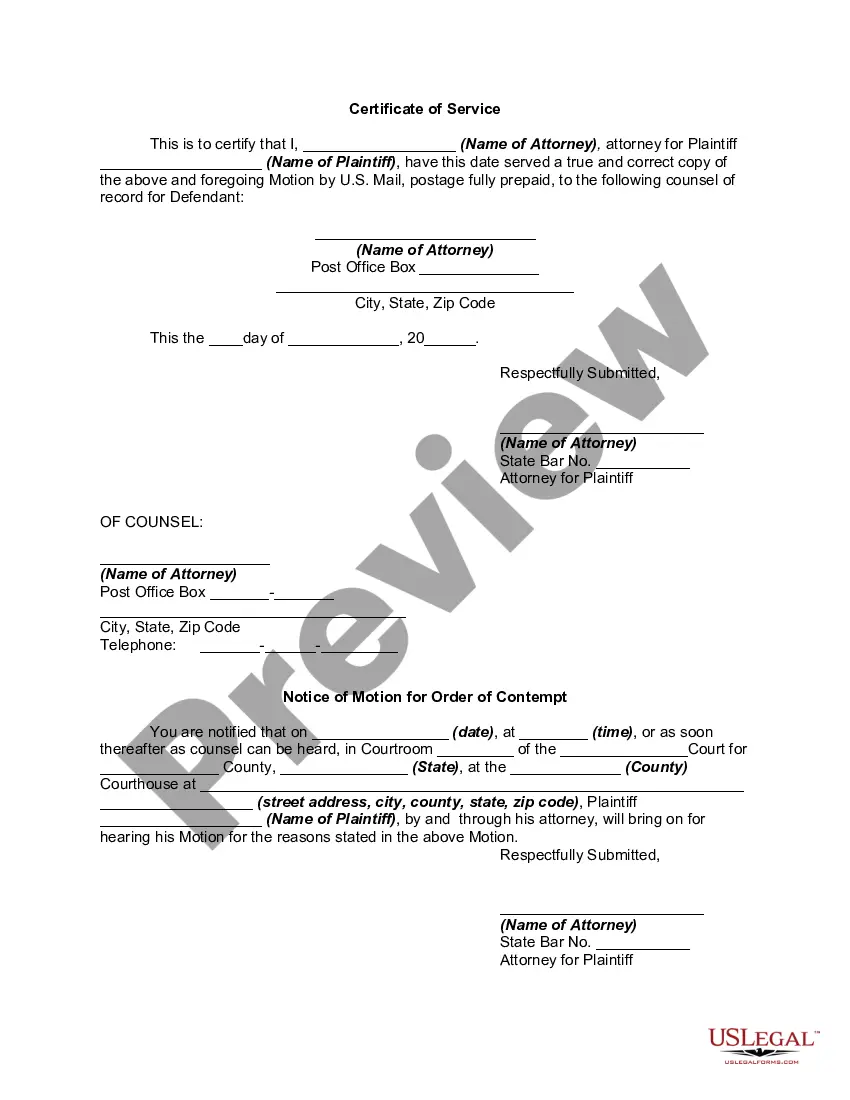

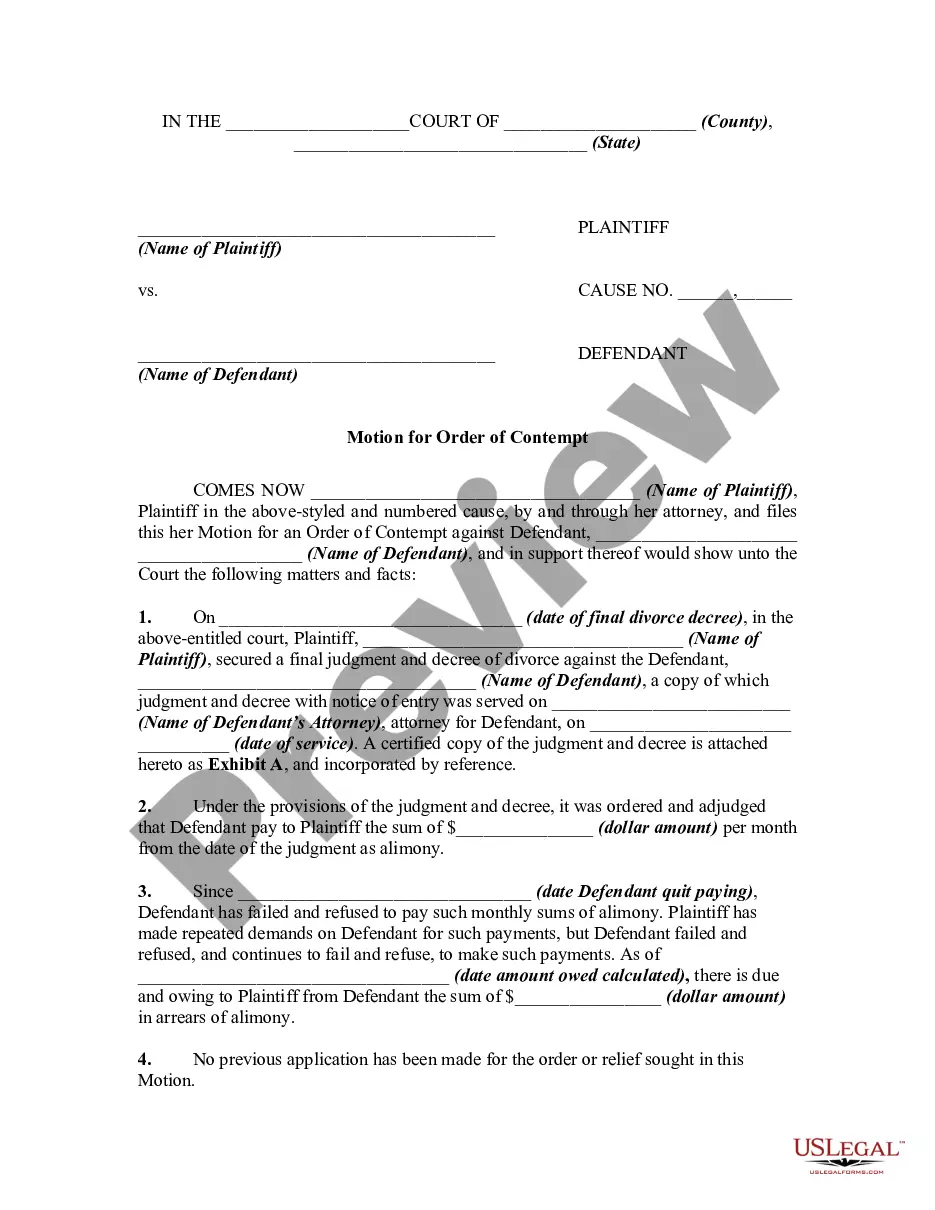
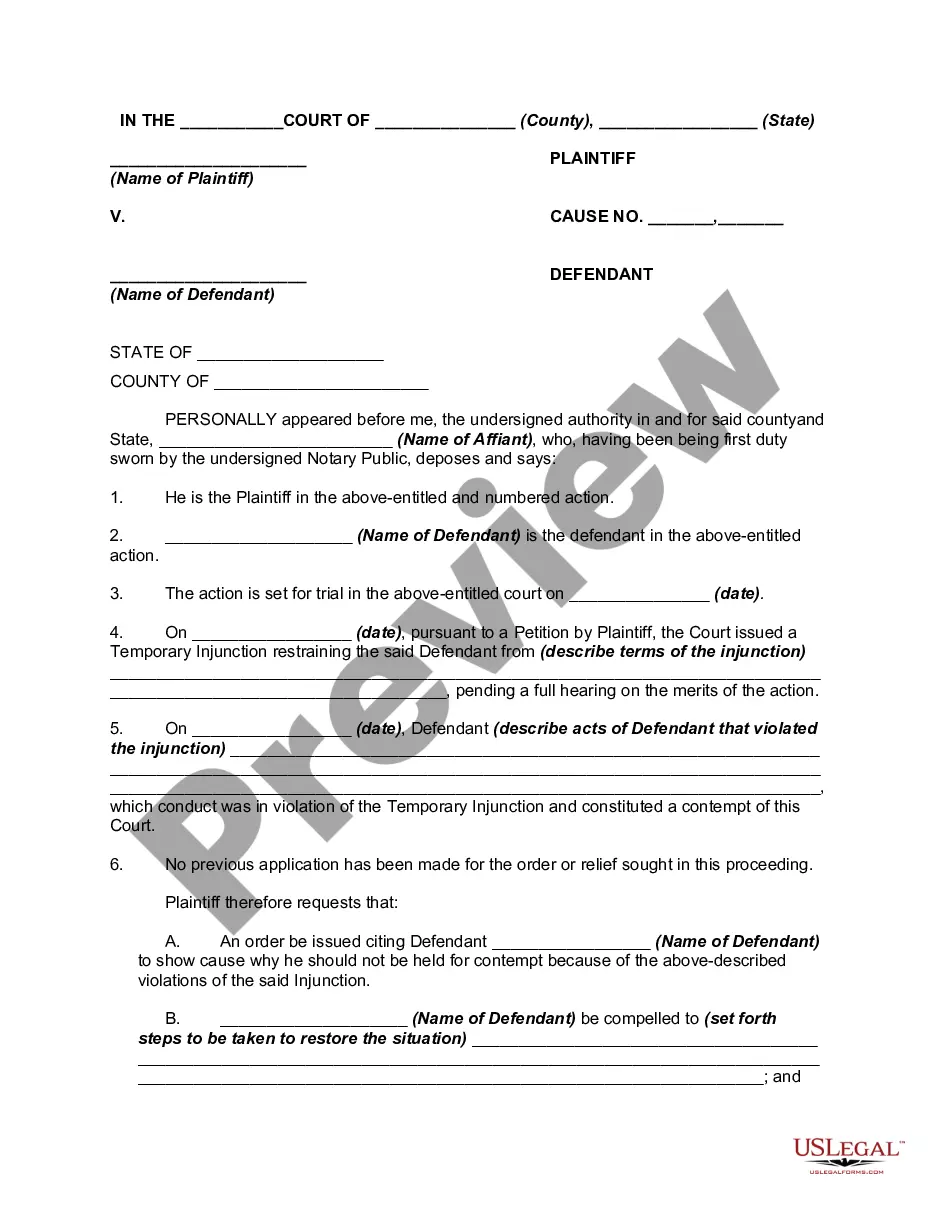
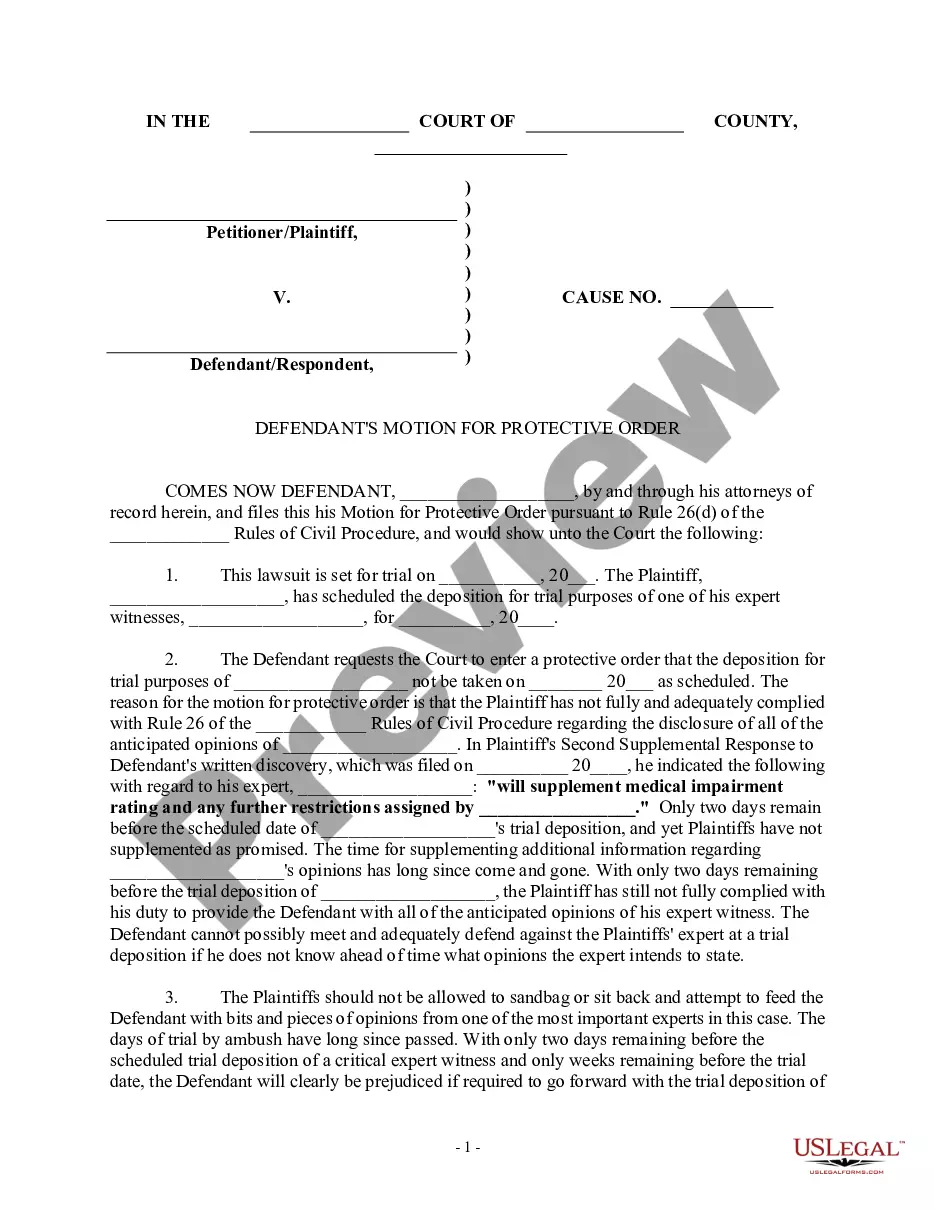
Get your form ready online
Our built-in tools help you complete, sign, share, and store your documents in one place.
Make edits, fill in missing information, and update formatting in US Legal Forms—just like you would in MS Word.
Download a copy, print it, send it by email, or mail it via USPS—whatever works best for your next step.
Sign and collect signatures with our SignNow integration. Send to multiple recipients, set reminders, and more. Go Premium to unlock E-Sign.
If this form requires notarization, complete it online through a secure video call—no need to meet a notary in person or wait for an appointment.
We protect your documents and personal data by following strict security and privacy standards.

Make edits, fill in missing information, and update formatting in US Legal Forms—just like you would in MS Word.

Download a copy, print it, send it by email, or mail it via USPS—whatever works best for your next step.

Sign and collect signatures with our SignNow integration. Send to multiple recipients, set reminders, and more. Go Premium to unlock E-Sign.

If this form requires notarization, complete it online through a secure video call—no need to meet a notary in person or wait for an appointment.

We protect your documents and personal data by following strict security and privacy standards.
Looking for another form?


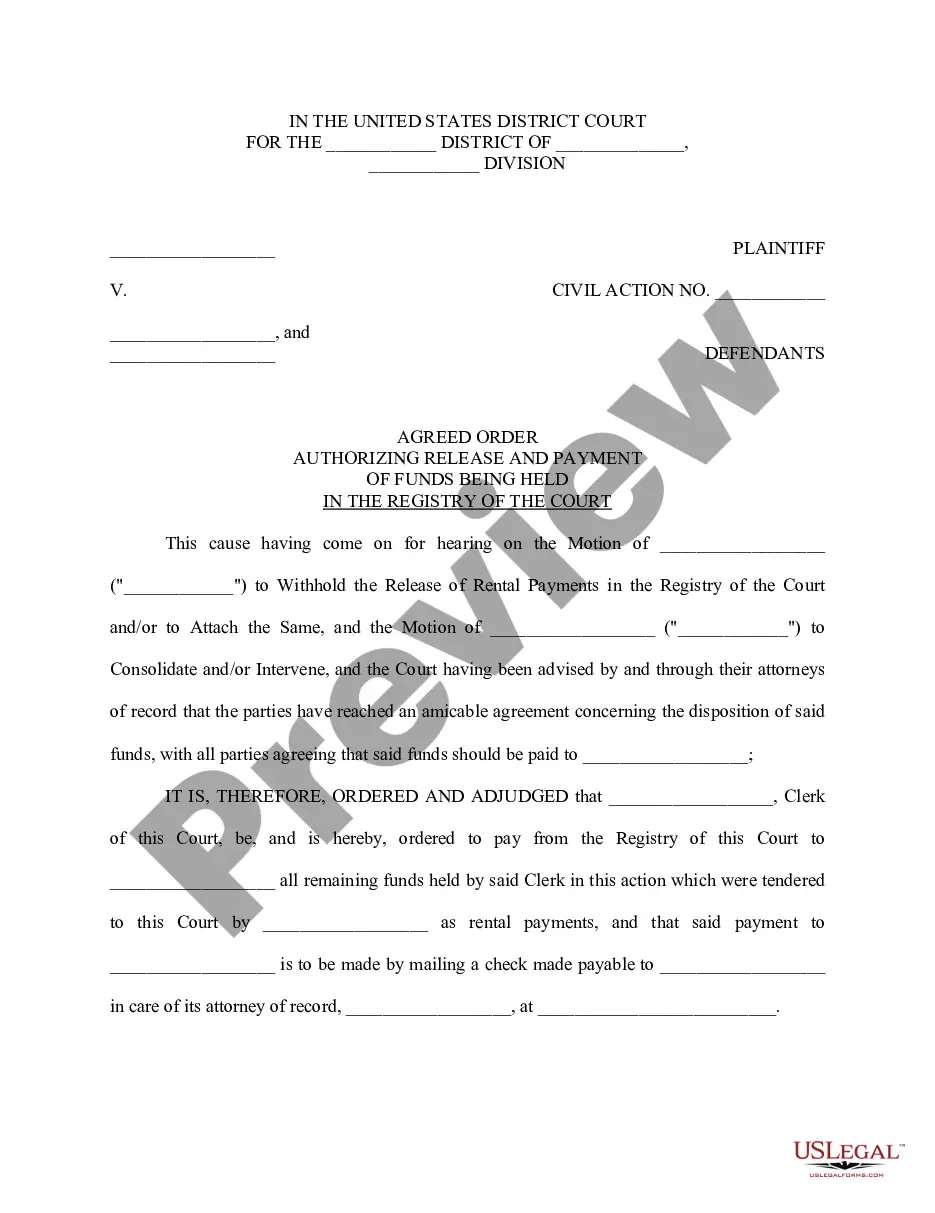





How to fill out Motion For An Order Of Contempt For Violation Of Injunction?
Legal administration can be perplexing, even for seasoned experts.
When you are interested in a Civil Case Motion To Suppress and do not have the opportunity to invest time in locating the correct and updated version, the process can be overwhelming.
Tap into a valuable resource pool of articles, guidelines, and manuals pertinent to your circumstance and needs.
Conserve time and effort in tracking down the documents you require, and utilize US Legal Forms’ advanced search and Review feature to locate Civil Case Motion To Suppress and obtain it.
Make sure that the template is accepted in your state or county.
Select Buy Now when you are ready.
Choose a subscription option.
- If you have a subscription, Log In to your US Legal Forms account, search for the form, and acquire it.
- Check your My documents section to see the documents you have previously downloaded and manage your folders as you wish.
- If it’s your initial experience with US Legal Forms, create a complimentary account and gain limitless access to all the benefits of the library.
- Here are the steps to take after obtaining the form you desire.
- Confirm this is the appropriate form by previewing it and reviewing its description.
Select the format you prefer, and Download, complete, sign, print, and send your document.
Appreciate the US Legal Forms online library, supported by 25 years of expertise and dependability.
Transform your daily document management into a straightforward and user-friendly experience today.
- Utilize state- or county-specific legal and business templates.
- US Legal Forms addresses any needs you might encounter, from individual to corporate documents, all in one hub.
- Employ sophisticated tools to finalize and manage your Civil Case Motion To Suppress.
Form popularity
FAQ
One major reason evidence is excluded from trial in a civil case motion to suppress is the violation of constitutional rights. For instance, if evidence is collected without a proper warrant or reasonable cause, it may be deemed inadmissible. This law upholds the principle that individuals should not be subjected to unlawful intrusions.
The defense files a motion to suppress evidence in superior court, and the judge sets the matter for a hearing.
(b) A motion to suppress may be made for the first time during trial when the State has failed to notify the defendant's counsel or, if he has none, the defendant, sooner than 20 working days before trial, of its intention to use the evidence, and the evidence is: (1) Evidence of a statement made by a defendant; (2) ...
An example of a motion to suppress is where a defendant requests the court to suppress a confession by the defendant to the police that was obtained as a result of a Miranda violation.
While in general, on a motion to suppress, the defendant has the burden of proving, by a preponderance of the evidence, that the material in question was seized in violation of his constitutional rights, there are several situations where the burden shifts to the government.
A Motion to Suppress is a formal request made by a defendant to exclude certain evidence in a case during trial. The motion is filed with the court and considered by the judge. A hearing where the parties can make arguments for, or against, the motion may be necessary.