Us Civil Procedure
Description
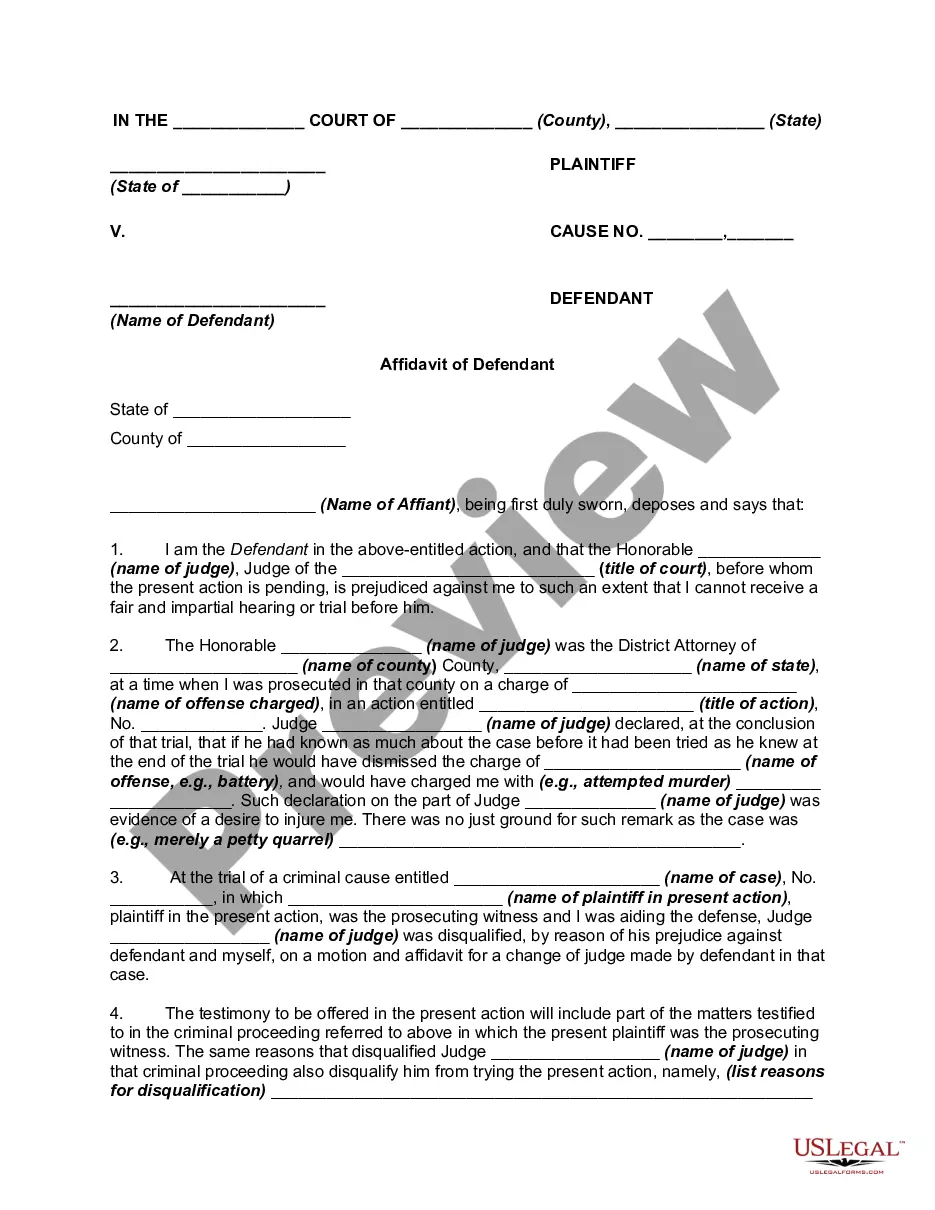
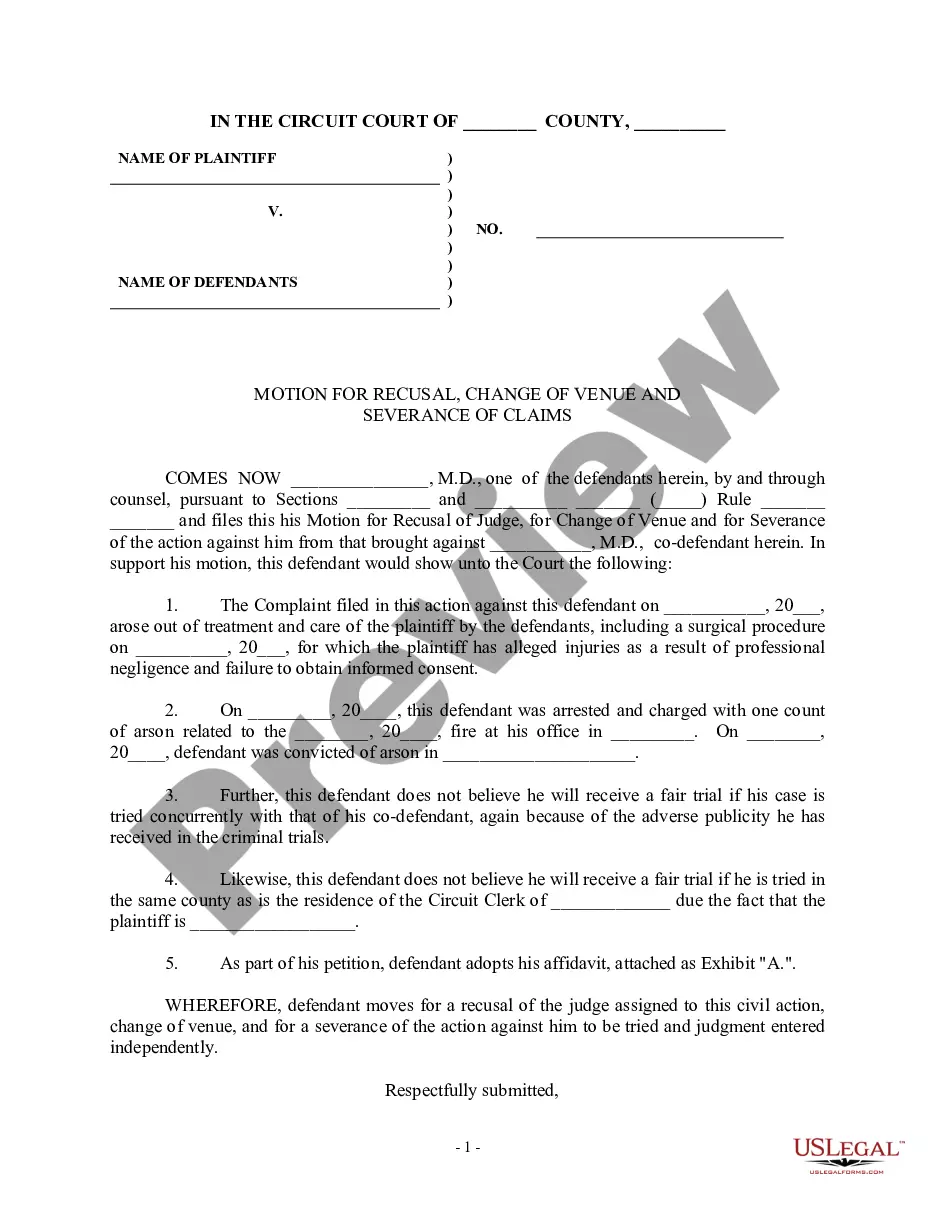
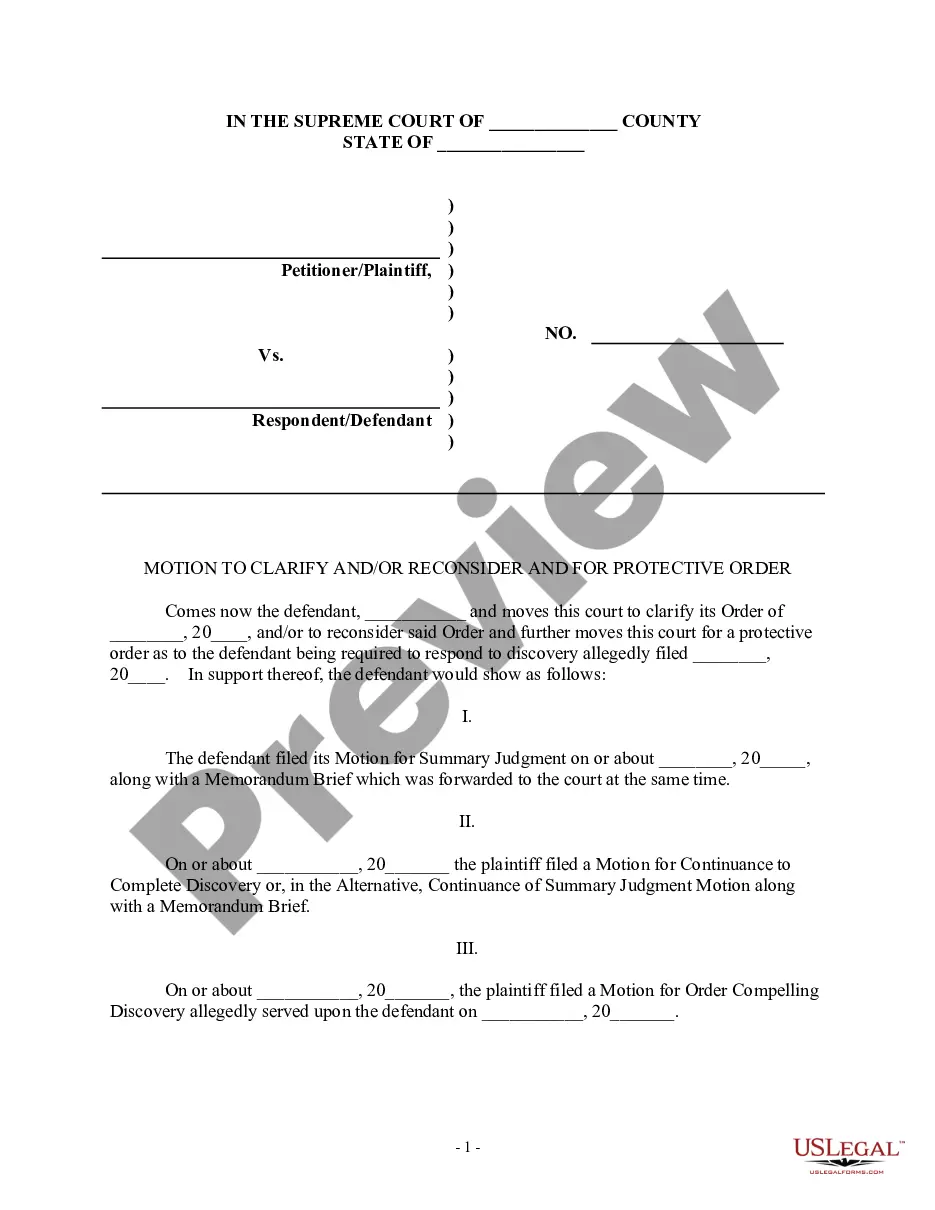
Get your form ready online
Our built-in tools help you complete, sign, share, and store your documents in one place.
Make edits, fill in missing information, and update formatting in US Legal Forms—just like you would in MS Word.
Download a copy, print it, send it by email, or mail it via USPS—whatever works best for your next step.
Sign and collect signatures with our SignNow integration. Send to multiple recipients, set reminders, and more. Go Premium to unlock E-Sign.
If this form requires notarization, complete it online through a secure video call—no need to meet a notary in person or wait for an appointment.
We protect your documents and personal data by following strict security and privacy standards.

Make edits, fill in missing information, and update formatting in US Legal Forms—just like you would in MS Word.

Download a copy, print it, send it by email, or mail it via USPS—whatever works best for your next step.

Sign and collect signatures with our SignNow integration. Send to multiple recipients, set reminders, and more. Go Premium to unlock E-Sign.

If this form requires notarization, complete it online through a secure video call—no need to meet a notary in person or wait for an appointment.

We protect your documents and personal data by following strict security and privacy standards.
Looking for another form?



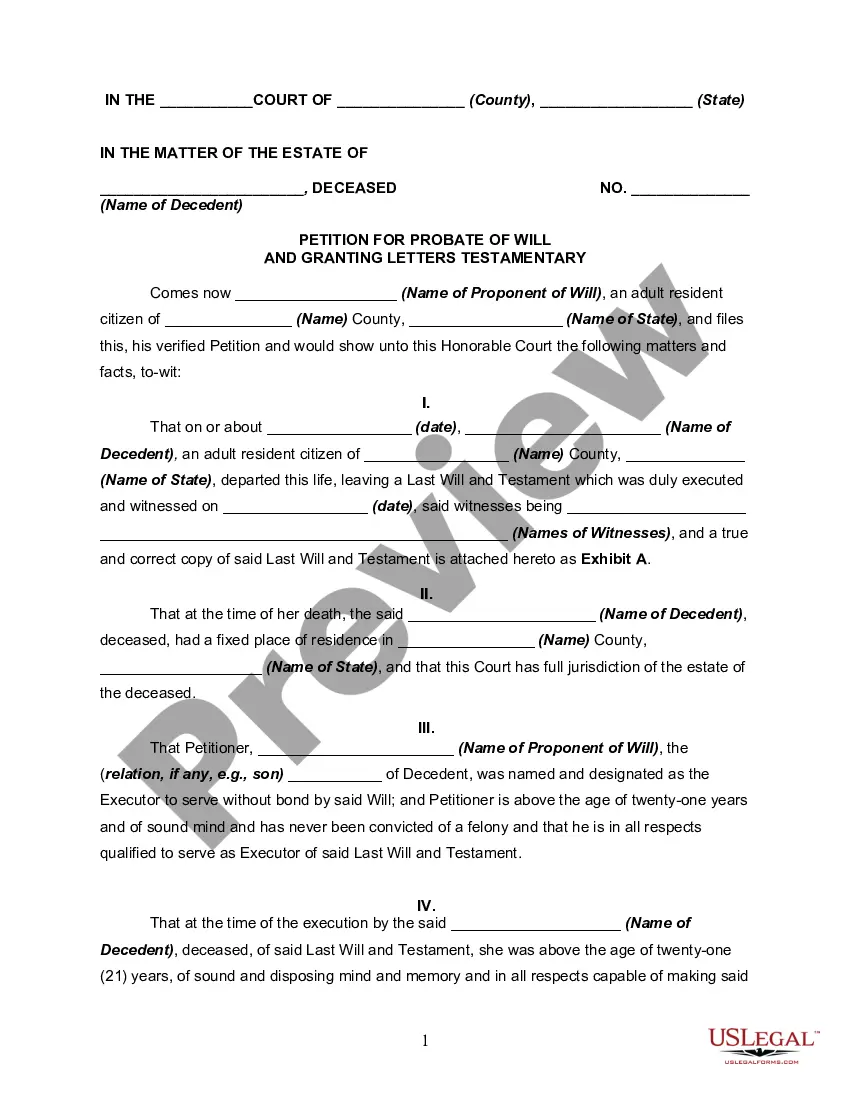




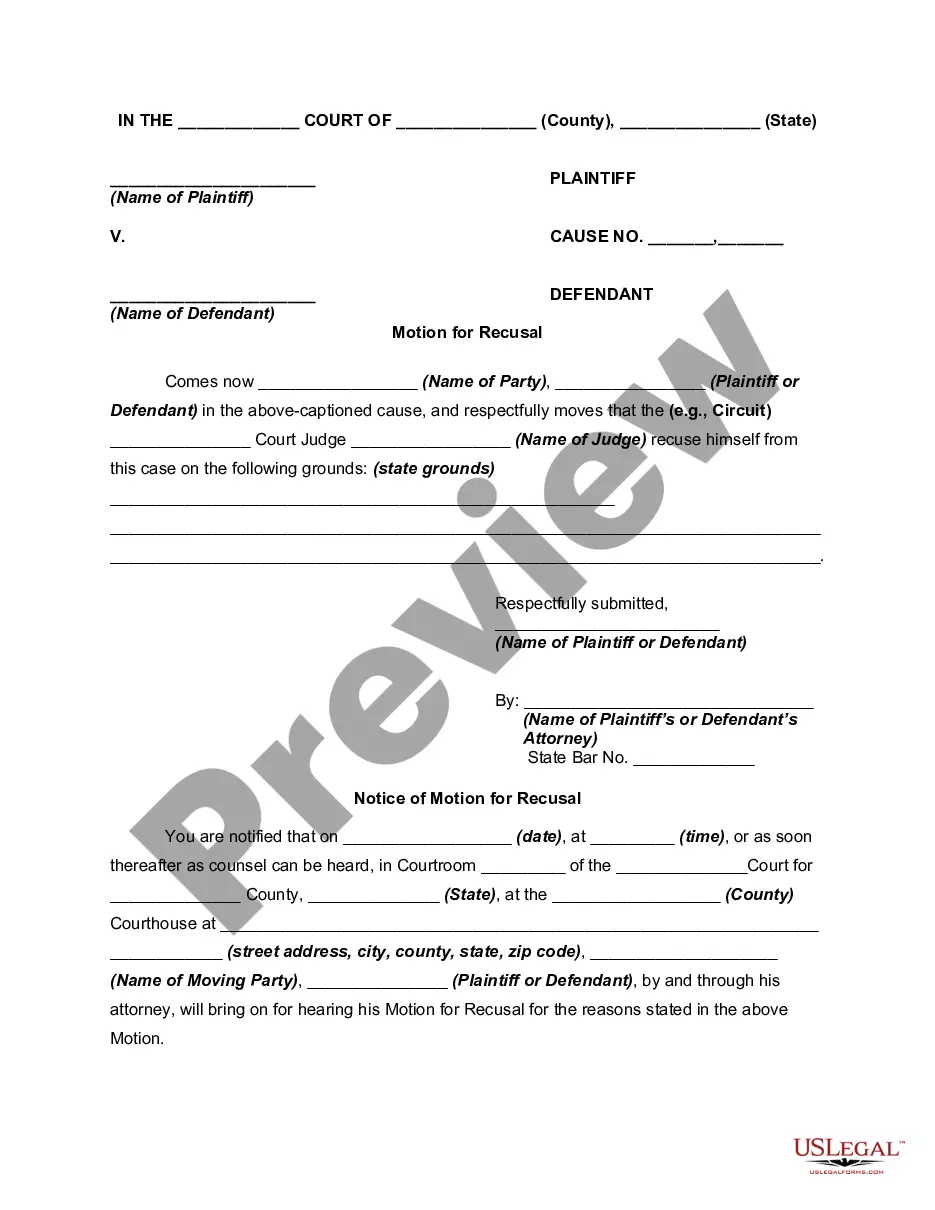
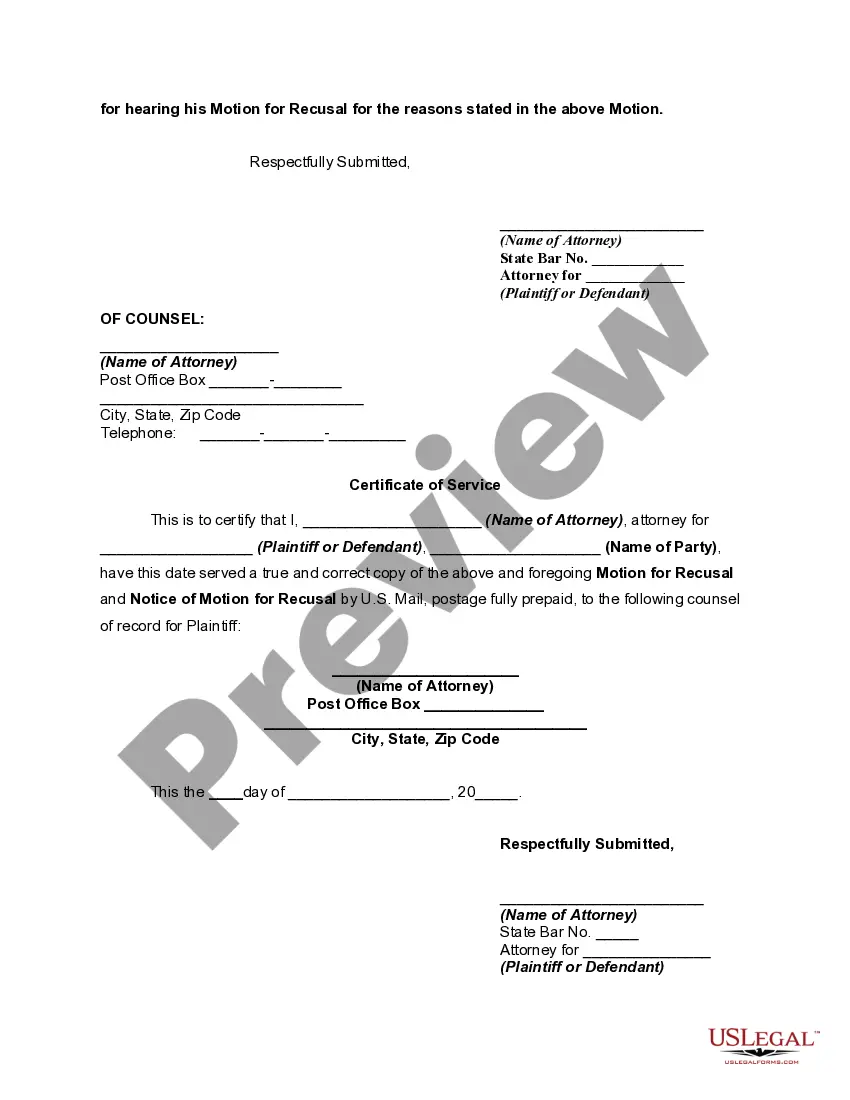
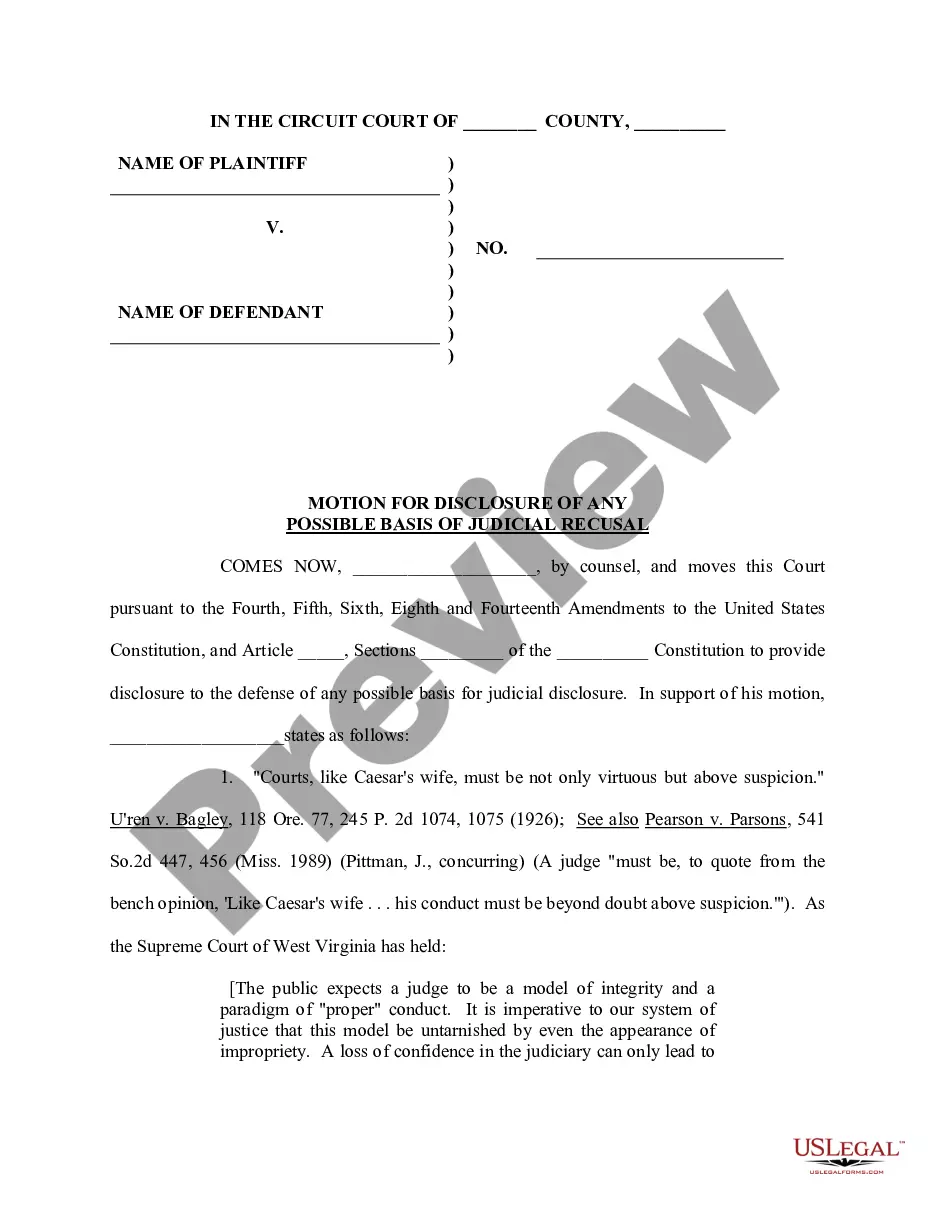
How to fill out Motion For Recusal Of Judge - Removal?
- If you are a returning user, log in to access your account and download the required form directly by clicking the Download button. Ensure that your subscription is active; if not, renew it per your payment plan.
- For first-time users, start by checking the Preview mode and description of the legal forms. Make sure you select one that fits your needs and complies with your local jurisdiction.
- If you find discrepancies in the form, utilize the Search tab to locate the appropriate template.
- Once you find the correct form, click on the Buy Now button and select a subscription plan that works for you, remembering to create an account.
- Proceed to make your payment by entering your credit card information or using your PayPal account.
- After your purchase is complete, download the form to your device and access it at any time from the My Forms section of your account.
In conclusion, US Legal Forms empowers you to navigate the complexities of legal documentation effortlessly. With a rich selection and expert support, you can ensure your forms are accurate and legally binding.
Don't hesitate—get started today and unlock the benefits of a streamlined legal process!
Form popularity
FAQ
In civil cases, the burden of proof generally falls on the plaintiff, who must establish their case by a preponderance of evidence. This means the plaintiff must show that their claims are more likely true than not. Grasping this principle is essential to navigating the complexities of U.S. civil procedure and achieving a favorable outcome.
An example of a civil complaint could involve a tenant suing a landlord for failure to repair critical issues in an apartment. The complaint would detail the relevant facts, accusations, and the legal basis for the claim, such as violation of housing laws. Familiarity with these examples enhances your understanding of U.S. civil procedure.
Writing a Civil Procedure exam answer requires a clear structure, beginning with a concise thesis statement. Next, identify issues and apply relevant laws while using facts from the exam. Following the U.S. civil procedure guidelines, ensure your conclusions are well-supported by your analysis and are easy to follow.
To effectively write a civil petition, start by clearly identifying the parties involved and the legal grounds for your request. Include relevant facts, supporting documents, and specific relief sought. When following the U.S. civil procedure, be concise and organized to ensure clarity and persuasiveness in your arguments.
A lawsuit is a formal legal action, while a civil complaint is a document that initiates that action. The complaint outlines the plaintiff's claims against the defendant and states the relevant facts. Understanding these distinctions is crucial within U.S. civil procedure, as the complaint sets the tone for the entire lawsuit.
The five steps in a civil lawsuit typically include filing a complaint, serving the defendant, engaging in discovery, presenting the case at trial, and appealing if necessary. Each step plays a crucial role in the resolution of disputes. By comprehending these stages, you enhance your ability to address legal challenges effectively. Resources like USLegalForms can aid you in navigating the nuances of US civil procedure.
The procedure for civil law involves several key stages, like filing a claim, serving the defendant, and possibly going to trial. After the filing, both parties engage in discovery to gather facts. This collaborative process aims to clarify issues before a resolution is reached. Understanding this procedure streamlines the journey through the complexities of US civil procedure.
Civil procedure law in the United States encompasses federal and state regulations that govern civil litigation. These laws establish the framework for resolving disputes and include guidelines for filing lawsuits, conducting trials, and appealing decisions. Since each state may vary in its application, it is crucial to understand the local rules within the broader context of US civil procedure.
The rules of civil procedure dictate how civil cases are managed in the courtroom. These rules cover various aspects, such as pleadings, motions, evidence, and appeals. They ensure that all parties have a fair opportunity to present their case. To navigate these rules effectively, using resources like USLegalForms can be beneficial.
Civil law procedure refers to the formal rules and processes that govern civil litigation. This procedure outlines how parties can resolve disputes that do not involve criminal charges. Each state in the U.S. has its version of civil procedures, which helps maintain order and fairness in the legal system. Familiarizing yourself with US civil procedure is essential for effective participation in legal matters.