Plaintiff Attorney Come With Clean Hands
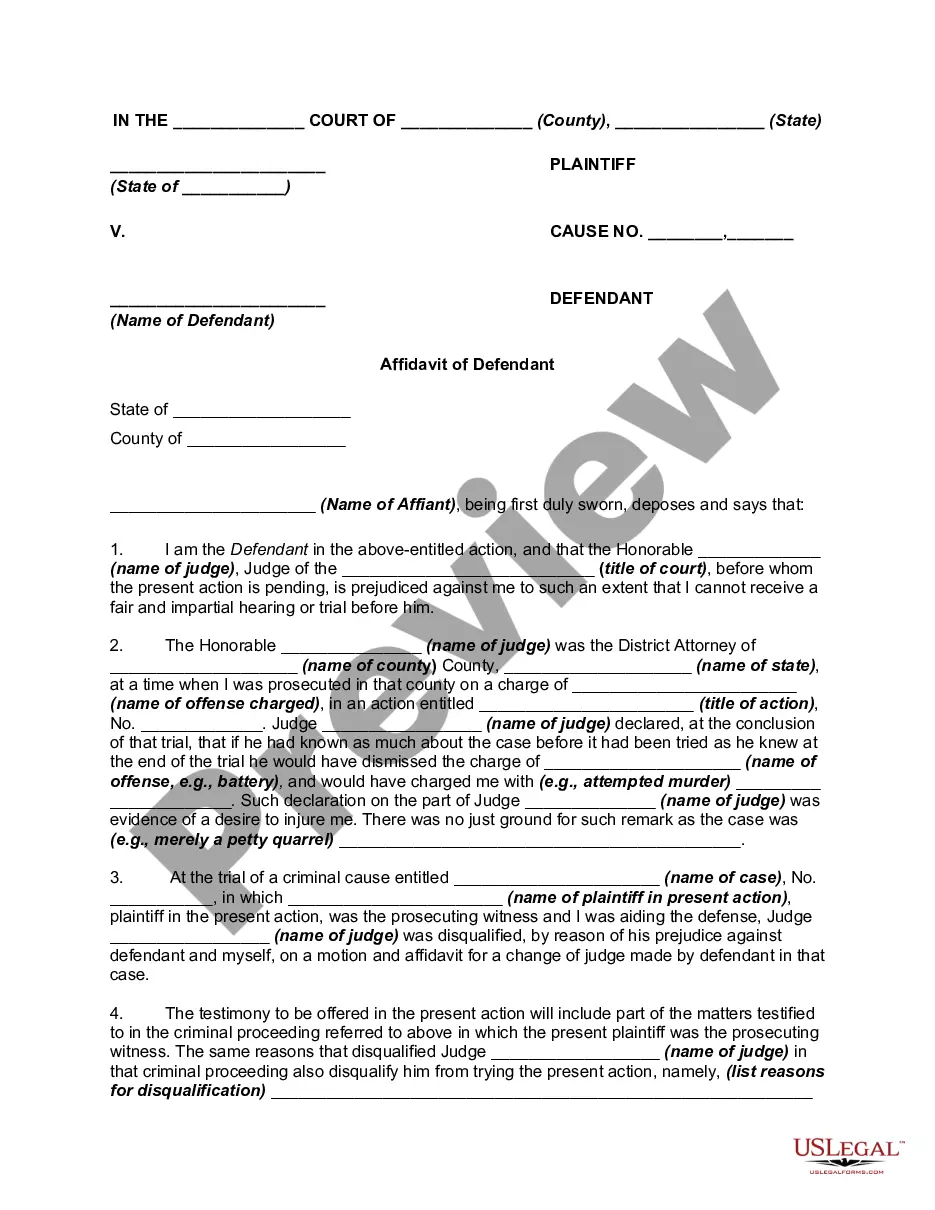
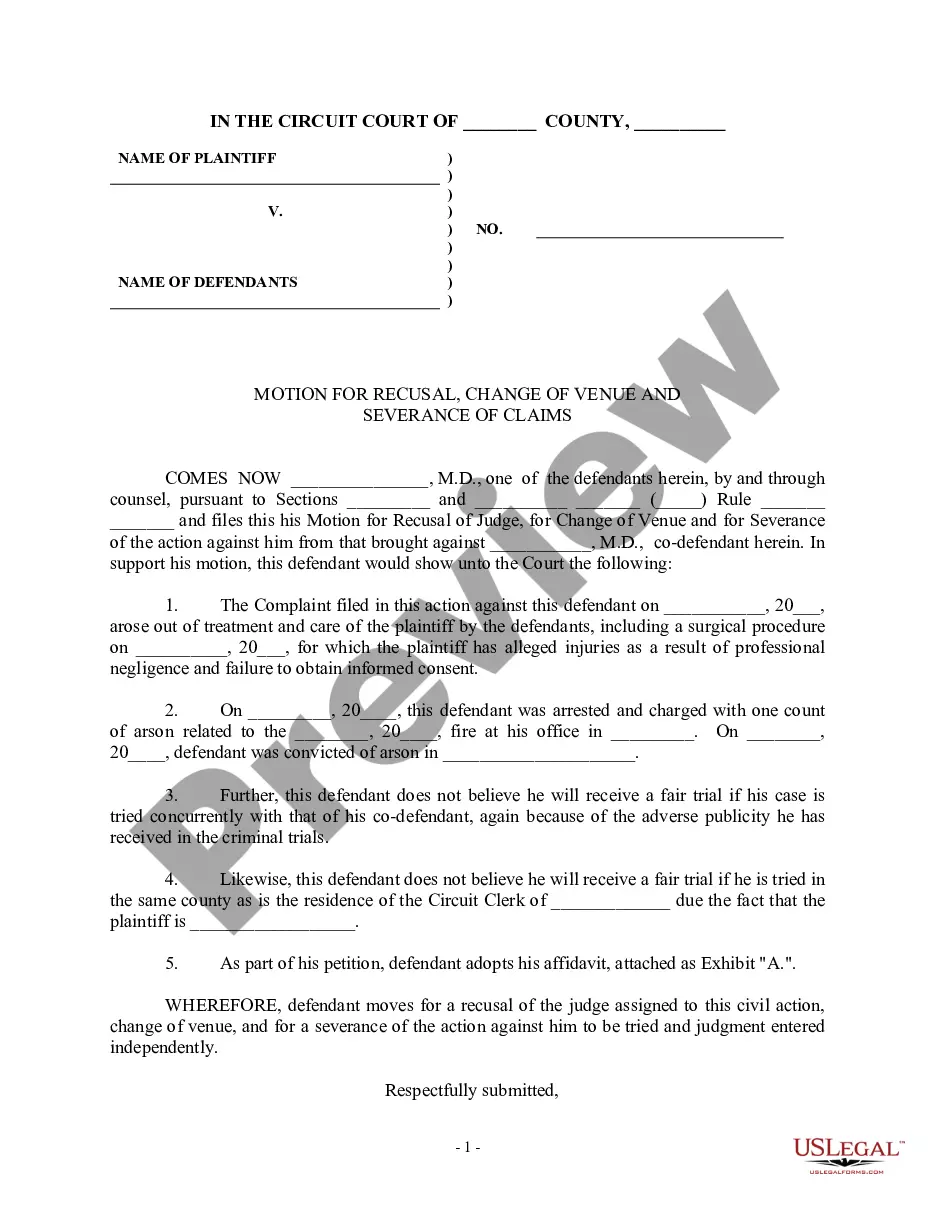
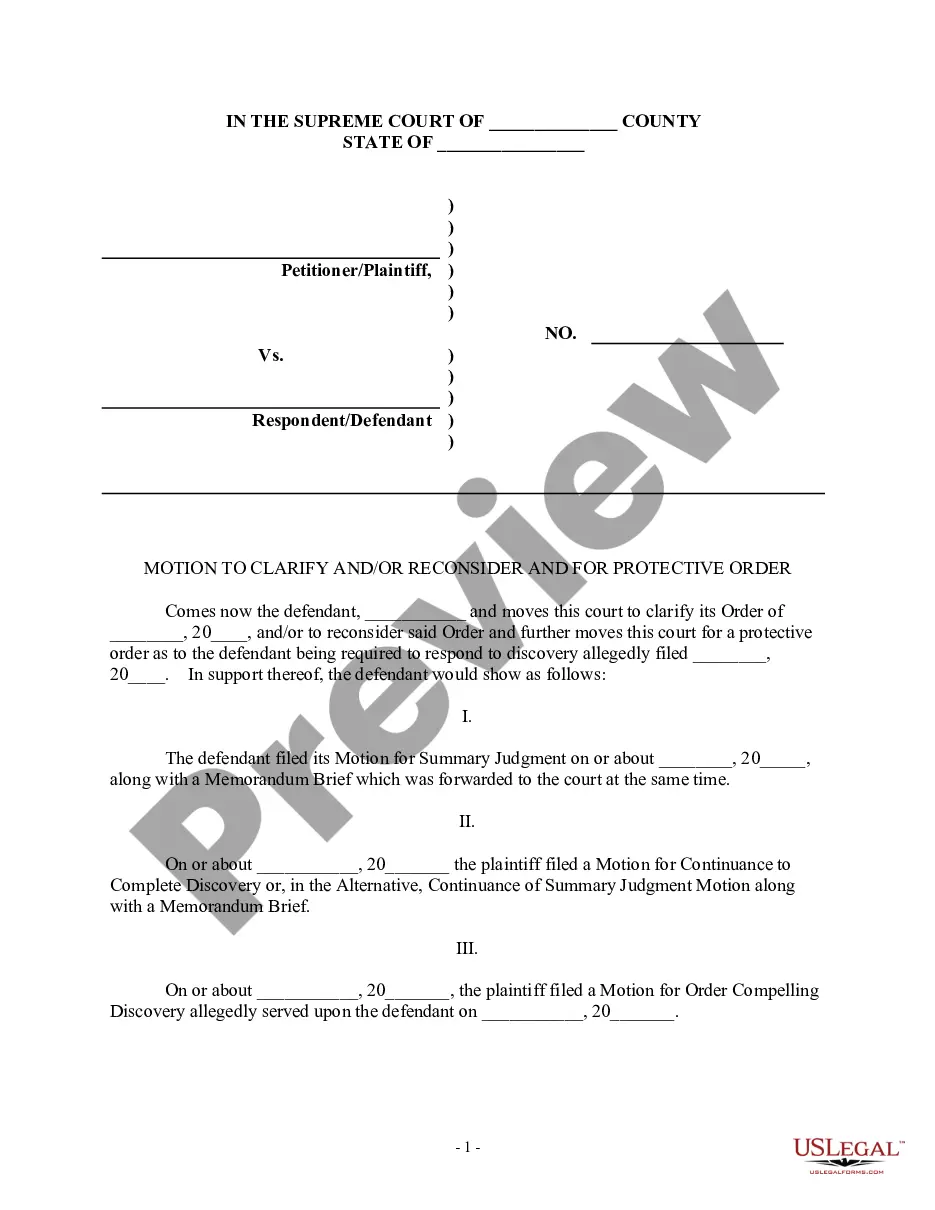
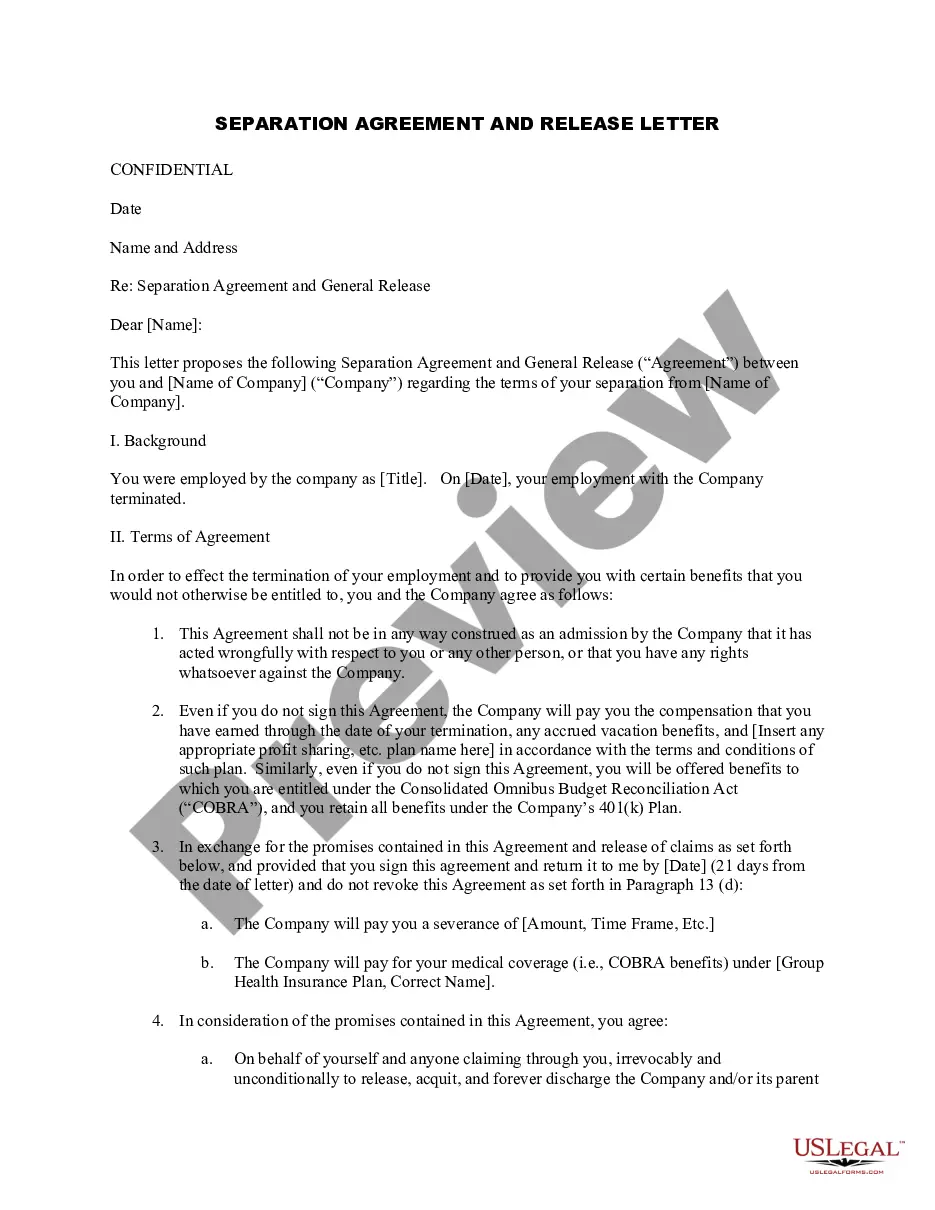
Description
Get your form ready online
Our built-in tools help you complete, sign, share, and store your documents in one place.
Make edits, fill in missing information, and update formatting in US Legal Forms—just like you would in MS Word.
Download a copy, print it, send it by email, or mail it via USPS—whatever works best for your next step.
Sign and collect signatures with our SignNow integration. Send to multiple recipients, set reminders, and more. Go Premium to unlock E-Sign.
If this form requires notarization, complete it online through a secure video call—no need to meet a notary in person or wait for an appointment.
We protect your documents and personal data by following strict security and privacy standards.

Make edits, fill in missing information, and update formatting in US Legal Forms—just like you would in MS Word.

Download a copy, print it, send it by email, or mail it via USPS—whatever works best for your next step.

Sign and collect signatures with our SignNow integration. Send to multiple recipients, set reminders, and more. Go Premium to unlock E-Sign.

If this form requires notarization, complete it online through a secure video call—no need to meet a notary in person or wait for an appointment.

We protect your documents and personal data by following strict security and privacy standards.
Looking for another form?









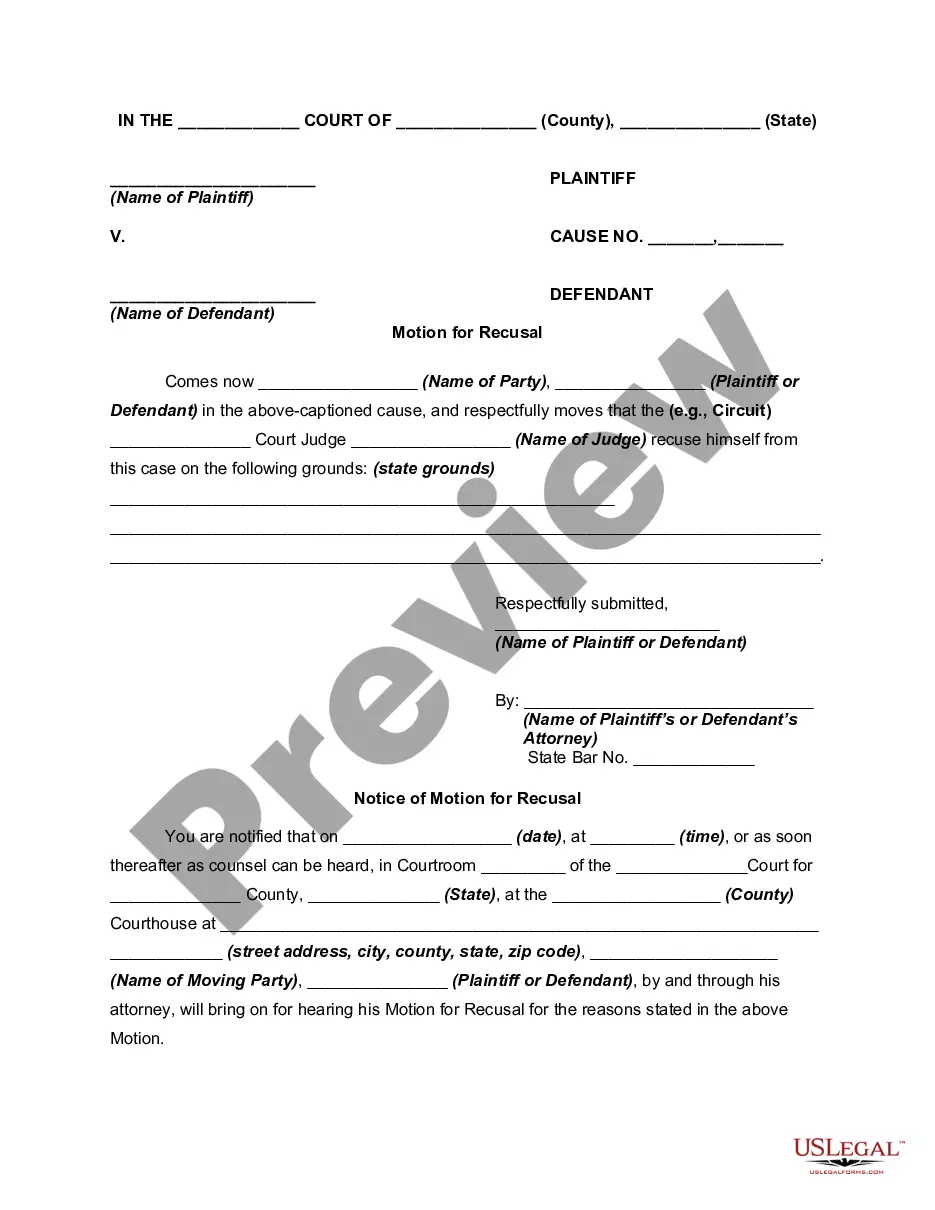
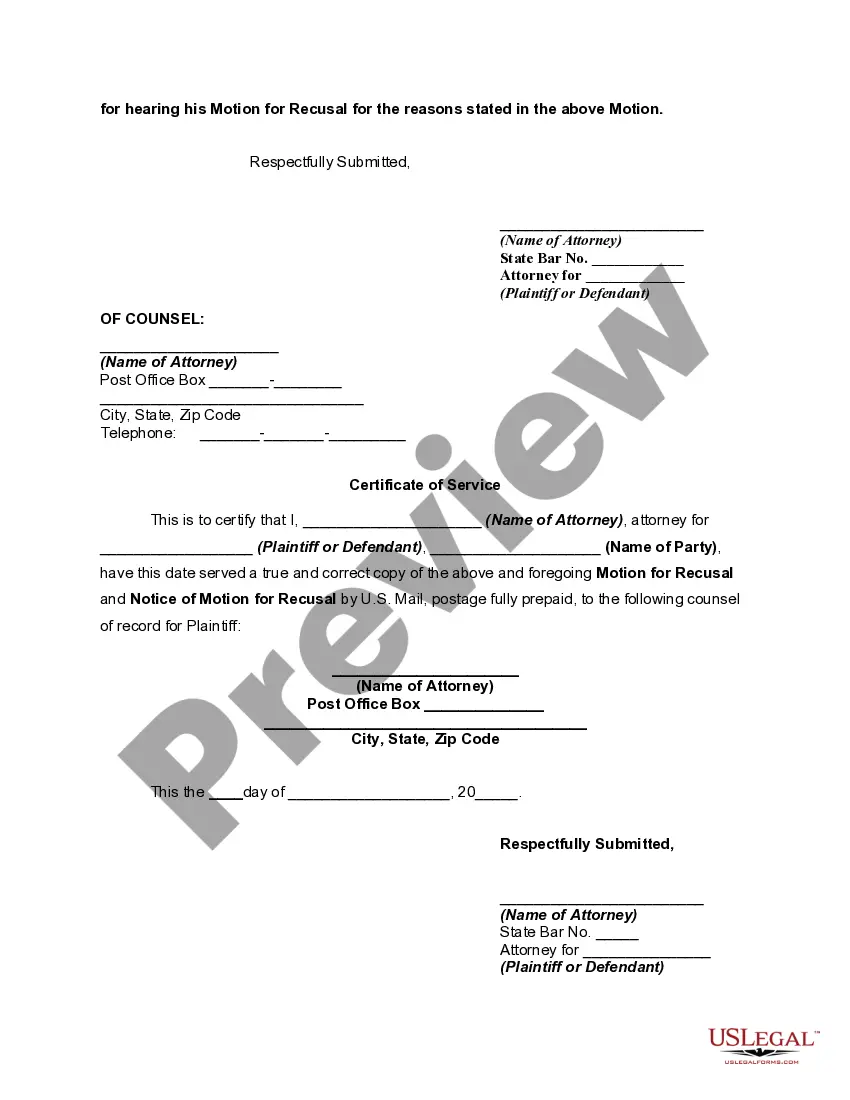
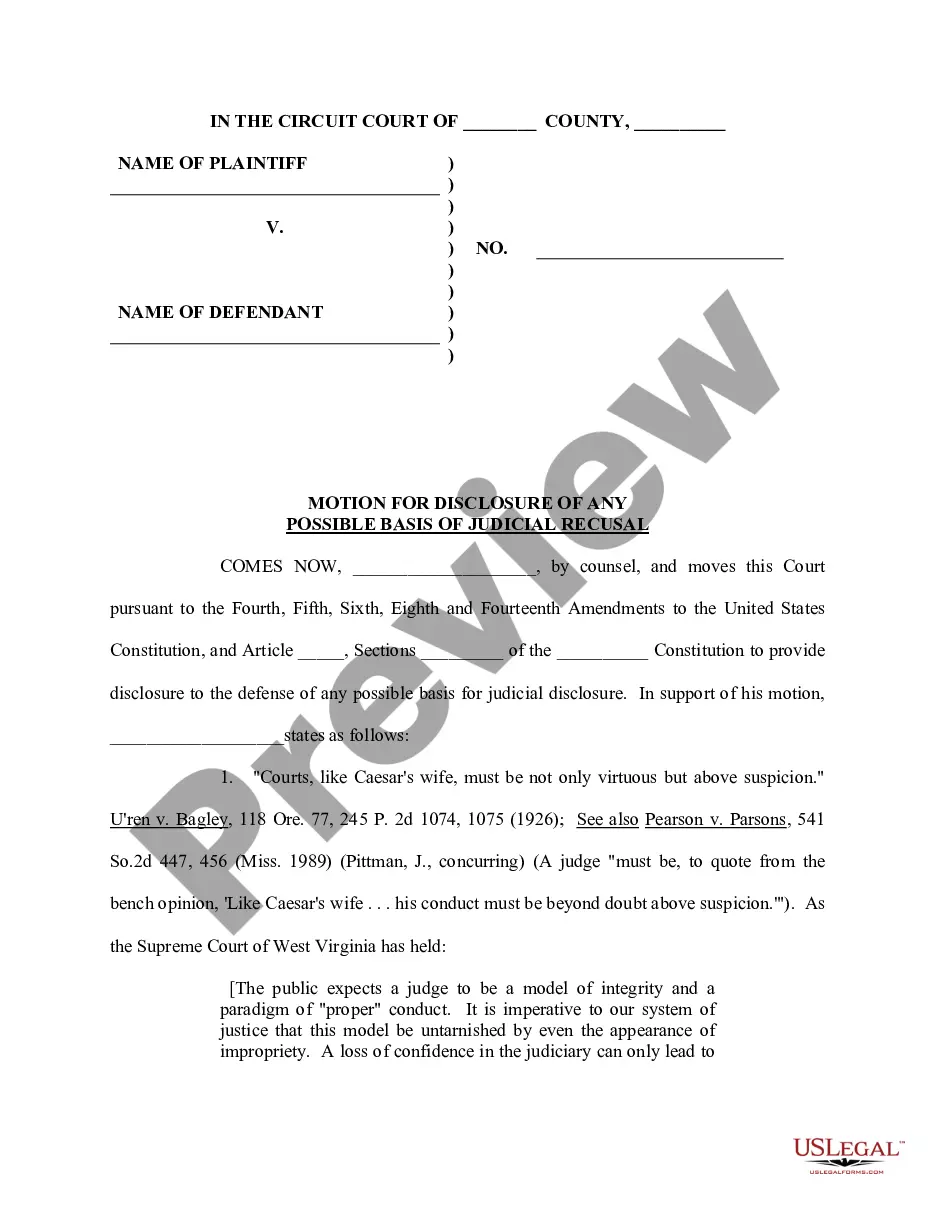
How to fill out Motion For Recusal Of Judge - Removal?
The Plaintiff Attorney Come With Clean Hands you see on this page is a versatile formal template created by expert lawyers in accordance with federal and state laws.
For over 25 years, US Legal Forms has supplied individuals, organizations, and attorneys with more than 85,000 authenticated, state-specific templates for any business and personal scenario. It’s the fastest, most straightforward, and most dependable way to acquire the documents you require, as the service ensures the highest level of data protection and anti-malware security.
Subscribe to US Legal Forms to have authenticated legal templates for all of life’s situations at your fingertips.
- Search for the document you require and examine it.
- Browse through the file you searched and preview it or review the form description to ensure it meets your needs. If it doesn't, use the search bar to locate the right one. Click Buy Now once you have found the template you need.
- Register and Log In.
- Select the pricing plan that suits you and create an account. Use PayPal or a credit card for a swift payment. If you already possess an account, Log In and check your subscription to proceed.
- Acquire the editable template.
- Choose the format you desire for your Plaintiff Attorney Come With Clean Hands (PDF, Word, RTF) and save the document on your device.
- Complete and sign the documents.
- Print the template to fill it out manually. Alternatively, use an online multifunctional PDF editor to quickly and accurately fill out and sign your form with a valid signature.
- Download your documents again.
- Utilize the same document again whenever necessary. Access the My documents tab in your profile to redownload any previously purchased templates.
Form popularity
FAQ
Clean hands doctrine. n. a rule of law that a person coming to court with a lawsuit or petition for a court order must be free from unfair conduct (have "clean hands" or not have done anything wrong) in regard to the subject matter of his/her claim.
Although the unclean hands doctrine is typically an affirmative defense asserted by a defendant, it may also be asserted by a plaintiff in opposition to an equitable defense such as estoppel. General immoral or corrupt conduct is not enough to warrant application of the unclean hands doctrine.
Unclean hands. n. a legal doctrine which is a defense to a complaint, which states that a party who is asking for a judgment cannot have the help of the court if he/she has done anything unethical in relation to the subject of the lawsuit.
App. 1999), the party asserting the unclean hands defense must prove that the misconduct relates directly to the subject matter concerning which a particular claim is made. In other words, there must be a direct relationship between the misconduct and the claimed injuries.
An equitable defense that bars relief to a party who has engaged in inequitable behavior (including fraud, deceit, unconscionability, or bad faith) related to the subject matter of that party's claim.