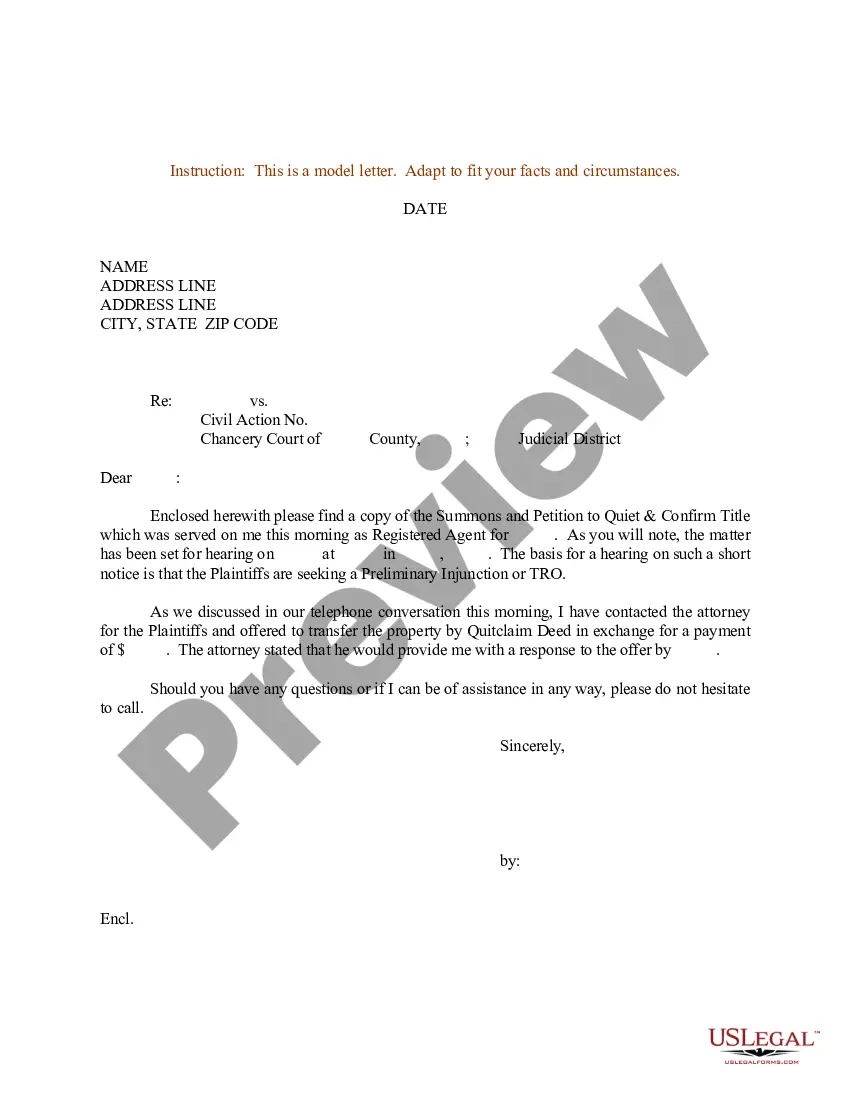
Objection Petition Format For Land Sale
Description
Get your form ready online
Our built-in tools help you complete, sign, share, and store your documents in one place.
Make edits, fill in missing information, and update formatting in US Legal Forms—just like you would in MS Word.
Download a copy, print it, send it by email, or mail it via USPS—whatever works best for your next step.
Sign and collect signatures with our SignNow integration. Send to multiple recipients, set reminders, and more. Go Premium to unlock E-Sign.
If this form requires notarization, complete it online through a secure video call—no need to meet a notary in person or wait for an appointment.
We protect your documents and personal data by following strict security and privacy standards.

Make edits, fill in missing information, and update formatting in US Legal Forms—just like you would in MS Word.

Download a copy, print it, send it by email, or mail it via USPS—whatever works best for your next step.

Sign and collect signatures with our SignNow integration. Send to multiple recipients, set reminders, and more. Go Premium to unlock E-Sign.

If this form requires notarization, complete it online through a secure video call—no need to meet a notary in person or wait for an appointment.

We protect your documents and personal data by following strict security and privacy standards.
Looking for another form?
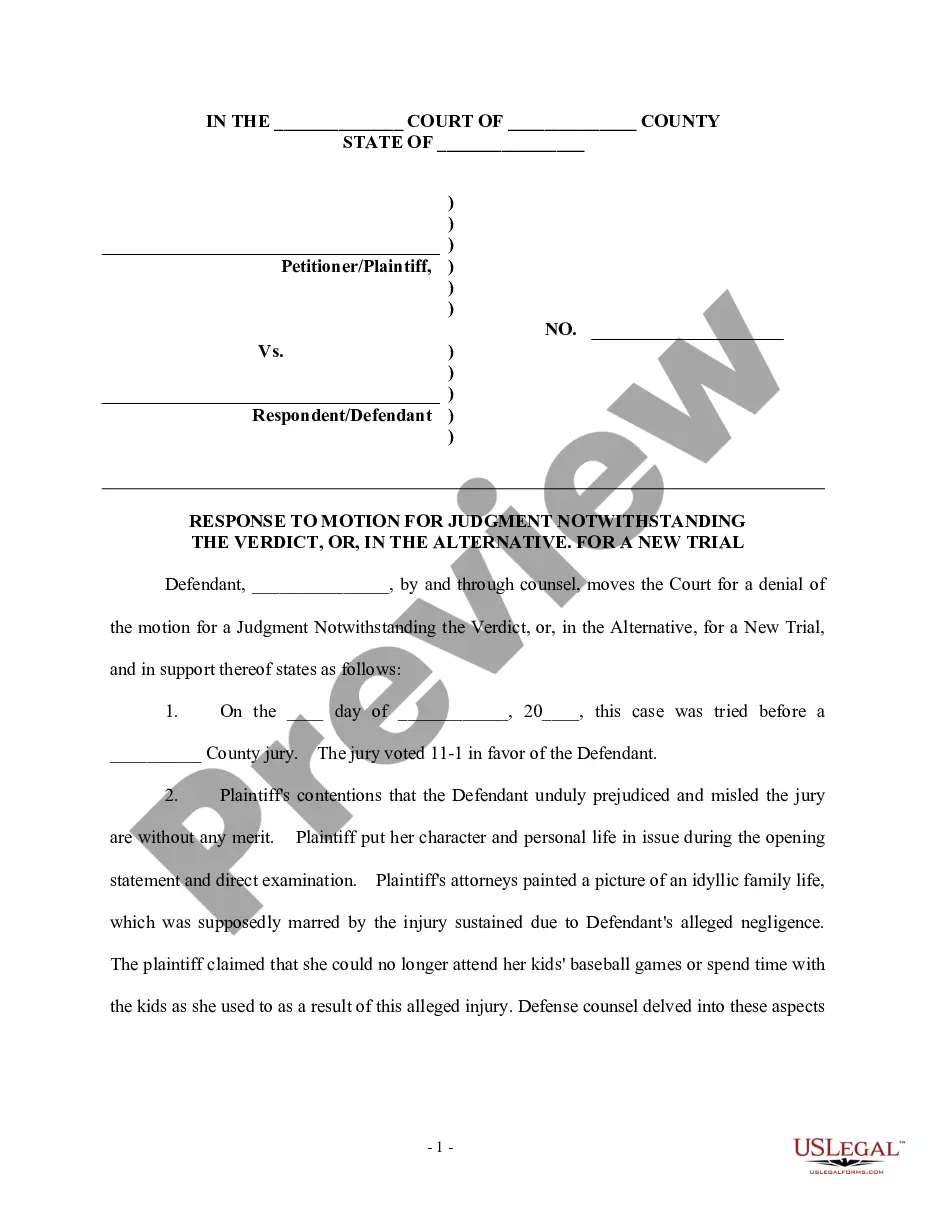
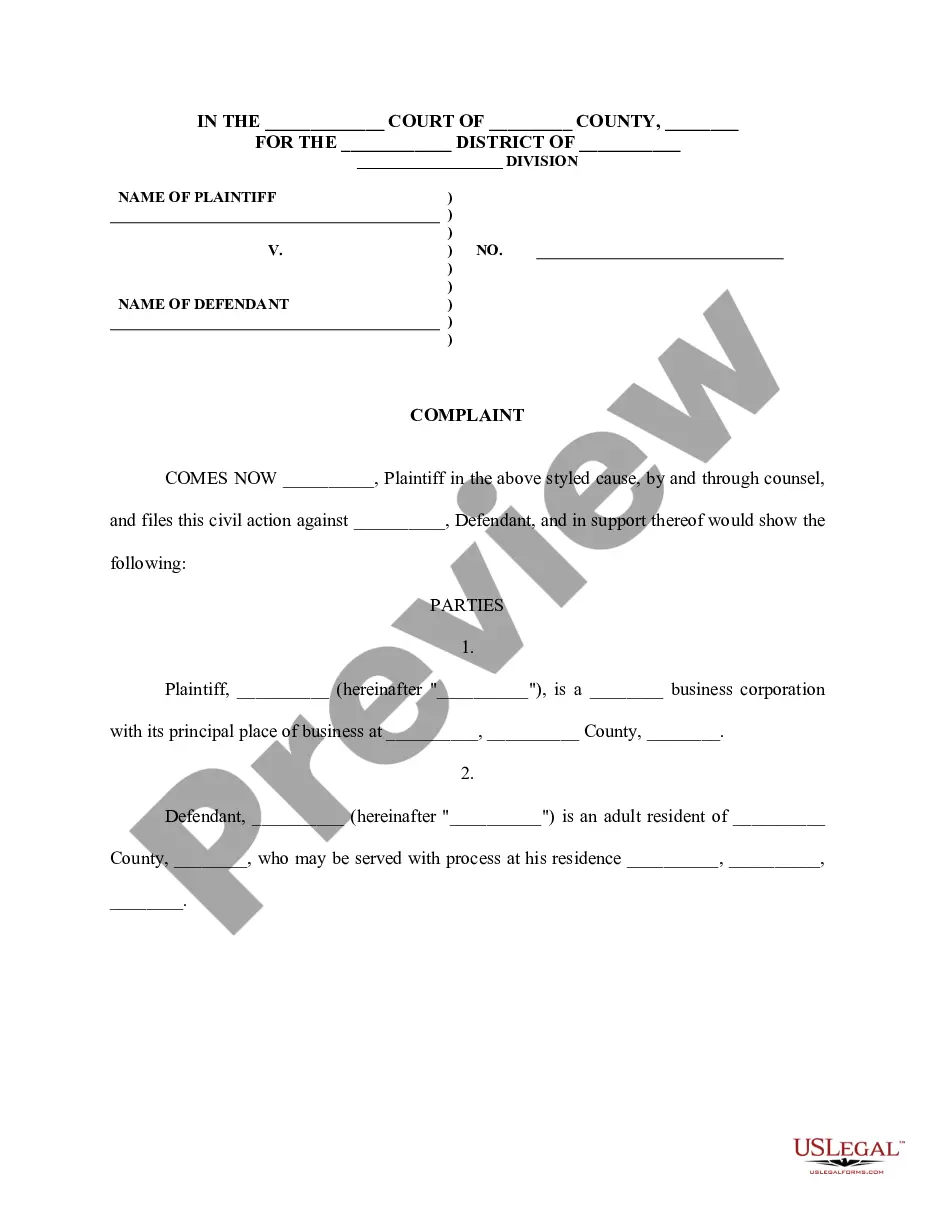
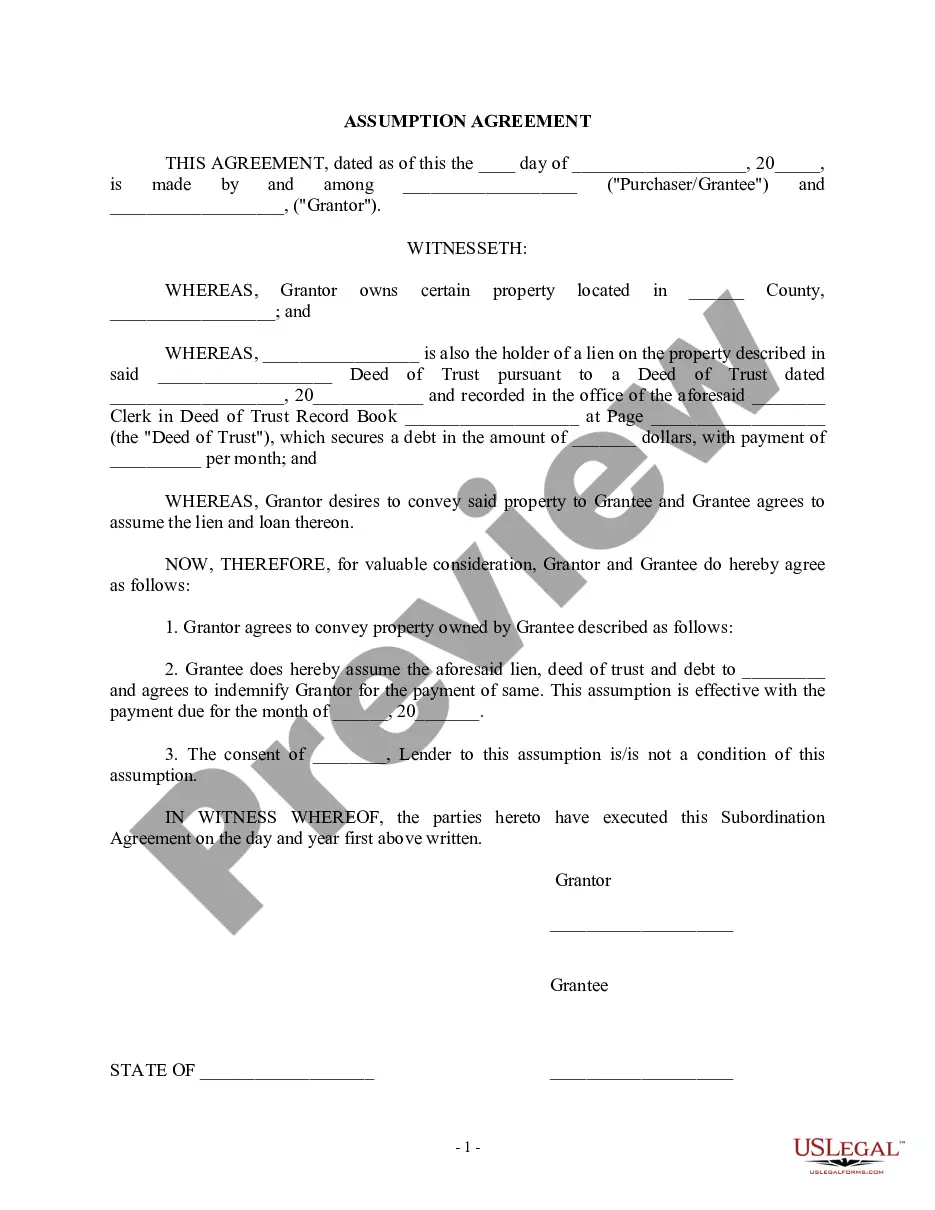
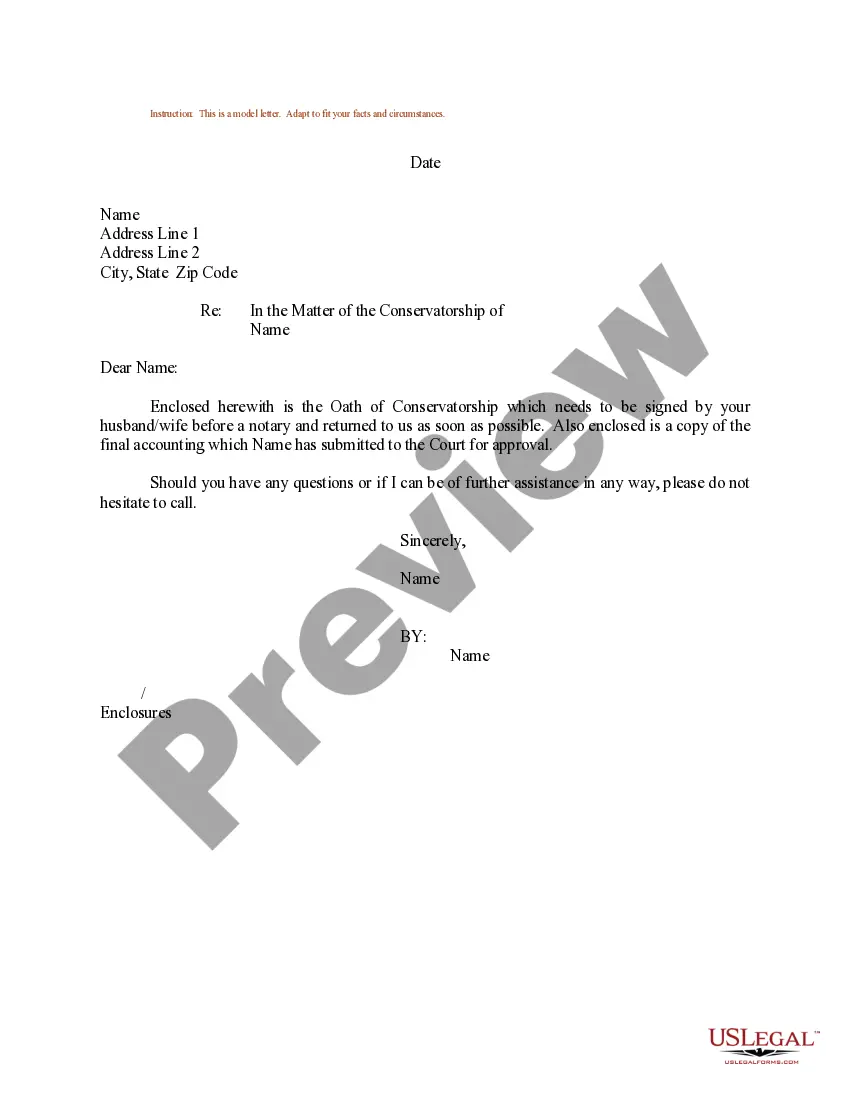
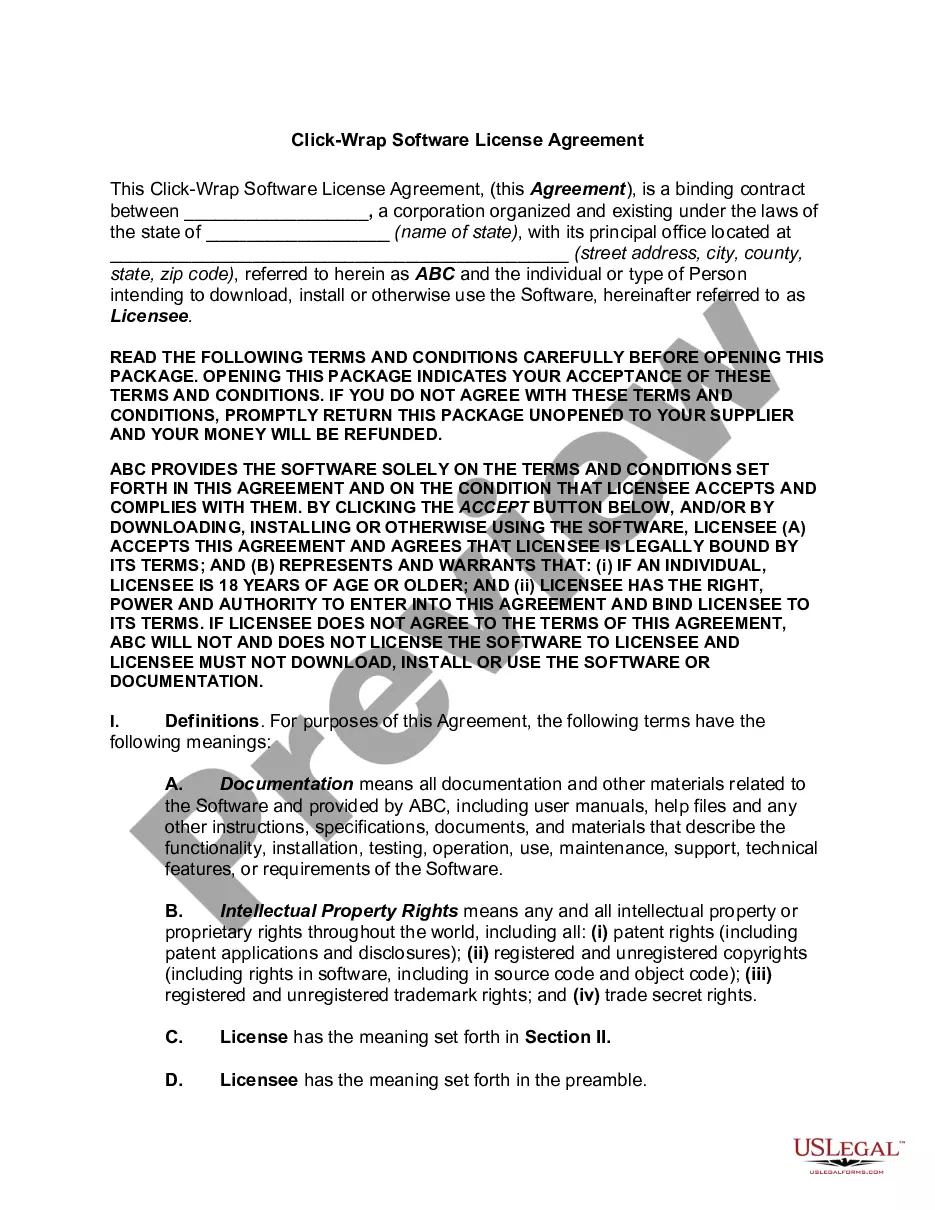
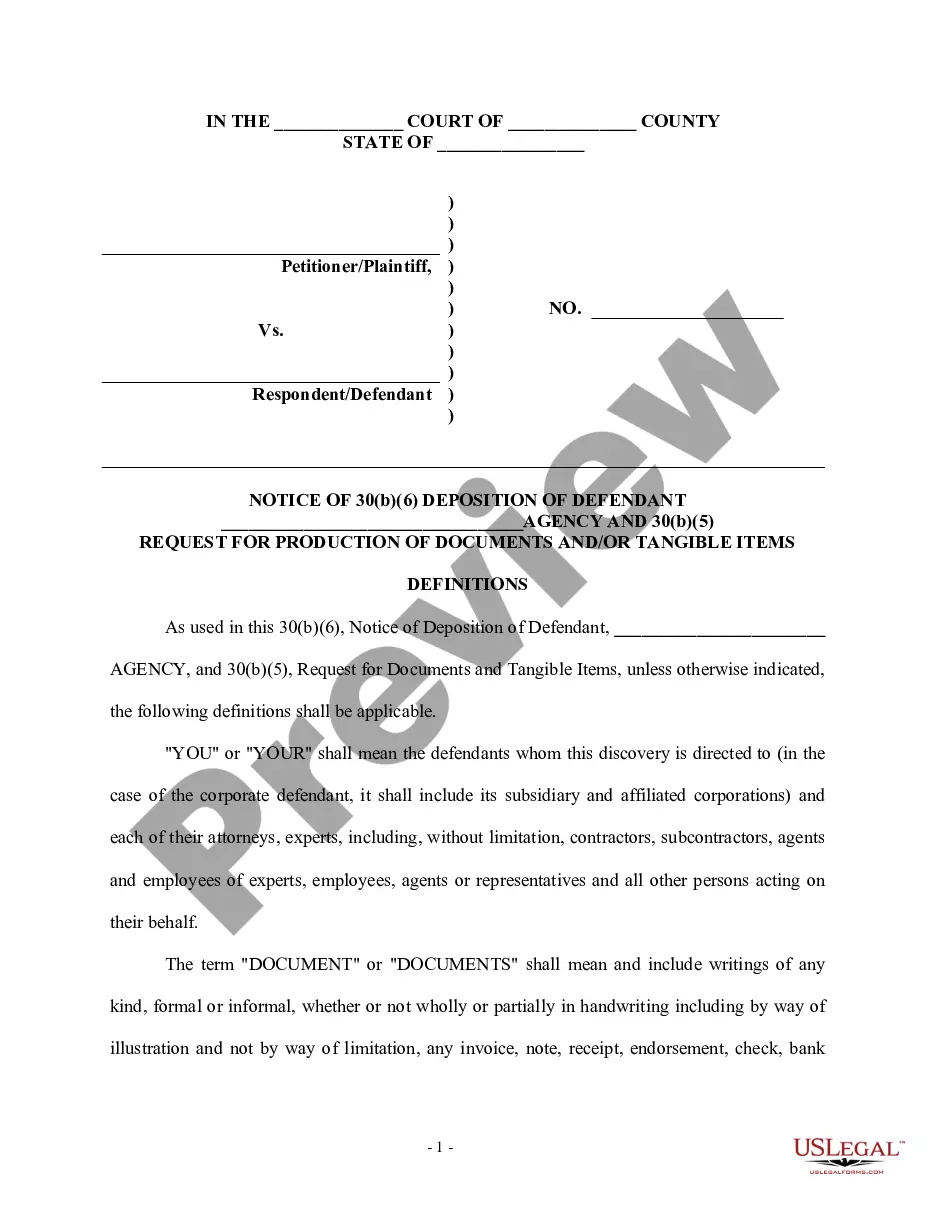
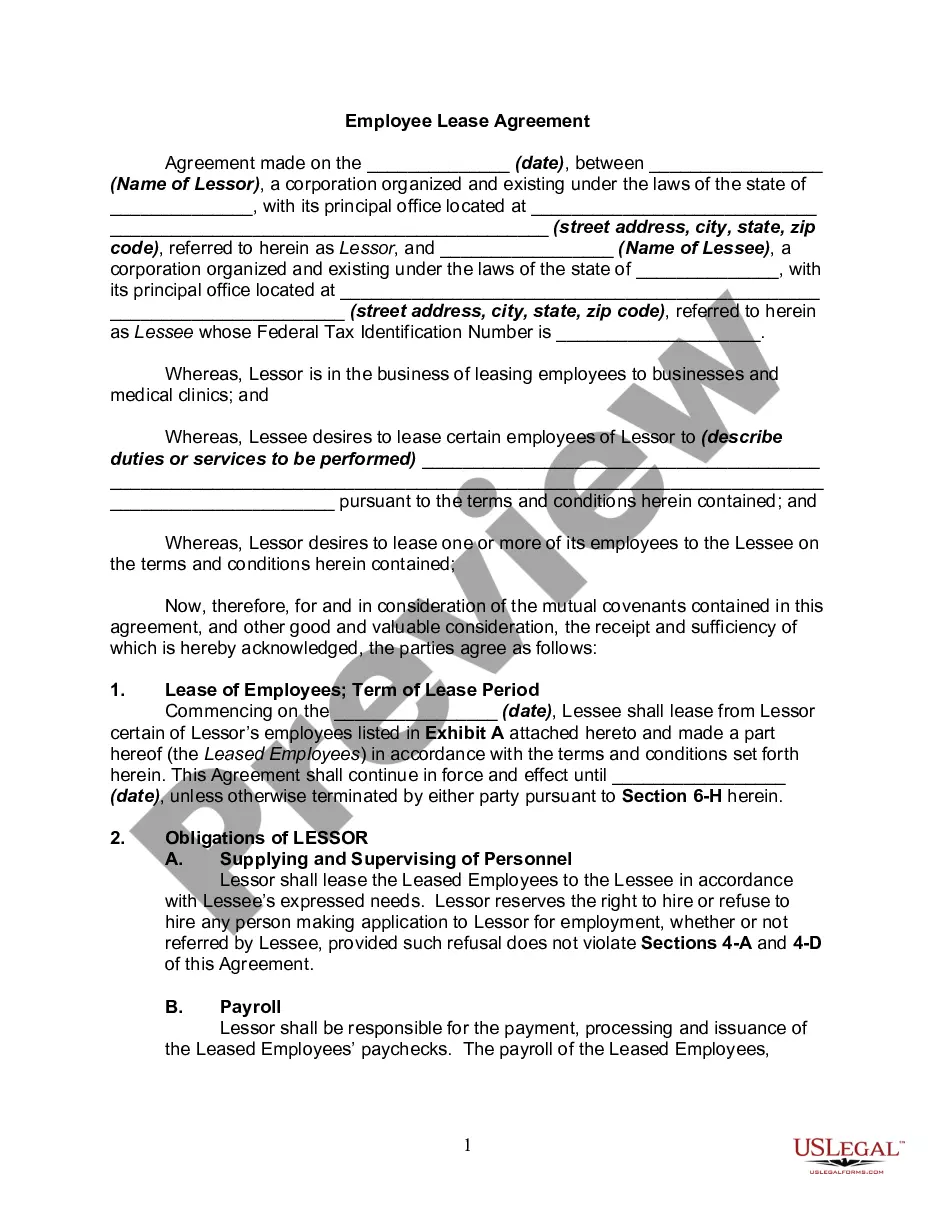
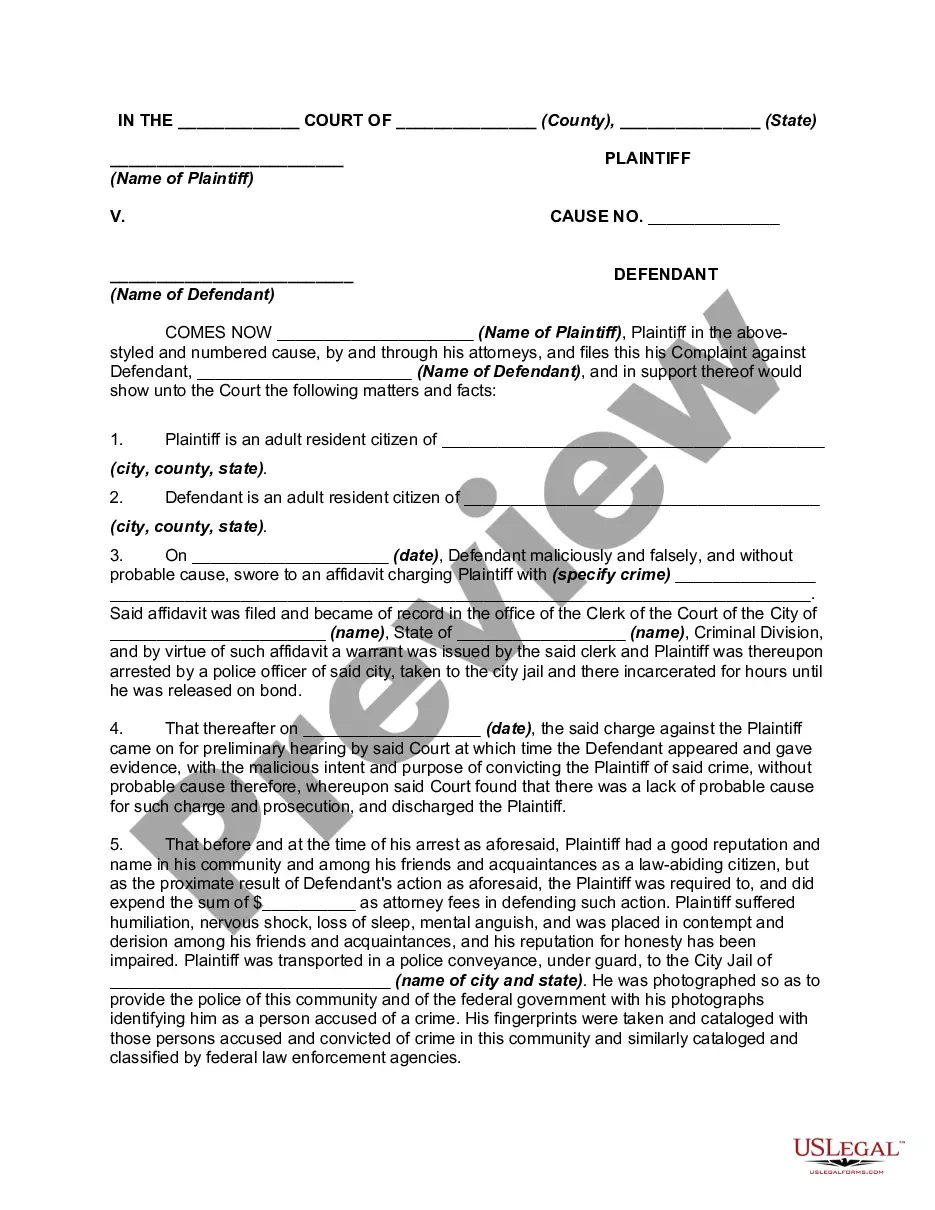
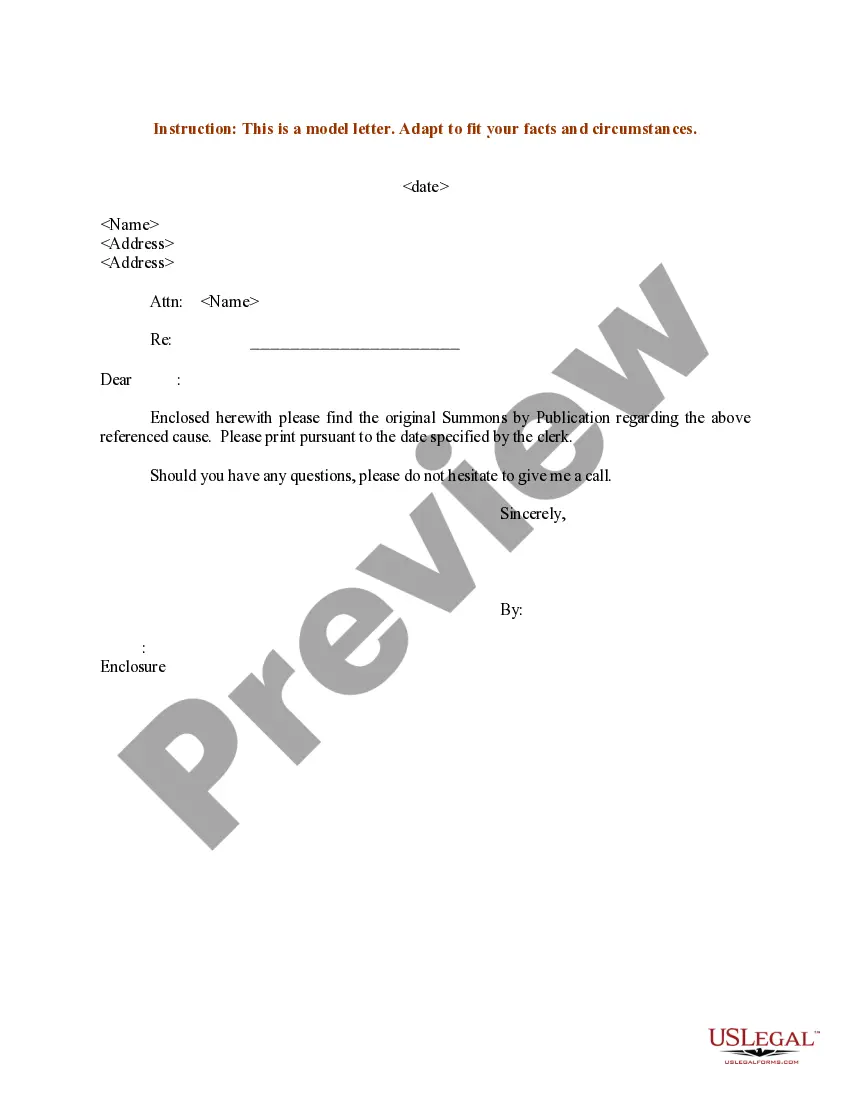
How to fill out Sample Letter For Summons And Petition To Quiet And Confirm Title?
Whether for commercial aims or for personal issues, everyone must confront legal matters at some stage in their lives.
Filling out legal documents requires meticulous care, starting from choosing the correct form template.
With an extensive US Legal Forms catalog available, you will never have to waste time looking for the suitable template across the web. Use the library’s straightforward navigation to find the right form for any circumstance.
- Acquire the template you require using the search box or catalog exploration.
- Examine the form’s details to ensure it corresponds with your case, jurisdiction, and locality.
- Click on the form’s preview to review it.
- If it is the wrong form, return to the search option to locate the Objection Petition Format For Land Sale template you require.
- Download the file if it satisfies your needs.
- If you already possess a US Legal Forms account, click Log in to access previously stored documents in My documents.
- In case you don’t have an account yet, you may acquire the form by clicking Buy now.
- Select the appropriate pricing choice.
- Fill out the account registration form.
- Choose your payment option: you can utilize a credit card or PayPal account.
- Select the document format you desire and download the Objection Petition Format For Land Sale.
- Once it is saved, you can finalize the form with the assistance of editing software or print it and complete it manually.
Form popularity
FAQ
Generally, a lien claimant must record a notice of construction lien either 180 days after the original contract reaches final completion or 90 days after a notice of completion is filed with the Utah State Construction Registry, whichever is earlier.
Here is a field-by-field breakdown of this form: Name of Claimant. This is the name the party to be paid, and the party who will be signing the lien waiver document. ... Name of Customer. ... Job Location. ... Owner. ... Maker of the Check. ... Amount of the Check. ... Check Payable To. ... Exceptions.
Conditional Waiver and Release Upon Final Payment. Use this form when the claimant is required to execute a waiver and release in exchange for or in order to induce the. payment of a final payment and the claimant has not been paid. This release is only binding if there is evidence of. payment to the claimant.
Unconditional lien waiver When signing unconditional lien waivers, the subcontractor gives up their lien rights regardless of whether they, as payee, have been or will be paid. In contrast to conditional waivers, an unconditional one is far more risky for the signing party.
A claimant is a person who, if not paid, can file a lien on your property.
It provides a right to claim a lien, to the extent a claimant is unpaid, against title to the land and buildings in question. It provides a claim against the owner's interest even if you have not contracted with that owner.
The execution of a Florida Conditional Waiver upon Final Payment means that the signor has waived their right to file a mechanics lien for payment in any amount and extinguishes all preexisting claimant rights.
How to File a Delaware Mechanics Lien Prepare the lien form. Take care to include the necessary information as required by statute. ... Record the lien. ... Send a copy to the owner. ... Notify other lien holders.