Copyright Laws With Music
Description
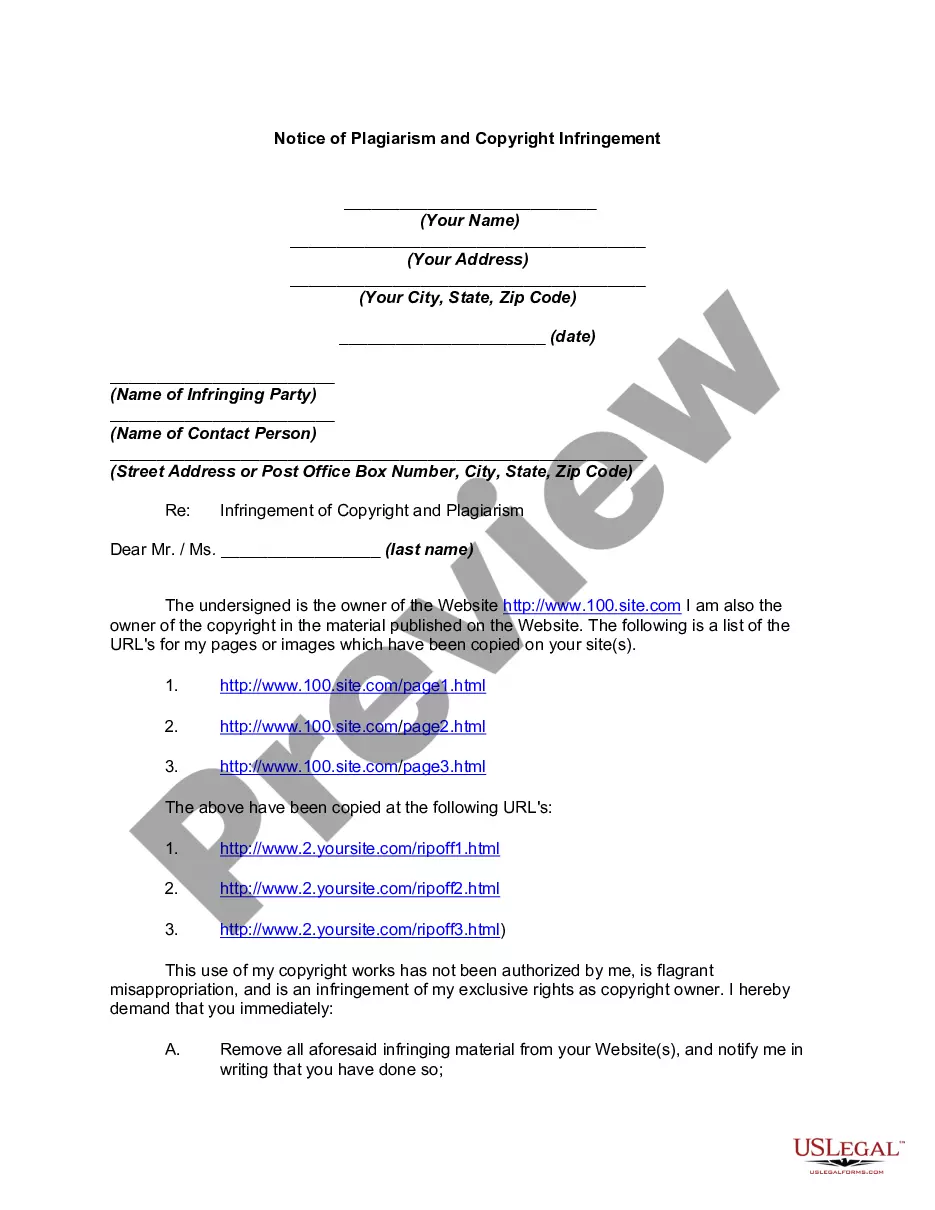
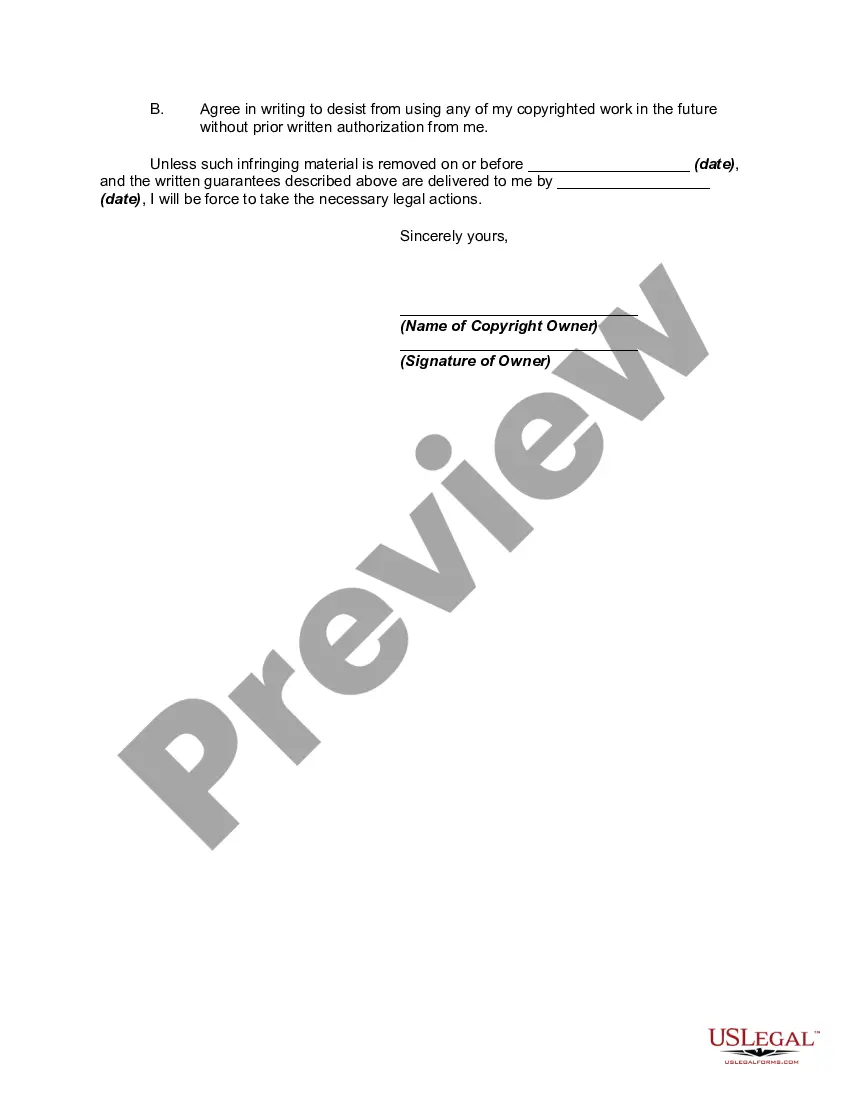
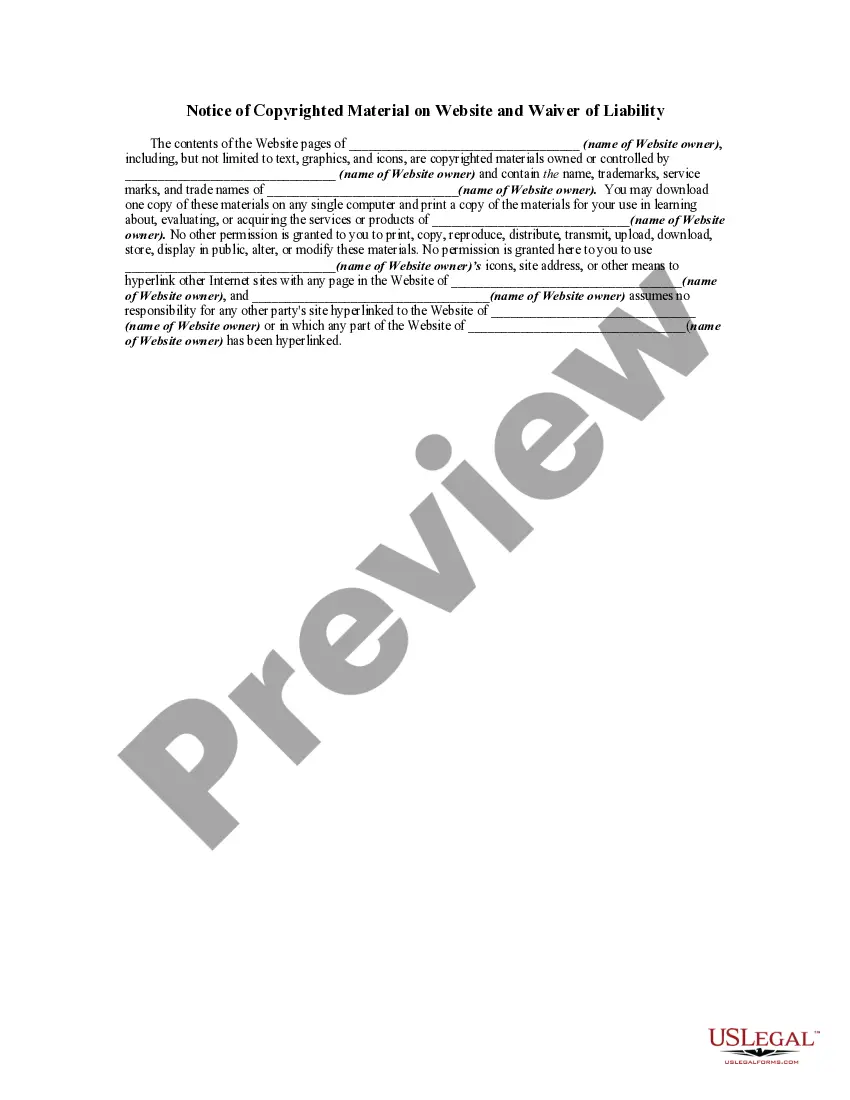
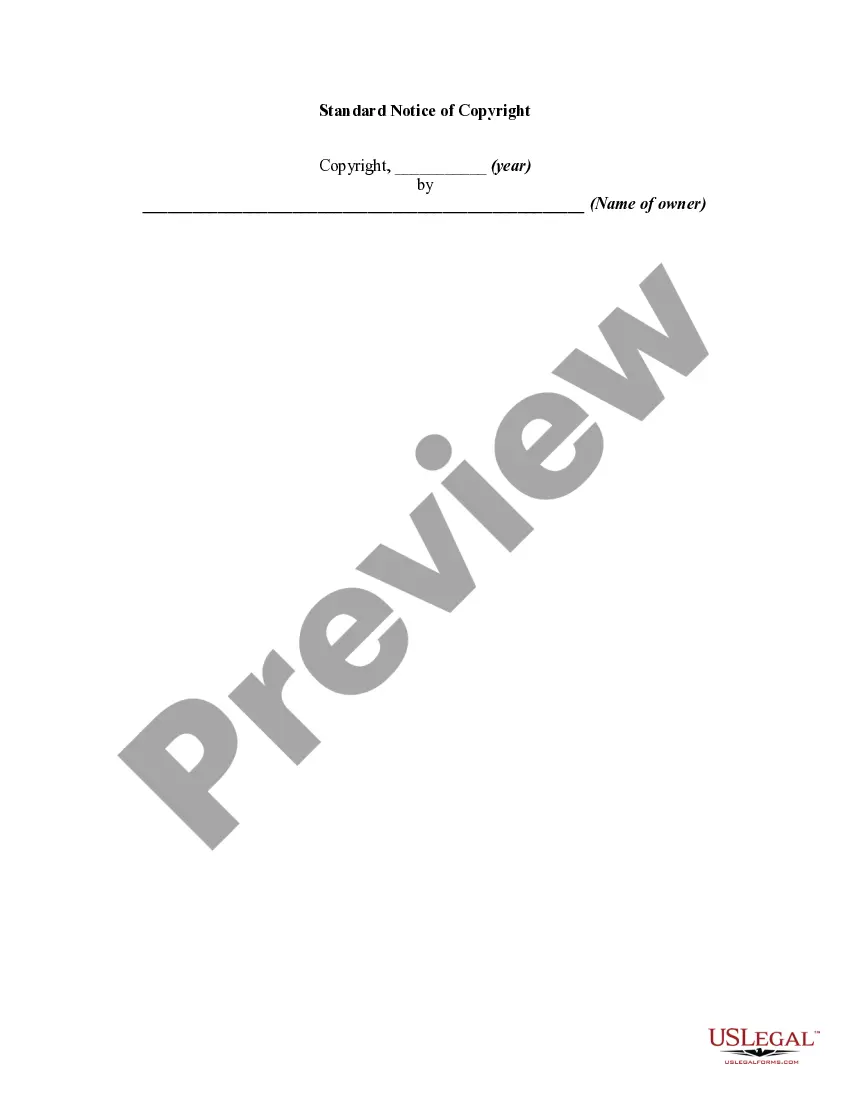
Get your form ready online
Our built-in tools help you complete, sign, share, and store your documents in one place.
Make edits, fill in missing information, and update formatting in US Legal Forms—just like you would in MS Word.
Download a copy, print it, send it by email, or mail it via USPS—whatever works best for your next step.
Sign and collect signatures with our SignNow integration. Send to multiple recipients, set reminders, and more. Go Premium to unlock E-Sign.
If this form requires notarization, complete it online through a secure video call—no need to meet a notary in person or wait for an appointment.
We protect your documents and personal data by following strict security and privacy standards.

Make edits, fill in missing information, and update formatting in US Legal Forms—just like you would in MS Word.

Download a copy, print it, send it by email, or mail it via USPS—whatever works best for your next step.

Sign and collect signatures with our SignNow integration. Send to multiple recipients, set reminders, and more. Go Premium to unlock E-Sign.

If this form requires notarization, complete it online through a secure video call—no need to meet a notary in person or wait for an appointment.

We protect your documents and personal data by following strict security and privacy standards.
Looking for another form?








How to fill out Notice Of Plagiarism And Copyright Infringement?
Securing a reliable source for the latest and pertinent legal templates is a major part of navigating bureaucracy. Selecting appropriate legal forms necessitates accuracy and careful consideration, which is why it is crucial to obtain samples of Copyright Regulations With Music solely from trustworthy sources, such as US Legal Forms. An incorrect template can squander your time and prolong the issue you are facing. With US Legal Forms, you have minimal concerns. You can access and review all the details regarding the document’s applicability and significance for your particular situation and within your state or locality.
Follow these steps to complete your Copyright Regulations With Music.
After obtaining the form on your device, you may edit it using the editor or print it and fill it out by hand. Eliminate the inconvenience associated with your legal paperwork. Explore the extensive US Legal Forms collection where you can discover legal templates, verify their relevance to your situation, and download them instantly.
- Use the catalog navigation or search feature to find your template.
- Examine the form’s description to verify it meets the requirements of your state and region.
- Check the form preview, if available, to confirm that the template is the one you need.
- Return to the search to locate the correct template if the Copyright Regulations With Music does not meet your needs.
- Once you are certain of the form’s applicability, download it.
- If you are a registered user, click Log in to verify and access your selected forms in My documents.
- If you do not have an account yet, click Buy now to acquire the template.
- Choose the pricing plan that suits your requirements.
- Continue to registration to complete your purchase.
- Finalize your purchase by selecting a payment method (credit card or PayPal).
- Choose the document format for downloading Copyright Regulations With Music.
Form popularity
FAQ
To obtain permission to use copyrighted music, you should contact the copyright holder directly and request a license. This process might involve negotiations for fees or other conditions. By navigating copyright laws with music, you can avoid legal complications and enjoy your chosen tracks responsibly.
To put copyright on your songs, simply document your work by registering it with the U.S. Copyright Office. While your work is automatically copyrighted upon creation, official registration offers legal advantages. Knowing copyright laws with music can empower you to protect your original compositions.
To write copyright on music, you should include the © symbol followed by your name and the year of creation. For example, © 2023 Your Name. This notation indicates your ownership and helps to protect your rights under copyright laws with music.
To legally use copyrighted music, you must obtain the necessary permissions or licenses from the copyright owner. Consider exploring various licensing options available under copyright laws with music, such as sync licenses for visual media or performance licenses for live shows. If you are unsure, platforms like USLegalForms can simplify the process of securing the right agreements.
To obtain copyright permission for music, identify the copyright holder and request a license. This involves reaching out to the artist or publisher and negotiating terms. Understanding copyright laws with music is essential during this process to ensure you have the rights to use the material you need for your projects.
You can copyright music legally by completing an application with the U.S. Copyright Office. This application will require details about your work and a copy for review. Remember, copyright laws with music grant you exclusive rights to reproduce, distribute, and display your music. This legal recognition is key to protecting your creativity.
Protecting your songs from theft is crucial. Ensure you have proper copyright registration under copyright laws with music. Additionally, consider using watermarking and online tracking to monitor usage. By staying proactive, you can deter potential infringement and maintain your rights.
Music typically remains under copyright for the life of the creator plus 70 years. After this period, the music enters the public domain and can be used freely. Understanding the timeline based on copyright laws with music helps you determine when you can safely use certain works without needing permission.
The copyright law for music ensures that creators have control over their original works. This includes the ability to reproduce, distribute, perform, and display their music. Familiarizing yourself with copyright laws with music enhances your understanding of how to legally navigate the music landscape, ensuring fair use and respect for artists' rights.
Rules for copyrighted music include obtaining permission to use the music, paying licensing fees, and acknowledging the creator when required. Whether you're using music in a video, podcast, or other media, adhering to copyright laws with music protects you from potential legal issues. Use the tools available, like those on US Legal Forms, to navigate the licensing process smoothly.