Copyright Infringement In Tagalog
Description
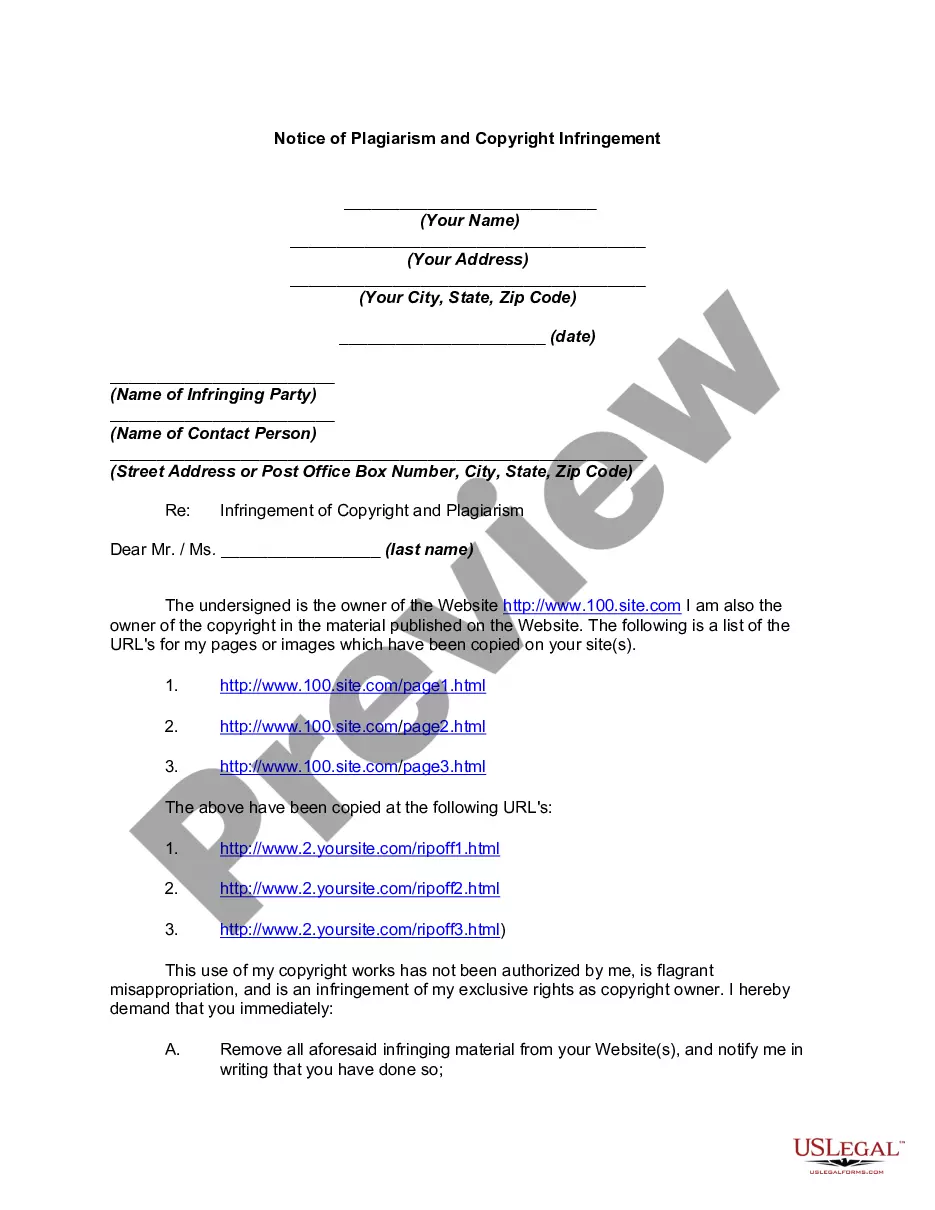
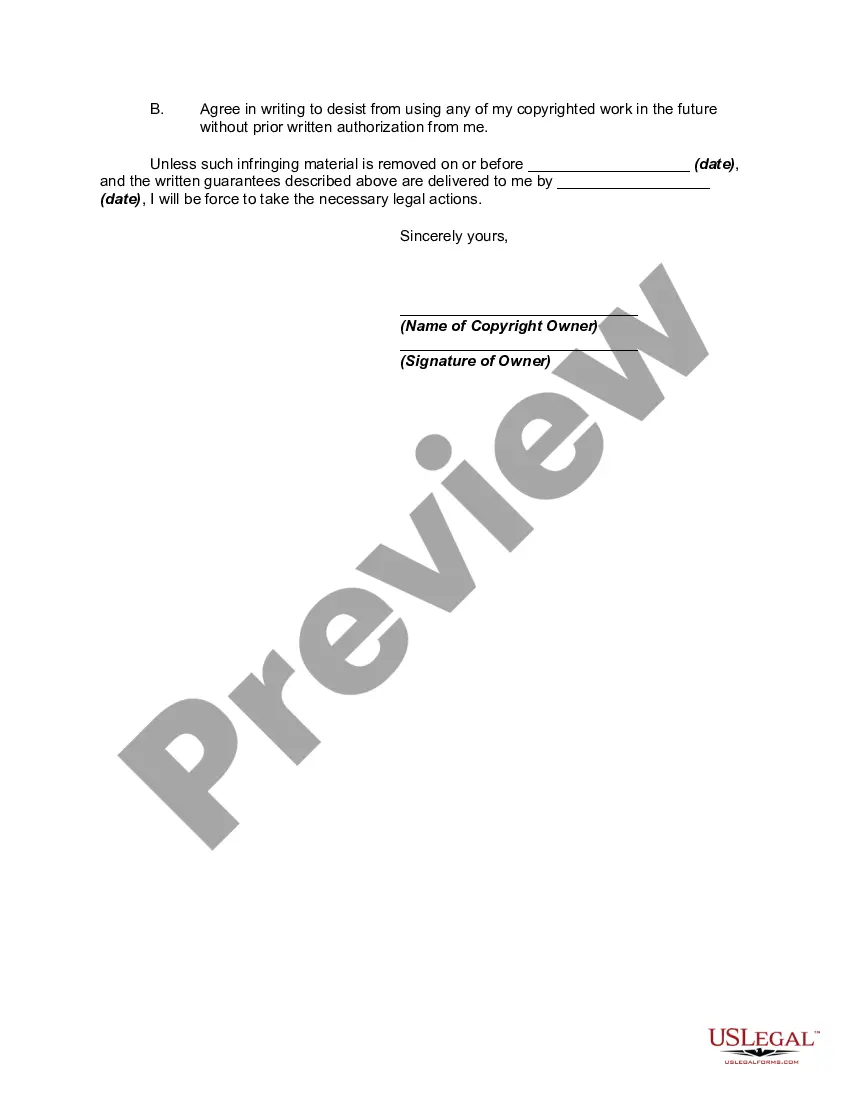
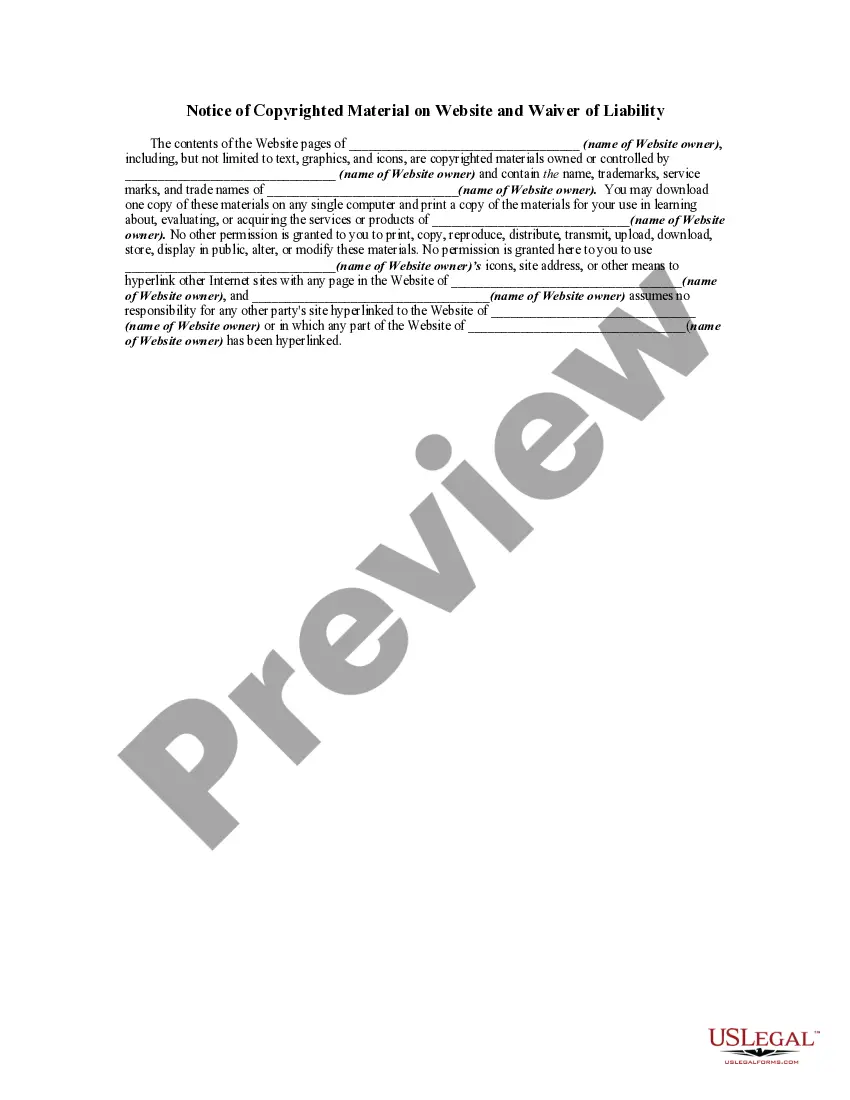
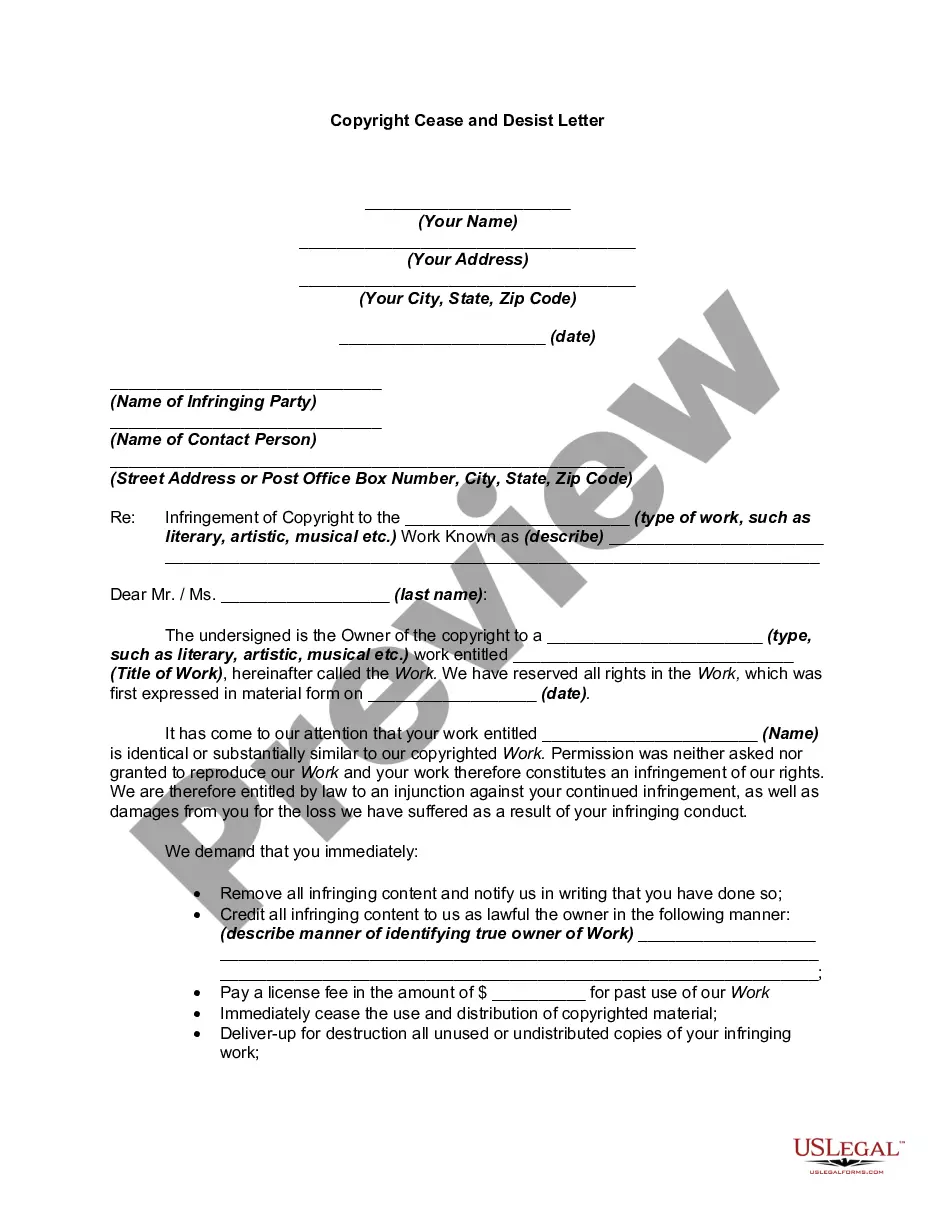
Get your form ready online
Our built-in tools help you complete, sign, share, and store your documents in one place.
Make edits, fill in missing information, and update formatting in US Legal Forms—just like you would in MS Word.
Download a copy, print it, send it by email, or mail it via USPS—whatever works best for your next step.
Sign and collect signatures with our SignNow integration. Send to multiple recipients, set reminders, and more. Go Premium to unlock E-Sign.
If this form requires notarization, complete it online through a secure video call—no need to meet a notary in person or wait for an appointment.
We protect your documents and personal data by following strict security and privacy standards.

Make edits, fill in missing information, and update formatting in US Legal Forms—just like you would in MS Word.

Download a copy, print it, send it by email, or mail it via USPS—whatever works best for your next step.

Sign and collect signatures with our SignNow integration. Send to multiple recipients, set reminders, and more. Go Premium to unlock E-Sign.

If this form requires notarization, complete it online through a secure video call—no need to meet a notary in person or wait for an appointment.

We protect your documents and personal data by following strict security and privacy standards.
Looking for another form?





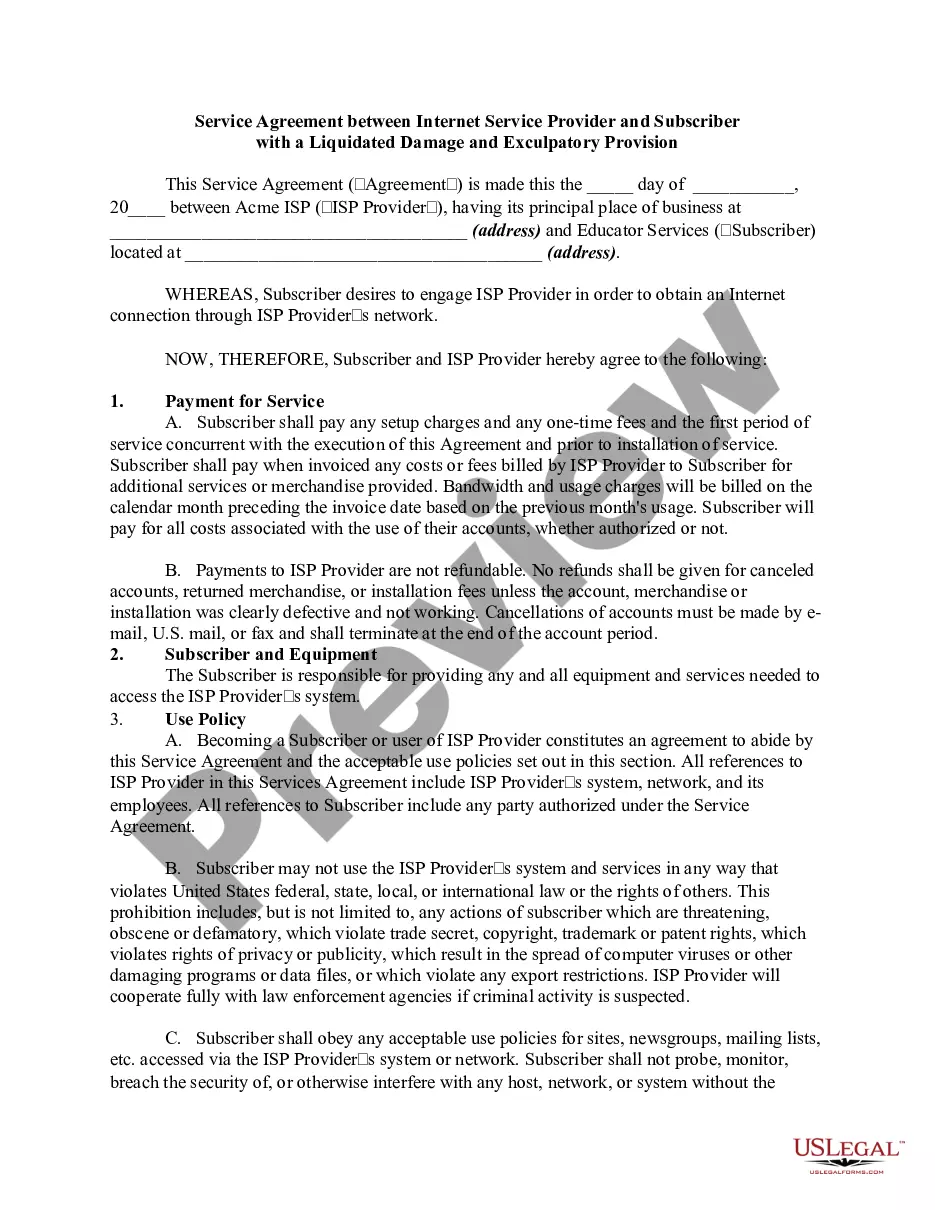


How to fill out Notice Of Plagiarism And Copyright Infringement?
Creating legal documents from the beginning can frequently be daunting.
Certain situations may require extensive research and significant financial investment.
If you’re looking for a simpler and less costly method of generating Copyright Infringement In Tagalog or any other types without facing obstacles, US Legal Forms is always available for you.
Our online repository of over 85,000 current legal documents covers nearly every aspect of your financial, legal, and personal issues. With just a few clicks, you can easily access state- and county-compliant forms meticulously prepared by our legal specialists.
Verify that the template you select aligns with the regulations of your state and county. Choose the most appropriate subscription plan to acquire the Copyright Infringement In Tagalog. Download the document, complete, verify, and print it out. US Legal Forms is reputable and boasts over 25 years of experience. Join us now and transform document handling into a straightforward and efficient process!
- Utilize our platform whenever you need a trustworthy and dependable service through which you can swiftly find and obtain the Copyright Infringement In Tagalog.
- If you’re a returning user and have previously registered with us, simply Log In to your account, select the template, and download it immediately or retrieve it later from the My documents section.
- Not yet an account holder? No problem. It takes minimal time to create an account and explore the library.
- But before diving into downloading Copyright Infringement In Tagalog, consider these suggestions.
- Examine the form preview and descriptions to make sure you’ve located the document you need.
Form popularity
FAQ
Infringement typically means the act of violating a law or a right, particularly in legal contexts. This concept is significant, especially when discussing areas such as copyright infringement in Tagalog, where creators must protect their work from unauthorized use. A solid understanding of infringement can help individuals safeguard their intellectual property effectively, and platforms like US Legal Forms offer resources to assist in navigating these legal matters.
To infringe means to encroach upon or violate the rights defined by law or established norms. This term is often used in discussions about copyright and other intellectual property laws. When discussing copyright infringement in Tagalog, knowing the meaning of infringe helps clarify the actions that result in legal ramifications for offenders.
Infringement in Tagalog refers to the act of breaching or violating established rights or laws. This concept is essential in many legal contexts, including issues surrounding copyright infringement in Tagalog. Understanding this term can empower individuals to recognize when their rights might be at risk and how to take action.
Copyright infringement involves the unauthorized use of a creator's original work, such as art, music, or literature. This infringement can occur through copying, distributing, or displaying someone's work without permission. For those looking into copyright infringement in Tagalog, it is vital to grasp how this violation can affect creators and their ability to earn from their work.
Infringing in Tagalog generally translates to the act of violating or trespassing on someone's rights or laws. When discussing copyright infringement in Tagalog, it's important to remember that this term encompasses various illegal activities, such as unauthorized copying or distribution of creative works. Clear understanding of this term can help individuals better protect their intellectual property.
Personal infringement refers to a violation of an individual's rights, particularly regarding their creative works. This can involve unauthorized use or reproduction of someone’s content, which is a serious concern in copyright laws. Understanding personal infringement is crucial, especially when exploring the concept of copyright infringement in Tagalog, as it affects creators' rights and their ability to control their work.
In the Philippines, the grounds for copyright infringement include unauthorized reproduction, distribution, or performance of a copyrighted work. You should also consider the digital copyright laws affecting online content. If you suspect infringement, you can seek assistance from platforms like US Legal Forms to guide you through the legal process. Understanding copyright infringement in Tagalog is crucial to protecting your rights.
To establish copyright infringement, you must prove two essential elements: ownership of the original work and access to that work by the alleged infringer. You can demonstrate ownership by showing a registered copyright. For access, you need evidence that the infringer had the chance to view or obtain your work, particularly if discussing copyright infringement in Tagalog.
To submit a copyright infringement claim, you must first gather the necessary evidence demonstrating the infringement. After that, visit the website of the copyright holder or relevant authority. You will typically find a form to report copyright infringement in Tagalog. It is vital to include detailed information about both the original work and the infringing material to strengthen your claim.
Suing for copyright infringement can be challenging and often requires substantial evidence and legal knowledge. You must gather details surrounding your case, including your rights and the extent of the infringement. With helpful tools from platforms like USLegalForms, you can ease the legal complexity associated with copyright infringement in Tagalog and pursue your claim with greater confidence.