Cease And Desist For Collection Agency
Description
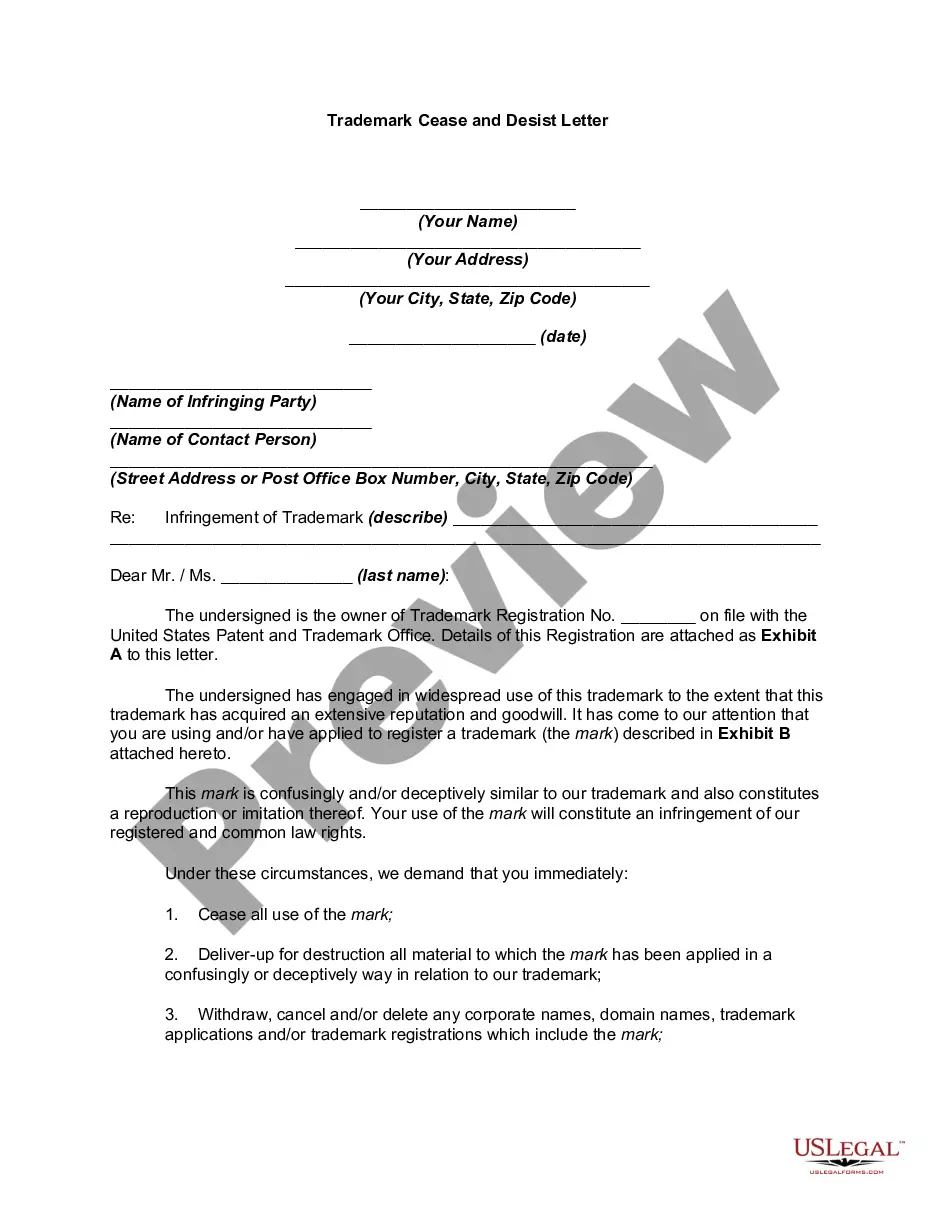
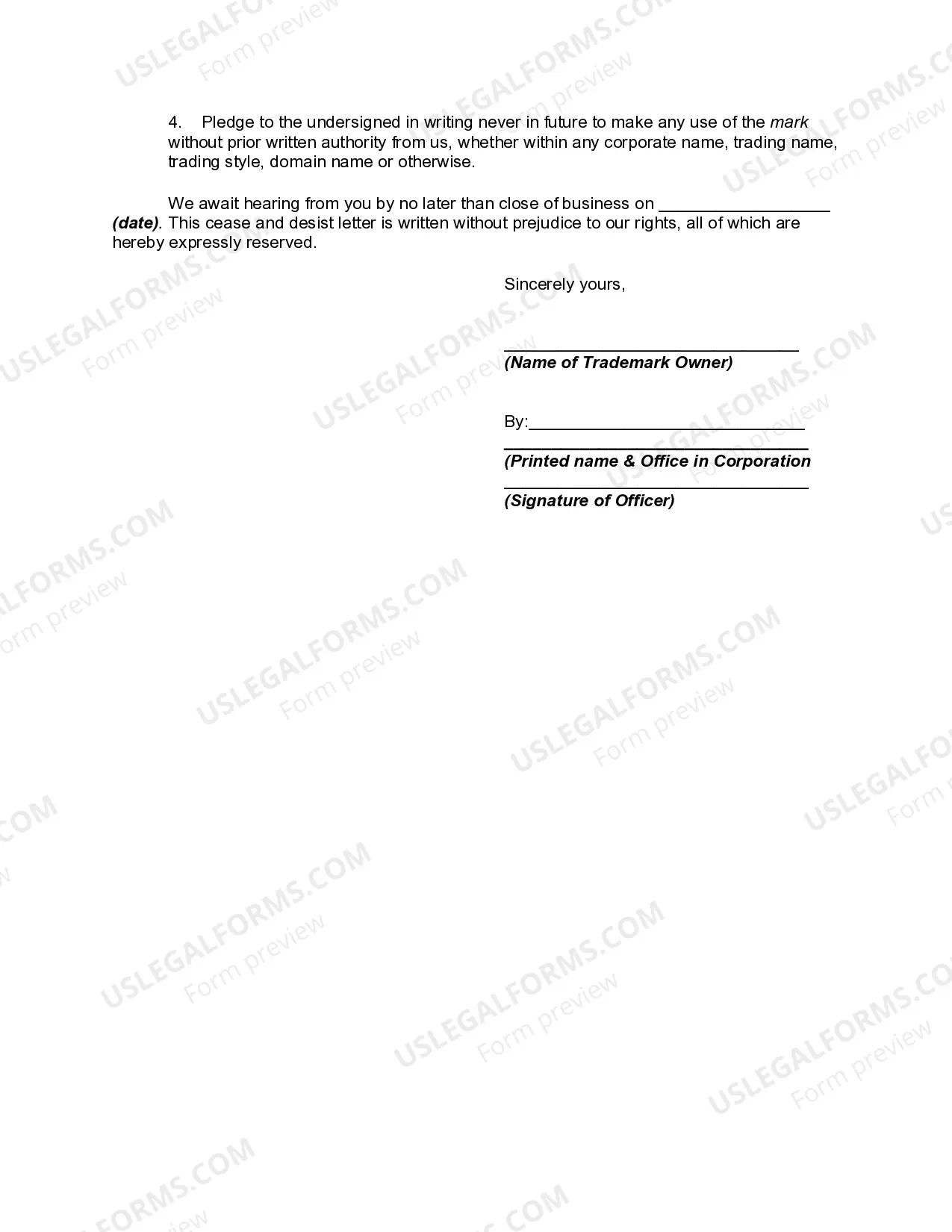
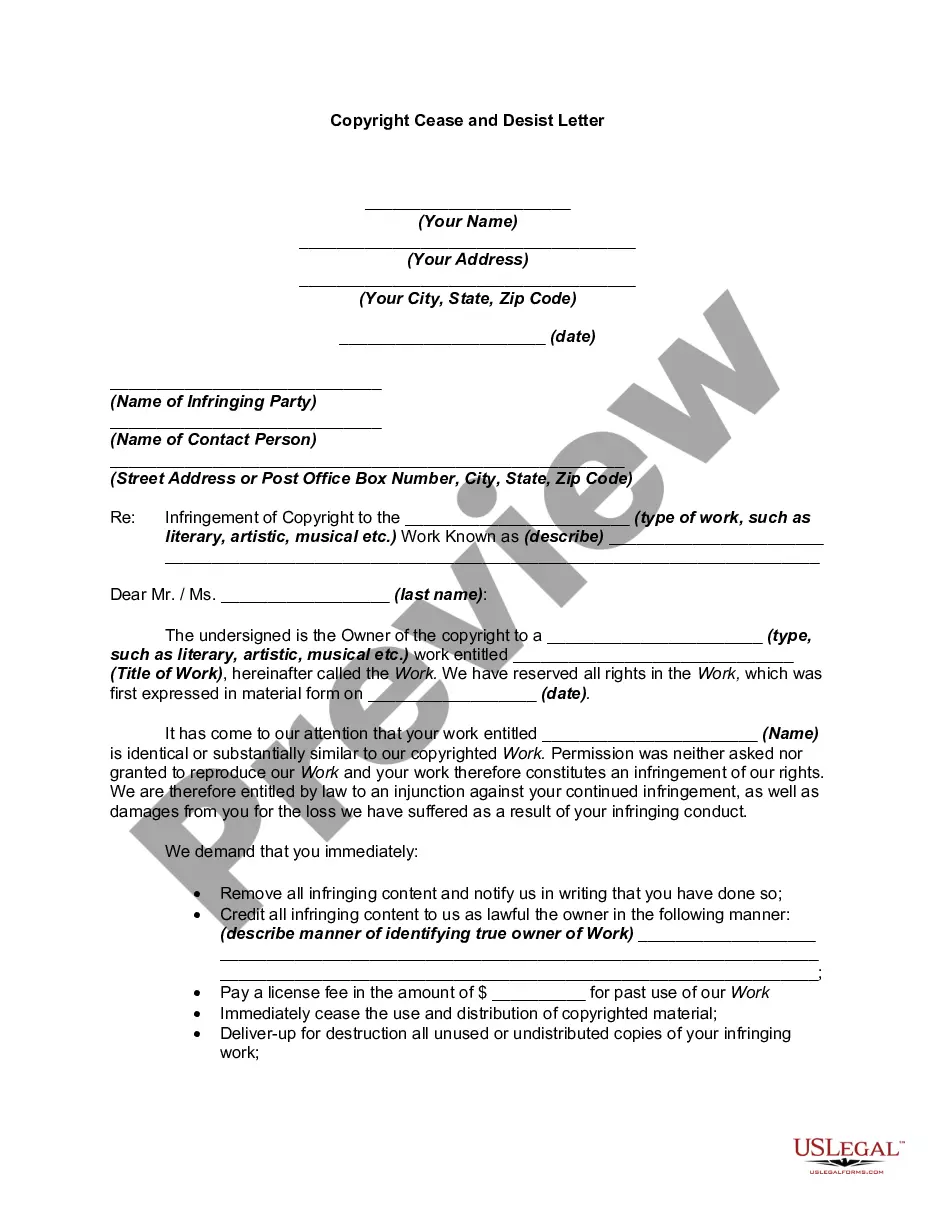
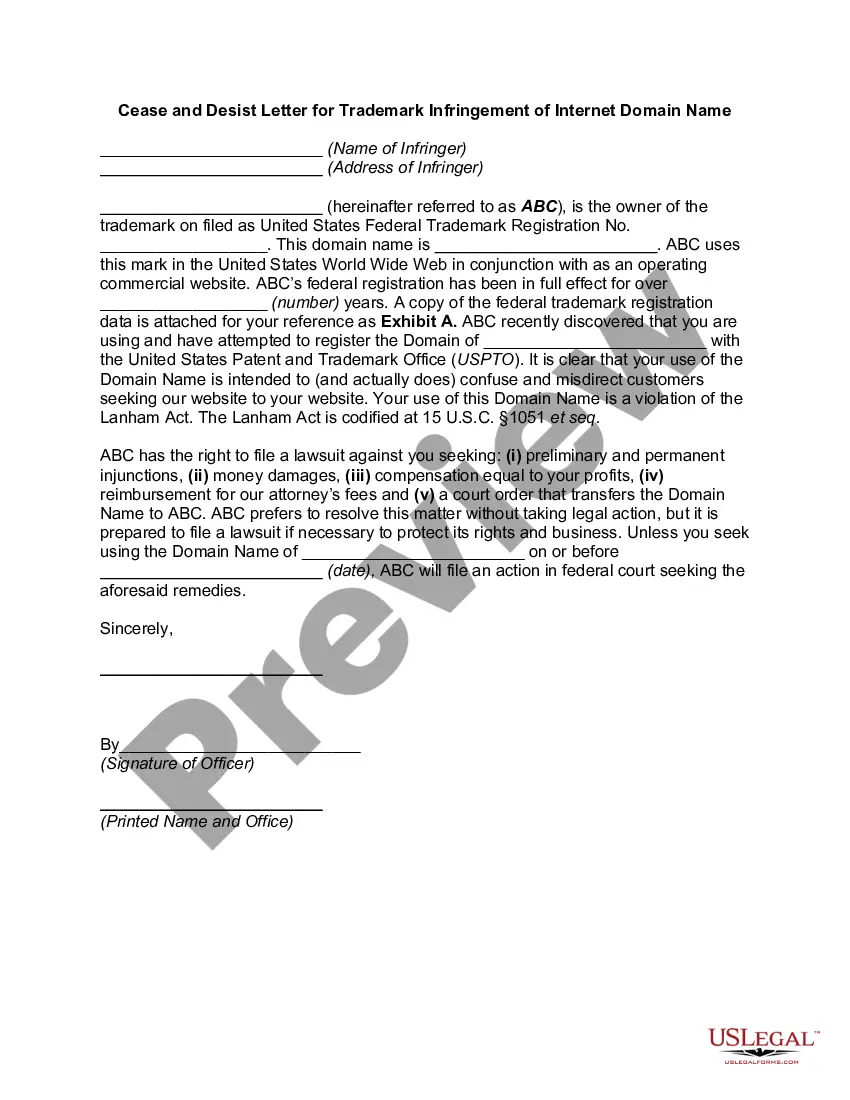
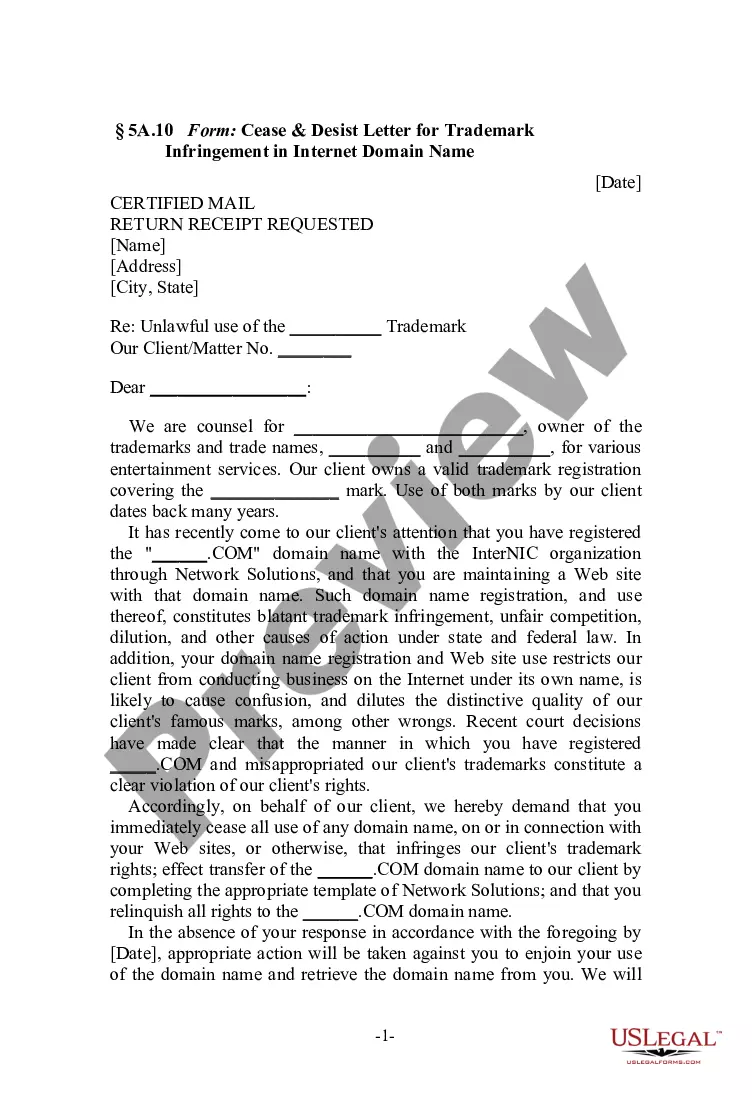
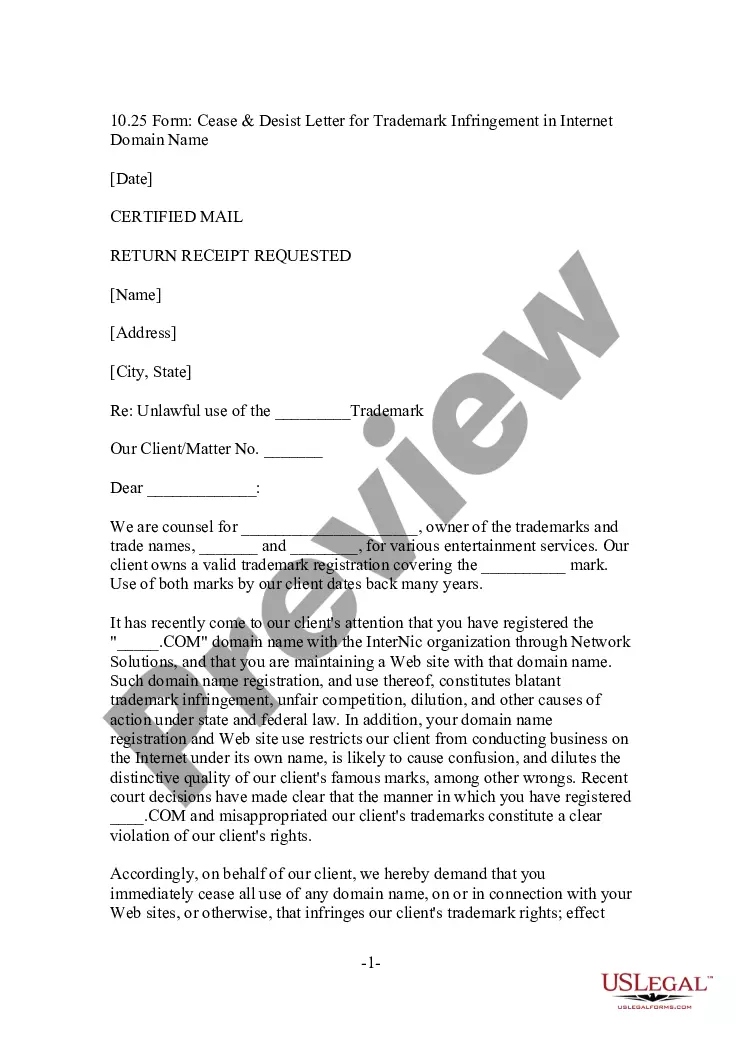
Get your form ready online
Our built-in tools help you complete, sign, share, and store your documents in one place.
Make edits, fill in missing information, and update formatting in US Legal Forms—just like you would in MS Word.
Download a copy, print it, send it by email, or mail it via USPS—whatever works best for your next step.
Sign and collect signatures with our SignNow integration. Send to multiple recipients, set reminders, and more. Go Premium to unlock E-Sign.
If this form requires notarization, complete it online through a secure video call—no need to meet a notary in person or wait for an appointment.
We protect your documents and personal data by following strict security and privacy standards.

Make edits, fill in missing information, and update formatting in US Legal Forms—just like you would in MS Word.

Download a copy, print it, send it by email, or mail it via USPS—whatever works best for your next step.

Sign and collect signatures with our SignNow integration. Send to multiple recipients, set reminders, and more. Go Premium to unlock E-Sign.

If this form requires notarization, complete it online through a secure video call—no need to meet a notary in person or wait for an appointment.

We protect your documents and personal data by following strict security and privacy standards.
Looking for another form?

How to fill out Trademark Cease And Desist Letter?
- Log in to your US Legal Forms account to download the cease and desist template directly. If you're new, create an account to access the resources.
- Review the form preview and description to confirm it's the right one for your legal needs.
- Utilize the search feature if you need additional templates or find inconsistencies; refine your search until you locate the correct document.
- Select the 'Buy Now' option, and choose a suitable subscription plan to proceed with your purchase.
- Complete your payment using credit card or PayPal options to finalize your subscription.
- Download the cease and desist form to your device and access it anytime from your profile's My Forms section.
Once you follow these steps, you’ll have your cease and desist document easily accessible. US Legal Forms not only provides a robust library of forms but also offers support from legal experts, ensuring your documents are accurate and compliant.
Start your legal process today by visiting US Legal Forms and empowering yourself with the legal tools you need.
Form popularity
FAQ
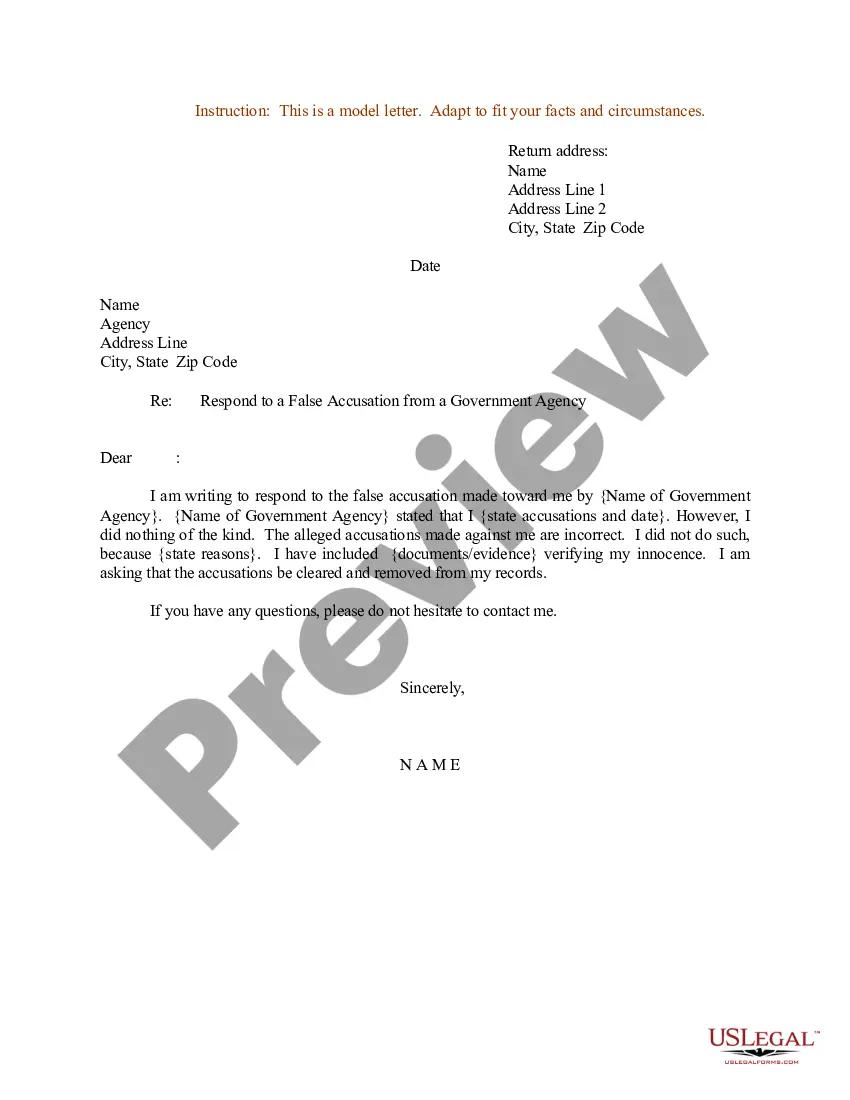
Yes, you can send a cease and desist to a debt collector if you feel harassment or unlawful practices are occurring. This letter formally requests that the collector stop all communication with you regarding the debt. Sending such a letter not only asserts your rights but also reinforces your stance against unwanted contact. For a smooth process, consider using US Legal Forms to obtain the appropriate cease and desist for collection agency documentation.
An example of a cease and desist letter to a debt collector includes a clear statement that you do not wish to be contacted about the debt. You should specify details like your name, account number, and the date when you last communicated with the agency. Additionally, you can reference your rights under the Fair Debt Collection Practices Act. Utilizing US Legal Forms can provide templates that serve as excellent examples of a cease and desist for collection agency communication.
To write a cease and desist letter to a collection agency, begin by clearly identifying yourself and providing your contact information. Next, state your intention to prohibit any further communication regarding the debt. Be sure to include detailed information about the account and refer to the relevant laws concerning your rights. Using a service like US Legal Forms can guide you in crafting a precise cease and desist for collection agency letter, ensuring it meets legal standards.
A debt generally becomes uncollectible after a certain period, which varies by state but often ranges from three to six years. Once this time frame lapses, collection agencies may have limited legal recourse to pursue the debt. If you receive calls after this period, utilizing a cease and desist for collection agency can be an effective way to stop any further attempts. Understanding the statute of limitations on debt is crucial for managing your finances.
The 777 rule for debt collectors refers to a guideline that limits how many times a collection agency can contact you in a specific time frame. Typically, it allows seven calls in a week and emphasizes respectful communication. If you feel overwhelmed or harassed, you may consider sending a cease and desist for collection agency to halt their communications. This action can help protect your rights and provide you with the peace you deserve.
Absolutely, you can send a cease and desist to a collection agency. This letter is a clear way to notify them that you do not wish to be contacted regarding your debt. Sending this letter may initiate a formal record for your dispute, helping you address the situation comfortably. Utilize resources like USLegalForms to draft an effective cease and desist for collection agency communication.
Yes, you can inform a collection agency to cease and desist from contacting you. This is a legal right that empowers you to take control over how and when they can reach you. By sending a cease and desist for collection agency correspondence, you assert your stance and potentially stop further collections. It's an important step in dealing with persistent debt collectors.
A cease and desist letter serves as a formal request for a collection agency to stop specific actions against you. Its power lies in its ability to clarify your rights and assert your demands legally. When executed properly, this letter can halt unwanted communications and protect your privacy. Using templates from platforms like USLegalForms can simplify this process.
The 777 rule refers to a guideline where debt collectors are limited to contacting you seven times within a seven-day period. This regulation helps protect consumers from relentless harassment while dealing with collection agencies. Understanding the 777 rule is essential if you are considering a cease and desist for collection agency actions. By knowing your rights, you can effectively manage your interactions with debt collectors.
Yes, you can tell a debt collector to cease and desist. Under the Fair Debt Collection Practices Act, you have the right to request that they stop contacting you. When you formally request this, the collection agency must honor your request and refrain from making further communication. Using uslegalforms can help you craft a professional cease and desist for collection agency that effectively communicates your wishes.