Contract For Art Exhibition
Description
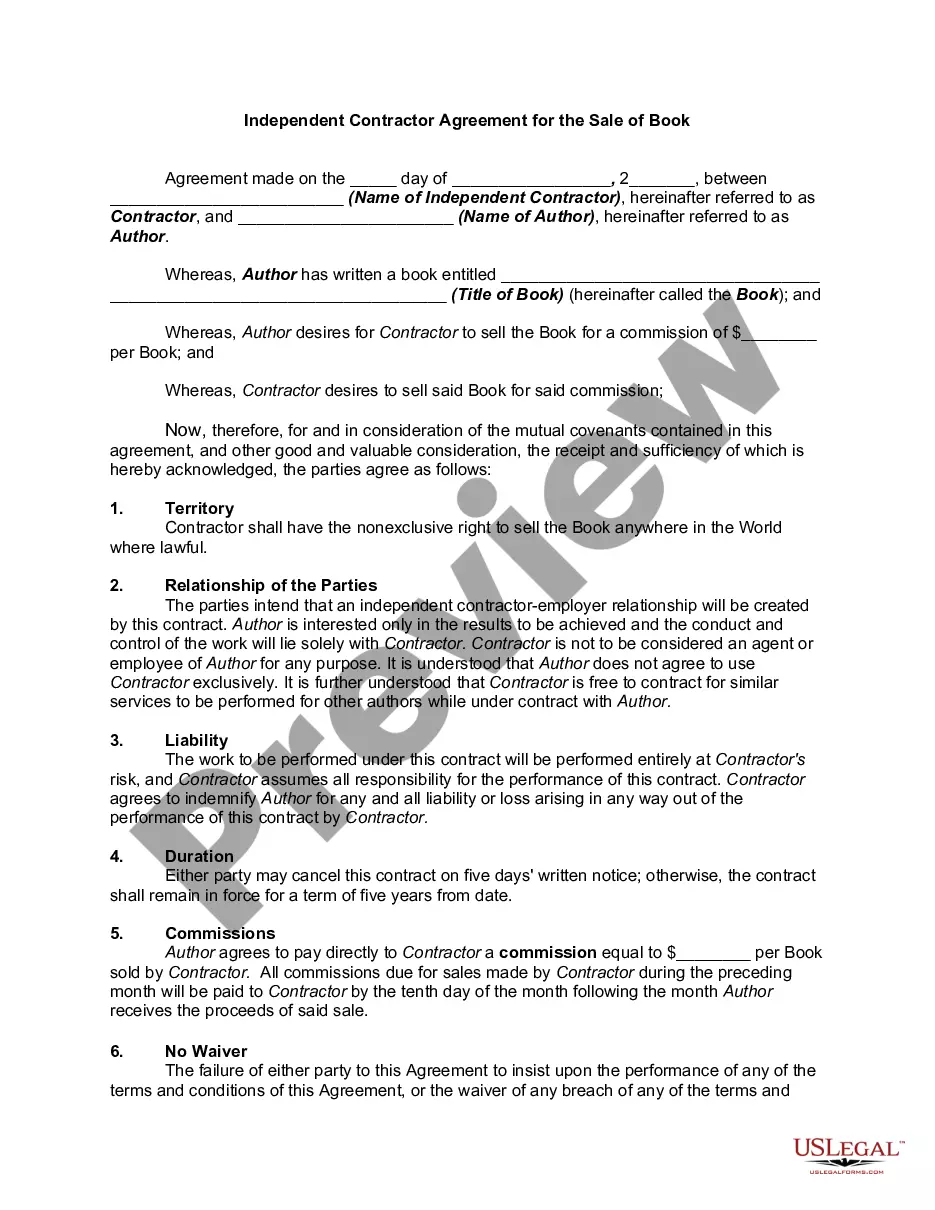
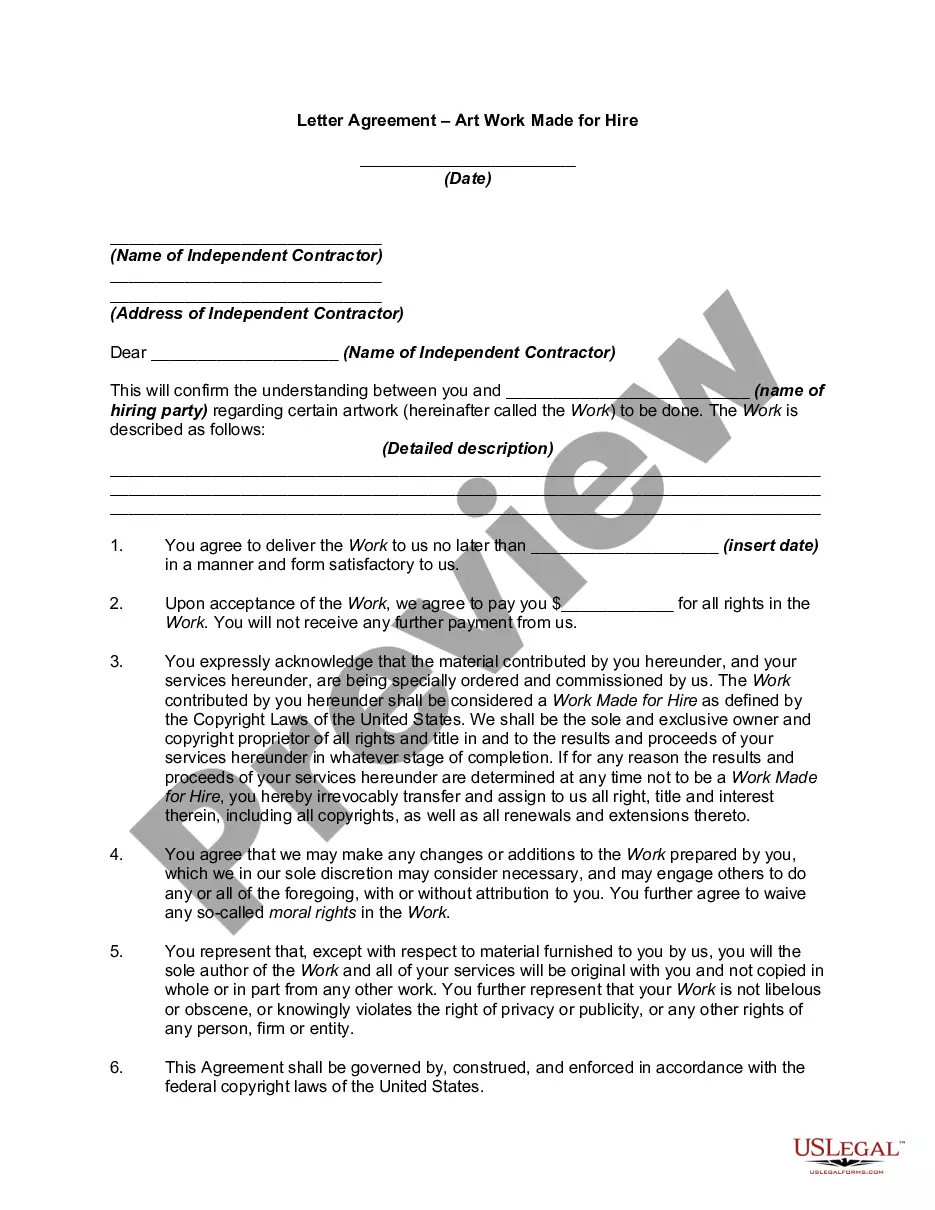
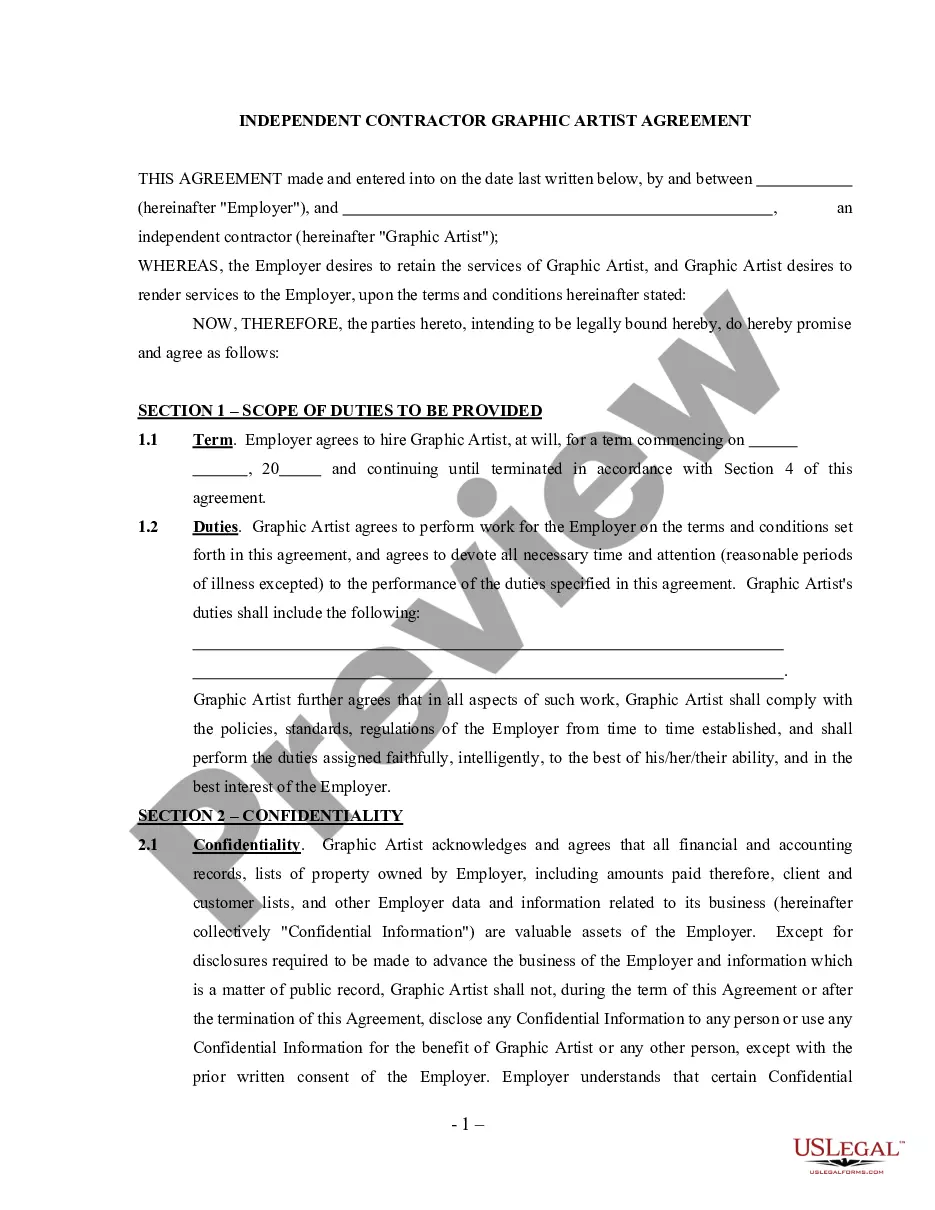
Get your form ready online
Our built-in tools help you complete, sign, share, and store your documents in one place.
Make edits, fill in missing information, and update formatting in US Legal Forms—just like you would in MS Word.
Download a copy, print it, send it by email, or mail it via USPS—whatever works best for your next step.
Sign and collect signatures with our SignNow integration. Send to multiple recipients, set reminders, and more. Go Premium to unlock E-Sign.
If this form requires notarization, complete it online through a secure video call—no need to meet a notary in person or wait for an appointment.
We protect your documents and personal data by following strict security and privacy standards.

Make edits, fill in missing information, and update formatting in US Legal Forms—just like you would in MS Word.

Download a copy, print it, send it by email, or mail it via USPS—whatever works best for your next step.

Sign and collect signatures with our SignNow integration. Send to multiple recipients, set reminders, and more. Go Premium to unlock E-Sign.

If this form requires notarization, complete it online through a secure video call—no need to meet a notary in person or wait for an appointment.

We protect your documents and personal data by following strict security and privacy standards.
Looking for another form?





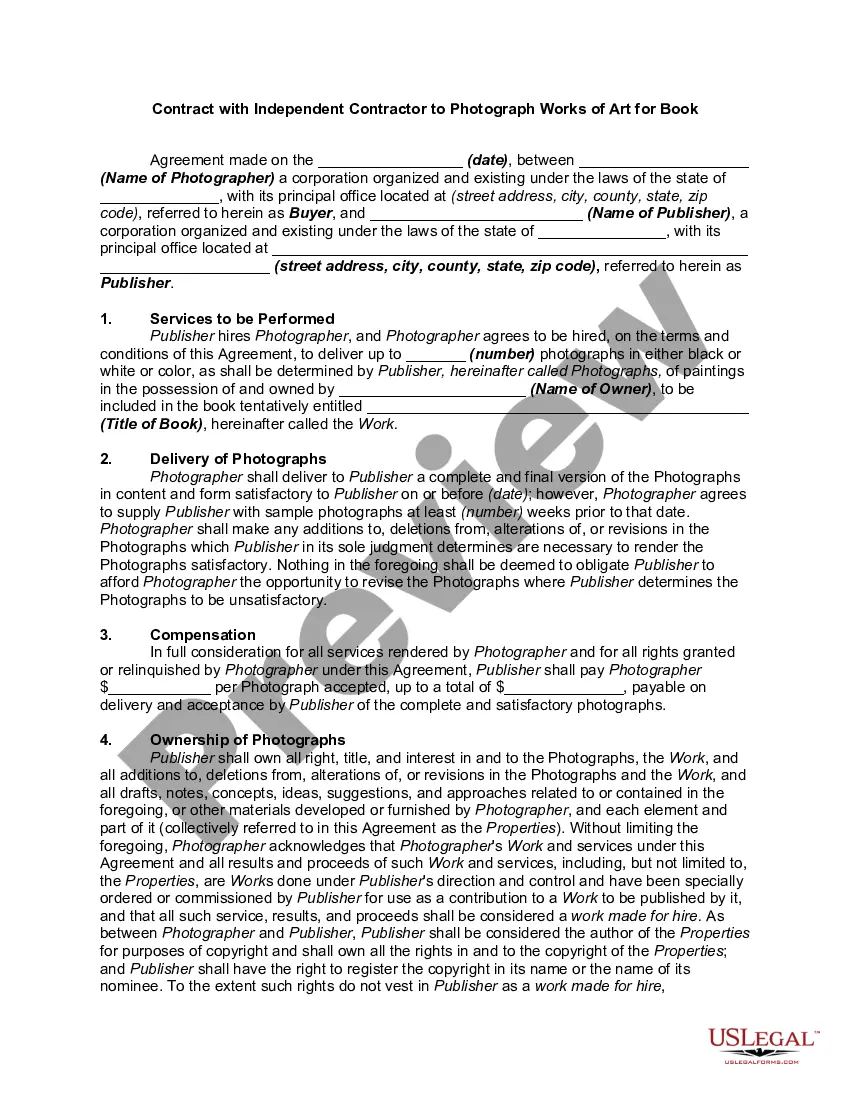
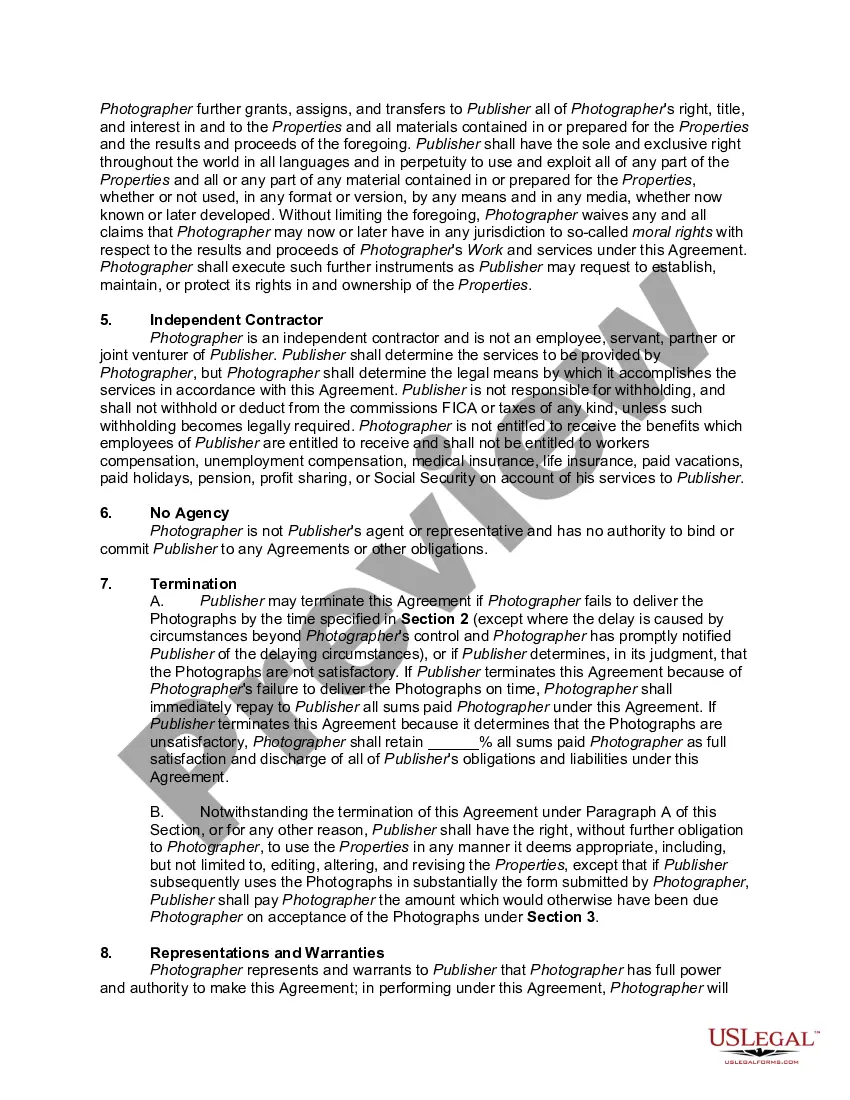
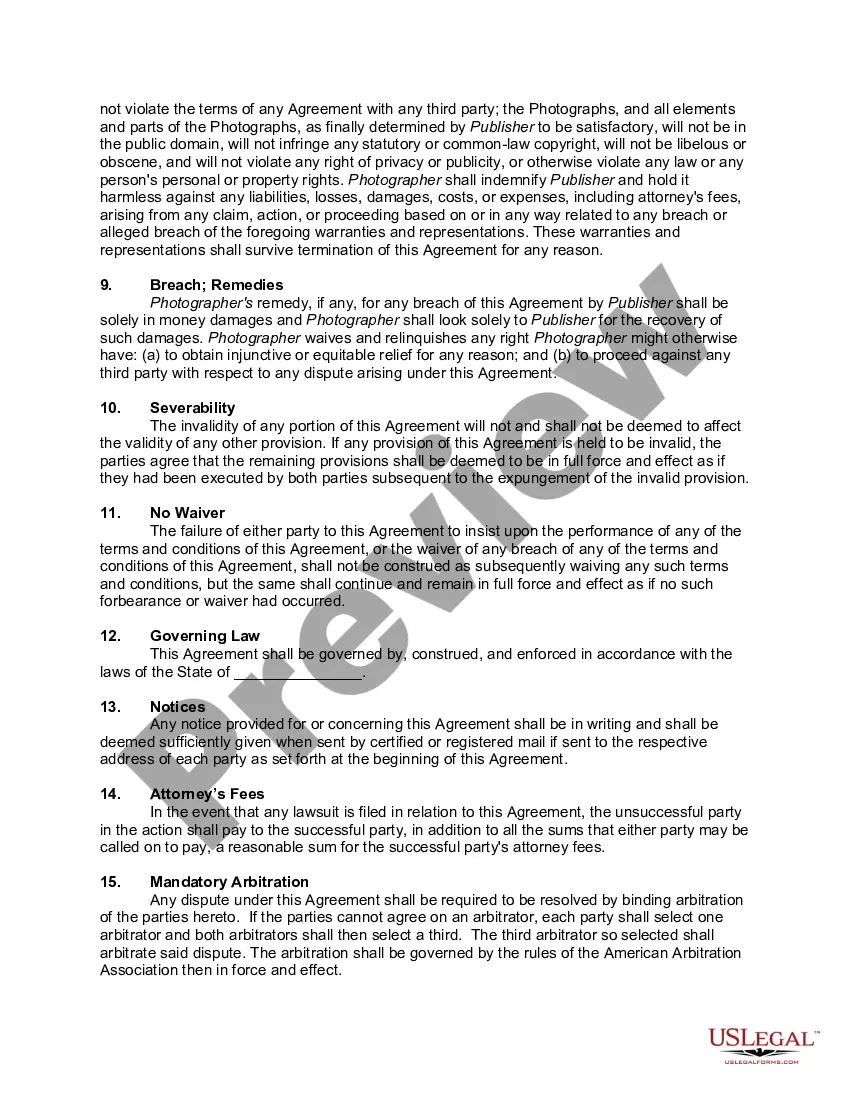
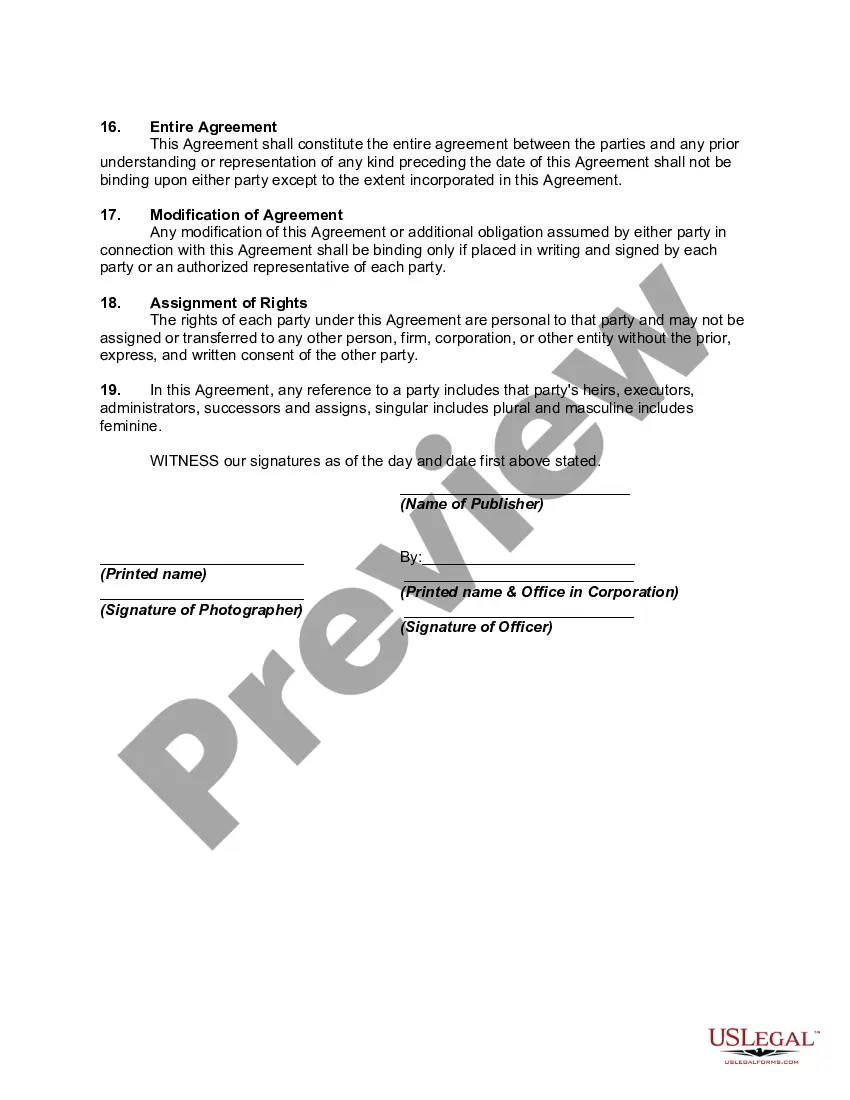
How to fill out Contract With Independent Contractor To Photograph Works Of Art For Book - Self-Employed?
Individuals often link legal documentation with something complex that solely an expert can handle.
In a sense, this is accurate, as crafting a Contract For Art Exhibition necessitates considerable knowledge in the subject matter, encompassing state and local laws.
However, with US Legal Forms, everything has turned more straightforward: pre-made legal documents for any life and business scenario tailored to state laws are compiled in a single online repository and are presently accessible to all.
Print your document or upload it to an online editor for quicker completion. All templates in our library are reusable: once acquired, they remain saved in your profile. You can access them whenever needed through the My documents tab. Uncover all the benefits of using the US Legal Forms platform. Subscribe today!
- US Legal Forms provides over 85k contemporary forms categorized by state and area of use, making the search for a Contract For Art Exhibition or any specific template take only minutes.
- Previous registered users with an active subscription must Log In to their account and click Download to obtain the form.
- New users to the platform must first create an account and subscribe before they can save any files.
- Follow these step-by-step instructions to obtain the Contract For Art Exhibition.
- Examine the page content thoroughly to ensure it fulfills your requirements.
- Review the form overview or check it with the Preview feature.
- If the previous sample is unsuitable, look for another example using the Search field at the top.
- When you locate the suitable Contract For Art Exhibition, click Buy Now.
- Select a subscription option that fits your preferences and financial plan.
- Register for an account or Log In to move to the payment section.
- Make your subscription payment through PayPal or using your credit card.
- Choose the format for your sample and click Download.
Form popularity
FAQ
A Commission Contract lays out the terms and conditions for an artist creating a commissioned work. Commission Contracts generally specify project dates, payment schedules, notable project requirements or constraints, and build in check-in points between the artist and commissioner.
Advice on Crafting a Strong, Compelling Solo Exhibition ProposalUse simple language, avoiding art jargon and buzzwords.Open with a strong, clear sentence that succinctly communicates your idea.Write directly, and avoid using the conditional or future tenses.Be specific when writing about your work.More items...
The Professional Guidelines Exhibition Contract (for non-commercial exhibitions) is designed to offer artists and non-profit Exhibition Sponsors the means to clearly define each party's responsibilities and to foster open communication.
To help you get started, take a look at a few basic components to include in your contract so you can better protect your art business.Client Info.Project Info and Terms.Project Timeline.Costs and Payment Terms.Itemization.Artist's Rights.Cancellation Terms.Acceptance of Agreement.
Exhibition Proposal: This should tell us what the physical work is, what the general theme is, and give a sense of scale of the exhibition (how many pieces, what sizes, etc.). What 1-3 ideas, concepts, or experiences does this body of work communicate? This should tell us what the work gives the viewer.
