Sample Probate Petition With Name Change
Description

Get your form ready online
Our built-in tools help you complete, sign, share, and store your documents in one place.
Make edits, fill in missing information, and update formatting in US Legal Forms—just like you would in MS Word.
Download a copy, print it, send it by email, or mail it via USPS—whatever works best for your next step.
Sign and collect signatures with our SignNow integration. Send to multiple recipients, set reminders, and more. Go Premium to unlock E-Sign.
If this form requires notarization, complete it online through a secure video call—no need to meet a notary in person or wait for an appointment.
We protect your documents and personal data by following strict security and privacy standards.

Make edits, fill in missing information, and update formatting in US Legal Forms—just like you would in MS Word.

Download a copy, print it, send it by email, or mail it via USPS—whatever works best for your next step.

Sign and collect signatures with our SignNow integration. Send to multiple recipients, set reminders, and more. Go Premium to unlock E-Sign.

If this form requires notarization, complete it online through a secure video call—no need to meet a notary in person or wait for an appointment.

We protect your documents and personal data by following strict security and privacy standards.
Looking for another form?


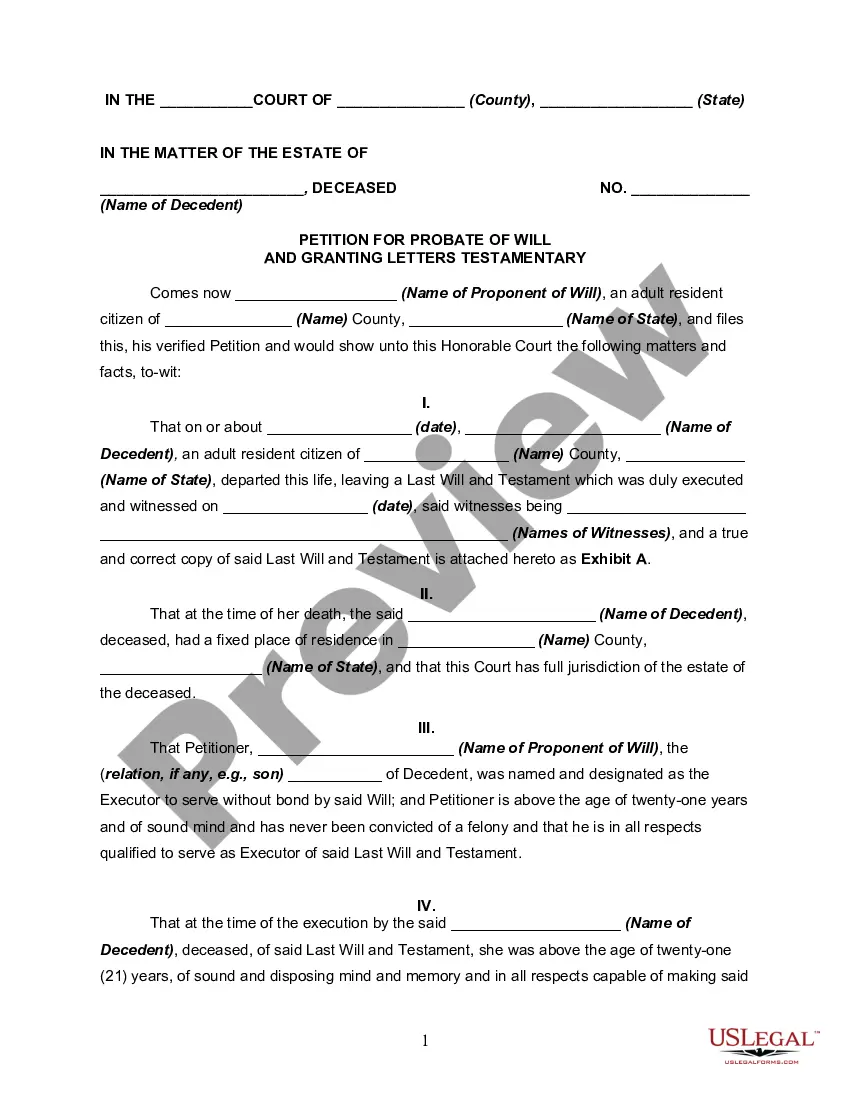
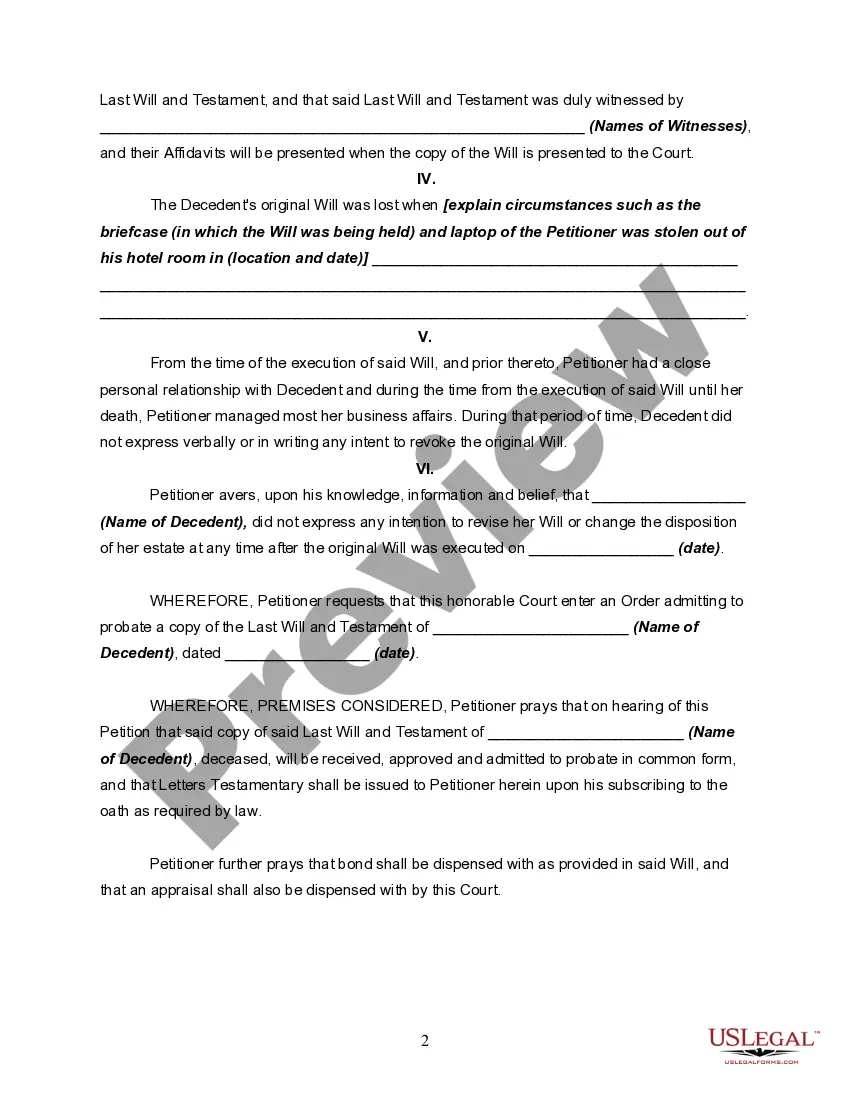
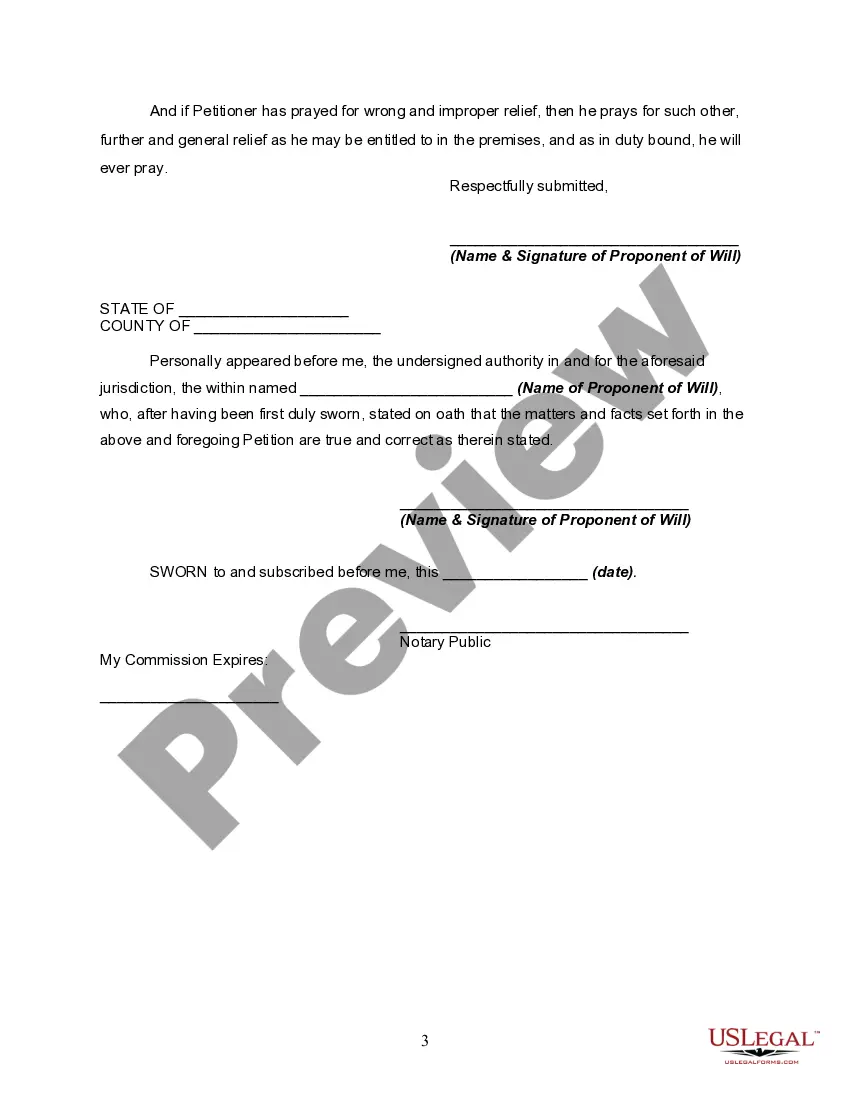
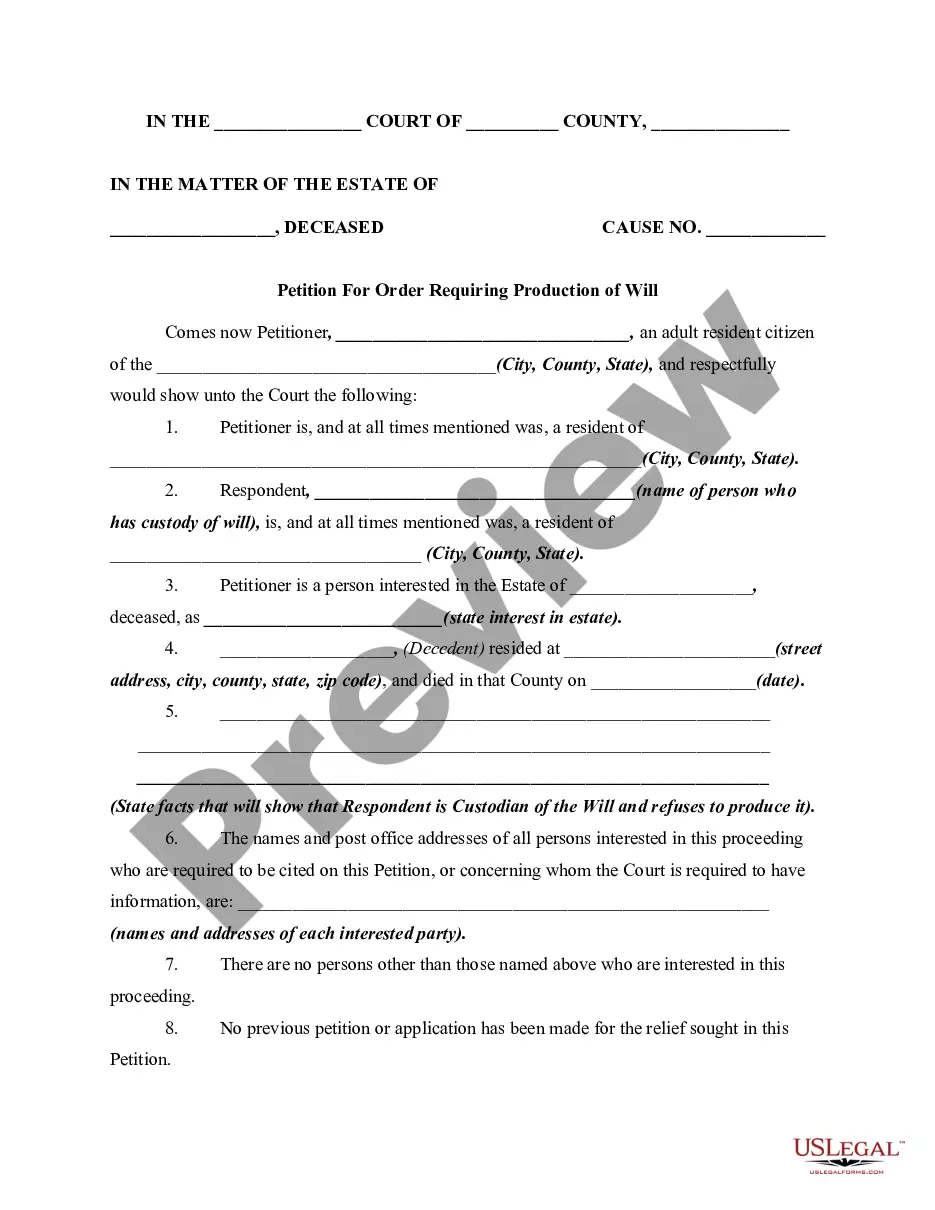
How to fill out Petition To Probate Lost Will?
The Example Estate Settlement Request With Name Alteration seen on this site is a versatile legal document crafted by experienced attorneys in accordance with federal and local laws.
For over 25 years, US Legal Forms has supplied individuals, enterprises, and legal practitioners with upwards of 85,000 verified, jurisdiction-specific documents for any professional or personal need. It’s the quickest, most straightforward, and most reliable way to access the forms you require, as the service ensures the utmost level of data confidentiality and anti-malware safeguards.
Register for US Legal Forms to have authenticated legal templates for every situation in life available at your fingertips.
- Look for the document you require and review it.
- Sign up and Log In.
- Obtain the editable document.
- Complete and sign the forms.
- Download your documents again.
Form popularity
FAQ
To petition someone for a name change in California, you must file a request with the superior court in your county. This involves completing a sample probate petition with name change, outlining the reasons for the requested change. You’ll also need to provide notice to the person whose name you are changing, often through formal legal documentation. It’s advisable to prepare thoroughly and consider consulting legal resources for guidance.
In Michigan, the time required for a name change can vary. After filing a sample probate petition with name change, you might wait several weeks for a court hearing. Once the court approves your petition, you will receive a confirmation, usually within a few days. Overall, you can expect the entire process to take a few weeks to a couple of months, depending on court schedules.
The probate process can be lengthy and costly, often leading to delays in settling an estate. Furthermore, it may involve public scrutiny, as many documents are accessible to the public. Additionally, complexities can arise, especially if name changes are requested, making it crucial to utilize platforms like uslegalforms for guidance and accurate documentation.
Yes, you can petition for probate even if there is no will. In such cases, the court will appoint an administrator to manage the deceased's estate according to state intestacy laws. This process may require additional documentation but can still include requests for a name change if applicable.
Typically, the person who stands to inherit from the estate, like a family member or an executor, signs the probate petition as the petitioner. This individual initiates the legal process to ensure the deceased's wishes are honored. In cases involving a name change, this same petitioner will often include their request within the sample probate petition with name change.
Yes, probate petitions are generally considered public records, meaning anyone can access them. This transparency allows interested parties to review the details of the estate and any name changes. However, sensitive information may be redacted for privacy reasons, so not every detail is available to the public.
You should submit your petition for a name change to the local probate court where you reside. This establishes the jurisdiction and allows the court to process your request effectively. Along with your sample probate petition with name change, be prepared to provide any required documents, such as identification and proof of residency.
Writing a probate letter involves detailing your intent to file a probate petition, especially if you are requesting a name change in the process. Start with a clear introduction, state the need for probate, and include information about the deceased and the relationship you had. Make sure to specify any alterations, such as the desired name change, and always conclude with your contact information.
You may receive a letter from probate court if someone listed you as a potential heir or if you are involved in a probate case. This letter typically informs you about important dates and developments related to the estate. Understanding the content of this letter can help you know your rights and responsibilities concerning the probate process.
To file a petition for a name change in California, you will need to complete a Sample probate petition with name change. Gather the necessary documents, such as identification and proof of residency, then submit your forms to the court. After filing, a hearing will be scheduled where a judge will review your request. Ensure you have all your documentation in order to facilitate a smooth application process.