Objections
Description
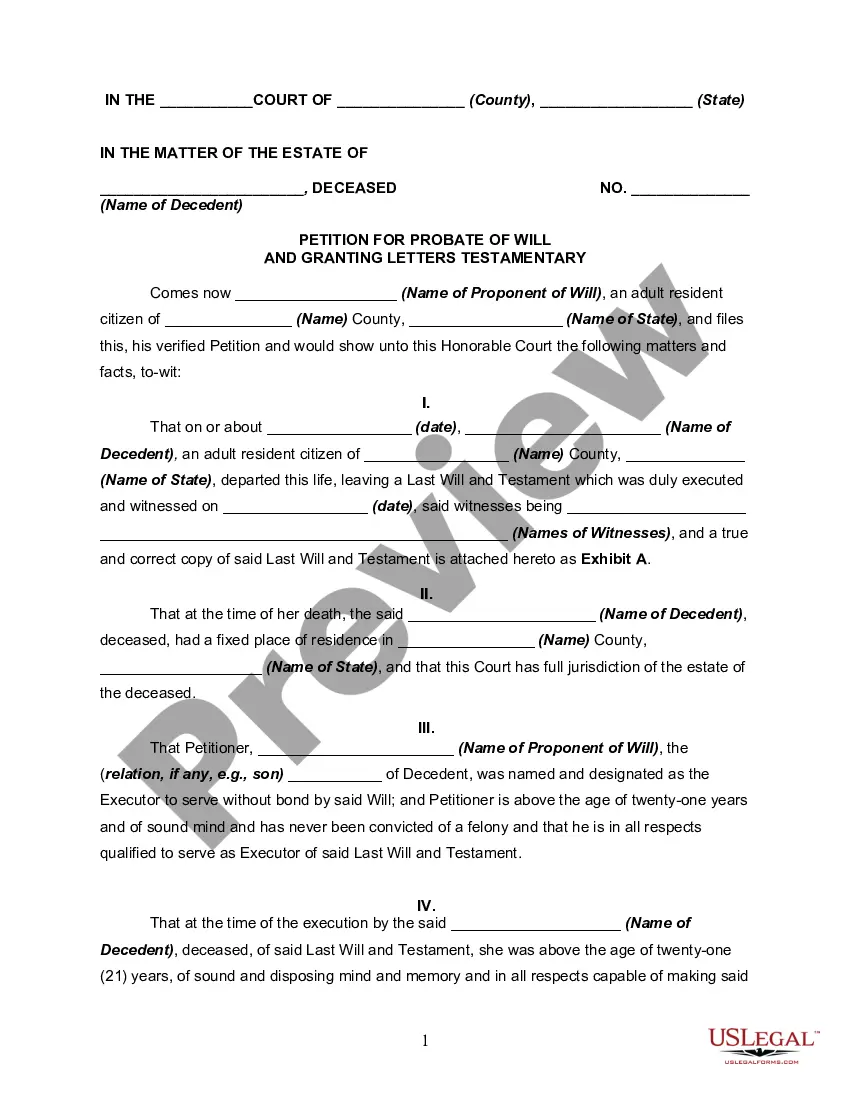
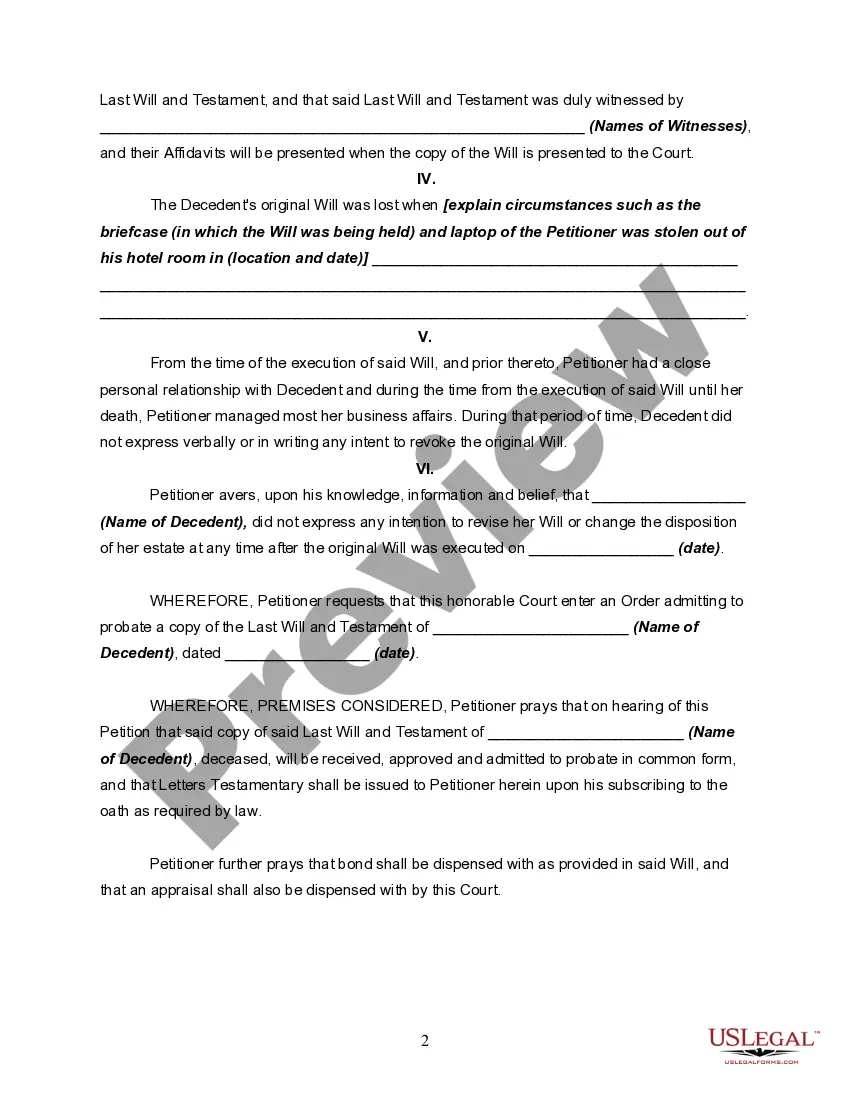
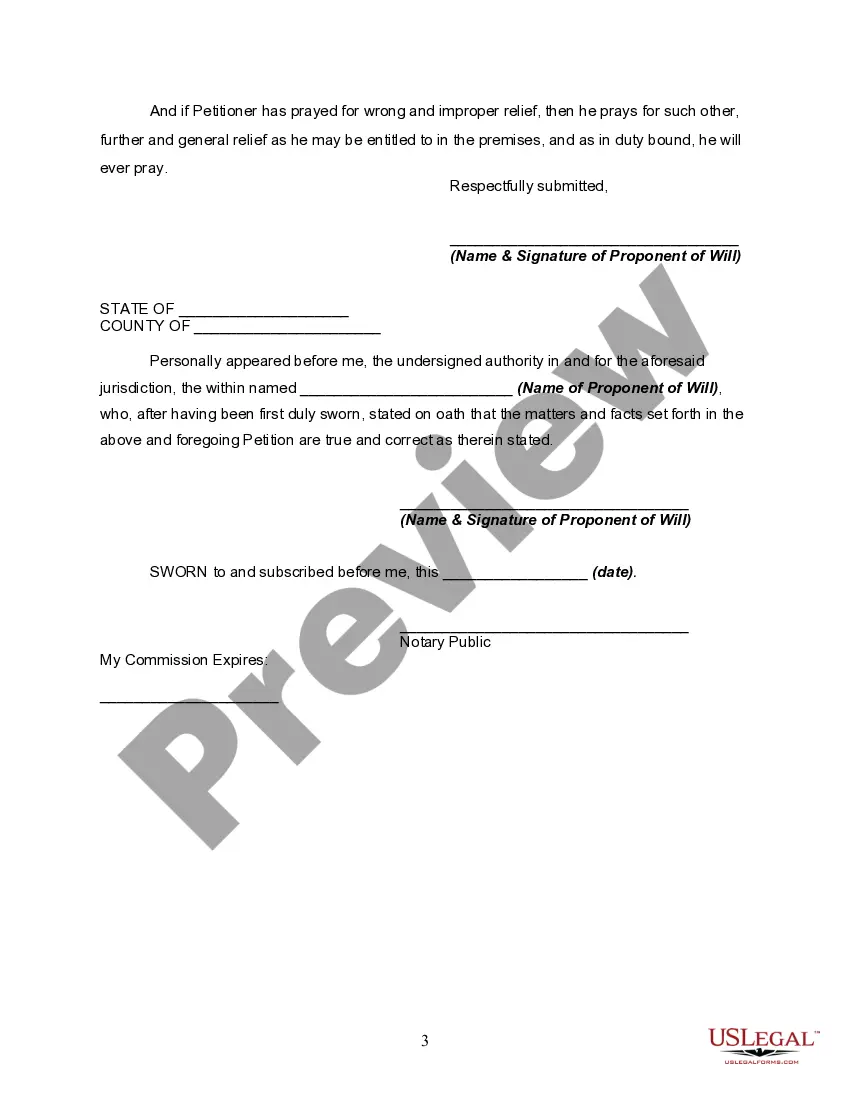
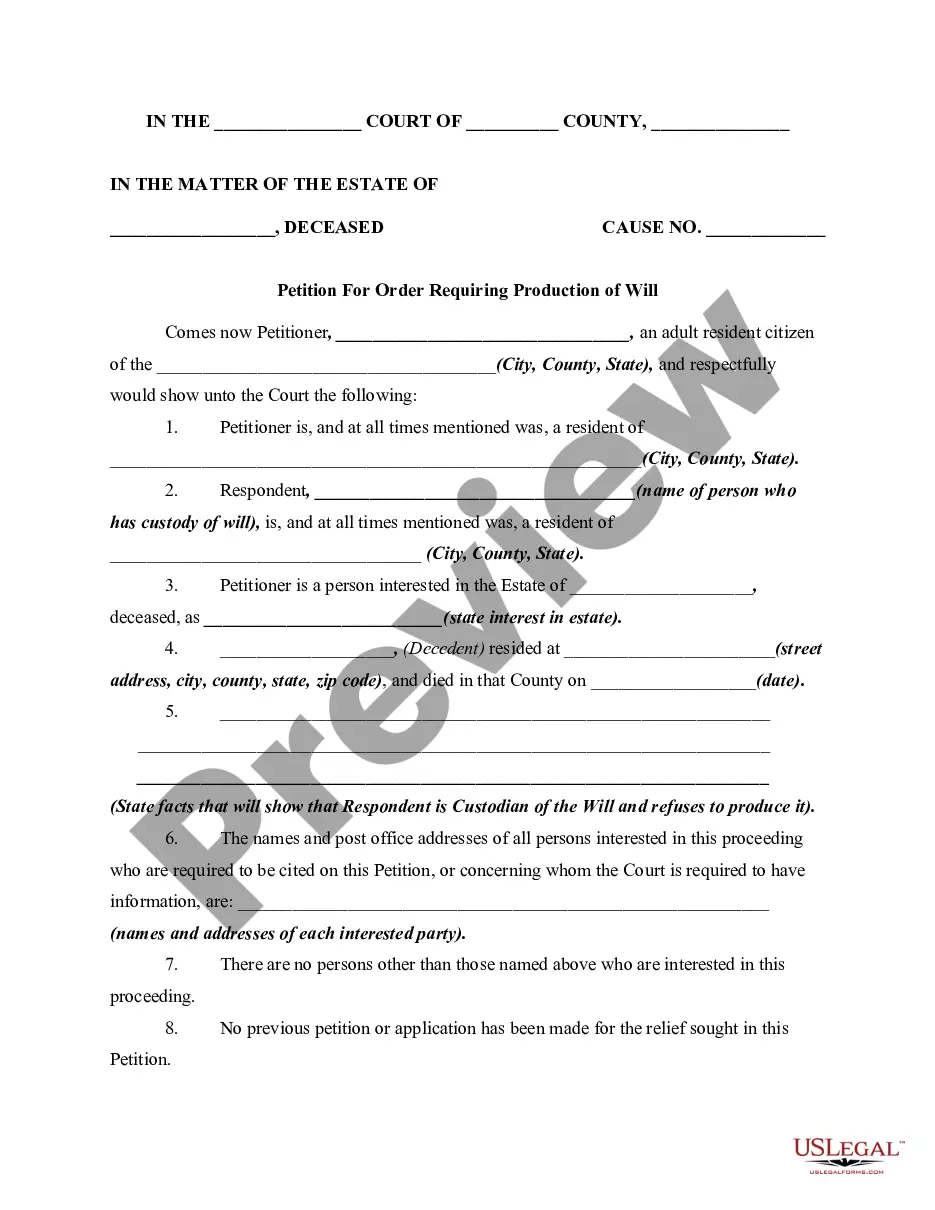

Get your form ready online
Our built-in tools help you complete, sign, share, and store your documents in one place.
Make edits, fill in missing information, and update formatting in US Legal Forms—just like you would in MS Word.
Download a copy, print it, send it by email, or mail it via USPS—whatever works best for your next step.
Sign and collect signatures with our SignNow integration. Send to multiple recipients, set reminders, and more. Go Premium to unlock E-Sign.
If this form requires notarization, complete it online through a secure video call—no need to meet a notary in person or wait for an appointment.
We protect your documents and personal data by following strict security and privacy standards.

Make edits, fill in missing information, and update formatting in US Legal Forms—just like you would in MS Word.

Download a copy, print it, send it by email, or mail it via USPS—whatever works best for your next step.

Sign and collect signatures with our SignNow integration. Send to multiple recipients, set reminders, and more. Go Premium to unlock E-Sign.

If this form requires notarization, complete it online through a secure video call—no need to meet a notary in person or wait for an appointment.

We protect your documents and personal data by following strict security and privacy standards.
Looking for another form?
How to fill out Petition To Probate Lost Will?
- Log into your existing account on US Legal Forms and ensure your subscription is active. If not, renew it as per your payment plan.
- Check the Preview mode and description of the desired form to verify it meets your needs and complies with your local jurisdiction.
- If you need a different template, utilize the Search tab to find one that better suits your requirements.
- Select the form you prefer and click the Buy Now button to choose your subscription plan. Make sure to create an account to access the library.
- Complete the payment by entering your credit card information or using PayPal. This ensures your form purchase is secure.
- Download your chosen form onto your device. You can also find it later in the My Forms section of your profile for easy access.
In conclusion, US Legal Forms provides an empowering platform that simplifies the process of obtaining legal documents. Whether you're a regular user or a first-time visitor, their extensive library and user-friendly experience ensure you can overcome objections and meet your legal needs efficiently.
Start your journey today by visiting US Legal Forms and take the necessary steps towards obtaining your legal documents with confidence!
Form popularity
FAQ
To answer objections effectively, start by acknowledging the customer's concern and displaying empathy. Take the time to listen carefully and ask questions for clarity if needed. Once you fully understand their objection, respond with clear, concise information that directly addresses their points of concern. It’s also beneficial to reinforce your response with examples or testimonials that demonstrate value, helping customers see how you can meet their needs.
Effective objection handling starts with acknowledging the customer's feelings and concerns immediately. Next, take the time to listen and understand the nuances of their objections. Then, clearly communicate your responses, ensuring that your answers are relevant and address their specific claims. After that, provide additional supportive information or testimonials to reinforce your message. Finally, encourage further discussion, allowing customers to express any lingering doubts or questions.
A good objection should clearly reflect the customer's concerns and provide context for their feelings. Start by stating the objection in simple terms, focusing on specific issues. Next, include any relevant examples that illustrate the objection effectively. Lastly, write in a way that encourages open dialogue, inviting discussion that can lead to resolution and understanding.
Begin by listening actively to the customer's objection without interruption. Then, acknowledge their concerns genuinely, which can help defuse tension. Next, ask questions for clarification to ensure that you fully understand their position. Finally, respond thoughtfully with information that addresses their objection, and suggest relevant solutions or alternatives.
First, listen carefully to the customer's objection. This step is crucial for understanding their perspective and shows respect for their concerns. Second, acknowledge the objection to validate the customer's feelings. Third, clarify and ask questions to dive deeper into their specific concerns. Fourth, provide solutions tailored to address those objections. Finally, confirm their satisfaction with your response, ensuring they feel heard and supported throughout the process.
To effectively address objections, start by actively listening to the customer's concerns. This builds rapport and shows you value their perspective. Next, empathize with their situation, and provide clear, relevant information that addresses their objections. You can also share success stories or testimonials to build credibility. Offering to follow up further and maintaining a positive attitude can help alleviate their concerns as well. Additionally, ask open-ended questions to encourage dialogue and discover deeper insights. Lastly, practice patience, allowing customers to express themselves fully.
The four types of objections in court include relevance, hearsay, leading questions, and speculation. Each type serves to ensure that only pertinent and reliable evidence is considered during proceedings. Understanding these objections is essential for navigating legal discussions effectively. Using detailed resources from platforms such as UsLegalForms can empower individuals to handle these objections confidently in court.
The four most common objections often revolve around budget, timing, perception of value, and certainty about the results. Addressing these objections head-on can significantly improve client interactions. It involves providing clear, evidence-based responses to reassure potential clients. Having a robust tool like UsLegalForms can help streamline decision-making and address these common objections effectively.
To effectively meet objections, start by listening to the concerns raised by your clients. Understanding their viewpoint allows you to address specific objections with relevant information and solutions. It's important to provide clear examples and benefits of how your offerings can meet their needs. Consider using platforms like UsLegalForms to simplify processes, as they provide comprehensive resources to alleviate concerns.
Having objections means that someone expresses a concern or disagreement regarding a proposal or argument. In legal terms, it challenges the stance taken during proceedings and ensures that all voices are heard. In everyday scenarios, acknowledging objections fosters open dialogue and contributes to better decision-making.