Charles Schwab Beneficiary Designation Form For Brokerage Account
Description
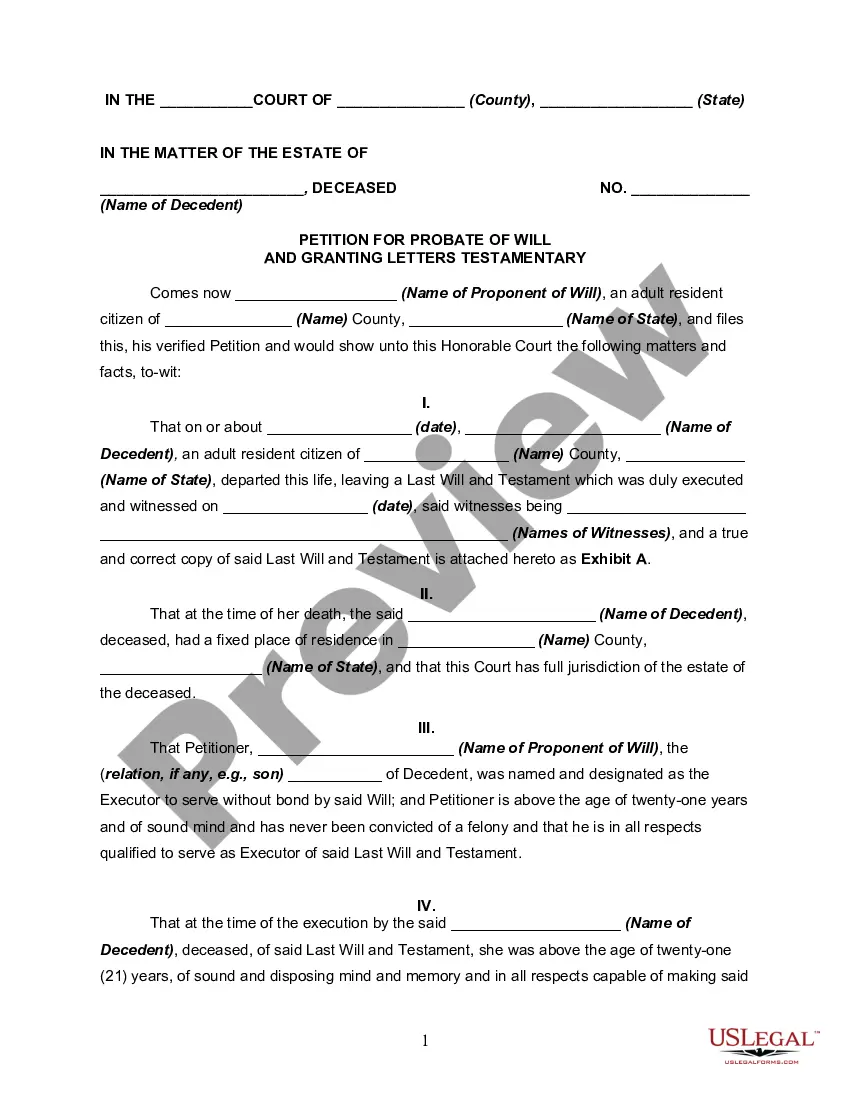
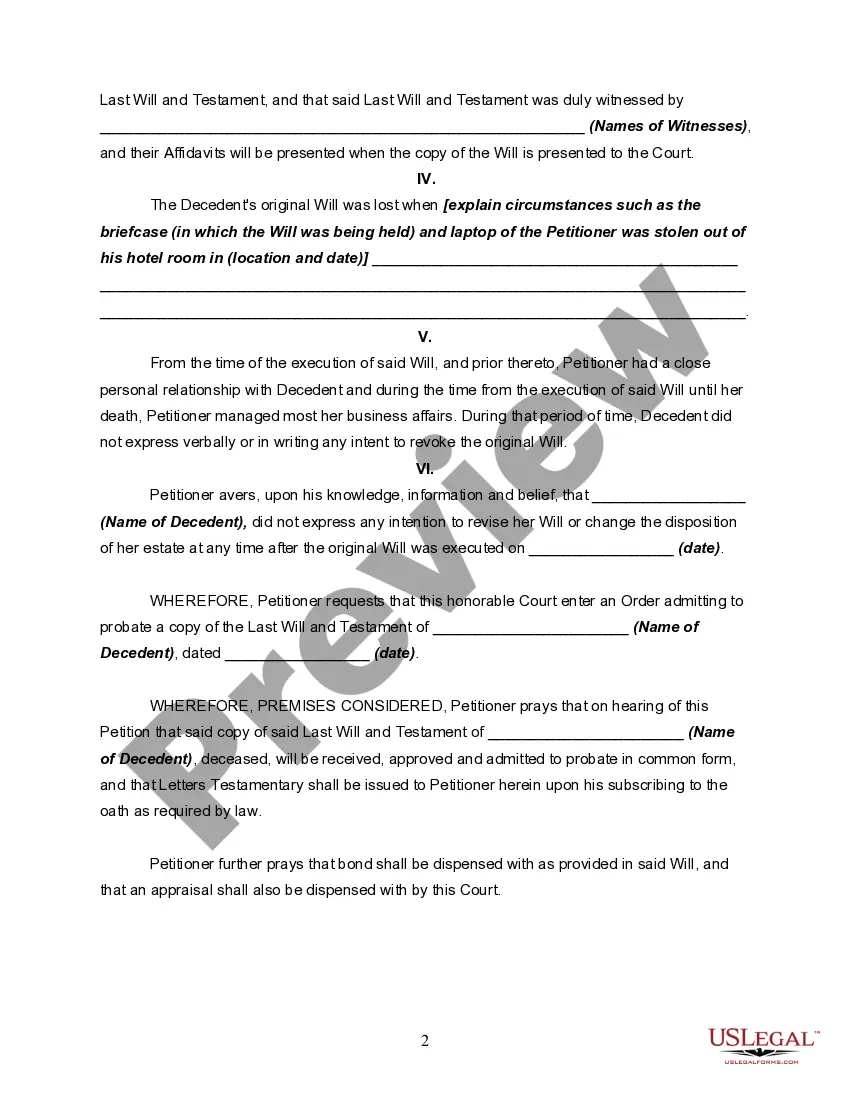
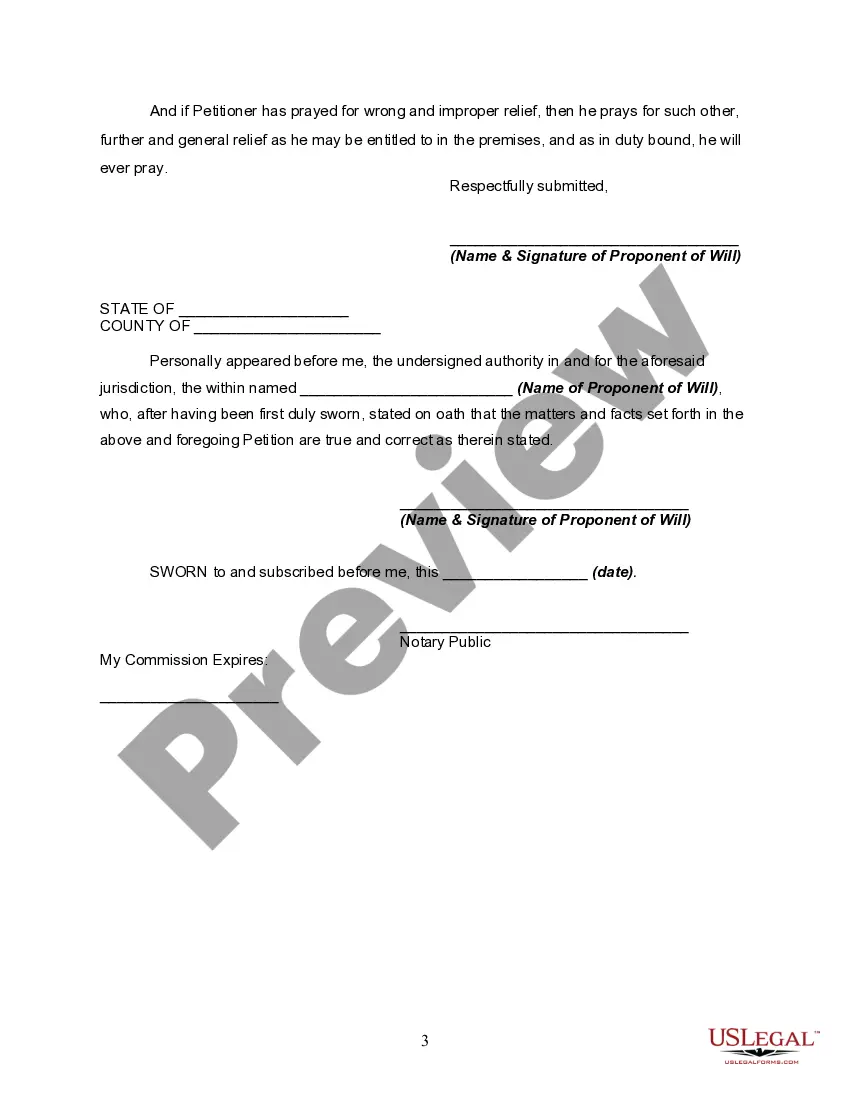
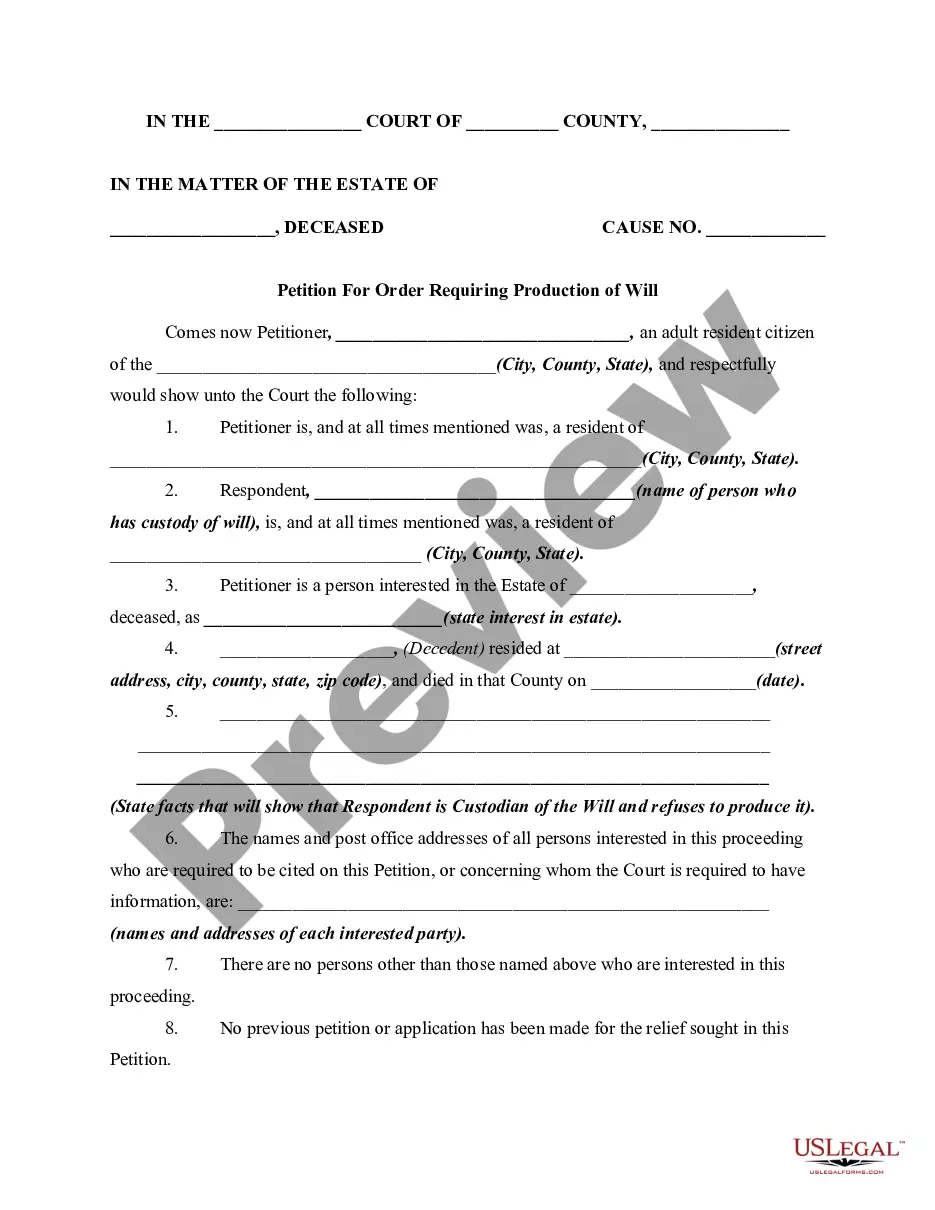

Get your form ready online
Our built-in tools help you complete, sign, share, and store your documents in one place.
Make edits, fill in missing information, and update formatting in US Legal Forms—just like you would in MS Word.
Download a copy, print it, send it by email, or mail it via USPS—whatever works best for your next step.
Sign and collect signatures with our SignNow integration. Send to multiple recipients, set reminders, and more. Go Premium to unlock E-Sign.
If this form requires notarization, complete it online through a secure video call—no need to meet a notary in person or wait for an appointment.
We protect your documents and personal data by following strict security and privacy standards.

Make edits, fill in missing information, and update formatting in US Legal Forms—just like you would in MS Word.

Download a copy, print it, send it by email, or mail it via USPS—whatever works best for your next step.

Sign and collect signatures with our SignNow integration. Send to multiple recipients, set reminders, and more. Go Premium to unlock E-Sign.

If this form requires notarization, complete it online through a secure video call—no need to meet a notary in person or wait for an appointment.

We protect your documents and personal data by following strict security and privacy standards.
Looking for another form?
How to fill out Petition To Probate Lost Will?
- If you are a returning user, log into your account to download the requested form template. Ensure that your subscription is up-to-date; renew if necessary based on your payment plan.
- If this is your first time using US Legal Forms, start by checking the Preview mode and form description to confirm you have the correct document that meets your local jurisdiction's requirements.
- Should you need a different form, utilize the Search tab to find the appropriate one, then confirm it meets your criteria before proceeding.
- Select the document you wish to purchase by clicking on the Buy Now button and choosing your desired subscription plan. An account registration is necessary for library access.
- Complete your purchase by entering your credit card information or linking your PayPal account to pay for the subscription.
- Download your form after the purchase and save it on your device. You can also access it later from the My Forms section of your account.
Using US Legal Forms allows for efficient execution of legal documents with a vast collection of over 85,000 editable forms. The platform's user-friendly interface empowers users to handle their legal needs effectively.
Start your journey towards securing your assets today by visiting US Legal Forms and accessing the necessary documentation.
Form popularity
FAQ
When the owner of a brokerage account passes away, the account typically transfers to the designated beneficiaries if they exist. Using the Charles Schwab beneficiary designation form for brokerage account ensures that the transition is seamless and avoids the probate process. Without a designated beneficiary, the account may enter into probate, which can prolong the distribution of assets. To safeguard your legacy, ensure that your brokerage account has an updated beneficiary designation.
Yes, you can designate beneficiaries on a brokerage account, including those managed by Charles Schwab. By completing the appropriate beneficiary designation form for your brokerage account, you can ensure that your assets are directed to your beneficiaries upon your death. This avoids potential legal complications and maintains your wishes for asset distribution. Always check with your brokerage for the most effective way to add or update beneficiaries.
While you cannot use the Charles Schwab beneficiary designation form for brokerage accounts at Fidelity, you have the option to add a beneficiary directly through Fidelity's platform. Check their specific process, as it generally involves filling out a form and might require your account details. Remember, designating a beneficiary simplifies the transfer of assets and can save your family from complicated legal processes.
Yes, a brokerage account with a designated beneficiary can often avoid probate. By using the Charles Schwab beneficiary designation form for brokerage account, you ensure that your assets pass directly to your chosen beneficiary upon your death. This process not only streamlines asset transfer but also reduces delays and costs associated with probate. Thus, having a beneficiary on your account can provide peace of mind and efficiency for your loved ones.
Certainly, you can add a beneficiary to your Schwab brokerage account. By filling out the Charles Schwab beneficiary designation form for brokerage account, you can easily name or update beneficiaries. This action reinforces your estate planning strategy, ensuring your assets reach the right people without unnecessary delays.
Yes, designating a beneficiary for a brokerage account is a crucial step in estate planning. The Charles Schwab beneficiary designation form for brokerage account allows you to clearly outline your wishes for asset distribution. This designation helps bypass probate, ensuring that your assets are transferred smoothly and efficiently to your chosen beneficiaries.
Yes, you can name a beneficiary on your Schwab brokerage account. By utilizing the Charles Schwab beneficiary designation form for brokerage account, you can specify who will receive your assets after your passing. Naming a beneficiary simplifies the transfer process and provides peace of mind for both you and your loved ones.
You can add someone to your Schwab brokerage account by changing the account registration. To do this, you may need to complete the Charles Schwab beneficiary designation form for your brokerage account. This process ensures that your account management can accommodate new individuals and provide clarity on ownership.
To add a beneficiary to your brokerage account, begin by contacting your brokerage firm to request the necessary beneficiary designation form. For Charles Schwab accounts, you can use the Charles Schwab beneficiary designation form for brokerage account. Completing this form will allow you to clearly state your beneficiary preferences, thus ensuring proper asset distribution.
Yes, you can add beneficiaries to most brokerage accounts, including Charles Schwab accounts. By filling out the Charles Schwab beneficiary designation form for brokerage account, you will ensure that your assets are transferred to your chosen beneficiaries without unnecessary delays. This process simplifies legacy planning, making it easier for your loved ones.