Benificiary Designations
Description

Get your form ready online
Our built-in tools help you complete, sign, share, and store your documents in one place.
Make edits, fill in missing information, and update formatting in US Legal Forms—just like you would in MS Word.
Download a copy, print it, send it by email, or mail it via USPS—whatever works best for your next step.
Sign and collect signatures with our SignNow integration. Send to multiple recipients, set reminders, and more. Go Premium to unlock E-Sign.
If this form requires notarization, complete it online through a secure video call—no need to meet a notary in person or wait for an appointment.
We protect your documents and personal data by following strict security and privacy standards.

Make edits, fill in missing information, and update formatting in US Legal Forms—just like you would in MS Word.

Download a copy, print it, send it by email, or mail it via USPS—whatever works best for your next step.

Sign and collect signatures with our SignNow integration. Send to multiple recipients, set reminders, and more. Go Premium to unlock E-Sign.

If this form requires notarization, complete it online through a secure video call—no need to meet a notary in person or wait for an appointment.

We protect your documents and personal data by following strict security and privacy standards.
Looking for another form?
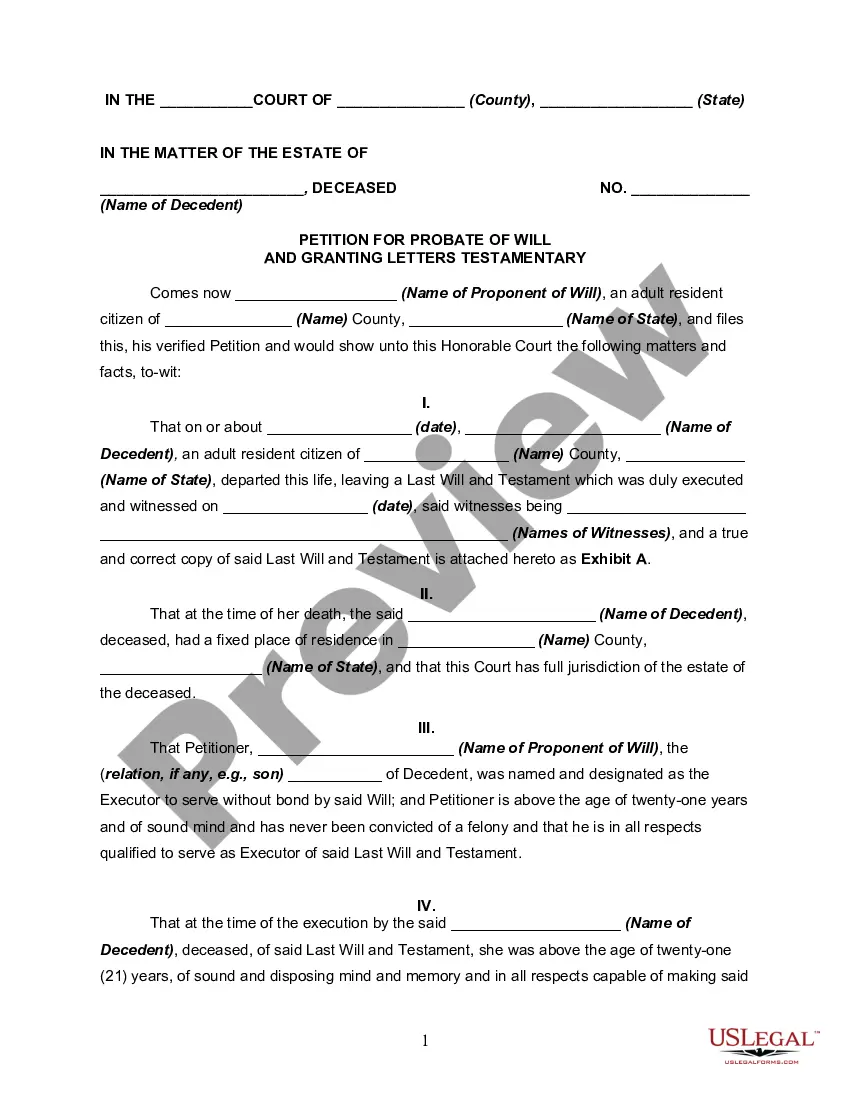
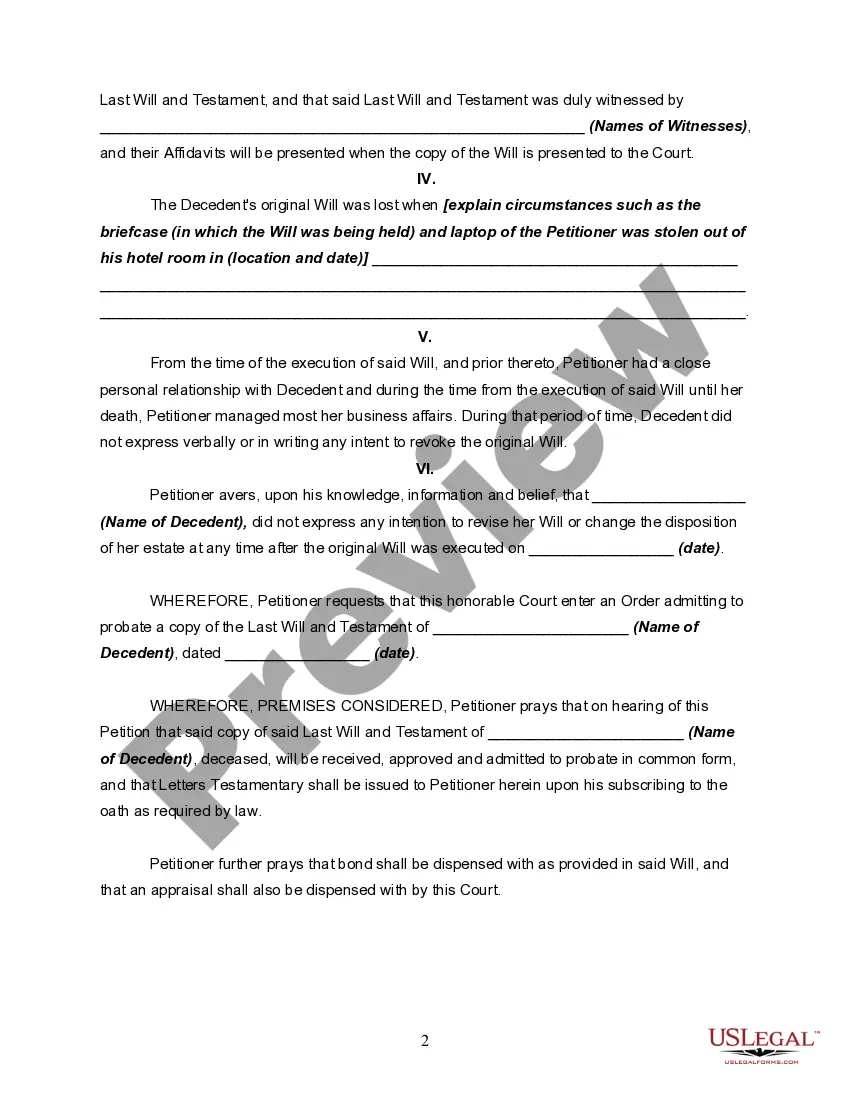
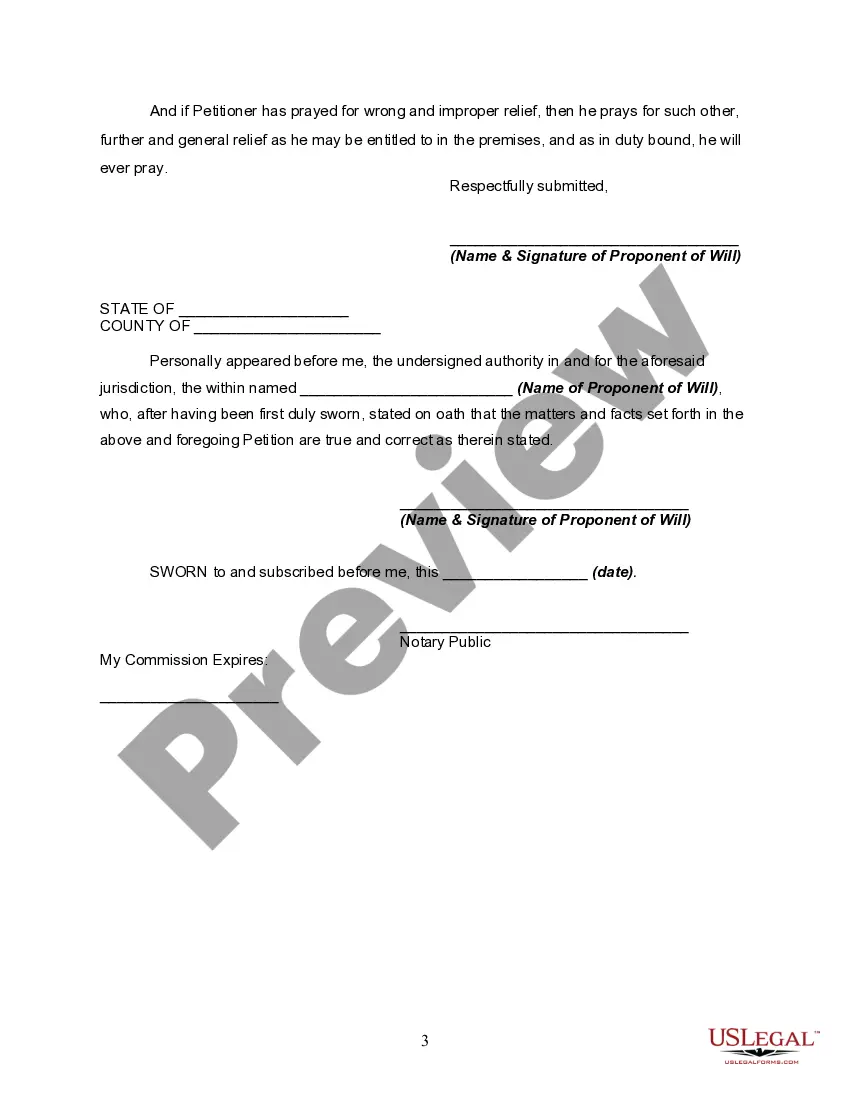
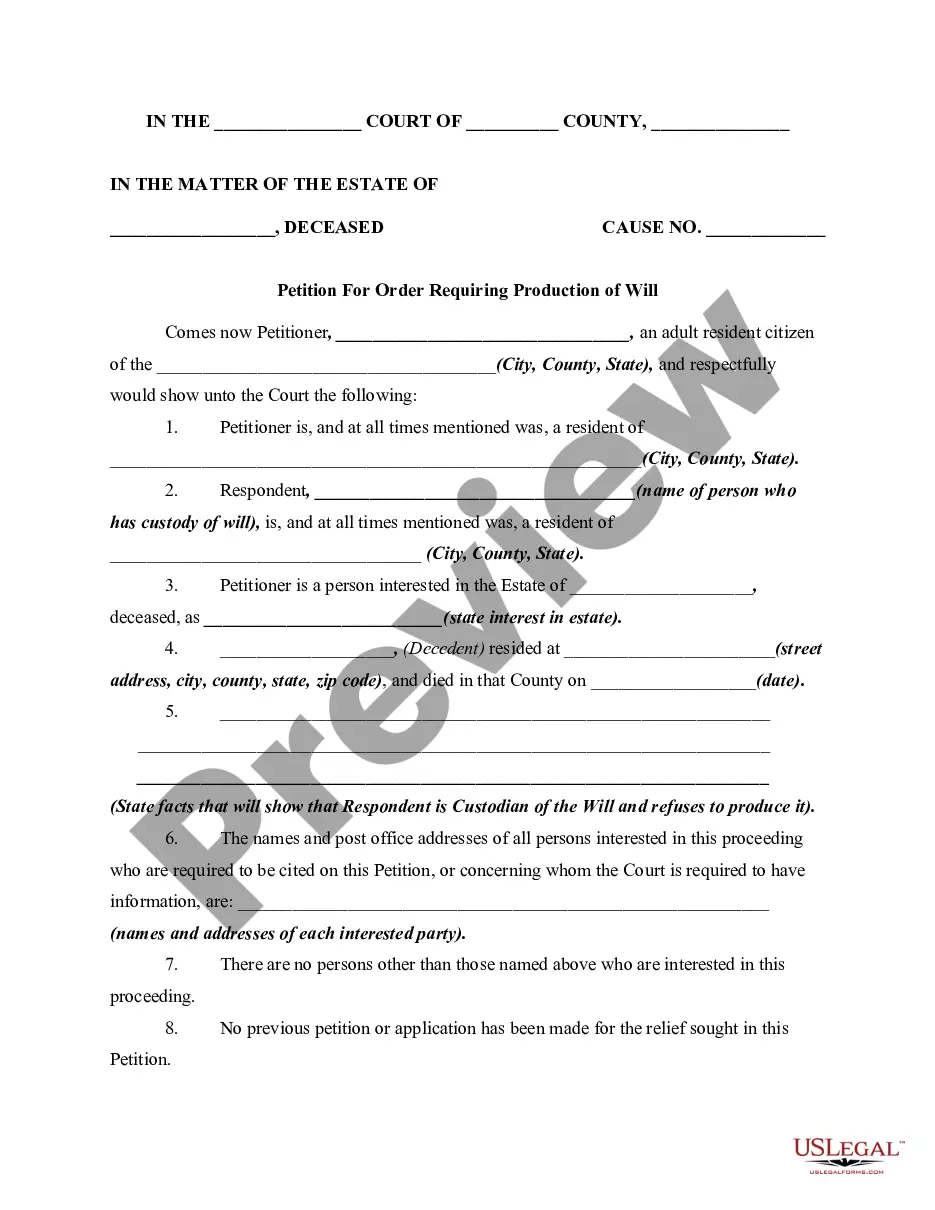
How to fill out Petition To Probate Lost Will?
- Log in to your US Legal Forms account if you're a returning user. Ensure your subscription is current to access necessary document templates.
- Explore the Preview mode to review form descriptions. Confirm that you've selected the correct beneficiary designation form that aligns with your jurisdiction's requirements.
- If you encounter inconsistencies, utilize the Search tab to find a different form that better meets your needs.
- Purchase the document by clicking the Buy Now button. Choose a subscription plan that works for you, and create an account if this is your first time.
- Complete your transaction by entering your payment information, either through credit card or PayPal.
- Finally, download your beneficiary designation form to your device. You can also find it anytime in the My Forms section of your profile.
Utilizing US Legal Forms allows you to efficiently complete legal documents while ensuring that they are precise and adhere to legal standards. Their robust form collection and user-friendly features make the process seamless.
Get started today to secure your beneficiary designations with ease. Visit US Legal Forms and take advantage of their extensive library!
Form popularity
FAQ
Changing an irrevocable beneficiary is not straightforward, as it usually requires the consent of that beneficiary. This means that if you wish to make alterations to your beneficiary designations in this context, communication and agreement are essential. However, understanding the implications of these designations can greatly enhance your estate planning. Platforms like uslegalforms offer guidance in navigating these complexities effectively.
An irrevocable beneficiary designation is the one that typically cannot be changed without proper consent from the designated individual. This aspect of beneficiary designations ensures that the rights of the beneficiary are firmly protected. If you aim to change an irrevocable beneficiary, you will need to engage that individual in the process. Being informed about this can save you legal complications down the road.
Irrevocable beneficiary designations cannot be changed without the consent of the beneficiary. This type of designation is in place to protect the rights of that beneficiary to the benefits outlined. As a result, once you name an irrevocable beneficiary, it creates a binding obligation. It is crucial to evaluate your beneficiary designations carefully to ensure they align with your long-term goals.
In most cases, an irrevocable beneficiary requires consent for a change of beneficiary designations. This means that you cannot simply change them without obtaining approval from the irrevocable beneficiary. These designations create a legal obligation, and failing to comply can lead to disputes. Understanding these nuances can help streamline your estate planning.
A primary beneficiary is the first in line to receive your assets after your death, while a designated beneficiary is any person or entity you name to inherit from an account. Often, a designated beneficiary might include multiple individuals, but only one can be the primary beneficiary. Understanding these terms can greatly enhance how you manage your beneficiary designations for effective estate planning.
A designated beneficiary is a person or entity that you specifically name to receive assets from your accounts upon your death. This designation is an essential aspect of financial planning that ensures your wishes are honored when you pass away. Being clear about your designated beneficiaries helps facilitate a smoother transition of your estate.
Yes, beneficiary designations typically override the instructions outlined in a will. This means that assets with designated beneficiaries will be distributed directly to those individuals, regardless of what the will states. It's vital to keep your beneficiary designations up-to-date to avoid potential conflicts and ensure your wishes are followed.
Eligible designated beneficiaries typically include family members, such as spouses, children, or other relatives, as well as trusts and charities. Some accounts may have specific rules about who can be named as a beneficiary. By understanding these criteria, you can effectively utilize beneficiary designations to reflect your personal wishes.
A designated beneficiary is a specific individual or organization chosen to receive benefits from an account or policy upon the account holder’s death. This term frequently appears in insurance and retirement accounts. By setting up beneficiary designations, you clarify your intentions and simplify the transfer of your estate.
Designating a beneficiary means naming a person or entity that will receive your assets after your death. This process helps you ensure that your possessions are transferred according to your wishes without going through probate. Understanding beneficiary designations is crucial for effective estate planning, as it streamlines the distribution process for your loved ones.