Beneficiary
Description
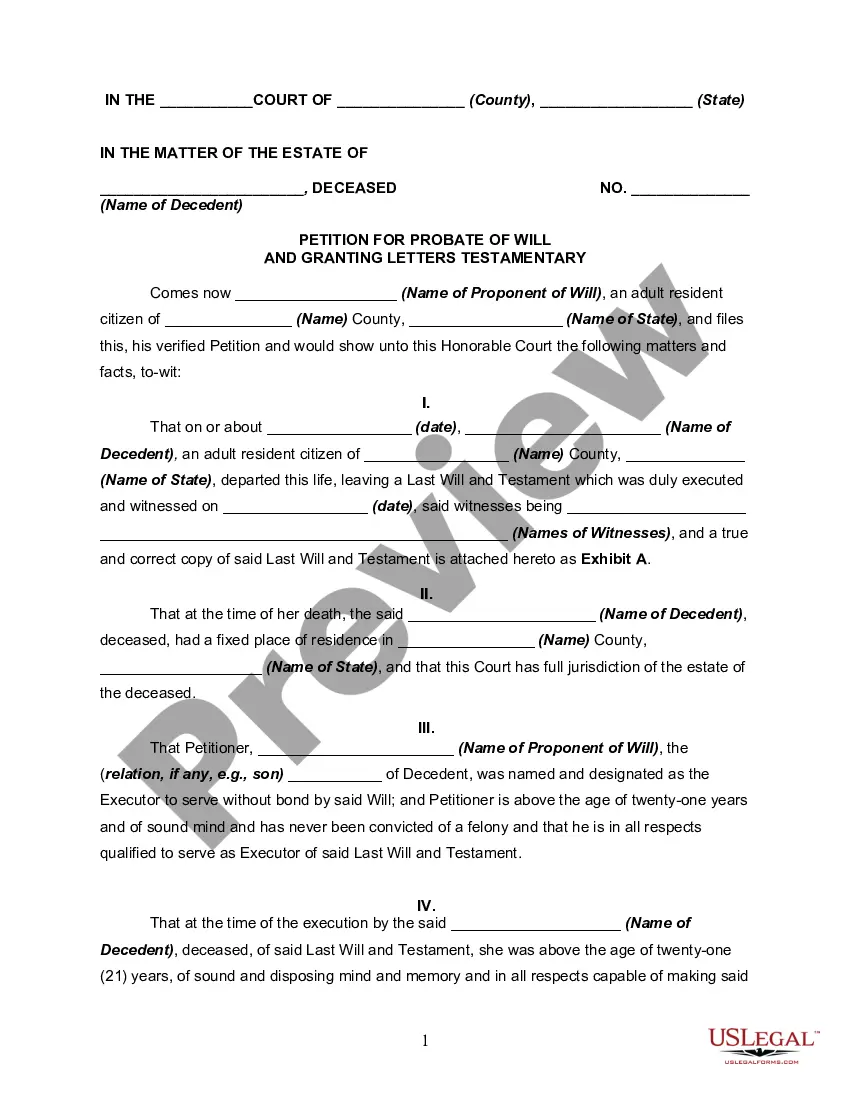
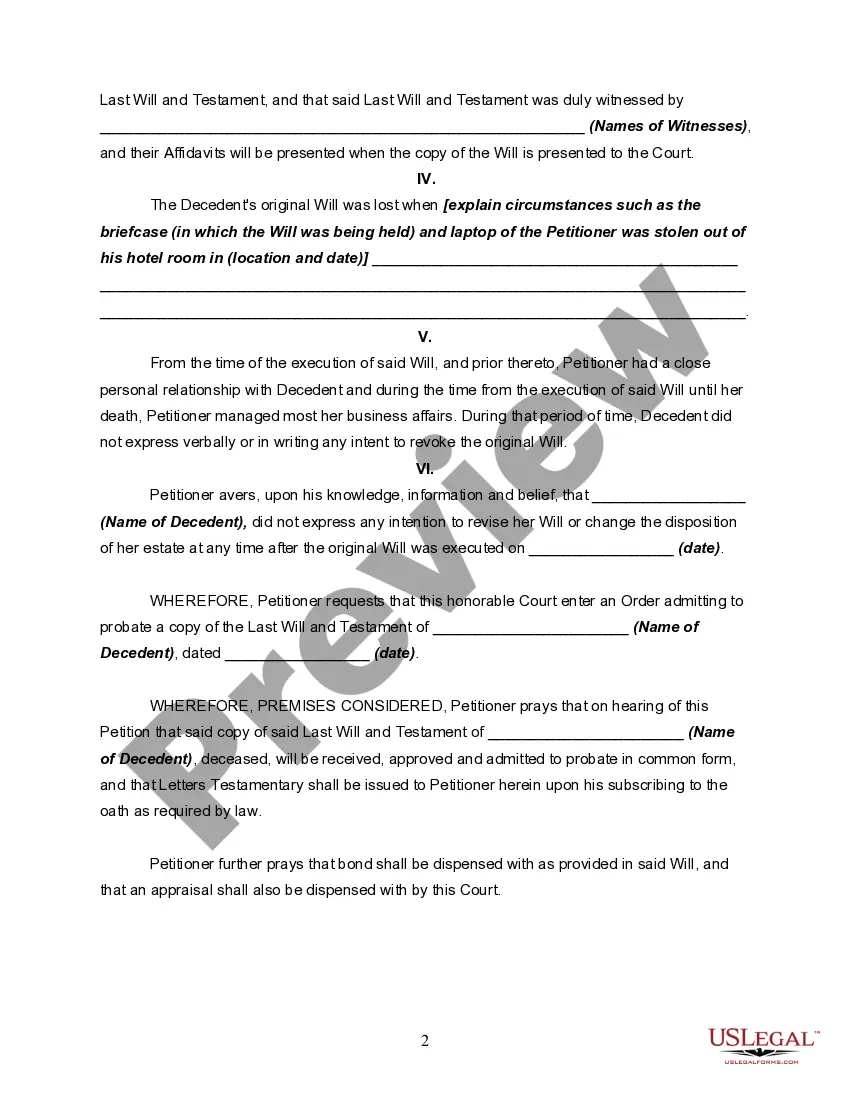
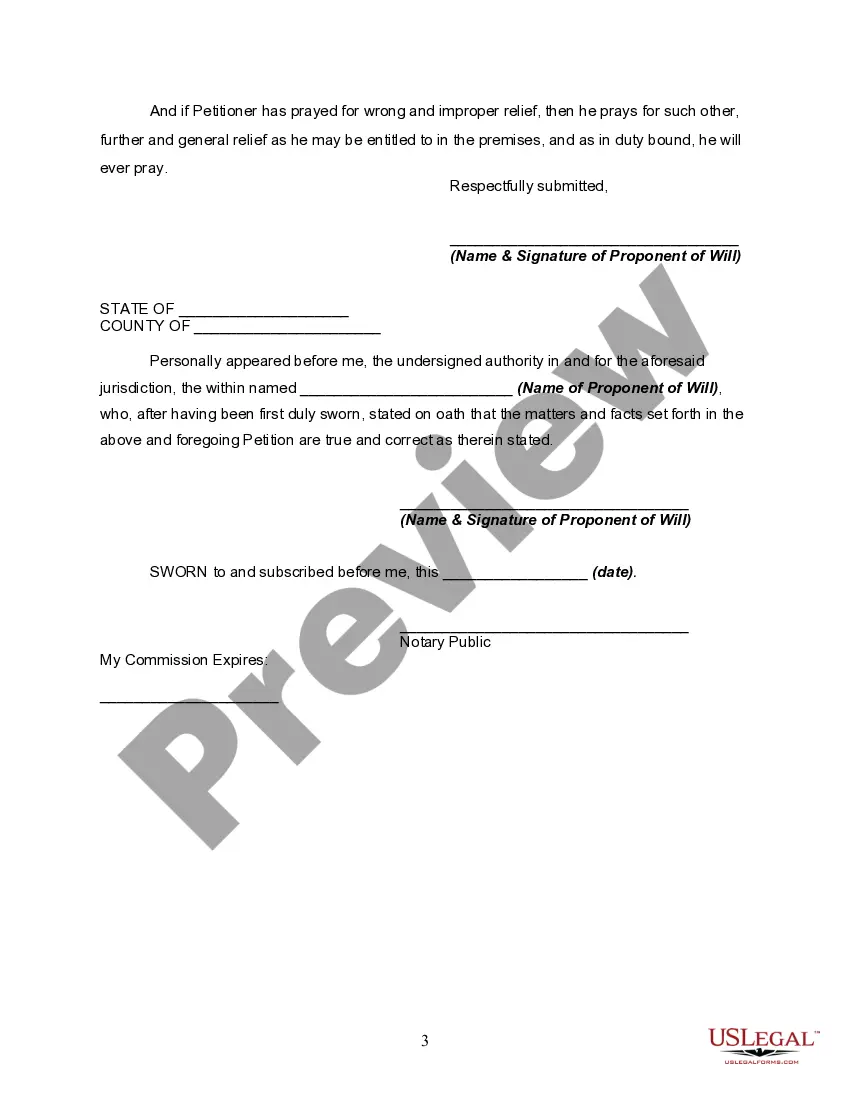
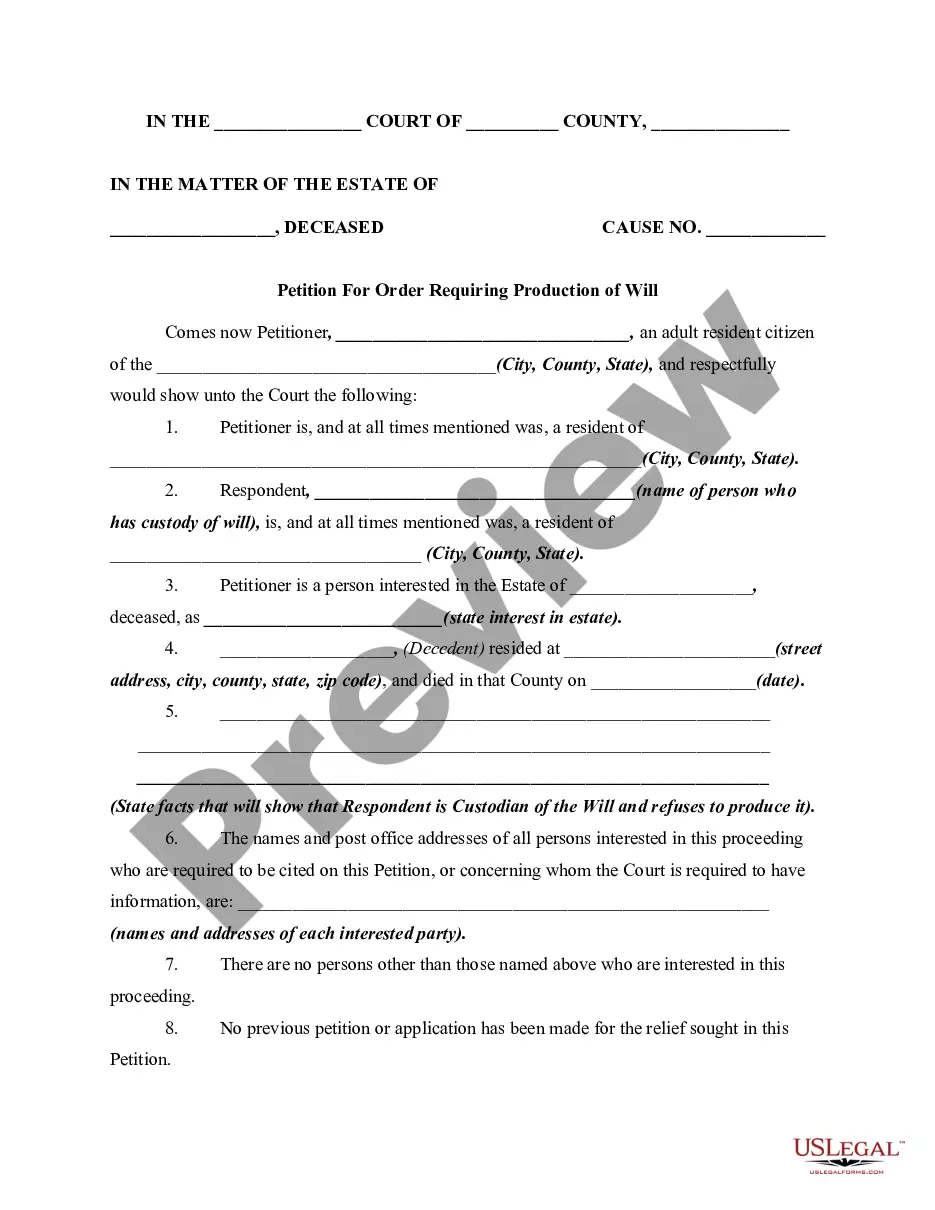

Get your form ready online
Our built-in tools help you complete, sign, share, and store your documents in one place.
Make edits, fill in missing information, and update formatting in US Legal Forms—just like you would in MS Word.
Download a copy, print it, send it by email, or mail it via USPS—whatever works best for your next step.
Sign and collect signatures with our SignNow integration. Send to multiple recipients, set reminders, and more. Go Premium to unlock E-Sign.
If this form requires notarization, complete it online through a secure video call—no need to meet a notary in person or wait for an appointment.
We protect your documents and personal data by following strict security and privacy standards.

Make edits, fill in missing information, and update formatting in US Legal Forms—just like you would in MS Word.

Download a copy, print it, send it by email, or mail it via USPS—whatever works best for your next step.

Sign and collect signatures with our SignNow integration. Send to multiple recipients, set reminders, and more. Go Premium to unlock E-Sign.

If this form requires notarization, complete it online through a secure video call—no need to meet a notary in person or wait for an appointment.

We protect your documents and personal data by following strict security and privacy standards.
Looking for another form?







How to fill out Petition To Probate Lost Will?
- If you are a returning user, log into your account and select the form you need, ensuring your subscription is current. If required, renew your plan.
- For first-time users, start by browsing the vast library of forms. Review the Preview mode and form descriptions to find one that fits your needs and complies with local regulations.
- Should you need a different form, utilize the Search tab to locate the exact document that suits your requirements before proceeding.
- After identifying the correct form, click the Buy Now button and choose a subscription plan that works best for you, creating an account to access all resources.
- Complete your purchase by entering your payment details through credit card or PayPal.
- Once your transaction is confirmed, download the form to your device, and find it anytime in the My Forms section of your profile.
By using US Legal Forms, you can quickly get access to over 85,000 legal forms that are both editable and easily fillable, backed by a team of experts ready to assist you in the completion process.
Utilize US Legal Forms today for all your legal documentation needs and ensure your beneficiary-related documents are completed accurately. Don't wait—start your journey now!
Form popularity
FAQ
Choosing a beneficiary ultimately depends on your personal circumstances and priorities. Common choices include a spouse, child, or trusted friend. You may also consider consulting an estate planning expert or using platforms like US Legal Forms to help clarify your options and complete the necessary documentation.
Absolutely, a life insurance beneficiary can be anyone other than a spouse. You can choose children, friends, or even charitable organizations. This flexibility allows you to provide for the people or causes you care about most, ensuring that your wishes are honored.
Your girlfriend can indeed be your life insurance beneficiary, providing security and peace of mind for both of you. This option reinforces your commitment and ensures financial support for her in challenging times. Just ensure that the necessary paperwork is filed and updated as needed.
Yes, you can add your girlfriend as a beneficiary on your life insurance policy. By doing so, you ensure that she will receive the policy benefits in the event of your death. Make sure to complete all documentation correctly and keep her informed about your decision.
An example of a beneficiary would be a parent naming their adult child as the beneficiary of their life insurance policy. This person will receive the policy's payout upon the parent's death, ensuring financial support during a difficult time. You might also consider naming a charity or trust as a beneficiary to support causes you care about.
Typically, individuals who lack legal capacity or have a history of fraudulent behavior may be disqualified from being beneficiaries. Minors, for example, cannot directly receive life insurance benefits without a guardian to manage the assets for them. It is essential to review any specific state laws or requirements to determine who is eligible.
Yes, you can designate someone as a beneficiary on your life insurance policy even if you are not married. This flexibility allows you to choose friends, relatives, or partners who you trust to receive the benefits upon your passing. It’s important to communicate your intentions clearly to avoid any future disputes.
A beneficiary is a person or entity designated to receive assets or benefits from a financial account, insurance policy, or estate after someone's death. Essentially, being a beneficiary means you are part of someone's planning for the future. Understanding the role of a beneficiary is crucial in ensuring that your loved ones secure their financial well-being.
To list someone as a beneficiary, identify the account or policy where you want to designate them. You often need to complete a specific form provided by the financial institution, clearly stating the name of your beneficiary and their relationship to you. Ensure that all documentation is accurate, as discrepancies can lead to complications. For assistance, you might explore templates available at US Legal Forms.
You should name a type of beneficiary that reflects your wishes and financial goals. Typically, individuals like spouses and children are common choices, but trusts or charities can also serve as beneficial alternatives. It’s crucial to choose someone who will manage your assets responsibly and honor your intent. Using tools from US Legal Forms can assist you in making this important decision.