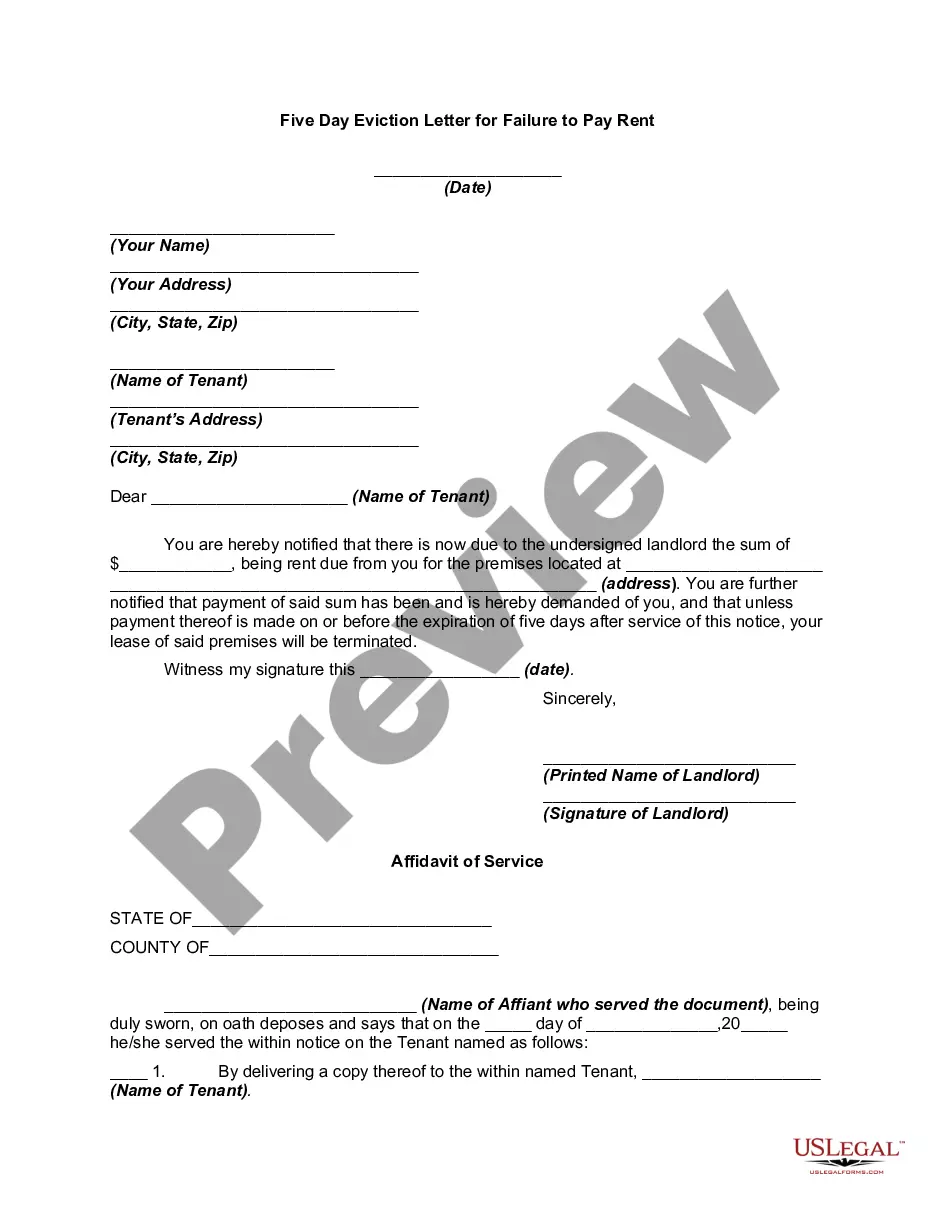
Eviction Letter For Family Member
Description
Get your form ready online
Our built-in tools help you complete, sign, share, and store your documents in one place.
Make edits, fill in missing information, and update formatting in US Legal Forms—just like you would in MS Word.
Download a copy, print it, send it by email, or mail it via USPS—whatever works best for your next step.
Sign and collect signatures with our SignNow integration. Send to multiple recipients, set reminders, and more. Go Premium to unlock E-Sign.
If this form requires notarization, complete it online through a secure video call—no need to meet a notary in person or wait for an appointment.
We protect your documents and personal data by following strict security and privacy standards.

Make edits, fill in missing information, and update formatting in US Legal Forms—just like you would in MS Word.

Download a copy, print it, send it by email, or mail it via USPS—whatever works best for your next step.

Sign and collect signatures with our SignNow integration. Send to multiple recipients, set reminders, and more. Go Premium to unlock E-Sign.

If this form requires notarization, complete it online through a secure video call—no need to meet a notary in person or wait for an appointment.

We protect your documents and personal data by following strict security and privacy standards.
Looking for another form?
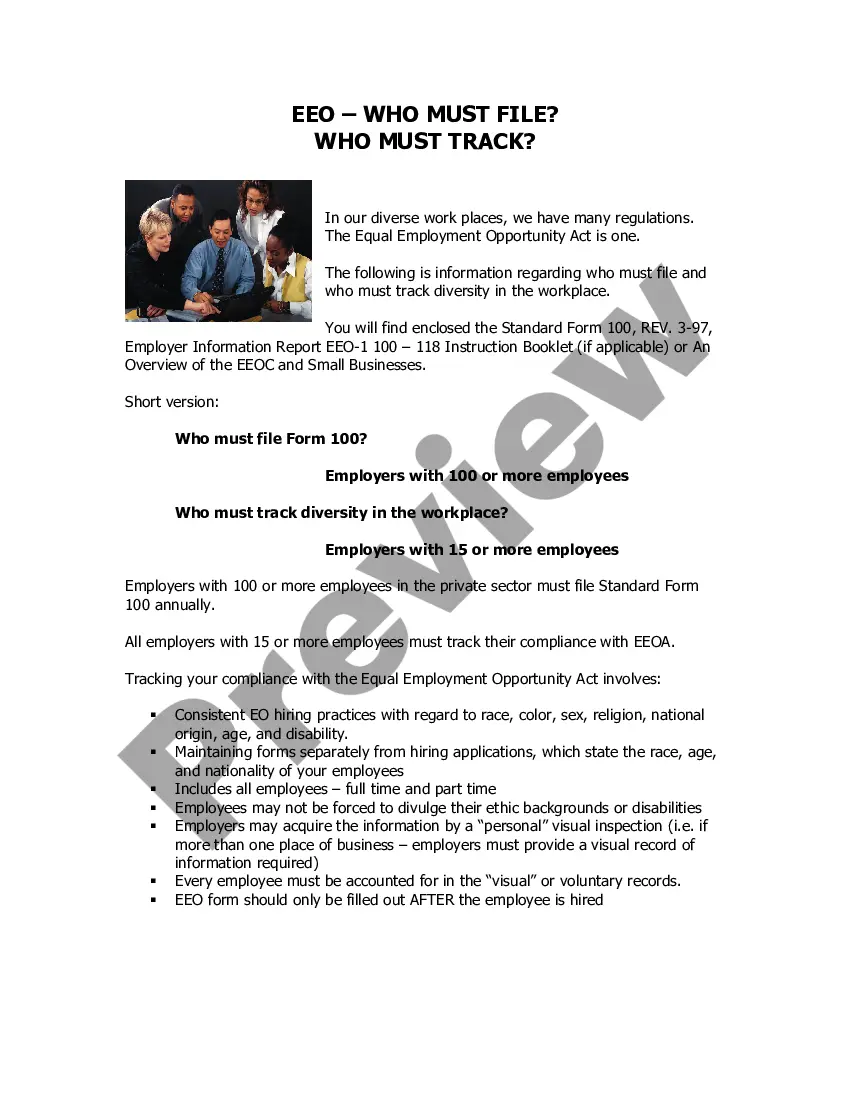
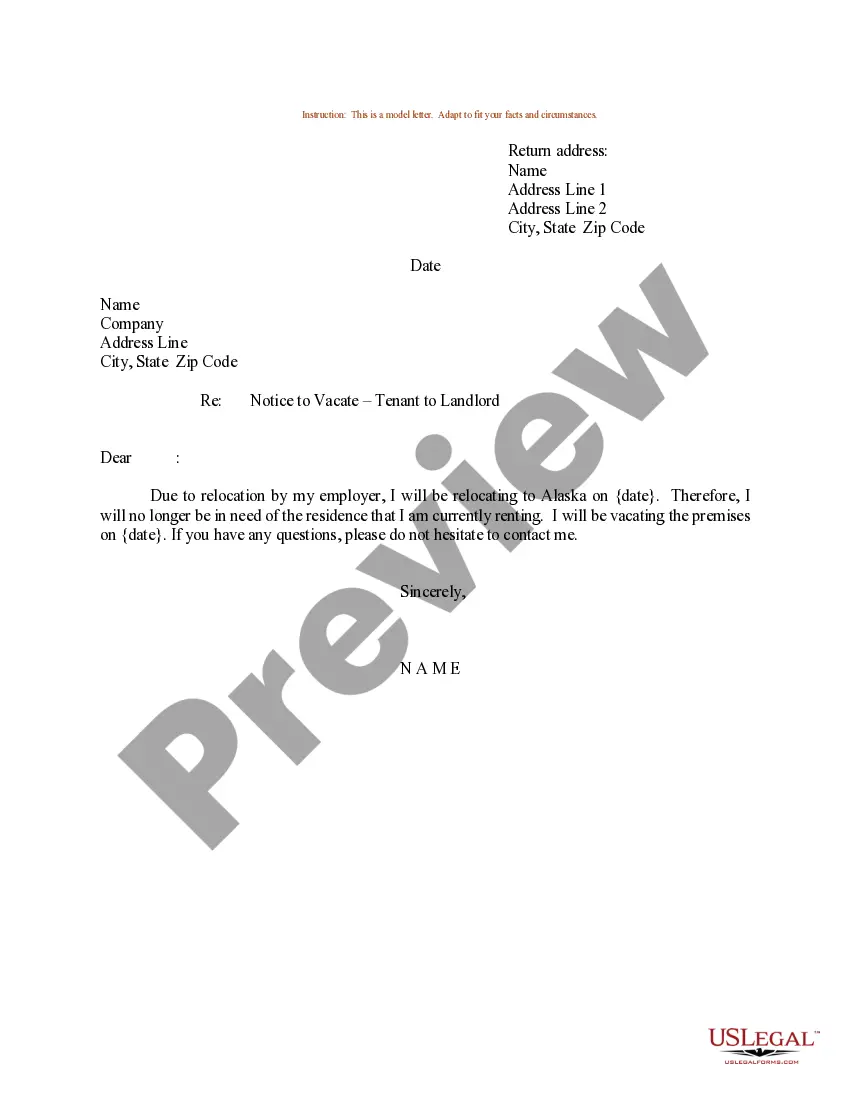
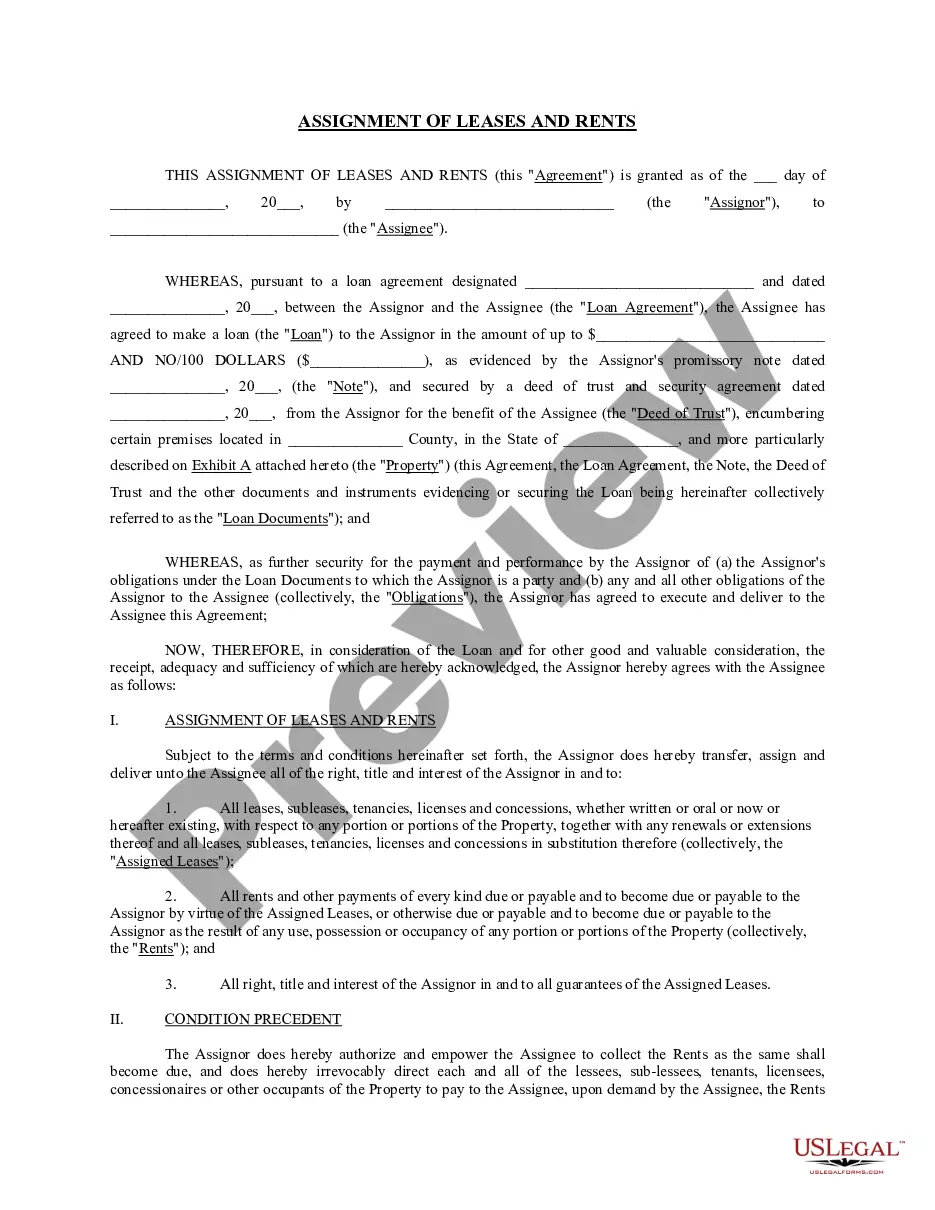
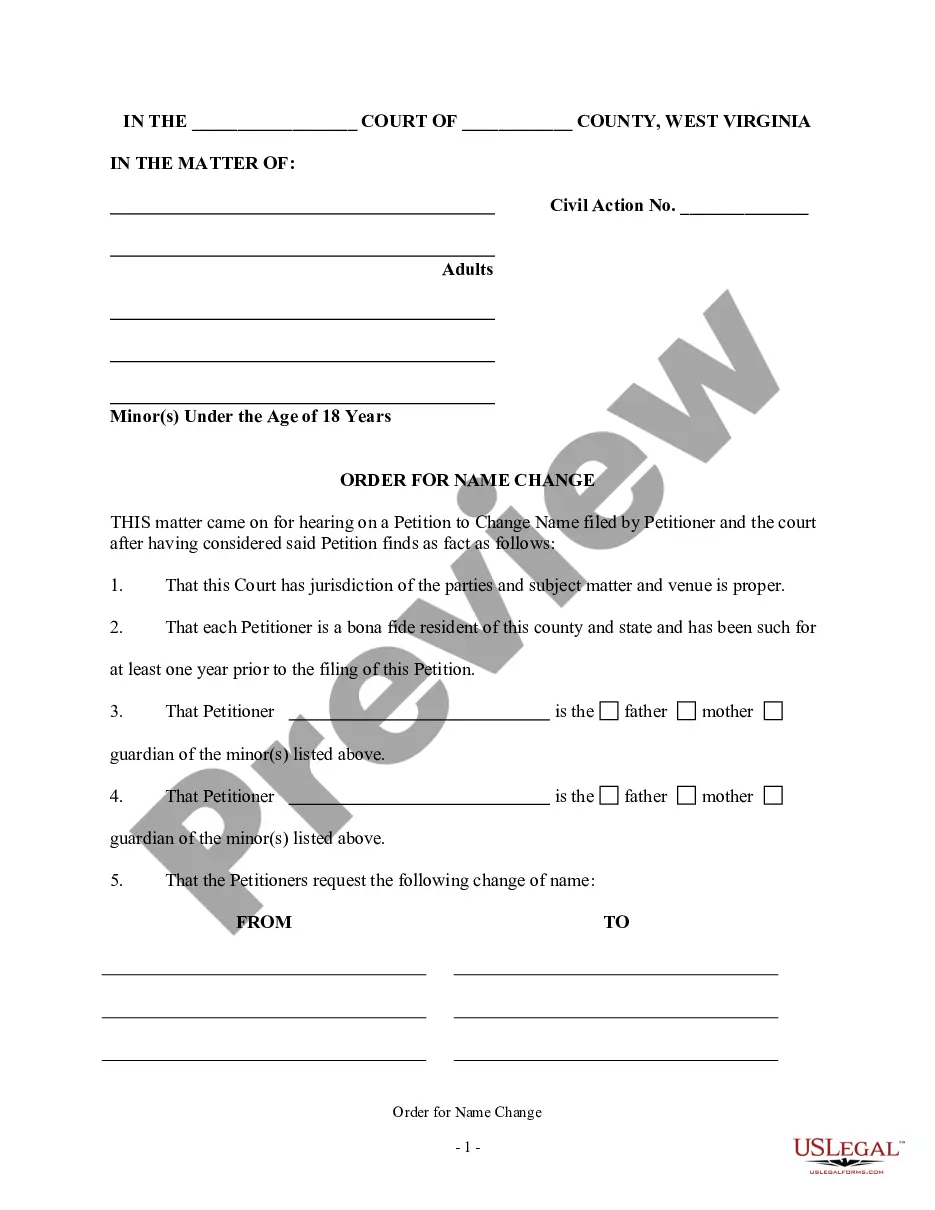
How to fill out Five Day Eviction Letter For Failure To Pay Rent?
Acquiring legal document examples that adhere to federal and state laws is essential, and the web presents numerous options to choose from.
However, what’s the use of squandering time hunting for the appropriate Eviction Letter For Family Member template online when the US Legal Forms digital library has already compiled such documents in one location.
US Legal Forms is the largest digital legal repository featuring over 85,000 customizable templates created by lawyers for various business and personal situations.
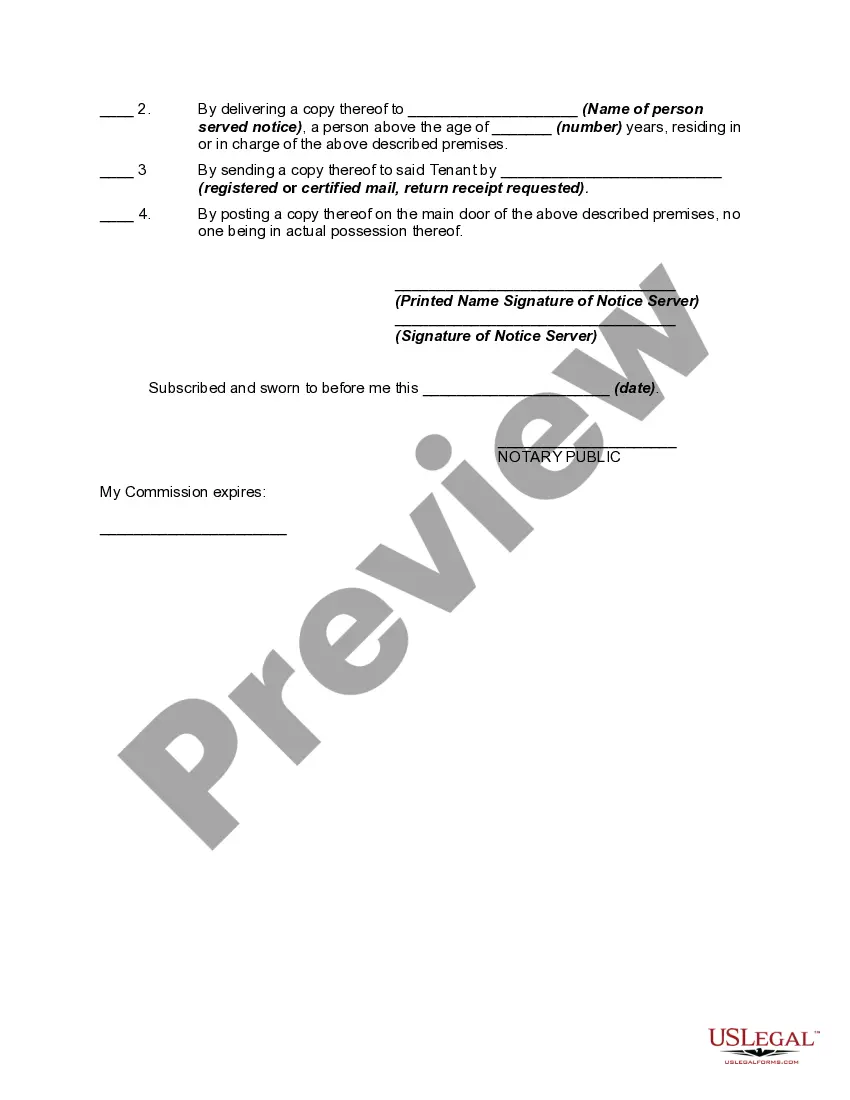
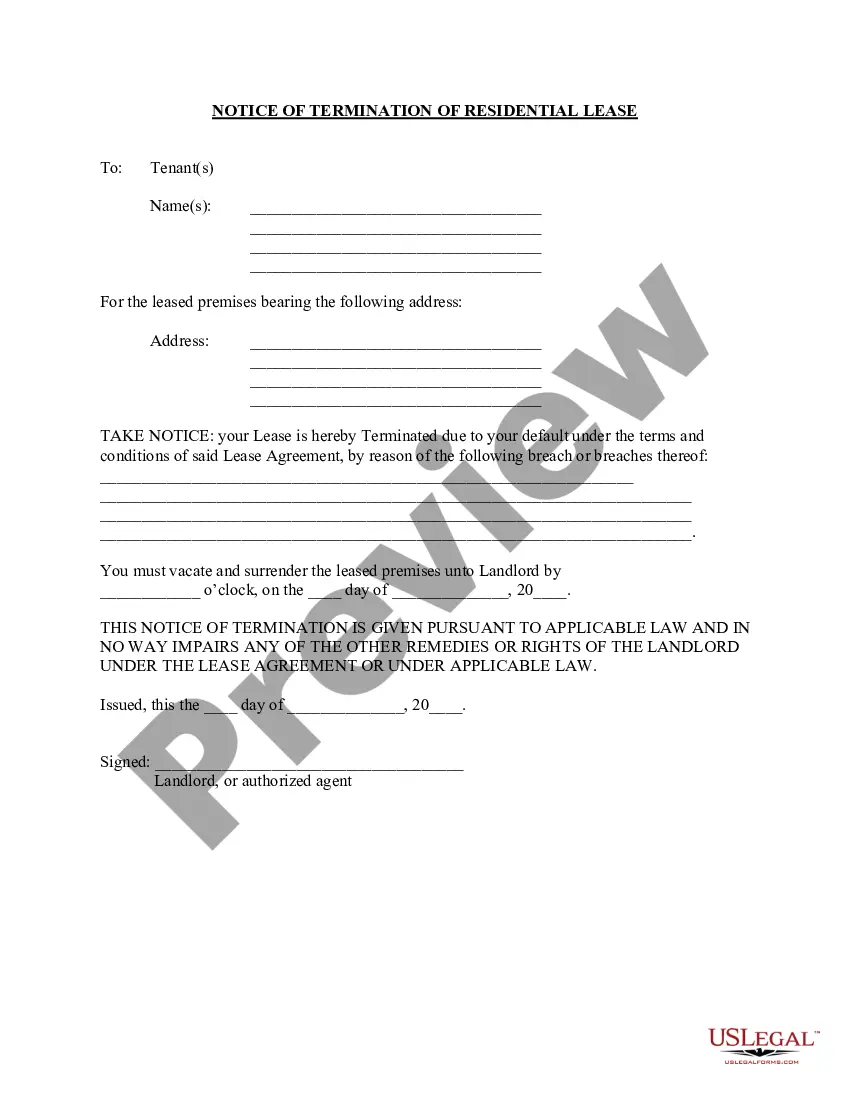
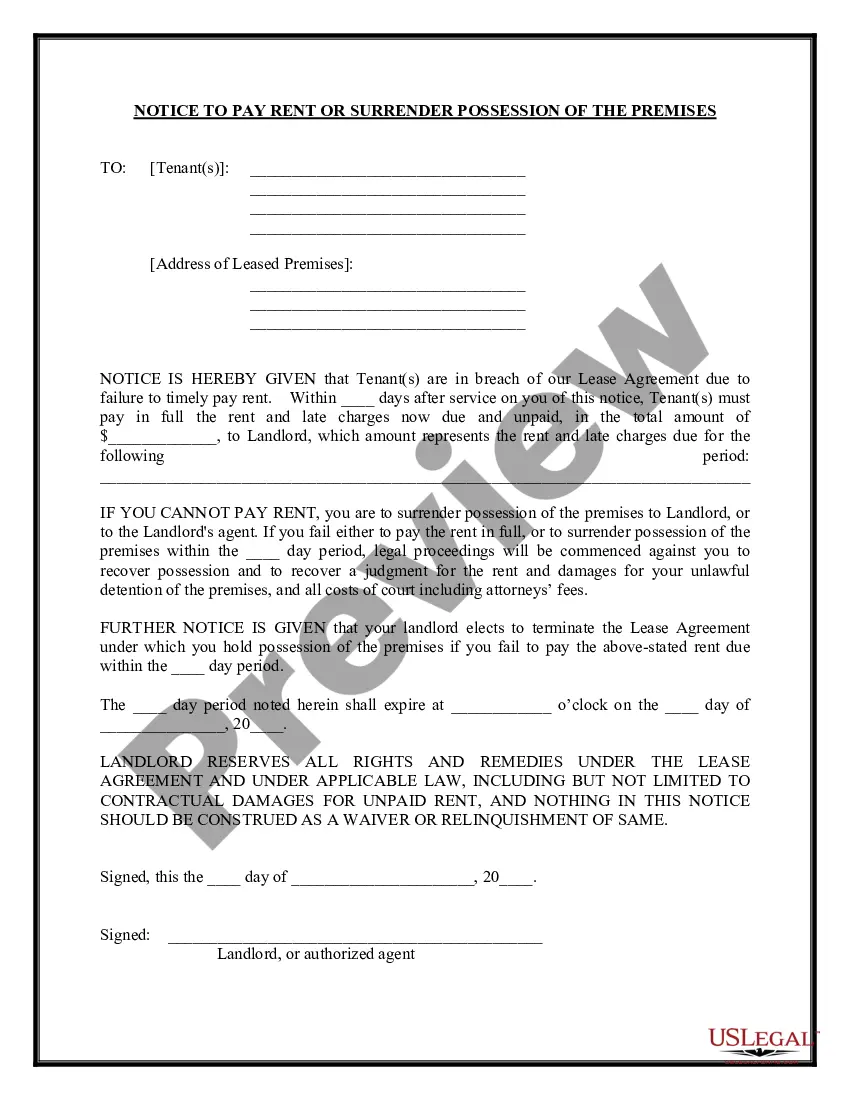
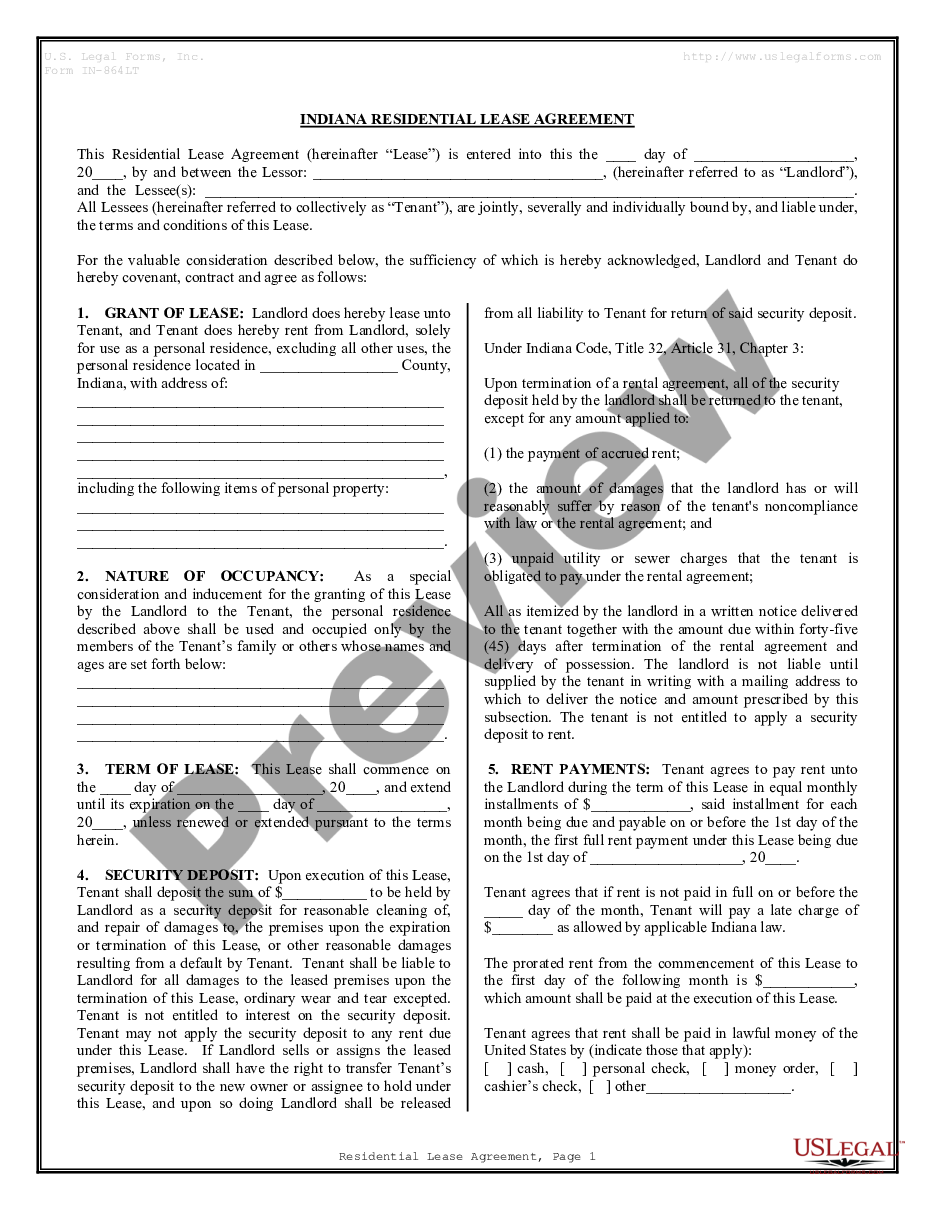
Examine the document using the Preview feature or through the text description to ensure it aligns with your requirements.
- They are simple to navigate with all documents organized by state and intended use.
- Our experts stay informed on legal updates, so you can always trust your documents are current and compliant when obtaining an Eviction Letter For Family Member from our platform.
- Acquiring an Eviction Letter For Family Member is fast and hassle-free for both existing and new users.
- If you already possess an account with an active subscription, Log In and retrieve the document example you require in your desired format.
- If you are a newcomer to our site, follow the instructions outlined below.
Form popularity
FAQ
Recently, Minnesota has introduced new laws aiming to provide greater protections for tenants, which may affect the eviction process. These changes can impact notice periods and the reasons for eviction. If you must send an eviction letter for a family member, staying informed about these updates is crucial. Utilizing resources like US Legal Forms can help you ensure you adhere to the latest regulations.
The earliest you can evict a tenant in Minnesota usually hinges on the reason for the eviction. For non-payment, a 14-day notice must be given, and only after this period can the eviction process formally begin. If you are facing the difficult task of serving an eviction letter for a family member, remember that understanding the timeline is essential to navigate the process smoothly.
Typically, landlords must give at least 14 days’ notice to tenants for non-payment of rent in Minnesota. However, other reasons for eviction, such as lease violations, may require different notice periods. If you are preparing an eviction letter for a family member, you must tailor your approach according to your specific situation. Always consider legal aid to ensure compliance with Minnesota's laws.
In Minnesota, the notice period for eviction generally depends on the reason for eviction. For non-payment of rent, landlords typically must provide a 14-day notice. If you are serving an eviction letter for a family member, it's crucial to understand that different rules may apply based on your relationship. Familiarizing yourself with the eviction process can help ensure you meet all legal requirements.
In Washington state, the rules for eviction are governed by specific legal guidelines that ensure both landlords and tenants are treated fairly. When it comes to an eviction letter for a family member, it is important to provide proper notice, typically ranging from 14 to 90 days, depending on the type of tenancy and reason for eviction. The notice must clearly state the intention to terminate the tenancy and provide details about any issues leading to this decision. For those who need assistance, U.S. Legal Forms offers customizable templates for eviction letters, ensuring compliance with state laws and providing a smoother process.
When writing a letter to get someone out of your house, start by including essential details about the address, the person’s name, and the reason for termination. Maintain a respectful tone while being firm about your decision. Using a proper format like an eviction letter for family member will help convey your message clearly and legally.
Someone qualifies as a tenant if they have a rental agreement or lease that grants them the right to occupy a property in exchange for rent. Furthermore, a tenant generally has defined responsibilities and rights per the lease terms. If you are unsure about someone's status, clarifying it through an eviction letter for family member might be a prudent choice.
To write an eviction letter to a relative, start by clearly stating the purpose, specifying the address, and mentioning the date they need to leave. It’s essential to remain respectful and clear about the circumstances leading to the decision. Make sure to follow up with legal compliance through a formal template for the eviction letter for family member available on uSlegalforms.
A family member can serve an eviction notice, but it usually carries more emotional weight. This process should still follow the legal requirements set by your state’s landlord-tenant laws. Using an eviction letter for family member template will help ensure you comply with these rules.
A person not paying rent or providing services to the property owner typically does not qualify as a tenant. This includes guests or family members staying temporarily. To formally terminate their stay, you can use an eviction letter for family member, which outlines the need for them to leave.