Form 1041 For Revocable Trust
Description
Get your form ready online
Our built-in tools help you complete, sign, share, and store your documents in one place.
Make edits, fill in missing information, and update formatting in US Legal Forms—just like you would in MS Word.
Download a copy, print it, send it by email, or mail it via USPS—whatever works best for your next step.
Sign and collect signatures with our SignNow integration. Send to multiple recipients, set reminders, and more. Go Premium to unlock E-Sign.
If this form requires notarization, complete it online through a secure video call—no need to meet a notary in person or wait for an appointment.
We protect your documents and personal data by following strict security and privacy standards.

Make edits, fill in missing information, and update formatting in US Legal Forms—just like you would in MS Word.

Download a copy, print it, send it by email, or mail it via USPS—whatever works best for your next step.

Sign and collect signatures with our SignNow integration. Send to multiple recipients, set reminders, and more. Go Premium to unlock E-Sign.

If this form requires notarization, complete it online through a secure video call—no need to meet a notary in person or wait for an appointment.

We protect your documents and personal data by following strict security and privacy standards.
Looking for another form?








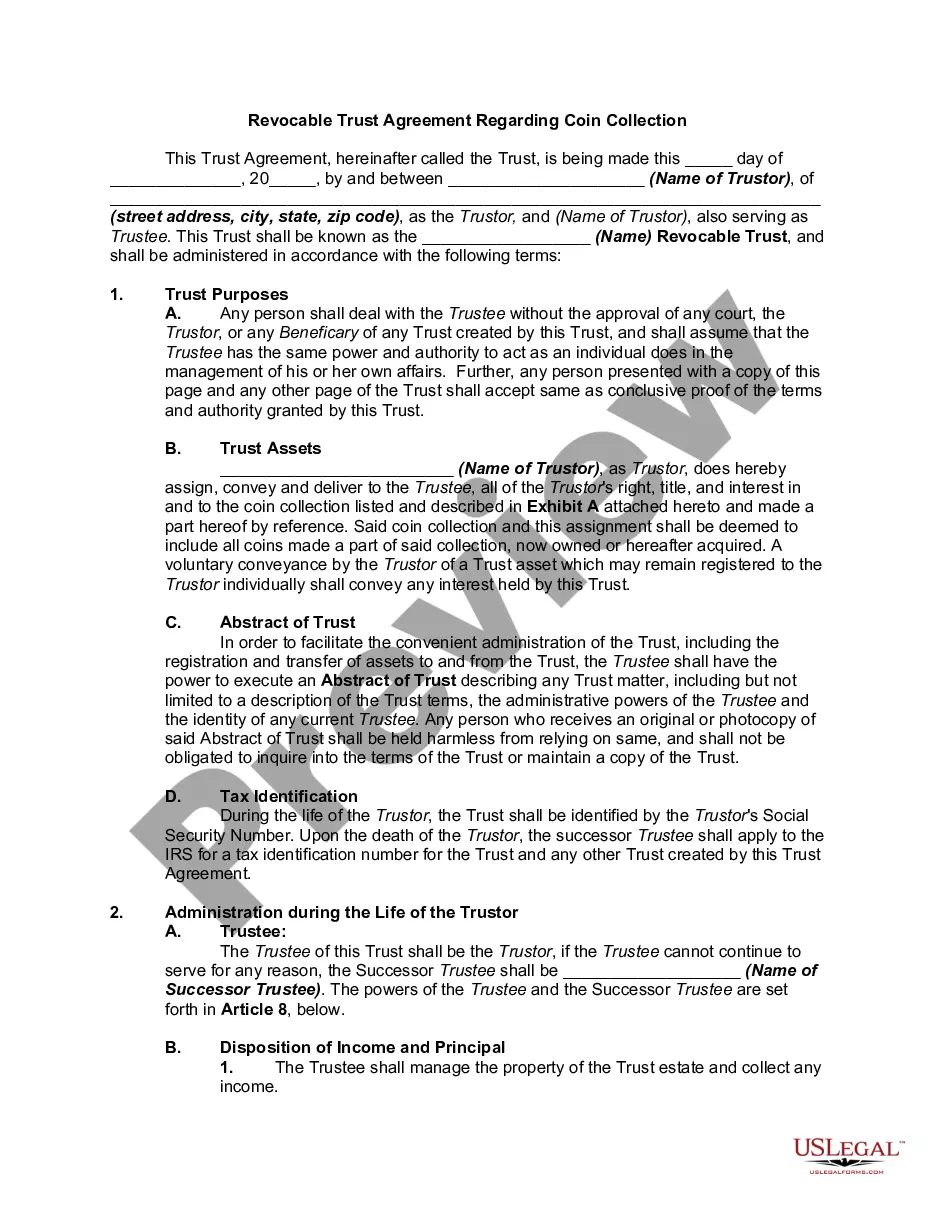
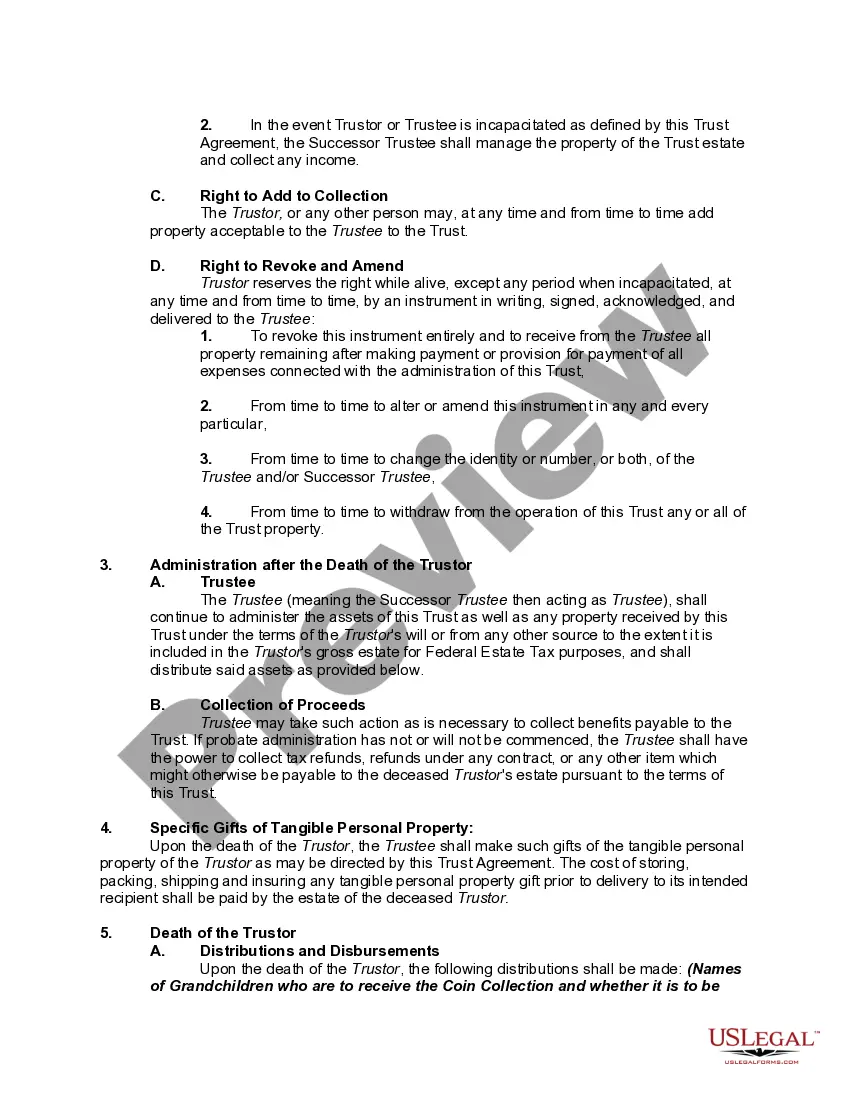
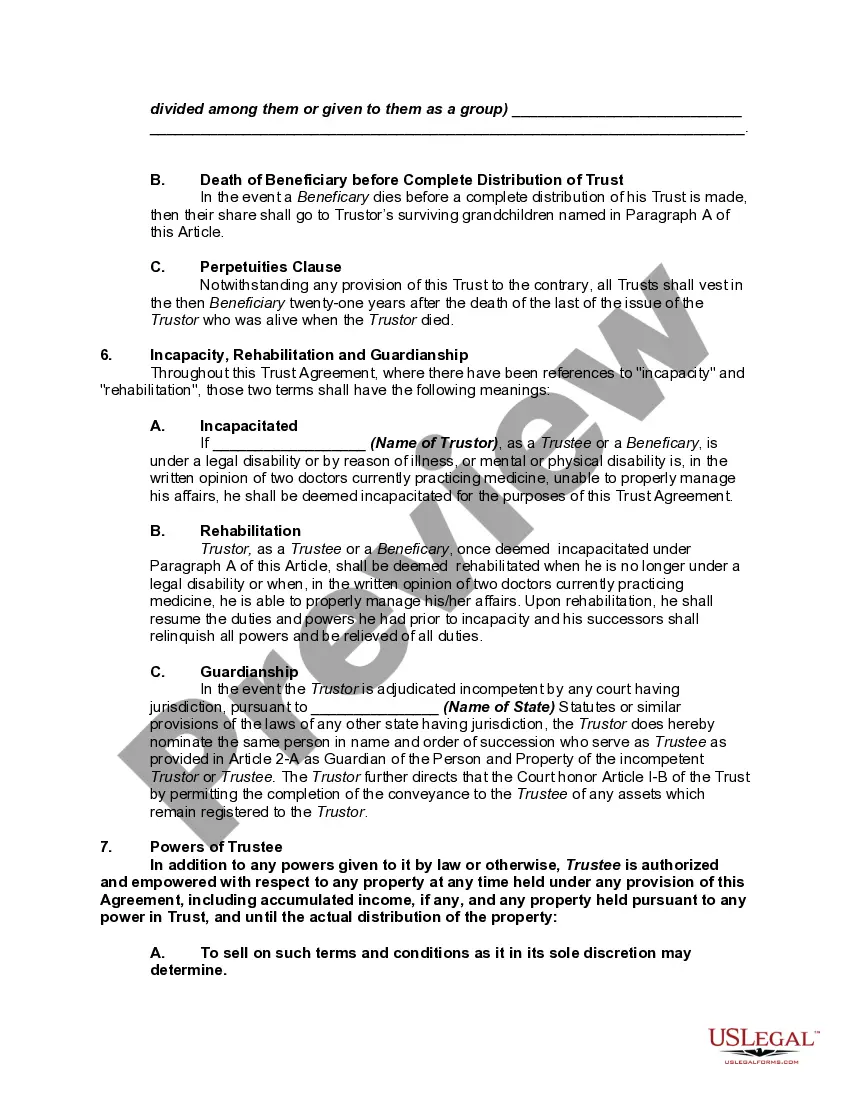
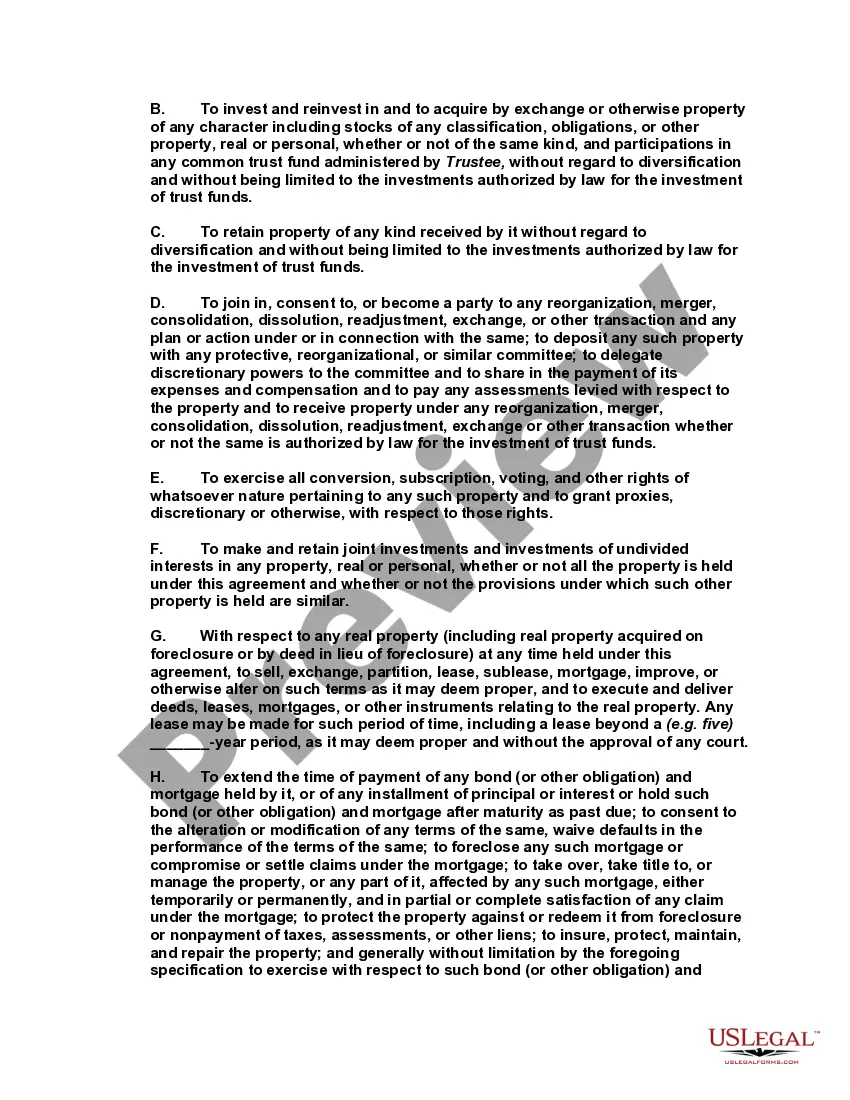
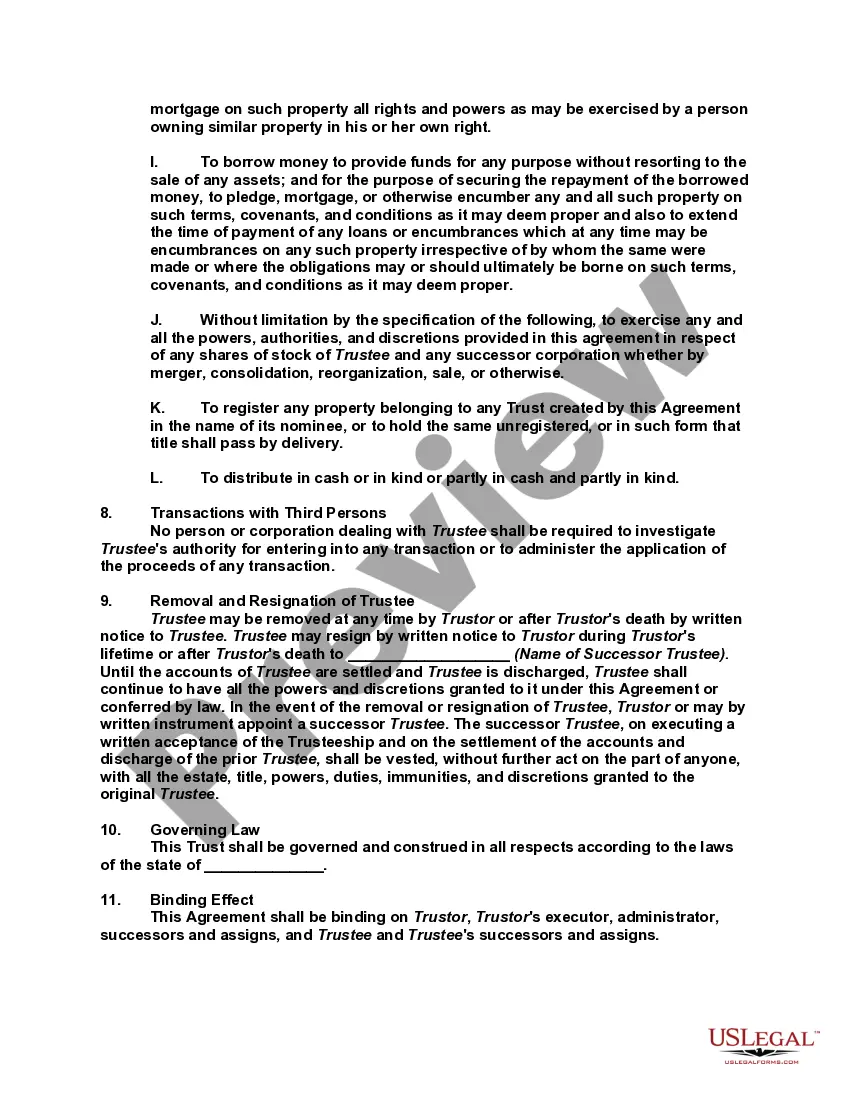
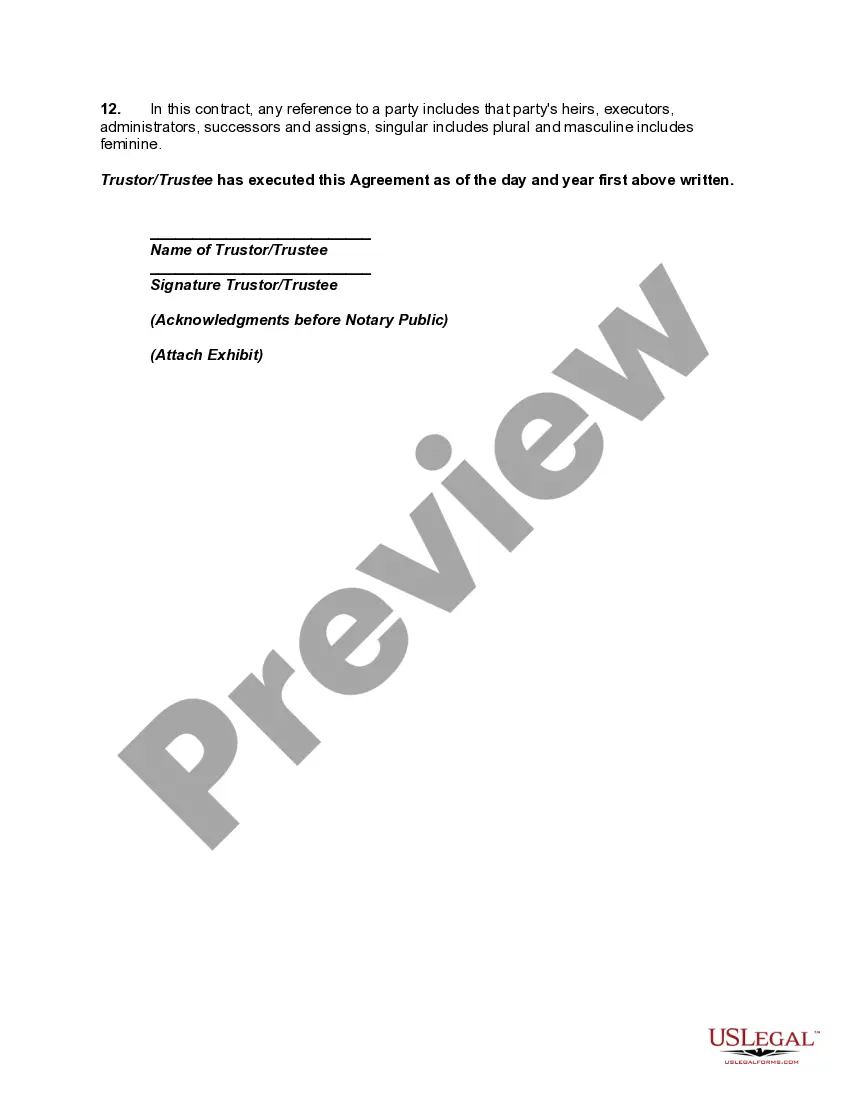
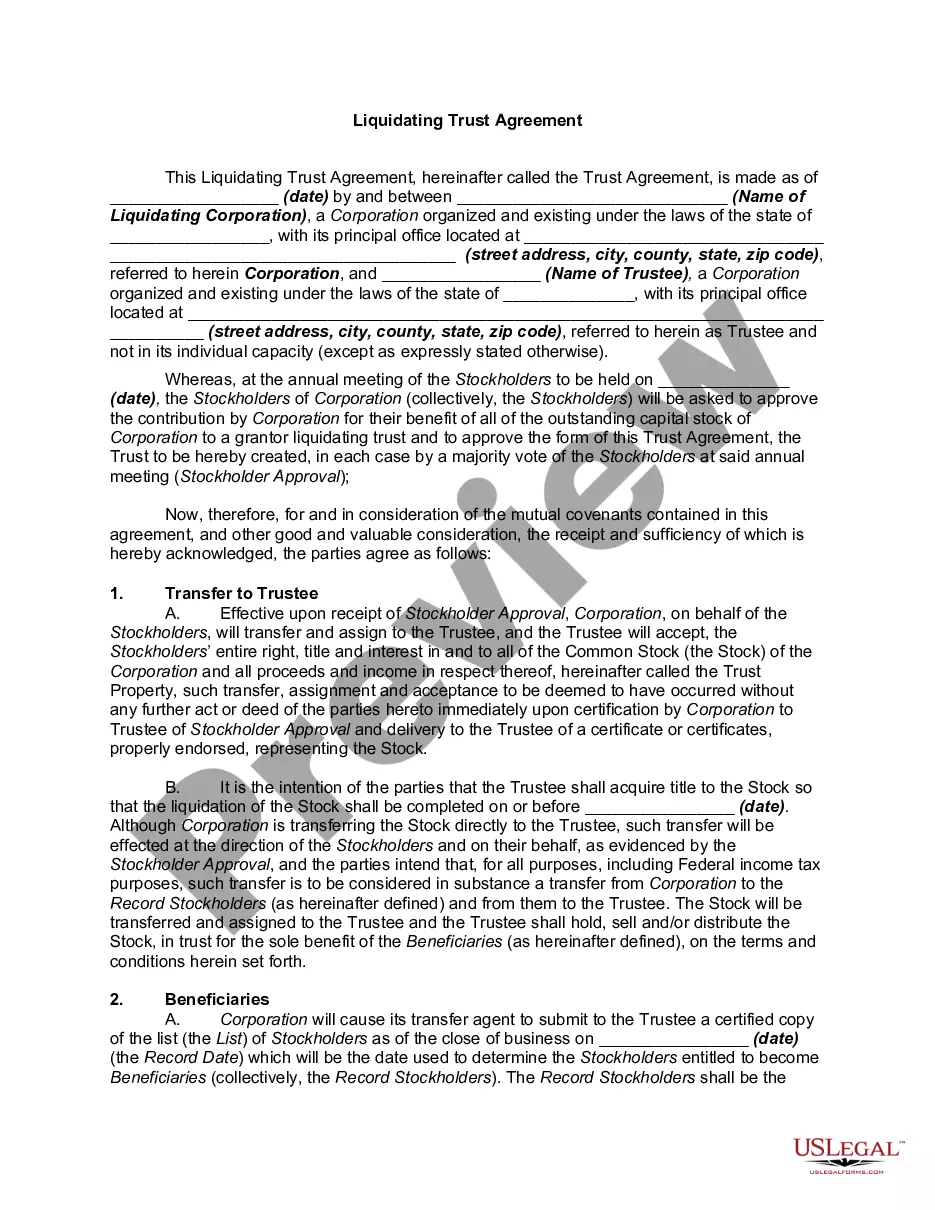
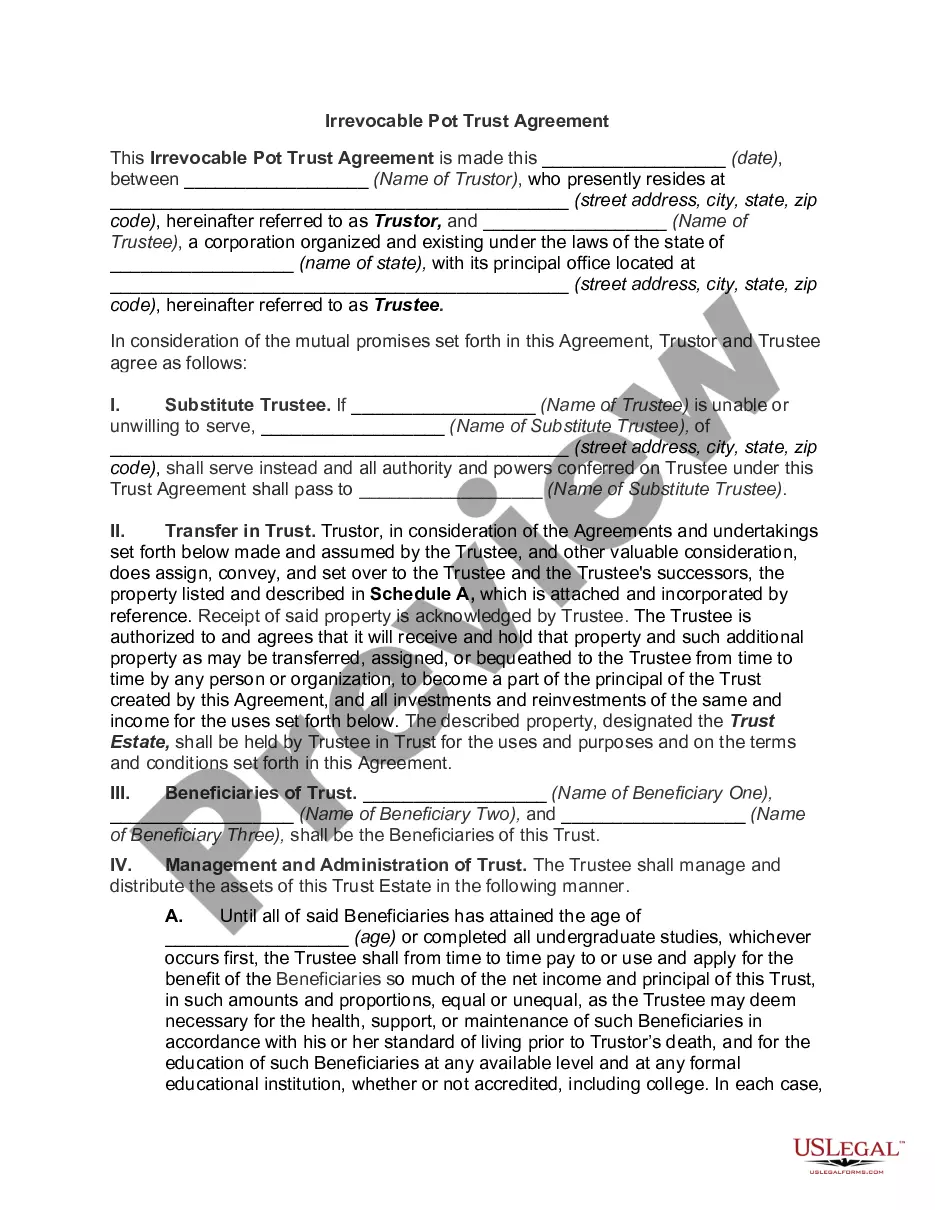
How to fill out Revocable Trust Agreement Regarding Coin Collection?
- If you're a returning user, log into your US Legal Forms account and download the required template by clicking the Download button. Make sure your subscription is active; renew if necessary.
- For first-time users, begin by exploring the Preview mode and the form description to identify the appropriate Form 1041 that meets your jurisdiction's requirements.
- Search through the library if the desired template isn't found, using the Search tab for better accuracy until you locate the right form.
- After finding the right document, click on the Buy Now button and select your preferred subscription plan; creating an account is necessary to access additional resources.
- Complete your purchase by entering your credit card details or opting for your PayPal account to finalize the subscription.
- Upon payment, download your form, ensuring it is saved on your device for further completion. You can re-access it later from the My Forms section of your profile.
US Legal Forms stands apart with a vast collection of over 85,000 easily fillable legal forms, enabling users to find exactly what they need. Additional support from premium experts ensures accurate form completion.
In conclusion, filing Form 1041 for revocable trust can be simplified with the right tools. Start your journey with US Legal Forms today for hassle-free access to an extensive library of legal documents!
Form popularity
FAQ
An estate tax return does not need to be filed if there are no taxable income or if the estate falls below the exemption threshold set by the IRS. However, filing the return even without income can help finalize the estate's obligations. Being thorough in your filings can prevent issues later on. US Legal Forms offers resources to ensure you navigate these requirements effectively, keeping your trust compliant and in good standing.
The threshold for filing Form 1041 for a revocable trust commonly depends on whether the trust has generated income over a specific amount during the year. If the trust surpasses the minimum filing requirement, then filing becomes necessary. Understanding these thresholds can prevent potential penalties associated with non-filing. You can leverage US Legal Forms to find precise details about these thresholds and receive comprehensive assistance.
A trust generally does not need to file a tax return if it has no income during the tax year. However, revocable trusts, being treated as pass-through entities for income tax purposes, may still require the filing of Form 1041 for formal documentation. Filing even without income ensures that you stay compliant with tax regulations. Platforms like US Legal Forms can help clarify these requirements and simplify the process.
When dealing with a revocable trust, you may still need to file a final Form 1041 even if there is no income. The IRS requires this form to officially close the trust, signaling that all tax obligations are resolved. It is essential to follow the correct protocol to avoid any future complications or misunderstandings. Using platforms like US Legal Forms can streamline this process by providing accessible resources and guidance.
The minimum income to file Form 1041 for revocable trust is usually set at $600 in gross income. If your trust meets or exceeds this amount, you must file. Therefore, keep track of the income generated within the trust to remain compliant with the filing requirements. US Legal Forms can assist you in understanding the nuances of filing and keeping your agreements in order.
If an estate generated no income during the tax year, you typically do not have to file Form 1041 for that estate. However, it is essential to review all aspects of the estate’s financial activities, as other reporting requirements may arise. Staying informed about your obligations will help ensure you meet all legal requirements. For accurate guidance, consider utilizing the tools available on US Legal Forms.
For Form 1041 for revocable trust, the exemption amount can vary based on several factors, including the trust's income and the specific tax year. Generally, there is no specific exemption for the trust income; however, deductions may apply. Understanding these nuances is crucial for maintaining compliance and optimizing your tax situation. Resources from US Legal Forms can provide clarity on the exemption details.
In Illinois, filing IL 1041 is required for any estate or trust that generates income above a certain threshold. This includes revocable trusts that meet the income criteria specified by the state. If you are responsible for managing a trust’s assets, be sure to review the filing requirements to stay on track with your tax obligations. US Legal Forms offers extensive information to help navigate this process.
While a revocable trust offers several benefits such as avoiding probate, it also comes with certain downsides. One major disadvantage is that assets placed in a revocable trust do not receive the same tax benefits as those that go through heirs directly. Additionally, estate taxes may still apply, making it essential to evaluate your individual financial circumstances. For more guidance on this topic, US Legal Forms has valuable resources.
The minimum income threshold for filing Form 1041 for revocable trust is important to understand for tax compliance. Generally, the IRS requires this form to be filed if the trust earns more than $600 in gross income during the tax year. If you are uncertain about your situation, consider consulting a tax professional or using a reliable platform like US Legal Forms for further assistance.