To Whom It Concerns
Description
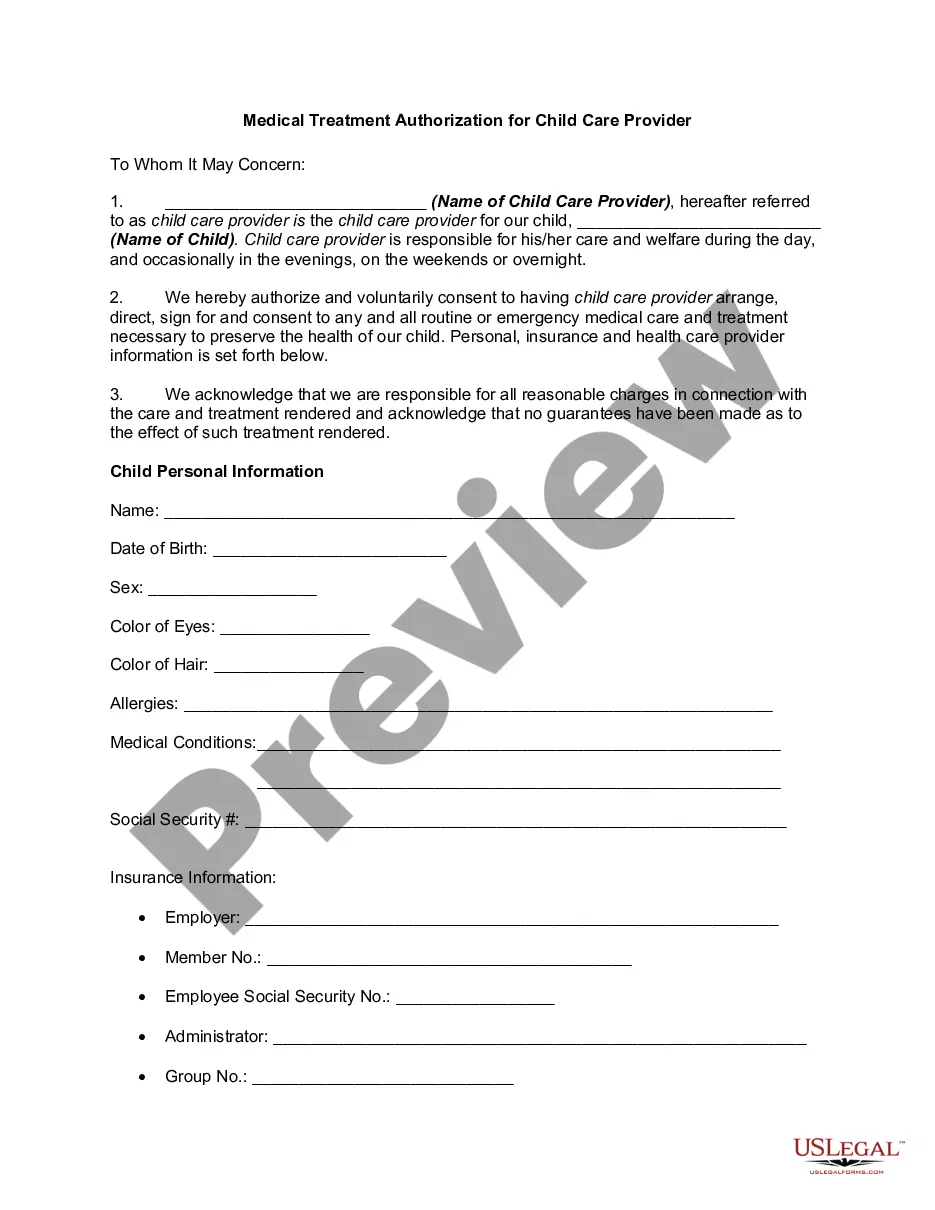

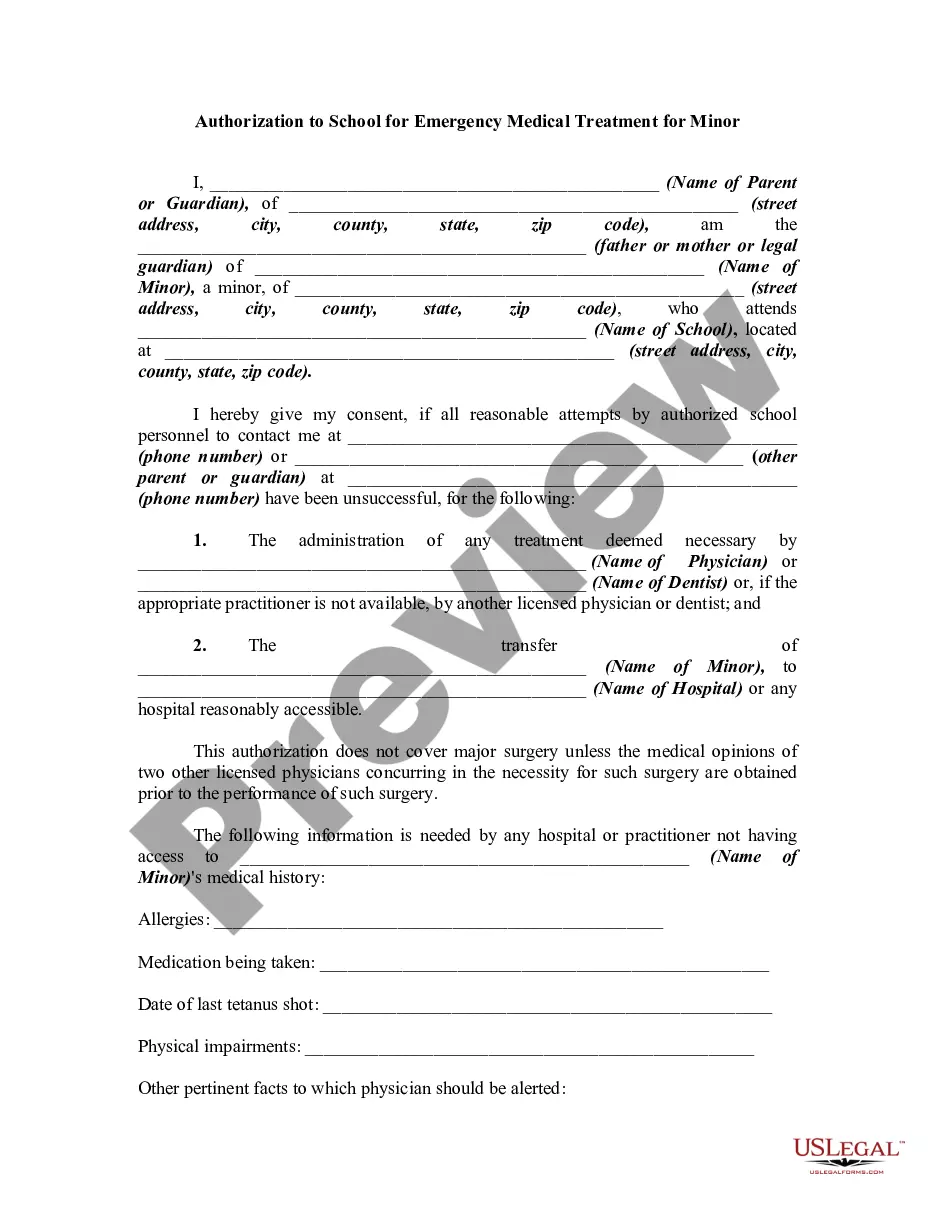
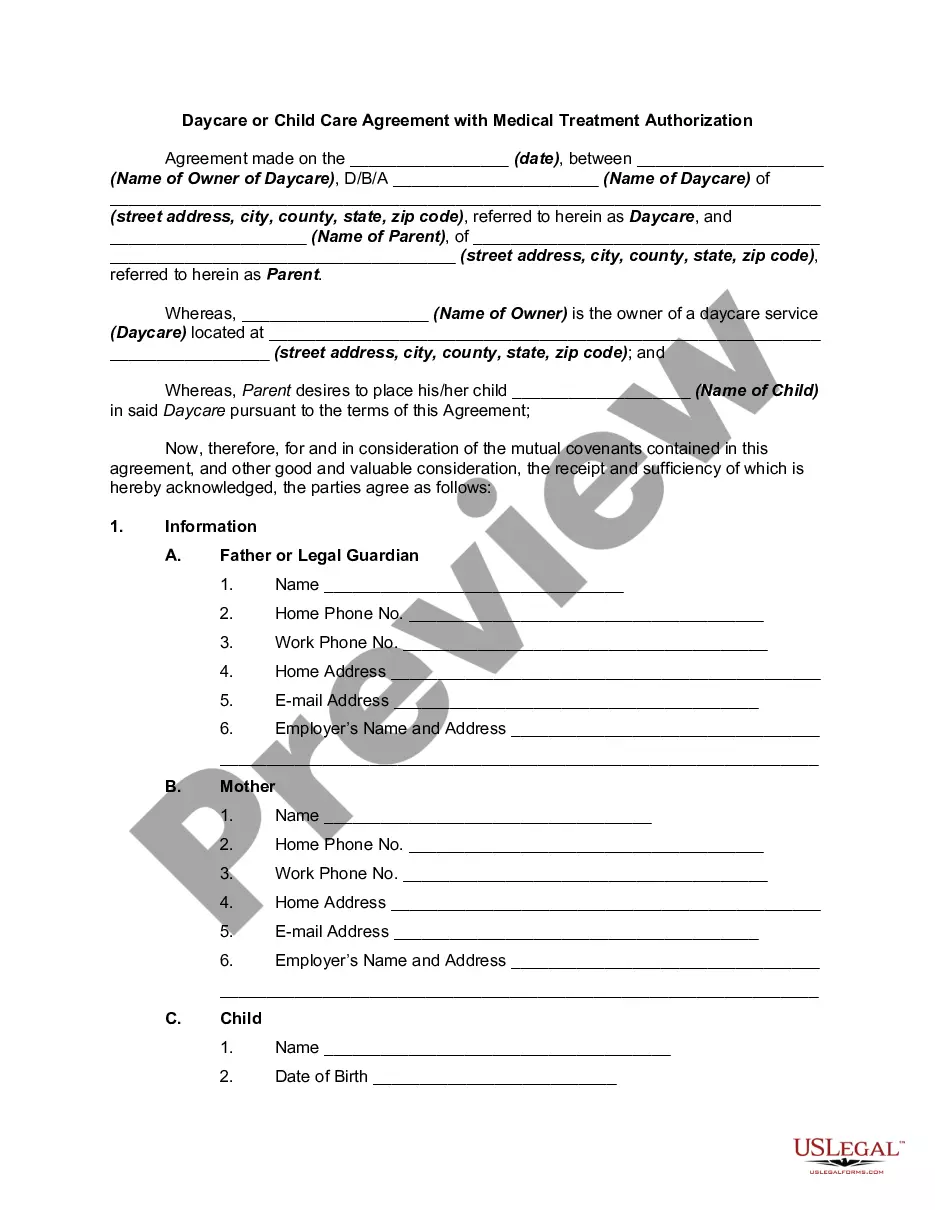
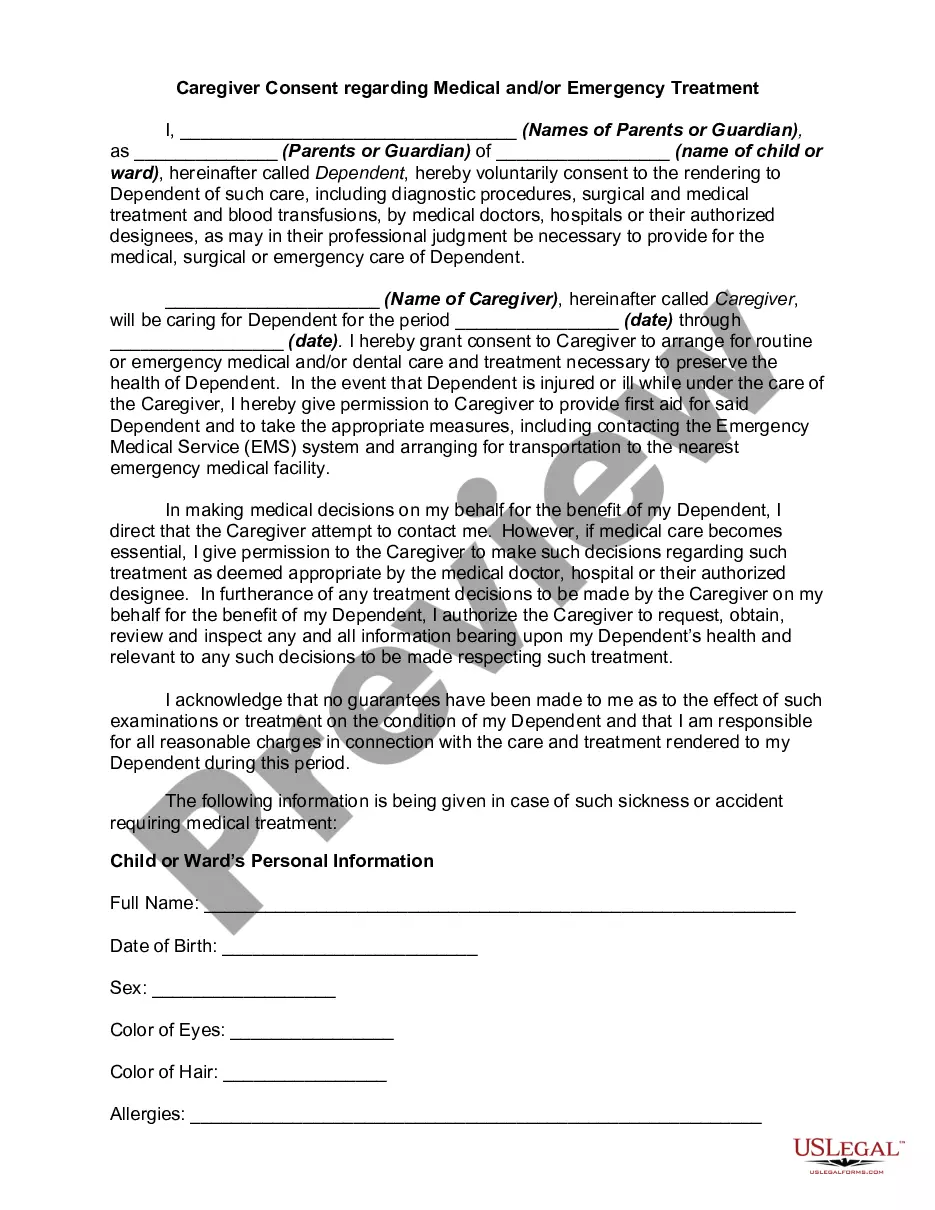
Get your form ready online
Our built-in tools help you complete, sign, share, and store your documents in one place.
Make edits, fill in missing information, and update formatting in US Legal Forms—just like you would in MS Word.
Download a copy, print it, send it by email, or mail it via USPS—whatever works best for your next step.
Sign and collect signatures with our SignNow integration. Send to multiple recipients, set reminders, and more. Go Premium to unlock E-Sign.
If this form requires notarization, complete it online through a secure video call—no need to meet a notary in person or wait for an appointment.
We protect your documents and personal data by following strict security and privacy standards.

Make edits, fill in missing information, and update formatting in US Legal Forms—just like you would in MS Word.

Download a copy, print it, send it by email, or mail it via USPS—whatever works best for your next step.

Sign and collect signatures with our SignNow integration. Send to multiple recipients, set reminders, and more. Go Premium to unlock E-Sign.

If this form requires notarization, complete it online through a secure video call—no need to meet a notary in person or wait for an appointment.

We protect your documents and personal data by following strict security and privacy standards.
Looking for another form?






How to fill out Medical Treatment Authorization For Day Care Or Child Care Provider?
- Visit the US Legal Forms website and, if you're a returning user, log in to your account to download your required form template by clicking the Download button.
- If this is your first time, take a moment to review the form previews and descriptions to ensure you select the one that aligns with your needs and jurisdiction.
- If you need to find a different template, use the Search tab to explore your options until you discover the correct form.
- Once you've made your selection, click the Buy Now button to choose your preferred subscription plan, and create an account to access the extensive library.
- Complete your purchase by entering your payment information through a credit card or PayPal, subscribing to gain full access.
- After purchasing, download the form to your device, and you can access it anytime through the My Forms section of your profile.
In conclusion, US Legal Forms simplifies the process of obtaining legal documents, ensuring that you have access to a robust collection that meets your specific needs. Whether you're a returning user or new to the service, these steps will guide you seamlessly.
Start your journey today and unlock the benefits of US Legal Forms for all your legal needs!
Form popularity
FAQ
Yes, it is still appropriate to use 'to whom it may concern' in various situations. Despite the rise of more personalized addressing methods, this phrase remains a staple in formal communications. It effectively communicates your message when addressing an unknown audience.
The correct usage is 'whom it concerns.' This construction is grammatically appropriate because 'whom' serves as the object of the preposition. Remember, the phrase 'to whom it may concern' also emphasizes this grammatical preference.
'To whom it may concern' is not inherently rude; rather, it reflects a level of formality. This phrase is often used when the sender does not have specific contact details. However, for more personalized communication, consider directly addressing the recipient when possible.
The correct way to write 'to whom it may concern' is to begin with 'To Whom It May Concern' followed by a colon. This notation presents your message in a formal manner. If you are unsure about the recipient, this phrase accurately addresses your audience.
'To whom so ever it may concern' is not a standard or widely accepted phrasing. The appropriate form is 'to whom it may concern.' Using the correct phrase enhances the professionalism of your communication.
The correct phrase is 'to whom it may concern.' While 'whomever' can appear in various contexts, it does not fit properly in this specific phrase. Using 'to whom it may concern' ensures that your message maintains a formal tone.
Yes, the phrase 'to whom it concerns' is grammatically correct. This phrase is often used in formal letters or documents when the recipient's name is unknown. However, some prefer alternatives like 'to whom it may concern' for clarity.
'To whom it may concern' can be considered professional, but it may lack the personal touch required in certain contexts. While it remains an acceptable option for formal letters, exploring more targeted alternatives often yields better results. For instance, using tailored greetings helps establish rapport right from the beginning.
A more professional way to address your correspondence is by specifying the person's name or their title, such as 'Dear Hiring Manager' or 'Dear Customer Service Team'. This strategy not only displays respect but also shows you have taken the time to understand your audience better. It fosters a more favorable response.
Yes, a modern alternative to 'to whom it may concern' could be the phrase 'Dear Specific Person/Department'. This shift reflects a move towards more personalized communication, which is particularly valuable in today’s environment. It’s essential to address someone specifically to enhance engagement.