Irreparable Harm To Child
Description

Get your form ready online
Our built-in tools help you complete, sign, share, and store your documents in one place.
Make edits, fill in missing information, and update formatting in US Legal Forms—just like you would in MS Word.
Download a copy, print it, send it by email, or mail it via USPS—whatever works best for your next step.
Sign and collect signatures with our SignNow integration. Send to multiple recipients, set reminders, and more. Go Premium to unlock E-Sign.
If this form requires notarization, complete it online through a secure video call—no need to meet a notary in person or wait for an appointment.
We protect your documents and personal data by following strict security and privacy standards.

Make edits, fill in missing information, and update formatting in US Legal Forms—just like you would in MS Word.

Download a copy, print it, send it by email, or mail it via USPS—whatever works best for your next step.

Sign and collect signatures with our SignNow integration. Send to multiple recipients, set reminders, and more. Go Premium to unlock E-Sign.

If this form requires notarization, complete it online through a secure video call—no need to meet a notary in person or wait for an appointment.

We protect your documents and personal data by following strict security and privacy standards.
Looking for another form?
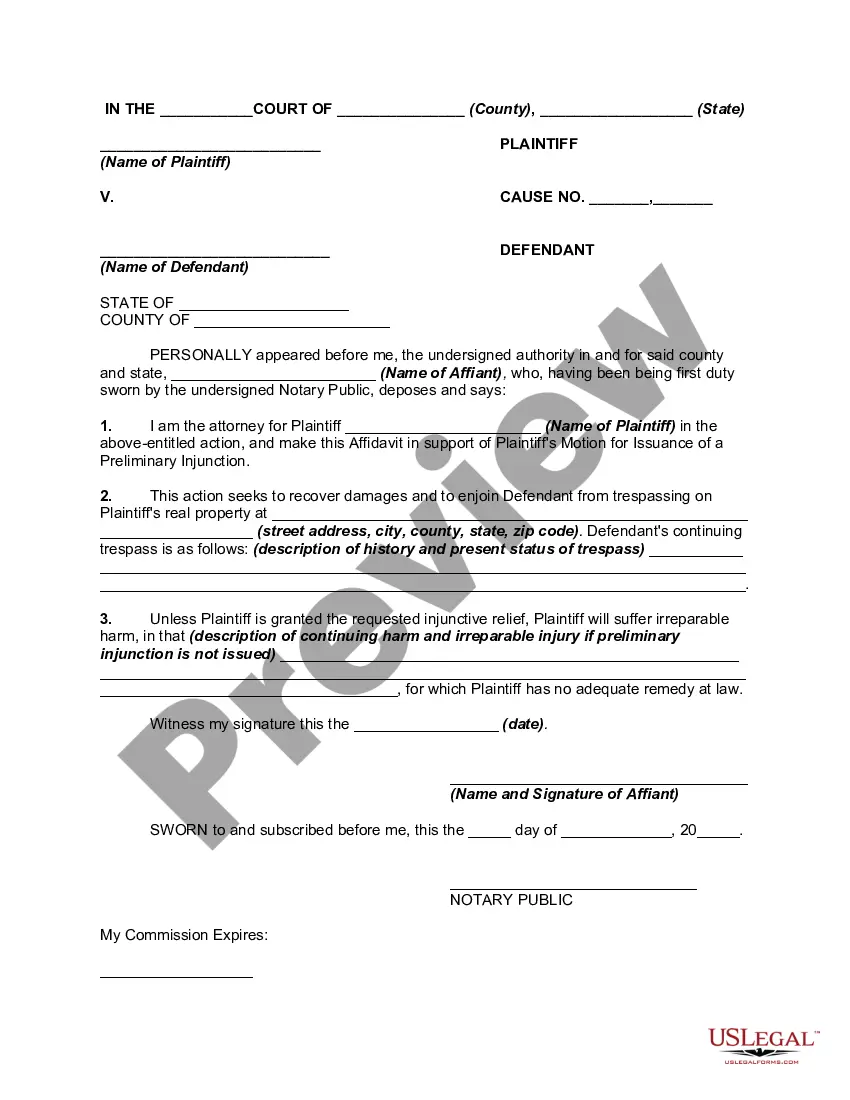
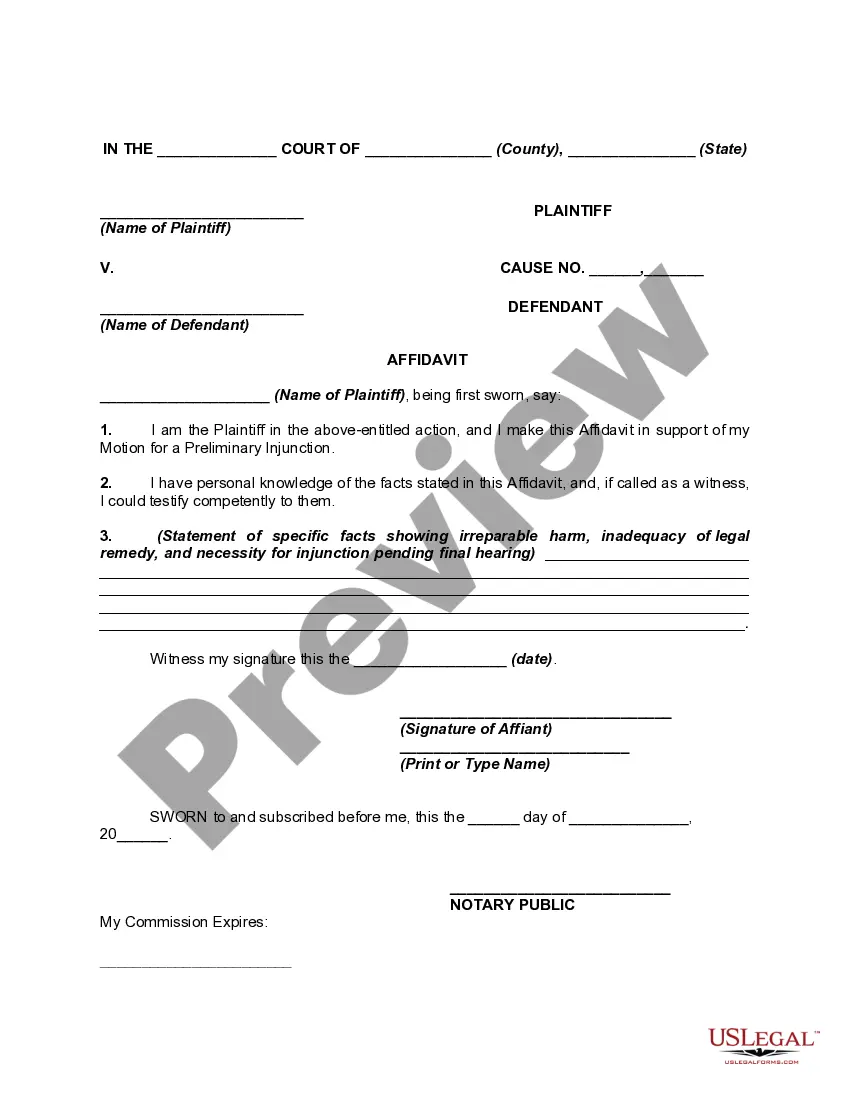
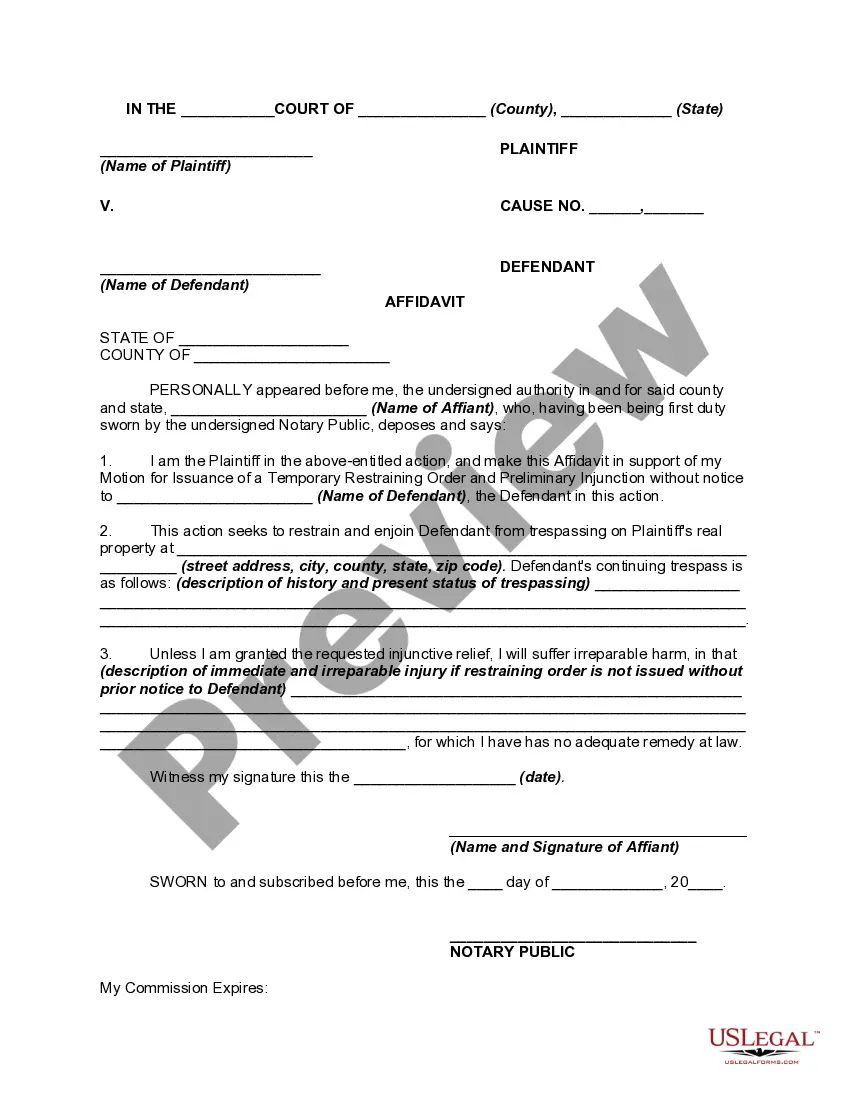
How to fill out Affidavit Of Attorney Claiming Irreparable Harm In Support Of Motion For Preliminary Injunction?
What is the most dependable service to obtain the Irreparable Harm To Child and other current iterations of legal documents? US Legal Forms is the solution!
It's the largest assortment of legal paperwork for any occasion. Each template is meticulously crafted and validated for adherence to federal and local regulations. They are organized by domain and state of application, making it easy to find what you need.
US Legal Forms is a fantastic option for anyone who needs to handle legal paperwork. Premium members can also enjoy additional features, including the ability to complete and electronically approve previously saved documents anytime using the integrated PDF editing tool. Explore it today!
- Experienced individuals on the site need only to Log In, verify their subscription status, and click the Download button next to the Irreparable Harm To Child to acquire it.
- Once saved, the template remains accessible for future use within the My documents section of your account.
- If you do not already have an account with us, here are the steps you should follow to create one.
- Form compliance assessment. Before you purchase any template, ensure it meets your usage criteria and your state or county's rules. Review the form description and utilize the Preview if available.
Form popularity
FAQ
A significant risk of harm refers to situations where a child may experience danger due to their environment or circumstances. This may include potential exposure to abuse, neglect, or life-threatening conditions. Identifying these risks is crucial for initiating preventive measures to safeguard children. Platforms like uslegalforms offer resources to help families take appropriate legal actions when facing these threats.
Significant harm signifies serious adverse effects on a child's health and wellbeing. Recognizing this harm can lead to interventions that aim to protect the child and prevent further injury. It serves as a legal and social concept that drives many protective services and family court proceedings. Understanding significant harm helps in formulating effective strategies to rehabilitate affected children.
If a child is at risk of significant harm, authorities typically intervene to ensure their safety. This may involve investigations by social services and possible removal from harmful situations. Protective measures are implemented to mitigate risks and provide stable environments for children. Legal platforms like uslegalforms can assist in navigating processes to secure the necessary protections for children facing such risks.
Irreparable damage refers to harm that cannot be fixed or reversed, especially regarding a child's mental and emotional health. This might include the effects of severe neglect or chronic abuse that leads to lasting psychological impairments. It is essential to identify these damages early to provide the necessary support and healing for the child's future. A comprehensive legal solution can also help address these concerns effectively.
An example of irreparable harm to a child includes situations where a child experiences severe emotional trauma due to ongoing abuse. Such experiences can lead to long-lasting psychological issues that may impact their quality of life. In these cases, the harm inflicted cannot be easily undone through treatment or counseling. Recognizing these situations allows caregivers and officials to act promptly to protect the child.
Significant harm to a child refers to any form of maltreatment that affects their health, development, or welfare. This can manifest through abuse, neglect, or exposure to unsafe environments. Understanding significant harm is vital, as it serves as the basis for many legal interventions aimed at protecting children. Awareness and timely action can help mitigate the risks tied to irreparable harm to a child.
Significant harm involves a range of negative impacts on a child's wellbeing and development. It can include emotional distress, physical injury, or psychological trauma. When evaluating significant harm to a child, authorities consider factors such as the child's age, health conditions, and any prior incidents. Addressing significant harm early is crucial for ensuring a child’s safety and future.
To effectively advocate for child custody, focus on the well-being of your child. You should demonstrate how the situation may lead to irreparable harm to child if certain custody arrangements are not honored. Clearly articulate your willingness to meet your child’s emotional and physical needs, while showing the court that you prioritize their best interests. Consider using USLegal forms to prepare your documents and present a structured argument, ensuring you communicate your commitment to providing a stable environment.
An emergency custody order may be denied if the court determines that there is insufficient evidence of danger or irreparable harm to the child. The judge requires convincing proof that taking the child from their current home is urgent and necessary. In cases where the existing custody arrangements are deemed safe, the request may not meet the legal standards needed for approval. Therefore, presenting a well-documented case is crucial.
During a custody battle, avoid blaming your co-parent or making derogatory statements that could be viewed as harmful. Such comments can inadvertently suggest that you prioritize personal conflict over the child's best interests, potentially causing irreparable harm to the child. Focus on positive, fact-based discussions about how you can provide the safest environment for your child. This approach will strengthen your case in court.
