Title Holder Vs Owner
Description
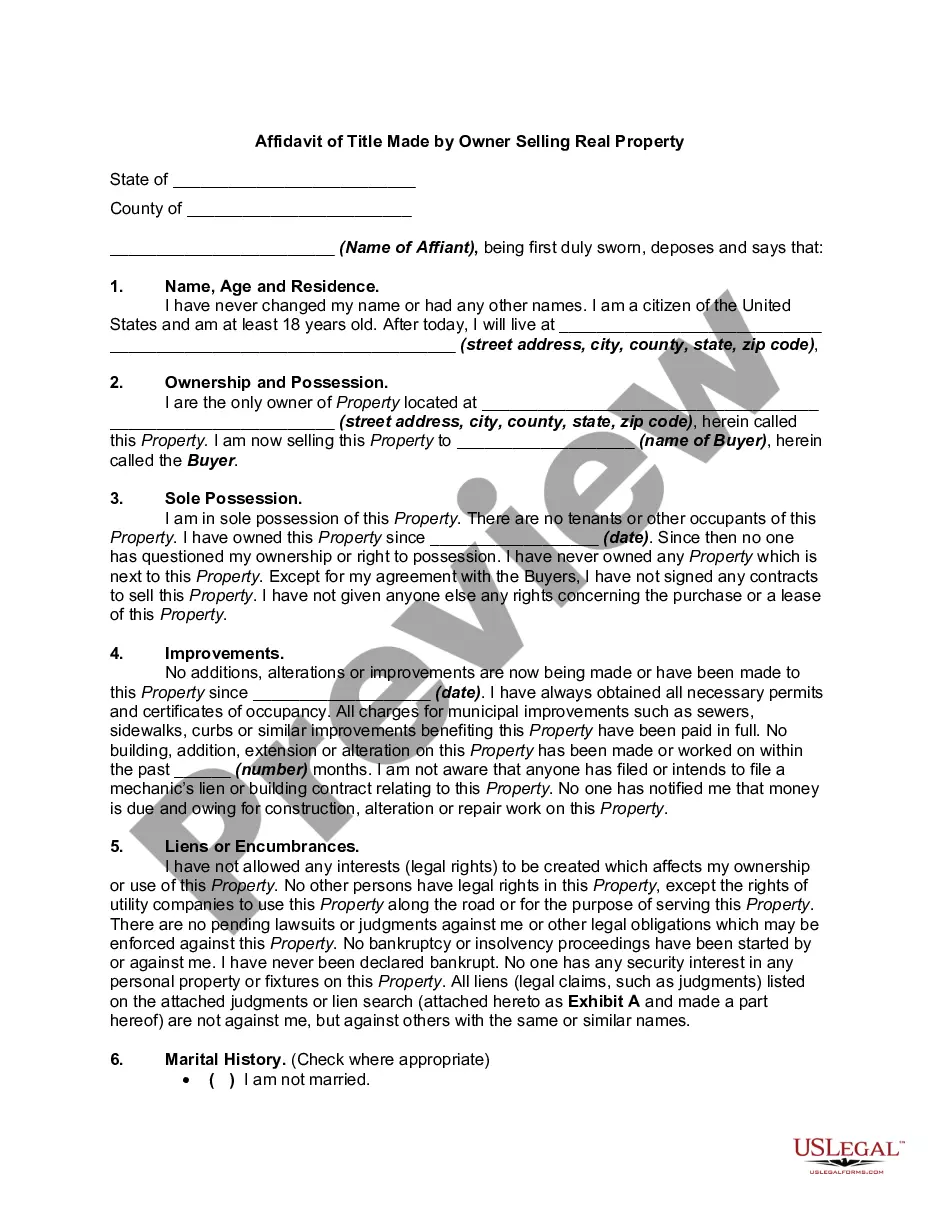
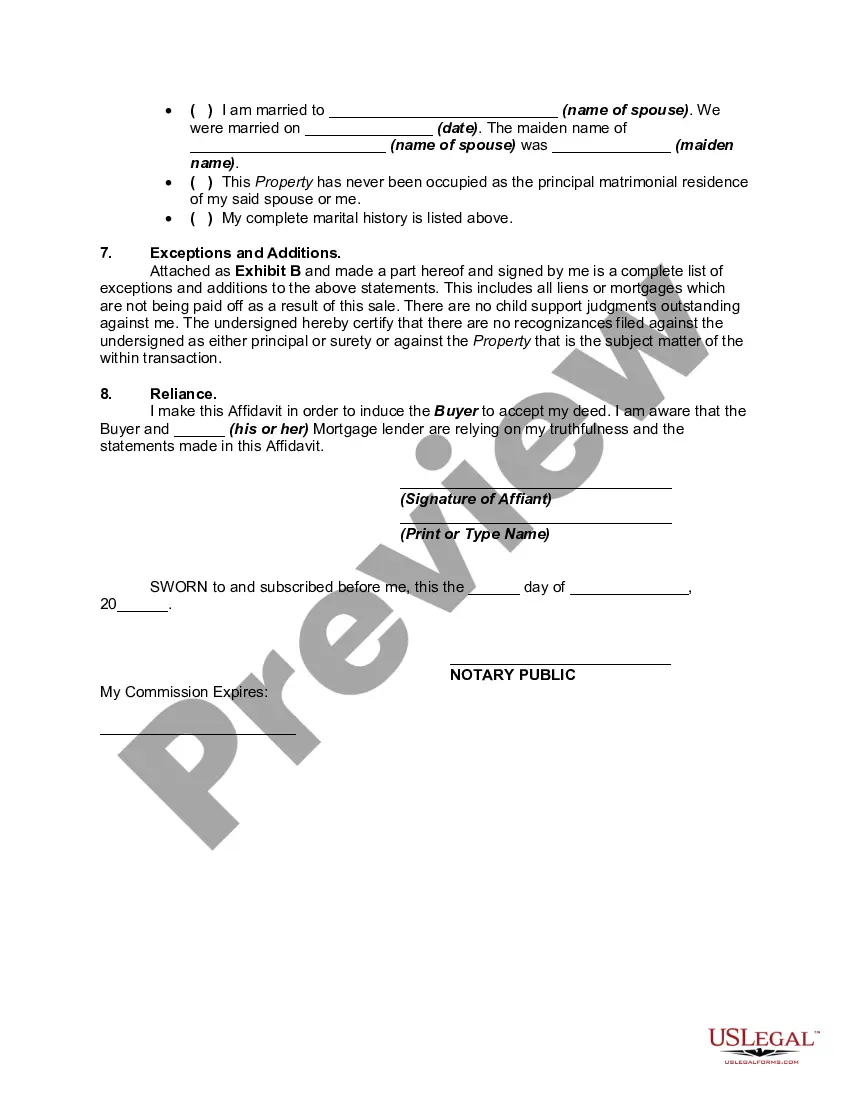
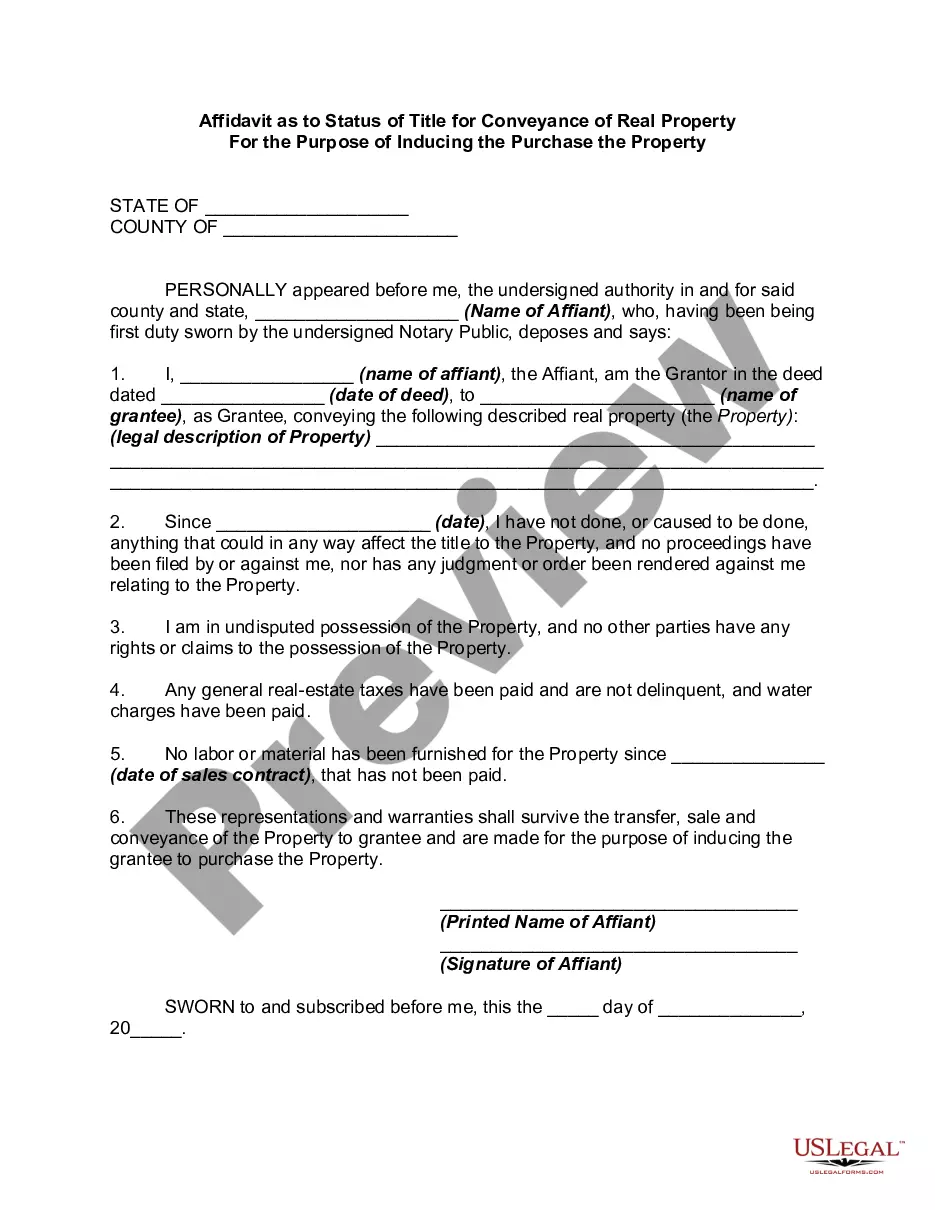

Get your form ready online
Our built-in tools help you complete, sign, share, and store your documents in one place.
Make edits, fill in missing information, and update formatting in US Legal Forms—just like you would in MS Word.
Download a copy, print it, send it by email, or mail it via USPS—whatever works best for your next step.
Sign and collect signatures with our SignNow integration. Send to multiple recipients, set reminders, and more. Go Premium to unlock E-Sign.
If this form requires notarization, complete it online through a secure video call—no need to meet a notary in person or wait for an appointment.
We protect your documents and personal data by following strict security and privacy standards.

Make edits, fill in missing information, and update formatting in US Legal Forms—just like you would in MS Word.

Download a copy, print it, send it by email, or mail it via USPS—whatever works best for your next step.

Sign and collect signatures with our SignNow integration. Send to multiple recipients, set reminders, and more. Go Premium to unlock E-Sign.

If this form requires notarization, complete it online through a secure video call—no need to meet a notary in person or wait for an appointment.

We protect your documents and personal data by following strict security and privacy standards.
Looking for another form?
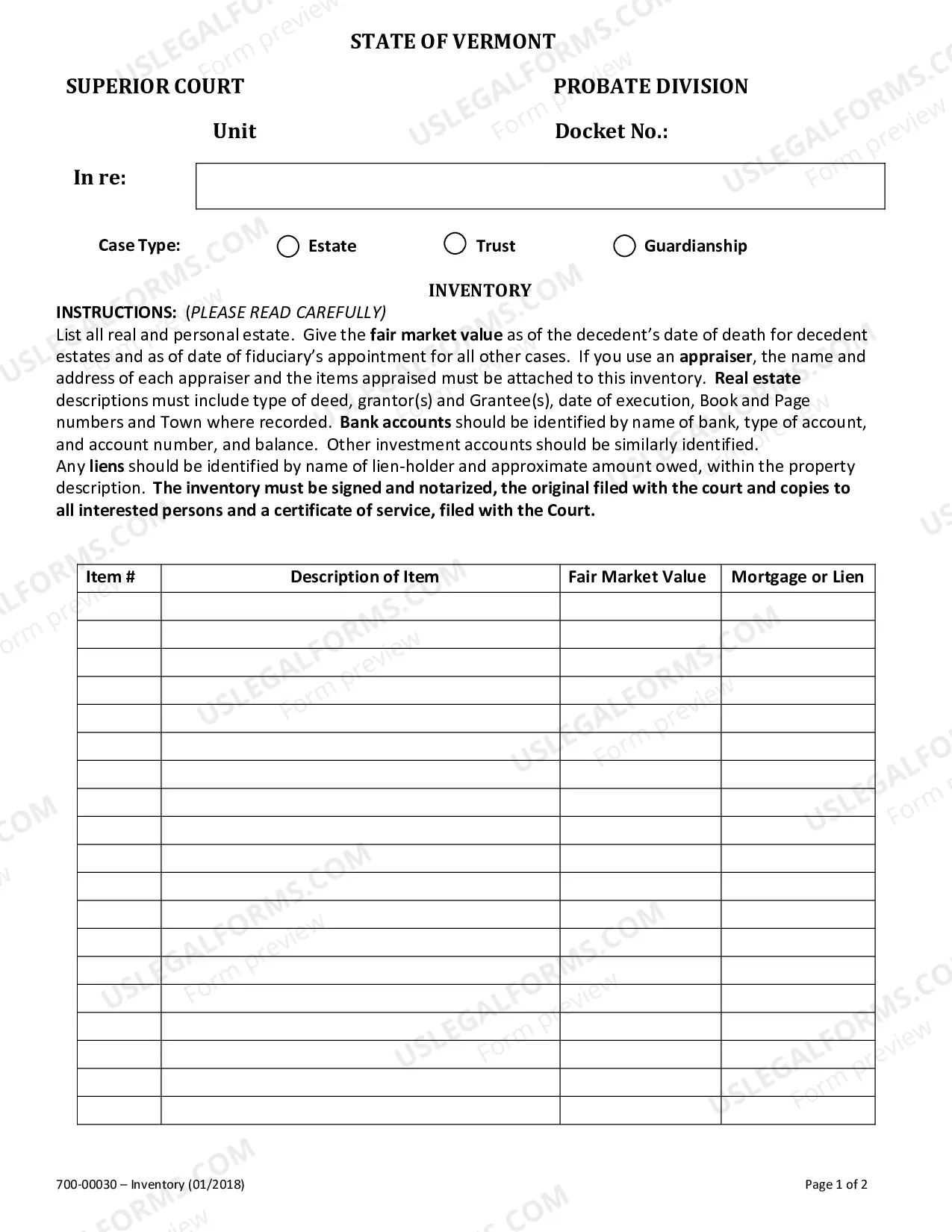
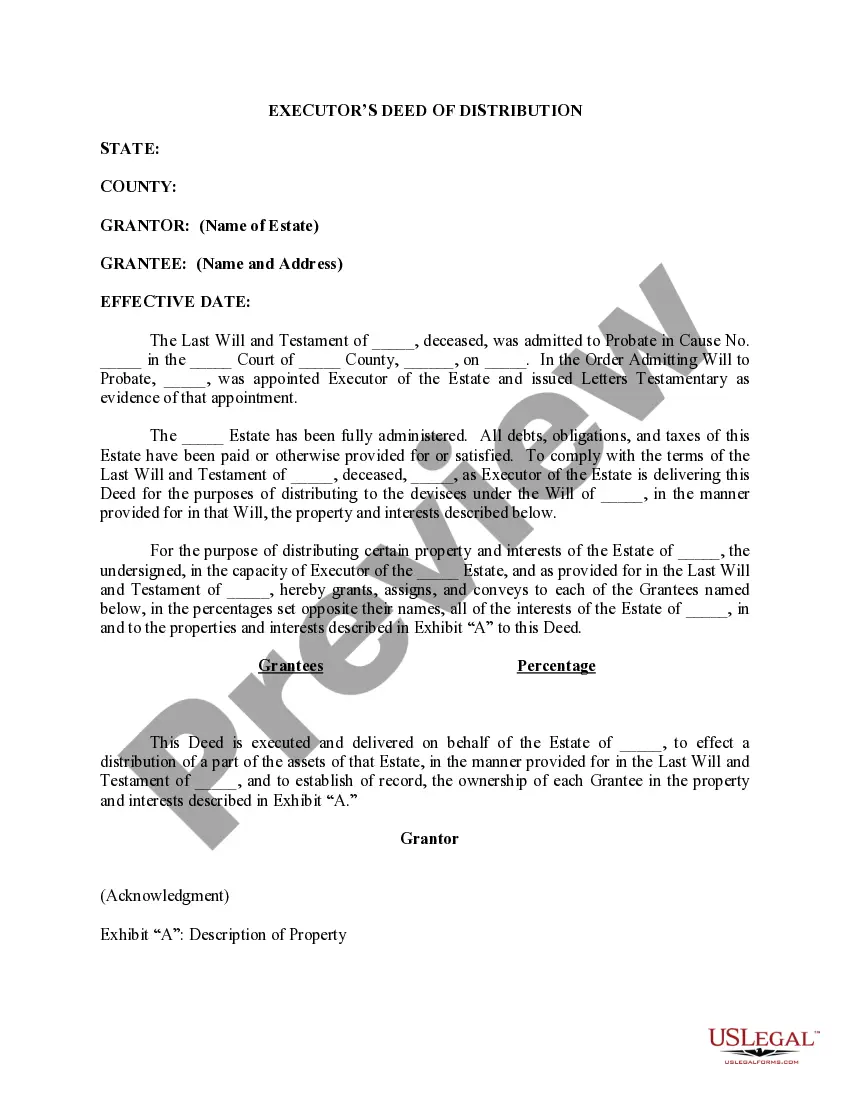
How to fill out Affidavit Of Title Made By Owner Selling Real Property?
Whether for commercial reasons or personal matters, everyone must deal with legal circumstances at some point in their lives.
Filling out legal documents requires meticulous care, starting from selecting the appropriate form template.
With an extensive selection of US Legal Forms available, you won’t have to waste time searching for the right template online. Utilize the library’s easy navigation to find the suitable form for any circumstance.
- Locate the template you need by using the search function or browsing the catalog.
- Review the form’s details to confirm it aligns with your case, state, and county.
- Click on the form’s preview to examine it.
- If it is the incorrect form, return to the search feature to locate the desired Title Holder Vs Owner template.
- Obtain the template when it meets your specifications.
- If you possess a US Legal Forms account, click Log in to access documents you've saved in My documents.
- If you do not have an account yet, you can download the form by clicking Buy now.
- Select the appropriate pricing option.
- Fill out the account registration form.
- Choose your payment method: you can utilize a debit or credit card or a PayPal account.
- Select the document format you prefer and download the Title Holder Vs Owner.
- Once it is saved, you can either complete the form using editing software or print it out to fill it manually.
Form popularity
FAQ
In business, 'holder' refers to someone who possesses a legal claim to a specific asset, such as shares or documents. This term often contrasts with 'owner,' who may have broader rights and privileges. Understanding the differences between title holder vs owner can clarify your role in any business context.
To add another lienholder on the vehicle title, you will need the vehicle title, Application for Texas Title and/or Registration (Form 130-U) and an Additional Lien Statement (Form VTR-267).
Title fees in Texas are based on the county you live in and can be $28 or $33, depending on whether or not you reside in an emissions compliant county. Title applicants in Tarrant County and surrounding counties pay the $33 title fee.
Certificate of Title - Example Document Purchaser(s) Name ? All purchasers' names should be recorded. ... Purchaser(s) Address ? The physical address of the purchaser should be recorded. Date of Sale ? The sale date must be recorded as month, day, and year. ... Model ? Should be recorded.
When your car is financed with a loan, the lender will typically keep the title until the loan is paid off. Only at that point do you become the legal owner of the vehicle. Because your lender technically owns the car until the loan is paid, you usually don't get the title until the loan has cleared.
Titles are legal documents declaring either a person or a lien holder as the legal owner of a vehicle. If you are purchasing your vehicle outright (without an auto loan), you are the new owner and, therefore, the title holder.