We Trust - Tradução
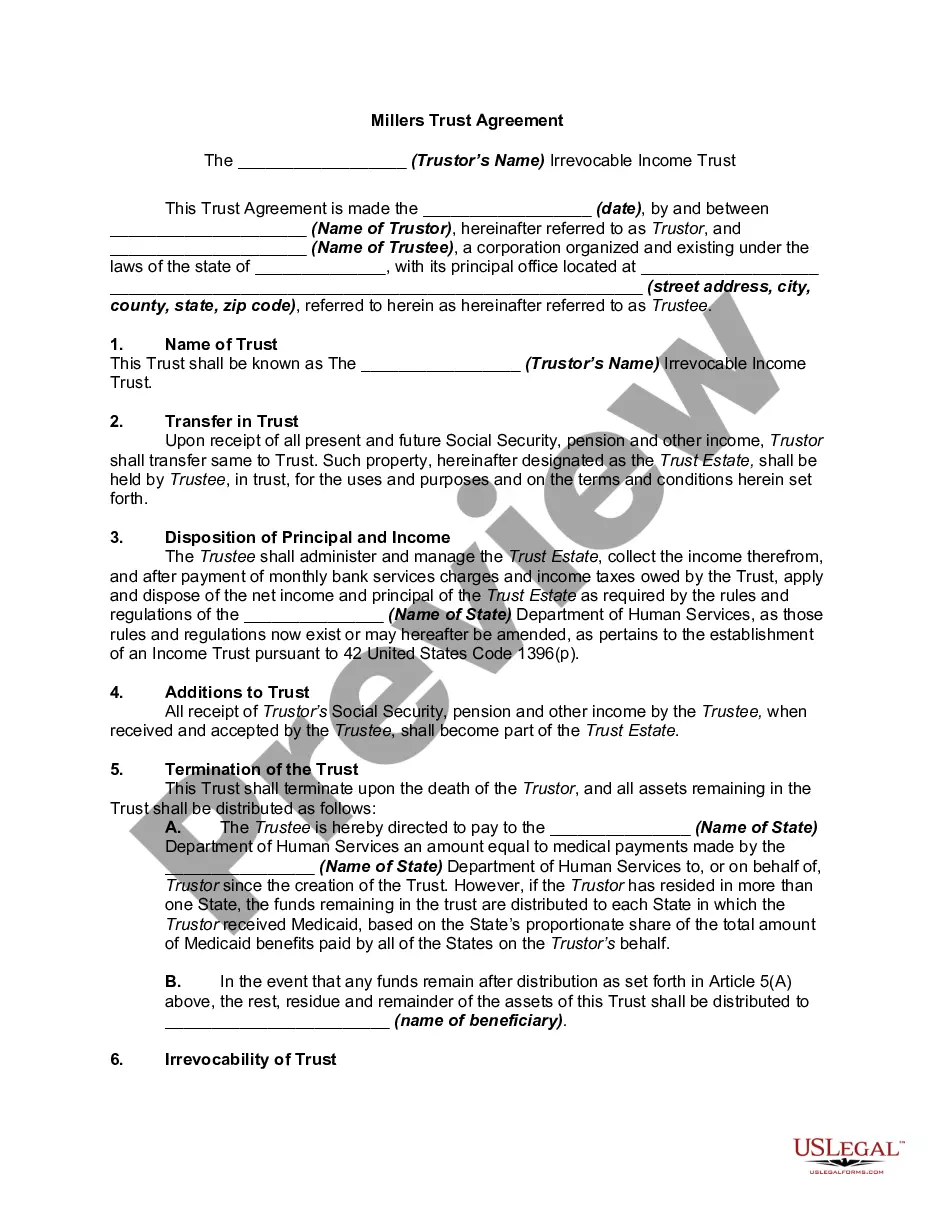
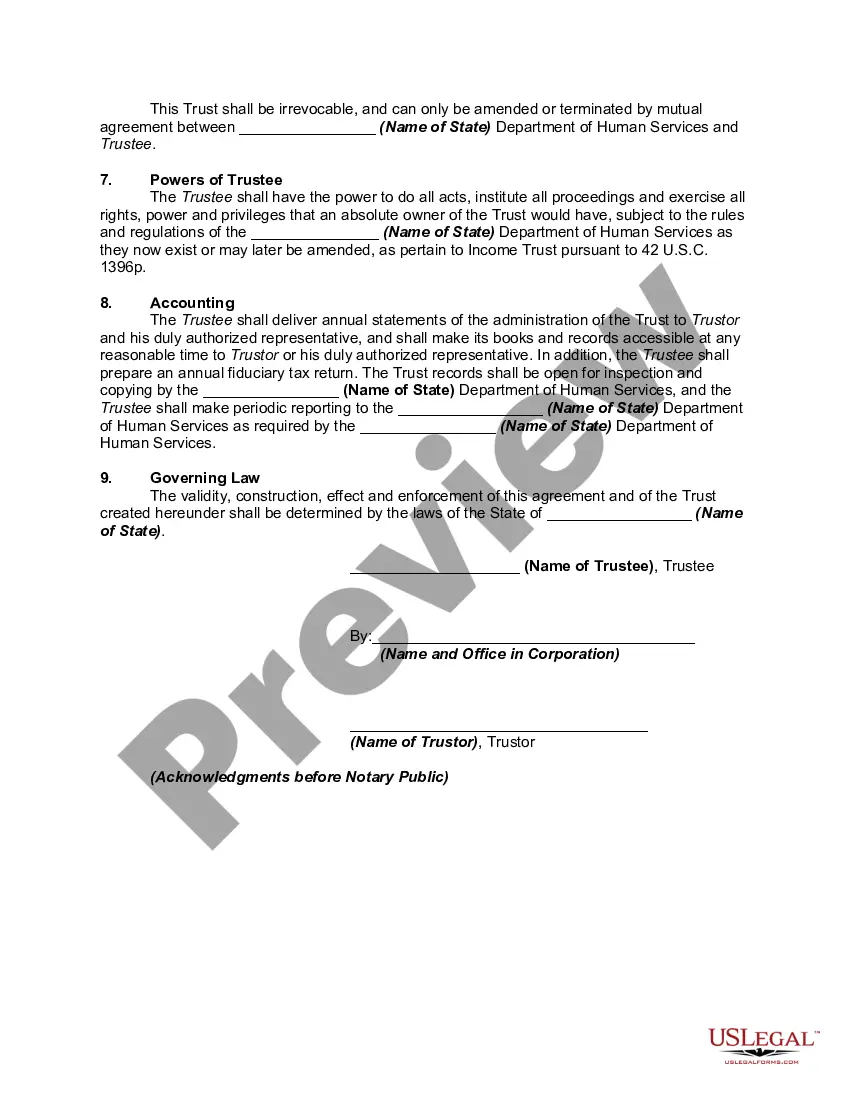
Description

Get your form ready online
Our built-in tools help you complete, sign, share, and store your documents in one place.
Make edits, fill in missing information, and update formatting in US Legal Forms—just like you would in MS Word.
Download a copy, print it, send it by email, or mail it via USPS—whatever works best for your next step.
Sign and collect signatures with our SignNow integration. Send to multiple recipients, set reminders, and more. Go Premium to unlock E-Sign.
If this form requires notarization, complete it online through a secure video call—no need to meet a notary in person or wait for an appointment.
We protect your documents and personal data by following strict security and privacy standards.

Make edits, fill in missing information, and update formatting in US Legal Forms—just like you would in MS Word.

Download a copy, print it, send it by email, or mail it via USPS—whatever works best for your next step.

Sign and collect signatures with our SignNow integration. Send to multiple recipients, set reminders, and more. Go Premium to unlock E-Sign.

If this form requires notarization, complete it online through a secure video call—no need to meet a notary in person or wait for an appointment.

We protect your documents and personal data by following strict security and privacy standards.
Looking for another form?






How to fill out Qualified Income Miller Trust?
- Log in to your existing account to download the required form template. Click the Download button to save it on your device. Ensure your subscription is active, and if not, renew it based on your chosen payment plan.
- If you are a new user, start by previewing the form and its description. Confirm that you've selected the correct document that aligns with local jurisdiction requirements.
- If the initial form is not suitable, utilize the Search tab to find a better template that meets your needs.
- Once you find a suitable document, proceed to purchase it by clicking the Buy Now button and select your preferred subscription plan. An account registration is necessary to access the extensive library.
- Complete your purchase by entering your credit card information or PayPal details to finalize the subscription.
- After purchasing, you can download your form from the My Forms section of your profile to initiate completion.
By following these steps, users can easily navigate through the robust collection of forms that US Legal Forms provides. Access to premium experts for assistance ensures all documents are accurate and compliant.
Start your legal document journey today with US Legal Forms – it’s simple and efficient. Don’t wait, visit their website now!
Form popularity
FAQ
You can file an extension online by using the IRS e-file system or approved tax software. Form 7004 is needed to request an automatic six-month extension, and completing this online can speed up the process. Make sure to submit it before the original due date to avoid any penalties. Additionally, using US Legal Forms can ensure you meet all requirements accurately.
To file 1099s, you will need to gather all necessary information on the payments made throughout the year. You must use the appropriate Form 1099, such as 1099-MISC or 1099-NEC, depending on the type of income. Ensure timely filing to avoid penalties and consider platforms like US Legal Forms to streamline this process for you.
To report trust income, complete Form 1041 and detail all income received by the trust. This includes capital gains, interest, and dividends. Accurate reporting is vital for compliance and to ensure you properly distribute income to beneficiaries. Using US Legal Forms can provide clarity and organization in this process.
The extended due date for filing a trust return is typically six months after the original due date. For most trusts, this means filing by September 30th if the trust follows the calendar year. Always check the IRS guidelines for potential updates. Utilizing platforms like US Legal Forms can assist you in keeping track of deadlines.
To file a trust extension, complete Form 7004, which allows for an automatic six-month extension. You'll need to provide specific details about the trust, including its identification number. This step is essential to ensure you have ample time for thorough preparation, and using resources like US Legal Forms can simplify this process.
If you file Form 1041 late and no tax is due, the penalty is typically $205 or 5% of the unpaid tax for each month the return is late, up to a maximum of 25%. However, even if no tax is due, late filing can bring unnecessary complications down the line. To avoid penalties, consider timely preparation using tools available on US Legal Forms.
Mail your 1041 extension request to the appropriate address based on the state where the trust operates. You can find this information on the IRS website or in the instructions of Form 7004. Ensuring accurate mailing is essential to avoid delays in processing. Using reliable resources like US Legal Forms can help guide you through the correct steps.
To file a tax return for a grantor trust, you need to complete Form 1041, U.S. Income Tax Return for Estates and Trusts. Be sure to report all income generated by the trust assets. It’s crucial that you follow the regulations, as this ensures that your trust remains compliant. If you have any uncertainties, consider using platforms like US Legal Forms, where you can find tailored resources.