Trusts And Taxes For Cruises
Description
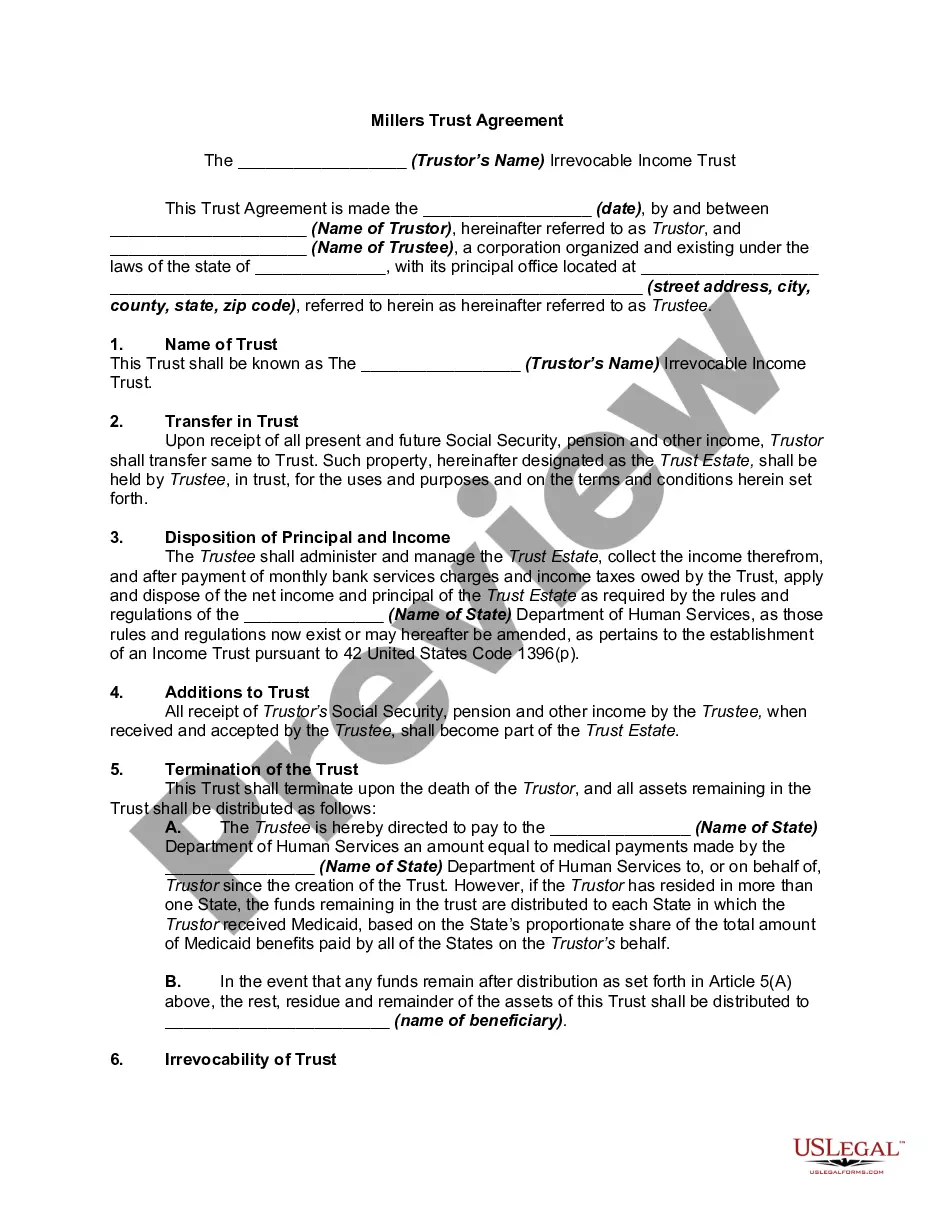
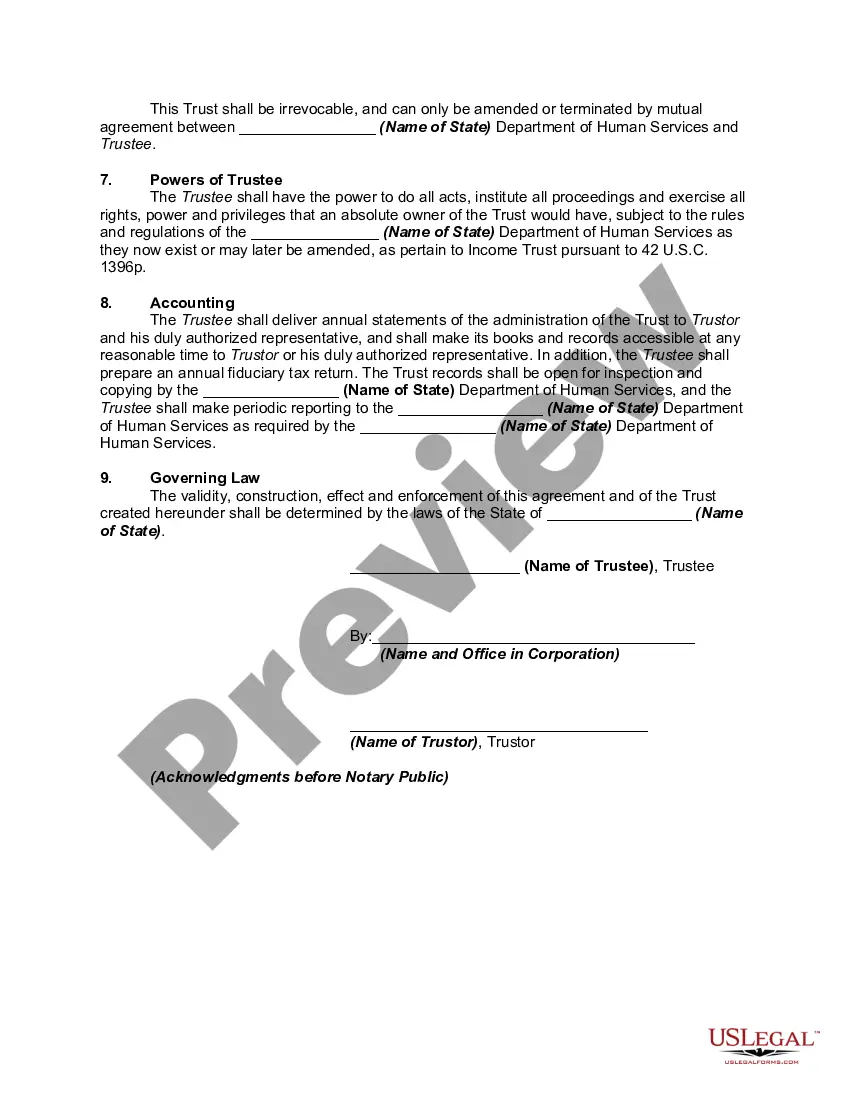
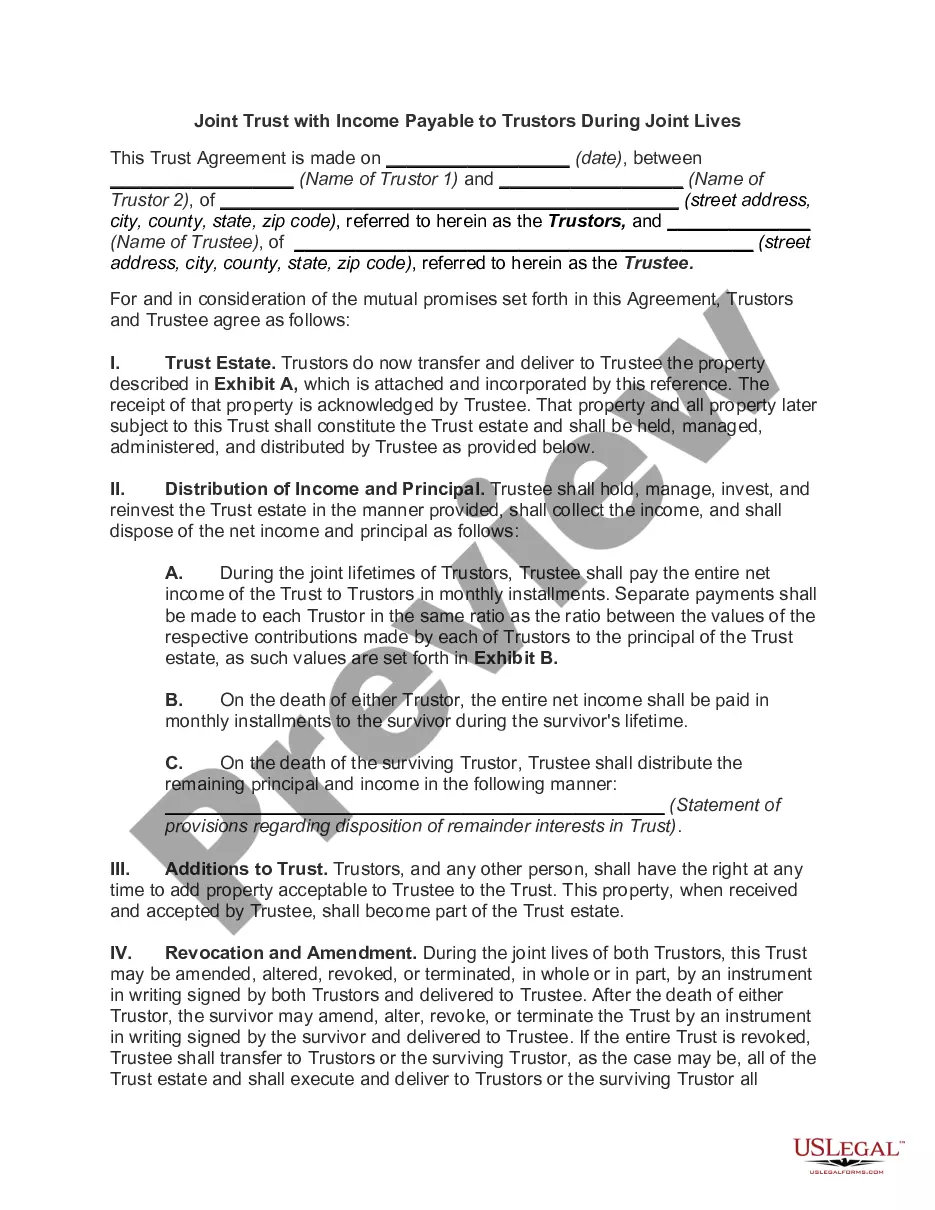

Get your form ready online
Our built-in tools help you complete, sign, share, and store your documents in one place.
Make edits, fill in missing information, and update formatting in US Legal Forms—just like you would in MS Word.
Download a copy, print it, send it by email, or mail it via USPS—whatever works best for your next step.
Sign and collect signatures with our SignNow integration. Send to multiple recipients, set reminders, and more. Go Premium to unlock E-Sign.
If this form requires notarization, complete it online through a secure video call—no need to meet a notary in person or wait for an appointment.
We protect your documents and personal data by following strict security and privacy standards.

Make edits, fill in missing information, and update formatting in US Legal Forms—just like you would in MS Word.

Download a copy, print it, send it by email, or mail it via USPS—whatever works best for your next step.

Sign and collect signatures with our SignNow integration. Send to multiple recipients, set reminders, and more. Go Premium to unlock E-Sign.

If this form requires notarization, complete it online through a secure video call—no need to meet a notary in person or wait for an appointment.

We protect your documents and personal data by following strict security and privacy standards.
Looking for another form?
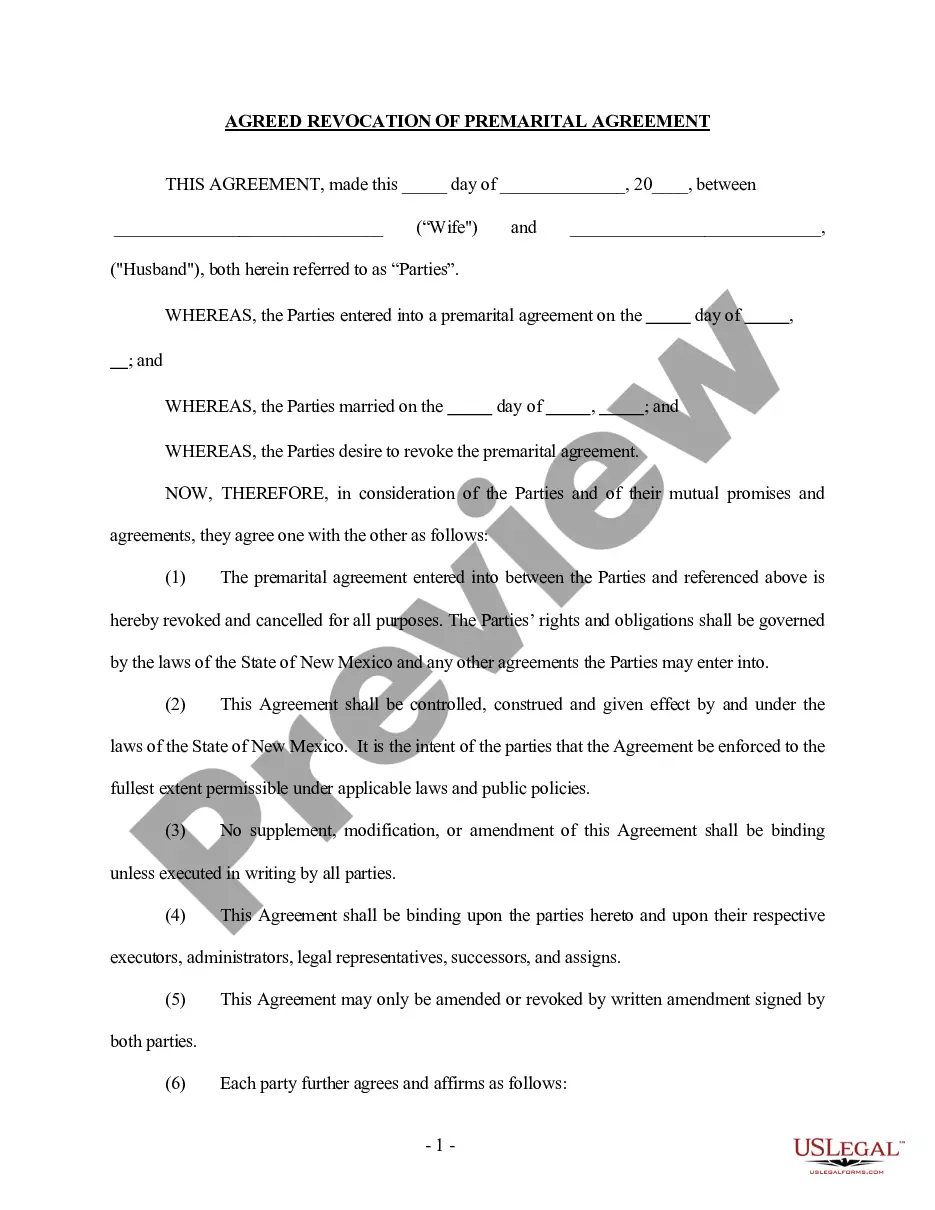




How to fill out Qualified Income Miller Trust?
Legal administration can be daunting, even for proficient professionals.
When you are looking for a Trusts And Taxes For Cruises and do not have the time to spend searching for the accurate and updated version, the processes might be challenging.
With US Legal Forms, you can.
Access a repository of articles, guides, and materials pertinent to your situation and requirements.
Verify it is the correct form by previewing it and reviewing its description.
- Save time and effort seeking the documents you require, and utilize US Legal Forms’ advanced search and Preview tool to locate Trusts And Taxes For Cruises and obtain it.
- If you have a monthly subscription, Log In to your US Legal Forms account, search for the form, and download it.
- Check your My documents section to see the documents you have previously downloaded and manage your folders as you wish.
- If this is your first time with US Legal Forms, create an account and gain unlimited access to all platform advantages.
- Here are the steps to follow after obtaining the form you need.
- A powerful web form library can be transformative for anyone who wishes to manage these situations efficiently.
- US Legal Forms is a frontrunner in online legal documents, with over 85,000 state-specific legal forms accessible to you at any time.
- Utilize innovative tools to complete and manage your Trusts And Taxes For Cruises.
Form popularity
FAQ
No, a cruise ship is not considered U.S. territory while it is in international waters. However, once the ship docks at a U.S. port, it becomes subject to U.S. laws and regulations. For those navigating the complexities of trusts and taxes for cruises, understanding where jurisdiction applies is crucial.
Bottom line You can pay in full at the time of booking or choose cruise payment plans that allow you to make a deposit for each person in your party and then pay off the balance over time. Additionally, payment methods may include credit cards, third-party payment systems, gift cards, cruise certificates and cash.
Taxes, Fees & Port Expenses may include U.S. Customs fees, head taxes, Panama Canal tolls, dockage fees, wharfage fees, inspection fees, pilotage, air taxes, hotel or VAT taxes incurred as part of a land tour, immigration and naturalization fees, and Internal Revenue Service fees, as well as fees for navigation, ...
You are charged a set amount (the amount varies depending on the cruise line), per person, per day. You simply pay this extra amount in full for your cruise as part of your cruise fare. If you don't decide to prepay the tips, then the amount is automatically charged to your onboard account each day.
Cruises are special snowflakes and are subject to their own rules when it comes to travel expenses. ing to the IRS, ?You can deduct up to $2,000 per year of your expenses of attending conventions, seminars, or similar meetings held on cruise ships. All ships that sail are considered cruise ships.?
It's good to know that new payment options - known as "Buy Now, Pay Later" or BNPL - are now available for travelers to finance their cruise vacations through an installment plan. We take a closer look at two companies that offer these ?cruise-now-pay-later? services ? Uplift and Klarna.