Trust Ou Holding
Description
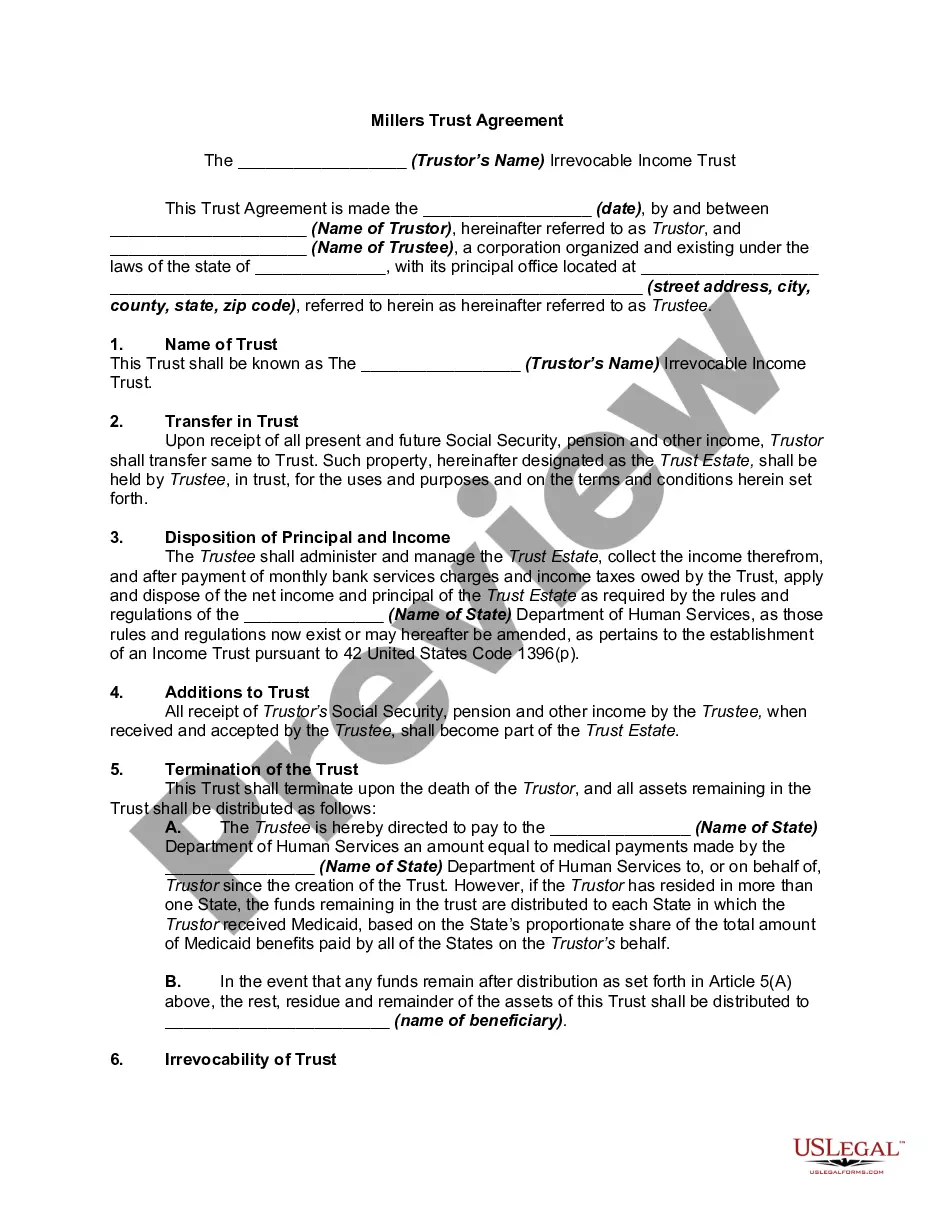
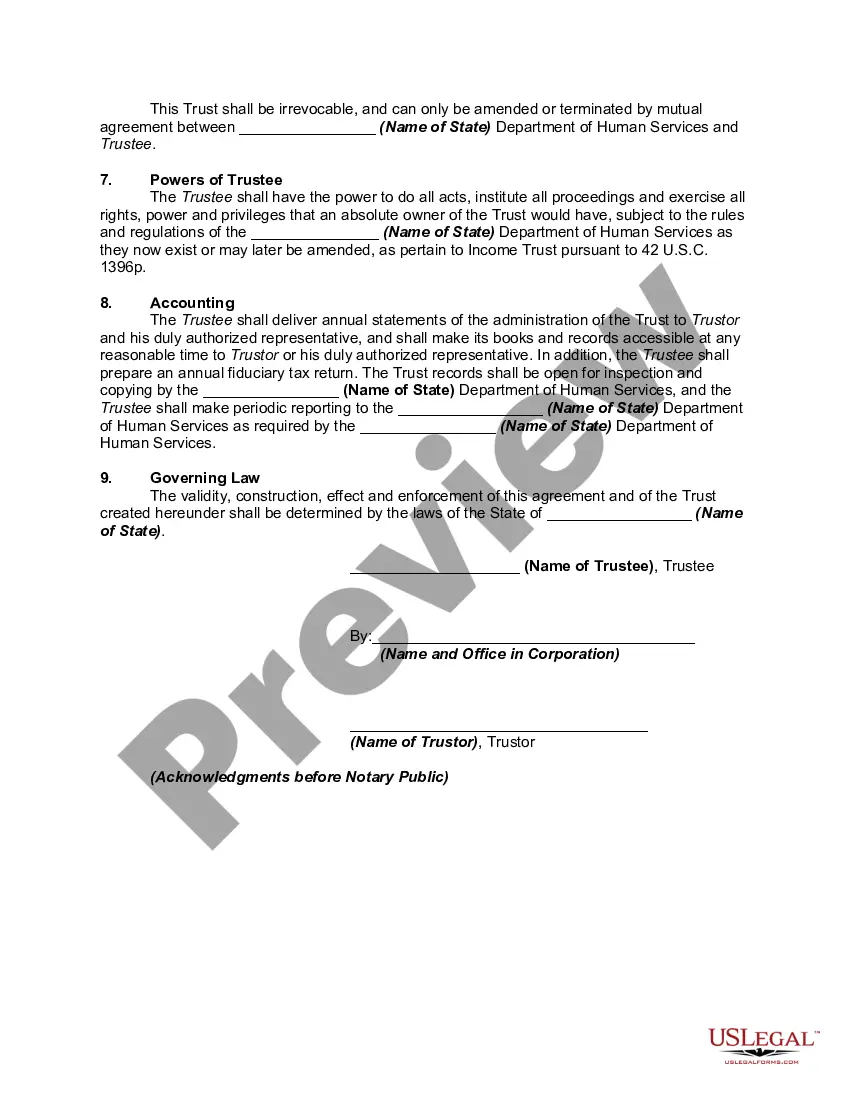
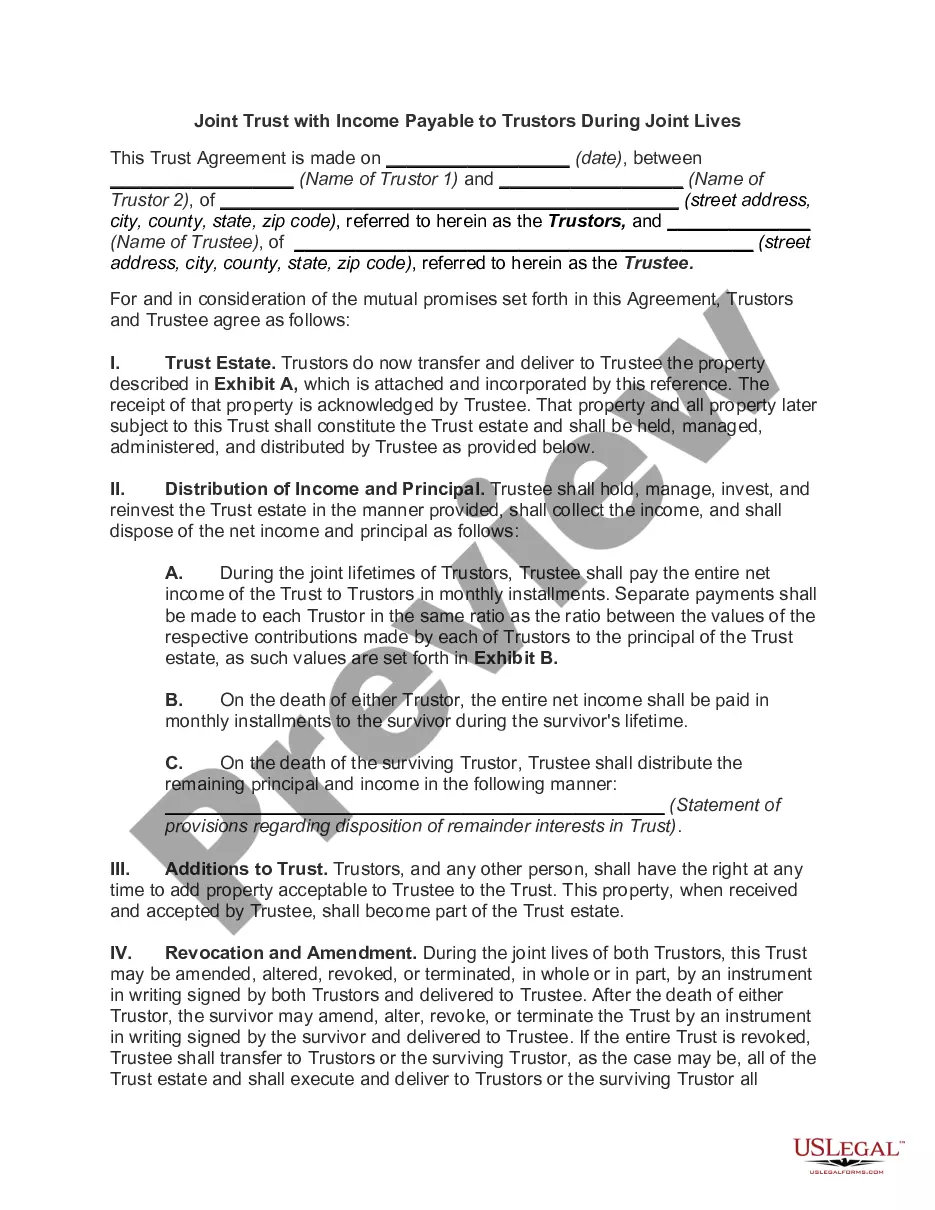

Get your form ready online
Our built-in tools help you complete, sign, share, and store your documents in one place.
Make edits, fill in missing information, and update formatting in US Legal Forms—just like you would in MS Word.
Download a copy, print it, send it by email, or mail it via USPS—whatever works best for your next step.
Sign and collect signatures with our SignNow integration. Send to multiple recipients, set reminders, and more. Go Premium to unlock E-Sign.
If this form requires notarization, complete it online through a secure video call—no need to meet a notary in person or wait for an appointment.
We protect your documents and personal data by following strict security and privacy standards.

Make edits, fill in missing information, and update formatting in US Legal Forms—just like you would in MS Word.

Download a copy, print it, send it by email, or mail it via USPS—whatever works best for your next step.

Sign and collect signatures with our SignNow integration. Send to multiple recipients, set reminders, and more. Go Premium to unlock E-Sign.

If this form requires notarization, complete it online through a secure video call—no need to meet a notary in person or wait for an appointment.

We protect your documents and personal data by following strict security and privacy standards.
Looking for another form?









How to fill out Qualified Income Miller Trust?
- If you're an existing user, simply log in to your account and click the Download button next to the desired form template. Confirm your subscription is active; if not, renew it as per your payment plan.
- For first-time users, check the Preview mode to read the form description, ensuring it meets your needs and complies with local jurisdiction requirements.
- If necessary, use the Search tab above to find a different template that fits your criteria.
- Purchase the document by clicking the Buy Now button and select your desired subscription plan. You will need to create an account for full access.
- Complete your payment using your credit card or PayPal account to finalize your subscription.
- Download your form and save it to your device. You can revisit it anytime through the My Forms section in your profile.
US Legal Forms empowers both individuals and attorneys, making legal documentation accessible and straightforward. Their extensive collection and user-friendly interface set them apart from competitors.
Ready to simplify your legal form process? Start using US Legal Forms today and ensure your documents are legally sound and expertly crafted!
Form popularity
FAQ
Using a trust instead of a company offers several strategic advantages, particularly for asset protection and estate planning. A trust helps ensure that your assets are managed according to your wishes while also avoiding probate, which can save time and costs for your heirs. In contrast, a company typically focuses on business operations and profit generation. Therefore, if your goal aligns with preserving wealth through a Trust ou holding, a trust might be the better choice.
One downside of holding companies is the complexity they can introduce into financial and legal structures. This complexity may result in higher administrative costs and potential regulatory scrutiny. Additionally, managing numerous subsidiaries can require significant oversight and may lead to operational challenges. Understanding these issues is important when deciding on a Trust ou holding, ensuring you choose the best option for your situation.
Filling out a trust fund requires careful attention to detail and a clear understanding of your wishes. Start by identifying the assets you want to include and designating a trustee who will manage those assets. You will then outline how you wish the assets to be distributed to beneficiaries. For easy management, consider using our platform, USLegalForms, to create and fill out a Trust ou holding accurately and efficiently.
Determining whether a trust or a holding company is better involves assessing your individual needs. A trust is often ideal for estate planning, allowing for controlled asset management and smooth transitions upon death. Meanwhile, a holding company can effectively streamline ownership structures for investments and businesses. Ultimately, each option has its strengths and understanding these can guide your decision on a Trust ou holding.
Choosing between a holding company and a trust often depends on your specific financial and legal goals. A holding company can offer liability protection and tax benefits, while a trust provides estate planning advantages and protects assets for beneficiaries. If your priority is to manage ownership of multiple businesses, a holding company may be the way to go. However, for asset preservation and succession planning, a Trust ou holding might be more suitable.
A title holding trust is a legal arrangement where property titles are held by a trustee on behalf of the beneficiaries. For instance, if you place your real estate into a trust, the trust owns the title to that property. This allows for smoother transfer of ownership and can help avoid probate. Ultimately, using a title holding trust is a practical solution when you wish to control your assets through a Trust ou holding framework.
Yes, you can place your holding company in a trust, which can offer several advantages for managing and protecting your assets. A trust provides a structured way to oversee the ownership and operation of your holding company, ensuring a smooth transition of assets to beneficiaries. By establishing a trust, you can also potentially reduce estate taxes and keep your financial affairs private. If you're considering this option, US Legal Forms offers resources and templates to help you create an effective trust tailored to your specific needs.
Holding property in a trust offers several advantages, such as avoiding probate, providing asset protection, and ensuring efficient wealth transfer. However, it also comes with drawbacks, including the need for upfront legal fees and potential restrictions on access to funds. Evaluating these pros and cons is crucial for making informed decisions regarding your assets.
The holding period rule for trusts typically determines how long a trust must hold an asset before selling it to benefit from favorable tax treatment. Generally, holding an asset for over a year qualifies it for long-term capital gains rates, which are lower than short-term rates. Understanding this rule helps in planning asset transfers and minimizing tax impacts.
A trust is a legal entity that manages assets for the benefit of individuals, whereas a holding company is a business entity that owns shares in other companies. Trusts focus on asset management and distribution based on your wishes, while holding companies prioritize business operations and financial control. Both can work together to enhance financial security.