Trust Accounting Forms For Trustees
Description
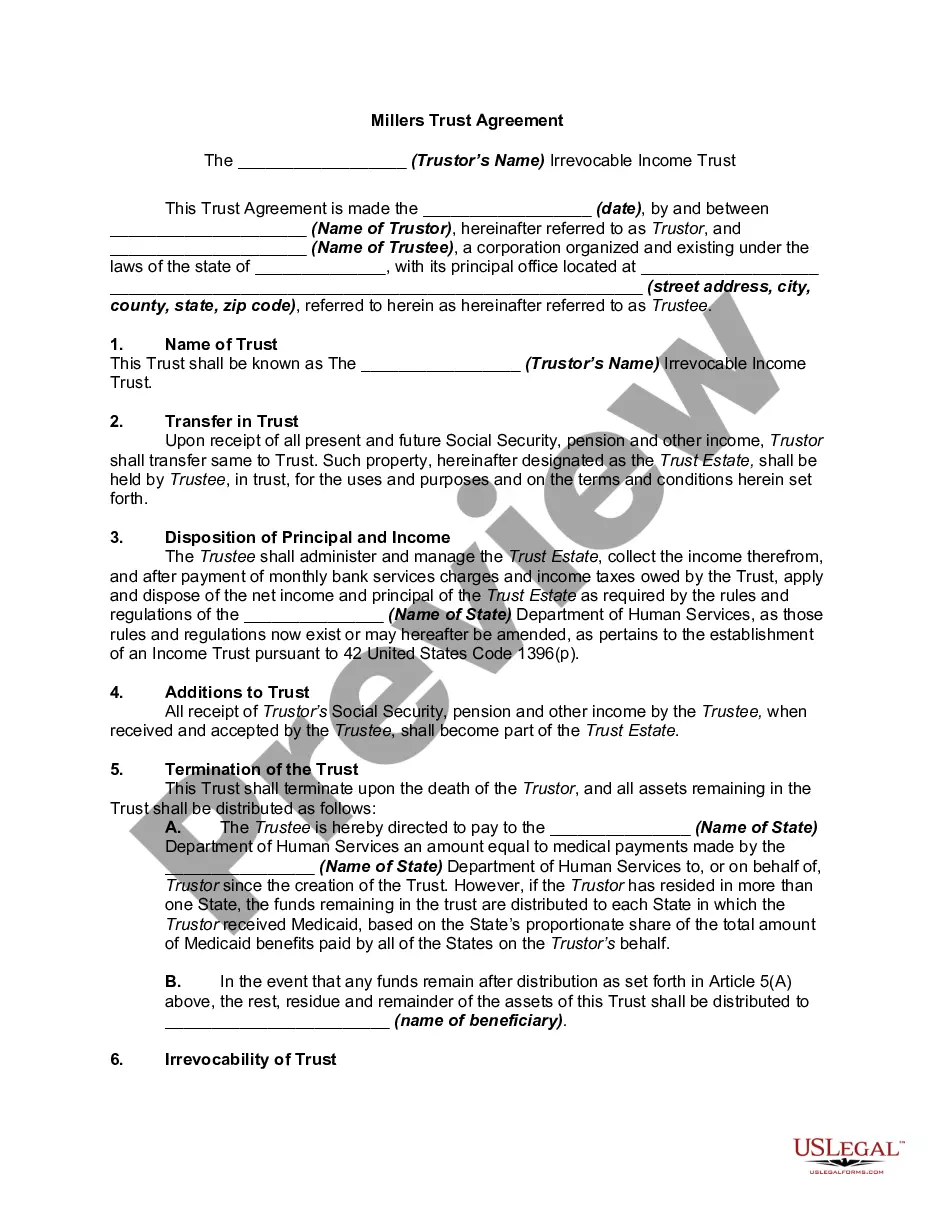
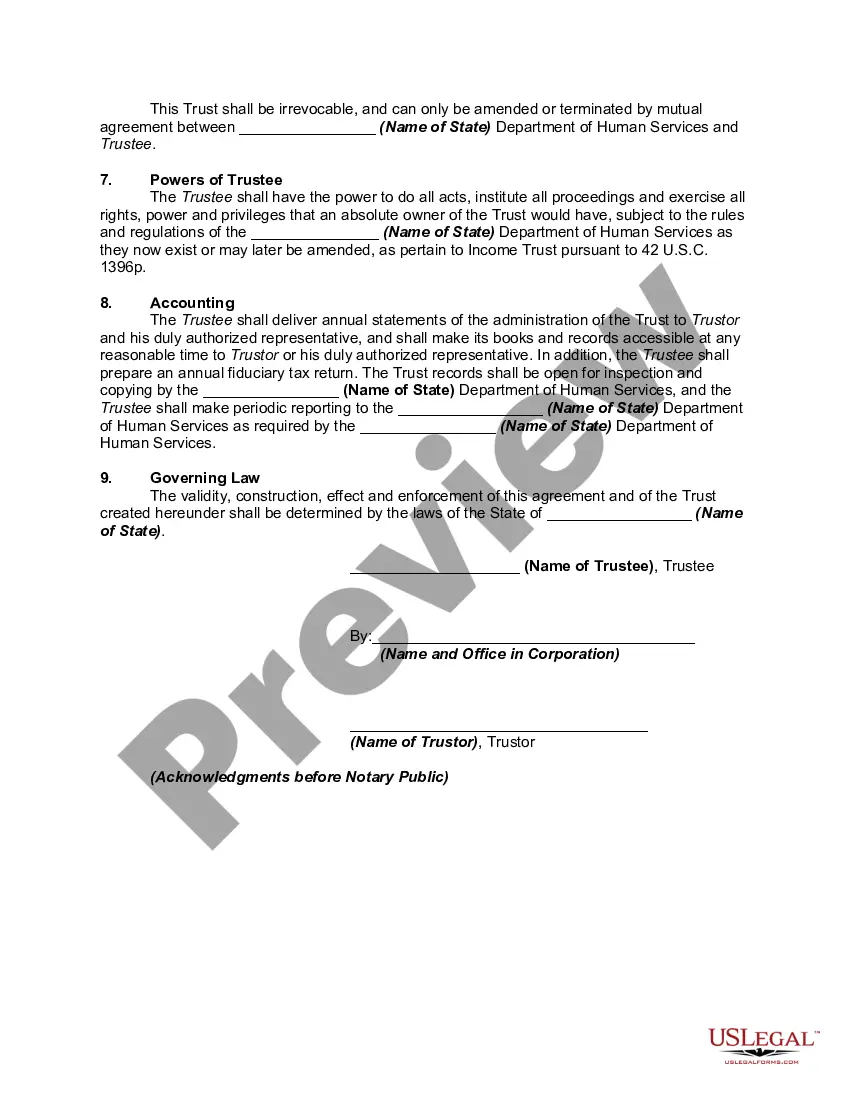
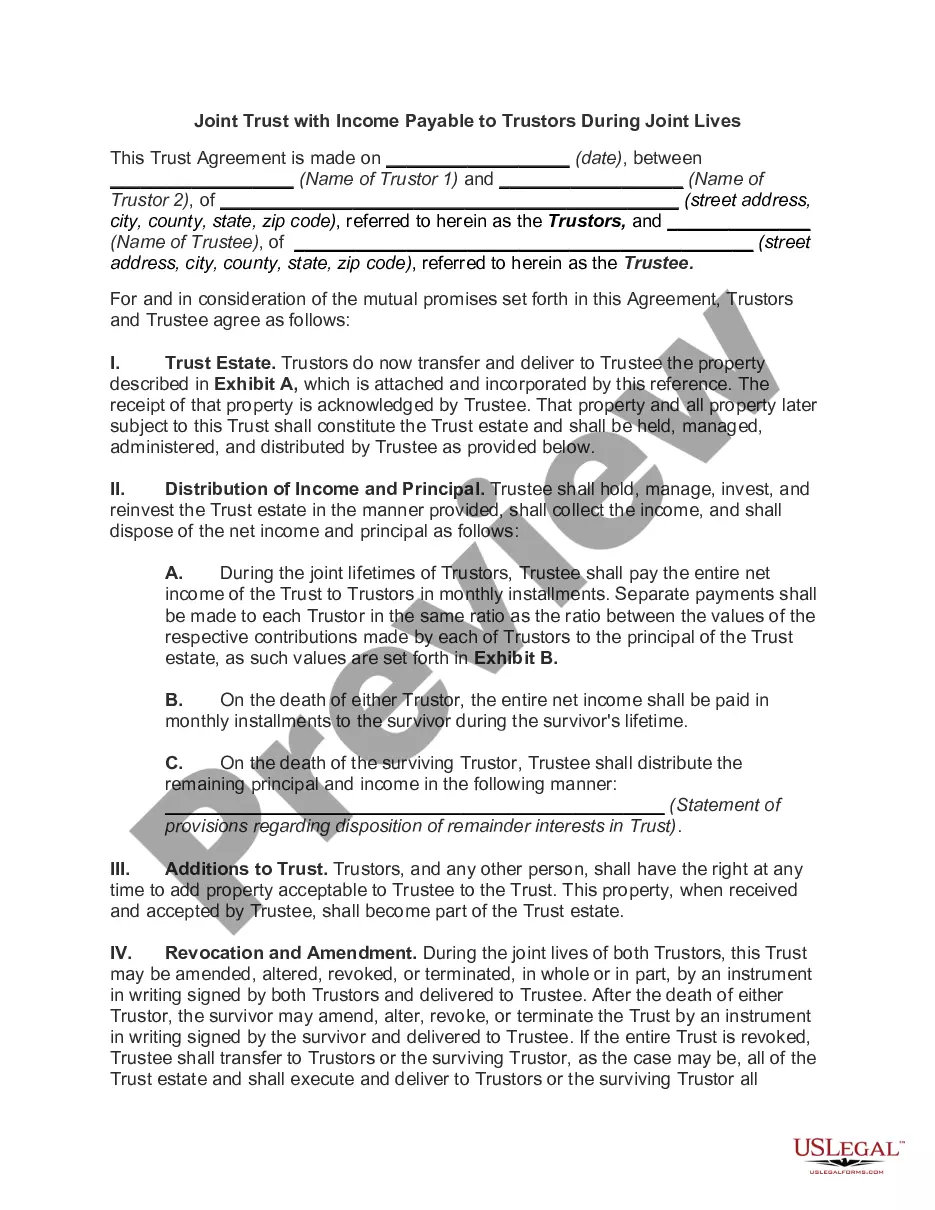

Get your form ready online
Our built-in tools help you complete, sign, share, and store your documents in one place.
Make edits, fill in missing information, and update formatting in US Legal Forms—just like you would in MS Word.
Download a copy, print it, send it by email, or mail it via USPS—whatever works best for your next step.
Sign and collect signatures with our SignNow integration. Send to multiple recipients, set reminders, and more. Go Premium to unlock E-Sign.
If this form requires notarization, complete it online through a secure video call—no need to meet a notary in person or wait for an appointment.
We protect your documents and personal data by following strict security and privacy standards.

Make edits, fill in missing information, and update formatting in US Legal Forms—just like you would in MS Word.

Download a copy, print it, send it by email, or mail it via USPS—whatever works best for your next step.

Sign and collect signatures with our SignNow integration. Send to multiple recipients, set reminders, and more. Go Premium to unlock E-Sign.

If this form requires notarization, complete it online through a secure video call—no need to meet a notary in person or wait for an appointment.

We protect your documents and personal data by following strict security and privacy standards.
Looking for another form?






How to fill out Qualified Income Miller Trust?
- Log in to your US Legal Forms account if you're a returning user. Ensure your subscription is active; if it needs renewal, follow your payment plan instructions.
- For first-time users, start by previewing the available trust accounting forms. Read the descriptions to confirm you select the form that complies with your local jurisdiction's requirements.
- If you need to search further, utilize the search tab to find other relevant templates. Make sure your selection meets your specific needs.
- When you find the right form, click on the 'Buy Now' button and select your preferred subscription plan. An account registration is required to access the full library.
- Complete your purchase by entering your credit card details or using PayPal to finalize the transaction.
- Lastly, download your trust accounting form directly to your device. You can always revisit the 'My documents' section in your profile to access it whenever necessary.
Following these simple steps will enable you to efficiently acquire trust accounting forms tailored to your needs. US Legal Forms offers the advantage of accessing over 85,000 editable legal documents, ensuring you find the right template every time.
Start your journey towards stress-free trust management today by visiting US Legal Forms and exploring your options!
Form popularity
FAQ
Preparing a trust accounting requires systematic tracking of all income and expenses related to the trust. Start by collecting necessary documents and use reliable trust accounting forms for trustees to document financial activities. It's crucial to maintain clear records of distributions to beneficiaries as well. Consider utilizing platforms like US Legal Forms to access compliant templates that simplify the process and ensure accuracy in all aspects of your trust accounting.
One significant error parents often make is failing to fully understand the trust's terms and conditions. They may overlook the importance of incorporating suitable trust accounting forms for trustees, which streamline the management of the trust's assets and distributions. Additionally, not regularly updating the trust to reflect changes in family circumstances or laws can lead to complications. It’s essential to consult legal professionals to ensure the trust functions smoothly.
To effectively request an accounting of a trust, send a formal request to the trustee, including relevant details such as your name and connection to the trust. Specify that you would like a complete accounting, which should include all transactions and financial reports. Utilizing trust accounting forms for trustees can streamline this process, ensuring you receive the information in an organized manner.
Yes, a beneficiary has the right to request an accounting from the trustee of the trust. This involves asking for a detailed report of all trust-related transactions and financial management. Trust accounting forms for trustees can be beneficial in ensuring that these requests are handled consistently, enabling beneficiaries to have insights into the trust's financial status.
To request an accounting of a trust, direct a written request to the trustee, clearly stating your relationship to the trust and the specific information you seek. It’s helpful to be polite yet firm in your request, as trustees have a duty to fulfill these inquiries. Using trust accounting forms for trustees can facilitate clear communication and assist in obtaining a comprehensive accounting.
Yes, a trustee is legally required to provide an accounting to beneficiaries upon request or at certain intervals. This accounting should detail all transactions related to the trust, including income, expenses, and distributions. Trust accounting forms for trustees can ensure that this process is transparent and meets legal standards, fostering trust between the trustee and beneficiaries.
To maintain accounting for a trust, start by organizing all financial records related to the trust assets. You should consistently track income, expenses, and distributions using clear and accurate documentation. Utilizing trust accounting forms for trustees can significantly simplify this process, providing a structured approach to manage financial activities effectively.
Yes, trustees are typically required to file tax returns for the trust, especially if it meets the income threshold established by the IRS. Properly completed trust accounting forms for trustees can streamline this process and ensure you report all necessary information. By filing timely, trustees can demonstrate compliance with tax laws and avoid unnecessary penalties. If you're unsure about the requirements, consider utilizing resources available on platforms like US Legal Forms for guidance.
Failing to file taxes on a trust can lead to significant penalties and interest on unpaid taxes. The IRS may impose fines for late filings, which can add up quickly if the issue is not addressed. Trustees should use trust accounting forms for trustees to keep accurate records and ensure timely submissions. It’s always better to resolve tax matters proactively rather than risk legal complications.
A trust must file a tax return if it has gross income of $600 or more during the tax year. This threshold can change based on the circumstances surrounding the trust, including its beneficiaries. Staying aware of this minimum requirement helps trustees manage their duties effectively and ensures the proper completion of trust accounting forms for trustees. Regularly reviewing trust income can prevent any surprises at tax time.