Qualified Trust With A Trust
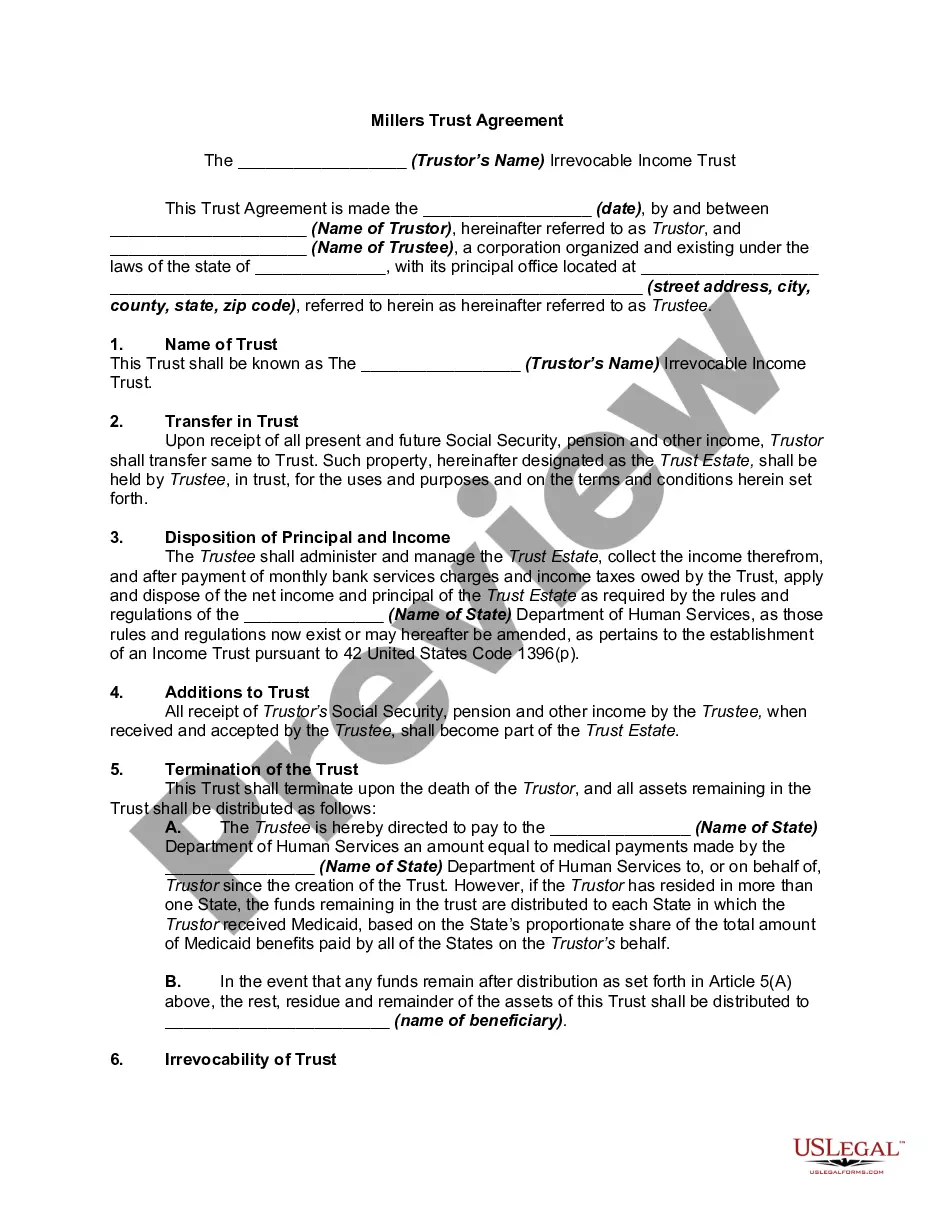
Description

Get your form ready online
Our built-in tools help you complete, sign, share, and store your documents in one place.
Make edits, fill in missing information, and update formatting in US Legal Forms—just like you would in MS Word.
Download a copy, print it, send it by email, or mail it via USPS—whatever works best for your next step.
Sign and collect signatures with our SignNow integration. Send to multiple recipients, set reminders, and more. Go Premium to unlock E-Sign.
If this form requires notarization, complete it online through a secure video call—no need to meet a notary in person or wait for an appointment.
We protect your documents and personal data by following strict security and privacy standards.

Make edits, fill in missing information, and update formatting in US Legal Forms—just like you would in MS Word.

Download a copy, print it, send it by email, or mail it via USPS—whatever works best for your next step.

Sign and collect signatures with our SignNow integration. Send to multiple recipients, set reminders, and more. Go Premium to unlock E-Sign.

If this form requires notarization, complete it online through a secure video call—no need to meet a notary in person or wait for an appointment.

We protect your documents and personal data by following strict security and privacy standards.
Looking for another form?



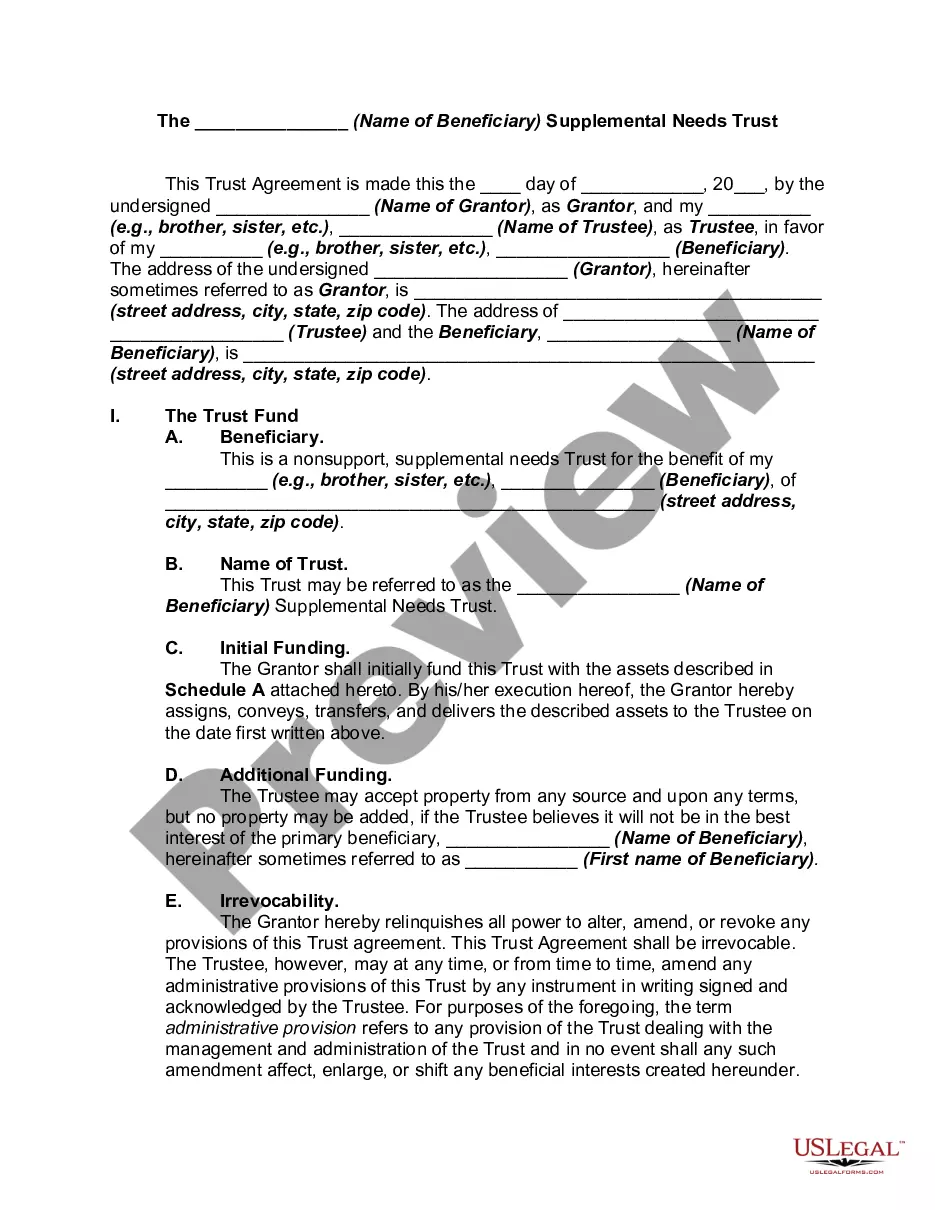
How to fill out Qualified Income Miller Trust?
- If you're a returning user, log in to your account and download your required form by clicking the Download button, ensuring your subscription is active.
- If this is your first time, start by exploring our Preview mode to check the form description, ensuring it aligns with your specific needs and local jurisdiction.
- Should you need a different template, utilize the Search tab to locate the proper document. Confirm its suitability before proceeding.
- Proceed to purchase your document by selecting the Buy Now button and choosing your desired subscription plan. You will need to register for an account to access the complete library.
- Complete your purchase by entering your credit card details or opting for PayPal to pay for your subscription.
- Finally, download your form and securely save it on your device. You can also access it later from the My Forms section in your profile.
US Legal Forms empowers individuals and attorneys alike by streamlining the execution of legal documents.
With over 85,000 forms available, our platform is the best choice for obtaining precisely tailored legal forms. Discover just how simple it is to safeguard your legal interests with US Legal Forms today!
Form popularity
FAQ
A trust is considered qualified when it meets specific regulatory criteria, including the proper designation and tax treatment as outlined by the IRS. This status often provides important tax advantages. By understanding what defines a qualified trust with a trust, you can better manage your estate planning and financial strategies.
Yes, a qualified annuity can be placed into a trust, including a qualified trust with a trust. However, this transfer may have implications for tax and potential distributions. It is essential to seek guidance to ensure compliance with legal requirements and maximize benefits.
Yes, QSSTs must file tax returns, but the process differs from standard trusts. Instead of filing a separate return, the income is reported on the beneficiary's individual tax returns. When managing a qualified trust with a trust, this understanding can be crucial for tax planning.
A QSST does not typically file its own Form 1041 if it meets specific criteria set by the IRS. Instead, the income flows through to the beneficiaries, who report it on their tax returns. If you're navigating a qualified trust with a trust, ensure you consult with a tax professional to comprehend the filing requirements fully.
A Qualified Subchapter S Trust (QSST) is often considered a grantor type trust, especially for tax purposes. This designation allows income to be taxed at the beneficiary's rate rather than the trust's rate. When operating with a qualified trust with a trust, understanding the nature of a QSST can streamline tax responsibilities.
Generally, a fiduciary of a trust or estate must file Form 1041 if the trust receives income that is subject to tax. This obligation applies to both domestic and foreign trusts, depending on the specifics of the income. If you’re managing a qualified trust with a trust, knowing when to file Form 1041 protects you from legal issues.
Yes, a foreign grantor trust typically needs to file Form 1041 if it has U.S. source income or if it is considered engaged in a U.S. trade or business. This filing helps adhere to IRS regulations. By understanding the requirements for a qualified trust with a trust, you can ensure compliance and avoid potential penalties.
Yes, a qualified annuity can indeed be owned by a qualified trust with a trust. This arrangement can offer various benefits, including tax advantages and facilitated asset management. However, it's important to understand the implications of this ownership structure. Engaging with legal experts or tools from platforms like US Legal Forms can provide clarity and ensure compliance with relevant laws.
To distinguish between qualified and nonqualified trusts, examine the regulations and criteria outlined in your trust agreement. A qualified trust with a trust often meets specific IRS requirements, providing certain tax advantages. Reviewing your trust's structure and purpose can guide you in making this determination. For further clarity, consider utilizing resources like US Legal Forms for professional guidance.
Determining the type of trust you have can involve reviewing your trust document. A qualified trust with a trust typically outlines its purpose and provisions clearly. You may also consult with a legal professional to interpret the language used in the document. Understanding these aspects helps you manage your trust effectively.