Qualified Trust Caps Statement With Ira
Description
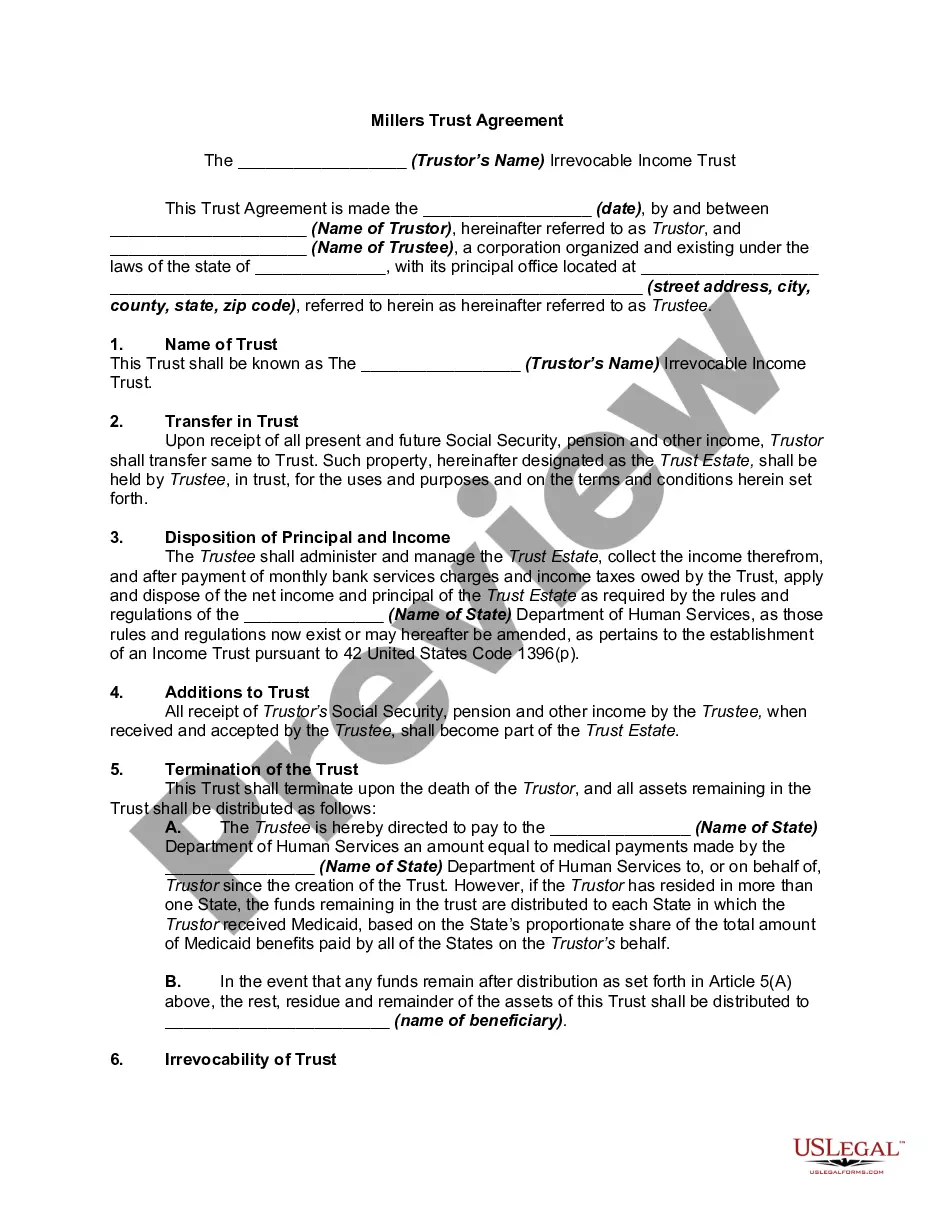
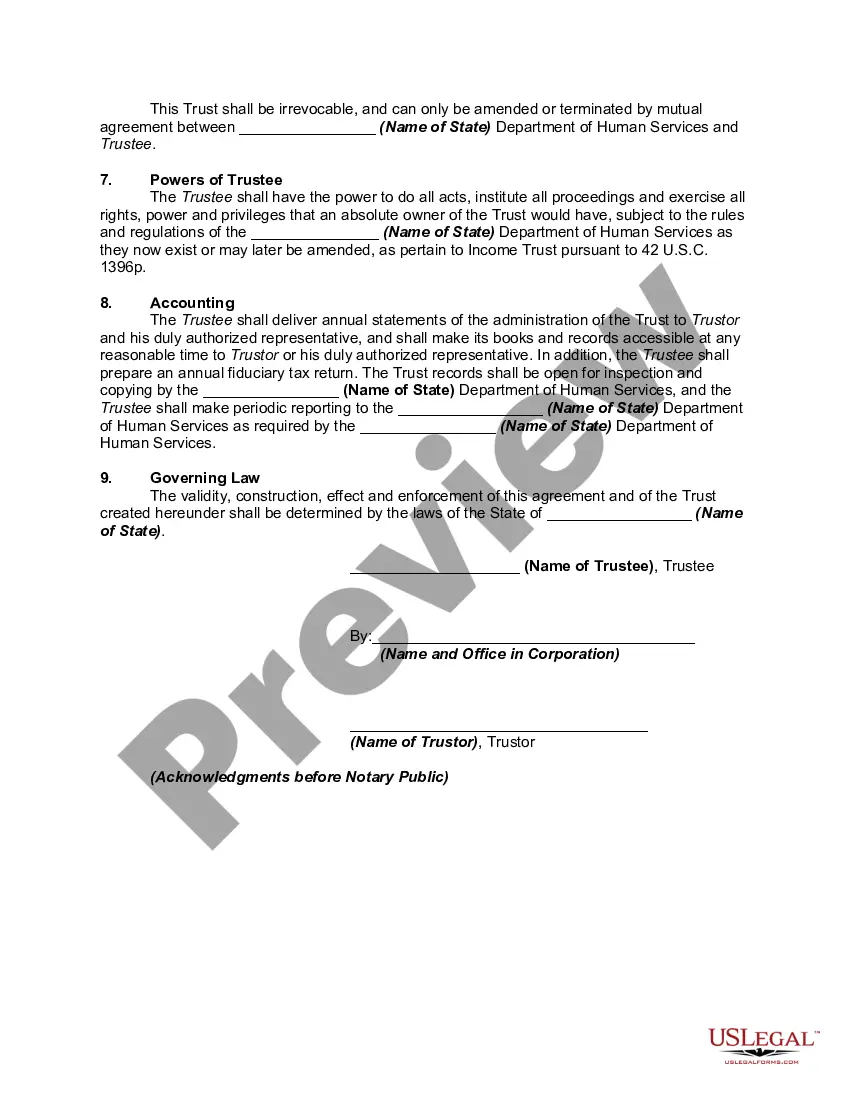
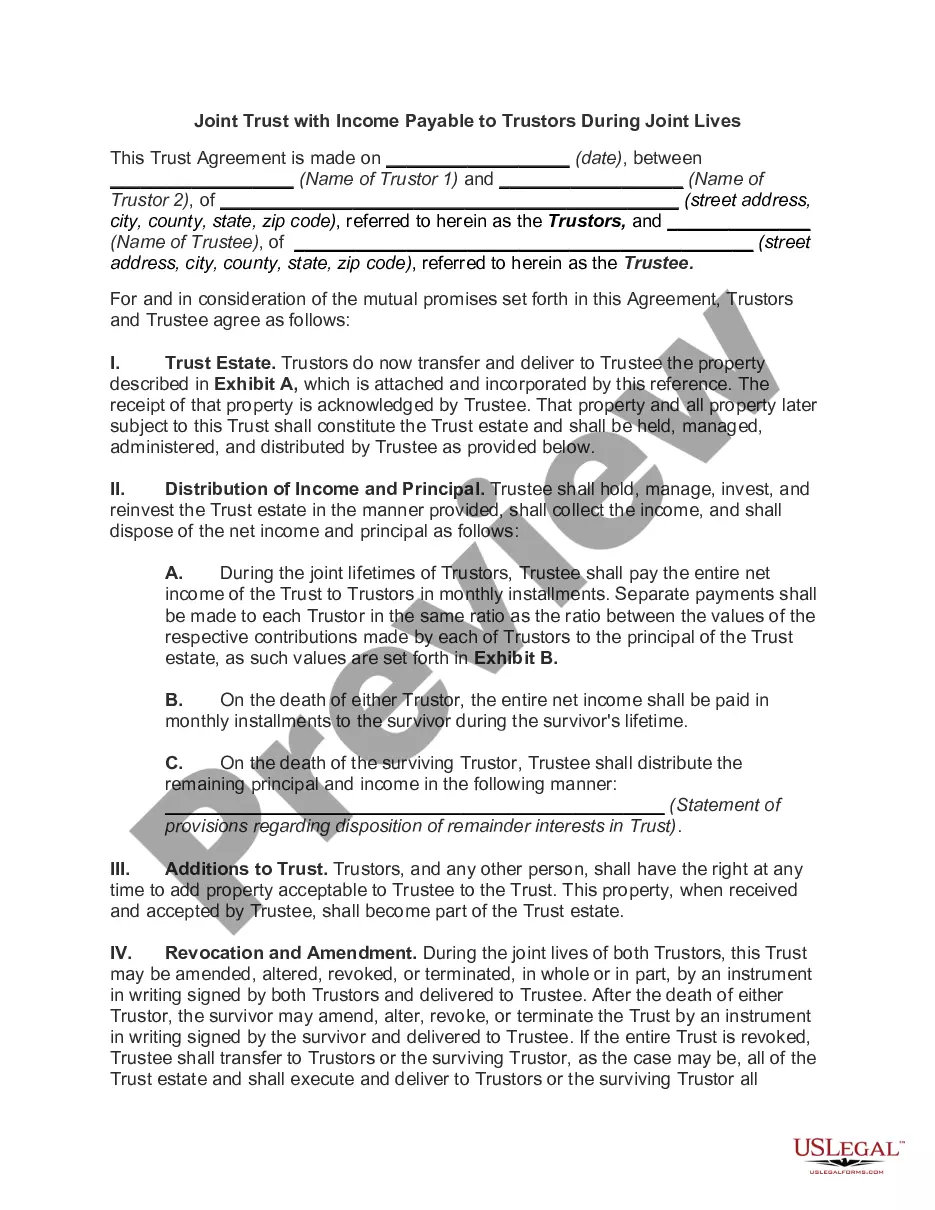

Get your form ready online
Our built-in tools help you complete, sign, share, and store your documents in one place.
Make edits, fill in missing information, and update formatting in US Legal Forms—just like you would in MS Word.
Download a copy, print it, send it by email, or mail it via USPS—whatever works best for your next step.
Sign and collect signatures with our SignNow integration. Send to multiple recipients, set reminders, and more. Go Premium to unlock E-Sign.
If this form requires notarization, complete it online through a secure video call—no need to meet a notary in person or wait for an appointment.
We protect your documents and personal data by following strict security and privacy standards.

Make edits, fill in missing information, and update formatting in US Legal Forms—just like you would in MS Word.

Download a copy, print it, send it by email, or mail it via USPS—whatever works best for your next step.

Sign and collect signatures with our SignNow integration. Send to multiple recipients, set reminders, and more. Go Premium to unlock E-Sign.

If this form requires notarization, complete it online through a secure video call—no need to meet a notary in person or wait for an appointment.

We protect your documents and personal data by following strict security and privacy standards.
Looking for another form?
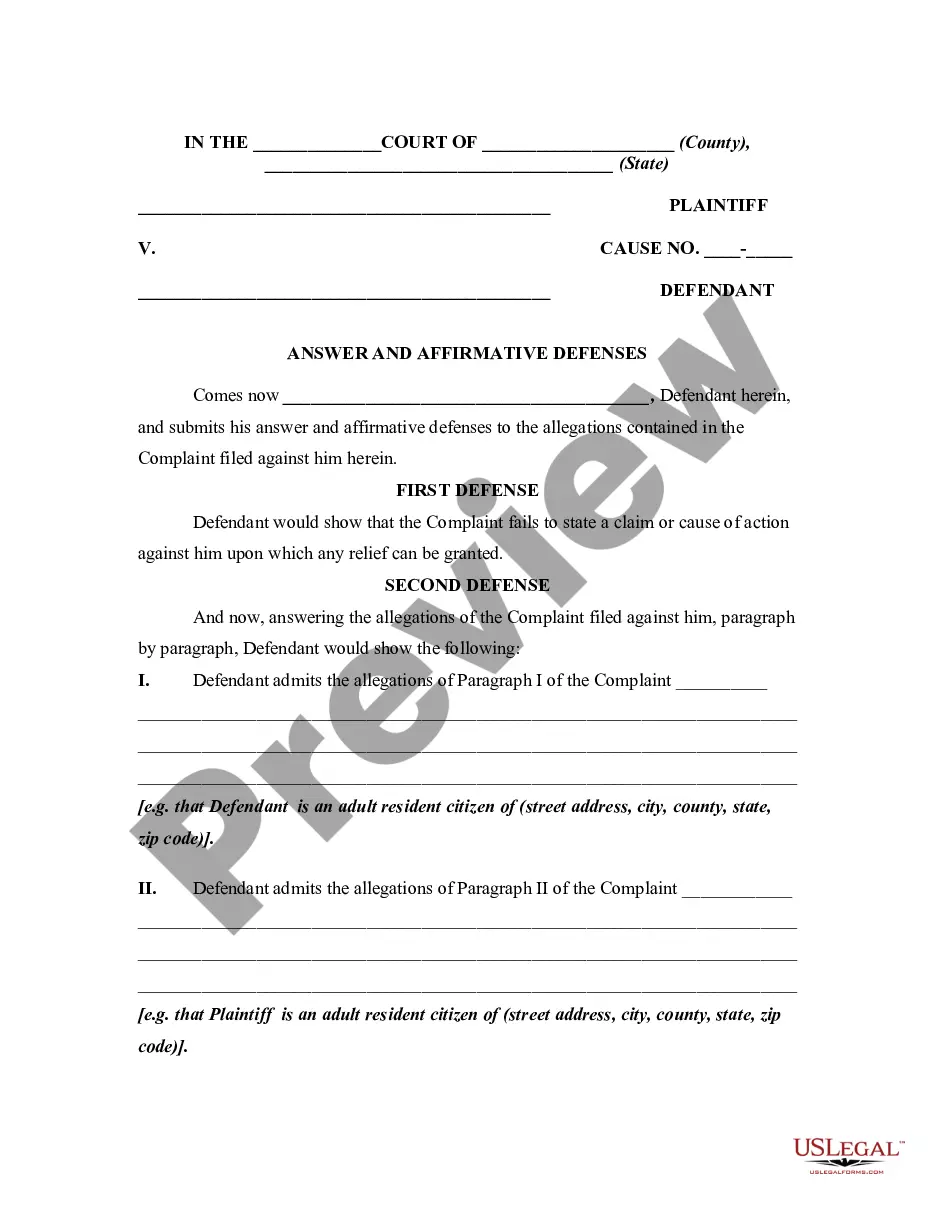









How to fill out Qualified Income Miller Trust?
- Log in to your account if you are a returning user. Ensure your subscription remains active; renew it if necessary.
- Preview the form details thoroughly to confirm it meets your specifications and aligns with local jurisdiction standards.
- If you need a different template, utilize the search feature to locate the correct form promptly.
- Click on the 'Buy Now' button and select your preferred subscription plan. Remember to create an account for library access.
- Complete your payment using your credit card or PayPal account to finalize your subscription.
- Download the completed document to your device for easy access and use it anytime from the 'My Forms' section in your profile.
With US Legal Forms, individuals and attorneys can quickly access a comprehensive collection of legal documents. The platform stands out with over 85,000 editable forms and the ability to consult premium experts for guidance.
Get started today and simplify your legal document needs with US Legal Forms. Access the library and experience the convenience!
Form popularity
FAQ
Adding an IRA to your trust involves naming the trust as the beneficiary on your IRA account. Be cautious, as this move requires understanding the tax implications tied to distributions. A qualified trust caps statement with IRA can help clarify these considerations and ensure you are making informed decisions about your estate.
To place your IRA in a trust, you will need to follow specific steps, including creating the trust and designating it as the beneficiary of your IRA. This process must be handled carefully to avoid unintentional tax consequences. For guidance, consider working with professionals familiar with the qualified trust caps statement with IRA.
Including an IRA in a trust can have advantages, but it also comes with potential drawbacks. Depending on the trust type, you may face tax implications that could impact your beneficiaries. It's wise to evaluate a qualified trust caps statement with IRA to decide if this strategy aligns with your financial goals.
Certain assets, like retirement accounts, should typically remain outside of a trust. This includes IRAs, which can complicate tax treatment when placed in a trust. When thinking about your estate plan, consider a qualified trust caps statement with IRA to understand the best approach to managing these assets.
A distribution from an IRA to a trust can indeed be taxable. The IRS generally treats these distributions as taxable income, depending on the trust's structure. If you are considering a qualified trust caps statement with IRA, it's essential to work with a tax advisor to understand the implications fully.
Putting your IRA in a trust can be beneficial depending on your goals and circumstances. It allows you to control distributions and protect assets for heirs. However, to make an informed decision, evaluate how a qualified trust caps statement with ira aligns with your estate planning strategies. Consider seeking guidance from platforms like USLegalForms to explore your options.
An IRA in a trust is subject to specific tax rules that differ from direct individual beneficiaries. Typically, the trust pays income tax on distributions received from the IRA. Understanding the implications of a qualified trust caps statement with ira ensures that you and your beneficiaries are prepared for these potential tax liabilities.
Naming a trust as an IRA beneficiary may complicate the distribution of funds at death. The trust must follow certain IRS guidelines, which can lead to a longer payout period compared to individual beneficiaries. To mitigate these risks, consider utilizing a qualified trust caps statement with ira to clarify the trust's intentions and beneficiaries.
Leaving an IRA to a trust can introduce complexity in the distribution process. The trust has to follow specific rules, potentially leading to tax implications for your beneficiaries. It is crucial to understand how a qualified trust caps statement with ira influences these aspects to prevent unintended consequences.
A qualified trust for an IRA is a legal arrangement that holds your retirement assets within a trust structure. This setup can provide specific benefits, such as control over asset distribution. When you create a qualified trust caps statement with ira, you ensure that the trust complies with IRS regulations, allowing for tax benefits and protections for your beneficiaries.