Qualified Income Trust Tax Return
Description
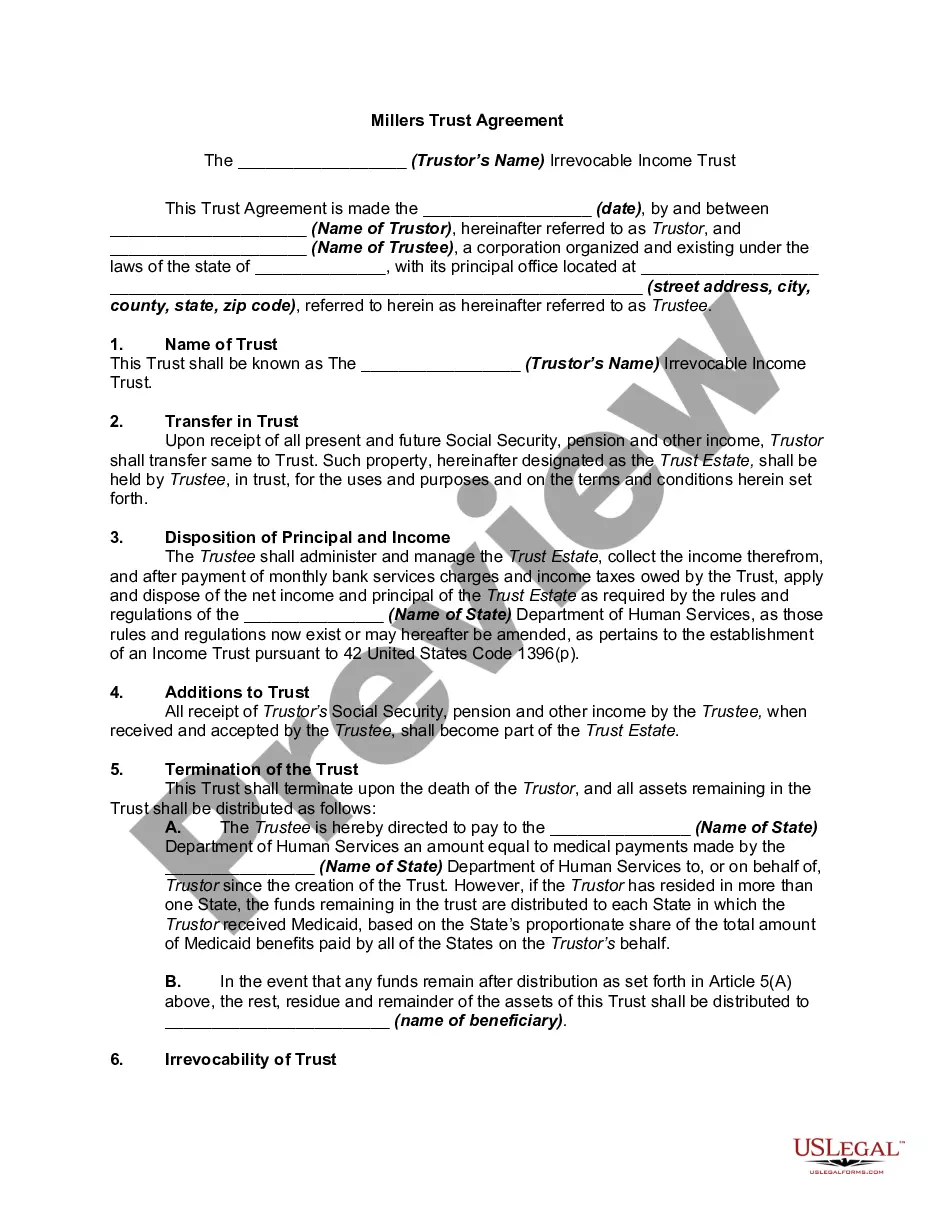
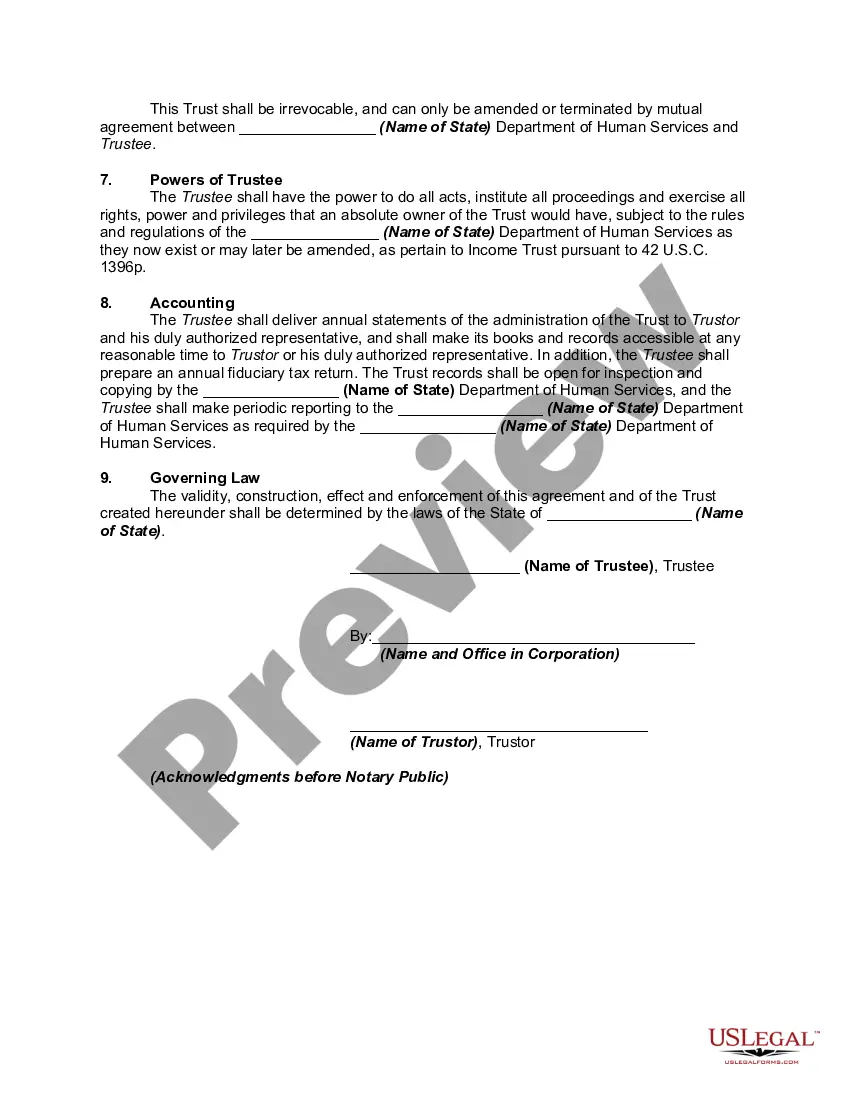
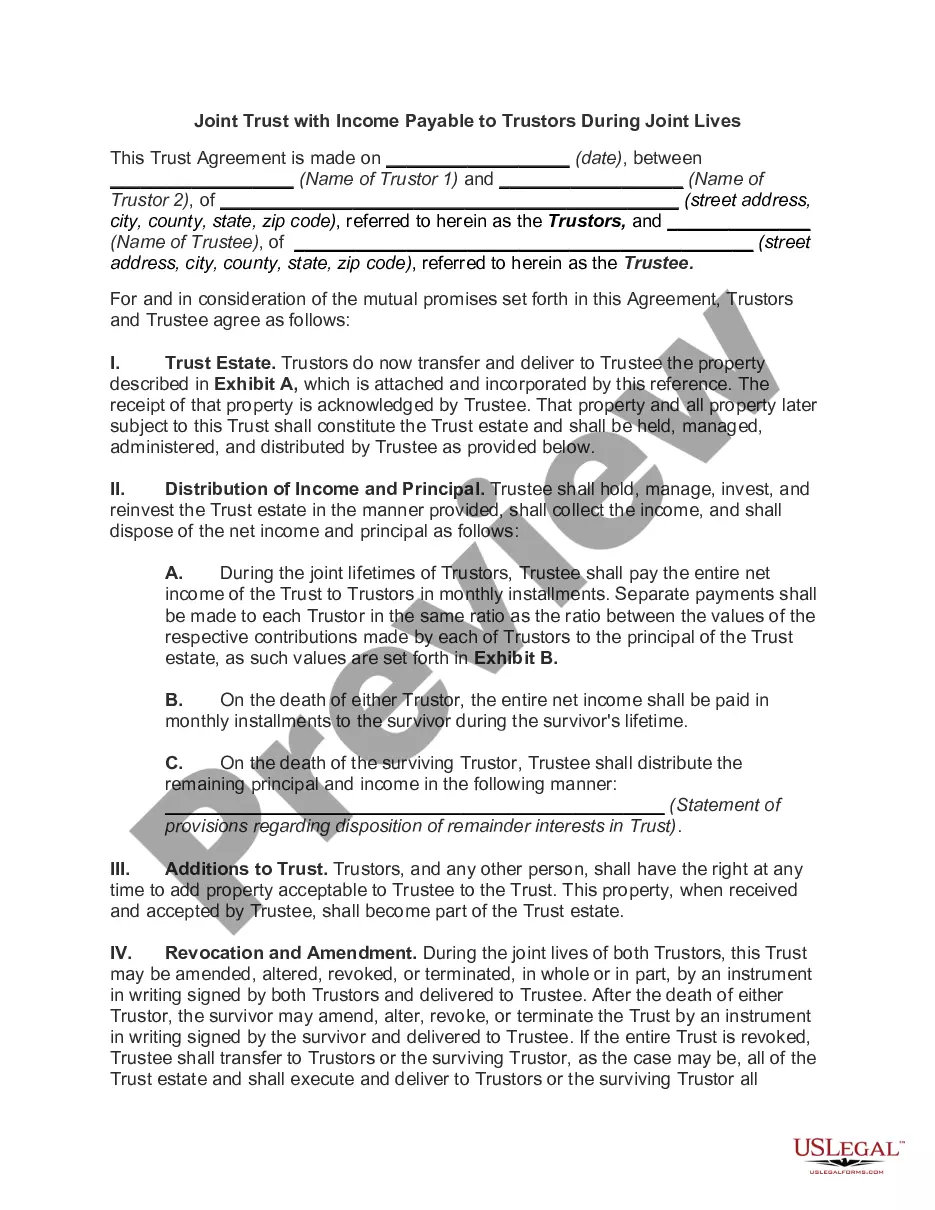

Get your form ready online
Our built-in tools help you complete, sign, share, and store your documents in one place.
Make edits, fill in missing information, and update formatting in US Legal Forms—just like you would in MS Word.
Download a copy, print it, send it by email, or mail it via USPS—whatever works best for your next step.
Sign and collect signatures with our SignNow integration. Send to multiple recipients, set reminders, and more. Go Premium to unlock E-Sign.
If this form requires notarization, complete it online through a secure video call—no need to meet a notary in person or wait for an appointment.
We protect your documents and personal data by following strict security and privacy standards.

Make edits, fill in missing information, and update formatting in US Legal Forms—just like you would in MS Word.

Download a copy, print it, send it by email, or mail it via USPS—whatever works best for your next step.

Sign and collect signatures with our SignNow integration. Send to multiple recipients, set reminders, and more. Go Premium to unlock E-Sign.

If this form requires notarization, complete it online through a secure video call—no need to meet a notary in person or wait for an appointment.

We protect your documents and personal data by following strict security and privacy standards.
Looking for another form?








How to fill out Qualified Income Miller Trust?
- Log in to your US Legal Forms account if you're already a member. Ensure your subscription is still valid before proceeding.
- For new users, browse the Preview mode and read the form descriptions to select the most suitable document for your needs.
- If you don't find the required form, utilize the Search tab to discover other templates that may meet your criteria.
- Purchase the correct document by clicking the Buy Now button. Choose the subscription plan that works best for you and register for an account.
- Complete your payment using a credit card or PayPal to finalize your subscription.
- Download the selected form to your device and access it anytime from the My Forms menu in your profile.
Once you've followed these steps, you can confidently complete your qualified income trust tax return, ensuring it meets all legal requirements.
Ready to get started? Visit US Legal Forms today to simplify your legal document needs!
Form popularity
FAQ
Yes, an IRS form 1041 can be filed electronically as part of your qualified income trust tax return process. This option enhances the efficiency of your filing experience, allowing for faster processing and confirmation. Be sure to use approved e-file providers to ensure compliance with IRS regulations. Leveraging digital solutions from platforms like uslegalforms can further simplify your filing journey.
Yes, you typically need to file form 1041 for a trust if it generates income. This form helps the IRS track income distribution and tax obligations of the trust. When preparing your qualified income trust tax return, ensure you understand the rules regarding filing and income generation. Using service providers such as uslegalforms can assist you in meeting these requirements efficiently.
There are several IRS forms that cannot be filed electronically, including forms related to amended returns and certain informational returns. Specifically, forms like 1040-X and certain partnership returns must be filed on paper. When preparing your qualified income trust tax return, ensure you know which forms can be filed electronically to avoid delays. For seamless filings, consider relying on platforms like uslegalforms to provide clarity on these requirements.
Yes, Illinois allows filing the IL 1041 electronically as part of your qualified income trust tax return process. This option streamlines your filing experience and ensures greater accuracy in reporting. Utilizing reputable tax software can help you navigate both federal and state requirements, minimizing potential errors. Make sure you check the specific guidelines set by the Illinois Department of Revenue for electronic submissions.
Currently, you cannot file an estate tax return electronically. The IRS requires this return to be submitted on paper, which can be a bit cumbersome. However, filing electronically for your qualified income trust tax return is an option, and using a user-friendly platform like uslegalforms can simplify that process immensely. Always consult with a tax professional for guidance tailored to your situation.
Yes, you can file IRS form 1041 electronically for your qualified income trust tax return. Many tax software programs support electronic filing of this form, making the process more efficient. By filing electronically, you can receive your acceptance confirmation faster and ensure improved accuracy in your submission. Remember to choose a reliable platform that complies with IRS electronic filing requirements.
An income trust serves to manage and safeguard assets for beneficiaries while ensuring compliance with Medicaid eligibility. The primary purpose is to hold excess income so that individuals can qualify for public assistance without losing their assets. Establishing a qualified income trust helps individuals maintain their financial independence while adhering to the requirements of the qualified income trust tax return.
Yes, income generated by a qualified income trust must be reported on a tax return. The trust itself may have to file a return, depending on its income and distributions. Accurate reporting is crucial to navigate the complexities of the qualified income trust tax return process and to comply with IRS regulations.
For filing form 1041 related to income trusts, you will need TurboTax Business. This version supports the necessary forms and schedules for trust filings and helps ensure compliance with the qualified income trust tax return requirements. It provides the tools to accurately report income and deductions for your qualified income trust.
To get a qualified income trust, start by assessing your eligibility with a legal professional. After defining your needs, the attorney will draft the trust document to meet all legal requirements. With uslegalforms, you can also access customizable forms that can help you expedite the process of setting up your qualified income trust.