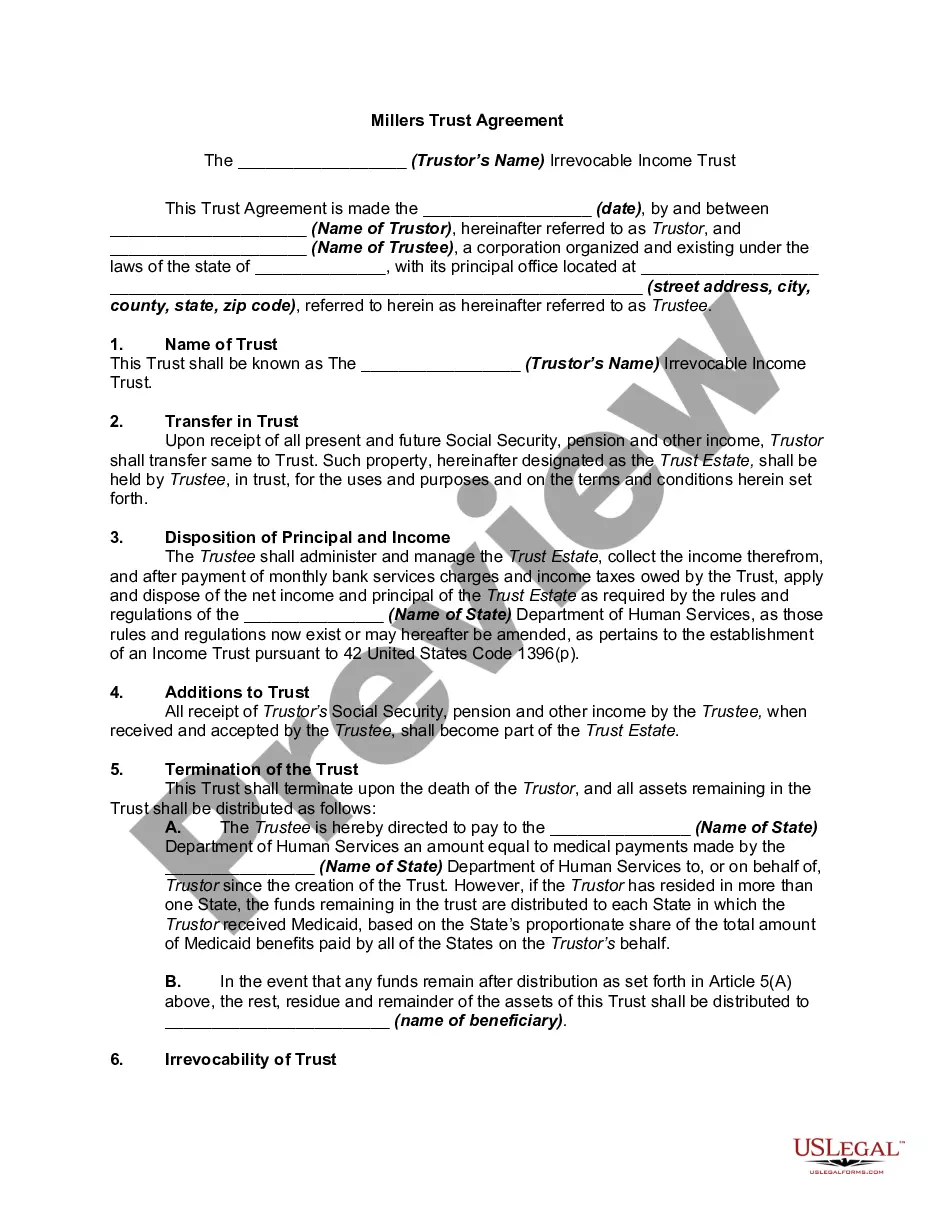
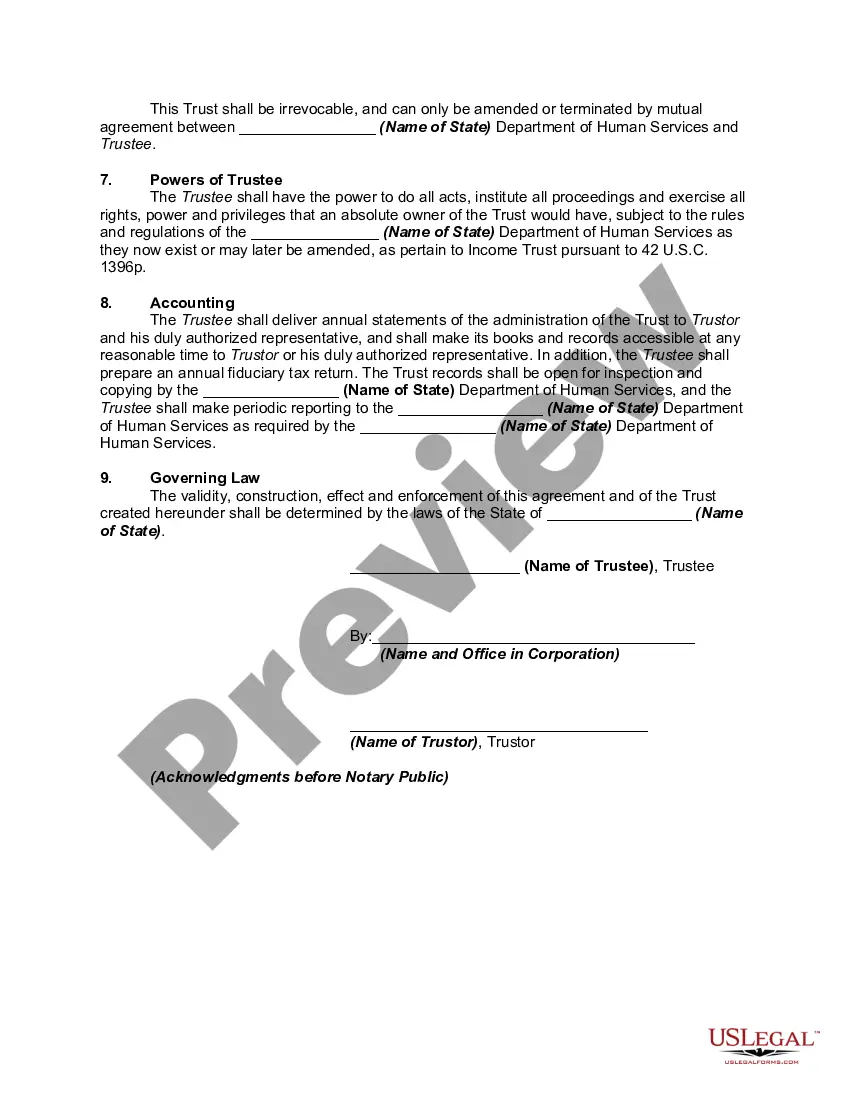
Income Cap Trust Form Oregon Format
Description

Get your form ready online
Our built-in tools help you complete, sign, share, and store your documents in one place.
Make edits, fill in missing information, and update formatting in US Legal Forms—just like you would in MS Word.
Download a copy, print it, send it by email, or mail it via USPS—whatever works best for your next step.
Sign and collect signatures with our SignNow integration. Send to multiple recipients, set reminders, and more. Go Premium to unlock E-Sign.
If this form requires notarization, complete it online through a secure video call—no need to meet a notary in person or wait for an appointment.
We protect your documents and personal data by following strict security and privacy standards.

Make edits, fill in missing information, and update formatting in US Legal Forms—just like you would in MS Word.

Download a copy, print it, send it by email, or mail it via USPS—whatever works best for your next step.

Sign and collect signatures with our SignNow integration. Send to multiple recipients, set reminders, and more. Go Premium to unlock E-Sign.

If this form requires notarization, complete it online through a secure video call—no need to meet a notary in person or wait for an appointment.

We protect your documents and personal data by following strict security and privacy standards.
Looking for another form?






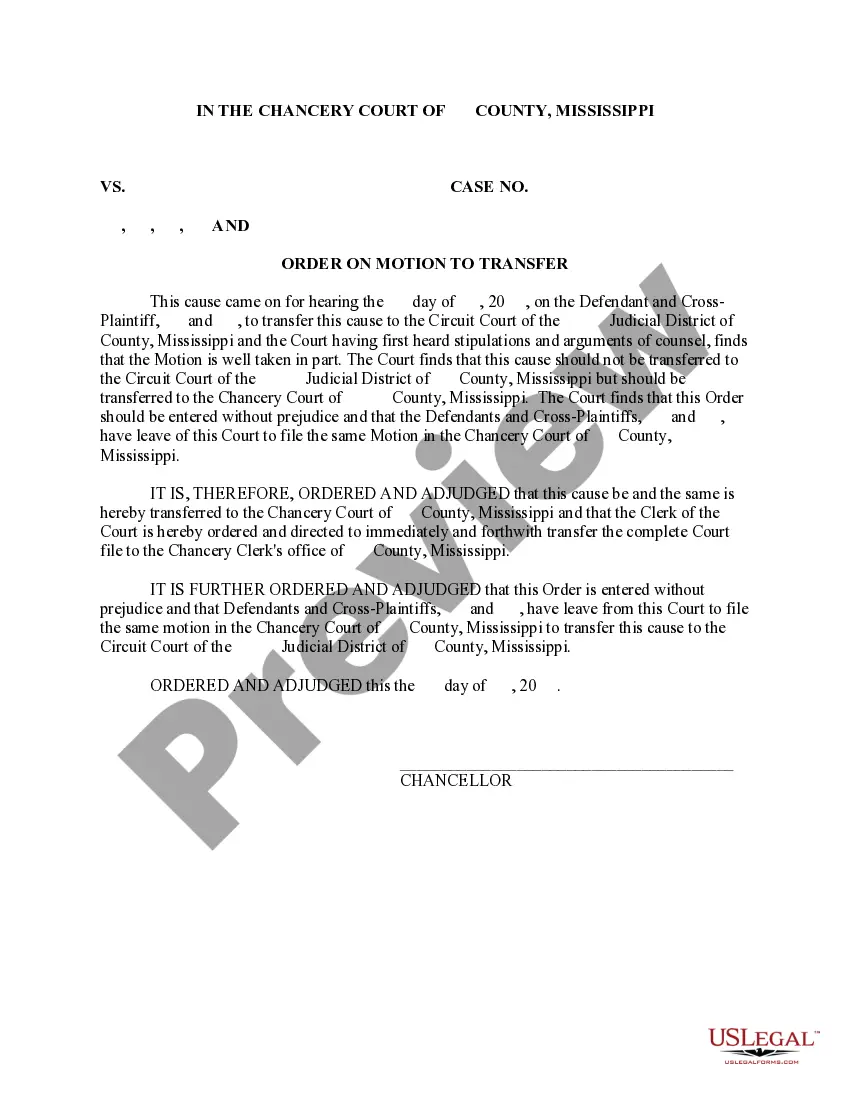



How to fill out Qualified Income Miller Trust?
Creating legal papers from the ground up can frequently be somewhat daunting.
Certain situations may require extensive research and considerable financial investment.
If you are looking for an easier and more cost-effective method of drafting the Income Cap Trust Form Oregon Format or any other documents without excessive hassle, US Legal Forms is always accessible to you.
Our digital repository of more than 85,000 current legal documents covers nearly every aspect of your financial, legal, and personal matters. With just a handful of clicks, you can swiftly obtain state- and county-specific templates meticulously prepared for you by our legal experts.
Ensure that the form you select meets the regulations and laws applicable to your state and county. Choose the most appropriate subscription option to acquire the Income Cap Trust Form Oregon Format. Download the document, then complete, certify, and print it. US Legal Forms has an impeccable reputation and over 25 years of experience. Join us now and make document execution a simple and straightforward process!
- Utilize our platform whenever you require reliable and trustworthy services to easily search for and download the Income Cap Trust Form Oregon Format.
- If you are familiar with our website and have set up an account with us in the past, simply Log In to your account, find the template, and download it or re-download it any time later from the My documents section.
- Haven't registered yet? No problem. Registering takes very little time and allows you to explore the catalog.
- Before proceeding directly to download the Income Cap Trust Form Oregon Format, consider these recommendations.
- Check the form preview and details to ensure you have located the specific form you need.
Form popularity
FAQ
Establishing a trust in Oregon can be highly beneficial, particularly for estate planning and wealth management. A trust can help you manage your assets, ensure they are distributed according to your wishes, and avoid probate. By using the Income cap trust form Oregon format, you can create a personalized plan that offers financial protection for your beneficiaries. Overall, it is a practical step towards safeguarding your legacy.
If you have the means to pay off old debt, it will help your overall credit ? both your score and your report. Remember that even if debt is time-barred, creditors and debt collectors can still reach out to collect debts.
Confirm that the debt is yours. ... Check your state's statute of limitations. ... Know your debt collection rights. ... Figure out how much you can afford to pay. ... Ask to have your account deleted. ... Set up a payment plan. ... Make your payment. ... Document everything.
Can a Debt Collector Collect After 10 Years? In most cases, the statute of limitations for a debt will have passed after 10 years. This means a debt collector may still attempt to pursue it (and you technically do still owe it), but they can't typically take legal action against you.
The Fair Debt Collection Practices Act (FDCPA) prohibits debt collectors from using abusive, unfair, or deceptive practices to collect debts from you, including: Misrepresenting the nature of the debt, including the amount owed. Falsely claiming that the person contacting you is an attorney.
Statute of Limitations in Colorado That time frame is set by each state and varies from 3-10 years. In Colorado, the statute of limitations on debt is three years for written contracts, oral contracts, promissory notes, and open-ended accounts.
Paying off collections could increase scores from the latest credit scoring models, but if your lender uses an older version, your score might not change. Regardless of whether it will raise your score quickly, paying off collection accounts is usually a good idea.
If you are faced with debt collections, this could appear on your credit report and last for up to 7 years. You'll still be on the hook to make these payments, even after the remark falls off the report.
To take legal action to collect a debt, the creditor (the person or company owed money) files a lawsuit against the debtor (the person who owes the money). Once a debt collection lawsuit is filed with the court, the creditor must give the debtor notice of the lawsuit (service).