Foreign Person U.s. Source Income Subject To Withholding O Que é
Description
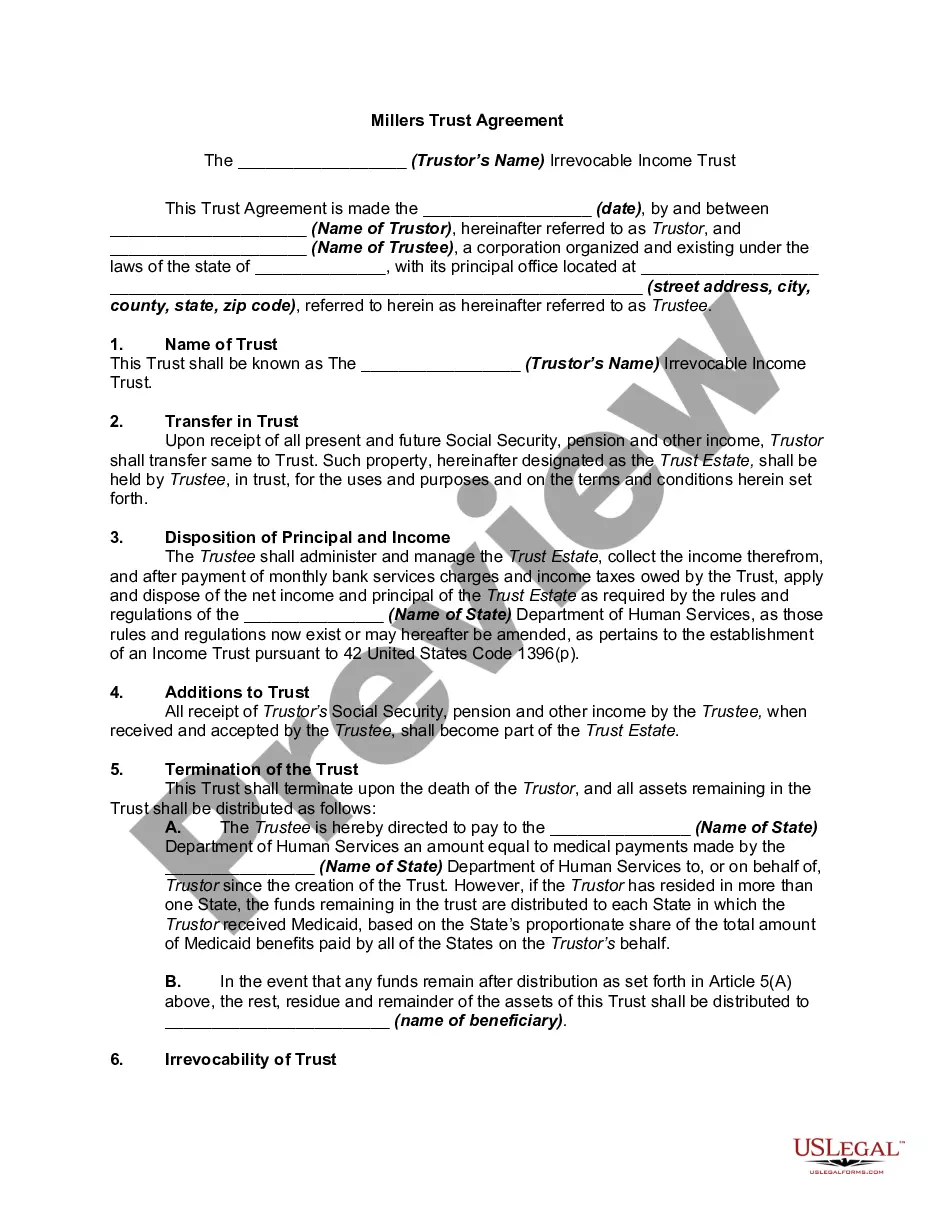

Get your form ready online
Our built-in tools help you complete, sign, share, and store your documents in one place.
Make edits, fill in missing information, and update formatting in US Legal Forms—just like you would in MS Word.
Download a copy, print it, send it by email, or mail it via USPS—whatever works best for your next step.
Sign and collect signatures with our SignNow integration. Send to multiple recipients, set reminders, and more. Go Premium to unlock E-Sign.
If this form requires notarization, complete it online through a secure video call—no need to meet a notary in person or wait for an appointment.
We protect your documents and personal data by following strict security and privacy standards.

Make edits, fill in missing information, and update formatting in US Legal Forms—just like you would in MS Word.

Download a copy, print it, send it by email, or mail it via USPS—whatever works best for your next step.

Sign and collect signatures with our SignNow integration. Send to multiple recipients, set reminders, and more. Go Premium to unlock E-Sign.

If this form requires notarization, complete it online through a secure video call—no need to meet a notary in person or wait for an appointment.

We protect your documents and personal data by following strict security and privacy standards.
Looking for another form?








How to fill out Qualified Income Miller Trust?
- If you're an existing user of US Legal Forms, simply log in to your account to access your previously saved forms and click the Download button. Ensure your subscription is active; renew it if necessary.
- For first-time users, begin by assessing the Preview mode and form descriptions to find the one that suits your needs and adheres to local jurisdiction regulations.
- If the first form doesn’t meet your criteria, utilize the Search tab above to explore other available templates.
- When you find the correct document, proceed to purchase it by clicking the Buy Now button and selecting your desired subscription plan. An account registration is required to unlock full access to the document library.
- Complete your purchase using a credit card or PayPal account to finalize your subscription.
- After completing your purchase, download your legal form and save it to your device. You can always access it later in the My Forms section of your profile.
In conclusion, US Legal Forms equips users with the tools needed to efficiently manage legal documents. By following these straightforward steps, you can effortlessly obtain the forms you need, ensuring compliance and peace of mind.
Ready to get started? Visit US Legal Forms today and simplify your legal document management!
Form popularity
FAQ
Foreign source income includes earnings generated outside of the U.S. For instance, if you receive interest from a bank account in another country or rental income from property located abroad, these would qualify as foreign source income. As a foreign person, understanding these distinctions is vital, especially considering how they interplay with U.S. tax withholding regulations. Explore our platform at US Legal Forms for tools and templates to assist with managing your international income.
Reporting foreign income on your U.S. tax return requires careful attention to detail. As a foreign person earning U.S. source income subject to withholding, you must complete the appropriate tax forms, like Form 1040NR, and declare all relevant income and deductions. You should also be aware of any treaties between your country and the U.S., which may affect your reporting obligations. For additional guidance, you might consider using our resources at US Legal Forms to ensure compliance and accuracy.
Income subject to withholding refers to earnings that are required to have taxes deducted before you receive your payment. If you are a foreign person with U.S. source income, this means that a portion of your income may be withheld by the payer to cover federal income taxes. Understanding this concept is crucial for managing your finances while complying with U.S. tax laws. To navigate these regulations effectively, US Legal Forms can offer comprehensive resources to help you.
To determine if you are subject to withholding, identify the type of income you receive and your residency status. Foreign persons receiving U.S. source income must often withhold taxes based on tax law requirements. Consulting a knowledgeable service like USLegalForms can help clarify your obligations regarding U.S. source income subject to withholding o que é.
Wages subject to withholding are earnings from employment that have taxes deducted before payment. For foreign persons working in the U.S., understanding wages subject to U.S. source income subject to withholding o que é is essential for accurate tax reporting. Ensuring proper withholding can help prevent tax issues down the road and keep financial matters in order.
Income subject to withholding encompasses earnings that the IRS requires to have taxes deducted at the source. This can include wages, rents, royalties, and various forms of investment income. For foreign individuals, knowing what falls under U.S. source income subject to withholding o que é will help you navigate your tax responsibilities and avoid surprises.
Tax withholding for a foreign person can vary based on the type of income received and the relevant tax treaties. Generally, federal tax rates range from 30% on certain U.S. source income. If you are a foreign person, it's vital to determine your income type to understand the specifics of U.S. source income subject to withholding o que é and how it applies to your situation.
Income subject to final withholding tax refers to earnings that the U.S. government taxes before you receive them. For a foreign person, U.S. source income subject to withholding o que é typically includes salaries, dividends, and interest. Understanding this concept is crucial for managing your tax obligations effectively and ensuring compliance with U.S. tax laws.
Generally, foreign source income is not subject to U.S. withholding tax, as it is classified outside U.S. jurisdiction. However, if foreign earnings pass through U.S. entities or are connected to U.S. businesses, different rules may apply. Being clear about your foreign person U.S. source income subject to withholding o que é is crucial for determining your tax responsibilities.
Withholding tax in the USA for foreigners typically starts at a base rate of 30%, but it can be reduced based on specific factors such as treaty benefits or type of income. Certain types of income may not be subject to withholding tax at all. Navigating the foreign person U.S. source income subject to withholding o que é helps clarify which rates apply to your situation.